
Ὁ Κύριος εἶπε στοὺς μαθητές Του: «Ὅποιος θέλει νὰ μὲ ἀκολουθήσει, ἂς ἀπαρνηθεῖ τὸν ἑαυτό του, ἂς σηκώσει τὸν σταυρό του κι ἂς μὲ ἀκολουθεῖ».
Γιατὶ εἶπε, «τὸν σταυρό του»; Ἐπειδὴ εἶναι σταυρὸς προσωπικός. Κάθε ἄνθρωπος, δηλαδή, ἔχει νὰ σηκώσει τὸν δικό του σταυρό, ὁ ὁποῖος, ὅμως, ὁνομάζεται συνάμα καὶ Σταυρὸς τοῦ Χριστοῦ.
Γιὰ κάθε ἄνθρωπο «ὁ σταυρός του» εἶναι οἱ θλίψεις καὶ οἱ ὀδύνες τῆς ἐπίγειας ζωῆς, θλίψεις καὶ ὀδύνες προσωπικές.
Γιὰ κάθε ἄνθρωπο «ὁ σταυρός του» εἶναι ἡ νηστεία, ἡ ἀγρυπνία καὶ οἱ ἄλλες ἀσκήσεις τῆς εὐσέβειας, μὲ τὶς ὁποῖες ταπεινώνεται ἡ σάρκα καὶ ὑποτάσσεται τὸ πνεῦμα. Εἶναι κι αὐτὲς προσωπικές, καθώς πρέπει νὰ ἀναλογοῦν στὶς δυνάμεις τοῦ καθενός.
Γιὰ κάθε ἄνθρωπο «ὁ σταυρός του» εἶναι οἱ ἁμαρτωλὲς ἀδυναμίες καὶ τὰ πάθη, προσωπικά ἐπίσης. Μὲ ὁρισμένα ἀπ' αὐτὰ γεννιέται, ἐνῶ ἄλλα τὰ ἀποκτᾶ στὴν πορεία τῆς ἐπίγειας ζωῆς του.
Ὁ Σταυρὸς τοῦ Χριστοῦ εἶναι ἡ διδασκαλία τοῦ Χριστοῦ.
Μάταιος καὶ ἀτελέσφορος ὁ σταυρός -ὅσο βαρὺς κι ἂν εἶναι- ποὺ σηκώνουμε, ἀκολουθώντας τὸν Χριστό, ἂν δὲν μεταβληθεῖ σὲ Σταυρὸ τοῦ Χριστοῦ.
Γιὰ τὸν μαθητὴ τοῦ Χριστοῦ «ὁ σταυρός του» γίνεται Σταυρὸς τοῦ Χριστοῦ. Γιατὶ ὁ μαθητής τοῦ Χριστοῦ ἔχει τὴν ἀκλόνητη πεποίθηση ὅτι Ἐκεῖνος πάντοτε ἀγρυπνεῖ γι' αὐτόν, ὅτι Ἐκεῖνος εἶναι ποὺ παραχωρεῖ ὅλες τὶς θλίψεις, ὡς ἀπαραίτητο καὶ ἀναπόφευκτο ὅρο τῆς χριστιανικῆς ἰδιότητας, καὶ ὅτι μ' αὐτὲς μιμεῖται καὶ οἰκειώνεται τὸν Χριστό, γίνεται μέτοχος τῶν παθημάτων Του στὴ γῆ, γιὰ νὰ γίνει μέτοχος καὶ τῆς δόξας Του στὸν οὐρανό.
Γιὰ τὸν μαθητὴ τοῦ Χριστοῦ «ὁ σταυρός του» γίνεται Σταυρὸς τοῦ Χριστοῦ. Γιατὶ ὁ ἀληθινὸς μαθητής τοῦ Χριστοῦ μοναδικό σκοπό τῆς ζωῆς του ἔχει τὴν ἐκπλήρωση τῶν ἐντολῶν Ἐκείνου. Οἱ πανάγιες ἐντολὲς τοῦ Χριστοῦ γίνονται γιὰ τὸν μαθητή Του σταυρός, ποὺ πάνω του διαρκῶς σταυρώνει τὸν παλαιὸ ἁμαρτωλὸ ἑαυτό του «μαζὶ μὲ τὰ πάθη καὶ τὶς ἐπιθυμίες του».
Ἔτσι γίνεται φανερό ὅτι, γιὰ νὰ σηκώσει κανεὶς τὸν σταυρό του καὶ ν' ἀκολουθήσει τὸν Χριστό, πρέπει ν' ἀπαρνηθεῖ τὸν ἑαυτό του νὰ τὸν ἀπαρνηθεῖ ὡς τὸν ἀφανισμὸ τῆς ψυχῆς του! Ναί, γιατὶ τόσο βαθιά, τόσο πληθωρικὰ διαπότισε ἡ ἁμαρτία τὴ φθαρμένη φύση μας, ὥστε ἡ ψυχή μας πρέπει ν' ἀφανιστεῖ καὶ νὰ γεννηθεῖ πάλι ἀπὸ τὸ Ἅγιο Πνεῦμα.
Γιὰ νὰ σηκώσεις τὸν σταυρό σου, πρέπει, πρῶτον, νὰ ἀρνηθεῖς στὸ σῶμα τὴν ἱκανοποίηση τῶν ἰδιότροπων ἐπιθυμιῶν του, προσφέροντας του μόνο τὰ ἀπαραίτητα γιὰ τὴ συντήρηση του• δεύτερον, νὰ παραδεχθεῖς ὅτι τὸ δίκαιό σου εἶναι ἀπάνθρωπη ἀδικία καὶ ἡ λογική σου τέλειος παραλογισμὸς ἐνώπιον τοῦ Θεοῦ καί, τρίτον, νὰ παραδοθεῖς στὸν Κύριο μὲ ἀκλόνητη πίστη καὶ νὰ ἐπιδοθεῖς στὴν ἐπιμελὴ σπουδὴ τοῦ Εὐαγγελίου, ἀποστεργώντας τὸ θέλημά σου.
Ὅποιος μ' αὐτὸν τὸν τρόπο ἀπαρνεῖται τὸν ἑαυτό του, εἶναι ἱκανὸς νὰ σηκώσει τὸν σταυρό του. Μὲ πνεῦμα ὑποταγῆς στὸν Θεό καὶ μὲ τὴν ἐπίκληση τῆς βοήθειας Του, ἡ ὁποία ἔρχεται νὰ τὸν ἐνισχύσει, κοιτάζει ἄφοβα καὶ ἀτάραχα τὴ θλίψη νὰ τὸν πλησιάζει καὶ ἑτοιμάζεται μεγαλόψυχα νὰ τὴν ὑπομείνει. Ἐλπίζει ὅτι ἔτσι θὰ γίνει μέτοχος τῶν παθημάτων τοῦ Χριστοῦ καὶ θὰ φτάσει στὴν ὁμολογία Του, ὁμολογία μυστική, μὲ τὸν νοῦ καὶ τὴν καρδιά, ἀλλὰ καὶ φανερή, μὲ τὶς πράξεις καὶ ὁλόκληρη τὴ ζωή.
Ὅσο ὁ σταυρὸς παραμένει μόνο δικός μας, εἶναι πολύ βαρύς. Ὅταν μεταβληθεῖ σὲ Σταυρὸ τοῦ Χριστοῦ, γίνεται ἐξαιρετικὰ ἐλαφρός. «Γιατὶ ὁ ζυγός μου εἶναι χρηστὸς καὶ τὸ φορτίο μου ἐλαφρό», εἶπε ὁ Κύριος.
Ὁ σταυρὸς τοποθετεῖται στοὺς ὥμους τοῦ μαθητῆ τοῦ Χριστοῦ, ὅταν αὐτὸς ἀναγνωρίσει πὼς εἶναι ἄξιος τῶν θλίψεων ποὺ τοῦ ἔστειλε ἡ πρόνοια τοῦ Θεοῦ.
Ὁ μαθητὴς τοῦ Χριστοῦ σηκώνει ὀρθὰ τὸν σταυρό του, ὅταν παραδέχεται ὅτι οἱ θλίψεις εἶναι ἀπαραίτητες γιὰ τὴ μεταμόρφωση του, τὴν ὁμοίωση του μὲ τὸν Χριστὸ καὶ τὴ σωτηρία του.
Ἡ καρτερική ἄρση τοῦ σταυροῦ σου εἶναι ἡ καθαρή θέαση καὶ ἐπίγνωση τῆς ἁμαρτωλότητάς σου. Σ' αὐτὴ τὴν ἐπίγνωση δὲν ὑπάρχει αὐταπάτη. Ἀπεναντίας, ἂν ὁμολογεῖς πὼς εἶσαι ἁμαρτωλὸς ἀλλὰ βαρυγκωμᾶς γιὰ τὸν σταυρό σου, ἀποδεικνύεις πὼς ἔχεις ἐπιφανειακὴ γνώση τῆς ἀμαρτωλότητάς σου καὶ βρίσκεσαι μέσα στὴν αὐταπάτη.
Ἡ καρτερική ἄρση τοῦ σταυροῦ σου εἶναι ἡ πραγματικὴ μετάνοια.
Καρφωμένος στὸν σταυρό, ὁμολόγησε μπροστὰ στὸν Κύριο πὼς οἱ ἀποφάσεις Του εἶναι ἀλάθητες. Κατηγόρησε τὸν ἑαυτό σου, δικαίωσε τὴν κρίση τοῦ Θεοῦ, καὶ θὰ λάβεις τὴν ἄφεση τῶν ἁμαρτιῶν σου.
Καρφωμένος στὸν σταυρό, γνώρισε τὸν Χριστό, καὶ θ' ἀνοιχθοῦν γιὰ σένα οἱ πύλες τοῦ παραδείσου.
Καρφωμένος στὸν σταυρό σου, δόξασε τὸν Κύριο, ἀποδιώχνοντας ὡς ἄνομο καὶ βλάσφημο κάθε λογισμὸ παραπόνου καὶ γογγυσμοῦ.
Καρφωμένος στὸν σταυρό σου, εὐχαρίστησε τὸν Κύριο γι' αὐτὸ τὸ ἀνεκτίμητο δῶρο Του τὴ δυνατότητα, δηλαδή, ποὺ σοῦ δίνει νὰ Τὸν μιμηθεῖς μὲ τὶς ὀδύνες σου.
Καρφωμένος στὸν σταυρό σου, νὰ θεολογεῖς- γιατὶ ὁ σταυρὸς εἶναι τὸ ἀληθινό σχολεῖο, τὸ μοναδικό θησαυροφυλάκιο καὶ ὁ ὕψιστος θρόνος τῆς αὐθεντικῆς θεολογίας. Δίχως σταυρὸ δὲν ὑπάρχει ζωντανὴ γνώση τοῦ Θεοῦ.
«Μὴ ζητᾶς τὴν τελειότητα τοῦ νόμου τῆς ἐλευθερίας (δηλ. τοῦ Εὐαγγελίου) σὲ ἀνθρώπινες ἀρετές, γιατὶ τέλειος ἄνθρωπος μ' αὐτὲς τὶς ἀρετὲς δὲν ὑπάρχει, ἡ τελειότητα του εἶναι κρυμμένη στὸν Σταυρὸ τοῦ Χριστοῦ».
Σὲ Σταυρὸ τοῦ Χριστοῦ μεταβάλλεται ὁ σταυρὸς τοῦ μαθητῆ τοῦ Χριστοῦ, ὅταν αὐτὸς τὸν σηκώνει μὲ εἰλικρινὴ συναίσθηση τῆς ἁμαρτωλότητα του εὐχαριστώντας καὶ δοξολογώντας τὸν Κύριο. Ἀπὸ τὴν εὐχαριστία καὶ τὴ δοξολογία ἔρχεται ἡ πνευματικὴ παρηγοριά. Ἡ εὐχαριστία καὶ ἡ δοξολογία γίνονται πλούσιες πηγὲς ἀσύλληπτης καὶ ἄφθαρτης χαρᾶς, ποὺ κοχλάζει εὐεργετικά μέσα στὴν καρδιά, ξεχύνεται στὴν ψυχή, ἀπλώνεται στὸ σῶμα, κυριεύει ὅλη τὴν ὕπαρξη τοῦ ἀνθρώπου.
Ὁ Σταυρὸς τοῦ Χριστοῦ εἶναι γιὰ τοὺς σαρκικοὺς ἀνθρώπους ἀσήκωτος. Γιὰ τὸν μαθητὴ καὶ ἀκόλουθο τοῦ Χριστοῦ, ὅμως, εἶναι ἀστείρευτη πηγὴ ἀνέκφραστης πνευματικῆς εὐφροσύνης. Τόσο μεγάλη εἶναι αὐτὴ ἡ εὐφροσύνη, ποὺ ἐξουδετερώνει ἐντελῶς τὴ θλίψη καὶ τὸν πόνο.
Ἡ νεαρὴ Μαύρα εἶπε στὸν σύζυγό της Τιμόθεο, ὅταν ἐκεῖνος, ὑπομένοντας μὲ καρτερία φοβερὰ βασανιστήρια γιὰ τὴν πίστη του στὸν Χριστό, τὴν καλοῦσε στὸ μαρτύριο: "Φοβᾶμαι, ἀδελφέ μου, νὰ μὴ δειλιάσω, ὅταν δῶ τὰ βασανιστικὰ ὅργανα καὶ τὸν ὀργισμένο ἡγεμόνα φοβᾶμαι μήπως λυγίσω, ἐπειδὴ εἶμαι νέα". Καὶ ὁ Τιμόθεος τῆς ἀπάντησε: "Νὰ στηρίξεις τὴν ἐλπίδα σου στὸν Κύριό μας Ἰησοῦ Χριστό, καὶ τὰ βασανιστήρια θὰ γίνουν λάδι, ποὺ θὰ χυθεῖ πάνω στὸ σῶμα σου, θὰ γίνουν πνοὴ δροσιᾶς, ποὺ θὰ σὲ ἀνακουφίσει ἀπὸ τοὺς πόνους σου".
Ὁ Σταυρὸς εἶναι ἡ δύναμη καὶ ἡ δόξα τῶν Ἁγίων ὅλων τῶν αἰώνων.
Ὁ Σταυρὸς εἶναι ὁ θεραπευτὴς τῶν παθῶν καὶ ὁ ἐξολοθρευτὴς τῶν δαιμόνων.
Θανατηφόρος εἶναι ὁ σταυρός τους γιὰ ὅσους δὲν φρόντισαν νὰ τὸν μεταβάλουν σὲ Σταυρὸ τοῦ Χριστοῦ, γιὰ ὅσους βαρυγκωμοῦν ἐνάντια στὴ θεία πρόνοια, γιὰ ὅσους παραδίνονται στὴν ἀπελπισία καὶ τὴν ἀπόγνωση. Οἱ ἁμαρτωλοὶ ποὺ δὲν ἔχουν ἐπίγνωση τῆς ἁμαρτωλότητάς τους, ἑπομένως οὔτε καὶ μετάνοια, πεθαίνουν γιὰ πάντα πάνω στὸν σταυρό τους καὶ στεροῦνται, ἀπὸ ἔλλειψη αὐτογνωσίας καὶ καρτερίας, τὴν ἀληθινὴ ζωή, τὴ ζωή μαζὶ μὲ τὸν Θεό. Οἱ ψυχές τους κατεβαίνουν ἀπὸ τὸν σταυρὸ τῶν θλίψεων μόνο νεκρές, γιὰ νὰ ριχθοῦν στὸν αἰώνιο τάφο, στὴ φυλακὴ τοῦ ἄδη.
Ὁ Σταυρὸς τοῦ Χριστοῦ ἀνυψώνει πάνω ἀπὸ τὴ γῆ τὸν σταυρωμένο σ' αὐτὸν μαθητὴ τοῦ Χριστοῦ. Ὁ μαθητὴς τοῦ Χριστοῦ, καρφωμένος στὸν σταυρό του καὶ Σταυρὸ τοῦ Χριστοῦ, ἔχει τὶς σκέψεις του στραμμένες στὰ αἰώνια καὶ ἄφθαρτα ἀγαθά, μὲ τὸν νοῦ καὶ τὴν καρδιά του ζεῖ στὸν οὐρανὸ καὶ θεωρεῖ τὰ μυστήρια τοῦ Πνεύματος.
«Ὅποιος θέλει νὰ μὲ ἀκολουθήσει», εἶπε ὁ Κύριος, «ἂς ἀπαρνηθεῖ τὸν ἑαυτό του, ἂς σηκώσει τὸν σταυρό του καὶ ἂς μὲ ἀκολουθήσει». Ἀμήν.
Ἁγίου Ἰγνατίου Μπριαντσανίνωφ

Ένας Βούλγαρος πρώην χρηματιστής που έγινε μοναχός
Η πρόσφατη παγκόσμια οικονομική κρίση επηρέασε όχι μόνο τις χρηματιστηριακές αγορές και τη ζωή εκατομμυρίων ανθρώπων αλλά και κάποια μοναστήρια.
Πριν κάποιους μήνες ο ευρωπαϊκός τύπος ασχολήθηκε με τη βιογραφία ενός μοναχού –πρώην χρηματιστή στη Wall Street ο οποίος λέει είχε προβλέψει τη κρίση.
Με εξαίρεση κάποια χωριά κανείς στη Βουλγαρία δεν είχε ακούσει για τη Μονή Γκιγκίνσκι. Αυτό ίσως οφείλετε στη μεγάλη φτώχεια αυτών των περιοχών. Ακόμη και οι Βούλγαροι κομμουνιστές όταν θέλησαν να δημεύσουν τη περιουσία του μοναστηριού ,δεν είχαν τι να πάρουν Μετά τη πτώση του κομμουνισμού κάποιοι μοναχοί πήγαν να μείνουν στο Γκιγκίνσκι (δυτικά της Σόφιας, κοντά στα Βουλγαροσερβικά σύνορα) αλλά η έλλειψη ηλεκτρικού ρεύματος, η έλλειψη δρόμων και τα γκρεμισμένα κελιά τους απέτρεψαν στο να μείνουν πολύ. Και ίσως η μονή που βρίσκεται στους πρόποδες του όρους Κίτκα να έμενε ακόμα άγνωστη αν δεν είχε εγκατασταθεί εκεί ο π. Ευγένιος ένας αθωνίτης μοναχός.
Ένας πρώην χρηματιστής από τη Wall Street
Μόλις εμφανίστηκε στην αγορά το γάλα και το τυρί Ghighinski Monastery το μοναστήρι άρχισε να γίνετε γρήγορα γνωστό σε όλη τη Βουλγαρία. Ο τύπος άρχισε να ασχολείται εκτενώς. Ξέρετε ποιος βρίσκετε πίσω από το διάσημο τυρί βουβάλου; Ένας πρώην χρηματιστής από τη Wall Street σήμερα μοναχός στο Γκιγκίνσκι. Μετά σαν αστραπή διαδόθηκε η φήμη ότι αυξάνει τα κοπάδια του. Στην αρχή οι ανταγωνιστές κράτησαν μια απόσταση όταν όμως είδαν ότι το γάλα και το τυρί και το τυρί βουβαλιού πουλιόταν σα ζεστό ψωμί άρχισαν οι ύβρεις .
Κάποιοι υποστήριξαν ότι ο χρηματιστής έκανε στο χρηματιστήριο το μεγάλο κόλπο , αποφασίζοντας μετά να επενδύσει στη κτηνοτροφία για μεγαλύτερα κέρδη. Μη έχοντας όμως γη αποφάσισε να κάνει το μοναστήρι ,φάρμα. Άλλοι έλεγαν ότι ο κλέφτης ο Νικάνωρ έκλεψε τα λεφτά της εταιρίας που εργαζόταν ενώ κάποιοι άλλοι τον θεωρούσαν απλώς τρελό. Να αφήσει τα χιλιάδες δολάρια του χρηματιστηρίου και να ασχολείται με τα βουβάλια ενός γκρεμισμένου μοναστηριού ενός απομακρυσμένου χωριού;
Τελικά η αλήθεια είναι μία. Αυτές τις μερικές δεκάδες βουβαλιών ο πρώην χρηματιστής Νικάνωρ τα είχε αποκτήσει λόγω του ότι είχε καταθέσει τον καλύτερο φάκελο στη Βουλγαρία για τις επιδοτήσεις της Ευρωπαϊκής Ένωσης –SAPARD
Μοναχός – χρηματιστής σε περίοδο κρίσης
Η επιτυχία του φακέλου έκρυβε από πίσω ένα ειδικό. Ο Νικάνωρ ασχολούταν από νέος με τα οικονομικά από όταν ήταν ακόμη μαθητής. Μετά τη πτώση του κομμουνισμού ο Hristo Miskon (μοναχός Νικάνωρ )σπούδασε διεθνείς δημόσιες σχέσεις στο πανεπιστήμιο της Σόφιας. Οι οικονομικές του γνώσεις και η επιδεξιότητά του τον προώθησαν στις πιο διάσημες χρηματιστηριακές εταιρίες του κόσμου.
Εργαζόμενος για τη διάσημη εταιρία Karol και έχοντας διαβάσει μέχρι εκείνη τη στιγμή δεκάδες ορθόδοξα βιβλία, σκέφτηκε ότι ήρθε η στιγμή να διαβει τον Ρουβικώνα . Αποφάσισε να κάνει πράξη όλα όσα είχε διαβάσει. Έτσι γύρισε στη Βουλγαρία και έγινε υποτακτικός του ηγούμενου της Μονής Γκιγκίνσκι Ευγένιου.
Σεμνός, ξυπνάει πολύ νωρίς για να ταΐσει τα βουβάλια και τα αρμέγει Κάποιοι δημοσιογράφοι παραμυθιάζονται ότι ο χρηματιστής είχε προβλέψει τη κρίση και για αυτό ήρθε στο μοναστήρι. Ποιος όμως καταλαβαίνει τη δίψα του για σωτηρία;
Πεπεισμένος ότι δε μπορεί να κλείσει τα στόματα του κόσμου ο π Νικάνωρ συνιστά στους δημοσιογράφους και στους πρώην συναδέλφους του να έχουν πάνω στο γραφείο τους ένα βαζάκι με χώμα για να καταλάβουν ότι η αληθινή ζωή δεν έχει καμιά σχέση με περιουσίες.
http://iliaxtida.wordpress.com/2013/07/11/xr-9/#more-13318

The tomb of Father Cleopa Ilie, who rests at the Sihăstria Monastery, has become a pilgrimage site. Those who met Father Cleopa during the 64 years he spent only at Sihăstria come and worship at his resting place and say that they feel the blessing and the help of the holy man in achieving their requests, just as when he was alive.
Very many ill people have been miraculously cured after having taken earth or flowers from Father Cleopa’s tomb (which they carefully preserved at home) or even oil from the icon lamp at his tomb cross, which they applied on the suffering parts of their body. The miracle of the healings has spread out fast throughout the country and the monks at Sihăstria have to permanently add a layer of earth on the tomb, to replace the amount that is taken for healing.
"Several buses of pilgrims stop over at Father Cleopa’s tomb and ask for permission to take a handful of earth. Some sprinkle it in their gardens, others keep it as a sample of the Elder’s grace to be protected from all evil, while others add just a little bit in their food," a monk told us, adding that several times so far he has had to carry two or three wheelbarrells of earth to Fr. Cleopa’s grave, to fill in the hollows left by the faithful.
A young woman from Cluj, who knew Father Cleopa while he was alive (he had been her spiritual Father), was suffering from a terrible heart disease. She couldn’t manage to get to Sihăstria until after the Elder’s repose. She went to the cemetery and prayed near his grave; when she left, she took a little bit of earth and swallowed it, being certain that the Father’s grace will work upon her. The young woman was healed and the news about the miracle spread throughout the villages around Cluj, the monk added. The Father’s cell has been turned into a museum ever since and has been visited by thousands of pilgrims from inside and outside Romania.
Elder Cleopa

Whatever physical darkness is for the eyes, so is sin for the human soul. The spiritual darkness so darkens and blinds the eyes of the soul, that the sinner walks like the blind: he doesn't know where the path leads him; he doesn't see before him the torment of an eternal death in which he might fall; he doesn't distinguish vice from virtue, evil from good, truth from lies, true good fortune from evil fortune, and, thus, seeing he does not see and acts by touching like the blind.
Does he live in good fortune? He becomes violent, as an untrained and unrestrained horse, and does not see that with this good fortune God draws him to Himself as a father of a little child draws an apple. Will misfortune visit him? He grumbles, is indignant and blames, that as if he told a lie; he makes complaints and says a malicious word: "Am I a liar? In what have I sinned? Am I really more sinful than others? Am I worthy of this? Does my work deserve this?" He justifies himself, being full of every kind of untruth; he cleanses himself, being all besmirched; he considers himself unworthy of temporal punishment, but worthy of the eternal; he praises his merits, which stand for nothing.
All of creation, the heaven, the sun, the moon, the stars, the earth and its fulfillment, as if by mouth "tells of the glory of God" (Psalm 16:2); but the blind sinner does not feel the majesty of His glory and does not tremble. God, both through creation and by His word, reveals Himself for everyone; but the sinner, like a deaf person, does not hear His word and does not recognize the Lord. He hears the name of God, but he does not recognize God: he hears the voice of the Lord only with carnal instead of spiritual ears, and therefore, "hearing he does not hear and seeing he does not see".
When God is preached by His holy word, then His sacred will is also preached; but the sinner doesn't know it and does not make it his own. His omnipotence and majesty is preached, before which the sinner is not humble. His righteousness is preached before which the sinner is not afraid and does not honor. His truth is preached before which the sinner does not believe. His omnipresence is preached, before which the sinner does not show reverence. He does not show it because does not recognize Him. His most wise reason is preached, in which the sinner does not discern. His highest holiness is preached which the sinner does not honor. His supreme authority is preached which the sinner does not obey. His awesome glory is preached which the sinner does not honor. His timeless goodness is preached, in which the sinner makes no effort to participate. His fearful judgment is preached before which the sinner does not tremble, and so forth. Thus, the sinner is like "the man out of his mind who cannot know, and the stupid who cannot understand" (LXX Psalm 91:7) God and the acts of God.
And not only in relation to God, but also in relation to his neighbor, i.e. to any human, the blind man is a carnal and unenlightened man. We see that a person does evil to his neighbor, which he himself does not want; and does not do good to him, which he himself wants. We see that he is indignant and angry at the one who offends him; he abuses, abases, blames, discredits, lies about him, steals, kidnaps, takes away that which is his, and does other offenses; but he himself does such evil, or repays evil with evil, and is not ashamed and does not sense this. On the other hand, he wants his neighbor to be merciful to him and not leave him in need, for example: to quench his thirst and to give him drink when he thirsts, clothe the naked, welcome the stranger into his home and to comfort the sick and visit those in prison and do other works of mercy for him. All of this he wants, this truth is indisputable, but he himself does not want to do the same for a neighbor. We see that this evil is self-love, an untruth and blindness in Christians, who either silently pass by his neighbors living in misery as if not seeing them, or is ashamed to ask: "what can I do for him?" Many have plentiful food and a magnificent table for themselves, but do not care about a hungry neighbor; others wear all kinds of expensive clothes, and do not care about their naked neighbor; others build rich, large and tall houses and decorate the rest of the building, but for their neighbor who does not have a place to lay his head and to rest they do not care; they have silver, gold and other riches, comfortable for soul and life, that is kept whole and is saved, but there is no care for their neighbor who is burdened with debt and it is torment or prison for him for his shortfalls or sitting debts and suffering. We see this self-love and untruth in Christians: for not only they do evil, but also they don't do good for their neighbors, there is the untruth.
But, what it is even worse, we see that many Christians are not ashamed and are not afraid to steal, to kidnap and to be cunning, to flatter, to lie, to deceive, to slander, to scandalize, to denounce, to abuse, to commit adultery and make other offenses against their neighbor that they themselves would not want. All this comes from blindness.
St. Tikhon of Zadonsk

"For there is nothing hidden which will not be revealed" (Mark 4:22).
All secret works of man will be revealed one day. None of man's works can be hidden. The Jews thought they could hide the slaying of so many prophets from God and that their bloody, nefarious deed against Christ would be able to be hidden from God and man. However, that which they thought to hide became a daily and nightly tale both in the heavens and on earth for thousands of years.
Judas thought to hide his traitorous agreement against his Lord, but the Lord discerned this agreement and declared it to his face. "Jesus said to him, 'Judas are you betraying the Son of Man with a kiss?'" (Luke 22:48).
The Lord also discerned the hearts of the Pharisees and read their evil thoughts. "Why do you think evil in your hearts?" (Matthew 9:4). What kind of works, what kind of things, what kind of events in this world can be hidden from Him Who sees and reveals even the most secret thoughts of the hearts of men?
"For there is nothing hidden which will not be revealed." Because of this we need to be fearful; because of this we need to be rejoiceful. To be fearful - for all of our secret evil deeds, evil desires and evil thoughts will be brought out in the open. To be rejoiceful - for all the good, which we have committed, or desired or thought in secret, will be brought out in the open. If it is not brought out before men in the open, it will be brought out before the heavenly angels. The greater the fear for sinners, so much greater the joy for the righteous.
O Lord, Lover of mankind, forgive us our sins and do not make them known to our destruction and to the sorrow of Your holy angels. Amen.
St. Nikolai Velimirovich

Ξέρω ὅτι πολλοὶ ἀπὸ τοὺς συγκεντρωμένους πάλι θὰ μᾶς κατηγορήσουν, ὅταν μιλοῦμε γι᾿ αὐτά, καὶ θὰ ποῦν «Μή, σὲ παρακαλῶ, μὴ γίνεσαι φορτικὸς καὶ βαρετὸς στοὺς ἀκροατές· ἄφησέ το στὴ συνείδηση τοῦ καθενός, ἄφησέ το στὴν κρίση τῶν ἀκροατῶν· ἔτσι τώρα μᾶς ντροπιάζεις, μᾶς κάνεις νὰ κοκκινίζουμε!...».
Ἀλλ᾿ ὄχι! Αὐτὰ τὰ λόγια δὲν τὰ ἀνέχομαι! Γιατί οὔτε ὁ Παῦλος ντρεπόταν νὰ ἐνοχλῇ συνέχεια γιὰ τέτοια πράγματα καὶ νὰ ζητᾶ σὰν ζητιάνος. Ἐὰν ἔλεγα τοῦτο, δηλαδὴ δός μου, φέρε γιὰ τὸ σπίτι μου, ἴσως νά ῾ταν ντροπή. Ἂν καὶ οὔτε τότε θά ῾ταν ντροπή. «Οἱ γὰρ τῷ θυσιαστηρίῳ», λέγει, «προσεδρεύοντες, τῷ θυσιαστηρίῳ συμμερίζονται» (Α´ Κορ. 9,13). Πλὴν ὅμως πιθανὸν νὰ μὲ κατηγοροῦσε κάποιος, ὅτι μιλῶ γιὰ τὸν ἑαυτὸ μου· τώρα ὅμως παρακαλῶ γι᾿ αὐτοὺς ποὺ στεροῦνται, μᾶλλον ὄχι γι᾿ αὐτοὺς ποὺ στεροῦνται, ἀλλὰ γιὰ σᾶς ποὺ δίνετε· γι᾿ αὐτὸ καὶ μιλῶ χωρὶς νὰ ντρέπομαι.
Γιατί ποῦ εἶναι ἡ ντροπὴ σὰν πῶ, δῶσε στὸν Κύριο ποὺ πεινᾷ, ντῦσε τον ποὺ γυρίζει γυμνός, φιλοξένησέ τον ποὺ εἶναι ξένος; Ὁ Δεσπότης σου δὲν ντρέπεται μπροστὰ σ᾿ ὅλη τὴν οἰκουμένη νὰ λέγῃ «ἐπείνασα καὶ οὐκ ἐδώκατέ μοι φαγεῖν» (Ματθ. 25, 42), ὁ ἀνενδεής, ἐκεῖνος ποὺ δὲν ἔχει ἀνάγκη ἀπὸ τίποτε· καὶ ἐγὼ θὰ ντραπῶ καὶ θὰ διστάσω; Σὲ παρακαλῶ, μακριὰ τέτοια πράγματα! Τοῦ διαβόλου εἶναι αὐτὴ ἡ ντροπή!
Δὲν θὰ ντραπῶ, λοιπόν. Ἀντίθετα μάλιστα καὶ μὲ παρρησία θὰ πῶ· δῶστε σ᾿ ὅσους ἔχουν ἀνάγκη, καὶ θὰ φωνάζω πιὸ δυνατὰ ἀπ᾿ αὐτούς. Γιατί ἐὰν κάποιος ἔχῃ στοιχεῖα καὶ μπορεῖ νὰ μᾶς κατηγορήσῃ, ὅτι αὐτὰ τὰ λέμε γιὰ νὰ σᾶς παρασύρουμε πρὸς ὄφελός μας, καὶ μὲ τὸ πρόσχημα τῶν φτωχῶν κερδίζουμε ἐμεῖς, τότε πράγματι αὐτὰ δὲν εἶναι μονάχα ἄξια ντροπῆς, ἀλλὰ καὶ μυρίων κεραυνῶν, καὶ οὔτε ἀξίζει νὰ ζοῦν ὅσοι κάνουν παρόμοια.
Ἀλλὰ ἐάν, μὲ τὴ χάρη τοῦ Θεοῦ, καθόλου δὲν σᾶς ἐνοχλοῦμε γιὰ τὸν ἑαυτό μας καὶ κηρύττουμε ἀδάπανο τὸ εὐαγγέλιο, χωρὶς βέβαια νὰ κοπιάζουμε ὅπως ὁ Παῦλος, ἀρκούμενοι πάντως στὰ δικά μας, μὲ ὅλο τὸ θάρρος θὰ σᾶς λέγω, δῶστε στοὺς φτωχούς· καὶ δὲν θὰ σταματήσω νὰ τὸ λέγω, καὶ ὅταν δὲν δίνετε θὰ σᾶς εἶμαι σκληρὸς κατήγορος!*
Ἅγιος Ἰωάννης Χρυσόστομος
*Ἀπὸ τὴν ΜΓ´ ὁμιλία του στὴν Α´ πρὸς Κορινθίους, Ε.Π.Ε. 18Α, 720 ἑξ.

Ὅταν ἡ ψυχὴ κατέχεται ἀπὸ τὴν ἀγάπη τοῦ Θεοῦ, τότε, ὤ, πῶς εἶναι ὅλα εὐχάριστα, ἀγαπημένα καὶ χαρμόσυνα! Ἡ ἀγάπη, ὅμως, αὐτὴ συνεπάγεται θλίψη· καὶ ὅσο βαθύτερη εἶναι ἡ ἀγάπη, τόσο μεγαλύτερη εἶναι καὶ ἡ θλίψη.
Ἡ Θεοτόκος δὲν ἁμάρτησε ποτέ, οὔτε κἄν μὲ τὸ λογισμό, καὶ δὲν ἔχασε ποτὲ τὴ χάρη, ἀλλὰ καὶ Αὐτὴ εἶχε μεγάλες θλίψεις. Ὅταν στεκόταν δίπλα στὸ Σταυρό, τότε ἦταν ἡ θλίψη Της ἀπέραντη σὰν τὸν ὠκεανό, καὶ οἱ πόνοι τῆς ψυχῆς Της ἦταν ἀσύγκριτα μεγαλύτεροι ἀπὸ τὸν πόνο τοῦ Ἀδὰμ μετὰ τὴν ἔξωση ἀπὸ τὸν Παράδεισο, γιατί καὶ ἡ ἀγάπη Της ἦταν ἀσύγκριτα μεγαλύτερη ἀπὸ τὴν ἀγάπη τοῦ Ἀδὰμ στὸν Παράδεισο. Καὶ ἂν ἐπέζησε, ἐπέζησε μόνο μὲ τὴ θεία δύναμη, μὲ τὴν ἐνίσχυση τοῦ Κυρίου, γιατί τὸ θέλημά Του ἦταν νὰ δεῖ ἡ Θεοτόκος τὴν Ἀνάσταση καὶ ὕστερα, μετὰ τὴν Ἀνάληψή Του, νὰ παραμείνει παρηγοριὰ καὶ χαρὰ τῶν Ἀποστόλων καὶ τοῦ νέου χριστιανικοῦ λαοῦ.
Ἐμεῖς δὲν φτάνουμε στὸ πλήρωμα τῆς ἀγάπης τῆς Θεοτόκου, καὶ γι’ αὐτὸ δὲν μποροῦμε νὰ ἐννοήσουμε πλήρως τὸ βάθος τῆς θλίψεώς Της. Ἡ ἀγάπη Της ἦταν τέλεια. Ἀγαποῦσε ἄπειρα τὸν Θεὸ καὶ Υἱό Της, ἀλλ’ ἀγαποῦσε καὶ τὸ λαὸ μὲ μεγάλη ἀγάπη. Καὶ τί αἰσθανόταν ἄραγε, ὅταν ἐκεῖνοι, ποὺ τόσο πολὺ ἡ ἴδια ἀγαποῦσε καὶ ποὺ τόσο πολὺ ποθοῦσε τὴ σωτηρία τους, σταύρωναν τὸν ἀγαπημένο της Υἱό;
Αὐτὸ δὲν μποροῦμε νὰ τὸ συλλάβουμε, γιατί ἡ ἀγάπη μας γιὰ τὸν Θεὸ καὶ τοὺς ἀνθρώπους εἶναι λίγη. Κι ὅπως ἡ ἀγάπη τῆς Παναγίας ὑπῆρξε ἀπέραντη καὶ ἀκατάληπτη, ἔτσι ἀπέραντος ἦταν καὶ ὁ πόνος της ποὺ παραμένει ἀκατάληπτος γιά μᾶς.
(…)
Ἡ Θεοτόκος δὲν παρέδωσε στὴ Γραφὴ οὔτε τὶς σκέψεις Της οὔτε τὴν ἀγάπη Της γιὰ τὸν Υἱὸ καὶ Θεό Της οὔτε τὶς θλίψεις τῆς ψυχῆς Της κατὰ τὴν ὥρα τῆς σταυρώσεως, γιατί οὔτε καὶ τότε θὰ μπορούσαμε νὰ τὰ συλλάβουμε. Ἡ ἀγάπη Της γιὰ τὸν Θεὸ ἦταν ἰσχυρότερη καὶ φλογερότερη ἀπὸ τὴν ἀγάπη τῶν Χερουβεὶμ καὶ τῶν Σεραφείμ, καὶ ὅλες οἱ δυνάμεις τῶν ἀγγέλων καὶ ἀρχαγγέλων ἐκπλήσσονται μὲ Αὐτήν.
(ἀπὸ τὶς σημειώσεις τοῦ Ἁγίου Σιλουανοῦ)

Την 7.11.2006 εισήχθη για θεραπεία στο Ευγενίδειο Θεραπευτήριο ή ασθενής Μ.Φ., ετών 68, από τον Θεολόγο Σπάρτης.
Ή ασθενής παρουσίαζε παροδικά κρίσεις με απώλεια της οράσεως (έχανε το φως) του δεξιού οφθαλμού λόγω μεγάλης στένωσης της καρωτίδας αρτηρίας, διότι ό οφθαλμός της δεν αίματωνόταν αρκετά.
Αφού έγινε όλος ό προεγχειρητικός της έλεγχος καί εξετάσθηκε και από νευρολόγο (Γ.Σ.) χωρίς να διαπιστωθούν παθολο γικά ευρήματα, με γενική αναισθησία χειρουργήθηκε στις 8.11.2006, ή καρωτίδα ανοίχθηκε, καθάρισε καί κλείσθηκε πά λι. Έγινε, όπως επιστημονικά λέγεται, ένδαρτηριεκτομή της καρωτίδας καί ή ασθενής οδηγήθηκε στη Μονάδα Εντατικής Θεραπείας.
Ή ασθενής ξύπνησε από τη νάρκωση, ήταν όμως συγχυτική καί διε γερτική καί ή επικοινωνία μαζί της ήταν πρακτικά αδύνατη.
Δεν καταλάβαινε καί δεν συνεργαζόταν μαζί μας, αλλά με το δεξί χέρι καί πόδι προσπαθούσε να πετά ξει τους όρους. Το αριστερό χέρι καί πόδι είχαν πλήρη παραλυσία.
Η σοβαρή πνευματική διαταραχή, σε συνδυασμό με την ημιπληγία αριστερά, μας υποχρέωσε να κάνουμε άμεσο έλεγχο της κυκλοφορίας του εγκεφάλου με αγγειογραφία, ή οποία, όπως ό ακτινολόγος (Καθηγητής Δ.Κ.) διέγνωσε, δεν παρουσίαζε καμία απόφραξη των αγγείων καί ή κυκλοφορία ήταν ελεύθερη στην περιοχή πού είχε χειρουργηθεί.
Ή σοβαρή κατάσταση της ασθενούς όμως μας είχε ανησυχήσει, γι' αυτό οδηγήθηκε πάλι στο χειρουργείο, όπου ό έλεγχος του εγχειρητικού πεδίου απέδειξε ότι ήταν ανέπαφο καί με πολύ καλές σφύξεις ή αρτηρία.
Για να ελεγχθεί καί το εσωτερικό της καρωτίδας, έγινε διάνοιξη του αγγείου, το οποιο όμως ήταν καί εσωτερικά ανέπαφο.
Χρησιμοποιώντας ένα μικρό συνθετικό έμβάλωμα συνερράφη ή καρωτίδα καί το υπόλοιπο εγχειρητικό πεδίο, και ή ασθενής οδηγήθηκε περί την 3η μεσημβρινή πάλι στη Μονάδα Εντατικής Θεραπείας.
Η αναισθησιολόγος (Επικ. Καθηγήτρια Ε.Α.) συνέστησε να μείνει ή άρρωστη σε καταστολή (βαθύ ύπνο) στο αναπνευστικό μηχάνημα, παρακολουθώντας τα ζωτικά σημεία (πίεση, σφύξεις, αναπνοή κ.ά.) στις οθόνες έλεγχου, προκειμένου να σταθεροποιηθεί καί να επιχειρήσουμε αφύπνιση το βράδυ ή την άλλη μέρα το πρωί.
Περί την 7η βραδινή ώρα, δοκιμαστική μείωση των αναισθητικών φαρμάκων, προκειμένου να εκτιμηθεί ή κατάσταση της, οδήγησε την ασθενή σε διέγερση καί έντονη ανησυχία, όπως τίς πρωινές ώρες μετά το πρώτο χειρουργείο, ώστε οι γι ατροί της Μονάδος να την καταστείλουν (κοιμήσουν) καί πάλι με φάρμακα.
Οι ώρες περνούσαν καί σε λίγο θα εορτάζαμε τη μνήμη του αγίου Νεκτα ρίου. Δεδομένου ότι την άλλη ήμερα το πρωί 6:45 είχα απλό προγραμματισμένο χειρουργείο καί δεν θα μπορούσα να εκκλησιαστώ στο ναό του Αγίου Νεκταρί ου στο Αρεταίειο Νοσοκομείο (ένα μικρό ναό, τον όποιο ό ίδιος είχα φτιάξει στη μνήμη του Αγίου καί είχε αγιογραφηθεί αποκλειστικά με θαύματα του Αγίου, ό όποιος είχε κοιμηθεί έκει θαυματουργικά «θεραπεία του παραλυτικού» στο δωμά τιο 2 της Χειρουργικής Κλινικής πού είχα την τιμή καί την ευλογία τα τελευταία χρόνια να διευθύνω), αποφάσισα να εκκλησιαστώ στον περικαλλή ναό του Αγίου Νεκταρίου με' την εξαίρετη χορω δία στο Ν. Ηράκλειο, πού είχε ολονυχτία.
Στο ευγενικό τηλεφώνημα του Πανοσιολογιότατου Αρχιμανδρίτου π. Χρυσοστόμου ΠΑΠΑΘΑΝΑΣΙΟΥ, Γραμματέως της Αρχιεπισκοπής, για λειτουργία στο ναό του Αγίου Νεκταρίου στο Αρεταίειο Νοσοκομείο, με λύπη μου είχα απαντήσει αρνητικά, έχοντας αφυπηρετήσει από 3μήνου από το Πανεπιστήμιο καί μη έχοντας αρμοδιότητες στη Διοίκηση.
Στο Ναό του Αγίου Νεκταρίου στο Ν. Ηράκλειο έφθασα περί την 11:30 νυχτερι νή, ψυχικά συντετριμμένος καί πνευματι κά προβληματισμένος για την κατάσταση της ασθενούς καί την άγνωστη εξέλιξη της. Παρακάλεσα τον Άγιο να παρέμβει βοηθώντας την άρρωστη, ήξερα όμως την αναξιότητά μου καί δεν πίστεψα ούτε λεπτό ότι ό Άγιος θα ήσχολείτο με' το πρόβλημα μου.
Αφού κοινώνησα την 2:35 πρωι νή, με το τέλος της Θείας Λειτουργίας εγκατέλειψα το ναό, πάντα ανήσυχος καί προβληματισμένος για την άρρωστη.
Το πρωί του αγίου Νεκταρίου 6:45, είχα όπως προανέφερα χειρουργείο στο Ευγενίδειο Θεραπευτήριο (ασθενής Μ.Π.), έχοντας το κλειδί του ναού του Αγίου Νεκταρίου.
Ακριβώς 6:30 πρωινή, πέρασα από το Αρεταίειο, άνοιξα το ναό, προσκύνησα τον Άγιο, ζήτησα καί πάλι τη βοήθεια του καί πήγα καί χειρούρ γησα, έχοντας περίεργη καί ιδιόρρυθμη συμπεριφορά, όπως οί γιατροί πού με βοηθούσαν (Θ.Γ. και Β.Σ.) έλεγαν αργότερα μεταξύ τους καί εμμέσως κάποιοι άλλοι μου μετέφεραν.
Περί την 9η πρωινή, ή ασθενής, ή οποία καθ' όλο το 24ωρο εύρίσκετο σε καταστολή στη Μονάδα Εντατικής Θε ραπείας του Θεραπευτηρίου μπήκε στη διαδικασία αφύπνισης. Ώ του θαύμα τος! Ή ασθενής ξύπνησε, είχε θαυμάσια επικοινωνία με το περιβάλλον, κινούσε ελεύθερα όλα τα άκρα (χέρια καί πόδια) πήρε το πρόγευμα της κανονικά σαν να μην είχε συμβεί τίποτε.
Το απόγευμα της ίδιας ημέρας, περί την 7η βραδινή ώρα, ό εφημερεύων για τρός Θ. Τ. με' πήρε τηλέφωνο καί μου λέει: «Κύριε Καθηγητά, ή ασθενής περπατά στο διάδρομο, κάνει τον περίπατο της καί θέλει να σας μιλήσει στο τηλέφωνο».
Πράγματι μου έδωσε την ασθενή στο τηλέφωνο, ή οποία μου είπε; «Γιατρούλη μου, είμαι μια χαρά καί θέλω να σας φιλήσω τα χρυσά σας χεράκια».
Συγκινημένος την ευχαρίστησα από την άλλη μεριά του τηλεφώνου, γεμάτος από αισθήματα ευγνωμοσύνης στον Άγιο μας...
Το θαύμα είχε γίνει.
Ό Άγιος πα ρενέβη άλλη μια φορά προς Δόξαν του Κυρίου μας. Ποιος άραγε συγκίνησε τον Άγιο, ώστε να προστεθεί άλλη μια θαυ ματουργός παρουσία του; Ό ιερεύς του χωρίου Θεολόγος, πού, όπως ή ασθενής μου είπε, προσηύχετο γι' αυτήν, ή αγία ψυχή της ασθενούς, ή οποία φαίνεται να ευλαβείται του Κυρίου μας -είναι αδελφή δύο ιερέων- ή ή αυτόματη επίσκεψη του αγίου Νεκταρίου δηλώνοντας θαυμα τουργικά άλλη μια φορά την παρουσία του την ήμερα της αγίας μνήμης του, το έτος 2006.
Ας σημειωθεί ότι καί ή αξονική τομο γραφία του εγκεφάλου την τρίτη μετεγχειρητική ήμερα δεν έδειξε καμία βλάβη εγκεφάλου. Ή ασθενής εγκατέλειψε υγιής το θεραπευτήριο καί βρίσκεται πάλι στο χωριό της, τον Θεολόγο Σπάρτης.

Abba Moses gave the following seven precepts to Abba Poemenius, which if followed will lead to salvation by anybody whether they be in the cenobium, or in solitude or in the world:
1. In the first place, as it is written, love God with all your heart and with all your mind.
2. Love your neighbour as yourself.
3. Bring to death all evil in you.
4. Do not judge your brother in any dispute.
5. Do no evil to another person.
6. Before departing this life cleanse yourself of every fault of mind or body.
7. Always be of a humble and contrite heart.
These things can be achieved by anyone who thinks of his own sins and not his neighbour's, and trusts in the grace of our Lord Jesus Christ who with the Father and the Holy Spirit lives and reigns world without end. Amen
From The Sayings of the Desert Fathers

Father Seraphim was born into a typical white middle class Protestant family in San Diego in 1934. While growing up, he was the proverbial dutiful child and academic achiever. After high school, however, he began to passionately seek the answer to the question "Why?"--and, not finding it in the society in which he had been raised, he began to rebel. He refused to accept the accepted answers. This was at the very beginning of the modern counterculture, the early 1950's. Father Seraphim became a student of one of the counterculture's first pioneers, Alan Watts (whom he realized later was totally pseudo) and became a Buddhist Bohemian in San Francisco. He learned ancient Chinese in order to study the Tao Teh Ching and other ancient Eastern texts in their original language, hoping thereby to tap into the heart of their wisdom. By this time he had wholly rejected the Protestant Christianity of his formative years, which he regarded as worldly, weak, and fake; he mocked its concept of God and that that it "put God in a box." He Read Nietzsche until the Prophets words began to resonate in his soul with an electric, infernal power.
All this time, he had been seeking the Truth with his mind, but the Truth had eluded him. He fell into a state of despair which he described years later as a living hell. He felt he did not fit in the modern world, even his family, who did not understand him. It was as if he had somehow been born out of place, out of time. He loved to roam under the stars, but he felt that there was nothing our there to take him in--no God, nothing. The Buddhist "nothingness" left him empty, just as it did the founder of the Beat movement, Jack Kerouac; and, like Kerouac, Father Seraphim turned to drink. He would drink wine voraciously and then would pound on the floor, screaming to God to leave him alone. Once while drunk, he raised his fist to heaven from a mountaintop and cursed God, daring Him to damn him to Hell. In his despair, it seemed worth being damned forever by God's wrath, if only he could empirically know that God exists--rather than remain in a stagnant state of indifference. If God did damn him to hell, at lest then he would, for that blissful instant, feel God's touch and know for sure He was reachable
"Atheism," Father Seraphim wrote in later years, "true 'existential' atheism, burning with hatred of a seemingly unjust or unmerciful God is a spiritual state; it is a real attempt to grapple with the true God Whose ways are so inexplicable even to the most believing of men, and it has more than once been known to end in a blinding vision of Him Whom the real atheist truly seeks. It is Christ Who works in these souls. The Antichrist is not to be found in the deniers, but in the small affirmers, whose Christ is only on the lips. Nietzsche, in calling himself Antichrist, proved thereby his intense hunger for Christ..."
In searching through various ancient religions and traditions, Father Seraphim once went to visit a Russian Orthodox Church. Later he wrote of his experience.

Click here
"For years in my studies I was satisfied with being 'above all traditions' but somehow faithful to them... When I visited an Orthodox Church, it was only in order to view another 'tradition'. However, when I entered an Orthodox Church for the first time (a Russian Church in San Francisco) something happened to me that I had not experienced in any Buddhist or other Eastern temple; something in my heart said this was 'home,' that all my search was over. I didn't really know what this meant, because the service was quite strange to me and in a foreign language. I began to attend Orthodox services more frequently, gradually learning its language and customs... With my exposure to orthodoxy and Orthodox people, a new idea began to enter my awareness: that Truth was not just an abstract idea, sought and known by the mind, but was something personal--even a Person--sought and loved by the heart. And that is how I met Christ."
On becoming Orthodox Father Seraphim continued to despise modern world and hoped for nothing from it; he wanted only to escape it. He felt no less, if not more, estranged from the Christianity he had been raised in, for while that Christianity was at home in the world, his was radically otherworldly. He had finally found the designation of man's existence, and it was this: man is meant for another world.
Father Seraphim's was an ascetic Faith. He wanted a Christianity that emphasized not earthly consolation and beliefs, but rather heavenly redemption through suffering on this earth. No other kind rang true to him who had suffered much. Only a God Who allowed His children to be perfected for heaven through suffering, and Who Himself set the example by coming to a life of suffering--only such a God was capable of drawing the afflicted world to Himself and was worthy to be worshiped by the highest spiritual faculties of man.
In his journal, Father Seraphim wrote: "Let us not, who would be Christians, expect anything else from it than to be crucified. For to be a Christian is to be crucified, in this time and in any time since Christ came for the first time. His life is the example--and warning--to us all. We must be crucified personally, mystically; for through crucifixion is the only path to resurrection. If we would rise with Christ, we must first be humbled with Him--even to the ultimate humiliation, being devoured and spit forth by the uncomprehending world.
"And we must be crucified outwardly, in the eyes of the world; for Christ's Kingdom is not of this world, and the world cannot bear it, even in a single representation of it, even for a single moment. The world can only accept Antichrist, now or at anytime.
"No wonder, then, that it is so hard to be Christian--it is not hard it is impossible. No one can knowingly accept a way of life which, the more truly it is lived, leads more surely to one's own destruction. And that is way we constantly rebel, try to make life easier, try to be half-Christian, try to make the best of both worlds. We must ultimately choose--our felicity lies in one world or the other, not in both.
"God give is the strength to pursue the path of crucifixion; there is not other way to be Christian."
Before he had found the truth, Father Seraphim had suffered for the lack of it. Now, having found it, he suffered for the sake of it. He devoted the rest of his life to living that truth, and killing himself to give it to others. Together with a young Russian man, named Gleb Podmosphnesky, he formed a Brotherhood which practiced the "Do it yourself" philosophy. They opened a bookstore in San Francisco and began printing a small magazine called the Orthodox Word by hand on a small letterpress, translating Ancient Christian texts and bringing Orthodox Literature to America. Later, to avoid the emptiness of the city, they moved their printing operation to the wilderness of Northern California, where they began to live like the ancient desert dwellers, of ancient times. There was not running water on their forested mountain, no telephone, no electric lines. They built their buildings themselves out of old lumber taken from pioneer dwellings and hauled water on their backs up the mountain. They lived with deer, rabbits, bear, foxes, squirrels, bats, mountain lions, scorpions, and rattlesnakes.
In 1970 the became monks, thus dying forever to the world. In the wilderness Father Seraphim's spirit began to soar "The city," he once said, "is for those who are empty, and it pushes away those who are filled and allows them to thrive."
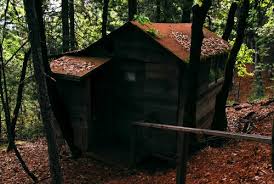
Working by candlelight in his tiny cabin, Father Seraphim created a great number of original writings and translations of ancient ascetic texts. In America his writings have so far reached only select circles but in countries formerly behind the Iron Curtain they have had and incalculable impact on human lives. During the communist era, Father Seraphim's writings were secretly translated into Russian and distributed in the underground press (samizdat) in the form of typewritten manuscripts. By the time the fall of Communist power in 1991, Father Seraphim was known all over Russia. Today his books are on sale everywhere in Russia, including book tables in the Metro (subway) and on the street. The reason that he has made a much greater mark on Russia that on his homeland is because in Russia people knew how to suffer. Father Seraphim's message of underground Christianity, of suffering and persecution in this world for the sake of truth, touches a responsive chord in people who have already been crucified. In America people would rather hear the "nice" messages of preachers like Rev. Robert Schuler (who, by the way, broadcasts his show in Russia, where people can hardly believe how stupid it is). I met Father Seraphim a year and a half before his death in 1982. Like him, I had been seeking reality through Eastern religions, etc., by seeking to escape pseudo-reality through a Zen-like breakdown of logical thought processes. Finally, reduced to despair, I listened to Sid Barrett's two schizophrenic-withdrawal, childhood-regression solo albums over and over, until I had memorized all his word salads. One day Father Seraphim came to the campus where I was going to school. He drove up in an old beat up pick-up truck and emerged in his worn out black robe, his long hair, and his exceedingly long grey beard which had become matted. I was the image of absolute poverty. Next thing I remember I was walking with Father Seraphim through the college. Dinner had just ended and students were milling and hanging around the outside cafeteria. Everyone was staring at Father Seraphim, but he walked through them as naturally as if he had been at home. I the middle of a progressive American college, he seemed like someone who had just stepped out of the 4th century Egyptian desert.
Father Seraphim went to a lecture room and delivered a talk called "Signs of the Coming of the End of the World." He had happened to be sick at the same time and sniffled throughout his lecture. Obviously exhausted, he yet remained clear-headed, cheerful, and ready to answer questions at length. I could see that he was at least as learned and far more wise than any of my professors, and yet he was clearly a man of the wilderness, more at home in the forest than in a classroom.
What struck me most about Father Seraphim was that here was a man who was totally sacrificing himself for God, for the truth. He was not a university Professor receiving a comfortable salary for being a disseminator of knowledge, nor was he a religious leader who hankered after power, influence, or even a bowl of fruit to be placed at his feet, as did the "spiritual masters" who had followings in that area. He was not "into religion" for what could he get out of it; he was not looking for a crutch to "enjoy spiritual life." He was just a simple monk who sought the Truth above all else. And I knew beyond a shadow of a doubt that he would die for that Truth, for I could see he was dying for it already.
Monk Damascene
http://o-nekros.blogspot.ca/2010/09/life-of-blessed-hieromonk-seraphim-rose.html

The entire world is God's creation and therefore it is by nature good; evil does not have an ontological existence. Natural evil is the result of discord which was created after man's fall; even death is a means of educating man in order to lead him back to communion with God. Moral evil, sin, does not have its cause in man's nature, but in man's disposition.
Through man's fall, all of nature was dragged into servitude to corruption. God, however, in the person of His Incarnate Word or Logos entered into the reality of the world and renewed it. By His death, Resurrection and Ascension, He led man, whom He had assumed, to the life of incorruption and immortality; and He exalted him to the height of the glory of God the Father.
This glory, which during the second coming of oui Lord shall become our possession, is prefigured in the life of the Church, and especially in the life of the saints. The bodies of the saints, the sacred relics, are surrounded by the sanctifying grace of God and become a source of divine blessings and miracles (IV Kings 13,21. Wisdom of Sirach 18,14). The grace, honor and glory which God grants to the relics of the saints constitute a foretaste and predepiction of man's transfiguration and that of all creation. This same grace surrounds the saints even during this life and can be discerned in some as warmth, in others as light, or through various miraculous energies, which are blessings for man. Even material objects in the life of the Church bear God's grace.
The presence of God's grace and glory in man and in material creation prefigures the liberation of all of creation from servitude to corruption and guarantees the certainty of our hope in life and incorruption. The world's sanctification was also wrought in the Jordan River during our Lord's Baptism. The hymns of our Church on the day of Epiphany and the prayers of the Great Sanctification of the Waters reveal the new reality of the world: "Today the earth and the sea share in the world's joy and the world is filled with gladness", states the prayer of St. Sophronios of Jerusalem.
Christ hallowed the waters of the Jordan, the banks of the river and all of creation: " You, Ο Lord, being baptized in the Jordan did sanctify its waters"; "having hallowed the waters of the Jordan You did crush the power of sin"; " Today creation is enlightened; today all things rejoice, the heavenly together with the earthly", states the hymnology of our Church.
Through the participation of the material creation in the divine worship of the Church and in the praise and doxology of God the hope of incorruption is expressed. In the Divine Liturgy all of creation is taken on and becomes a new creation in Christ. It is the bread and wine that becomes the Body and Blood of Christ, the candles, the icons, the Holy Cross; and all the material objects participate in some way in the Divine Liturgy. The water, the oil, the incense, the palms, the flowers, and even the new harvest of the crops of the earth are blessed, and the whole world regains that which it lost through man's fall: internal unity, the correct relationship with God, which is an eucharistic relationship, a relationship of offering in which all things are referred up and offered to God, Who becomes once again the centre of the world.
The unity of the entire creation which offers up "with one mouth" doxology to the Triune God is expressed at the end of the prayer for the Great Blessing of the Waters: "...that with the elements, and men, and Angels and with all things visible and invisible they may magnify Thy most holy Name, together with the Father, and the Holy Spirit, now and ever and unto ages of ages. Amen." Man thus forsakes his autonomy and his egoistic use of God's creation; he once again finds his correct place in the world and his "royal" and "priestly" ministry (Gen. 1, 28. 2, 15).
The Christian does not reject this world, nor does he consider it to be something negative. He is not called to abandon the world, but to serve or liturgize in it. Christ wants his faithful to be in the world; to be "the salt oi the earth" and "the light of the world" (Matth. 5, 13-14). If our world is "tasteless and unsalted" and in darkness, if it follows a process of disintegration, then this means that Christians do not serve "as the salt of the earth" and the "light of the world". We must not then look for the cause of the world's misfortune in others.
This place that the Christians hold in the world implies responsibility for the preservation and the sanctification of God's creation, a task which stems from the service which God intrusted to man in Paradise ("...to cultivate and preserve", Gen. 2, 15). A Christian cannot be indifferent to the world's problems; he must labor to bring the world once again back to its doxological relationship with God. This means that the use of the world cannot have as its centre the satisfaction of man's ego and the "needs" which man constantly creates.
The true believer does not attribute absolute and exclusive value to the needs of this life nor to man's abilities. He does not intervene in God's creation in an autonomous way, independent of God's will, and egocentrically; he feels that he is responsible for creation. He does not seek knowledge and use of God's creation "unconditionally". The faithful does not use the powers of the world in a manner not blessed by God and contrary to the balance and harmony in creation and to the unity of God's world.
The Orthodox believer knows that man after the fall ceased to offer creation up to God as a doxology, i.e. to practise his priestly duties vis-a-vis creation; it was he who led creation into servitude to corruption. Within the Church however, he acquires the experience of freedom from this servitude. With this experience he is now called to return to the world with the assurity of the transfiguration and salvation of the entire creation. Having once again acquired within the liturgical place his correct relationship with creation and his correct place within it, he is called to practise his service as priest of the world.
This transfiguration of man and creation in the Church is still not yet the "new heavens" and the "new earth". These will become a reality during Christ's Second Coming. Thus it is that the Christian hope is "not of this world". Every chiliastic-messianic concept which looks to an establishment of an earthly kingdom and the creation of Paradise on earth, is foreign to the spirit of Christ.
Christians respect the authorities of the world and submit themselves to human laws which do not go against their Christian hope (Rom. 13, 1-8. Acts 3, 30). They do not preach a "gospel" conforming to the aspirations and the aims of this world. This is the saving message of the Church to a world which has an exclusively intersecular character and can discern no other vertical dimension in its life. It is for this reason that Orthodox Monasticism with its ascetical character and heavenly orientation offers to our society a great service. It shows to contemporary man, who is exclusively orientated towards the horizontal dimension, the vertical dimension which is at the centre of monastic life.
The monks thus constitute the indicators of the reality of heaven, which man who lives in the world cannot easily grasp. Monasticism opens the way to the absolute experience of life in Christ: a way of asceticism and obedience which is followed throughout one's life without ending; a way which is at the same time dangerous for those who fail to remain humble and steadfast in love that "seeks not its own". This life of the monastics constitutes a continuous vocation to contemporary man's disposition and an excellent prefiguration of the future life.
This anticipation of a new life creates in the Christians the conviction that here on earth they are strangers and sojourners, and that in traversing this life they walk towards their true homeland (Hebrews 11, 13-16). The believer has his eyes always fixed upon heaven and considers death to be the last stop in his journey, his "passing on" or birth into the next life.
We believe that after their separation from the body the souls of the righteous are in the hands of God (Wisdom of Solomon, 3,1) and they await the resurrection of the bodies, so that they may "totally" become partakers in God's love and glory. On the contrary, the souls of the unrighteous who in their lives rejected God's love and communion with Him and with the brethren, and who had as the only centre of reference their "ego", are deprived of this love, for their egoism does not allow them to accept it.
Christ's Second Coming will signal the general resurrection; our bodies will be clothed with incorruption and immortality. The righteous shall be raised unto life, the unrighteous unto condemnation. This will be the general judgment of the world; God's love will judge man in accordance with the position he assumes towards it, i.e. whether he accepts it or rejects it.
The Lord desires the salvation of all men, and their return to their true homeland: to the love and communion with the Triune God. This we call Paradise. By this word we do not mean a material but a spiritual reality. Holy Scripture compares this communion to the relationship between the Bridegroom and the Bride, and their union is compared to marriage (Rev. 19,7).
The sons of the Kingdom shall be eternally united with Christ and shall henceforth absolutely live the condition of being "one in Christ"; then shall we be in Him participators by grace of His unity with the Father ("I in my Father and you in me" Jn 14,20). All who live in this life closed up within themselves, all those who do not rejoice in seeing the face of their brother shall be deprived of this joy. They of their own accord have chosen their eternal torment.
Christ's Second Coming is for the faithful the fulfilment of their hope, just as is the arrival of the Bridegroom for the Bride. This is why the preparation for the reception of the coming Christ constitutes the chief concern of this life.
But when shall the Lord come? Christians do not concern themselves in pinpointing a specific date. They are vigilant and take care to be ready at every moment, for the Lord shall come suddenly, when we do not expect Him (Matth. 24, 13. 33. Acts 1, 7). The Lord Himself warns us to protect ourselves from false prophets who will be workers of guile and treachery. Outwardly they shall appear in the guise of Christ or in the form of an angel (Matth. 24, 4-5. 23-27. II Cor. 11, 13-15). Their teaching shall not be identical with that oi Christ; thus the knowledge of the only real truth oi Christ is necessary in order to avoid error and deceit.

Calling on Name "Jesus" is NOT some kind of Magical Act
“Calling on the name of Jesus does not mean simply pronouncing the name “Jesus” in prayer or directing a prayer explicitly to Jesus. “It means that one adores Christ as he adores God…” It is not some kind of magical act whereby we call out the name “Jesus” and we are saved.
Saint Basil writes
But if someone claims that it is written: “whoever calls upon the name of the Lord will be saved” (Jl 2:32 & Acts 2:21), and that therefore a Christian need only invoke the name of God to be saved, let him read what the Apostle has said: “How can they call upon him if the do not believe in him” (Rom 10:14). And besides this there are the words of the Lord himself: “Not everyone who says, “Lord, Lord”, will enter the kingdom of heaven, but only he who does the will of my Father who is in heaven” (Mat 7:21). Moreover, if someone is doing the will of the Lord and does not do it exactly in the way ordained or does not do it out of the proper motive of love for God, then all the effort he puts into the action is useless, and Jesus Christ himself has said in his gospel: “Hypocrites do these things as to be seen by men: I tell you truthfully, they have already received their reward” (Mt 6:16). It was in this divine school that Saint Paul learned the lesson which he taught when he said: “If I give away all my possessions to feed the poor and give my body to be burned, but lack charity it profits me nothing” (Cor 13:3).
It is not the name itself that is important, but the intention and goal of the one who pronounces it.
When Joseph's brothers threw him into the well(desiring his demise), they did not comprehend what a great sin they had committed. However, when God later allowed them to be overcome by hardship, they confessed and admitted that they were rightly suffering everything on account of theirsin against their brother:
“And they said to one another, ‘We are verily guilty concerning our brother, in that we saw the anguish of his soul when he besought us, and we would not hear; therefore is this distress come upon us”(Gen. 42:21).
Do you see how much benefit issues from adversity? Do you see how hardship gives light to the blind and wisdom to the unlearned?
The Apostle Peter did not want to allow Christ to wash his feet because he was unaware his Teacher’s sensible and judicious intent. As Christ Himself attested: "What I do, thou knowest not now; but thou shalt know thereafter"(Jn. 13:7).
But when Jesus warned Peter that he would not have any part with Him if He does not wash his feet, the disciple stood motionless in fear and allowed Christ to wash his feet. Similarly, at present you are uncertain of the Lord’s objectives as He washes you with the cleansing waters of suffering and hardship;
however, one day, when you witness the radiance and glory that your soul has been adorned with,after being immersed in the bath of sorrows, you will thank your all-wise Lord. For if He had not given you a bath, you would have no part with Him in His Heavenly Kingdom. Up until the prodigal son possessed his paternal inheritance and wealth, he splurged in luxury, he entertained himself with food and drink, he carried out all his sinful desires, and never even once thought of repenting (cf. Lk. 15:11-20).
However, when the wise physician cauterized him with the flame of hunger, famine, and poverty, he aband
oned the pleasures of the flesh and quickly returned to his paternal home, much wiser and more mature.
What the mill stone does to wheat, what the grinding wheel does to steel, and what the furnace does to silver,
this is precisely what life’svarious trials and sorrows do to man: they purge him of all unsightly imperfections and polish him to a brilliant shine.
Since difficulties and sorrows are so advantageous and are the cause of such benefit for us, why should we foolishly detest them? Why shouldn't we instead thank and glorify the unerring heavenly Physician Who sends them to us in order that we may acquire the health of our soul, just as we thank and gladly pay the physicians who heal our body?
Blessed is the person who realizes that life's difficulties are sent to us by the Lord for our salvation, and who gratefully embraces them withpleasure.

Ἰστέον οὖν ὅτι διπλοῦς ὢν ὁ ἄνθρωπος,
ἤγουν ἐκ ψυχῆς καὶ σώματος,
διπλᾶς ἔχει καὶ τὰς αἰσθήσεις, καὶ τὰς τούτων ἀρετάς·
καὶ πέντε μέν εἰσι τῆς ψυχῆς, καὶ πέντε τοῦ σώματος.
Καὶ αἱ μὲν ψυχικαὶ αἰσθήσεις,
ἃς καὶ δυνάμεις αὐτὰς οἱ σοφοὶ λέγουσιν, εἰσὶν αὗται·
νοῦς, διάνοια, δόξα, φαντασία, καὶ αἴσθησις.
Αἱ δὲ σωματικαὶ, ὅρασις, ὄσφρησις, ἀκοὴ, γεῦσις, καὶ ἁφή·
ὅθεν τοι διπλαῖ τούτων αἱ ἀρεταὶ, διπλαῖ καὶ αἱ κακίαι·
ὥστε ἀναγκαῖον εἰδέναι σαφῶς πάντα ἄνθρωπον,
πόσα μέν εἰσι τὰ ψυχικὰ πάθη, ποῖα δὲ τὰ σωματικά·
καὶ ψυχικὰς μὲν ἀρετὰς λέγομεν εἶναι προηγουμένως γενικωτάτας τέσσαρας ταύτας, αἵτινές εἰσιν αὗται,
ἀνδρεία, φρόνησις, σωφροσύνη, καὶ δικαιοσύνη·
καὶ ἐκ τούτων ἀποτίκτονται ψυχικαὶ ἀρεταί·
πίστις, ἐλπὶς, ἀγάπη, προσευχὴ, ταπείνωσις, πραότης, μακροθυμία, ἀνεξικακία, χρηστότης, ἀοργησία, γνῶσις θεία, τὸ ἄθυμον, τὸ ἁπλοῦν, τὸ ἀτάραχον, τὸ ἀνυπόκριτον, τὸ ἄτυφον, τὸ ἀνυπερήφανον, τὸ ἄφθονον, τὸ ἄδολον, τὸ ἀφιλάργυρον, τὸ συμπαθὲς, τὸ ἐλεημονητικὸν, τὸ μεταδοτικὸν, τὸ ἄφοβον, τὸ ἄλυπον, τὸ κατανυκτικὸν, τὸ αἰδεστικὸν, ἡ εὐλάβεια, ἡ τῶν μελλόντων ἀγαθῶν ἔφεσις, ἡ τῆς βασιλείας τοῦ Θεοῦ ὄρεξις, ἡ τῆς υἱοθεσίας ἐπιθυμία.
Ἀρεταὶ δὲ σωματικαὶ αὗται, μᾶλλον δὲ ἐργαλεῖα ἀρετῶν,
ἐν γνώσει καὶ κατὰ Θεὸν γινόμεναι, ἔξω τε πάσης ὑποκρίσεως καὶ ἀνθρωπαρεσκείας, εἰς προκοπὴν ταπεινώσεως, καὶ ἀπαθείας φέρουσαι τὸν ἄνθρωπον·
στάσις παννύχιος, κάμψις γονάτων ἐγκράτεια, νηστεία, δίψα, ἀγρυπνία, συνεχὴς, ἀλουσία, μονοχιτωνία, ξηροφαγία, βραδυφαγία, βραχυφαγία, ὑδροποσία, χαμευνία, πτωχεία, ἀκτημοσύνη τὸ αὐχμηρὸν, τὸ ἀκαλλώπιστον, τὸ ἀφίλαυτον, μεμονωμένον, τὸ ἥσυχον, τὸ ἀπρόϊτον, τὸ ἐνδεὲς, τὸ αὐταρκὲς, τὸ σιωπηλὸν, τὸ ταῖς οἰκείαις χερσὶν ἐργόχειρον μετέρχεσθαι, καὶ πᾶσα κακοπάθεια, καὶ ἄσκησις σωματική·
ἅπερ ἅπαντα, τοῦ σώματος ῥωστοῦντος,
καὶ ὑπὸ τῶν σαρκικῶν παθῶν ὀχλουμένου,
ἀναγκαιότατα καὶ ὠφελιμώτατα·
ἀσθενοῦντος δὲ, καὶ Θεοῦ βοηθείᾳ τούτων περιγενομένου,
οὐ τοσοῦτον ἀναγκαῖά εἰσιν, ὡς τῆς ἁγίας ταπεινώσεως,
καὶ εὐχῆς τὰ πάντα ἀναπληρούσης.
Ὀφείλομεν οὖν εἰπεῖν,
καὶ περὶ τῶν ψυχικῶν καὶ σωματικῶν, ἤγουν παθῶν·
καὶ ψυχικὰ μέν εἰσι πάθη ταῦτα, λήθη, ῥᾳθυμία, καὶ ἄγνοια·
ὑφ' ὧν δηλαδὴ τῶν παθῶν τούτων ὁ ὀφθαλμὸς τῆς ψυχῆς, ἤτοι ὁ νοῦς, σκοτιζόμενος, κυριεύεται ὑπὸ πάντων τῶν παθῶν, ἅτινά εἰσι ταῦτα, ἀσέβεια, κακοδοξία, ἤγουν πᾶσα αἵρεσις, βλασφημία, θυμὸς, ὀργὴ, πικρία, ὀξυχολία, μισανθρωπία, μνησικακία, καταλαλία, κατάκρισις, λύπη ἄλογος, φόβος, δειλία, ἔρις, ζῆλος, φθόνος, κενοδοξία, ὑπερηφανία, ὑπόκρισις, ψεῦδος, ἀπιστία, πλεονεξία, φιλοϋλία, προσπάθεια, σχέσις γηΐνων, ἀκηδία, μικροψυχία, ἀχαριστία, γογγυσμὸς, τύφος, οἴησις, σοβαρότης, ἀλαζονεία, φιλαρχία, ἀνθρωπαρέσκεια, δολιότης, ἀναίδεια, ἀναισθησία, κολακεία, ὑπουλότης, εἰρωνεία, διψυχία, αἱ συγκαταθέσεις τῶν ἁμαρτημάτων ἐκ τοῦ παθητικοῦ μέρους, καὶ ἡ συνεχὴς τούτων μελέτη, πλάνη λογισμῶν, φιλαυτία ἡ τῶν κακῶν γεννήτρια, καὶ ἡ ῥίζα πάντων τῶν κακῶν φιλαργυρία, κακοήθειά τε καὶ πονηρία.
Σωματικὰ δὲ πάθη·
γαστριμαργία, λαιμαργία, τρυφὴ, μέθη, λαθροφαγία, φιληδονία ποικίλη, πορνεία, μοιχεία, ἀσέλγεια, ἀκαθαρσία, αἱμομιξία, παιδοφθορία, κτηνοβατία, ἐπιθυμίαι κακαὶ, καὶ πάντα τὰ παρὰ φύσιν καὶ αἰσχρὰ πάθη, κλεψία, ἱεροσυλία, λῃστεία, φόνος, σωματικὴ ἄνεσις καὶ ἀπόλαυσις τῶν θελημάτων τῆς σαρκὸς, ὑγιαίνοντος μᾶλλον τοῦ σώματος, μαντεῖαι, μαγεῖαι, γοητεῖαι, οἰωνισμοὶ, κληδονισμοὶ, φιλοκοσμίαι, περπερεῖαι, βλακεῖαι, καλλωπισμοὶ, ἐπιτρίμματα προσώπων, ἡ κατάκριτος ἀργεία, μετεωρισμοὶ, κυβεῖαι, ἡ ἐμπαθὴς τῶν τοῦ κόσμου ἡδέων παράχρησις, ἡ φιλοσώματος ζωὴ, ἥ τις παχύνουσα τὸν νοῦν, γεώδη καὶ κτηνώδη τοῦτον ἀποτελεῖ, καὶ οὐδέποτε πρὸς Θεὸν, καὶ τὴν τῶν ἀρετῶν ἐργασίαν ἀνανεοῦσθαι ἐᾷ.
Ῥίζαι δὲ πάντων τῶν παθῶν, καὶ, ὡς ἂν εἴποι τις προπέτειαι, φιληδονία, φιλοδοξία, φιλαργυρία, ἀφ' ὧν ἀποτίκτεται πᾶν κακόν.
Οὐχ ἁμαρτάνει δὲ ὁ ἄνθρωπος οὐδεμίαν ἁμαρτίαν, εἰ μὴ πρότερον οἱ κραταιοὶ οὗτοι γίγαντες, καθώς φησιν ὁ ἐν ἀσκηταῖς σοφώτατος, Μάρκος περιγένωνται καὶ κατακυριεύσωσιν αὐτοῦ·
ἤτοι λήθη, ῥᾳθυμία, καὶ ἄγνοια·
ταύτας δὲ ἀποτίκτει ἡδονὴ καὶ ἄνεσις, τὸ ἀγαπᾷν τὴν δόξαν τῶν ἀνθρώπων, καὶ τὸν περισπασμόν·
πρωταίτιος δὲ τούτων ἁπάντων, καὶ οἷα μήτηρ κακίστη,
ὡς προείρηται, ἡ φιλαυτία,
ἤγουν ἄλογος φιλία τοῦ σώματος καὶ ἐμπαθὴς προσπάθεια·
διάχυσις γὰρ καὶ ἔκλυσις νοὸς μετὰ εὐτραπελίας καὶ αἰσχρολογίας, πολλῶν κακῶν καὶ πτωμάτων πρόξενοι,
ὡς ἡ παῤῥησία, καὶ ὁ γέλως.
Πρὸς τούτοις δὲ πᾶσι χρὴ γινώσκειν,
ὡς ποικίλη τίς ἐστι καὶ πολύτροπος ἡ ἐμπαθὴς φιληδονία,
καὶ πολλαὶ αἱ ἀπατῶσαι τὴν ψυχὴν ἡδοναὶ,
ὅταν μὴ νήφουσα πρὸς Θεὸν, αἴρεται τῷ θείῳ φόβῳ,
καὶ τῇ τοῦ Χριστοῦ ἀγάπῃ,
τῆς τῶν ἀρετῶν ἐργασίας ἐπιμελουμένη.
Μυρίαι γὰρ φέρονται ἡδοναὶ πρὸς ἑαυτὰς ἕλκουσαι τοὺς τῆς ψυχῆς ὀφθαλμούς·
αἱ τῶν σωμάτων, αἱ τῶν χρημάτων, αἱ τῆς τρυφῆς, αἱ τῆς δόξης, αἱ τῆς ῥᾳθυμίας, αἱ τῆς ὀργῆς, αἱ τῆς δυναστείας, αἱ τῆς φιλαργυρίας, αἱ τῆς πλεονεξίας·
καὶ φαίνονται ἐν ἀπάτῃ λαμπρὰς ἔχουσαι τὰς ὄψεις,
καὶ εὐαρέστους·
ἱκαναὶ ἐπισπάσασθαι τοὺς περὶ ταῦτα ἐπτοημένους,
καὶ μὴ σφόδρα τῆς ἀρετῆς ἐρῶντας, καὶ τὴν ταύτης ὑπομένοντας σκληρότητα.
Καὶ πᾶσα γὰρ σχέσις γηΐνη, καὶ ἡ πρός τι τῶν ὑλικῶν προσπάθεια, ἡδονὴν καὶ τέρψιν ποιεῖ τῷ προσπαθητικῷ, καὶ ἀνόνητον καὶ βλαβεράν.
Τὸ τῆς ψυχῆς ἐπιθυμητικὸν ἐμπαθὲς ἐν τούτῳ δεικνύει, ὡς τούτου ἕνεκεν, θυμῷ καὶ ὀργῇ, λύπῃ τε καὶ μνησικακίᾳ, τῇ τοῦ ποθουμένου ἀποστερήσει τὸν ἡττώμενον καθυποβάλλεσθαι.
Εἰ δὲ μετὰ τῆς προσπαθείας καὶ μικρὰ ἐπικρατήσει συνήθεια, ἀναισθήτως φάναι, καὶ ἀνιάτως ἄχρι τέλους τῆς ἀλόγου προσπαθείας ἔχεσθαι, διὰ τῆς ἐνταῦθα κεκρυμμένης ἡδονῆς τὸν ἁλόντα παρασκευάζει.
Πολυσχεδὴς γάρ ἐστιν ἡ τῆς ἐπιθυμίας ἡδονὴ, ὡς προείρηται·
καὶ οὐ μόνον τῇ πορνείᾳ, καὶ τῇ ἄλλῃ σωματικῇ ἀπολαύσει ἀποπληροῦται, ἀλλὰ καὶ τοῖς λοιποῖς πάθεσιν.
Ἐπεὶ τὸ σωφρονεῖν οὐ τοῦτο μόνον ἐστὶ, τὸ πορνείας ἀπέχεσθαι, καὶ τῶν ὑπογαστρίων ἡδονῶν, ἀλλὰ καὶ ἀπὸ τῶν λοιπῶν ἡδονῶν ἐκτὸς εἶναι.
Ἔνθεν καὶ ὁ φιλοχρηματίας καὶ ὁ φιλαργυρίας, καὶ ὁ πλεονεξίας ἐρῶν, ἀκόλαστος·
ὥσπερ γὰρ ἐκεῖνος σώματος ἐρᾷ, οὕτω καὶ οὗτος χρημάτων.
Μᾶλλον δὲ οὗτος ἀκολαστότερος, ὅσῳ οὐδὲ τοσαύτην ἔχει βίαν ἐκ τῆς φύσεως συνωθοῦσαν αὐτόν.
Καὶ γὰρ ἀμαθὴς ἡνίοχος ἐκεῖνος ἂν, ὡς ἀληθῶς καὶ μάλιστα λέγοιτο, οὐχ ὁ τὸν σκληρὸν καὶ δυσήνιον μὴ κατέχων ἵππον, ἀλλ' ὁ τὸν ἥμερον καὶ ἐπιεικέστερον, μὴ δυνάμενος ὑποτάξαι.
Καὶ δῆλόν ἐστι πανταχόθεν, ὡς περιττὴ καὶ οὐ κατὰ φύσιν ἐστὶν ἡ τῶν χρημάτων ἐπιθυμία, ἅτε μὴ ἐκ φύσεως τὴν βίαν ἔχουσα, ἀλλ' ἐκ τῆς μοχθηρᾶς προαιρέσεως.
∆ιὸ καὶ ἀσύγγνωστα ἁμαρτάνει ὁ ταύτῃ ἑκὼν ἡττώμενος·
ὥστε χρὴ σαφῶς ἐπιγινώσκειν ἡμᾶς, οὐκ εἰς τρυφὴν μόνον, καὶ τὴν τῶν σωμάτων ἀπόλαυσιν ἡ φιληδονία ὁρίζεται, ἀλλ' ἐν παντὶ τρόπῳ καὶ πράγματι προαιρέσει ψυχῆς ἀγαπωμένῳ καὶ προσπαθείᾳ.
Ἵνα δὲ σαφέστερον ἔτι τὰ πάθη κατὰ τὸ τῆς ψυχῆς τριμερὲς διαγινώσκηται, καὶ τάδε ἐν ἐπιτόμῳ προσθῆναι διεκρίναμεν.
Περὶ τοῦ τριμεροῦς τῆς ψυχῆς.
Ἡ ψυχὴ διαιρεῖται εἰς τρία·
λογιστικὸν, θυμικὸν, καὶ ἐπιθυμητικόν.
Ἐκ τοῦ μὲν λογικοῦ τὰ ἁμαρτήματά εἰσι ταῦτα·
ἀπιστία, αἵρεσις, ἀφροσύνη, βλασφημία, ἀχαριστία, καὶ αἱ συγκαταθέσεις σωματικῶν ἁμαρτημάτων, αἳ γίνονται ἐκ τοῦ παθητικοῦ μέρους.
Ἡ δὲ τούτων τῶν κακῶν ἴασις καὶ θεραπεία ἡ ἀδίστακτός ἐστι πίστις πρὸς τὸν Θεὸν, τὰ ἀληθινὰ καὶ ἀπλανῆ καὶ ὀρθόδοξα δόγματα τῆς εὐσεβείας, ἡ συνεχὴς μελέτη τῶν λογίων τοῦ πνεύματος, ἡ καθαρὰ προσευχὴ καὶ ἀδιάλειπτος, καὶ ἡ πρὸς Θεὸν εὐχαριστία.
Περὶ τοῦ θυμικοῦ.
Τοῦ δὲ θυμικοῦ τὰ ἁμαρτήματά εἰσι ταῦτα·
ἡ ἀσπλαγχνία, τὸ μῖσος, τὸ ἀσυμπαθὲς, τὸ μνησίκακον, ὁ φθόνος, καὶ ὁ φόνος, καὶ ἡ συνεχὴς πρὸς τὰ τοιαῦτα μελέτη.
Ἡ δὲ τούτων ἴασις καὶ θεραπεία, ἡ φιλανθρωπία, ἡ ἀγάπη, καὶ ἡ χρηστότης.
Περὶ τοῦ ἐπιθυμητικοῦ.
Τοῦ δὲ ἐπιθυμητικοῦ τὰ ἁμαρτήματά εἰσι ταῦτα·
ἡ γαστριμαργία, ἡ λαιμαργία, ἡ οἰνοφλυγία ἡ πορνεία, ἡ μοιχεία, ἡ ἀκαθαρσία, ἡ ἀσέλγεια, ἡ φιλοχρηματία, ἡ τῆς κενῆς δόξης ἐπιθυμία, χρυσοῦ τε καὶ πλούτου, καὶ τῶν σαρκικῶν ἡδονῶν.
Ἡ δὲ τούτων ἴασις καὶ θεραπεία, ἡ νηστεία, ἡ ἐγκράτεια, ἡ κακοπάθεια, ἡ ἀκτημοσύνη, ὁ τῶν χρημάτων πρὸς πένητας σκορπισμὸς, ἡ τῶν μελλόντων ἐκείνων ἀθανάτων ἀγαθῶν ἔφεσις, ἡ τῆς βασιλείας τοῦ Θεοῦ ὄρεξις, καὶ ἡ τῆς υἱοθεσίας ἐπιθυμία.
∆έον οὖν ἐνθῆναι ἡμᾶς καὶ τὴν διάγνωσιν τῶν ἐμπαθῶν λογισμῶν, δι' ὧν πᾶσα ἁμαρτία τελεῖται.
Ὀκτώ εἰσι πάντες οἱ περιεκτικοὶ τῆς κακίας λογισμοί·
ὁ τῆς γαστριμαργίας, ὁ τῆς πορνείας, ὁ τῆς φιλαργυρίας, ὁ τῆς ὀργῆς, ὁ τῆς λύπης, ὁ τῆς ἀκηδίας, ὁ τῆς κενοδοξίας, καὶ ὁ τῆς ὑπερηφανίας.
Τούτους ὀκτὼ λογισμοὺς παρενοχλεῖν μὲν, καὶ μὴ παρενοχλεῖν, οὐκ ἐφ' ἡμῖν ἐστι·
ἐμμένειν δὲ, ἢ πάθος κινεῖν, ἣ μὴ κινεῖν, τῶν ἐφ' ἡμῖν ἐστιν.
Ἄλλο δέ ἐστι προσβολὴ, καὶ ἄλλο συνδοιασμὸς, καὶ ἄλλο πάλη, καὶ ἄλλο πάθος, καὶ ἄλλο συγκατάθεσις, ἡ ἐγγίζουσα καὶ παρομοιοῦσα τῇ πράξει, καὶ ἄλλο ἐνέργεια, καὶ ἄλλο αἰχμαλωσία.
Καὶ προσβολὴ μέν ἐστιν ἡ ἁπλῶς γινομένη παρὰ τοῦ ἐχθροῦ ὑπόμνησις·
οἷον, ποίησον τόδε ἢ τόδε.
Ὡς ἐπὶ τοῦ Κυρίου καὶ Θεοῦ ἡμῶν·
«Εἰπὲ ἵνα οἱ λίθοι οὗτοι ἄρτος γένωνται·»
τοῦτο ὡς εἴρηται, οὐκ ἐφ' ἡμῖν ἐστι.
Συνδοιασμὸς δέ ἐστιν ἡ παραδοχὴ τοῦ ὑποβαλλομένου λογισμοῦ παρὰ τοῦ ἐχθροῦ, καὶ οἷον μετ' αὐτοῦ μελέτη καὶ ἐνήδονος ὁμιλία ἡ παρὰ τῆς προαιρέσεως ἡμῶν.
Πάθος δὲ, ἡ ἀπὸ τοῦ συνδοιασμοῦ ἕξις γινομένη παρὰ τοῦ ἐχθροῦ ὑποβαλλομένου πάθους, καὶ οἱονεὶ συνεχὴς μελέτη καὶ φαντασία.
Πάλη δὲ, ἡ ἀντίστασις τοῦ λογισμοῦ, ἡ πρὸς ἀναίρεσιν τοῦ ἐν τῷ λογισμῷ πάθους, ἤτοι τοῦ ἐμπαθοῦς λογισμοῦ, ἢ πρὸς συγκατάθεσιν, καθώς φησιν ὁ Ἀπόστολος·
«Ἡ γὰρ σὰρξ ἐπιθυμεῖ κατὰ τοῦ πνεύματος, τὸ δὲ πνεῦμα κατὰ τῆς σαρκός.
Ταῦτα δὲ ἀλλήλοις ἀντίκεινται.»
Αἰχμαλωσία δέ ἐστι βιαία καὶ ἀκούσιος τῆς καρδίας ἀπαγωγὴ, ἀπὸ προλήψεως καὶ μακρᾶς συνηθείας τυραννουμένης·
συγκατάθεσις δὲ, ἡ κατάνευσις πρὸς τὸ πάθος τοῦ λογισμοῦ.
Ἐνέργεια δὲ, αὐτὴ ἡ πρᾶξις τοῦ ἐν συγκαταθέσει ἐμπαθοῦς λογισμοῦ·
ὁ τοίνυν τὸ πρῶτον ἀπαθῶς λογιζόμενος, ἢ ἀντιῤῥήσει καὶ ἐμβριθείᾳ ἐκ πρώτης ἀποπεμπόμενος, ἤγουν τὴν προσβολὴν, πάντα τὰ ἔσχατα ὑφ' ἓν περιέκοψε.
Ἀναιρεῖται μὲν ὑπὸ ἐγκρατείας ἡ γαστριμαργία·
ὑπὸ δὲ θείου πόθου καὶ τῶν μελλόντων ἀγαθῶν ἐφέσεως, ἡ πορνεία·
ὑπὸ δὲ συμπαθείας τῆς πρὸς τοὺς πένητας, ἡ φιλαργυρία·
ὑπὸ δὲ τῆς ἀγαθότητος καὶ τῆς πρὸς πάντας ἀγάπης, ἡ ὀργή·
ὑπὸ δὲ τῆς πνευματικῆς χαρᾶς, ἡ κοσμικὴ λύπη·
ὑπὸ δὲ τῆς ὑπομονῆς καὶ τῆς καρτερίας, καὶ τῆς πρὸς θεῶν εὐχαριστίας, ἡ ἀκηδία·
ὑπὸ δὲ τῆς κρυπτῆς μέντοι τῶν ἀρετῶν ἐργασίας, καὶ τῆς ἐν συντριβῇ καρδίας συνεχοῦς προσευχῆς, ἡ κενοδοξία·
ὑπὸ δὲ τοῦ μὴ κρίνειν τινὰ ἢ ἐξουθενεῖν, ὡς ὁ μεγάλαυχος Φαρισαῖος, ἀλλ' ἡγεῖσθαι ἑαυτὸν ἔσχατον πάντων, ἡ ὑπερηφανία.
Οὕτως οὖν τῶν εἰρημένων παθῶν ὁ νοῦς ἐλευθερωθεὶς, καὶ πρὸς Θεὸν ἀνυψωθεὶς, ἀπεντεῦθεν ζῇ τὴν μακαρίαν ζωὴν, τὴν ἀῤῥαβῶνα δεχόμενος τοῦ ἁγίου Πνεύματος·
καὶ τῶν ἐντεῦθεν ἀποδημήσας, μετὰ ἀπαθείας καὶ γνώσεως ἀληθοῦς, παρίσταται τῷ φωτὶ τῆς ἁγίας Τριάδος, μετὰ τῶν θείων ἀγγέλων, εἰς αἰῶνας ἀπεράντους καταλαμπόμενος.
Τριμερὴς τοίνυν οὖσα, ὡς προδεδήλωται, ἡ ψυχή·
τρία γὰρ, ὡς εἴρηται, τὰ μέρη ταύτης εἰσὶ, λογισμὸς, θυμὸς καὶ ἐπιθυμία·
ἐάν ἐστιν ἐν τῷ θυμικῷ ἀγάπη, καὶ φιλανθρωπία, καὶ ἐν τῇ ἐπιθυμίᾳ καθαρότης καὶ σωφροσύνη, ὁ λογισμός ἐστι πεφωτισμένος.
Ἐὰν δὲ ἐν τῷ θυμικῷ ᾖ μισανθρωπία, καὶ ἐν τῇ ἐπιθυμίᾳ ἀκολασία, ὁ λογισμός ἐστιν ἐσκοτισμένος·
ὁ μὲν οὖν λογισμὸς τότε ὑγιαίνει καὶ σωφρονεῖ καὶ φωτίζεται, ὅτε τὰ πάθη ἔχει ὑποτεταγμένα, καὶ τοὺς λόγους τῶν κτισμάτων ἁγνικῶς θεωρεῖ, καὶ πρὸς τὴν μακαρίαν καὶ ἁγίαν Τριάδα ἀνάγεται.
Ὁ δὲ θυμὸς τότε πάλιν κινεῖ τὸ κατὰ φύσιν, ὅτε πάντας ἀνθρώπους ἀγαπᾷ, καὶ πρὸς οὐδένα αὐτῶν ἢ λύπην, ἢ μνησικακίαν κέκτηται.
Ἡ δὲ ἐπιθυμία, ὅταν ὑπὸ ταπεινοφροσύνης καὶ ἐγκρατείας καὶ ἀκτημοσύνης νεκρώσῃ τὰ πάθη, τουτέστιν ἡδονὴν σαρκὸς, καὶ χρημάτων καὶ δόξης παρερχομένης ἔφεσιν, καὶ τραπῇ πρὸς τὸ θεῖον καὶ ἀθάνατον ἔρωτα·
καὶ γὰρ ἡ ἐπιθυμία πρὸς τὰ τρία τὴν κίνησιν ἔχει, ἢ πρὸς ἡδονὴν σαρκὸς, ἢ πρὸς δόξαν κενὴν, ἢ καὶ πρὸς ἀπάτην χρημάτων, καὶ διὰ τὴν παράλογον ταύτην ἔφεσιν καταφρονεῖ τοῦ Θεοῦ, καὶ τῶν θείων αὐτοῦ ἐντολῶν, καὶ τῆς θείας εὐγενείας ἐπιλανθάνεται, καὶ πρὸς τὸν πλησίον ἐκθηριοῦται, καὶ τὸν λογισμὸν σκοτίζει, καὶ οὐκ ἐᾷ ἀναβλέψαι πρὸς τὴν ἀλήθειαν·
ὧν ὁ ἀνώτερον κτησάμενος φρόνημα, ἀπεντεῦθεν, ὡς προείρηται, ἀπολαμβάνει τῆς βασιλείας τῶν οὐρανῶν, καὶ ζῇ μακαρίαν ζωὴν, προσδοκίᾳ τῆς ἀποκειμένης μακαριότητος, τοῖς ἀγαπῶσι τὸν Θεόν·
ἧς καὶ ἡμεῖς ἀξιωθείημεν διὰ τῆς χάριτος τοῦ Χριστοῦ. Ἀμήν.
Ἀλλὰ ταῦτα μὲν οὕτως, ὡς εἴχομεν ἀμαθίας, ἀφελῶς ἐξεθέμεθα, εὐσύνοπτον καὶ σαφῆ σχεδιάσαντες τὸν περὶ ἀρετῶν καὶ παθῶν λόγον, ἵν' εὐχερῶς ἔχῃ τις διακρίνειν τε καὶ διαγινώσκειν τὴν τούτων διαίρεσίν τε καὶ διαφορὰν, τῇ μὲν τούτων λεπτομερίᾳ καὶ σαφηνείᾳ.
∆ι' αὐτὸ γὰρ τοῦτο, καὶ ποικίλον ἑκάστου καὶ πολυειδὲς ἐξεθέμεθα, ὡς μηδεμίαν, εἰ δυνατὸν, ἰδέαν ἀρετῆς καὶ κακίαν ἀγνοεῖσθαι·
καὶ οὕτως τὰς μὲν εὐθύμως πρὸς ἑαυτοὺς ἐπισπασώμεθα, τὰς ἀρετὰς δηλονότι καὶ μᾶλλον ψυχικὰς, δι' ὧν καὶ τῷ Θεῷ ἐγγίζομεν, τὰς δέ γε κακίας καὶ σφόδρα ἐκκλίναντες διαδιδράσκομεν·
μακάριος γὰρ, ὡς ἀληθῶς, ὁ ἀρετὴν ζητῶν, καὶ ταύτην μετιών·
καὶ ὅτι τί ἐστιν ἀρετὴ ἐπιμελῶς ἐρευνῶν, ὡς δι' αὐτῆς ἐγγίζων τῷ Θεῷ, καὶ τούτῳ νοερῶς συγγινόμενος.
Τοῦτο γὰρ κυρίως, φρόνησις ....
σοφία τε καὶ γνῶσις ἀψευδὴς, καὶ πλοῦτος ἀναφαίρετος, τὸ διὰ πρακτικῆς ἀρετῆς πρὸς θεωρίαν ἀνάγεσθαι τοῦ ποιήσαντος.
Ἀρετὴ δὲ καλεῖται, διὰ τὸ αἱρεῖσθαι·
αἱρετὴ γὰρ καὶ θελητὴ, διὰ τὸ αἱρετῶς καὶ αὐτεξουσίως τὸ ἀγαθὸν ποιεῖν ἡμᾶς, οὐχὶ ἀβουλήτως καὶ ἀναγκαστῶς·
φρόνησις δὲ λέγεται, τὸ παρὰ τῷ νοῒ φέρειν τὰ ὠφέλιμα.
Εἰ βούλει δὲ, προσθήσωμεν τῷ ἀφελεῖ τούτῳ λόγῳ, ὡς χρυσοῦν ἐπισφράγισμα, καὶ περὶ τοῦ κατ' εἰκόνα, καὶ καθ' ὁμοίωσιν, μικρὸν τοῦ τιμιωτάτου πάντων τῶν τοῦ Θεοῦ κτισμάτων, τὸ νοερὸν καὶ λογικὸν ζῶον ὁ ἄνθρωπος, μόνος ἐκ πάντων κατ' εἰκόνα ἐστὶ, καὶ καθ' ὁμοίωσιν Θεοῦ.
Κατ' εἰκόνα μὲν λέγεται πᾶς ἄνθρωπος, κατὰ τὸ τοῦ νοὸς ἀξίωμα, καὶ τὸ τῆς ψυχῆς, ἤτοι τὸ ἀκατάληπτον, τὸ ἀθεώρητον, τὸ ἀθάνατον, τὸ αὐτεξούσιον, ναὶ μὴν καὶ τὸ ἀρχηγὸν, καὶ τεκνογονικὸν, καὶ οἰκοδομικόν·
καθ' ὁμοίωσιν δὲ, κατὰ τὸν τῆς ἀρετῆς λόγον, καὶ τὰς θεωνύμους ταύτας καὶ θεομιμήτους πράξεις, ἤγουν κατὰ τὸ φιλανθρώπως πρὸς τὸ ὁμογενὲς διακεῖσθαι·
οἰκτείρειν τε καὶ ἐλεεῖν, καὶ ἀγαπᾷν τὸ ὁμόδουλον, εὐσπλαγχνίαν τε πᾶσαν καὶ συμπάθειαν ἐνδείκνυσθαι.
«Γίνεσθε γὰρ, φησὶ Χριστὸς ὁ Θεὸς, οἰκτίρμονες, καθὼς καὶ ὁ Πατὴρ ὑμῶν ὁ ἐν οὐρανοῖς οἰκτίρμων ἐστί.»
Καὶ τὸ μὲν κατ' εἰκόνα, πᾶς ἄνθρωπος κέκτηται·
ἀμεταμέλητα γὰρ τὰ χαρίσματα τοῦ Θεοῦ·
τὸ δὲ καθ' ὁμοίωσιν, σπάνιοι, καὶ μόνοι οἱ ἐνάρετοι καὶ ἅγιοι, καὶ τὴν τοῦ Θεοῦ ἀγαθότητα κατὰ τὸ δυνατὸν ἀνθρώποις μιμούμενοι·
οὕτως ὑπεραγάθου φιλανθρωπίας ἀξιωθείημεν καὶ ἡμεῖς, εὐαρεστήσαντες αὐτῷ δι' ἀγαθοεργίας, καὶ μιμηταὶ γενόμενοι τῶν ἀπ' αἰῶνος εὐαρεστησάντων Χριστῷ·
ὅτι αὐτῷ ἐστιν ἔλεος, καὶ αὐτῷ πρέπει πᾶσα δόξα, τιμὴ, καὶ προσκύνησις, καὶ τῷ ἀνάρχῳ Πατρὶ, καὶ τῷ παναγίῳ καὶ ἀγαθῷ καὶ ζωοποιῷ αὐτοῦ Πνεύματι, νῦν καὶ ἀεὶ, καὶ εἰς τοὺς αἰῶνας τῶν αἰώνων.
Ἀμήν.
Αγιος Ιωαννης ∆αμασκηνος

Πολλές φορές στην προσευχή μου ζήτησα να γίνει αυτό, που εγώ νόμιζα καλό.
Και επέμεινα στο αίτημα εκβιάζοντας ασυλλόγιστα το θέλημα του Θεού μη αναθέτοντας σ' Αυτόν να οικονομήσει ό,τι Εκείνος ξέρει για συμφέρον μου.
Και όμως, όταν έλαβα ό,τι ζητούσα δυσανασχέτησα πολύ, επειδή δε ζήτησα να γίνει μάλλον το θέλημα του Θεού. Δεν ανταποκρίθηκε δηλαδή στις προσδοκίες μου ό,τι του ζήτησα.
Νείλος ο ασκητής
 Ένας άγιος Γέροντας έμενε με τον υποτακτικό του σε μια καλύβη, όχι μακριά από ένα κεφαλοχώρι. Κάποτε έπεσε στον τόπο μεγάλη δυστυχία κι ο φτωχός κόσμος πέθαινε σχεδόν από την πείνα. Πολλοί στην απελπισία τους πήγαιναν και κτυπούσαν στην καλύβη του ερημίτη. Εκείνος πάλι, που ήταν πολύ ελεήμων, έδινε με την καρδιά του απ’ ό,τι τύχαινε να έχει. Ο υποτακτικός όμως που έβλεπε με τρόπο το ψωμί τους να λιγοστεύει, είπε μια μέρα στενοχωρημένος στο Γέροντα:
-Αββά, δε μου ξεχωρίζεις τα ψωμιά που μου αναλογούν, κι από δω και πέρα μοίραζε από τα δικά σου ελεημοσύνη. Έτσι όπως πάμε τώρα, γρήγορα θα πεινάσουμε κι οι δυο.
Ο αγαθός Γέροντας χώρισε τα ψωμιά του υποτακτικού του, χωρίς να πει τίποτα κι εξακολούθησε να δίνει από τα δικά του στους φτωχούς. Μα κι ο Θεός που είδε την καλή του προαίρεση τα ευλόγησε, κι όσο εκείνος έδινε, τόσο αυτά επληθύνονταν.
Ο υποτακτικός στο μεταξύ έφαγε τα δικά του. Όταν πια δεν του έμειναν παρά λίγα ψίχουλα, πήγε στον Γέροντα του και τον παρακαλούσε να τρώνε πάλι μαζί. Εκείνος τον δέχτηκε χωρίς να φέρει αντίρρηση. Τώρα όμως είχαν αυξηθεί και οι ζητιάνοι, κι ο υποτακτικός άρχισε πάλι να δυσανασχετεί. Ο υποτακτικός κατσούφιασε.
-Δώσε του ένα καρβέλι, πρόσταξε ο Γέροντας, που έκανε πως δεν είδε το μορφασμό του.
-Μου φαίνεται πως δεν έχουμε πια να φάμε ούτε εμείς. Είπε φωναχτά ο υποτακτικός, για να τον ακούσει κι ο ζητιάνος.
-Πήγαινε και ψάξε καλά, πρόσταξε ο Γέροντας.
Σηκώθηκε εκείνος απρόθυμα να πάει στο κελλαρικό. Μα τρόμαξε ν’ ανοίξει την πόρτα. Το βρήκε γεμάτο ως επάνω από καλοψημένα φρέσκα καρβέλια!
Από την ημέρα εκείνη απόκτησε μεγάλη εμπιστοσύνη στον άγιο Γέροντά του κι έγινε πρόθυμος στο ν’ ανακουφίζει τους φτωχούς.
http://www.agioritikovima.gr/diafora/theologikos-log/diafora/24709-oi-logimoi-tou

Τα στάδια της ταπεινώσεως.
Η ταπείνωση είναι μία σκάλα με εκατομμύρια σκαλοπάτια. Το πρώτο σκαλοπάτι πατά στη γη, και το τελευταίο, αν υπάρχει, ακουμπά στον ουρανό. Το πρώτο είναι η στοιχειώδης ταπείνωση, και το τελευταίο είναι η "τελεία" ταπείνωση, που είχε η Παναγία.
Η στοιχειώδης ταπείνωση περιλαμβάνει: την πίστη στον Τριαδικό Θεό, στη διδασκαλία της Γραφής και της Εκκλησίας. Να πιστεύεις δηλαδή σ' όσα λέει το "πιστεύω" κι όχι όπως εσύ νομίζεις. Την ταπείνωση αυτή την έχουν όλοι οι ορθόδοξοι χριστιανοί. Μετά το πρώτο σκαλοπάτι αρχίζει η γνήσια ταπείνωση, που συνεχώς ανέρχεται.
Διαφορετική είναι η ταπείνωση των αρχαρίων και διαφορετική των τελείων. "Άλλη η ταπείνωση, όταν επικρατεί ο χειμώνας των παθών, άλλη, όταν έρθει η άνοιξη των καρπών, κι άλλη, όταν έρθει το θέρος των αρετών" Λόγος 25. Άλλη η ταπείνωση, όταν κανείς βρίσκεται στο πεδίο της καθάρσεως, άλλη, όταν βρίσκεται στο στάδιο του φωτισμού, κι άλλη στο στάδιο της θεώσεως.
Την προοδευτική αυτή πορεία της ταπείνωσης την παραθέτουμε συνοπτικά, έχοντες ως οδηγό πάντοτε τον όσιο Ιωάννη της Κλίμακος Λόγος.
Πρώτο στάδιο.
"Όταν αρχίζει να ανθίζει μέσα μας, μισούμε αμέσως μετά πόνου κάθε ανθρώπινη δόξα και ευφημία" Λόγος 25.8 και "υποδεχόμαστε την ατιμία με ανοικτά τα χέρια και την αγκαλιάζουμε ως "φάρμακο" καθαρτικό των αμαρτιών μας" Λόγος 25.27. Ταυτόχρονα εξορίζουμε το θυμό και την οργή.
Δεύτερο.
"Η καρδιά δεν περιφρονεί τους αμαρτάνοντες, ούτε και τους κατακρίνει", ακόμα και στη διάνοια.
Τρίτο.
"Η αναμφίβολη αμφιβολία για την δύναμη των καλών μας έργων", όπως χαρακτηριστικά λέει ο όσιος Ιωάννης, "και η συνεχής έφεση για μάθηση" γύρω από την πνευματική ζωή.
Τέταρτο.
"Προχωρώντας στην πνευματική ηλικία κάθε καλό που κάνουμε το θεωρούμε μηδέν ή βδέλυγμα. Κάθε μέρα που περνά, νοιώθουμε πως αυξάνεται το βάρος των αμαρτιών μας, εξαιτίας των κρυφών και ασυναίσθητων αμαρτιών και αμελειών, που σκορπίζουν τον πλούτο της ψυχής. Το δε πλήθος των χαρισμάτων που χορηγεί ο Θεός το βλέπουμε σαν αιτία μεγαλύτερης τιμωρίας, γιατί δε μας αξίζει. Λόγος 26.28.
Πέμπτο.
Εισήλθες στην τροχιά της τελείας ταπείνωσης. "Θα γνωρίσεις ότι απέκτησες μέσα σου την οσία αυτή ουσία, από τον κατακλυσμό του αρρήτου φωτός και τον απερίγραπτο έρωτα της προσευχής".
Β. Πέρασες το πρώτο σκαλοπάτι;
α. Όταν δεν καυχιέσαι για φυσικά χαρίσματα.
Πώς θα καταλάβεις, αν ξεπέρασες τη στοιχειώδη μορφή της ταπείνωσης; Να, το σημείο: "Αν ο λογισμός δεν καυχάται πλέον για φυσικά προτερήματα αυτό είναι σημάδι, ότι αρχίζει να έρχεται η υγεία. Καυχάσαι με τη διάνοια, ότι είσαι ρήτορας, καλλικέλαδο αηδόνι, ευφυής, εύρωστος, ωραίος; Μάθε, ότι είσαι ακόμα στο πρώτο σκαλοπάτι της μεγάλης κλίμακας της ταπείνωσης! Έχεις ακόμα ν' ανεβείς χιλιάδες σκαλοπάτια.
β. Όταν υπακούς.
"Ο ταπεινόνους", λέει ο όσιος μας, "θεωρεί το θέλημά του πεπλανημένο και το αποστρέφεται με βδελυγμία. Υπακούει στους δασκάλους του, χωρίς να εξετάζει και να περιεργάζεται τη ζωή τους". Αν δεν υπακούς στον ιερέα σου, επειδή τον θεωρείς αμαρτωλό, πατάς ακόμα το πρώτο σκαλοπάτι! Με την ευκαιρία: Γιατί δεν υπακούς; Από ταπείνωση ή από εγωισμό;
γ. Όταν έχεις αυτομεμψία.
"Η ταπεινοφροσύνη είναι θεϊκή σκέπη, που σκεπάζει τα μάτια μας να μη βλέπουμε τα κατορθώματα μας" και έτσι ανάβει μέσα μας το θείο φως, και βλέπομε τα σφάλματα μας. Οπότε συνεχώς καταδικάζομε τον εαυτό μας.
Γράφει το βιβλίο της "Κλίμακος": "Η οσία ταπείνωση δεν καταδικάζει τους άλλους", αλλά καταδικάζει στη διάνοια συνεχώς και ειλικρινώς τον εαυτό μας" και μόνο τον εαυτό μας. Κι αυτό σημαίνει στη πράξη:
Φιλονίκησες με κάποιον. Ακούτε και οι δύο σας το ίδιο κήρυγμα‡ ότι αιτία της φιλονικίας είναι ο εγωισμός. Αν έχεις αυτομεμψία, θα πεις: "φιλονίκησα με τον αδελφό μου, επειδή έχω εγωισμό. Αν δεν έχεις, θα πεις, φιλονίκησε μαζί μου, επειδή έχει εγωισμό. Καλά του τα λέει ο κήρυκας!..".
Αυτομεμψία, όχι ταπεινολογία.
Η αληθινή αυτομεμψία έχει μέσα της την ανόθευτη ταπείνωση. Λες: "είμαι ο χειρότερος αμαρτωλός". Αν το πιστεύεις, ό,τι και να σου πει εις βάρος σου ο άλλος, δεν εξεγείρεσαι. Σου είπε αυτό που πιστεύεις. Και αν αρχίζει να σε επαινεί, ούτε καν σε συγκινεί ο έπαινός του. Επειδή ακριβώς δεν σε εκφράζει.
Αν όμως δεν πιστεύεις, ότι είσαι ο χειρότερος αμαρτωλός, ό,τι και να σου πει εις βάρος σου ο άλλος, θυμώνεις. Και αν αρχίσει να σε επαινεί, μέσα σου θα ευχαριστιέσαι. Γιατί σε εκφράζουν οι έπαινοί του. Πού είναι λοιπόν η ταπείνωση σου; Ταπεινολογούσες! ...;
Γράφει ο μεγάλος γιατρός μας, ο άγιος Ιωάννης της Κλίμακος: "όποιος λέει ότι οσφράνθηκε καλά την ευωδία ενός τέτοιου μύρου (δηλ. της ταπεινώσεως) και συγχρόνως, όταν ακούει επαίνους, συγκινείται κάπως η καρδιά του, ή βλέπει ότι δονείται από τη δύναμη των επαινετικών λόγων η καρδιά του, αυτός, ας μην απατάται, έχει πλανηθεί". Η καρδιά του, (κατά τον Προφήτη Ησαΐα), έχει στάχτη και αυτός νομίζει πως έχει χρυσάφι.
Γ. Ταπείνωση και έργα.
Είναι γνωστή η παραβολή του Τελώνη και του Φαρισαίου. Ο Φαρισαίος ήταν ακριβής τηρητής του νόμου. Νήστευε, προσεύχονταν, έκανε ελεημοσύνες. Αντίθετα ο Τελώνης ήταν περιφρονητής του θείου νόμου, "έπινε το αίμα τού φτωχού λαού". Αυτοί οι δύο ήταν τα δύο άκρα της εποχής εκείνης. Και πήγαν στο Ιερό για προσευχή. Και ο Θεός δέχτηκε ως ευωδιαστό θυμίαμα την προσευχή του Τελώνη! Ο άδικος Τελώνης νίκησε το δίκαιο Φαρισαίο.
Τα καλά έργα έφεραν στο Φαρισαίο υπερηφάνεια "μυίαι θανατούσαι σαπριούσι ελαίου ηδύσματος", δηλ. όταν ψοφήσουν οι μύγες στο μυρωμένο λάδι, βρωμίζουν όλο το λάδι. Η υπερηφάνεια αχρήστεψε όλα τα καλά έργα του Φαρισαίου. "Όταν απουσιάζει το φως, όλα είναι σκοτεινά. Και όταν απουσιάζει η ταπείνωση, όλα τα κατορθώματά μας είναι άχρηστα".
Αντίστροφα τα αμαρτωλά έργα έφεραν στο Τελώνη συντριβή, ταπείνωση. Και αυτή η ταπείνωση ήταν τόσο ισχυρό καλλυντικό, ώστε μετέτρεψε σε ευωδία τη δυσωδία των ακάθαρτων έργων του. "Καλλίτερα ένας νέος φτωχός και συνετός από βασιλιά ασύνετο και άφρονα", λέει η Γραφή.
Στην περίπτωση μας ο φτωχός και συνετός νέος είναι ο Τελώνης, ενώ ο ασύνετος βασιλιάς είναι ο Φαρισαίος.Δηλαδή, καλλίτερα αρέσει στο Θεό ένας αμαρτωλός με ταπείνωση και συντριβή, παρά ένας ενάρετος με εγωισμό.
Με άλλα λόγια: ο Θεός δε θέλει αμαρτίες με ταπείνωση. Θέλει έργα με ταπείνωση. Θέλει τα έργα του Φαρισαίου και την ταπείνωση του Τελώνη. "Του Φαρισαίου τας αρετάς σπεύσωμεν μιμείσθαι και ζηλούν την του Τελώνου ταπείνωσιν" (Τριώδιον, Κυριακή του Τελώνου, ωδή ε.)
Δ. Ταπείνωση: Ο θησαυρός των αγαθών.
α. "Εταπεινώθην και έσωσέ με" Ψαλμ. 114.6.
Ο Μέγας Αντώνιος είδε σε όραμα την οδό που οδηγεί στη βασιλεία του Θεού. Την είδε γεμάτη από παγίδες και ...; συγκλονίστηκε! Γιατί άραγε; Είδε παγίδες εκεί που δεν περίμενε να δει. Εκεί που αυτός ο μεγάλος έμπειρος των παγίδων του διαβόλου, ούτε καν τις υποψιαζόταν! Κύριος γνωρίζει, τι είδε!!! Και τρομαγμένος λέει στο Θεό: "αν ο δρόμος αυτός κρύβει τέτοιες παγίδες, ποιος θα τις ξεπεράσει;" Και η απάντηση τού Θεού ήταν "Η ταπείνωση!" (Γεροντικό).
Ο Κύριος "τους ταπεινούς τω πνεύματι σώσει" (Ψαλμ. 33). Θα σώσει τον ταπεινό στο πνεύμα, αυτόν που δεν θεωρεί τον εαυτό του σοφό, αλλά φτωχό. Και γι αυτό δεν ακολουθεί τον λογισμό του, όσο καλός και αν του φαίνεται. "Ο ταπεινόνους", λέει ο όσιος Ιωάννης, "και όταν ακόμα όλα τα σκέπτεται και τα πράττει κατά Θεό και τότε ακόμα δεν δίνει εμπιστοσύνη στον εαυτό του". Και τη συμβουλή που θα πάρει αμέσως την εφαρμόζει, γιατί είναι φτωχός "τω πνεύματι".
Είπεν ο Αβάς Ησαΐας: "η απλότητα του χαρακτήρα και το να μη θεωρεί κανείς τον εαυτό του σπουδαίο αγιάζουν την καρδιά του ανθρώπου και τον καθιστούν απρόσβλητο από το διάβολο". Και οδηγείται ολοταχώς προς τη βασιλεία του Θεού! Στενή η οδός που οδηγεί στη βασιλεία του Θεού. Και η πύλη του παραδείσου είναι και στενή αλλά και χαμηλή. Και για να την περάσεις πρέπει να "ξεφουσκώσεις", από τον εγωισμό και να ταπεινωθείς. "Χωρίς ταπείνωση κανείς δεν πρόκειται να εισέλθει στον ουράνιο νυμφώνα".
β. "Επί τίνα επιβλέψω;"
Ο Θεός φαίνεται να μονολογεί και να λέει: «και επί τίνα επιβλέψω, αλλ' επί τον ταπεινόν και ησύχιον και τρέμοντα τους λόγους μου» (Ησ. 66.2).Που θα πει: Ποιόν άνθρωπο πάνω στη γη να συμπαθήσω; Ποιόν άλλο, παρά τον ταπεινό, τον ήσυχο και τον τρέμοντα τους λόγους μου. Πρώτα βάζει τον ταπεινό. «Ιδού λοιπόν, τι ο άνθρωπος δύναται να προσφέρει εις τον Θεόν εις ανάπαυσιν και κατοικίαν. Την συντετριμμένην και τεταπεινωμένην καρδίαν του. Ούτε οι μεγαλοπρεπείς ναοί, ούτε άλλο τι εις την άψυχον δημιουργίαν, ούτε τα αφιερώματα, τα εις τους ναούς προσφερόμενα, αρέσκουν εις τον Κύριον του ουρανού και της γης όσον η καρδία η ταπεινή και η μετά φόβου επιμελουμένη την τήρησιν των εντολών του. Χριστιανέ! Αυτόν τον οποίον δεν χωρεί ο κόσμος ολόκληρος, δύναται να χωρέσει η πτωχή σου καρδία. Και να εύρη ο αυτάρκης και πάμπλουτος Θεός ανάπαυσιν εις την γυμνήν καρδίαν σου.» (Τρεμπέλα Υπόμνημα εις τον Ησαία)
Με άλλα λόγια ο ίδιος ο Θεός μας λέει ότι η συμπάθειά Του είναι ο ταπεινός! Απ' αυτόν μαγεύεται και σαγηνεύεται. Και γι' αυτό σ' αυτόν δίνει τη χάρη Του. "Ταπεινοίς δε δίδωσι χάριν".
Το έδειξε άλλωστε εμπράκτως με την παραβολή του Τελώνη και του Φαρισαίου.
γ. Ταπείνωση: Μητέρα χαρισμάτων.
Εφόσον η ταπείνωση σαγηνεύει το Θεό, είναι λογικό να εμφανίζεται ο Θεός σε ταπεινές ψυχές. "Απλότητι δε και ταπεινώσει ο Θεός εμφανίζεται και ου κόποις" (Όσιος Πέτρος ο Δαμασκηνός). "Η γάρ σωματική γύμνασις προς ολίγον εστίν ωφέλιμος" (Α' Τιμ. 4.. Πολλοί ασκητές προκειμένου να αποκτήσουν πλούτο χαρισμάτων, αγάπη, θαυματουργικό και προορατικό χάρισμα, λιώνουν τη σάρκα τους στην άσκηση. Αδίκως βασανίζονται διότι λησμόνησαν οι ταλαίπωροι, λέει ο όσιος Ιωάννης, ότι κυρίως η ταπείνωση είναι η μητέρα αυτών των χαρισμάτων και όχι ο κόπος.
Ε. Πως αποκτάται.
"Εράσθητι αυτής και δοξάσθητι" (Παροιμ. 4.6). Το αγιογραφικό αυτό χωρίο χρησιμοποιεί ο Μέγας Βασίλειος, όταν ομιλεί για την απόκτηση της ταπεινώσεως. Να επιδιώκεις, λέει, την ταπείνωση σαν να την έχεις ερωτευθεί.
Για την απόκτησή της απαιτείται και η κατά δύναμη σωματική άσκηση. Προπαντός δε η πολύπλευρη εσωτερική άσκηση. Και να ένας τρόπος:
Έλεγε Γέρων: "Συνήθισε να λες σιγά - σιγά από την καρδιά σου για τους αδελφούς: "Πραγματικά αυτοί είναι ανώτεροί μου στην εκτέλεση των εντολών του Θεού. Και πάλι: Είναι σπουδαιότεροί μου. Έτσι θα θεωρείς τον εαυτό σου κατώτερο όλων. Και θα κατοικήσει το πνεύμα του Θεού μέσα σου. Ο Μ. Βασίλειος λέει κάτι πιο "τολμηρό": "Να μην υπερηφανεύεσαι ποτέ εις βάρος του άλλου ούτε ακόμα και αυτών των υπερβολικά αμαρτωλών!" Να μην επιτρέψεις δηλαδή ποτέ στο λογισμό σου να καυχηθεί, ότι είσαι καλύτερος και από τον χειρότερο εγκληματία! Σου κακοφαίνεται; Άρα έχεις καλή ιδέα για τον εαυτό σου! Ένας λόγος παραπάνω να εφαρμόσεις την σοφή παραίνεση του Μ. Βασιλείου. Ο Απ. Παύλος το έλεγε και το πίστευε: "Είμαι ο πρώτος αμαρτωλός του κόσμου"(Α' Τιμ. 1.15).

"And when it was day, He called His disciples to Himself; and from them He chose twelve, whom He also named apostles." (Lk 6: 13)
Choosing the Twelve Apostles
Our Lord Jesus Christ spent the night in prayer, conversing with His Father and God in heaven in a way indescribable and beyond our powers of understanding, a way which is solely known to Himself. He thus makes Himself an example to us of that which is necessary for salvation, for He taught us in what way we too may rightly and blamelessly offer our prayers. He then came down from the mountain, and appointed those who were to be the world’s teachers, according to the words He spoke, "You are the light of the world." (Matt. 5: 14) Of this appointment of the holy Apostles, the blessed David also makes mention addressing himself, as it were to Christ, "You shall make them princes in all the earth; I will make Your name to be remembered in every generation." (Ps. 45:16) For truly, while they were in the body, they make mention of the glory of Christ, telling His mystery both in cities and villages. Now that they have been called to the mansions that are above, they still converse with us about Him, by the most wise history which they have written concerning Him.
Gifts given to the Apostles
Indeed, those who were appointed priests according to the law of Moses, even Aaron and his company, were made beautiful to the senses by vestments suitable to their priestly dignity. But the divine disciples, being adorned with spiritual gifts, had entrusted to them the ministry of the Gospel oracles. For it was said to them, "Heal the sick, cleanse the lepers, raise the dead, cast out demons." (Matt. 10:8) Being thus invested with Christ’s power, they filled the whole world with astonishment. But notice the extreme moderation of the Evangelist. He does not simply say that the holy Apostles were appointed, but rather, by introducing the record of these chief ones each by name, takes care that no one should venture to enroll himself in the company of those that were chosen. For as Paul said, "No man takes this honor to himself, but he who is called by God." (Heb. 5: 4) Though the holy Apostles were called by name to this great and splendid dignity, yet from time to time, some men have gone to such a pitch of madness and audacity, as even to name themselves Apostles of Christ, and to seize an honor not granted unto them. Of these the divine disciples made mention, for they said, "For such are false apostles, deceitful workers, transforming themselves into apostles of Christ. And no wonder; for Satan even transforms himself into an angel of light. Therefore it is no great thing if his ministers also transform themselves into ministers of righteousness." (2 Cor. 11: 13-14) However, we neither acknowledge nor will receive any one, except those only so named in the Evangelic writings, and also the one who was appointed after them, the most wise Paul. The Savior Himself bore witness to him saying, "He is a vessel of Mine, to bear My name before all the gentiles." (Acts 9: 15)
Symbols of the Holy Apostles
The law pointed them out before in type, and the prophets also proclaimed them. As for instance, it is written in the Mosaic record, "And you shall take fine flour, and bake twelve cakes with it; and you shall set them in two rows, six in a row, on the pure gold table before the Lord. And you shall put pure frankincense on each row, that it may be on the bread for a memorial." (Lev. 24: 5-6) Who else can be the bread that came down form heaven and gives life to the world, except Christ, the Savior of the universe? In a similar manner the blessed disciples also are named loaves. Having been made partakers of Him, Who nourishes us unto life eternal, they also nourish by their own writings those who hunger and thirst after righteousness. As the Savior is the true light, He also called His disciples, "You are the light of the world."(Matt. 5: 14) Also being Himself the bread of life, He has bestowed upon His disciples to be ranked as loaves. Please, observe the marvelous art of the law: for you shall put, it says, upon the loaves of frankincense and salt. Now the frankincense is the symbol of a sweet odor; and the salt that of understanding and good sense. Both of them existed in the highest degree in the holy Apostles. Their life was one of a sweet savor, as they also said, "For we are to God the fragrance of Christ." (2 Cor. 2: 15) More over, they were also full of understanding, so that the prophet David sang of them in the Psalms, "There is Benjamin, their leader, the princes of Judah and their company, the princes of Zebulun and the princes of Naphtali." (Ps.68: 27) The blessed disciples were chosen out of almost every tribe of Israel, and were the bearers of light to the world, holding up the word of life. Indeed, the wonder is that the sages of the Greeks possessed eloquent speech, and an admirable beauty of language, but the disciples of our Savior were mere artificers (skilled craftsmen), boatmen, and fishermen, having no boast of words and no fluency of picked phrases. In expression they were indeed simple men, but rich in knowledge. The literature of the Greeks, with it eloquent phrases, is silent, while the power of the Evangelic preaching has possession of the world. God also make mention of them by the voice of Jeremiah, say of the enemy of all, Satan, "Woe to him who increases. What is not his-how long? And to him who loads himself with many pledges? Will not you creditors rise up suddenly? Will they not awaken who oppress you? And you will become their booty." (Hab. 2: 6-7) Satan gathered unto him all the inhabitants of the earth, though they were not his, and had caused them to be his worshippers, making his collar heavy. But those who were to plunder his goods woke up; for the net of the apostolic teaching caught all those that were in error, and brought back unto God the whole world.
St. Cyril of Alexandria


