Friday, March 8, 2013
Γιατί ο κόσμος υποφέρει σήμερα τόσο πολύ; (Γέροντος Παϊσίου).

«Ον αγαπά Κύριος παιδεύει»
- Γέροντα, γιατί ο κόσμος υποφέρει σήμερα τόσο πολύ;
- Από την αγάπη του Θεού! Εσύ σαν μοναχή σηκώνεσαι το πρωί, κάνεις τον κανόνα σου, κάνεις κομποσχοίνια, μετάνοιες κ.λπ. Για τους κοσμικούς οι δυσκολίες που περνούν είναι ο κανόνας τους, οπότε εξαγνίζονται μ’ αυτές. Τους κάνουν μεγαλύτερο καλό από την κοσμική καλοπέραση, η οποία δεν τους βοηθάει ούτε να πλησιάσουν στον Θεό, ούτε να αποταμιεύσουν μισθό ουράνιο. Γι’ αυτό πρέπει να τις δέχωνται ως δώρα από τον Θεό.
Ο Καλός Θεός με τις δοκιμασίες παιδαγωγεί σαν καλός Πατέρας τα παιδιά Του, από αγάπη, από θεία καλωσύνη, και όχι από κακότητα ούτε από κοσμική, νομική, δικαιοσύνη, γιατί θέλει να επιστρέψουν κοντά Του. Επειδή δηλαδή θέλει να σώση τα πλάσματά Του και να κληρονομήσουν την ουράνια Βασιλεία Του, επιτρέπει τις δοκιμασίες, για να παλέψη ο άνθρωπος, να αγωνισθή και να δώση εξετάσεις στην υπομονή στους πόνους, ώστε να μην μπορή να Του πη ο διάβολος: «Πως τον ανταμείβεις αυτόν ή πως τον σώζεις, αφού δεν κοπίασε;». Τον Θεό δεν Τον ενδιαφέρει αυτή η ζωή, αλλά η άλλη. Πρώτα μας φροντίζει για την άλλη ζωή και ύστερα γι’ αυτήν.
- Γιατί όμως, Γέροντα, ο Θεός σε μερικούς ανθρώπους δίνει πολλές δοκιμασίες, ενώ σε άλλους δεν δίνει;
- Τι λέει η Αγία Γραφή; «Ον αγαπά Κύριος παιδεύει». Ένας πατέρας έχει λ.χ. οκτώ παιδιά. Τα πέντε μένουν στο σπίτι, κοντά στον πατέρα τους, και τα τρία φεύγουν μακριά του και δεν τον σκέφτονται. Σ’ αυτά που μένουν κοντά του, αν κάνουν καμμιά αταξία, τους τραβάει το αυτί, τους δίνει κανένα σκαμπιλάκι· ή, αν είναι φρόνιμα, τα χαϊδεύει, τους δίνει και καμμιά σοκολάτα. Ενώ αυτά που είναι μακριά, ούτε χάδι ούτε σκαμπίλι έχουν. Έτσι κάνει και ο Θεός. Τους ανθρώπους που είναι κοντά Του και εκείνους που έχουν καλή διάθεση, αν σφάλουν λίγο, τους δίνει ένα σκαμπιλάκι και εξοφλούν ή, αν τους δώση περισσότερα σκαμπίλια, αποταμιεύουν. Σ’ εκείνους πάλι που είναι μακριά Του δίνει χρόνια, για να μετανοήσουν. Γι’ αυτό βλέπουμε κοσμικούς ανθρώπους να κάνουν σοβαρές αμαρτίες και παρ’ όλα αυτά να έχουν άφθονα υλικά αγαθά και να ζουν πολλά χρόνια, χωρίς να περνούν δοκιμασίες. Αυτό γίνεται κατ’ οικονομίαν Θεού, για να μετανοήσουν. Αν δεν μετανοήσουν, θα είναι αναπολόγητοι στην άλλη ζωή.
ΓΕΡΟΝΤΟΣ ΠΑΪΣΙΟΥ ΑΓΙΟΡΕΙΤΟΥ
ΛΟΓΟΙ
ΟΙ ΔΟΚΙΜΑΣΙΕΣ ΣΤΗΝ ΖΩΗ ΜΑΣ
«Για να πάη κανείς στον γλυκό Παράδεισο,
πρέπει να φάη πολλά πικρά εδώ,
να έχη το διαβατήριο των δοκιμασιών στο χέρι».

Η ασκητική ζωή της οικογενείας. ( Όσιος Φιλόθεος της Πάρου )
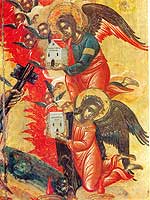 Φύλακας άγγελος της οικογενείας είναι η άσκηση. Όταν λέµε άσκηση εννοούµε την λειτουργική ζωή της οικογενείας. Χωρίς την Εκκλησία δεν µπορεί να διατηρηθεί η οικογένεια. Η οικογένεια πρέπει να έχει τον πνευµατικό της σαν τον οικογενειακό της γιατρό. Όταν είναι υπό την παρακολούθηση του πνευµατικού λύνονται όλα τα προβλήµατα και οι σύζυγοι αλληλοκατανοούνται.
Η πνευµατική αγάπη ανέχεται και τα αρνητικά στοιχεία του άλλου. Δεν επιµένει εγωϊστικά να εκπληρώνονται όλα τα θελήµατά του. Η νηστεία, η προσευχή και η Θεία Λειτουργία αγιάζουν τα παιδιά και τους συζύγους. Η καλυτέρα πρακτική άσκηση είναι οι στρωτές µετάνοιες. Η µεγαλυτέρα όµως άσκηση και ευλογία στην οικογένεια είναι η συµµετοχή στην Θεία Κοινωνία. Πρέπει να εγκρατεύωνται και να ρυθµίζουν έτσι την ζωή τους, ώστε µε την ευλογία του Πνευµατικού τους να µπορούν τακτικά να κοινωνούν. Όταν το επιτύχουν αυτό δεν ζουν σαρκικά, αλλά πνευµατικά και η χάρις του Θεού αναπαύεται επάνω τους. Το πρόβληµα στην οικογένεια προέρχεται από τον σαρκικό τρόπο ζωής, διότι σκοτίζεται ο νους και αρχίζει η εµπάθεια και ο εγωϊσµός. Όταν µας κατευθύνει µόνο το σώµα κάνουµε πολλά λάθη.
Αλλάζουν όµως τα κριτήρια όταν υπάρχη άσκηση και η βίωση της χριστιανικής ζωής. Τότε υπάρχει ευλογία και χαρά στην οικογένεια. Ο Χριστός τα δίνει όλα τα αγαθά µας και είναι όλα ευλογηµένα. Τι κρίµα να µην αγαπούν την οµορφιά και την ζεστασιά που φέρνει ο Χριστός στην οικογένεια! μ.μ Πηγή: Ο Όσιος Φιλόθεος της Πάρου
Εκδόσεις «Ορθόδοξος Κυψέλη» http://www.impantokratoros.gr/Oikogeneia-Askhsis.el.aspx
Γιατί παραχωρεῖ ὁ Θεός στό διάβολο νά μᾶς πολεμᾶ ( Άγιος Μάξιμος ο Ομολογητής )
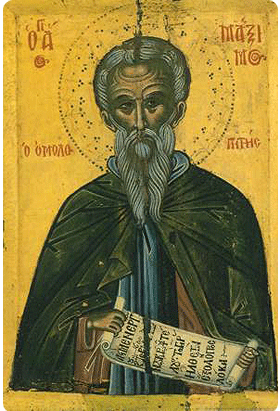
Ο
Άγιος Μάξιμος ο Ομολογητής απαριθμεί πέντε αιτίες για τις οποίες
παραχωρεί ο Θεός τη δυνατότητα στον διάβολο να πολεμά τους ανθρώπους:
Πρώτη αιτία, είναι για να μάθουμε να διακρίνουμε την αρετήν από την κακίαν μέσα από την εμπειρία αυτού του πολέμου.
Δεύτερη αιτία, είναι για να «εξαναγκαστούμε» τρόπον τινά, να προσκολληθούμε με βεβαιότητα και ακλόνητα στην αρετή.
Τρίτη αιτία,
για να μην υπερηφανευόμαστε όταν προκόπτουμε στην αρετή, αλλά να
συνειδητοποιήσουμε εκ της εμπειρίας του πνευματικού αυτού αγώνα ότι κάθε
προκοπή είναι δωρεά του Θεού.
Τέταρτη αιτία,
για να ταπεινωθούμε και για να συνειδητοποιήσουμε και μισήσουμε και
ομολογήσουμε (εξομολόγησις) και εγκαταλείψουμε τις αμαρτίες μας, που
γίνονται αιτία πειρασμών.
Πέμπτη αιτία, για
να μην ξεχάσουμε την ιδική μας ασθένεια και την του Θεού δύναμη, όταν
προοδεύοντας στον πνευματικό αγώνα αξιωθούμε και φθάσουμε σε κάποιαν
αρετή.
Μέσα στις πιο πάνω αιτίες διαφαίνεται η Αγάπη του Θεού προς τον άνθρωπον. Ας μην ξεχνούμε ότι και οι θλίψεις και οι πειρασμοί είναι δώρα της φιλανθρωπίας του Θεού γιατί μέσα στις δοκιμασίες αυτές μπορούμε -αν το θελήσουμε- να συναντήσουμε τον πάσχοντα και σταυρωμένο Χριστό μας, και Αυτός θα μας αναστήση στην αιώνια ζωή.
Μέσα στις πιο πάνω αιτίες διαφαίνεται η Αγάπη του Θεού προς τον άνθρωπον. Ας μην ξεχνούμε ότι και οι θλίψεις και οι πειρασμοί είναι δώρα της φιλανθρωπίας του Θεού γιατί μέσα στις δοκιμασίες αυτές μπορούμε -αν το θελήσουμε- να συναντήσουμε τον πάσχοντα και σταυρωμένο Χριστό μας, και Αυτός θα μας αναστήση στην αιώνια ζωή.
Σε
τελευταία ανάλυση, ο διάβολος με όλα τα τεχνάσματά του και παρ’ όλες
τις μηχανουργίες του εναντίον μας, εν τούτοις αυτοκαταστρέφεται και
θριαμβεύει η θεία φιλανθρωπία! Όπως η σταυρική παγίδα, που έστησεν ο
διάβολος στον Χριστόν, απέβη τελικά η συντριβή του ίδιου του διαβόλου
και η νίκη του Ιησού, (για αυτό και ο Σταυρός είναι από τότε το
φοβερότερον όπλο κατά του διαβόλου), έτσι και κάθε παγίδα που στήνει ο
διάβολος και σε μας, μπορεί να αποβή ήττα του Σατανά και αφορμή για τη
σωτηρία μας. Με μίαν όμως απαραίτητη προϋπόθεση: ότι θα αντιμετωπίζουμε
τους εκάστοτε πειρασμούς με κόψιμο του δικού μας θελήματος (δηλαδή του
εγωισμού μας) και υπακοή «άνευ όρων» στο θέλημα του Θεού.
Πηγή: Διαχρονικές Λυτρωτικές Αλήθειες
Εκδόσεις "Ορθόδοξος Κυψέλη"
Εκδόσεις "Ορθόδοξος Κυψέλη"
http://www.impantokratoros.gr/3CAC4532.el.aspx
Footprints in the Sand

One night I dreamed I was walking along the beach with the Lord.Many scenes from my life flashed across the sky.In each scene I noticed footprints in the sand.
Sometimes there were two sets of footprints,other times there were one set of footprints.
This bothered me because I noticed that during the low periods of my life,when I was suffering from
anguish, sorrow or defeat,I could see only one set of footprints.
So I said to the Lord,”You promised me Lord,that if I followed you,you would walk with me always.
But I have noticed that during the most trying periods of my life there have only been one set of footprints in the sand.
Why, when I needed you most, you have not been there for me?”
The Lord replied, ”The times when you have
seen only one set of footprints,
is when I carried you.”
Thursday, March 7, 2013
EATING FRUIT...

We all think eating fruits means just buying fruits, cutting it and just popping it into our mouths. It's not as easy as you think. It's important to know how and when to eat.
What is the correct way of eating fruits?
IT MEANS NOT EATING FRUITS AFTER YOUR MEALS! * FRUITS SHOULD BE EATEN ON AN EMPTY STOMACH.
If you eat fruit like that, it will play a major role to detoxify your system, supplying you with a great deal of energy for weight loss and other life activities.
FRUIT IS THE MOST IMPORTANT FOOD. Let's say you eat two slices of bread and then a slice of fruit. The slice of fruit is ready to go straight through the stomach into the intestines, but it is prevented from doing so.
In the meantime the whole meal rots and ferments and turns to acid. The minute the fruit comes into contact with the food in the stomach and digestive juices, the entire mass of food begins to spoil....
So please eat your fruits on an empty stomach or before your meals! You have heard people complaining — every time I eat watermelon I burp, when I eat durian my stomach bloats up, when I eat a banana I feel like running to the toilet, etc — actually all this will not arise if you eat the fruit on an empty stomach. The fruit mixes with the putrefying other food and produces gas and hence you will bloat!
Graying hair, balding, nervous outburst, and dark circles under the eyes all these will NOT happen if you take fruits on an empty stomach.
There is no such thing as some fruits, like orange and lemon are acidic, because all fruits become alkaline in our body, according to Dr. Herbert Shelton who did research on this matter. If you have mastered the correct way of eating fruits, you have the Secret of beauty, longevity, health, energy, happiness and normal weight.
When you need to drink fruit juice - drink only fresh fruit juice, NOT from the cans. Don't even drink juice that has been heated up. Don't eat cooked fruits because you don't get the nutrients at all. You only get to taste. Cooking destroys all the vitamins.
But eating a whole fruit is better than drinking the juice. If you should drink the juice, drink it mouthful by mouthful slowly, because you must let it mix with your saliva before swallowing it. You can go on a 3-day fruit fast to cleanse your body. Just eat fruits and drink fruit juice throughout the 3 days and you will be surprised when your friends tell you how radiant you look!
KIWI: Tiny but mighty. This is a good source of potassium, magnesium, vitamin E & fiber. Its vitamin C content is twice that of an orange.
APPLE: An apple a day keeps the doctor away? Although an apple has a low vitamin C content, it has antioxidants & flavonoids which enhances the activity of vitamin C thereby helping to lower the risks of colon cancer, heart attack & stroke.
STRAWBERRY: Protective Fruit. Strawberries have the highest total antioxidant power among major fruits & protect the body from cancer-causing, blood vessel-clogging free radicals.
ORANGE : Sweetest medicine. Taking 2-4 oranges a day may help keep colds away, lower cholesterol, prevent & dissolve kidney stones as well as lessens the risk of colon cancer.
WATERMELON: Coolest thirst quencher. Composed of 92% water, it is also packed with a giant dose of glutathione, which helps boost our immune system. They are also a key source of lycopene — the cancer fighting oxidant. Other nutrients found in watermelon are vitamin C & Potassium.
GUAVA & PAPAYA: Top awards for vitamin C. They are the clear winners for their high vitamin C content.. Guava is also rich in fiber, which helps prevent constipation. Papaya is rich in carotene; this is good for your eyes.
Drinking Cold water after a meal = Cancer! Can u believe this?? For those who like to drink cold water, this article is applicable to you. It is nice to have a cup of cold drink after a meal. However, the cold water will solidify the oily stuff that you have just consumed. It will slow down the digestion. Once this 'sludge' reacts with the acid, it will break down and be absorbed by the intestine faster than the solid food. It will line the intestine. Very soon, this will turn into fats and lead to cancer. It is best to drink hot soup or warm water after a meal.
A serious note about heart attacks HEART ATTACK PROCEDURE': (THIS IS NOT A JOKE!) Women should know that not every heart attack symptom is going to be the left arm hurting. Be aware of intense pain in the jaw line. You may never have the first chest pain during the course of a heart attack. Nausea and intense sweating are also common symptoms. Sixty percent of people who have a heart attack while they are asleep do not wake up. Pain in the jaw can wake you from a sound sleep. Let's be careful and be aware. The more we know the better chance we could survive.
Healing the ‘sickness’ of the Pharisees

By the Metropolitan of Limassol, Athanasios.
One may wonder what the purpose is of all the things we do
as part of our worship, namely our visits to holy places, the lighting
of candles, the all night vigils, the prayers, the fasting, alms giving
etc. The response to this question is very significant since it will
reveal whether or not we are leading a proper spiritual life.
Let me give you an example. I often ask the kids at the
camps which is the most important commandment the Lord gave. And they
all give me various answers: ‘Do not steal’, ‘do not lie’, ‘do not harm
other people’, ‘respect your parents’ etc, yet no child ever suspects
that none of these is the first command given by the Lord.
They often believe that the first commandment is ‘love thy
neighbor’, yet when I told them that this is not it, one child once
said: ‘Yes, I know the first commandment. It is ‘multiply and fill the
earth’! Of course this isn’t the first commandment either!
The first and only command given by the Lord is ‘love your
God with all your heart’; all others follow from this one. Jesus says:
The first command is: “And you shall love the Lord your God with all
your heart and with all your soul and with your entire mind and with all
your strength”. He also gave a second command similar to the first
which is “You shall love your neighbor as yourself” (Mark 12, 30-32).
Everything else follows from these two. If you love your neighbor you
will not steal from him, you will not lie to him, you will not harm him,
or take his possessions, you will not bother his wife or his home and
neither will you condemn him. ‘You shall love your neighbor’ is also the
outcome of the first commandment. If you love the Lord it is impossible
not to love your neighbor. In other words, a natural result of loving
the Lord is to love our neighbor.
Therefore, the first and only commandment is to love the
Lord with all our heart and everything we do as part of our life in the
Church has this purpose. We visit places of worship, we fast, we pray,
we go to confession, we light candles and we read the lives of Saints
and all the rest of it, in order to love Jesus.
So, what do we do wrong? Unfortunately, we say that we do
all of the above in order to become better persons. This is the great
disillusionment. This is the obstacle that we all stumble on. If the
Church aimed to help us becoming better persons then there would be no
reason for us to build a personal relationship with Jesus, neither would
He have had any reason to come to this world.
Why do you think it is so hard for us to understand the
Saints? Or to put it simply: Why are we not able to understand those who
love the Lord?
We often say: ‘Is it necessary to do these things in order
to be saved and be with the Lord?’ ‘Is it necessary for example, to live
alone on the mountains? Of course not, this is not necessary’. However,
if we appreciate that our relationship with the Lord is not about being
saved, but it is about loving, only then we are able to understand what
the Saints have done and why. Otherwise their actions remain
incomprehensible to human logic, since love goes beyond reasoning.
The case is similar to what happens in the world when two
people love each other; they end up doing things which do not stand to
reason. If you ask a man: ‘who is the most beautiful girl in the world?’
he will reply that it is his girl. He sees her, of course, through his
eyes. Our eyes may not agree with him! Or he may describe her
personality in the best possible way, without seeing any flaws or saying
anything bad about her, since love goes beyond these things. Love rises
above logic and is not bound by it.
The same thing happens with the Lord’s love. It is beyond
human reasoning. That’s why it is impossible to understand those who
love the Lord. It is for the same reason that the saints exhibited
behavior outside common sense. Their common sense was that of love.
Our Church does not teach us how to become better persons.
(This is necessary of course. Unless we do this what else is there to
do?) It teaches us to love Jesus; to love Jesus Christ as a person.
A relationship develops within the Church. It is the
personal relationship of man with Jesus Himself and not with His
teachings or with the Gospel. The Gospel is something which helps us
love Jesus. But as soon as we accomplish this, we do not need the
Gospel. We do not need anything. These things stop. This is the
difference between the Church and religion.
A religion teaches you how to discharge your duty, just
like the heathen do. For example we visited the places of worship, we
worshiped the icons, we bought candles, offered oil, written our names
down for the priests to pray etc. These are our religious duties. Yet,
our heart did not change at all. As soon as we did our duty, we went
back to our ways; ready to fight, ready to complain and pick a bone with
the others. Our heart did not change. We have not started a
relationship with Jesus yet, because we simply rely on doing our
religious duty.
You must know that religious people are the most dangerous
people in the Church. Pray that the Lord saves us from such people. Once
when I was administering at the Altar and said the prayer: “Lord save
the devout”, one Hayiorite monk said as a joke: ‘Lord, save us from the
devout”! In other words, Lord save us from the religious people who have
perverted personalities without any personal relationship with Him.
Such persons only discharge their duty and it is for this reason that
the Lord never reveals anything to them. I am confessing to you, that I
have never met worst enemies of the Church than the religious people.
When the children of such religious people- even of priests
and theologians who pretend to be devout-, tried to become monks or
priests, the parents became worst than the devil. They lashed at
everybody. They became the worst enemies of their children.
I remember some parents who used to bring their children to
preaching. When their children tried to take a step further, the
parents became furious and were throwing the worst accusations against
everyone. Once, I said to one such parent: “It was you who brought the
child to preaching, not me”. On a different occasion when I realized
that a young girl had fervent zeal for the Church, I told the father:
“Do not bring her here again because she will become a nun and you will
say that it was my fault”. He responded: “No Father, we adore you!” When
his daughter did become a nun, he still doesn’t talk to me seven years
later!
These were the people who would never miss the chance to
hear a preaching; they were always the first to go to all night vigils,
to read books and what have you…When the time came for their child to
chose freely his own way, they changed stance and their behavior
revealed that Jesus had never spoken into their hearts. They were simply
religious people. That’s why I tell you that religious people are the
most difficult kind in the Church.
You know what? Such people will never be healed because
they believe that they are close to the Lord. On the other hand, the
sinners, those who are lost, know that they are sinners.
Jesus Himself had said that whores and the tax collectors
will be the first to enter the Kingdom of Heaven while the Pharisees
will never enter because they were religious. The Lord’s word had never
touched their hearts. They just went about adhering to the religious
norms.
Therefore, let us be watchful and let us understand that
the Church is a hospital which offers treatment and helps us love Jesus.
Let us also check to see whether Jesus’ love which is like a burning
flame has been set ablaze in our hearts and whether we truly love the
Lord. If on the other hand, we find wickedness and selfishness and vice
in our hearts, we ought to start worrying. It is not possible to be
full of vile if Jesus has taken residence inside our hearts.
For, how is it possible to stand in prayer and yet be full
of vile against other people? How is it possible to be reading the Bible
and yet not accepting your neighbor? How is it possible to say that ‘I
have been active in the Church for so many years- I am a priest, a monk
or whatever’ and yet not accept the first and the last thing in
spiritual life: love and patience? If you haven’t learnt this, you
haven’t achieved anything, nothing at all, nothing.
In the parable of the ten virgins, Jesus told five of them
that He had never known them. He threw them out of the bridal chamber
simply because they had no love, even though they had accomplished all
other virtues. He wanted to teach them that even though they had all the
external virtues, e.g. chastity and a thousand other things, they had
not managed to achieve what was most important of all, namely love. If
you do not achieve this, what do you need all the others? For example, I
may refuse to eat oil today because I am fasting and yet I may be
‘eating’ my brother alive all day.
There was a saying at the Holy Mountain: “Do not ask if you
are allowed to eat fish at times of fasting. Just do not eat
the….fisherman and forget about the fish!” Pestering the other person
everyday is much worse than allowing you to eat a drop of oil at times
of fasting! There are people who may start a fight because the other
person dared dip the spoon in the salad which had oil on days of
fasting!
See how ridiculous these things are? We become the laughing
stock of both the devil and those away from the Church. Those who
approach the Church goers, instead of seeing people who remind them of
Jesus – sweet, mature and well-balanced- they notice instead all our
passions and our vices and say: ‘If I join the Church am I going to
become like them? I better skip it!”
You, who go to Church how, have you benefited from it?
As we were saying yesterday, we went to places of worship,
we went to the Holy Mountain etc, what benefit did we derive? Has our
heart been transformed? Have we become more humble, sweeter, and meeker
at home, at work or at our monastery? If we haven’t managed to change,
then at least we ought to become more humble through repentance. If we
haven’t managed this either, then people ought to mourn on our behalf.
Time passes away never to return and yet we are still ‘counting the
days’.
Elder Paisios used to give this response when people were
asking him how long he was living at the Holy Mountain: “I arrived the
same year with my neighbor’s donkey! And he meant that neither of them
had changed; just as the donkey remained a donkey despite his many years
at the Holy Mountain, the same thing was happening to him!
People, usually priests or monks, say: “I have been at the
monastery for forty years”. They do not realize that such a long time
counts against them. The Lord will tell such a person: “You have been at
the monastery forty years and you haven’t managed to change! You are
still getting angry, still criticize people, still answer back and still
refuse to submit to others. You have been here forty years and you have
yet to learn the first principle of monastic life- to be able to say a
sweet word to someone’.
I am telling you these things so that I may hear them too.
All these apply to me first of all. I am telling you these things
because I am doing them myself, that’s why I know them.
Therefore, let’s at least humiliate ourselves. Let us shut
our mouths when we feel our ego well up inside us; let us recognize that
we also possess all sorts of passions which ridicule us in front of
others and make us seem foolish in the face of the Lord. If we humble
ourselves and stop thinking that we are important, then we may slowly
start changing for the better through repentance which is the result of
humility. He, who refuses to find excuses for himself, is the one who
truly repents. He, who always finds excuses either in front of others or
during his silent talk with himself, will never learn what repentance
means.
Therefore, let’s examine ourselves, my brothers, and see if
the Lord’s love resides inside our hearts and whether we are truly able
to repent so that at least the Lord may heal our nature. Let’s allow
our relationship with the Church to heal us so that we may be liberated
from passions and sin.
People often ask: How can we manage this?
We will manage if we abandon ourselves with trust in the
hands of the good Lord, the healer. When we do this, the Lord who knows
what each one needs, will slowly guide us through our various
circumstances and our hardships, to our perfection at the end of a long
path. We ought to trust the Lord just as we trust the doctor or the
captain of a ship. We know that no matter what happens he will take us
where we want to go.
…………….
It is also important to remember this: Just when everything
seems humanely impossible to restore, when one turns to the Lord,
everything becomes possible again. Jesus said that what seems impossible
for man is possible for God. Indeed, every day we are witnessing the
miracles performed by the Lord, despite our difficult circumstances and
the abundance of sin. There are still people who love the Lord, thriving
like roses in spite of the thorny bushes.
The great miracle of our deliverance is accomplished
despite our human weaknesses, our troubles and the troubles the Church,
our family, the whole society are facing.
When all is said and done, the only solution to all our
problems is to turn towards the Lord and love Him. Then the Lord will
heal us and help us rise again even if we are like dead fish. The only
thing we have to do is to throw out all the trash from our hearts and
replenish them with the love for the Lord. And then we have to build our
life, our studies and our family on top and around this love. If one
manages to do this then his life will become like paradise and he will
be happy. Paradise is nothing but the love of God; hell is nothing more
than the absence of this love.
In conclusion, I pray that the Lord’s love accompanies you
and helps you remember that whatever we do should not be done in order
to become religious people, but people who love the Lord. Thus our lives
will be transformed and we will be transformed in Jesus Christ our
Lord.
Spiritual Warfare IV - Conquering Thoughts

Saint Theophan says,
"Attentively follow the course of affairs and watch what thoughts accompany them and conclude them, in order later to judge by this what initially lay within."Think of being in a boxing match. In the boxing ring you have to defend yourself from the punches of your opponent. You receive many little jabs that have no direct impact. But these small punches only set you up for that big punch which can knock you out.
Saint Theophan says,
"The enemy has a law––not to begin suddenly with a passion but with a thought, and to repeat the thought often."These repeated thoughts may not always be bad thoughts. The bad ones are easy to reject, but others require keen discernment. When new thoughts come about be wary. Don't immediately incline to accept them. Be patient. Watch and objectively reflect. Don't trust in your own reasoning but share new thoughts with a trusted friend or your spiritual father.
The risk is disillusion. Saint Theophan describes it this way.
"Their foremost characteristic is that a person assuredly considers himself to be something he is not––for example, call to teach others, capable of an extraordinary life, ad so on Our pride is always lurking in the back ground waiting to be satisfied."Our challenge is to free our mind of unnecessary thoughts. Saint Theophan states,
"The result of warfare can be a mind free of thoughts, a heart free of passions, and a will free of tendencies. When this develops, the person has achieved passionlessness. His inner being becomes a clear mirror that reflects spiritual things."
Να διαβάζεις την Καινή Διαθήκη και βίους Αγίων

-Αλήθεια, τι βιβλία διαβάζεις, είπε στον Χ. ο γέροντας Πορφύριος;

- -Δεν έχω καμία ιδιαίτερη προτίμηση. Τα διαβάζω όλα.
- - Βίους Αγίων διαβάζεις;
- -Έχω διαβάσει πάρα πολλούς. Και μου αρέσουν πολύ!
- -Να διαβάζεις όλους τους βίους των Αγίων. Εγώ τους έχω διαβάσει όλους και πολλούς τους έχω διαβάσει δύο και τρεις φορές. Και σαν μου τύχει κανείς, ευχαρίστως τους ξαναδιαβάζω. Από μικρό παιδί διάβαζα τους βίους των Αγίων και με βοήθησαν πάρα πολύ να γνωρίσω το Θεό και να έλθω πιο κοντά Του. Το ίδιο να κάνεις κι εσύ. Θα έχεις μεγάλο ψυχικό όφελος, γιατί σιγά- σιγά θα αρχίσεις να τους μιμείσαι. Το ίδιο να λες να κάνουν και οι άλλοι.
- -Την Καινή Διαθήκη τη διαβάζεις;
- -Την Καινή Διαθήκη δεν την έχω απλώς διαβάσει , αλλά την έχω μελετήσει και μάλιστα με πολλή προσοχή! Και συνεχώς κάνω επανάληψη.
- -Σωστά πράττεις! Να τη διαβάζεις πολύ. Είναι πηγή ανεξάντλητη! Και όσο τη διαβάζεις ,τόσο περισσότερο υπεισέρχεσαι στη σοφία του Θεού! Να προσπαθείς κάθε βράδυ να διαβάζεις έστω μία σελίδα.
- Το ίδιο μου έχει υποδείξει να κάνω και ο πατήρ τάδε.
- Σε καθοδήγησε ορθά. Τις πράξεις των Αποστόλων τις διαβάζεις;
- Τις διαβάζω και μου αρέσουν πολύ. Εκεί που δεν τα πάω καθόλου καλά, είναι η Αποκάλυψη του Ιωάννου.
- Γιατί; Η Αποκάλυψις είναι όλο σοφία! Είναι το παν.
- Γιατί, όλο για «σφραγίδες» και «σαλπίσματα» ομιλεί και εγώ δεν τα πολυκαταλαβαίνω! Είναι πολύ δυσνόητα!
- Άμα τη διαβάσεις πολλές φορές και με πίστη στο Θεό, θα δεις πως η Θεία Χάρη θα σου τα φανερώνει όλα και θα σου φανούν, μετά, όλα πολύ εύκολα! Θα το διαπιστώσεις και μόνος σου πολύ γρήγορα. Η σοφία του Θεού δεν έρχεται μόνη της. Πρέπει εμείς να τη ζητήσουμε. Διάβαζε λοιπόν. Διάβαζε όσο μπορείς την Αγία Γραφή και τους βίους των Αγίων. Αυτό σου συνιστώ.
Κομβοσχοίνι - Κύριε Ιησού Χριστέ ελέησόν με, Υπεραγία Θεοτόκε Σώσον ημάς,

Το κομποσκοίνι που έχουν όλοι οι Ορθόδοξοι μοναχοί και το χρησιμοποιούν και πολλοί ορθόδοξοι λαϊκοί, είναι συνήθως μάλλινο και πλεγμένο σε διάφορα μεγέθη. Από πολύ μικρό, που φοριέται στο δάχτυλο, έως πολύ μεγάλο: 33άρι (με 33 κόμπους), 50άρι (με 50 κόμπους), 100άρι, 500άρι κ.λπ.
Στην προσευχή με κομποσκοίνι, που βοηθά πολύ στη συγκέντρωση του νου, ακολουθείται συγκεκριμένη τεχνική μέθοδος. Σε κάθε κόμπο που περνά ανάμεσα στα δάχτυλά του ο προσευχόμενος, λέει αλληλοδιαδόχως τις ευχές: Κύριε Ιησού Χριστέ ελέησόν με, Υπεραγία Θεοτόκε Σώσον ημάς, Άγιοι του Θεού πρεσβεύσατε υπέρ υμών. Είναι δυνατόν να λέγεται και μόνη η ευχή Κύριε Ιησού Χριστέ ελέησόν με. Το κομποσκοίνι έχει σχεδιαστεί για προσευχή, και όχι για να παίζει ρόλο βραχιολιού στον καρπό του χεριού ή σαν κομπολόι
Στο κομποσκοίνι, κάθε τμήμα του έχει κάποια συμβολική σημασία. Είναι πλεγμένο κυρίως από μαλλί για να θυμίζει στα μέλη της Εκκλησίας ότι είναι τα λογικά πρόβατα του Ιησού Χριστού (Ιωάν. 10:11). Έχει χρώμα μαύρο που συμβολίζει το πένθος των αμαρτιών αφού "ουδείς αναμάρτητος" (πρβλ. Γ' Βασ. 8:46, Ιώβ 4:17, Ρωμ. 3:9-12 κ.ά.). Πάνω του το κομποσκοίνι έχει τον σταυρό για να φέρνει στη μνήμη "ότι έτι αμαρτωλών όντων ημών Χριστός υπέρ ημών απέθανε" (Ρωμ. 5:8). Συνήθως το κομποσκοίνι καταλήγει σε μία φούντα που ο σκοπός της είναι το σκούπισμα των δακρύων ("τοίς δάκρυσιν έβρεξέ μου τους πόδας" Λουκ. 7:44). Οι 33 κόμποι συμβολίζουν τα χρόνια του Ιησού Χριστού, οι 99 κόμποι είναι το 33 πολλαπλασιασμένο με τον αριθμό των τριών Προσώπων της Αγίας Τριάδας, και ο κάθε κόμπος αποτελείται από 9 πλεγμένους σταυρούς, που συμβολίζουν τα εννέα τάγματα των αγγέλων. Παρόλα αυτά, ενώ ο αριθμός σταυρών που αποτελούν τον κάθε κόμπο παραμένει πάντα σταθερός, ο αριθμός των κόμπων που αποτελούν το κομποσκοίνι εξαρτάται από τον αριθμό των προσευχών για τον οποίο θα χρησιμοποιηθεί. Πρέπει να σημειωθεί ότι υπάρχουν κομποσκοίνια φτιαγμένα και από άλλα υλικά εκτός του μαλλιού, π.χ. ακρυλικά, όπως και διαφόρων χρωμάτων.
'Aλλα είναι φτιαγμένα από χάνδρες ή με το αποξηραμένο λουλούδι ενός φυτού που λέγεται «Δάκρυ της Παναγίας». Το κομποσχοίνι είναι ένα από τα αντικείμενα που δίδονται σ' έναν Ορθόδοξο Μοναχό κατά την τελετή της κουράς του. Του δίνεται σαν το πνευματικό του ξίφος με το οποίο ως στρατιώτης του Χριστού, πρέπει να πολεμήσει κατά του νοητού εχθρού μας, του διαβόλου. Το ξίφος αυτό το χρησιμοποιεί επικαλούμενος το όνομα του Κυρίου και Θεού και Σωτήρος μας, Ιησού Χριστού, ικετεύοντας για το έλεός Του με την προσευχή στο όνομά Του.
Η ταπείνωση έχει μεγάλη δύναμη και διαλύει τον διάβολο
 "Η ταπείνωση έχει μεγάλη δύναμη και διαλύει τον διάβολο. Είναι το πιο δυνατό σόκ για τον διάβολο. Όπου υπάρχει ταπείνωση, δεν έχει θέση ο διάβολος. Και όπου δεν υπάρχει διάβολος, επόμενο είναι να μην υπάρχουν πειρασμοί.
Μια φορά ένας
ασκητής ζόρισε ένα ταγκαλάκι να πή το "Άγιος ο Θεός ...;" Είπε το
ταγκαλάκι "Άγιος ο Θεός, άγιος ισχυρός, άγιος αθάνατος", "ελέησον ημάς"
δεν έλεγε. Πές: "ελέησον ημάς"! Τίποτε! Αν το έλεγε, θα γινόταν Άγγελος.
Όλα τα λέει το ταγκαλάκι, το "ελέησόν με" δεν το λέει, γιατί χρειάζεται
ταπείνωση. Το "ελέησον με" έχει ταπείνωση, και δέχεται η ψυχή το μεγάλο
έλεος του Θεού που ζητάει.
Ό,τι και να
κάνουμε, ταπείνωση-αγάπη-αρχοντιά χρειάζεται. Τα πράγματα είναι απλά.
Εμείς τα κάνουμε δύσκολα. Όσο μπορούμε, να κάνουμε ό,τι είναι δύσκολο
στον διάβολο και εύκολο στον άνθρωπο. Η αγάπη και η ταπείνωση είναι
δύσκολες στον διάβολο και εύκολες στον άνθρωπο. Και ένας φιλάσθενος που
δεν μπορεί να κάνει άσκηση, μπορεί να νικήση τον διάβολο με την
ταπείνωση.
Σε ένα λεπτό μέσα
μπορεί ο άνθρωπος να γίνη Άγγελος ή ταγκαλάκι. Πώς; Με την ταπείνωση ή
την υπερηφάνεια. Τι, μήπως χρειάσθηκαν ώρες γι ανα γίνη ο Εωσφόρος από
Άγγελος διάβολος; Μέσα σε δευτερόλεπτα έγινε. Ο ευκολώτερος τρόπος για
να σωθούμε, είναι η αγάπη και η ταπείνωση. Γι΄αυτό από την αγάπη και
τηνταπείνωση να αρχίσουμε και μετά να προχωρήσουμε στα άλλα.
Να εύχεσθε να
δίνουμε συνέχεια χαρά στον Χριστό και στενοχώρια στο ταγκαλάκι, μια που
του αρέσει η κόλαση και δεν θέλει να μετανοήσει".
Wednesday, March 6, 2013
Γιατί πρέπει να ζητάμε από τον Θεό να μας βοηθάει ,αφού ξέρει τις ανάγκες μας ( Γεροντας Παϊσιος )

- Γέροντα, γιατί πρέπει να ζητάμε από τον Θεό να μας βοηθάη ,αφού ξέρει τις ανάγκες μας;
- Γιατί υπάρχει ελευθερία. Και μάλιστα, όταν πονάμε για τον πλησίον μας και Τον παρακαλούμε να τον βοηθήση, πολύ συγκινείται ο Θεός ,γιατί τότε επεμβαίνει, χωρίς να παραβιάζεται το αυτεξούσιο. Ο Θεός έχει όλη την καλή διάθεση να βοηθήση τους ανθρώπους που υποφέρουν. Για να τους βοηθήση όμως, πρέπει κάποιος να Τον παρακαλέση. Γιατί, αν βοηθήση κάποιον ,χωρίς κανείς να Τον παρακαλέση, τότε ο διάβολος θα διαμαρτυρηθεί και θα πη: « Γιατί τον βοηθάς και παραβιάζεις το αυτεξούσιο; Αφού είναι αμαρτωλός, ανήκει σε εμένα » . Εδώ βλέπει κανείς και την μεγάλη πνευματική αρχοντιά του Θεού, που ούτε στον διάβολο δίνει το δικαίωμα να διαμαρτυρηθεί. Για αυτό θέλει να Τον παρακαλούμε, για να επεμβαίνη - και θέλει ο Θεός να επεμβαίνη αμέσως, αν είναι για το καλό μας - , και να βοηθάη τα πλάσματά Του ανάλογα με τις ανάγκες τους. Για τον κάθε άνθρωπο ενεργεί ξεχωριστά, όπως συμφέρει στον καθέναν καλύτερα.
Ο Θεός λοιπόν αλλά και οι Άγιοι για να βοηθήσουν ,πρέπει ο ίδιος ο άνθρωπος να το θέλη και να το ζητά ,αλλιώς δεν επεμβαίνουν. Ο Χριστός ρώτησε τον παράλυτο: « Θέλεις υγιής γενέσθαι; » . Αν δεν θέλη ο άνθρωπος ,το σέβεται ο Θεός. Αν κάποιος δεν θέλη να πάη στον παράδεισο, ο Θεός δεν τον παίρνει. Εκτός αν ήταν αδικημένος και είχε άγνοια, οπότε δικαιούται την θεία βοήθεια. Διαφορετικά , δεν θέλει να επέμβη ο Θεός. Ζητά κανείς βοήθεια και ο Θεός και οι Άγιοι την δίνουν. Μέχρι να ανοιγοκλείσης τα μάτια σου ,έχουν κιόλας βοηθήσει. Μερικές φορές δεν προλαβαίνεις ούτε να τα ανοιγοκλείσης . Τόσο γρήγορα βρίσκεται ο Θεός δίπλα σου.
« Αιτείτε και δοθήσεται » , λέει η Γραφή. Αν δεν ζητάμε βοήθεια από τον Θεό , θα σπάζουμε τα μούτρα μας. Ενώ, όταν ζητάμε την θεία βοήθεια , ο Χριστός μας δένει με ένα σχοινάκι και μας συγκρατεί. Φυσάει ο αέρας από εδώ-εκεί ,αλλά, επειδή είμαστε δεμένοι, δεν κινδυνεύουμε. Όταν όμως ο άνθρωπος δεν καταλαβαίνει ότι ο Χριστός είναι που τον κρατάει, λύνεται πλέον από το σχοινάκι και τον χτυπούν οι άνεμοι από δω κι από κει και ταλαιπωρείται.
Να ξέρετε, μόνον τα πάθη και οι αμαρτίες είναι δικές μας . Ό,τι καλό κάνουμε είναι από τον Θεό, ό,τι ανοησίες κάνουμε είναι δικές μας. Λίγο η Χάρις του Θεού να μας αφήση, τίποτε δεν μπορούμε να κάνουμε. Όπως στην φυσική ζωή , λίγο το οξυγόνο να μας πάρη ο Θεός ,αμέσως θα πεθάνουμε, έτσι και στην πνευματική ζωή , λίγο αν μας αφαιρέση την θεία Χάρη, πάει, χαθήκαμε.
Μια φορά ένιωθα στην προσευχή μια αγαλίαση. Ώρες στεκόμουν όρθιος και δεν ένιωθα καθόλου κούραση . Όσο προσευχόμουν, ένιωθα μια γλυκιά ξεκούραση ,κάτι που δεν μπορώ να το εκφράσω. Ύστερα μου πέρασε ένας λογισμός ανθρώπινος : Επειδή μου λείπουν δυο πλευρά και εύκολα κρυώνω, σκέφθηκα, για να μην χάσω αυτήν την κατάσταση και να προχωρήσω όσο πάει, να πάρω ένα σάλι, να τυλιχθώ, μήπως αργότερα κρυώσω. Μόλις δέχθηκα αυτόν τον λογισμό, αμέσως σωριάστηκα κάτω. Έμεινα πεσμένος κάτω μισή ώρα περίπου και μετά μπόρεσα να σηκωθώ να πάω στο κελλί να ξαπλώσω. Προηγουμένως ,όσο προχωρούσα στην προσευχή ,ένιωθα σαν ένα πούπουλο , ένα ελάφρωμα ,μια αγαλίαση, που δεν εκφράζεται.
Μόλις όμως δέχθηκα αυτόν τον λογισμό, σωριάσθηκα κάτω. Αν έφερνα έναν υπερήφανο λογισμό και έλεγα λ.χ. « ζήτημα είναι ,αν υπάρχουν δύο-τρεις σε τέτοια κατάσταση » , τότε είναι που θα πάθαινα ζημιά. Σκέφθηκα ανθρώπινα ,όπως σκέφτεται ο κουτσός να πάρη τα δεκανίκια του , όχι δαιμονικά. Ήταν ένας φυσικός λογισμός , αλλά και πάλι είδες τι έπαθα.
Το μόνο που έχει ο άνθρωπος είναι μια διάθεση και ανάλογα με αυτήν τον βοηθάει ο Θεός. Για αυτό λέω, όσα αγαθά έχουμε είναι δώρα του Θεού. Τα έργα μας είναι μηδέν και οι αρετές μας είναι μια συνέχεια από μηδενικά. Εμείς θα προσπαθούμε να προσθέτουμε συνέχεια μηδενικά και να παρακαλούμε τον Χριστό να βάλη την μονάδα στην αρχή, για να γίνουμε πλούσιοι. Εάν δεν βάλη τη μονάδα ο Χριστός στην αρχή, χαμένος ο κόπος.
Γεροντας Παϊσιος
Συμβουλές στους γονείς για τα παιδιά

Το έτος 1997 η σύζυγός μου έμεινε έγκυος. Η χαρά μας ήταν μεγάλη! Και η πρώτη μας φροντίδα ήταν να ενημερώσουμε τον π. Πορφύριο, ο οποίος συμμεριζόταν τις χαρές μας και τις λύπες μας, από την πρώτη ημέρα της γνωριμίας μας, και μας στήριζε με τις προσευχές του, αλλά και με τις συμβουλές του, οι οποίες ήσαν γεμάτες από σοφία και θεία έμπνευση!
Για το λόγο αυτό, τον επισκεφθήκαμε και του ανακοινώσαμε το ευχάριστο γεγονός. Ευχαριστήθηκε πολύ! Η χαρά του ήταν έντονα ζωγραφισμένη στο πρόσωπό του.
Τώρα ολοκληρώθηκε η ευτυχία σας! Ο καλός μας Θεός σας τα έδωσε όλα! Είσθε καλοί και τους καλούς ο Κύριος δεν τους στερεί τίποτε! Εξάλλου, σας το είχα πει. Θα κάνετε παιδί. Αλλά εσείς, μωρέ, ήσαστε άπιστοι Θωμάδες. Δεν πιστεύετε σ’ αυτά που σας λέω. Το ξέρω ότι με αγαπάτε, αλλά είστε ολιγόπιστοι. Λυγίζετε εύκολα ,που να σας πάρει η ευχή …Να έρχεσθε πιο συχνά να με βλέπετε, γιατί το έχετε ανάγκη. Όταν έρχεσθε, σας βλέπω σκυθρωπούς και απελπισμένους, και όταν φεύγετε, σας βλέπω στο δρόμο, που πηγαίνετε για το σπίτι σας, χαρούμενους, ευτυχισμένους και με τονωμένη την πίστη σας! Το αυτοκίνητό σας δεν κυλάει, αλλά πετάει!
Τώρα, συνέχισε ο Γέροντας, καθίστε να σας πω ορισμένα πράγματα, για να τα έχετε υπόψη σας, σαν υποψήφιοι γονείς που είσθε. Και αυτά που θα σας πω, θέλω να τα βάλετε καλά μέσα στο μυαλό σας, να τα συγκρατήσετε και να τα εφαρμόσετε κατά γράμμα, εάν δεν θέλετε να δείτε το παιδί σας δυστυχισμένο και τους εαυτούς σας το ίδιο.
Έρχονται εδώ εκατοντάδες γονείς και με κλάματα στα μάτια με παρακαλούν να βοηθήσω τα παιδιά τους γιατί άλλα έμπλεξαν με ναρκωτικά, άλλα με κακές παρέες ,άλλα τους βρίζουν, τους ζητούν χρήματα, για να τα χρησιμοποιήσουν στις χαρτοπαικτικές λέσχες και στα άλλα τυχερά παιχνίδια, και όταν δεν έχουν να τους δώσουν, τους απειλούν και ακόμη και τους χτυπούν! Έτσι, φθάνουν οι γονείς να καταρώνται και αυτά και την ώρα και τη στιγμή, που τα έφεραν στη ζωή! Έχω δει γονείς να κλαίνε με μαύρο δάκρυ για το κατάντημα των παιδιών τους και να λένε, χίλιες φορές να μην τα είχαμε! Γιατί τότε, θα είχαμε ένα καημό και μία στενοχώρια, που δε θα είχαμε παιδιά, ενώ τώρα, μου λένε, έχουμε χίλιους καημούς και άλλες τόσες στενοχώριες για τα προβλήματα τα φοβερά, που μας δημιουργούν καθημερινά και ντρεπόμεθα να κυκλοφορούμε στον κόσμο. Γι’ αυτό ζητάνε να τους βοηθήσω με τις προσευχές μου, για να σώσουν τα παιδιά τους. Όμως, όταν τους ρωτώ, εσείς τι κάνετε τώρα, για να βοηθήσετε αυτά τα δυστυχισμένα πλάσματα, μου απαντούν, σχεδόν στερεότυπα, ότι δεν μπόρεσαν να κάνουν τίποτε, γιατί ξέφυγαν από τον έλεγχό τους, μόλις έγιναν έφηβοι!
Ε! Επόμενο ήταν, τους λέω. Αφού αφήσατε όλα τα παιδικά χρόνια ανεκμετάλλευτα και περιμένατε να έλθει η ήβη, για να ασχοληθείτε με τα παιδιά σας , ασφαλώς αυτά τα αποτελέσματα θα είχατε και θα πρέπει να περιμένετε και χειρότερα. Το παιδί είναι σαν το ζυμάρι. Όσο πιο μαλακό είναι το ζυμάρι, τόσο πιο εύκολα πλάθεται. Το ίδιο και το παιδί. Όσο πιο μικρό είναι , τόσο πιο χρηστά διαπλάθεται, διαμορφώνεται, διαπαιδαγωγείται και τελειούται.
Τώρα, που θυμηθήκατε εσείς, ότι έχετε παιδιά, ή μάλλον σας το θύμισαν αυτά με τις αταξίες τους, τις απαιτήσεις τους, τις παρανομίες τους και γενικά με την ανήθικη συμπεριφορά τους, τώρα είναι αργά. Πέταξε το πουλάκι. Και εάν πετάξει ένα πουλί, που το είχαμε στο κλουβί, δύσκολα πιάνεται, για να μην πω, πως δεν ξαναπιάνεται!
Η διαπαιδαγώγηση του παιδιού είναι το Α και το Ω των υποχρεώσεων, που έχουν οι γονείς σ’ αυτή την ανθρώπινη ύπαρξη, που με τη θεϊκή σύμπραξη φέρνουν στη ζωή! Γονείς, που απέτυχαν να διαπαιδαγωγήσουν το παιδί τους σωστά, θεωρούνται αποτυχημένοι σε ΟΛΑ! Σε ΟΛΑ, με ακούτε; Γιατί, εάν υποθέσουμε ότι υπάρχουν γονείς , που αφιέρωσαν όλη την ζωή τους στο να επεκτείνουν τις βιομηχανικές τους εγκαταστάσεις και να πολλαπλασιάσουν τα χρήματά τους, με αποτέλεσμα να γίνουν μεγιστάνες του πλούτου, ενώ παράλληλα δεν έκαναν τίποτα για την χρηστή διαπαιδαγώγηση των παιδιών τους, τότε, σας λέω, ότι όχι μόνο δεν προσέφεραν τίποτε στα παιδιά τους, αλλά αγωνίστηκαν και κόπιασαν για να δημιουργήσουν τεμπέληδες, ακαμάτες και εγκληματίες! Ναι ! Σας το βεβαιώνω εγώ. Εγκληματίες έφτιαξαν!...
----------------
Σημ. Το παραπάνω κείμενο έχει δημοσιοποιηθεί με την άδεια των αδερφών του Ιερού ησυχαστηρίου Μεταμόρφωσις του Σωτήρος στο Μήλεσι της Αττικής.
Η επιλογή των κειμένων, έγινε σε συνεργασία με τον κύριο Κωνσταντίνο Καρακόλη, ο οποίος και έχει την επιμέλεια του βιβλίου και τον οποίο ευχαριστούμε θερμά για το ενδιαφέρον του.
Gheronda Efrem Katunakiotul
Părintele Efrem Katunakiotul s-a născut în anul 1912, în satul Ambelohóri, din regiunea Theba. Tatăl său se numea Ioánnis Papanikítas, iar mama sa Victoria. La început a purtat numele Evánghelos. După ce a terminat gimnaziul, nu a vrut să se căsătorească, întrucât harul lui Dumnezeu i-a călăuzit pașii în căutarea altor sensuri ale vieții.

În Theba, acolo unde se mutase familia sa, Evánghelos a avut ocazia să-l cunoască pe Gheronda Efrem și pe Nichifor. Încă de mic copil, tânărul Evánghelos trăia ca un adevărat călugăr: practica rugăciunea lui Iisus și făcea metanii, trăind în post și mai ales în ascultare. Mama sa a fost înștiințată în mod minunat de către Cuviosul Efrem Sirul că dorința fiului ei de a se călugări era conformă cu voia lui Dumnezeu și că tânărul Evánghelos va deveni monah.
Pe 14 septembrie 1933, Evánghelos a lepădat deșertăciunea lumii acesteia, apucând drumul Sfântului Munte. S-a stabilit în Katounákia, la chilia Sfântului Efrem Sirul, lângă gheronzii Efrem și Nichifor. După o perioadă în care a fost frate de mănăstire, a fost tuns în monahism, primind schima mică și numele Longhínos. În anul 1935, a primit schima mare din partea lui gheronda Nichifor, care i-a schimbat și numele în Efrem. În anul următor a fost hirotonit preot.
Părintele Efrem s-a învrednicit să-l cunoască personal pe clar-văzătorul și înainte-văzătorul Gheron Iosif Isihastul (1898-1959), de care s-a atașat spiritual, cu binecuvântarea lui gheronda Nichifor. La rândul său, Gheron Iosif fusese inițiat în cele duhovnicești de către renumiții isihaști monahul Kallínikos și ieromonahul Daniil. Prin urmare, părintele Efrem ne învață să insistăm asupra a două lucruri, care reprezintă adevărate «expuneri exacte ale credinței ortodoxe»: căutarea adevăratului sens al vieții duhovnicești și găsirea unui părinte spiritual stabil și nerătăcit. Cel de-al doilea aspect este extrem de important, fiindcă numai un părinte spiritual nerătăcit îl poate scăpa pe fiul său duhovnicesc de vicleșugul diavolesc și, tratându-l cu medicamentele duhovnicești potrivite, îl poate conduce pe calea către Rai.
Fericitul părinte Efrem a reușit să discearnă ascultarea autentică de ascultarea bolnavă. Acest lucru se vede și din sfatul pe care i l-a dat unui monah dintr-o mănăstire de obște de a face ascultare față de bătrânul său nu ca un robot, nici ca un animal, ci din dragoste și râvnă pentru Dumnezeu.
Sfântul Gheron Iosif Isihastul i-a recomandat părintelui Efrem un program de viață isihastă, care consta în cultivarea rugăciunii «Doamne, Iisuse Hristose, Fiul lui Dumnezeu, miluiește-mă», păzirea simțurilor și curățirea inimii pentru a ajunge la iluminarea dumnezeiască. Cu binecuvântarea sa, părintele Efrem a studiat Filocalia, pentru a afla ce ne învață părinții neptici despre nevoințele duhovnicești. Nu citea cărți de psihologie sau «semidocte» de dragul de a-și etala cunoștințele și abilitățile duhovnicești în cadrul vreunei conversații savante de tipul discuțiilor «de salon», și nici nu se temea ca nu cumva să fie catalogat drept «fundamentalist» de către cercurile laice.
În anul 1973 a adormit ieromonahul Nichifor, bătrânul părintelui Efrem.

Începând cu anul 1980, părintele Efrem a început să adune în jurul său o mică obște, conformându-se astfel poruncii lui Gheron Iosif, care îl îndemnase în acest sens. Mai întâi, însă, a dobândit curățirea de patimi și apoi a devenit el însuși gheronda. Ca părinte spiritual a trebuit să se lupte cu marele vrăjmaș al vieții duhovnicești, care este slava deșartă. Jertfele pe care le făcea, le făcea din dragoste pentru Hristos, iar nu pentru a atrage laudele oamenilor.
Pentru el, Sfânta Liturghie era un eveniment cutremurător și totodată plin de trăire. Dintr-o destăinuire făcută unui prieten de-al său ieromonah, aflăm că, încă de la prima Sfântă Liturghie pe care a săvârșit-o, s-a învrednicit să vadă în mod vizibil harul lui Dumnezeu în momentul transformării Sfintelor Daruri. Și nu numai atât: după sfințirea Cinstitelor Daruri, Îl vedea pe Însuși Hristos pe Sfântul disc, fiindu-i imposibil să-și stăpânească lacrimile, mai ales când ajungea în momentul în care trebuia să frângă Agnețul. Atât de mare îi era emoția, încât uda Sfântul Antimis cu lacrimile vărsate și îi vedea pe îngerii Domnului șezând de-a dreapta și de-a stânga Sfintei Mese și slujind împreună cu el. Însă părintele nu vorbea niciodată despre trăirile sale din timpul Sfintei Liturghii. Le cerea mereu monahilor din mănăstirile de obște, care aveau diferite ascultări, să nu neglijeze Psaltirea.
Era înzestrat cu darul străvederii, care îi permitea să vadă starea duhovnicească a fiecărui monah și astfel să dea sfaturile potrivite fiecăruia pentru a progresa în viața duhovnicească. Harul dumnezeiesc îl împodobise pe părinte și cu darul înainte-vederii, în virtutea căruia știa ce urma să se întâmple. Drept pentru care a prevestit cutremurul din 1977 ce s-a petrecut în Tesalonic și, de multe ori, pe credincioșii sau copiii veniți să-l vadă îi striga pe numele pe care urmau să-l primească după viitoarea lor tundere în monahism. Odată, un student i-a scris o scrisoare concisă și fără prea multe amănunte, în care îi cerea rugăciunile într-o situație delicată. În scrisoarea primită drept răspuns, Gheronda îi descria studentului cu lux de amănunt atât starea duhovnicească în care se afla, cât și anumite detalii despre locul în care locuia, deși studentul nu-i pomenise nimic despre toate acestea.

Cu gheronda Iosif, gheronda Efrem din Arizona şi noua obşte de la Vatoped
Odată, doi clerici, care nu se cunoșteau între ei, s-au întâlnit pe drumul spre Katounákia. Când au ajuns la părintele Efrem, gheronda a început să-l mustre pe unul din ei pe motiv că nu este preot, ci mason, și că a îmbrăcat rasa numai pentru a spiona Sfântul Munte. Auzind acestea, masonul a dat totul pe față. Părintele Efrem trăia experiențe și stări, pe care numai creștinii ortodocși le pot trăi, cei care se feresc de rătăcirile papale sau protestante.
Odată un egumen, doi teologi și un student l-au rugat să le explice de ce Sfintele Moaște răspândesc mireasmă bine mirositoare. În loc să le răspundă, gheronda și-a plecat capul spre inimă și a început să se roage. Și îndată locul acela s-a umplut de o mireasmă plăcută. Apoi le-a explicat că, întrucât nu a știut să le răspundă la întrebare, L-a rugat pe Dumnezeu să o facă în locul său.
Părintele Efrem susținea că păcatele sunt urât mirositoare. Odată un episcop l-a întrebat prin intermediul unei alte persoane ce părere are despre Ecumenism. Și de această dată gheronda L-a rugat pe Dumnezeu să-l lumineze ce să răspundă. Îndată încăperea în care se aflau s-a umplut de miros urât, o amestecătură neplăcută de acru, sărat și amar. Și astfel episcopul a primit răspunsul potrivit.
Poziția fericitului gheronda vis-a-vis de unitatea ortodocșilor era clară. Spunea adesea: «dezbinarea e ușor de realizat, pe când unitatea nu». Oare ecoul cuvintelor sale mai este auzit în zilele noastre?

Cu gheronda Iosif Vatopedinul
Cu harul lui Dumnezeu, papa-Efrem a devenit un bun călăuzitor pentru cei care doreau să se căsătorească și să dobândească copii, ajutând mulți tineri să aleagă această cale, fără să-i preseze în vreun fel. În acest sens, epistolele sale reprezintă un bun ghid duhovnicesc și o adevărată «școală» pentru părinți, fiindcă îi învață cum să-și crească copiii din punct de vedere spiritual, în cuvinte simple, fără vreun artificiu de natură filosofică sau psihologică.
În anul 1996, papa-Efrem a suferit un atac cerebral, în urma căruia a rămas imobilizat la pat. Cu toate acestea, nu a cârtit deloc, ci îl slăvea zilnic pe Dumnezeu. Astfel, ne oferă și nouă un exemplu elocvent despre cum trebuie să ne comportăm în caz de boală. Pe 14/27 februarie 1998, și-a dat duhul în mâinile Creatorului său, pe Care L-a slujit cu multă dragoste din tinerețile sale.

Cu gheronda Iosif şi gheronda Efrem din Arizona în faţă la Vatoped
Se spune că odată un bătrânel care a trăit în secolul XIX a fost întrebat care a fost cel mai cutremurător eveniment din viața sa. La care bătrânelul a răspuns că atunci când era mic a avut ocazia să-l vadă și să-l audă pe Sfântul Kosmás Etolós. Prin analogie, și noi, dacă vom fi vreodată întrebați același lucru, vom putea răspunde că cel mai cutremurător eveniment din viața noastră a fost ocazia de a cunoaște îndeaproape două dintre florile monahismului aghioritic: pe gheronda Paisie și pe papa-Efrem Katunakiotul, al căror exemplu de viață cuvioasă suntem datori să-l imităm.
Sfârșitul lui gheronda Efrem (14/27 februarie 1998)
În noiembrie 1996, papa-Efrem a fost imobilizat la pat de un puternic atac cerebral, care i-a afectat serios anumite funcții ale corpului – nu mai putea vorbi și înghiți, dar și ale intelectului – părea că pierduse contactul cu mediul înconjurător. Nu se mai străduia să spună nimic, nici măcar prin semne, și nici nu părea să audă întrebările celor din jurul său. Numai atunci când îl durea ceva, gemea. Pe scurt, era un mister total.
Frații care îl iubeau îi scriau: «Atunci când sunt doborât de greutățile vieții de zi cu zi, simt cum mă pătrunde privirea voastră și mă rușinez eu, ticălosul, în fața răbdării de care ați dat dovadă în atâtea încercări…». Însă, în ciuda încercărilor, papa-Efrem vedea și auzea destul de bine. Dovadă stă faptul că zâmbea sau chiar râdea atunci când frații îi citeau istorioarele lui preferate, pe care el însuși le rostea mai demult, când îi plăcea să citeze din mitologia greacă sau din tradiția populară pentru a râde de sine sau pentru a-i «necăji» pe ceilalți. Acum acesta devenise singurul mod de a comunica cu el în starea gravă în care se afla.
Dacă vreun frate nu-și mânca mâncarea, glumea pe seama lui, zicându-i povestioara despre măgarul lui Hógea, pe care stăpânul său nu l-a hrănit vreo două zile, bucurându-se că muncește fără să cheltuiască nimic cu el. La un moment dat însă, n-a mai putut să deschidă ușa staulului, pentru că măgarul, mort de foame, zăcea pe podea, iar leșul său blocase intrarea. Alteori, când vroia să vădească viclenia puerilă a cuiva, schimbându-și vocea, imita discuția dintre doi copii astfel:
- Unde sunt strugurii?
- De ce întrebi, îi vrei?
- Nu, vreau numai să-i văd.

Cu părintele Emilianos Simonopetritul şi viitorul episcop Athanasie Jeftic
Dacă vreun monah nu vroia să învețe noțiuni elementare de tipic, îi povestea întâmplarea cu preotul neînvățat, care aduna boabe într-o pungă și le număra în așa fel încât, mâncând câte o boabă în fiecare zi, să-și dea seama când sosește Paștele. Preoteasa însă, fără să știe acest lucru, adăuga și alte boabe în pungă. Prin urmare, preotul le răspundea astfel sătenilor nemulțumiți: «după cum arată boabele, nici anul ăsta și nici anul viitor nu vom sărbători Paștele». Dacă vreun monah făcea ascultare «numai de ochii lumii», își clătina capul zâmbind și zicând cu voce îngroșată: «Antonie, Antonie…», făcând aluzie la reproșul adresat de către un gheronda ucenicului său care făcea ascultare numai când erau și alții de față.
Acestea și multe altele asemenea făcea gheronda, iar ucenicii lui i le repovesteau pentru a-i păstra zâmbetul pe buze în clipele grele ale bolii. Însă când febra și durerea se întețeau, zâmbetul se vestejea pe buzele sale bătrâne. Nu-i plăcea să stea întins în pat. Prefera să stea la marginea patului, cu capul plecat, atingând podeaua cu picioarele și cu spatele sprijinit în perne. Aceasta era poziția lui preferată de rugăciune. Din această poziție l-a și luat Dumnezeu la ceruri pe data de 14/27 februarie 1998.

Mitropolitul Ierotheos Vlachos la mormântul părintelui Efrem
Înainte să moară și-a exprimat în repetate rânduri dorința de a fi îngropat în cercul restrâns al mănăstirii. Însă vestea despre adormirea sa s-a răspândit cu mare viteză și mulți monahi de la alte mănăstiri au venit să-i dea ultima sărutare. Unul dintre aceștia a scris următoarele cuvinte:
«Gheronda, deși era un om cuvios cu o viață sfântă și plină de harul lui Dumnezeu, trăia totuși cu convingerea că este un păcătos și ne îndemna pe toți să ne rugăm pentru el astfel:
- Copilul meu, te rog, atunci când voi pleca, să-mi faci un parastas de patruzeci de zile și să mă pomenești necontenit în rugăciunile tale.
Poruncise monahilor să-i cheme la înmormântarea sa numai pe vecinii cu care avusese legături în această viață pământească. De asemenea, le-a poruncit să mă cheme și pe mine, lucru pentru care îi mulțumesc. În noaptea în care a murit, l-am văzut în vis îmbrăcat într-un veșmânt alb preoțesc, strălucind și zicându-mi cu bucurie: Părințelul meu, mă duc să slujesc. Am fost prezent la înmormântarea sa. Vedeam cum doarme în sicriu un cuvios, care de acum aparținea cetei cerești de părinți athoniți, și am mulțumit Domnului și lui gheronda, care m-a iubit ca pe fiul său. Trupul său s-a reîntors în pământul-mamă sfințindu-l, iar sfântul său suflet a fost primit cu bucurie în ceata tuturor cuvioșilor, care au strălucit prin nevoință și asceză și a căror pomenire se săvârșea chiar în acea zi, la slujba vecerniei, pentru a fi sărbătorit astfel și cuviosul Efrem dimpreună cu ceilalți cuvioși.
Nouă, celor rămași, ne-a lăsat exemplul său de viață virtuoasă și isihastă, o viață de monah aghiorit, precum și amintirea feței sale blânde și cuvioase. Întrucât s-a întâmplat ca în ziua parastasului de patruzeci de zile să avem la chilia noastră o tundere în monahism, nu mi-a fost cu putință să particip, fapt pentru care eram tare mâhnit. La Liturghie, după sfințirea Sfintelor Daruri, în momentul pomenirii celor adormiți, când am rostit‚ pomenește-l, Doamne, și pe robul Tău, părintele Efrem…’, am simțit două mâini calde apucându-mă cu dragoste de umeri. Îndată m-au cuprins frisoanele. M-am întors imediat să văd cine e, însă n-am văzut pe nimeni. Înțelegând că a fost el, i-am mulțumit și apoi am continuat Sfânta Liturghie. Simt că inima sa plină de iubire este mereu cu noi și se roagă pentru noi».
Sursa: Gheronda Efrem Katunakiotul, Schitul Sfântului Efrem, Katounákia, Sfântul Munte
Άσκηση και πλάνη

Γέροντα, φοβάμαι την πλάνη
-Καλά κάνεις. Όποιος φοβάται την πλάνη, δεν πλανιέται, γιατί προσέχει και λέει όλους τους λογισμούς του‡ δεν κρύβει τίποτε, κι έτσι βοηθιέται.
-Γέροντα, τι είναι η προδιάθεση πλάνης;
-Προδιάθεση πλάνης είναι να έχεις την ιδέα ότι κάτι είσαι και να δείχνεις στους άλλους ότι κάτι κάνεις. Να νομίζεις ότι εσύ έφθασες σε πνευματικά μέτρα, επειδή κάνεις λ.χ. κάποια άσκηση, ενώ οι άλλοι δεν έχουν ακόμη συλλάβει το νόημα της πνευματικής ζωής, και να φέρεσαι υπερήφανα. Το να ζορίζει κανείς τον εαυτό του εγωιστικά στην άσκηση, για φτάσει στα μέτρα ενός Αγίου και να τον θαυμάζουν οι άλλοι, αυτό είναι αρχή πλάνης. Άλλο βία και άλλο ζόρισμα. Είχα πει σε κάποιον: «Πρόσεξε μην πλανηθείς με την τακτική που ακολουθείς‡ δεν πας καλά». «Εγώ να πλανηθώ; Μου λέει. Εγώ ούτε κρέας δεν τρώω». Ούτε για εξομολόγηση πάει. Στην εικόνα λέει τις αμαρτίες του. «Ορθόδοξος είσαι εσύ ή Προτεστάντης; Του λέω. Πού το βρήκες αυτό γραμμένο;». «Γιατί, μου λέει, ο Χριστός δεν ακούει;». Άκου εκεί κουβέντα!
-Γέροντα, βοηθάει η σωματική άσκηση στον αγώνα κατά των παθών;
-Αν χρησιμοποιείται γι' αυτόν τον σκοπό βοηθάει. Ταπεινώνεται το σώμα και υποτάσσεται η σάρκα στο πνεύμα. Η ξερή όμως άσκησ燇 δεν έτρωγε, δεν πλενόταν κιόλας και ήταν μεσ' στην βρωμιά ...; τα ρούχα του από την λέρα είχαν λιώσει. Τα πήρα να τα πλύνω αλλά τι να πλύνεις! Είχαν σαπίσει. Μια φορά μου λέει: «Τον Όσιο Ιωάννη τον Καλυβίτη τον ξεπέρασα». «Βρε, του λέω, από την λέρα αγίασε ο Όσιος Ιωάννης ο Καλυβίτης;». Μετά από λίγες μέρες που ξαναήρθε, μου λέει: «Τον Όσιο Μάξιμο τον Καυσοκαλυβίτη τον ξεπέρασα». «Δηλαδή πως τον ξεπέρασες;», τον ρωτάω. «Να, όλο το Άγιον Όρος, μου λέει, το γύρισα σβούρα». Βρε, ο Όσιος Μάξιμος, του λέω, είχε εξαϋλωθεί και πετούσε, δεν γυρνούσε σαν κι εσένα». Άρχισε μετά να κάνει και μνήμη θανάτου και έλεγε με τον λογισμό του: «Τώρα είμαι στην κόλαση». Έπειτα από λίγο, τάχα για να ταπεινωθεί, άρχισε να λέει: «τώρα είμαι διάβολος, σατανάς, και θα πάω να μαζέψω οπαδούς», οπότε έφθασε στην πλάνη. δημιουργεί ψευδαισθήσεις, γιατί καλλιεργεί τα ψυχικά πάθη, φουσκώνει την υπερηφάνεια, αυξάνει την αυτοπεποίθηση και οδηγεί στην πλάνη. Βγάζει τότε κανείς συμπεράσματα για την πνευματική πρόοδο από την ξερή άσκηση που κάνει. «Εγώ κάνω εκείνο κι εκείνο, ενώ ο τάδε χωλαίνει έφθασα εκείνον τον Άγιο, πέρασα τον άλλον» και δώσ' του νηστείες και αγρυπνίες. Πάνε όμως όλα χαμένα, γιατί δεν τα κάνει με σκοπό την εκκοπή των παθών, αλλά για να ικανοποιηθεί εγωιστικά. Είχα γνωρίσει έναν μοναχό που έκανε άσκηση από υπερηφάνεια και του έλεγε ο λογισμός ότι είναι μεγάλος ασκητής. Είχε γίνει χάλια.
Αναδημοσίευση από το βιβλίο «ΓΕΡΟΝΤΟΣ ΠΑΙΣΙΟΥ ΑΓΙΟΡΕΙΤΟΥ ΛΟΓΟΙ τ. Γ΄»
Spiritual Warfare III – Afterwards

Once
you have encountered a spiritual battle and you were successful in
averting any sinful act, give thanks to the Lord. But, do not be over
joyful as this can lead to you to complacency and even lead you to a
greater sin of vainglory. Assume that there may be an ambush laying
around the next corner. Do not share this victory with anyone. Remain
humble and ready for another battle.
If
you were not successful and succumbed to the temptations presented,
humble yourself. Fall into repentance immediately. Accept that God
knows that you will not aways be successful and is always merciful if
you remain humble and repentant.
Saint Theophan says,
"Our Lord is like a mother who leads her child by the hand and does not abandon him..."
Repeated
failures should spurn you to engage in greater ascetic labors. Look
for new strategies, new ways to avoid such situations. The worst thing
is to become stopped by any form of depression over your failure.
Remember
everyone has a different task––will face different spiritual battles of
differing degrees. We all have a central tendency for sin but it is
different for each of us. Saint Theophan assures us,
"One only needs to have the zealous desire to conquer himself."
The Splendor of the Divine Liturgy ( Elder Ephraim of Arizona )

The Splendor of the Divine Liturgy, by Elder Ephraim of Arizona
The Divine Liturgy, what a splendor indeed! Man has been honored by God in such a way that He Himself comes down to earth with His Angelic Orders every time there is a Liturgy, in order to nurture man with His Most Holy Body and His Most Precious Blood! For He has given us everything. Is there anything physical or spiritual, perishable or everlasting, that has not been offered to us? None! Is there anything superior to His Most Holy Body and Blood, which is given to us on a daily basis? There is certainly not. God has enabled man, who is full of soil and dirt, to serve the Divine Liturgy. So priceless is the Divine Love that just a tiny drop exceeds any earthly, physical and secular love.
Adam and Eve's sin was the starting point of all the distressing events that have occurred to this day and of those that will occur until the end of time. Disobedience, like a sperm inside Eve's womb, gave birth to and transmitted physical and spiritual death to all of humanity. Poor Eve, could there have been a way for her to see that "the split second" taste of the fruit would cause such turmoil, thus compelling the Holy Trinity to have a "co-entreaty" so that the one Person of the Life-Giving Trinity would be sent to the world and endure, by the works of His hands, the blows, insults, whipping, spitting as well as all kinds of obscenity and ultimately be hung on the Cross as a curse! "Cursed is everyone that hangeth on a tree" (Gal. 3:13).
The sweet redemption of our Jesus, the light of our troubled souls, His Passion and Life-Giving Resurrection, are re-enacted in every Divine Liturgy through which every sinful soul is delivered. Great indeed is Jesus' love for us! For He took on our human nature and was hung on the Cross, giving us freedom and thus wiping clean all our debts towards our Heavenly Father. And as our beloved Brother He makes us worthy of His co-inheritance which consists of the infinite riches of His Heavenly Father. And if during the time when the Law, which existed before Christ, had overshadowed things, and the blood of oxen and goats as well as a calf's embers purified those who had partaken of them, how much more will Christ's Most Holy Blood, which is partaken from the Holy Altar of the Holy Churches of God, cleanse us from sin and warm up our souls in order to receive the divine love of our most sweet Jesus. The Lamb which was slaughtered for our personal salvation will rinse us with His Most Precious Blood from the filth of our sins and give us eternal rest.
In any case, we owe it to ourselves to become partakers of this heavenly banquet which offers us this most wonderful Mystery of the Holy Altar. Once inside the church, we should stand in fear and devoutness, since our Lord Jesus Christ and His holy angels are present. Those who are attentive and devout are filled with grace and blessings; however, those who are inattentive are condemned, being unworthy.
On the one hand, the Angels serve the Divine Liturgy, and on the other, the faithful come to church in order to partake of the Body and Blood of Christ - "Receive the Body of Christ and taste the Fountain of Immortality" - so that they will live in Christ and not perish in sin. Thus, "let a man examine himself, and so let him eat of that Bread and drink of that Cup, for he that eateth and drinketh unworthily eateth and drinketh damnation to himself" (1 Cor. 11:28-29). For instance, when someone wants to appear before a king, it takes him days to get ready, in terms of general preparation, cleanliness, speech, manner, ethos, etc., so that he would succeed in drawing the king's compassion and, in this way, have his desirable request granted. Even though there is no comparison as far as the two different kings are concerned, each believer should prior to Holy Communion prepare oneself in order to obtain divine mercy and forgiveness. Those who appear before a secular king are, most of the time, adorned by iniquity, flattery, pretence as well as deceit, in order to obtain that which is desired; nevertheless, the Christian believer who appears before the King of kings who in turn keeps an eye on the inner person must be adorned by holiness, humility and the sheer ethos of the soul that is more precious than lost gold.
The Lord created His Church on earth as a Bride, so that She would intercede for His children. He left us the Great Mystery of the Holy Eucharist, in order to be cleansed, become holy and thus become one with God. He has invited us all; some in their childhood, others in their middle as well as old age. As He is Good, He took hold of us like a hen gathers her chicks under her wings, in order to make us partakers of His divine Kingdom. Nothing repelled Him - no ulcer, no wound, no illness, not even the deformity of spiritual phenomena which may characterize our soul. As a father He accepted us, as a mother He breast-fed us, and as an unmercenery doctor He took care of us and clothed us in the garment of adoption, with grace ignoring the heavy debt of our trespasses. We thus owe Him infinite love and worship. Love should remain in the heart like a life-giving source, gushing forth springs of communion wine and streams of divine eros.
We should be partakers of the Sacrifice of the Slaughtered Lamb as often as we can, and as long as we are free to do so, since Holy Communion is a great aid for the believer which in turn helps him to fight sin. Also, we should approach this divine Mystery in a spirit of compunction, crushed hearts, and a good sense of our sins. Great is the mercy of God Who condescends to enter into us; not abhorring the multitude of our sins. Nonetheless, due to His infinite love and affection, we are sanctified, and in this way we are made worthy to become His children and co-heirs of His Kingdom. Hence, let us prepare with a pure conscience aiming at the fortification of our senses, and in chastity let us enter along with the Holy Apostles to the Mystical Supper and partake of our sweet Jesus so that He should dwell with us unto the infinite ages of ages.
Unworthy as I am, I serve my Lord. A ministry rendered that is holy and mighty. Everyday I offer God a well-pleasing sacrifice, the Lamb of God, Immaculate to His Immaculate Father and God, in order that He might be merciful for the things with which we sadden the most good God. He whom we cause grief and Who sacrificed His only begotten Son. My God, Your most beloved Son for our sake! And who are we to deserve this ultimate sacrifice! "For being enemies, we were reconciled to God by the death of His Son" (Rom. 5:10).
It is a fact that numerous interpretations of the Divine Liturgy which were mainly based on the illumination and grace of the Holy Spirit were handed down to us by the Church Fathers. What makes this current analysis of the Divine Liturgy of my spiritual child Father Stephanos Anagnastopoulos noteworthy and beneficial, is the fact that it is offered through the experiences and revelations of worthy Liturgists of the Most High, older and more recent ones.
I, as well as its author, wish that this book will lead us all to the genuine liturgical conscience and life in order to urge us in a spirited way, as grateful servants, to try to rest the heart of His feelings so that He will be comforted, according to the Psalter: "...and because of His servants shall He be comforted" (Psalm 134:14). May we sense that which God offered us and thus rejoice in the beauty of His eros. Amen.
The most unworthy of all
+ Father Ephraim
Subscribe to:
Posts (Atom)
