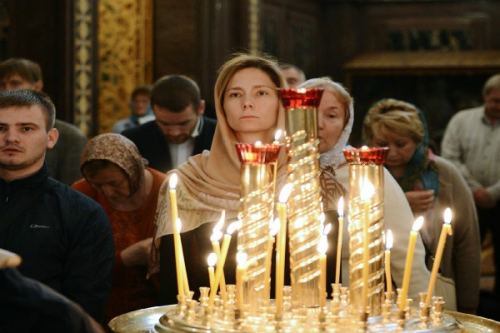
29 September 2014
Today the Church honours and celebrates the sacred memory of Blessed Kyriakos the Anchorite, who was born in Corinth in 408. His father was called Ioannis and was a priest, while his mother was Evdoxia. The then bishop of Corinth, Petros, who was Kyriakos’ uncle on his father’s side, ordained him reader. But Kyriakos did not find inner peace in Corinth and so, at the age of eighteen, he left for Jerusalem. There were many monasteries there at that time and some great ascetics, among whom he wished to live. His soul took wings and soared with divine love; he was captured and drawn by the eremitic life.
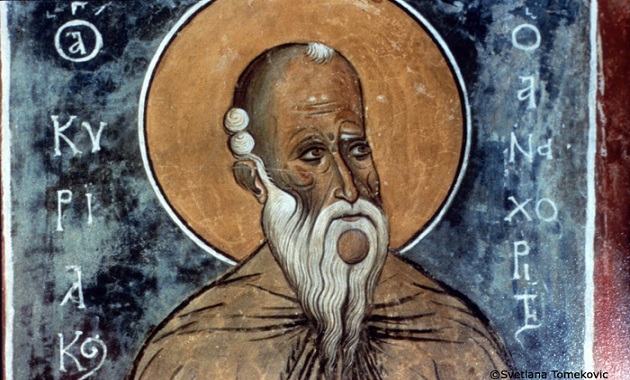
Going to Jerusalem, Saint Kyriakos found Saint Eythymios who made him a monk and sent him to Saint Yerasimos the Jordanite. Saint Efthymios and Saint Yerasimos are great names in the history of asceticism. Saint Kyriakos lived with them, particularly Saint Yerasimos, from whom he was inseparable. When Saint Yerasimos fell asleep in the Lord, Saint Kyriakos returned to Saint Efthymios. But wherever he was, Saint Kyriakos performed his duties willingly and without complaint. since he always had in mind God’s words: “Cursed be they who do the works of the Lord without care” [Jer. 31, 10 (Septuagint)]
When he returned to the monastery of Saint Efthymios, Saint Kyriakos was ordained a priest. He remained there for many years and was so gentle and ascetic that no one ever saw him angry, nor even eating. He ate just enough to keep body and soul together, when night began to fall in his cell. When he was seventy-seven years old, Saint Kyriakos left the monastery for the desert and, at the age of ninety-nine left that for an even more remote spot. He always had a lion with him for company and protection. We shouldn’t forget that, before the Fall, the wild beats lived with Adam and Eve in paradise.
Saint Kyriakos fell asleep in the Lord at the age of one hundred and seven, and was, until the end, just as ascetic and robust in body. In the depths of old age, he had all his faculties, just as if he were still young. He was a well-built, handsome person, with manly grace, most venerable and imposing to those who approached him. And everyone did come to him, because he was gentle and kindly. Since he didn’t stay in one place and one monastery, but went from Saint Efthymios to Saint Yerasimos, back to Saint Efthymios and out into the desert, then into another desert, he was given the name of “anachorite” [from the Greek verb αναχωρέω, meaning “to withdraw”].
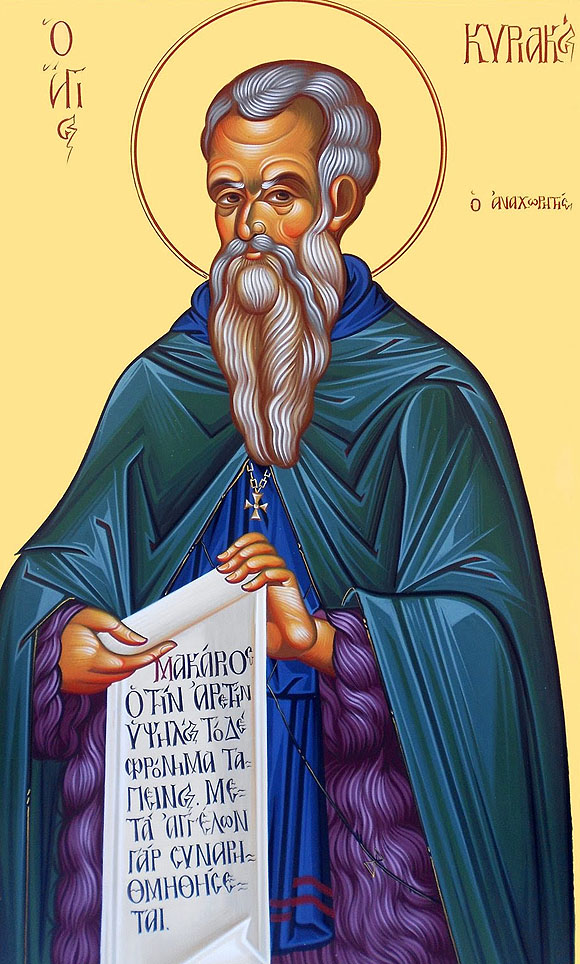
It has been well proven from the lives of the saints, and science recognizes it as well, that abstinence and moral purity are factors in bodily health and long life. Most bodily illnesses which afflict people and make them old before their time are the result of moral turpitude and abuse. On the other hand, people who have respected their bodies as the animate temple of God and have not been enslaved to the passions, have lived long and died “well-stricken in years”. Saint Kyriakos was one hundred and seven years and still had a lively mind and all his other faculties.
But it’s true that our own age is not much interested in talking about asceticism. These days people worship their bodies, without knowing how to respect and love them. They’re very extrovert and goal-orientated and want nothing to do with crucifying the body, self-denial, voluntary poverty and deprivation, obedience and humility. This is what asceticism is all about. These things are what constitute the lives of those whom Christ called “people of violence”: “The Kingdom of Heaven has suffered violence and people of violence take it by force” [Matth. 11, 12]. One of the great ascetics and men of violence towards the Kingdom of God is Blessed Kyriakos the anchorite. Amen.
http://pemptousia.com

- Γέροντα, οι γονείς μου όλο γκρινιάζουν και πλέον δεν τους υποφέρω μέσα στο σπίτι τι να κάνω;
- Βρε ευλογημένε, εσύ όταν ήσουν στην κούνια, μέρα νύχτα γκρίνιαζες. Εκείνοι, τότε, σ΄επαιρναν στην αγκαλιά τους και σ΄έσφιγγαν γεμάτοι στοργή και αγάπη.
Θα σου άρεσε τότε εσένα να προβληματιζόντουσαν κι εκείνοι -όπως εσύ τώρα - και να σκεφτόντουσαν μήπως θα έπρεπε να σε στείλουν σε κανένα ίδρυμα για να ησυχάσουν;
Η δικαιοσύνη του Θεού σου δίνει τώρα την δυνατότητα να ξεχρεώσεις λίγο από το χρέος προς τους γονείς σου με την ανάλογη εκ μέρους σου συμπεριφορά, που είχαν παλαότερα κι εκείνοι για σένα.
Γεροντας Παϊσιος
http://agiameteora.net/

Dear People,
The two stories that follow are taken from the life and works of the Russian Elder Tikhon. Father Tikhon was the Elder of Father Paisios and they enjoyed a very close spiritual relationship. During the last ten days of Elder Tikhon’s life, he asked for his disciple Father Paisios to care for him. Elder Paisios writes the following about these last ten days: “Those last ten days were God’s greatest blessing, because, since I had the chance, for a little while, to live so close to him and to get to know him better, I was helped more than any other time. On the last night he had his hands on my head for three hours straight, and then he blessed and embraced me for the last time.” After foretelling his death, he fell asleep on September 10, 1968, having prepared his own grave himself. To his good disciple, sweet Paisios as he called him, Father Tikhon left his blessing, and he promised to visit him every year. He also said, “We will be united by love unto the ages of ages, my child.” These stories from the life of Elder Tikhon emphasize the reality that God is the sovereign of all that we are. In the first story that he tells us about the obese layman that came to him, the Elder counseled him to turn to God in fasting and prayer in order to defeat the demons of obesity and carnal passions that were destroying his life. In the second story the Elder shares with us, he makes it very clear that God is the Landlord of our lives and our universe. And God is our Landlord we should begin everything we do in life by first invoking His blessing upon us.
+Fr. Constantine (Charles) J. Simones
The Elder would get very upset when he would see a well-nourished young man. He would get even more upset when he encountered a well-nourished monk since being obese was not compatible with the Angelic state of monasticism. One day a layman visited him on Mt. Athos. He was very obese and he said to the Elder: “Elder, I am having a fearful battle with my passions. I am constantly having dirty, unclean sexual thoughts and they do not ever give me any peace.” Father Tychon responded to him: “If you, my child, are obedient to my recommendations and with the help of the Grace of Christ, I will be able to transform you into an Angel. I want you, my child, to repeat the Jesus Prayer, ‘Lord Jesus Christ, Son of God, forgive me a sinner.’ You are to eat only bread and water every day and on Saturday and Sunday you are to eat a little food with olive oil. I want you also to do one hundred and fifty genuflections every night and read the service of supplication to the Holy Mother. In addition to this, I want you to read a chapter from the Gospel and read the list of the saints that are commemorated on each day in the Church calendar.”
Six months later, when the obese layman visited Mount Athos again, the Elder did not recognize him because he had lost all of his excessive fat. He was now able to easily fit through the narrow door that led into the Church. The Elder asked him: “How are you now, my child, dealing with your life’s problems?” The young man responded: “I now truly feel like an Angel because I no longer suffer from sexual passions and feel a sense of relief that I have lost all that weight.”
COUNSELS OF THE ELDER TIKHON
Before I begin with the counsels of Elder Tikhon, I would like to share with you that the Elder had the habit of beginning everything he did with a prayer. He would always call upon the help of the Holy Spirit to enlighten him. He also advised all other people to use the same prayer. He would say: “Dear Lord, allow the Holy Spirit to enlighten us because He is the Landlord of our world. This is why our Church begins its prayers with: “Heavenly King, Comforter, the Spirit of truth, everywhere present and filling all things, Treasury of blessings and Giver of Life, come and dwell in us; cleanse us of every stain and save our souls, o gracious one.” While saying this prayer, his face would be transformed and the pious people around him would see this change in his appearance. The Elder said: “A monk once visited a monastic cell that was very clean, well maintained and pleasant to see. This monk then said: “As clean as the Elder’s heart is, this is reflected in the cleanliness of his cell.” This monk went to another monastic cell that was completely disheveled, filled with cobwebs and in disarray. The Elder then said: “This monk is a good monk because he is always concerned with spiritual things and he does not bother himself with worldly pursuits.” Because the monk who visited these monastic cells was filled with such goodness he looked upon everything that he saw as beautiful. The moral of this story is that whatever you are as a person is what you see in other people and whatever you desire is what you find.
 Ψυχή, μη χάνεις το θάρρος σου και μη θλίβεσαι. Μη συλλογίζεσαι τον εαυτό σου ότι είναι στο πλήθος της αμαρτίας. Μην επιφέρεις στον εαυτό σου τη φωτιά. Μη λες ότι ο Κύριος με απέρριψε από την παρουσία του, διότι αυτός ο λόγος δεν θα αρέσει στο Θεό, επειδή ο ίδιος κράζει σ' εσένα, λέγοντας: "Λαέ μου, τι κακό σου έκανα ή σε τι σε λύπησα ή σε τι σε στενοχώρησα;(Μιχ. 6,3). Μήπως εκείνος που έπεσε δε σηκώνεται; Ή μήπως εκείνος που χάνει το δρόμο του δε φροντίζει να επιστρέψει;(Ιερ. 8,4)".
Ακούς, ψυχή, την αγαθότητα του Κυρίου; Διότι δεν πουλήθηκες, σαν κατάδικος, για να είσαι κάτω από την εξουσία κάποιου άρχοντα ή κάποιου στρατηγού. Μη θλίβεσαι, διότι στερήθηκες τον πλούτο σου. Μην ντρέπεσαι να επιστρέψεις, αλλά καλύτερα πες, ότι "Θα σηκωθώ και θα πάω στον πατέρα μου"(πρβλ. Λουκ. 15,18).
Σήκω και έλα. Σε υποδέχεται. Δε σε επιπλήττει, αλλά απεναντίας και χαίρεται με την επιστροφή σου. Σε περιμένει. Εσύ μόνο μην ντραπείς, όπως ο Αδάμ, ούτε να κρυφθείς από την παρουσία του Θεού. Για σένα σταυρώθηκε ο Χριστός, και είναι δυνατό να σε απορρίψει; Ποτέ κάτι τέτοιο! Διότι ξέρει εκείνον που μας θλίβει, και ότι κανείς δεν μπορεί να μας βοηθήσει, παρά μόνο ο ίδιος. Ο Χριστός ξέρει ότι ο άνθρωπος είναι ταλαίπωρος. Μη λοιπόν αμελήσουμε, εφόσον βρισκόμαστε κοντά στη φωτιά. Ο Χριστός δεν έχει ανάγκη να μας ρίξει στη φωτιά. Δεν προξενεί κέρδος στον εαυτό του με το να μας στείλει στην κόλαση.
Θέλεις μάλιστα να μάθεις τα πράγματα της κόλασης; Όταν δηλαδή ο αμαρτωλός θα διώχνεται μακριά από την παρουσία του Θεού, την κραυγή από το κλάμα του δε θα μπορέσουν να την αντέξουν τα θεμέλια της οικουμένης. Διότι είναι γραμμένο: "Η μέρα εκείνη είναι ημέρα σκότους και ζόφου, μέρα νεφέλης και ομίχλης, μέρα σάλπιγγας και κραυγής"(Σοφον. 1, 15-16). Και διότι, αν άνθρωπος καταδικασμένος εξορισθεί από άρχοντα για δύο ή πέντε ή δέκα χρόνια, ποιο πένθος και ποια ντροπή και ποιο κλάμα νομίζεις ότι έχει ο άνθρωπος εκείνος; Όμως εκείνος έχει παρηγοριά, περιμένοντας το τέλος του διαστήματος της εξορίας.
Θέλουμε λοιπόν να μάθουμε και το διάστημα της εξορίας των αμαρτωλών. Πώς πρόκειται να βρίσκονται στην εξορία είκοσι ή πενήντα ή διακόσια χρόνια; Πώς όμως μπορούμε να μετρήσουμε το χρονικό διάστημα, εφόσον δεν προστίθενται πια χρόνια στον αριθμό των ημερών; Αλίμονο, αλίμονο! Είναι ατέλειωτο αυτό το διάστημα και διότι είναι αβάστακτη η οργή της απειλής προς τους αμαρτωλούς.
Ακούς την πίεση των αμαρτωλών; Μην λοιπόν ντροπιάσεις τον εαυτό σου απέναντι σ' εκείνη την δυσκολία. διότι δεν θα αντέξεις στην απειλή. Έχεις πλήθος αμαρτίες; Μη λοιπόν διστάξεις να κράζεις προς τον Θεό. Πλησίασέ Τον χωρίς να ντραπείς. Ο αγώνας είναι κοντά. Σήκω όρθιος και αποτίναξε την ύλη του κόσμου. Μιμήσου τον άσωτο γιο, διότι, αφού στερήθηκε όλα, ήρθε χωρίς ντροπή στον πατέρα. Και ο πατέρας περισσότερο ενδιαφέρθηκε για την επιστροφή του παρά για τον πλούτο που σπαταλήθηκε από την αρχή. Έτσι, αυτός που πλησίασε χωρίς ντροπή, μπήκε με αρχοντικό τρόπο. Αυτός που παρουσιάσθηκε γυμνός, εμφανίσθηκε ντυμένος με στολή. Αυτός που εμφάνισε τον εαυτό του δούλο, αποκαταστάθηκε στο αξίωμα του άρχοντα(Λουκ. 15, 14-23). Σ' εμάς απευθύνεται ο λόγος. Ακούς, η έλλειψη ντροπής από μέρους του γιου πόσα κατόρθωσε; Καταλαβαίνεις όμως και την καλοσύνη του πατέρα;
Και συ λοιπόν, ψυχή, μην ντραπείς. Χτύπα! Περιμένεις ελεημοσύνη; Να επιμείνεις να χτυπάς την πόρτα, και θα πάρεις όσα σου χρειάζονται, σύμφωνα με τη θεία Γραφή που λέει: "Για την αδιαντροπιά του, θα σηκωθεί και θα του δώσει όσα του χρειάζονται"(Λουκ. 11,8). Δε σε απορρίπτει, δε σε επιπλήττει εξαιτίας του πλούτου που σπατάλησες από την αρχή, άνθρωπε. Διότι δε λείπουν σ' αυτόν τα χρήματα. σε όλους προσφέρει πρόθυμα σύμφωνα με τον αποστολικό λόγο: "Να ζητάτε από τον Θεό, που δίνει σε όλους με απλοχεριά, και δεν περιφρονεί"(Ιακ. 1,5). Κάθεσαι σε λιμάνι; Κοίταζε τα κύματα, για να μην έρθει ξαφνικά η θύελλα και αρπαγείς στα βάθη της θάλασσας, και τότε θα αρχίσεις να λες με στεναγμό: "Ήρθα στα βάθη της θάλασσας, και η καταιγίδα με καταπόντισε στο πέλαγος. Απέκαμα να κράζω, βράχνιασε το λαρύγγι μου"(Ψαλμ 68, 3-4). Και διότι ο άδης είναι αληθινά άβυσσος της θάλασσας, σύμφωνα με τον δεσποτικό λόγο που λέει, ότι μεγάλο χάσμα υπάρχει ανάμεσα στους δίκαιους και τους αμαρτωλούς(Πρβλ. 16,26).
Μη λοιπόν καταδικάσεις τον εαυτό σου σ' εκείνο το χάσμα. Μιμήσου τον άσωτο γιο. Εγκατέλειψε την πόλη που φονεύει με την πείνα. Απομακρύνσου από την ταλαιπωρία των γουρουνιών. σταμάτησε να τρως από τα ξυλοκέρατα, και μάλιστα ούτε να τα αγγίζεις.
Έλα λοιπόν εσύ, που σε παρακινώ, φάγε αδιάκοπα το μάννα, την τροφή των Αγγέλων. Έλα, να δεις την δόξα του Θεού, και να φωτισθεί το πρόσωπό σου. Έλα, κατοίκησε στον παράδεισο της τρυφής. Άφησε λίγα χρόνια. απόκτησε αιώνιο διάστημα. Ας μη σε ταράξει το διάστημα του χρόνου αυτής της ζωής. Είναι βιαστικό και σύντομο. Από τον Αδάμ ως τώρα, τόσο χρονικό διάστημα πέρασε σαν σκιά. Ετοίμασε αυτά που χρειάζονται για τον δρόμο. Μην παραφορτώσεις τον εαυτό σου. Η θύελλα είναι κοντά. Φτάσε στη στέγη, που και εμείς επιδιώκουμε να φτάσουμε με τη χάρη του Χριστού. Αμήν.
Ὁσίου Ἐφραίμ τοῦ Σύρου
πηγη:http://agiameteora.net
Do you know my dear brother how God wants you to be? Just as you do not want your spouse to have any relationship with another person, similarly, God does not want you to have anything to do with the devil.
Would you be happy if your husband or wife
committed adultery with another person? No! How about if your spouse were to just kiss someone else? You do not even want this to happen. This is how God also wants you to be, my brother: He does not want you to have even the slightest contact with the devil.
St. Kosmas Aitolos

“Δεν φτάνει μόνο να βγαίνει η προσευχή από τα χείλη μας. Έχει πολύ μεγάλη σημασία να αγαπάμε Εκείνον που επικαλούμαστε. Όμως την αγάπη αυτή δεν μπορούμε να την νοιώσουμε, αν επαναλαμβάνουμε μηχανικά την προσευχή ή έστω αν αυτοσυγκεντρωνόμαστε. Αν δεν αγωνιζόμαστε με όλες μας τις δυνάμεις να φυλάσσουμε τις εντολές του Κυρίου, τότε επικαλούμαστε το όνομά Του επί ματαίω. Όμως ο Θεός μας λέει ξεκάθαρα ότι δεν πρέπει να προφέρουμε το όνομά Του χωρίς να υπάρχει σοβαρός λόγος (Έξ. 20,7). Γι΄αυτό, όταν επικαλούμαστε το όνομα του Κυρίου, πρέπει να έχουμε επίγνωση όχι μόνο της παρουσίας του ζώντος Θεού, αλλά και της αληθινής σοφίας Του.
Τώρα, όταν ακούμε να κατηγορούν τον Θεό για όλους τους πολέμους, τις αδικίες και όλα τα προβλήματα που υπάρχουν στον κόσμο, με ερωτήσεις του τύπου “πώς το επέτρεψε αυτό ο Θεός;”, και πάλι ακριβώς το αντίθετο συμβαίνει: αντί να σταυρώνει ο άνθρωπος τον εαυτό του, μαζί με όλες τις αμαρτίες του, ξανασταυρώνει τον Χριστό. Και όμως, χάρη στον πολυεύσπλαχνο Κύριο ο άνθρωπος μπορεί να ελευθερωθεί από το αίσθημα ενοχής που του δημιουργούν οι αμαρτίες του. Εδώ έγκειται η τραγωδία της εποχής μας: από τη μια μεριά η ανθρωπότητα καταλογίζει ευθύνες στο Θεό για τα κακά που μαστίζουν τον κόσμο και από την άλλη ο χριστιανός ξεκινά να γνωρίσει τον Θεό, θέλοντας να βγάλει ο ίδιος απόφαση για το αν τελικά το φταίξιμο ανήκει σ΄ Εκείνον ή στην καρδιά των ανθρώπων”.
Πηγή: hristospanagia3.blogspot.gr
 The greatest plague of the 21st century is not AIDS, nor cancer, nor the H1N1 flu, but something that affects much more people in ways we can barely start to understand: depression. Reportedly one in ten Americans suffers from one or the other forms of this malady. The rates of anti-depressant usage in the United States are just as worrisome. A recent poll unveils that one in eight Americans is using them. Prozac, Zyprexa, Cymbalta are not strange alien names anymore, but familiar encounters in almost every American household. Even children approach the usage rates of adults. These are very high and paradoxical numbers in a country where all are free to enjoy “life, liberty and the pursuit of happiness.”
Even in times of crisis, Americans have a better life than most countries in the world, in all respects. Just glance over to the life of the Christians in the Middle East, and you’ll realize the blessings we enjoy every day. Most of us have a job, a house, a car or two, enough food, education, equal opportunity, religious freedom to name just a few. Practically we shouldn’t be in want for anything; yet, every tenth person is longing for something, is missing something so bad, so important, that they cannot cope with this need on their own. This explains the usage of drugs; with them, the negative aspects of life can be more easily coped with. They are a crutch that helps people move along with their lives for a short while.
But a crutch is still a crutch; it can only take one so far. The depressed man needs a different cure, one that will take care of the root of his problems, will erase his desperation and offer him a new lease on life. A cure, however, cannot come without the understanding of the underlying disease. So, this begs a question: why is America depressed? What are we still missing in the abundance that surrounds us?
A short answer is: we miss God. We may think we miss something else, we can justify our depression by creating some imaginary needs, but at the end of the day, we miss Him. He has created us for a purpose: union with Him unto eternity. Losing sight of this, we lose it all and, in our shortsightedness, we keep longing for something we don’t know we have lost. It all goes back to who we are, what are we doing here and where we are going; it is back to the basics.
In the midst of the information revolution, the world wide web and the boom of technology, man still yearns for the same fundamental things: purpose and direction. The secular society can’t give him either. The purpose is temporary, ceasing to exist when life expires, and the directions one gets are so contradictory that they end up canceling themselves. So man is confused, lost and at the brink of despair. He is thirsty, but there is no well of life, he is hungry but there is no food for his eternal soul, he is lonely and he has no man.
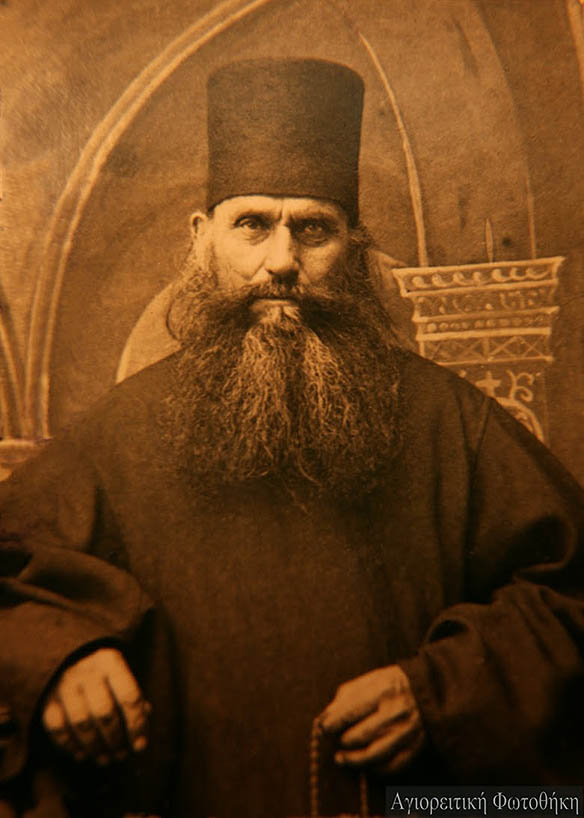
So what to do? In an interview I recently read (you can find it here, it is very edifying), the Archimandrite Sophrony Sacharov, of blessed memory, at that time a younger monk, was asked by a visiting priest: “Fr. Sophrony, how will we be saved?” Fr. Sophrony prepared him a cup of tea, gave it to him, and told him, “Stand on the edge of the abyss of despair and when you feel that it is beyond your strength, break off and have a cup of tea.” Obviously this was a very odd answer, and the young priest was definitely confused. So off he went to St. Silouan the Athonite, who lived not far from there, and told him everything, asking for advice. Long story short, next day, St. Silouan came to the cell of Fr. Sophrony and the two started a conversation about salvation. The beautiful fruit of their conversation was an unforgettable phrase that I would like to also offer as the answer to our conversation today about depression: “Keep your mind in hell and despair not.”
At first glance, St. Silouan’s take on salvation is not less strange that Fr. Sophrony’s initial answer, but it actually makes great sense. In traditional Christianity, the difficulties of life, the hardships are assumed as part of our fallen existence. Our bodies and our minds suffer the torments, but this is nothing but a temporary stage. The ascetic Fathers considered them as tests on par with the athletic exercises, very useful in practicing and improving the powers of the soul like patience, kindness, hope, faith and so forth. We keep our mind in hell when we consciously assume the pain of living in a fallen world, when we learn from this passing agony to avoid the even greater torture of an eternity without Christ. But there is hope in this suffering because Christ himself has suffered them first and has opened for us a way out of despair, a way out of pain, a way out of death. Christ is the well of life, the bread of eternity, and the only Man we need.
So as Christians we keep our minds in hell and we despair not, but courageously give glory to God in all things, even in pain, hoping, always hoping, in our Savior, the only One who can take us out of the brink of despair and set us for a new life in Him. In Him we put our hope, in Him we find our purpose, and on Him we set our goal.
Through the intercessions of our Father among the Saints Silouan the Athonite, through the prayers of Fr. Sophrony of Essex, of all the ascetic Fathers and all the saints, O Lord of compassion and hope, have mercy on us and save us!
St. Silouan the Athonite
http://pemptousia.com/
Source: Myocn.net
Ένας δαιμονισμένος ομολόγησε ότι όταν ξόρκιζε ο Πνευματικός το δαιμόνιο για να βγει από τον πάσχοντα, το ρώτησε να του πει ποιοι κολάζονται περισσότερο οι άνδρες ή οι γυναίκες, τότε ο δαίμων απάντησε οι γυναίκες.
Για τέσσερα αμαρτήματα που κάμνουν οι γυναίκες κολάζονται περισσότερο, του είπε ο δαίμων.
Πρώτον, διότι στολίζονται και ομορφαίνουν το σώμα τους με χρώματα, για να δείχνουν ωραιότερες από την φυσική ευπρέπεια που τους έδωσε ο Πλάστης.
Δεύτερον, για τις μαντείες που κάμουν και γοητεύουν και χύνουν κάρβουνα και ρίχνουν κλήρους για να δουν τη μοίρα τους.
Τρίτον, για την καταλαλιά που κάμουν όχι μόνο στα σπίτια αλλά και στην εκκλησία και δεν προσέχουν στις ιερές ακολουθίες.
Τέταρτον και χειρότερον, διότι δεν εξομολογούνται καλά, αλλά λέγουν μόνο λίγα και για τον τύπο ότι δήθεν εξομολογήθηκαν. Και έτσι κοινωνούν αναξίως και κολάζονται.
*ΑΓΑΠΙΟΥ ΜΟΝΑΧΟΥ, ΑΜΑΡΤΩΛΩΝ ΣΩΤΗΡΙΑ, Ε
Ν ΒΕΝΕΤΙΑ 1851, σ. 196.
http://www.pentapostagma.gr
imverias.blogspot.gr
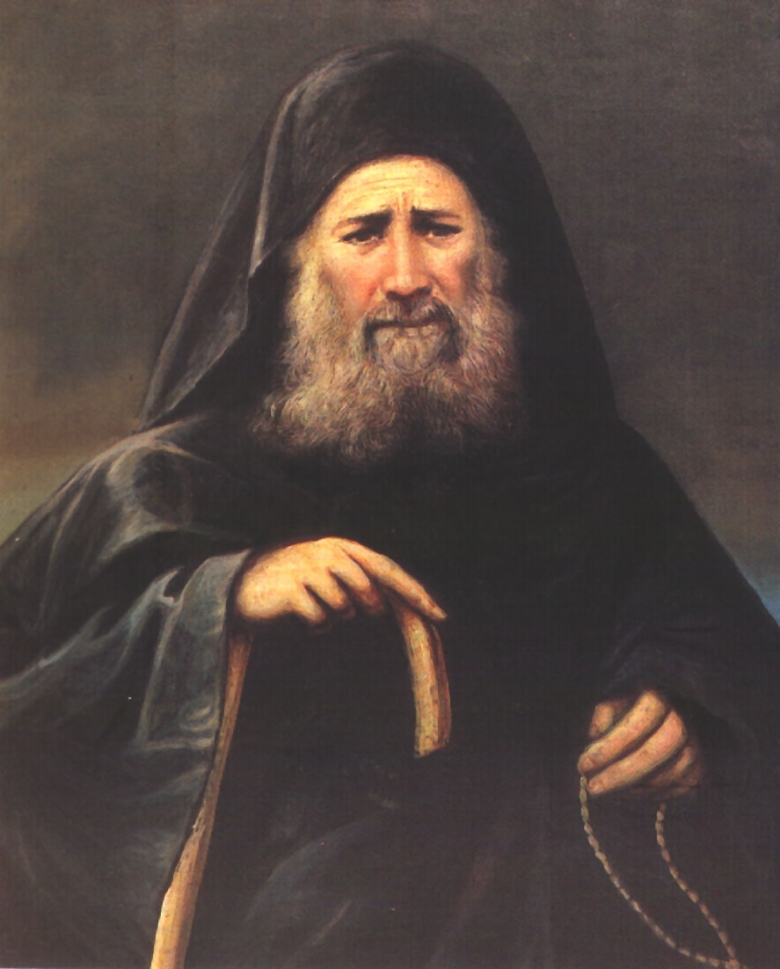
Elder Joseph the Hesychast
A homily by Abbot Ephraim of Vatopaidi Monastery
The blessed elder Joseph the Hesychast is one of the most important figures of contemporary Athonite monasticism. This monk is sanctified. His life is truly that of a contemporary saint and his disciples have today inhabited nearly half of the Holy Mountain and are responsible for so many other women’s monasteries both within and outside of the Greek land.It is said today by a pious mouth, which speaks the language of the Holy Spirit, that today’s blessed renewal of the Holy Mountain is primarily the common work of Elder Sophrony, elder of the Monastery of the Forerunner in Essex, with his excellent book concerning St. Silouan the Athonite, Elder Paisios the ascetic with his blessed presence of the Holy Land, and the disciples of the blessed Elder Joseph the Hesychast. The tree is known by its fruits.
We firmly believe that the return of Athos to interiority and prayer and generally to Hesychast Theology is due largely to the presence of the sanctified Elder Joseph the Hesychast. As you will know from all that has circulated up to now about the blessed Elder Joseph, he was a man who did not possess the skill of worldly things, was not even a beginner among them. He studied to the second grade. And it is easy to see this if you look at a copy of one of his handwritten letters. But as a possessor of the fullness of divine grace, having achieved by full enlightenment of his grace-filled mind to ascend to the highest steps of Theology and become a perfected theologian. For we know that a theologian is not one who has studied in the modern Theological Schools but one in whom speaks God the Logos. Theology is a gift of the Holy Spirit. The blessed elder wrote concerning this, “When in obedience and stillness one purifies the senses and calms the mind and cleanses the heart, then he receives grace and enlightenment of knowledge. He becomes all nous, all clarity, and filled with theology such that if three were writing they could not keep up with the flow. He spreads peace and complete inactivity of the passions throughout the body.”
Theology according to the venerable Elder and generally in the Holy Fathers is a fruit of the divine Grace within us. Therefore the Holy Fathers view the monasteries of the desert as universities. The letters of the venerable Elder are true theological essays but are written without the canons of syntax and orthography. Searching the letters of the blessed Elder Joseph, anyone can well comprehend the great grace with which this perfected Athonite monk sent them. All the more so we who are his spiritual descendants and have the further fortune to have among us our Elder. He was among the spiritual children of the ever-memorable Elder and very often brings up something spiritual concerning his elder, Elder Joseph the Hesychast.
And we find ourselves in the place above all of the Orthodox Tradition, the Sacred Athos, where the love of the Mother of God pleads for us. We who live in the Theotokos-protected Monastery of Vatopaidi, by the extreme tolerance of the great God, live the true meaning of the Orthodox Tradition.
Today much is said and emphasized concerning the Orthodox Tradition, and rightly so. But it is difficult in our days to find traditional people according to the fullness of the Orthodox sense. It is said that traditional people are those who study traditional/patristic books, and this is not wrong. But truly traditional people are those who have received the Orthodox life from people who possess it and can pass it on simply and unmistakably.
Thus, for all our baseness, we experience this situation and we know personally the great blessing it is to receive directly the experience and skill of the Orthodox life. When our Elder narrates something to us of his spiritual father, our “papou” as we call him, that is for us a great blessing, a spiritual harmony; it is a joy and happiness.
When one receives first hand the experience of the Holy Spirit, he senses in an intense manner that the Gospel is not something that happened “at that time” but is a continuous life, in which is confirmed that “Jesus Christ is the same, yesterday, today and to the ages.”
As one studies the correspondence of the blessed Elder Joseph, the first thing noticed is his desire, his nostalgia, his pure wish to tell his fellow man to concern himself with the prayer of Jesus. Because when he came to Athos, he set as his aim to live like the old ascetics as he had read in the book of that day, Kalokairini, containing the Lives of the Saints.
The whole of the venerable Elder’s life was his continual meditation in the Prayer of Jesus. He tried to apply the command of Paul, “pray without ceasing”.
Every evening he had as his rule to occupy himself with the prayer of Jesus unwaveringly for six continuous hours. He left this precise method in one of his letters. “I knew a brother, who for six hours brought his mind down into his heart and did not permit it to go out from the ninth hour of the afternoon (about 3 pm) until the third hour of the night (about nine pm). He had a clock that struck the hours. And he became drenched in sweat. When he got up, he worked out the remainder of his debt.” This manner of spiritual work, learned from the Fathers, shows great mental strength and a high spiritual condition. For it is truly rare, especially in our days, to find a mind that can pray unwaveringly for such a long time. The blessed Elder said that to accomplish such a great spiritual feat a person must compel himself in prayer and he emphasized: “Say the prayer all the time. don’t rest your mouth at all. Thus it will become habitual in you and the mind will receive it.”
The Hesychast Elder is one of the contemporary Athonite Elders who taught the details of the practice of noetic prayer, not only to monastics but also to the laity. According to the Elder, all people, without reference to their way of life, wherever they find themselves, and whatever they do, can undertake noetic prayer. The blessed elder wrote concerning this, “The practice of noetic prayer is to constrain yourself to say continually the prayer unceasingly with the mouth. Attend only to the words “Lord Jesus Christ, have mercy on me” and you will experience sweetness as if you had honey in your mouth.”
One who wants to practice noetic prayer systematically should not wait for particular moments which he sets aside for the prayer. The sanctified Elder, as a teacher of prayer, emphasizes: “Always say the prayer: sitting or in your bed or walking or standing. ‘Pray without ceasing, give thanks in all things,’ says the Apostle. You should not only pray when you lie down. It wants struggle: standing, sitting. When you tire, sit down, and then stand again. If you eat or work, don’t stop the prayer.”
The prayer, according to the blessed Elder, is the breath of life for the soul. And he advised concerning it: “Let ‘Lord Jesus Christ, have mercy on me’ be as your breath.” (Presuppositions of the Prayer: The Warfare of the Devil in this Work) Therefore, great are the gifts, great the consolation, outstanding the sweetness, indescribable the happiness, inexpressible the joy, deep the peace, infinite the love which are received on account of the prayer of Jesus.
The chief message of the Holy Mountain to the pious people of God is: As much as you can, say the prayer. Whatever we say, whatever we explain, is incapable by words to express the depth and breadth of the good results of the prayer of Jesus. To whom is due all glory, honor and worship to the ages. Amen!
Elder Joseph the Hesychast

The Life of St. Thekla, a disciple and companion of the Apostle Paul in 1st century. She is given the title "Equal-to-the-Apostles" because she accompanied St. Paul in founding churches because her witness converted so many others to Christ, and she was the first woman martyr for the Christian Faith.
According to ancient Syrian and Greek manuscripts, Saint Thekla was born into a prosperous pagan family in the Lycaonian city of Iconium (present-day Konya in south-central Turkey) in A.D. 16. When she was 18 years old and betrothed to a young man named Thamyris, Saint Paul the Apostle and Saint Barnabas arrived in Iconium from Antioch (Acts 14). Thekla’s mother Theokleia prohibited her from joining the crowds which gathered to hear Paul preach. But Thekla found that if she sat near her bedroom window she could hear his every word. Thekla sat there for three days and three nights listening to Paul preach the word of God. She was particularly touched by his call to chastity. As it became apparent that Thekla was becoming interested in the new Faith, Theokleia and Thamyris went to the governor of the city and complained about Paul and his preaching. To pacify them and the other outraged citizens of Iconium, the governor had Paul imprisoned to await trial.
When Thekla learned of Paul’s arrest she secretly went to the prison, and using her golden bracelets to bribe the guard, gained admittance to his cell. When she saw the Apostle she knelt before him and kissed the chains which bound his hands and feet. She remained there a long time listening to his message of the Good News of Jesus Christ.
Being concerned at Thekla’s prolonged absence, Theokleia and Thamyris asked her servant if she knew where she was. The servant said that Thekla had gone to visit an imprisoned stranger. Theokleia and Thamyris knew at once that she was with Paul. They decided to go again to the governor, this time demanding immediate judgement for the Apostle. After the governor chastened Paul for the disturbances he had caused in the city, he had him stoned and expelled from Iconium. The governor then admonished Thekla for her foolishness and commanded her to return home with her mother and fiancé. When Thekla announced that she had vowed to remain a virgin for the sake of Christ, her mother became enraged and asked the governor to threaten Thekla with severe punishment. The governor complied with this wish and ruled that Thekla was to be burned at the stake unless she renounced her faith in Christ.
When Thekla refused to renounce her Heavenly Bridegroom, she was taken to the arena for punishment. As she was tied to the stake she saw a vision of Jesus Christ which gave her strength to face the flames. The fire was lit, but as the flames came near Thekla a thunderstorm suddenly arose and a great torrent of rain and hail came down from heaven and extinguished the flames. Embarrassed because his plan had failed, the angry governor released Thekla but commanded that she must leave Iconium at once.
Upon her release, Thekla went to the outskirts of the city where she rejoined Paul. She told him of her trial and miraculous escape from punishment and asked for baptism. Paul refused to baptize Thekla, saying that this would be accomplished in God’s own way and time. Paul and Thekla then departed from the region of Iconium and traveled to Antioch in Syria. As they were entering the city a young nobleman named Alexander saw Thekla. Being entranced by her beauty he rushed forward and tried to seduce her, but Thekla fought him off, thus disgracing him in front of his crowd of friends. Alexander went to the governor of Antioch and complained that this wandering girl had disgraced him, a nobleman, in public. He demanded that she be punished with death. The governor complied and ruled that Thekla would face the wild beasts in the arena. Thekla’s only reply was that she be allowed to preserve her virginity unto death. Her wish was granted and she was given into the care of the noblewoman Tryphaena, a relative of Caesar, until the time of punishment.
When Thekla was taken to the arena, a lioness was set free to attack her. But to the astonishment of the crowd, the lioness approached the Saint and sat tamely at her feet. A bear was then released, but as it came close to Thekla the lioness rose up to defend her and killed the bear. A large lion was then released. The lioness again came to Thekla’s defense killing the lion, but losing her own life also. Then all the cages were opened and a large number of wild animals charged at the defenseless Thekla. After crossing herself and praying for courage, the Saint noticed a large tank of water which was nearby, containing the aquatic animals. She climbed into the water, asking that she might be baptized by Christ as she did so. Seeing that the beasts were unable to harm Thekla, Alexander asked that the Saint be given over to him for punishment. He tied her to two large bulls in the hopes that they would pull her asunder. But when the bulls charged off in opposite directions, the ropes which held Thekla to them were miraculously loosened and she was spared. Seeing that no harm could be done to Thekla, the authorities released her. She went to the home of Tryphaena where she remained for eight days preaching the Good News of Jesus Christ and converting Tryphaena and her entire household. When she departed from Antioch, Tryphaena gave her a treasure in gold and precious jewels.
After she left Antioch, Thekla journeyed to Myra where she rejoined Paul. She informed him of all that had occurred, including her baptism and asked that she might be permitted to spend the remainder of her life as an ascetic. Paul gave her his blessing and she departed, leaving with Paul all the gold and jewels that Tryphaena had given her so that he might distribute them among the poor and needy.
Thekla then traveled again to Syria where she went up into the mountains for a life of prayer and solitude. Many years later a young pagan found her praying in an isolated canyon and resolved to harass her and spoil her virginity. As he approached her and blocked her only exit to safety, she prayed that her Bridegroom would protect her as He had so many times in the past. At that moment the canyon wall was miraculously split allowing her to escape through a narrow crack in the rock.
Saint Thekla continued her life of asceticism and then peacefully fell asleep in Christ at the age of 90. Shortly after her death a community of virgins went to live in her mountain cell, building a small chapel to enshrine her body. This Convent of Saint Thekla still exists today near the village of Ma‘loula, Syria.
Because of her many sufferings for the Faith the Church counts her as a “Protomartyr”. And because she converted so many people to Christianity she is also know as an “Equal-to-the-Apostles”.
Holy Saint Thekla, pray unto God for us!
O Glorious Thekla, companion of Paul the divine, thou wast inflamed with the love of thy Creator. By the teaching of the divine Preacher thou didst despise the passing earthly pleasures and offered thyself to God as an acceptable and pleasing sacrifice, disregarding all suffering. Intercede with Christ, thy Bridegroom, to grant us his great mercy.
Commemorated on September 24
Troparion (Tone 4) –
You were enlightened by the words of Paul, O Bride of God, Thekla,
And your faith was confirmed by Peter, O Chosen One of God.
You became the first sufferer and martyr among women,
By entering into the flames as into a place of gladness.
For when you accepted the Cross of Christ,
The demonic powers were frightened away.
O all-praised One, intercede before Christ God that our souls may be saved.
Kontakion (Tone 8) -
O glorious Thekla, virginity was your splendor,
The crown of martyrdom your adornment and the faith you trust!
You turned a burning fire into refreshing dew,
And with your prayers appeased pagan fury, O First Woman Martyr!
Ο αββάς Αντώνιος βυθίζοντας κάποια φορά βαθιά τη σκέψη του στου Θεού την κρίση ζήτησε να μάθει: «Κύριε, είπε, πώς μερικοί ζουν λίγα χρόνια και πεθαίνουν, ενώ άλλοι φτάνουν στα βαθιά γεράματα;
Γιατί κάποιοι ζουν μέσα στη φτώχεια και άλλοι πλουτίζουν; Και πώς συμβαίνει άδικοι να πλουτίζουν και δίκαιοι άνθρωποι να ΄ναι φτωχοί;» Άκουσε τότε μια φωνή να του λέει: «Αντώνιε, τον εαυτό σου πρόσεχε. Αυτά είναι κρίματα Θεού και δεν σου συμφέρει να τα μάθεις».
ΤΟΜΟΣ Δ΄ ΚΕΦΑΛΑΙΟ ΙΕ΄ ΑΠΟΣΠΑΣΜΑΤΑ ΑΠΟ ΤΟ ΜΕΓΑΛΟ ΓΕΡΟΝΤΙΚΟ
If men who are surrendered into the hands of judges to be punished for their wickedness humble themselves and straightway confess their iniquity
when they come before the scourges-their punishment is diminished, and with only slight afflictions they are released.
But if there are among them some who are wicked and stiff-necked, who refuse to confess, these are
scourged, and in the end they confess involuntarily after many torments. And since their sides are already covered with wounds, they gain no profit from this.
St. Isaac the Syrian
 Μια μέρα ένας άγιος σταμάτησε στο σπίτι μας. Η μητέρα μου τον είδε στην αυλή να κάνει τούμπες για να διασκεδάσει τα παιδιά. «Ω, μου είπε, είναι στ’ αλήθεια ένας άγιος· μπορείς, γιέ μου, να πας κοντά του».
Ο άγιος έβαλε το χέρι του στον ώμο μου και μου είπε:
- Τι σκέφτεσαι να κάνεις, μικρέ μου;
- Δεν ξέρω. Τι θέλετε να κάνω;
- Όχι, πες μου εσύ τι θέλεις να κάνεις.
- Ω, μου αρέσει να παίζω.
- Λοιπόν, θέλεις να παίξεις με τον Κύριο;
Δεν ήξερα τι να απαντήσω.
- Βλέπεις, πρόσθεσε, αν μπορούσες να παίξεις με τον Κύριο, αυτό θα ήταν το πιο μεγάλο πράγμα που έκανε ποτέ κανείς. Όλοι τον παίρνουν τόσο πολύ στα σοβαρά, ώστε τον κάνουν θανάσιμα πληκτικό… Παίξε με τον Θεό, γιέ μου. Είναι ο καλύτερος σύντροφος για τα παιχνίδια σου.
Από το βιβλίο του Παύλου Ευδοκίμωφ «Η προσευχή της Ανατολικής Εκκλησίας».
Πηγή: isagiastriados.com
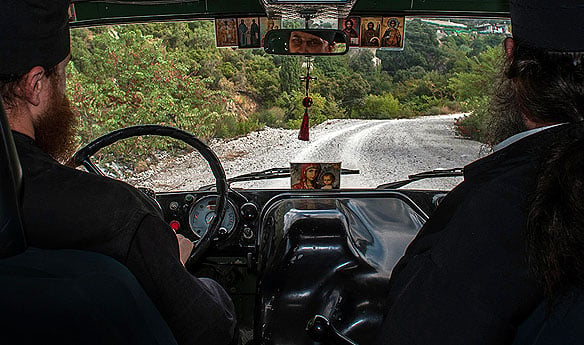
Love for Christ knows no bounds, neither does love for your neighbour. It should extend everywhere, to the ends of the earth. Everywhere, to everyone.
Let me give you an example. There was a monk who had two disciples. He tried very hard to bring them up to scratch and make them better. But he was worried about whether they were really making any progress in the spiritual life, if they were making headway, and if they were ready for the kingdom of God. He waited for a sign from God about this, but didn’t get an answer. One day, there was going to be a vigil in another skete that was a good few hours away from theirs. They’d have to make their way through the desert. He sent his disciples off early, so that they’d get there early and get the church ready, while the Elder himself was to leave later in the afternoon. The disciples were well on their way when suddenly they heard groaning. There was a man there, badly hurt and asking for help;
– Take me with you, please. Ι’m stuck out here in the desert. Nobody ever comes by. I’ll never get any help. There’s two of you. Pick me up and carry me to the nearest village.
– We can’t. We’re in a hurry to get to the vigil. We’ve been told to get it ready.
– Please! Take me with you. If you don’t, I’ll die and get eaten by wild animals.
– We can’t. Sorry, but we have to do what we’ve been told.
And they left. In the afternoon, the Elder left for the vigil. He went along the same path. He got to the place where the injured man was lying. He saw him, went up to him and said:
– What’s the matter, man of God? What is it? How long have you been here? Didn’t anybody see you?
– This morning a couple of monks came by and I asked them to help me, but they were in a hurry to get to a vigil.
– I’ll take you. Don’t worry.
– You can’t. You’re an old man. You can’t lift me. No way!
– No, I’ll take you. I can’t leave you.
– But you can’t lift me’
– I’ll bend over and lift you on top of me. It’ll take time, but I’ll get to the nearest village. A little bit today, a little bit tomorrow, but I’ll get you there.
So he lifted him, difficult though it was, and started to trudge through the sand. He was sweating freely and thought: ‘Even if it takes three days, I’ll get there’. As he was tramping along, he began to feel that the burden was becoming lighter, and then, at one point, he seemed not to be carrying anything at all. He turned his head to see what was going on and, to his amazement, saw he was carrying an angel. The angel said to him:
– God sent me to tell you that your two disciples don’t deserve to enter the kingdom of God, because they don’t have any love.
Source: ΑγίαΖώνη, Periodical of the Church of the Holy Girdle, Patisia, vol. 19, 2010
http://pemptousia.com/2014/09/love-above-all/

«Ο Κύριος, δεν ευαρεστείται με την προσευχή των υπερηφάνων. Όταν όμως θλίβεται η ψυχή του ταπεινού ανθρώπου, ο Κύριος πάντα την εισακούει.
Ένας γέρος ασκητής, που ζούσε στις πλαγιέςτου όρους Άθω, είδε ότι οι προσευχές των μοναχών ανέβαιναν στους ουρανούς· και εγώ δεν εκπλήττομαι γι’ αυτό. Ο ίδιος γέροντας, όταν ήταν μικρός και έβλεπε την στεναχώρια του πατέρα του για την ανομβρία που απειλούσε να καταστρέψει την συγκομιδή, απομακρύνθηκε στο βάθος του κήπου και προσευχήθηκε:
‘‘Κύριε, Εσύ είσαι Ελεήμων, Εσύ μας δημιούργησες, Εσύ μας τρέφεις και μας ενδύεις όλους. Βλέπεις, Κύριε, πώς στενοχωριέται ο πατέρας μου για την ανομβρία. Ρίξε τώρα βροχή στην γη!’’. Και τα σύννεφα κάλυψαν τον ουρανό και κατέβηκε η βροχή και πότισε την γη.
Ένας άλλος γέροντας που ζούσε κοντά στην θάλασσα, μου διηγήθηκε το εξής:
‘‘Ήταν μια νύχτα σκοτεινή… Ο αρσανάς, ήταν γεμάτος από ψαρόβαρκες. Ξέσπασε θύελλα και πολύ γρήγορα δυνάμωσε. Οι βάρκες, άρχισαν να χτυπούν η μία την άλλη. Οι άνθρωποι προσπαθούσαν να τις συγκρατήσουν, αλλ’ αυτό ήταν αδύνατον μέσα στην βροχή και την θύελλα. Επικρατούσε μεγάλη σύγχυση. Οι ψαράδες, φώναζαν με όλη τους την δύναμη και ήταν φοβερό να ακούς κραυγές φοβισμένων ανθρώπων! Λυπήθηκα τον λαό του Θεού και άρχισα να
προσεύχομαι με δάκρυα:
‘Κύριε, κάνε την θύελλα να κοπάσει! Σταμάτησε τα κύματα! Λυπήσου τους πονεμένους ανθρώπους Σου και σώσε τους!’.
Και σταμάτησε η θύελλα, γαλήνεψε η θάλασσα, και οι άνθρωποι, με ειρήνη πλέον, ευχαριστούσαν τον Θεό’’.
Υπήρξε εποχή που νόμιζα ότι ο Κύριος κάνει θαύματα μόνο με τις προσευχές των αγίων. Τώρα όμως έμαθα ότι ο Κύριος θα κάνει
το θαύμα Του και στον αμαρτωλό, αμέσως μόλις ταπεινωθεί η ψυχή του. Γιατί, όταν ο άνθρωπος μάθει την ταπείνωση, τότε ο Κύριος εισακούει τις προσευχές του.
Πολλοί λένε, από έλλειψη πείρας, ότι ‘‘ο τάδε άγιος έκανε θαύμα’’, αλλά εγώ έμαθα ότι το Άγιο Πνεύμα που ζει μέσα στον άνθρωπο κάνει τα θαύματα. Ο Κύριος ‘‘πάντας ἀνθρώπους θέλει σωθῆναι’’ (Α΄ Τιμ. β΄ 4) για να μένουν αιώνια μαζί Του. Γι’ αυτό και ακούει τις προσευχές του αμαρτωλού ανθρώπου και, αυτό, ή για το όφελος των άλλων ή για αυτού του ίδιου που προσεύχεται».
http://agiameteora.net/
The natural state of man, since we have
transgressed the commandment of the Lord and have fallen out of paradise, is the divine Law which was given to us in writing after that exile.
Every man desiring salvation has to fight with the
passions: thrashing and opposing, fighting and being fought against, winning and suffering defeat. And in general, he has to struggle in order to stay within the divine laws of nature.
When we abide by the divine law given to us in the Bible---we are not fornicators, murderers, thieves, liars, gossipers, and are not unjust, proud,
vainglorious, gluttonous, greedy, avaricious, envious, taunting, blaspheming, irascible, peevish,
complaining, hypocritical and so on---then we are in the state natural for us after the Fall.
Elder Joseph's
"Epistle to a Hesychast Hermit"
(Chapters XI & XII & Epilogue)
From the book "Monastic Wisdom"

Μια προφητεία που λέγεται πως βρίσκεται στην βιβλιοθήκη της Ιεράς μονής Κουτλουμουσίου στο Άγιον Όρος και γράφτηκε το 1053 μ.χ. επιβεβαιώνει, όπως υποστηρίζουν κάποιοι, τα σημερινά γεγονότα.
Κάποιοι αμφισβητούν την χρονολογία αυτή.
Κατά την άποψη ειδικού γλωσσολόγου του πανεπιστημίου Θεσσαλονίκης, φαίνεται ότι είναι μάλλον αμφίβολο να γράφτηκε τον 11ον αιώνα. Ίσως θα πρέπει να είναι του 16ου (1503)ή του 17ου (1609).
Ιδού η προφητεία.
1. Μέγας Ευρωπαϊκός πόλεμος
2. Ήττα της Γερμανίας,καταστροφή της Ρωσίας και Αυστρίας.
3. Ήττα Άγαρ υπό των Ελλήνων.(Άγαρ=Τουρκία).
4. Ενίσχυσις Άγαρ υπό Δυτικών λαών και ήττα των Ελλήνων υπό Άγαρ.
5. Σφαγή ορθοδόξων λαών.
6. Και μεγάλη ανησυχία ορθοδόξων λαών.
7. Εισβολή ξένων στρατευμάτων έξ Αδριατικού πελάγους. Ουαί εις τους κατοικούντας επί της γής,ο Άδης έτοιμος.
8. Προς στιγμήν Μέγας Άγαρ.
9. Νέος Ευρωπαϊκός πόλεμος
10. Ένωσις ορθοδόξων λαών μετά της Γερμανίας.
11. Ήττα Γάλλων υπό Γερμανών.
12. Επανάστασις των Ινδιών και χωρισμός αυτών από της Αγγλίας.
13. Αγγλίας είς μόνους Σάξωνας.
14. Νίκη ορθοδόξων λαών. Ήττα Άγαρ και γενική σφαγή Άγαρ υπό ορθοδόξων λαών.
15. Ανησυχία κόσμου.
16. Γενική απελπισία επί της γής.
17. Μάχη επτά κρατών εις Κωνσταντινούπολι. Τρία ημερονύκτια σφαγή. Νίκη ενός μεγαλυτέρου κράτους κατά έξ κρατών.
18. Συμμαχία έξ κρατών κατά του εβδόμου κράτους και τρία ημερονύκτια σφαγή.
19. Παύσις πολέμου υπό Αγγέλου του Θεού και παράδοσις πόλεως τοίς Έλλησι.
20. Υπόκυψις Λατίνων εις την αλάνθασυτον πίστιν Ορθοδόξων.
21. Εξωθήσεται Ορθόδοξος Πίστις από Ανατολών μέχρι Δυσμών.
22. Φόβος και τρόμος βαρβάρων υπ'αυτής.
23. Πτώσις του Πάπα και ανακήρυξης ενός Πατριάρχου δι'όλην την Ευρώπην.
24. Έν πέντε και πεντήκοντα έτη το τέλος των θλίψεων ,την δε εβδόμην ούκ έστι ταλαίπωρος,ούκ έστι εξόριστος,επανερχόμενος είς τας αγκάλας της μητρός αγαλλομένης. Ούτως έσται και ούτω γένοιτο. Αμήν. Αμήν. Αμήν. Εγώ είμαι το Α και το Ω, πρώτος και έσχατος. Τέλος μία ποίμνη και είς ποιμήν,ο δε ποιμήν έσται εκ τής αληθούς Ορθοδόξου πίστεως. Αυτό γένοιτο.Αμήν. (Δούλος Χριστού Αληθινού Θεού) (Έκ της βιβλιοθήκης της Ι.Μονής Κουτλουμουσίου,Άγιον Όρος).
Από τα ανωτέρω, λένε πως έχουε επαληθευθεί οι πρώτες 12 (πλην της 7ης) :
1. Ο μέγας Ευρωπαϊκός πόλεμος έγινε, ως γνωστόν το 1914—1918.
2. Κατά τον Ευρωπαϊκό πόλεμο του 1914—1918 ενικήθηκαν τόσο η Γερμανία,όσο και η Αυστρία και η Ρωσία.
3. Άγαρ εδώ νοείται η Τουρκία,ηττήθη κατά κράτος κατά τον Βαλκανικό πόλεμο του 1912—1914 υπό των Ελλήνων. Κατά τον πόλεμο αυτόν η Ελλάδα ανέκτησε την Ήπειρο,την Μακεδονία κλπ. Σχεδόν εδιπλασιάσθη το Ελληνικό Κράτος. Η Τουρκία έχασε όλα τα εδάφη της στην Ευρώπη.
4. Αναφέρεται στην Μικρασιατική καταστροφή του 1922.Ενώ η Ελλάδα ενικούσε και ο Ελληνικός στρατός έφθασε σχεδόν απ'έξω από την Άγκυρα, χάρη στην ενίσχυση της Τουρκίας από τους Γερμανούς και Αγγλογάλλους,ηττήθηκε και υπέστη εθνική καταστροφή.
5. Σφαγή και μεγάλη ανησυχία ορθοδόξων λαών.
6. Θα πρόκειται για την κομμουνιστική επανάσταση του 1917,όπου χιλιάδες ορθόδοξοι χριστιανοί δολοφονήθηκαν χωρίς οίκτο. Ίσως να πρόκειται ακόμη και για την σφαγή των ορθοδόξων Ελλήνων από τους Τούρκους κατά την Μικρασιατική καταστροφή του 1922.
7. (Δεν έχει πραγματοποιηθεί. Το θέτουμε στα αναμενόμενα).Εισβολή ξένων στρατευμάτων εξ'Αδριατικού Πελάγους.
8. Προς στιγμήν Μέγας Άγαρ. Δεν αποκλείεται ν'αναφέρεται στην Κεμαλική περίοδο που πράγματι παρουσίασε η Τουρκία μια άνοδο και πρόοδο σ'όλους τους τομείς της εθνικής ζωής της. Πολύ πιθανόν όμως ίσως και το πιο βέβαιο να αναφέρεται στην σημερινή μας εποχή,που Αμερική και ΝΑΤΟ στοχεύουν με εκπληκτικό ζήλο να κάνουν την Τουρκία υπερδύναμη της Ανατολής εφοδιάζοντας την συνεχώς με απίστευτες ποσότητες σύγχρονου πολεμικού υλικού παντός είδους.
9. Νέος Ευρωπαϊκός πόλεμος. Ασφαλώς θα πρόκειται για τον δεύτερο Ευρωπαϊκό Πόλεμο του 1939—1944.
10. Ένωσις Ορθοδόξων λαών μετά της Γερμανίας. Μήπως εννοεί την Ε.Ε;
11. Ήττα Γάλλων υπό Γερμανών. Μήπως δεν συνέβη κατά τον κεραυνοβόλο Πόλεμο της Γερμανίας το 1940;
12. Λίγο μετά τον Πόλεμο το 1939—1944,η Αγγλία παραχώρησε την αυτοδιάθεση στις.
http://www.agioritikovima.gr
The ancient fathers did not trust their thoughts at all, but even in the smallest things, when they had to give an answer, they addressed the matter in their prayer, joining to it fasting, in order in some way to ‘force’ Divine Grace to inform them what was the right answer according to God. And when they received the ‘information,’ they gave the answer.
Elder Paisios
 Συμεών Πηγαδουλιώτη Πριν μερικά χρόνια είχε δημοσιευθεί από το Μ. Μελινό ένα βιβλίο πού έφερε τον τίτλο «Μίλησα με τον Άγιο Νεκτάριο». Σ' αυτό παρουσιάζονταν πρόσωπα πού γνώρισαν τον Άγιο προσωπικά. Ο γράφων καίτοι ανάξιος εν παντί και ανεπρόκοπος πνευματικά μπορεί να καυχηθεί εν Κυρίω ότι μαζί με τρεις άλλους φοιτητές συνάντησε στη μονή του Τσέλιε τον Άγιο Ιουστίνο. Μια συνάντηση πού τη θεωρεί σαν την σπουδαιότερη της ζωής του. Εδώ καταθέτει την εμπειρία του από τη συνάντησή του με τον Άγιο, όπως την κατέγραψε τρία χρόνια μετά.
«Είχα εντυπωσιασθεί διαβάζοντας το περίφημο βιβλίο του «Άνθρωπος και θεάνθρωπος». Είχα ακόμα συναντήσει ορισμένα πνευματικό- παίδια του στην Αθήνα, και είχα αντιληφτεί εν ολίγους ότι δεν ήταν τυχαίο πρόσωπο, ένας διανοούμενος πού κάθεται στο γραφείο του και αραδιάζει βαθυστόχαστες σκέψεις για να εντυπωσιάσει και να καταπλήξει τους αναγνώστες του. Ο γέροντας Ιουστίνος είχε σ' όλη του την ζωή «την πράξιν εις θεωρίας επίβασιν».
Αυτά είχα ύπ' όψιν μου όταν ένας φίλος, ο Παναγιώτης, μου πρότεινε να επιχειρήσουμε μια επίσκεψη στον γέροντα Ιουστίνο.
Λέγω να επιχειρήσουμε διότι μια επίσκεψη σ' αυτόν δεν ήτο καθόλου εύκολο εγχείρημα. Διέμενε σ' ένα μικρό μοναστήρι, το Τσέλιε, κοντά στην πόλη Βάλιεβο της κεντρικής Σερβίας και δεν δεχόταν επισκέπτες εκτός ανάξιος έρχονταν συστημένοι από το Βελιγράδι. Οι αρχές, πού τον είχαν περιορίσει εκεί από το 1946, δεν ήθελαν να δέχεται επισκέψεις και απέφευγε όσο μπορούσε να δίνει προσχήματα.
Αφού κανονίσαμε τις λεπτομέρειες τού ταξιδιού, ξεκινήσαμε από την Αθήνα στις 8 Φεβρουαρίου τού 1977 σιδηροδρομικώς. Την επομένη βρεθήκαμε στην Γιουγκοσλαβία. Ταξιδεύαμε ώρες ατέλειωτες με το τραίνο. Κάποτε στην πόλη Νύσσα (Νύς) μπήκε στο κουπέ μας ένας ηλικιωμένος Σέρβος μαζί με ένα ξανθό νεαρό. Η συζήτηση ξεκίνησε με το Μέγα Κωνσταντίνο, πού γεννήθηκε ως γνωστόν στη Νύσσα.
Όταν τού είπαμε ότι είμαστε ορθόδοξοι, ο γέρος μας άνοιξε την καρδιά του. «Γιέτνα βέρα, μια πίστη είμαστε, τίποτα δεν μας χωρίζει». Πράγματι όταν υπάρχει η πίστη στον Χριστό, όπως αναφέρει ο ιερός Χρυσόστομος, καμιά διάκριση είτε γλωσσική είτε εθνική δεν μπορεί να χωρίσει τους ανθρώπους.
Είχε νυχτώσει για καλά όταν φτάσαμε στο Βελιγράδι. Αφού ανακαλύψαμε μετά από περιπετειώδη αναζήτηση κάποιο γνωστό μου φοιτητή, τον Πέταρ Νοβάκοβιτς, ήρθαμε μέσω του σ' επαφή με τον ιερομόναχο Αθανάσιο Γιέβτιτς (νυν επίσκοπο πρώην Ερζεγοβίνης) που γνώριζε τον γέροντα Ιουστίνο σχετικά με το ταξίδι μας στο Τσέλιε. Την επομένη το πρωί ξεκινήσαμε με λεωφορείο για το Βάλιεβο. Μαζί μας ήταν ο Πέταρ και ένας Ρουμάνος μεταπτυχιακός φοιτητής του πανεπιστημίου Αθηνών, ο Ίαν, πού τον βρήκαμε στο Βελιγράδι. Φτάσαμε στο Βάλιεβο το μεσημέρι κι αλλάξαμε λεωφορείο. Δεν πήραμε ταξί, διότι οι οδηγοί ήταν, όπως μας είπαν, άνθρωποι της αστυνομίας και ζητούσαν διαβατήρια από τους ξένους και γενικά δυσκόλευαν αυτόν πού ήθελε να συναντήσει το Γέροντα. Μια ώρα αργότερα νάμαστε στο Τσιέλιε. Ήταν ένα μικρό μοναστήρι στο βάθος μιας κοιλάδας σκεπασμένης από δάση με οξιές. Βιαστήκαμε να κατηφορίσουμε την πλαγιά. Η ξύλινη πύλη του μοναστηριού ήταν λίγο αργότερα μπροστά μας. Ησυχία απόλυτη βασίλευε. Μια μοναχή έτρεξε να μάς αναγγείλει στην ηγουμένη. Σε λίγο εμφανίστηκε η σεβάσμια ηγουμένη Γλυκερία. Ο Σέρβος συνοδός μας τής ανάφερε το σκοπό πού μάς έφερε μέχρις εκεί και από ποιες χώρες ήμασταν. Απαντώντας η ηγουμένη μάς πληροφόρησε ότι ο Γέροντας δεν αισθανόταν και τόσο καλά, διότι το βράδυ είχε σκοντάψει και κτύπησε στη μύτη με αποτέλεσμα να υποστεί ρινορραγία. Αυτό μας έκαμε να μελαγχολήσουμε απότομα. Όμως η ηγουμένη συνέχισε: Καθίστε εδώ στο κιόσκι μέχρι να δούμε τί μπορεί να γίνει. Πήραμε από μια καρέκλα και καθίσαμε στο ξύλινο κιόσκι. Η ηγουμένη μάς έφερε σε λίγο την ευχάριστη είδηση ότι ο Γέροντας θα μας δεχόταν. Μόνο πού έπρεπε να περιμένουμε λίγο. Πήγε η καρδιά μας στο τόπο της. Ο αρχιμανδρίτης Ιουστίνος, με την διάκριση πού τον χαρακτήριζε, δεν ήθελε να μάς στείλει πίσω χωρίς την ευλογία του. Περπατήσαμε προς την παλιά εκκλησία του μοναστηριού συζητώντας. Προηγουμένως η μοναχική φιλοξενία μάς παρέθεσε ένα πλούσιο τραπέζι.
Ήταν τρεις το απόγευμα όταν ο Γέροντας μάς δέκτηκε στο γραφείο του. Ανεβήκαμε μια σκάλα και βρεθήκαμε σ' ένα ευρύχωρο δωμάτιο στον πρώτο όροφο. Οι τοίχοι κατάφορτοι από βιβλία. Μια εικόνα του Αγίου Ιουστίνου του φιλόσοφου και μάρτυρα. Ένα γραφείο γεμάτο βιβλία, άλλα ανοικτά και άλλα κλειστά, σημάδι πώς ο Γέροντας παρά την αρρώστια του «ως άρτι» εργαζόταν, και ένας μειλίχιος Γέροντας με χιονισμένα γένια και μαύρο ράσο μάς υποδέχθηκε με παιδική απλότητα. Αφού μας ευλόγησε ένα, ένα, μάς έβαλε να καθίσουμε γύρω από το γραφείο. Ένα πρόσωπο γαλήνιο πού αντικαθρέφτιζε την ειρήνη τής ψυχής του, χωρίς κανένα ίχνος αλαζονείας. Το ύφος εκείνο το ψυχρό και σπουδαίο πού έχουν οι μορφωμένοι και οι ακαδημαϊκοί απουσίαζε εντελώς. Ό αρχιμανδρίτης Ιουστίνος είχε υποστεί την «καλήν άλλοίωσιν» και ούτε ο τίτλος του καθηγητή του Πανεπιστημίου, ούτε η μεγάλη φήμη πού είχε στους διεθνείς θεολογικούς κύκλους ήταν ικανοί να τον συγκινήσουν και να τον κινήσουν σε έπαρση.
Του μιλήσαμε για την Κύπρο και η λύπη, μια λύπη αληθινή και όχι επίπλαστη, ζωγραφίστηκε στη σεβάσμια μορφή του. Ο Ιαν άρχισε βροχή τις ερωτήσεις. Για τον οικουμενισμό, για τον μοναχισμό και για πολλά άλλα.Ο Γέροντας τον άφησε να μιλάει χωρίς να τον διακόπτει. Όταν τελείωσε, άρχισε ν' άπαντάει στα ερωτήματά του. Φτάνοντας στο θέμα του μοναχισμού, τόνισε ότι η Ελλάδα βρίσκεται σε πλεονεκτική θέση, διότι έχει το Αγιον Όρος. - Εμείς εδώ στη Σερβία δεν έχουμε κάτι τέτοιο, ανέφερε ενδεικτικά.
Ο χρόνος κυλούσε γοργά κι όμως όλοι ήμασταν προσηλωμένοι στις διδαχές του και ακούγαμε, ακούγαμε. Σε μια στιγμή η συζήτηση περιστράφηκε γύρω από τον μακαριστό αρχιμανδρίτης Έπιφάνιο Θεοδωρόπουλο. Και η γνώμη του Γέροντος Ιουστίνου πού δεν περίμενε καν το μεταφραστή τον Πέταρ να μεταφράσει, απευθείας στα ελληνικά: - Ήκουσα περί τούτου. Είναι σπουδαίος. Συνεχίζοντας ο Γέροντας μας ανάφερε ότι ασχολείται συστηματικά με το κατά Ματθαίον ευαγγέλιο και ότι ετοιμάζει μια ερμηνεία σ' αυτό.
Ξαφνικά ένας απρόσμενος θόρυβος μάς ανάγκασε να γυρίσουμε προς τη μεριά της πόρτας. Η ηγουμένη μάς υπενθύμισε ευγενικά ότι μιλούσαμε περισσότερο από μια ώρα και έπρεπε ν' αφήσουμε τον Γέροντα ν' αναπαυτεί λίγο. Σηκωθήκαμε απρόθυμα. Ο Γέροντας στάθηκε όρθιος, μάς ευλόγησε και δίνοντάς μας από δύο βιβλία του σαν ευλογία μάς κατευόδωσε μέχρι την πόρτα.
Όπως μάς πληροφόρησε μια πολύ αξιόπιστη πηγή στο Βελιγράδι, ο πατήρ Ιουστίνος μέχρι και θαύματα έκανε με την προσευχή του. Τόση παρρησία είχε μπροστά στο Θεό. Όμως αισθάνομαι ότι είναι πολύ φτωχά τα λόγια μου, για να περιγράψω αντάξια το γεροπλάτανο της σερβικής ορθοδοξίας, πού κάτω από' τα κλωνάρια του μεγάλωσαν ως «νεόφυτα ελαίων» πλήθος πνευματικά παιδιά.
Ο Γέροντας αναχώρησε από το μάταιο τούτο κόσμο πέρσι τον Απρίλη. Κοντά στο θρόνο του Θεανθρώπου δέεται «συν πάσι τοις αγίοις» για την χειμαζόμενη Εκκλησία, για την μαρτυρική χώρα των Σέρβων, για όλους εμάς».
Αυτά έγραφα τότε, στα 1980, μετά από παράκληση του Παναγιώτη και δημοσιεύθηκαν στο περιοδικό «Οικοδομή» της Αγγλικής Σχολής Λευκωσίας.
Σήμερα, αναλογιζόμενος την ευλογία πού δέχθηκα από τον Άγιο, τον ικετεύω εκτενώς ως έχοντα παρρησία να παρακαλεί τον Κύριον τής δόξης και για μένα ίσως και ανοίξουν τα μάτια τής ψυχής μου και αισθανθώ έστω και τώρα την μετάνοια, τώρα πού τα μάτια μου τα σωματικά είναι ακόμα ανοικτά...
ΣΥΜΕΩΝ ΠΗΓΑΔΟΥΛΙΩΤΗΣ
ΒΙΒΛ. ΟΡΘΟΔΟΞΗ ΜΑΡΤΥΡΙΑ ΤΕΥΧΟΣ 93
http://agiameteora.net/
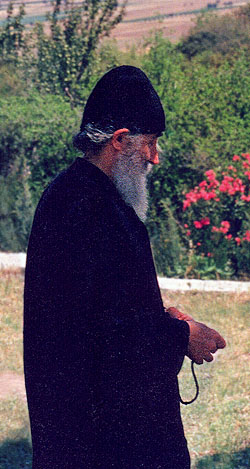
Q.: I’ve noticed, Elder, that sometimes babies smile at the time of Divine Liturgy.
A.: They don’t do that only at the Divine Liturgy. Babies are in constant contact with God, because they’ve got nothing to worry about. What did Christ say about little children? ‘Their angels in heaven continually gaze upon the face of my Father who is in heaven’. They’re in touch with God and with their guardian angel, who’s with them all the time. They smile in their sleep sometimes, and at other times cry, because they see all sorts of things. Sometimes they see their guardian angels and play with them- the angels stroke them, tease them, shake their fists and they laugh. On other occasions they see some kind of temptation and cry.
Q.: Why does temptation come to babies?
A.: It helps them to feel the need to seek their mothers. If there wasn’t this fear, they wouldn’t need to seek the comfort of being cuddled by their mothers. God allows everything so that it’ll turn out well.
Q.: Do they remember what they see as babies when they grow up?
A.: No, they forget. If a little child remembered the number of times it had seen its guardian angel, it might fall into pride. That’s why, when it grows up, it forgets. God’s wise in His doings.
Q.: Do they see these things after baptism?
A.: Of course after baptism.
Q.: Elder, is it all right for an unbaptized child to reverence relics?
A.: Why not? And they can be blessed with the holy relics. I saw a child today, it was like a little angel. I asked, ‘Where are your wings?’ It didn’t know what to say! At my hermitage, when spring comes and the trees are in blossom, I put sweets on the holm-oaks next to the gate in the fence and I tell the little boys who come: ‘Go on, boys, cut the sweets from the bushes, because if it rains they’ll melt and spoil’. A few of the more intelligent ones know that I’ve put them there and laugh. Others really believe that they’ve grown there and some others have to think about it. Little children need a bit of sunshine.
Q.: Did you put lots of sweets, Elder?
A.: Well, of course. What could I do? I don’t give good sweets to grown-ups; I just give them Turkish delight. When people bring me nice sweets, I keep them for the kids at the School [the Athoniada]. ‘See, last night I planted sweets and chocolates and today they’ve come up! See that? The weather was good, the soil was well-turned because you’d dug it over well and they came up just like that. See what a flower garden I’ll make for you. We’ll never need to buy sweets and chocolates for kids. Why shouldn’t we have our own produce?’ (Elder Païsios had planted sweets and chocolates in the freshly dug earth and put lilac blossoms on top to make it seem that they were flowering).
Q.: Elder, some pilgrims saw the chocolates you planted in the garden because the paper stood out against the soil. They didn’t know what to make of it. ‘Some kid must have put them there’, they said.
A.: Why didn’t you tell them that a big kid put them there?

Q.: Elder, why does God give people a guardian angel, when He can protect us Himself?
A.: That’s God looking after us especially carefully. The guardian angel is God’s providence. And we’re indebted to Him for that. The angels particularly protect little children. And you wouldn’t believe how! There were two children once, playing in the street. One of them aimed at the other to hit him on the head with a stone. The other one didn’t notice. At the last moment, apparently, his angel drew his attention to something else, he leapt up and got out of the way. And then there was this mother who went out into the fields with her baby. She breast-fed it, put it down in its cradle and went off to work. After a bit, she went to check and what did she see? The child was holding a snake and looking at it! When she’d suckled the child, some of the milk had stayed on its lips, the snake had gone to lick it off and the baby had grabbed hold of it. God looks after children.
Q.: Elder, in that case, why do so many children suffer from illnesses?
A.: God knows what’s best for each of us and provides as necessary. He doesn’t give people anything that’s not going to benefit them. He sees that it’s better for us to have some sort of defect, a disability instead of protecting us from them.
Source: Discourses 4, Family Life, published by the Holy Monastery of Saint John the Theologian, Souroti, Thessaloniki
http://pemptousia.com/2014/09/elder-paisios-the-children-their-joys-and-their-difficulties/

Απέναντι στην αμαρτία οφείλουμε να είμαστε ανένδοτοι, γιατί και μία φορά να υποκλέψει τη συγκατάθεσή μας, καθίσταται αληθινός κύριός μας. Πρόσφορο παράδειγμα που υποδεικνύει τον ύπουλο και τυραννικό χαρακτήρα της αμαρτίας είναι ο τρόπος της Σεμιράμιδος , με τον οποίο υφάρπαξε τη βασιλεία και έγινε αυτοκράτειρα. Η Σεμιράμις κατόρθωσε με παντός είδους θωπείες να πείσει τον σύζυγό της Νίνο, βασιλιά της Ασσυρίας να παραιτηθεί για μία ημέρα από το αξίωμά του και να της παραδώσει το σκήπτρο της βασιλείας. Αλλά ποιο υπήρξε το πρώτο έργο της νέας αυτοκράτειρας;
Να διατάξει να φονευθεί ο Νίνος, ο βασιλιάς και σύζυγός της, ώστε να εξασφαλίσει την εξουσία ισοβίως προς όφελός της. Η παρομοίωση είναι πλήρης και ταιριάζει σε όλα. Η αμαρτία, όπως η Σεμίραμις που αγωνίζεται με παντός είδους θωπείες να πετύχει τη συγκατάθεση του ανθρώπου, αμέσως μόλις κατορθώσει αυτό που ποθεί, κατακυριεύει ,αιχμαλωτίζει και θανατώνει το λογικό. Εγκαθιστά τον θρόνο της στην καρδιά και την κατευθύνει σε όλο τον βίο. Αυτή είναι η αμαρτία, αυτά τα χαρακτηριστικά της.
Όχι λοιπόν, ας μην υποχωρήσουμε ποτέ στις θωπείες της, ας μην παραδώσουμε σ’ αυτήν την εξουσία∙ ας μην πράξουμε ό,τι δεν θέλει η εσωτερική μας διάθεση∙ ας μην υποδουλώσουμε την ελεύθερη θέλησή μας στη θέληση της αμαρτίας∙ ας μη συγκατατεθούμε σε ό,τι είναι αντίθετο προς τον ηθικό νόμο. Τίποτα ας μην καταστήσει την καρδιά μας μαλθακή. Ακόμη και τα πιο δελεαστικά λόγια, ας αναδείξουν την καρδιά μας σκληρότερη από τον χάλυβα. Να μη μας κάνουν καμία εντύπωση τα δάκρυα, οι στεναγμοί, οι υποσχέσεις, οι απειλές. Να μείνουμε σταθεροί και ακλόνητοι στο φρόνημά μας, ώστε να μην μας συμβεί ύστερα από λίγο τα στεγνά μαγουλά μας να τα μουσκέψουν δάκρυα άκαρπης μετάνοιας. Η άνανδρη υποχώρηση θα μας προσκομίσει τα διπλά δεινά∙ πρώτα τη ντροπή και ύστερα τη δυστυχία.
Αντιθέτως, η ανδρεία θα προσκομίσει το θάρρος, τη δόξα και την ευτυχία. Τα πιο κατάλληλα παραδείγματα τα υποδεικνύει η Αγία Γραφή. Από μεν τους άνδρες, τον πάγκαλο Ιωσήφ, ο οποίος υπέμεινε κάθε κακοπάθεια , ακόμη και τον θάνατο, προκειμένου να τηρήσει τις ηθικές του αρχές, να τηρήσει την ηθική του ελευθερία, να τηρήσει τον νόμο του Θεού. Από δε τις γυναίκες, την ενάρετη Σωσάννα, η οποία προτίμησε τον θάνατο από την αμαρτία. Εάν ο Νίνος έμενε ανυποχώρητος στις θωπείες της Σεμιράμιδος, αυτή θα έμενε υποταγμένη σ’ αυτόν για όλη της την ζωή. Σταθερότητα λοιπόν και ανδρεία, γιατί μόνο με αυτά θα διατηρήσουμε την ηγεμονία του λογικού και την ηθική μας ελευθερία.
Το παράδειγμα του Νίνου μας διδάσκει ότι όχι μόνο η ισχυρή αμαρτωλή συνήθεια , αλλά και η αμαρτία που διαρπάχθηκε μια και μόνο φορά είναι κάτι επικίνδυνο και φοβερό. Ως εκ τούτου, είναι ανάγκη να αποφεύγουμε την αμαρτία με όλη μας τη δύναμη. Ωστόσο, εάν αμαρτήσουμε ,γρήγορα να μετανοήσουμε, ώστε να μην υποδουλωθούμε . «Εάν το να αμαρτήσει κανείς είναι βαρύ», λέει ο Μέγας Βασίλειος, «το να επιμείνει στην αμαρτία πόσο βαρύτερο είναι; »∙ και ο θείος Χρυσόστομος προσθέτει: «δεν είναι φοβερό το να πέσεις, αλλά το να πέσεις και να μην σηκώνεσαι, το να κακοπαθείς με τη θέλησή σου και να έχεις αποβλακωθεί από τους λογισμούς απογνώσεως, προσπαθώντας να κρύψεις την ασθενική σου προαίρεση» ∙ και αμέσως: «το να αμαρτάνει κανείς είναι ίσως ανθρώπινο, το να επιμένει όμως στην αμαρτία δεν είναι ανθρώπινο, αλλά ολωσδιόλου σατανικό».
«Περί επιμελείας ψυχής, ΚΕΙΜΕΝΑ ΑΥΤΟΓΝΩΣΙΑΣ, ΑΓΙΟΥ ΝΕΚΤΑΡΙΟΥ ΠΕΝΤΑΠΟΛΕΩΣ»
Απόδοση στη Νέα Ελληνική: Ευανθία Χατζή
Επιμέλεια κειμένου- Επίμετρο: Γιώργος Μπάρλας, ΕΚΔΟΣΕΙΣ ΑΘΩΣ
Πηγή
My dear Christians:
Two people once came to me to confess their sins. Their names were Peter and Paul. I want you to
listen and let me know if I judged them correctly or inappropriately.
Peter came and told me, “My spiritual father, from a young age until now I have always fasted and prayed, I have given money to the poor, I built monasteries and churches, and I have done many other good things as well. However, I do not forgive my enemies.” When I heard this, I
concluded that he was headed straight for Hell.
Next, Paul came and told me, “From the day I was born until now, I have never done even one good deed. On the contrary, I have murdered others, I have fornicated, I have stolen, I have set monasteries and churches on fire. I have done every possible evil; however, I forgive my enemies.” Now pay attention to what I did. I immediately embraced him, kissed him, and gave him permission to receive Holy Communion. Did I judge them correctly or inappropriately?
Certainly you will blame me and ask, “Peter had done so many good things, and just because he did not forgive his enemy, for such a trivial thing, you concluded that he would be condemnedto Hell? Whereas Paul had committed so many crimes, and just because he forgave his enemies you pardoned
him and also permitted him to receive Holy Communion?”
Yes, my children, this is how I acted. Do you want to understand why? Just as a small amount of yeast that is placed in one hundred pounds of
dough has the power to ferment all the dough and
make it rise, the same thing holds for all those good things that Peter did.
The small amount of enmity he had, with which he did not forgive his enemy, fermented and turned everything he had done into poison of the devil. This is why I ruled that he was going to Hell. Paul’s sins, on the other hand, resembled a large pile of sticks and twigs that were set on fire with a small flame.
The forgiveness he gave to his enemy
served as a lit candle that completely burned and consumed the entire pile of kindling, that is, his sins. This is why I concluded that he would go to
Heaven.
St. Kosmas Aitolos