
ΠΩΣ ΠΡΕΠΕΙ ΝΑ ΠΡΟΣΕΥΧΟΜΑΣΤΕ
1. Να λέμε την προσευχή μας αργά και καθαρά. Όχι με βιασύνη, αλλά με αγάπη προς το Θεό.
2. Πριν προσευχηθούμε να έχουμε συγχωρήσει όλους όσους μας έχουν αδικήσει η μας έχουν στενοχωρήσει στη ζωή μας.
3. Να μάθουμε να αγαπούμε την προσευχή μας με τρόπο ταπεινό.
4. Για να καρποφορήσει μία προσευχή χρειάζεται βαθειά ταπείνωση καρδιάς και μυστηριακή ζωή.
5. Η προσευχή αποδίδει περισσότερο όταν έχουμε εξομολογηθεί καθαρά και έχουμε κοινωνήσει το Πανάγιον Σώμα και Αίμα του Κυρίου ημών Ιησού Χριστού.6. Να προσευχόμαστε χωρίς εικόνες στο νου μας, αλλά να προσέχουμε τα λόγια της προσευχής με κατάνυξη και ευλάβεια.
7. Όσο περισσότερο προσευχόμεθα, τόσο περισσότερο αισθανόμαστε την παρουσία του Θεού.
ΠΩΣ ΓΙΝΕΤΑΙ Η ΠΡΟΣΕΥΧΗ ΜΕ ΚΟΜΠΟΣΧΟΙΝΙ
«Κύριε Ιησού Χριστέ, Υιέ του Θεού, ελέησόν με»
της Ιεράς Μονής Αγίου Διονυσίου Αγίου Όρους
Αγαπητοί μας αδελφοί,
Σαλπίζουμε εγερτήριο σάλπισμα.
Οι εχθροί μας δαίμονες δεν κοιμούνται και εργάζονται ακατάπαυστα να μας ρίξουν στις αμαρτίες και εξαιτίας αυτών και των παθών μας στα βάθη της κόλασης. Με άλλο τρόπο δεν μπορούμε να τους αντιμετωπίσουμε παρά μόνο με την προσευχή. Η ανάγνωση πνευματικών βιβλίων είναι καλή και ωφέλιμη η ανάγνωση η παρακολούθηση των ακολουθιών της Εκκλησίας μας βοηθούν όσους έχουν τη δυνατότητα να τα κάνουν.
Για τους πολλούς όμως ένας τρόπος που μπορεί να αντικαταστήσει τους άλλους τρόπους προσευχής είναι με το κομποσχοίνι. Σε κάθε κόμπο επικαλείσαι το όνομα του Κυρίου Ιησού λέγοντας τη σύντομη ευχή «Κύριε Ιησού Χριστέ, Υιέ του Θεού, ελέησόν με» η απλώς « Κύριε Ιησού Χριστέ, ελέησόν με». Θα αρχίσεις με το: Δι εὐχῶν των αγίων πατέρων ημών, Κύριε Ιησού Χριστέ, ο Θεός ημών, ελέησον ημάς. Αμήν. Δόξα σοι ο Θεός, Βασιλεύ ουράνιε, Τρισάγιον, Παναγία Τριας, Πάτερ ημών. Τον Ν´ ψαλμόν. Μια σύντομη αυτοσχέδια προσευχή μία φορά την ημέρα με σύντομη δοξολογία, ευχαριστία, εξομολόγηση, αίτηση αφέσεως των αμαρτιών σου, ενισχύσεώς σου και των εν Χριστώ αδελφών σου στον αγώνα τον καλό, και προσευχή με κομποσχοίνι όπως παρακάτω:
Α. Ο Εσπερινός με κομποσχοίνι η με το ρολόι χωρίς κομποσχοίνι (κομποσχοίνι των 300 κόμπων = τριακοσάρι, κομποσχοίνι των 100 κόμπων = εκαστοστάρι).
Τρία τριακοσάρια του Χριστού η 15 λεπτά με το ρολόι.
Ένα τριακοσάρικο της Παναγίας η 5 λεπτά με το ρολόι.
Ένα εκατοστάρι του Αγίου της ημέρας η 5 λεπτά με το ρολόι.
Ένα εκατοστάρι του Αγίου της Ενορίας η 2 λεπτά με το ρολόι.
Ένα εκατοστάρι του Αγίου της εβδομάδος η 2 λεπτά με το ρολόι.
Β. Το Απόδειπνον, το ίδιο ως ο Εσπερινός με επιπλέον 2 τρακοσάρικα της Παναγίας η 10 λεπτά με το ρολόι.
Γ. Μεσονυκτικόν, τέσσερα τρακοσάρικα του Χριστού σε 15 λεπτά με το ρολόι και ένα τρακοσάρι της Παναγίας η 5 λεπτά με το ρολόι.
Δ. Όρθρος, εννέα τριακοσάρικα του Χριστού η μία ώρα με το ρολόι, τρία τρακοσάρικα της Παναγίας η 15 λεπτά με το ρολόι. Από ένα εκατοστάρι του αγίου της ημέρας, της ενορίας και της εβδομάδος ως στον εσπερινό, η από δυό λεπτά, και επιπλέον ένα τρακοσάρι των Αγίων Πάντων η 5 λεπτά με το ρολόι.
Ε. Θεία Μετάληψις, τέσσερα τριακοσάρικα του Χριστού η 15 λεπτά. Ένα τρακοσάρικο της Παναγίας η 5 λεπτά.
Στ. Παράκλησις στον Χριστό, την Παναγία η σε Άγιο. Δυό τρακοσάρικα η δέκα λεπτά.
Ζ. Ώραι 1η, 3η, 6η και 9η, έξι τριακοσάρικα του Χριστού η ½ ώρα, δυό τρακοσάρικα της Παναγίας η 10 λεπτά.
Αν έχεις πολλή ελεύθερη ώρα ταξιδεύοντας στο λεωφορείο, η οπουδήποτε βρίσκεσαι, αντί να πιάσεις κουβέντα με τον ένα η τον άλλο, κοίταξε το ρολόι σου, κλείσου στον εαυτό σου και λέγε την ευχή όπως είπαμε πιο πάνω.
Με την συνήθεια, την ασταμάτητη προσοχή και την αδιάλειπτη προσευχή γίνεσαι δύσκολος στόχος του πονηρού. Μαζί με αυτά, η καλλιέργεια της αγάπης, της ευσπλαχνίας, της πίστης, της συμπόνοιας, της κατάνυξης, της αυτοκατηγορίας, της ελπίδας στον Θεό, της τακτικής εξομολόγησης και Θείας Κοινωνίας, αποκτάς ένα γερό οπλοστάσιο και καθιστάς τον εαυτό σου θωρακισμένο με την χάρη του Θεού και σχεδόν απρόσβλητον από τα θανατηφόρα βέλη του διαβόλου. Ο Κύριος είπε: «Άνευ εμού ου δύνασθε ποιείν ουδέν». Γι αὐτὸ γνωρίζοντας την ασθένειά σου ταπεινώσου, και έχε εις τον Θεό την ελπίδα σου ίνα μη καταισχυνθής και δόξαζε κατά πάντα τω Πατρί και τω Υιώ και τω Αγίω Πνεύματι νυν και αεί και εις τους αιώνας. Αμήν.
Στα κομποσχοίνια:
Του Χριστού λέμε: Κύριε Ιησού Χριστέ, ελέησόν με.
Της Παναγίας λέμε: Υπεραγία Θεοτόκε, σώσόν με.
Του Αγίου της ημέρας: Άγιε… πρέσβευε υπέρ εμού.
Του Αγίου της ενορίας: Άγιε… πρέσβευε υπέρ εμού.
Του Αγίου της εβδομάδος: Άγιε… πρέσβευε υπέρ εμού.
Δευτέρα: Άγιοι Αρχάγγελοι, πρεσβεύσατε υπέρ εμού.
Τρίτη: Βαπτιστά του Χριστού, πρέσβευε υπέρ εμού.
Τετάρτη και Παρασκευή: Σταυρέ του Χριστού, σώσόν με τη δυνάμει σου.
Πέμπτη: Άγιοι Απόστολοι, πρεσβεύσατε υπέρ εμού και, Άγιε Νικόλαε, πρέσβευε υπέρ εμού.
Σάββατο: Άγιοι Πάντες, πρεσβεύσατε υπέρ εμού.
Κυριακή: Παναγία Τριας (ο Θεός), ελέησόν με.
Για τον Άγγελο Φύλακα: Άγιε Άγγελέ μου, φύλαξέ με.
ΑΝΤΙ ΕΠΙΛΟΓΟΥ
Ο Άγιος Γρηγόριος ο Σιναΐτης δίδαξε την εργασία της Νοεράς προσευχής όχι μόνο στους Μοναχούς του Αγίου Όρους, αλλά ξεκινώντας από το Άγιον Όρος πήγε διδάσκοντας τη Νοερά προσευχή μέχρι τη Βλαχία, δηλαδή τη σημερινή Ρουμανία.
Επίσης ο λαμπρός της Θεσσαλονίκης φωστήρας αγ. Γρηγόριος ο Παλαμάς όχι μόνο σε πολλές ομιλίες του παρακινούσε όλους τους χριστιανούς να προσεύχονται νοερά και με την καρδιά τους, αλλά και λόγον ολόκληρον έστειλε στους Ιωάννην και Θεόδωρον τους φιλοσόφους, που βρίσκονταν στον κόσμο, στον οποίο λόγο αποκάλυψε σ αὐτοὺς όλα τα μυστήρια της Νοεράς προσευχής.
Ο Άγιος Διάδοχος λέει ότι ο σατανάς δε θέλει ποτέ να μάθουν οι Χριστιανοί και να πιστεύουν ότι αυτός βρίσκεται στην καρδιά και από εκεί τους πολεμάει, αλλά θέλει να νομίζουν ότι τους πολεμάει εξωτερικά. Κατόπιν τούτου οι περισσότεροι Χριστιανοί και ιδιαίτερα οι λογιώτατοι πολλές φορές πιστεύουν ότι οι λογισμοί έρχονται σ αὐτοὺς όχι εσωτερικά, δηλαδή από την καρδιά, αλλά από τη λογική τους, δηλαδή τις σκέψεις τους και τούτο, για να μη μάθουν να πολεμούν το σατανά με την καρδιακή μνήμη του Κυρίου ημών Ιησού Χριστού, δηλαδή με τη Νοερά και καρδιακή προσευχή!.. «Τω δε Βασιλεί των αιώνων, αφθάρτω, αοράτω, μόνω σοφώ Θεώ, τιμή και δόξα εις τους αιώνας των αιώνων. Αμήν».

Drunkenness is sin in and of itself… "nor drunkards... shall not inherit the Kingdom of God," according to the teaching of the Apostle (1 Cor. 6:10). And Christ says, And "take heed to yourselves, lest at any time your hearts be overcharged with surfeiting, and drunkenness" (Lk. 21:34). This is the cause of so many and serious sins. It brings about the quarrels, fights, and bloodshed, and murders that follow upon it. It is rough talk, blasphemy, and cursing. It causes disappointment and offence to neighbor. It teaches lying, flattery, seizure of the things of others so as to somehow satisfy the passion. It ignites anger and wrath. It makes people cast themselves into impurity as swine into the mire.
In a word, it makes a man a beast, and the rational irrational, so that not only the inward condition but also the outward appearance of a man often changes. Wherefore St. John Chrysostom says, "The devil loves nothing like luxury and drunkenness" (Homily 58 on St. Matthew), because nothing fulfils his evil will as does a drunkard.
Drunkenness is the cause not only of ills of the soul but also of bodily and temporal ills:
1. It weakens the body and brings it to infirmity, whence it written, "Shew not thy valiantness in wine; for wine hath destroyed many" (Sirach 31:25).
2. It leads to wretchedness and poverty. "A labouring man that is given to drunkenness shall not be rich" (Sirach 19:1).
3. It takes away one's glory and good name. On the contrary it leads to ignominy, contempt and loathing. For people loathe nothing so much as they do a drunkard.
4. It brings grief and sorrow to the household, relatives, and friends, and merriment to enemies.
5. It makes its devotees useless for any calling, and in whatever calling a drunkard may be, it brings about calamity and misfortune rather than benefit to society. St. John Chrysostom, describing the misfortune and destruction of drunkenness, says, "Drunkenness is self-imposed possession, the emptying of thought, a calamity of derision, a disease worthy of ridicule, a voluntary demon" (Homily on the Resurrection), and much more. In order to guard oneself against drunkenness it is useful to apply the following:
1. Do not allow young people to drink alcoholic beverages since young people easily become accustomed to it, and whatever they learn in youth they hold to throughout their entire life.
2. Do not allow them to keep company with drunkards and the depraved.
3. Adults and those who have come to manhood should not drink wine without need.
4. Keep away from evil company and festivities.
5. Remind them that it is extremely difficult to hold back from this passion, and many perish in soul and body in and through that very passion.
6. Those that have become accustomed to this passion should powerfully arm themselves against its torments; stand, and not give in, and pray and call upon the all-powerful help of God.
7. Remember the misfortunes caused by drunkenness, and compare the condition of a sober life with the condition of a drunken life. These people should think about the fact that many drunkards die in their sleep and go from this life to the next without any consciousness, and therefore without repentance.
Saint Tikhon of Zadonsk
Most young people don’t know how to discover their calling in the life. Whether to dedicate themselves to monasticism or select the marriage path. Some have the feeling that monasticism is a more superior choice than marriage and that marriage represents a lower situation. Others believe that any young man who chooses to become a monk is a coward who avoids the responsibilities of citizenship.

Bishop of Nafpaktos, Hierotheos provides a warm insight and a clear view of the essence of both marriage and monastic life, based on the teaching of the Eastern Church Fathers. “Both marriage and monasticism are powerful symbolic ways of straining toward the ultimate goal of love. Celibacy and marriage are not contrasted with each other; instead, both are compared to and directed to God’s love”.
Monasticism and Married Life
Orthodox spirituality is accessible to all people; responding to its message is not associated with special groups of people. All those who have been baptised in the name of the Holy Triune God are “compelled” to uphold Christ’s commandments. There are no exceptions on the way toward theosis, which is the “journey” from the image of God to His likeness. The Apostle Paul says clearly: “For as many of you as have been baptized into Christ have put on Christ” (Gal. 3, 27).
The essence and aim of Orthodox spirituality presented in the foregoing chapters is delineated in the Word of Christ and the teachings of the Apostles. Many passages from Holy Scripture have been quoted which show that the first Christians lived the spiritual life profoundly, having attained to the illumination of the nous and unceasing prayer.
In a reference to virginity and marriage the Apostle Paul states: “He that is unmarried careth for the things that belong to the Lord, how he may please the Lord: But he that is married careth for the things that are of the world, how he may please his wife” (1 Cor. 7, 32-33). Yet, at the same time he stresses: “But this I say, brethren, the time is short: it remaineth, that both they that have wines be as though they had none” (1 Cor. 7, 29). Thus married people also lived ascetically and had experiences of the spiritual life.
Moreover, not to be overlooked is the fact that all of the Apostle Paul’s Epistles, sent to the various Churches, were addressed to Christians who were married and had families. And it is within these Epistles that St. Paul speaks of cleansing of the heart, illumination of the soul, acquisition of noetic prayer, of the unceasing prayer of the heart, Sonship by grace, and of life in the Holy Spirit. These epistles disclose that the Christians of the first Apostolic Churches lived as the monks live today in the holy monasteries. When the persecutions ceased, however, and Christianity became the official state religion, secularization penetrated the Church and the ascetic way of living disappeared from the cities. It was precisely during this time that monasticism developed as an attempt to preserve the essence of the spiritual life. For this reason the holy Fathers emphasize that monasticism is the continuity of the Apostolic age and the life of the first Church; and that the monks are those who live the life of the Gospel, who experience repentance to its ultimate degree and who try to observe the commandments of Christ unyieldingly. Every Orthodox monk who lives within this atmosphere is an Apostle of Christ, a Martyr and a Prophet. Monasticism is apostolic, prophetic and martyrial life.
To understand the essence of monastic life, one should read the beatitudes of Christ. The monk commences his life in profound repentance with tears of mourning and the cleansing of the heart. In the Gospel and the Apostle Paul’s Epistles all the elements which constitute the genuine monastic tradition, as proclaimed by the Fathers, can be found.
These same elements are emphasized in the service of monastic tonsuring. It states there that during the noviciate period the prospective monk passes through the stage of the Catechumen, living in deep repentance and undergoing purification of the heart.
This is the “first love” of which the Evangelist John speaks in the book of Revelation. When repentance is accomplished monastic tonsuring takes place, which is referred to as the “second baptism”.
Monastic tonsuring is called a mystery because the monk experiences the purifying and illuminating energy of God. According to St. Symeon the New Theologian the second baptism is the baptism of the Spirit, that is, the illumination of the nous and the acquisition of noetic prayer. The following is said to the monk while he is being tonsured: “You are purged of your sins and becometh son of light”, Thus, the monk experiences purification of the heart prior to his tonsure, and acquires illumination of the nous while being tonsured.
The apostolic life and the way of life of the first Christians, as described in the Pauline Epistles and the book of the Acts, is made visible.
Monasticism is apostolic and evangelical; mortification of the “old man” precedes it, though, and then the monk becomes a “temple” of the Most Holy Spirit. The prayers read by the priest are expressive of this theme.
Married Christians in their personal lives are also called to live the Gospel and the commandments of Christ. Noone is exempted from this responsibility. Every one must experience repentance; overcome selfishness; and acquire love for God and love for others.
It is apparent that the circumstances of married life are different from those of the monastery, and thus a certain adjustment is needed. Yet, what the monastery is for the monk, the family is for the married person. Family is the place for ascetic practice in married life. It is therein that a person is called to carry out the will of God.
“O God most pure … bless this marriage, and vouchsafe unto these thy servants, N. and N., a peaceful life, length of days, chastity, mutual love in the bond of peace, long· lived seed, gratitude from their posterity, a crown of glory which fadeth not away. Graciously grant that they may behold their children’s children. Preserve their bed un assailed, and give them of the dew of heaven from on high, and of the fatness of the earth. Fill their houses with wheat, and wine, and oil, and with every beneficence, that they may bestow in turn upon the needy; granting also unto those who are here present with them all those petitions which are of their salvation”. (Rite of the Holy Matrimony)1.
The Church has placed all of its teaching on marriage in the prayers read during the marriage ceremony. The wedded are blessed to live their lives in love and prudence, following the commandments of God.
“Be thou exalted, a Bridegroom, like unto Abraham; and be thou blessed, like unto Isaac; and do thou multiply like unto Jacob, walking in peace, and keeping the commandments of God in righteousness.
And thou, O Bride: Be thou exalted like unto Sarah; and exult thou, like unto Rebecca; and do thou multiply, like unto Rachel: and rejoice thou in thy husband, fulfilling the conditions of the law: for so is it well pleasing unto God”. (Rite of the Holy Matrimony).2
The fact that women and men who had been worthy of experiencing divine vision in the Old Testament are mentioned in the prayers, demonstrates the ascetic and saving character of marriage in Christ. The holy Fathers teach that conception, gestation and birth constitute the “garments of skin” which Adam wore after the Fall. God, however, eventually blessed this way. St. Maximos writes that marriage, as we know it today, is a result of the Fall.3
St. Chrysostom teaches that all of the commandments of the Gospel -except, of course, for that of marriage-are to be shared by all men -monks and married.4
St. Basil discerns that both -monastics and the married-are called to uphold the commandments of Christ in the Gospel. St. Gregory Palamas, on the theme of the purity of the heart, declares that married persons can also strive to attain it.5
The existence of many married Saints who possessed noetic prayer both in the Old and the New Testaments reveals that married people have the capacity to experience Orthodox spirituality in all its manifestations. The prophetess Anna kept noetic prayer within her heart and prayed unceasingly while in the midst of experiencing great pain.
Within the framework of Orthodox spirituality, therefore, Christians are not divided into categories of married and single, monastics and lay people; however they are separated into those who have the Holy Spirit within and those who do not. It is possible for all people to uphold Christ’s commandments and experience Orthodox spirituality under the guidance of a spiritual father. There are neither privileged nor non-privileged people within Orthodox tradition.
- See more at: http://pemptousia.com/2012/12/marriage-or-monasticism/#sthash.rcrrgO9f.dpuf

Ο έπαινος κάνει τους νέους εγωιστές, απροσάρμοστους και άθεους.
Δίδασκε ο θεόσοφος Παιδαγωγός Άγιος Πορφύριος: «Η αλήθεια του Χριστού τονίζει ότι, άμα επαινείς έναν άνθρωπο, τον κάνεις εγωιστή. Ο εγωιστής είναι ο μπερδεμένος, ο οδηγούμενος υπό του διαβόλου και του κακού πνεύματος. Έτσι, μεγαλώνοντας μέσα στον εγωισμό, η πρώτη του δουλειά είναι ν’ αρνείται τον Θεό και να είναι ένας εγωιστής απροσάρμοστος μέσα στην κοινωνία».
Να γιατί είναι άρρωστη η κοινωνία μας και άθεα τα παιδιά μας. Επειδή από μικρά τους τρέφουμε τον εγωισμό, την υπερηφάνεια που είναι κορυφαία ακαθαρσία στον άνθρωπο και αμαρτία. Γίνονται έτσι τα παιδιά ευάλωτα στις δαιμονικές ενέργειες και υποχείρια του πονηρού πνεύματος. Ο έπαινος δημιουργεί μία ψεύτικη μεγάλη ιδέα στο παιδί για τον εαυτό του. Αυτήν την ιδέα οι πατέρες την ονομάζουν οίησι και είναι η βαθειά ρίζα του εγωισμού και της υπερηφάνειας. Ο κόσμος το ονομάζει «υπερεγώ». Δίδασκε ο Θεόσοφος σύγχρονος Άγιος Πορφύριος:
«Όταν, λοιπόν, εμείς στο παιδί με τους επαίνους δημιουργούμε αυτό το «υπερεγώ», του φουσκώνουμε τον εγωισμό, του κάνομε μεγάλο κακό. Το κάνουμε να γίνεται πιο επιρρεπές στα διαβολικά πράγματα»1. Ανοίγουμε τους «ασκούς του Αιώλου» και μετά αναρωτιόμαστε γιατί έφυγε από την Εκκλησία, το σπίτι, την υπακοή, τον σεβασμό που είχε προς τους μεγαλυτέρους κ.λ.π.
Ο έπαινος είνα ένα ψέμμα γι’ αυτό και συνιστά μίμηση του διαβόλου. Η αλήθεια είναι ότι ο,τι καλό έχει το παιδί μας είναι δώρο του Θεού και ο,τι καλό έκανε (αν έκανε κάτι καλό) είναι ενέργεια της Θείας Χάρης και όχι αποτέλεσμα της δικής του ικανότητας και δυνάμεως. Γιαυτό θα πρέπει να το παρακινούμε σε όλα να ζητάει την Θεία Βοήθεια και να εμπιστεύεται την Θεία Πρόνοια. «Σ ὅλα τα θέματα να μάθουν τα παιδιά να ζητάνε την βοήθεια του Θεού»2.
Πως ενθαρρύνουμε τα παιδιά; Θέλει προσοχή, όταν ενθαρρύνετε τα παιδιά» δίδασκε ο σοφός Άγιος Παιδαγωγός Πορφύριος. «Στο παιδί δεν πρέπει να λέτε: «Εσύ θα τα καταφέρεις, εσύ είσαι σπουδαίος, είσαι νέος, είσαι ανδρείος, είσαι τέλειος!…». Δεν το ωφελείτε έτσι το παιδί. Μπορείτε όμως, να του πείτε να κάνει προσευχή. Να του πείτε: «Παιδί μου, τα χαρίσματα που έχεις, ο Θεός σου τα έδωσε. Προσευχήσου να σου δώσει ο Θεός την χάρι Του». Τούτο δω είναι το τέλειο»3
Αν κάνει κάτι καλό να μην το επαινούμε αυτονομημένα αλλά να δοξάζουμε το Θεό που το βοήθησε και να το παρακινούμε και εκείνο να δοξάσει και να ευχαριστήσει τον Θεό ο Οποίος καταδέχθηκε να ενεργήσει μέσα από αυτό.
Το να αποκρύπτουμε την πραγματικότητα από τα παιδιά για τον εαυτό τους, είναι αδικία και ατιμία από μέρους ημών των μεγαλυτέρων, των γονέων και όσων άλλων εμπλέκονται στην αγωγή. «Πρέπει να πεις την αλήθεια» δίδασκε ο Άγιος Γέροντας, «να τη μάθει ο άνθρωπος. Αλλιώς τον υποστηρίζεις στην αμορφωσιά του. Όταν πεις στον άλλο την αλήθεια, αυτός κατατοπίζεται, προσέχει, ακούει και τους άλλους, εγκρατεύεται. Έτσι και στο παιδί θα πεις την αλήθεια, θα το μαλώσεις, για να κατατοπισθεί ότι αυτό που κάνει δεν είναι καλό. Τι λέγει ο σοφός Σολομών: «Ος φείδεται της βακτηρίας, μισεί τον υιόν αυτού, ο δε αγαπών, επιμελώς παιδεύει»4. Όχι όμως να το δέρνεις με τη μαγκούρα. Τότε φεύγουμε από τα όρια και γίνεται το αντίθετο»5.
Η αθεΐα, η ασέβεια, η θρασύτης, η σκληρότης, η βλασφημία των παιδιών είναι καρποί της κακής αγωγής. «Οι γονείς» παρατηρούσε ο σοφός και Άγιος Γέροντας «ευθύνονται πρώτοι για την αποτυχία των παιδιών στη ζωή και οι δάσκαλοι και οι καθηγητές μετά. Τα επαινούν διαρκώς. Τους λένε εγωιστικά λόγια. Δεν τα φέρνουν στο Πνεύμα του Θεού, τ’ αποξενώνουν απ’ την Εκκλησία. Όταν μεγαλώσουν λίγο τα παιδιά και πάνε στο σχολείο μ’ αυτό τον εγωισμό, φεύγουν απ’ τη θρησκεία και την περιφρονούν, χάνουν το σεβασμό προς τον Θεό, προς τους γονείς, προς όλους. Γίνονται ατίθασα και σκληρά και άπονα, χωρίς να σέβονται ούτε τη θρησκεία, ούτε τον Θεό. Βγάλαμε στη ζωή εγωιστές και όχι χριστιανούς»6. Μεγάλο μερίδιο ευθύνης φέρνει η σύγχρονη ψευτοεπιστήμη που διαστρέφει και δεν οικοδομεί τα παιδιά μέσω της διδασκαλίας της άθεης ψυχολογίας και παιδαγωγικής. Ο διάβολος κρύβεται πίσω της. «Ο διάβολος» δίδασκε ο σοφός Άγιος Παιδαγωγός Πορφύριος «κατόρθωσε να εξαφανίσει τον εαυτό του και να κάνει τους ανθρώπους να χρησιμοποιούν άλλα ονόματα. Οι γιατροί, οι ψυχολόγοι λένε συχνά, όταν ένας άνθρωπος πάσχει: «Α, νεύρωση έχεις! Α, άγχος έχεις!» και τα τοιαύτα. Δεν παραδέχονται ότι ο διάβολος υποκινεί και διεγείρει στον άνθρωπο τον εγωισμό. Κι όμως ο διάβολος υπάρχει, είναι το πνεύμα του κακού»7. Ο διάβολος είναι ο πρώτος διδάξας το ψέμμα και τον έπαινο και δια του επαίνου έβγαλε τους Πρωτόπλαστους από τον Παράδεισο όπως δίδασκε ο Άγιος Πορφύριος: «Οι πρώτοι άνθρωποι, ο Αδάμ και η Εύα, ήταν απλοί και ταπεινοί, γι’ αυτό ζούσαν στον Παράδεισο. Δεν είχαν εγωισμό… Μετά…ο διάβολος κατόρθωσε με τον έπαινο και τους επλάνησε. Γεμίσανε εγωισμό»8. Τα παιδιά δεν πρέπει να ακούνε το «μπράβο» ούτε να το θέλουν. «Ο έπαινος κάνει κούφιο τον άνθρωπο και διώχνει τη χάρι του Θεού»9 έλεγε ο Άγιος Πορφύριος. Και συμπλήρωνε: «Η χάρις του Θεού έρχεται μόνο με την αγία ταπείνωση»10. Και συμπέραινε: «Πρέπει να μάθομε στα παιδιά να ζουν ταπεινά και απλά και να μη ζητούν τον έπαινο και το «μπράβο». Να τα μάθομε ότι υπάρχει η ταπείνωση, που είναι η υγεία της ζωής»11. Και της ψυχής και του όλου ανθρώπου, θα τολμούσαμε να συμπληρώσουμε.
Μακάρι τα διδάγματα του Αγίου Παιδαγωγού Γέροντα Πορφύριου να αποτελέσουν οδηγητικά σήματα αγωγής για τους γονείς και όλους όσους ασχολούνται με την αγωγή των παιδιών.
ΤΕΛΟΣ ΚΑΙ ΤΩ ΘΕΩ ΔΟΞΑ!
Ιερομόναχος Σάββας Αγιορείτης.
http://www.diakonima.gr

The true goal of our Christian life consists of acquiring God’s Holy Spirit. Fasting and vigil, prayer, mercy, and every other good deed performed for Christ — are means for acquiring the Holy Spirit of God. Only deeds performed for Christ give us the fruits of the Holy Spirit.
Some say that the foolish virgins lacking enough oil in their lamps is meant to be understood as a lack of good deeds (see Mt. 25:1-12). Such an understanding is not completely correct. How could there have been a lack of good deeds when they, though foolish, are still called virgins? For virginity is the highest virtue, as a state equal to the angels, and could by itself serve in place of all other virtues. I, the wretched, think that they did not have enough of the grace of the All-Holy Spirit of God. These virgins, because of their spiritual injudiciousness, supposed in performing good deeds that it is only necessary to do good works to be a Christian: "We performed a good deed and thus did God’s will." Whether or not they had received the grace of the Holy Spirit, whether they had attained it, they did not even bother to find out ... But, this acquiring of the Holy Spirit is in fact that oil which the foolish virgins lacked. They are called foolish because they forgot about the essential fruit of virtue — the grace of the Holy Spirit — without which there is no salvation for anyone and cannot be. For "through the Holy Spirit every soul is quickened, and through its purification, it is exalted and illumined by the Triune Unity in a Holy mystery." The Holy Spirit Himself settles in our souls, and this occupation of our souls by Him, the All-Ruling, and this coexistence of our spirit with His One Trinity, is granted only through the diligent acquiring, on our part, of the Holy Spirit, which prepares, in our soul and body, the throne for the coexistence of God the All-Creator with our spirit, by the immutable word of God: "And I will walk among you and will be your God, and ye shall be my people" (Lev. 26:12).
This is the very oil in the lamps of the wise virgins, which burned brightly and steadily; the virgins with these burning lamps could await the Groom coming at midnight, and enter the chamber of joy with him. The foolish ones, seeing their lamps going out, though they went to the market to buy oil, did not manage to return in time, for the doors were already locked. The market is our life; the doors of the bridal chamber — locked and not permitting entrance to the Groom — human death, the virgins wise and foolish, Christian souls; the oil, not deeds, but the grace of the All Holy Spirit of God received through them, transforming from decay to incorruption, from emotional death into spiritual life, from darkness to light, from the manger of our existence, where our passions are tied like beasts and animals, into a church of God, into the all-lighted chamber of eternal joy in Jesus Christ.
St. Seraphim of Sarov

First of all, Elder Paisios tells us that, for love to blossom in the heart, we must pray with pain of heart. Once he was asked, "We pray, Elder, and our thoughts go here and there. Why?"
"Because it is prayer without pain!" replied the Elder. "To pray with the heart, we must hurt. Just as when we hit our hand or some other part of our body, our mind (nous) ("Nous: the highest faculty or power of the human soul, called by the Holy Fathers "the eye of the soul," St. John Damascene, and "the spiritual nature of man," St. Isaac the Syrian) is gathered to the point we are hurting, so also for the mind to gather in the heart, the heart must hurt."
The Elder was then asked, "How can we preserve ourselves in this state when we don’t have some problem, some pain?"
He replied, "We should make the other’s pain our own!! We must love the other, must hurt for him, so that we can pray for him. We must come out little by little from our own self and begin to love, to hurt for other people as well, for our family first then for the large family of Adam, of God" (Athanasios Rakovalis, Talks with Father Paisios (Thessalonica, Greece: Orthodox Kypseli, 2000), pp. 123-24).
At another time the Elder said, "The more one hurts, the more divine consolation one receives, because otherwise it is not possible to stand the pain... God especially consoles those who hurt for others" (Ibid.,p. 124).
To his spiritual children the Elder wrote: "To some people your love will be expressed with joy and to others it will be expressed with your pain. You will consider everyone your brother or your sister, for we are all children of Eve (of the large family of Adam, of God). Then, in your prayer you will say: ‘My God, help those first who are in greater need, whether they are alive or reposed brothers in the Lord.’ At that point, you will share your heart with the whole world and you will have nothing but immense love, which is Christ" (Elder Paisios of Mount Athos, Epistles, p. 50).

- Γιατί να νιώθης βάρος;
Με μια σωστή εξομολόγηση σβήνουν όλα τα παλιά. Ανοίγονται νέα δεφτέρια. Έρχεται η Χάρις του Θεού και αλλάζει τελείως ο άνθρωπος. Χάνονται η ταραχή, η αγριάδα, το άγχος και έρχονται η γαλήνη, η ηρεμία. Τόσο αισθητό είναι αυτό ακόμη και εξωτερικά, που λέω σε μερικούς να φωτογραφηθούν πριν από την εξομολόγηση και μετά την εξομολόγηση, για να διαπιστώσουν και οι ίδιοι την καλή αλλοίωση, γιατί στο πρόσωπο ζωγραφίζεται η εσωτερική πνευματική κατάσταση. Τα μυστήρια της Εκκλησίας κάνουν θαύματα. Όσο πλησιάζει κανείς στον Θεάνθρωπο Ιησού Χριστό, θεώνεται, και επόμενο είναι να ακτινοβολή και να προδίδεται από την θεία Χάρη.
- Δηλαδή, Γέροντα, μετά από μια ειλικρινή εξομολόγηση νιώθεις αμέσως χαρά;
- Όχι πάντοτε. Μπορεί και να μη χαρής αμέσως, αλλά σιγά-σιγά γεννιέται μέσα σου η χαρά. Μετά την εξομολόγηση χρειάζεται η φιλότιμη αναγνώριση. Να νιώθης όπως αυτός που του χαρίζεται ένα χρέος που έχει, και από φιλότιμο αισθάνεται ευγνωμοσύνη και υποχρέωση προς τον ευεργέτη του. Να ευχαριστής τον Θεό, αλλά συγχρόνως να ζης και το ψαλμικό: «την ανομίαν μου εγώ γινώσκω και η αμαρτία μου ενώπιόν μου εστι διαπαντός»[8], για να μην ξεθαρρεύης και επαναλαμβάνης τα ίδια σφάλματα.
- Γέροντα, διάβασα κάπου ότι οι δαίμονες θα μας βασανίσουν στην άλλη ζωή ακόμη και για έναν κακό λογισμό που δεν εξομολογηθήκαμε.
- Κοίταξε, όταν ο άνθρωπος μετανοήση και πη στον πνευματικό ό,τι θυμόταν, χωρίς να έχη την πρόθεση να κρύψη κάτι, τελείωσε· τα ταγκαλάκια δεν έχουν καμμία εξουσία επάνω του. Όταν όμως δεν εξομολογηθή εν γνώσει του μερικές αμαρτίες του, θα βασανίζεται στην άλλη ζωή γι' αυτές.
- Γέροντα, όταν κάποιος εξομολογήθηκε νεανικά του σφάλματα, αλλά πάλι τα σκέφτεται και ταλαιπωρήται, είναι σωστή αντιμετώπιση;
- Αν έχη πολλή συντριβή για τα νεανικά του σφάλματα και τα εξομολογήθηκε, δεν υπάρχει λόγος να ταλαιπωρήται, αφού ο Θεός του τα συγχώρησε από την στιγμή που τα εξομολογήθηκε. Στο εξής δεν πρέπει να σκαλίζη τα παλιά, ιδίως σαρκικά αμαρτήματα, γιατί μπορεί να πάθη ζημιά. Στον πόλεμο π.χ. πέφτει μια χειροβομβίδα δίπλα σε έναν στρατιώτη, αλλά τον φυλάει ο Θεός και δεν σκάζει. Όταν τελειώση ο πόλεμος, βρίσκει ο στρατιώτης την χειροβομβίδα που δεν έσκασε και αρχίζει να την περιεργάζεται, και τελικά ανατινάζεται στον αέρα σε καιρό ειρήνης.
Γεροντας Παϊσιος
My dear, suffering is a gift from God!
The mission of Christ on earth was to save the world through suffering, so suffering brings much humility.
It is a mistake to run from your own suffering. You are truly free only when you are struggling, when you are present on the cross.
Suffering brings deep wisdom and make you reflect more seriously on your salvation.
A question arises: how is our heart responding to the suffering around us? The greatest thing we’ll be asked at the last judgment is: “Why have we not paid more attention to our neighbor?”
Elder Arsenie Papacioc

In the teaching of Saint Theophan the Recluse there are several layers that tie us to sin. Closest to our heart is "self-deception, insensitivity and carelessness." Then on top of that is "absent-mindedness and much-caring." The outer layer is "prevalence of the flesh."
Self-Deception & Carelessness -- Absent Mindedness & Busyness -- Demands of the Body
While the most important of these is the one closest to the heart we need to start with the outer layer and work our way into the one next to our heart. He says, "begin by removing the sinful coverings as one would remove layers of earth in order to expose a treasure buried beneath."
The first step is to discipline the demands of the body and learn to deny it pleasures, restrict indulgences and even natural needs. The most common practice in this area is fasting. Saint Theophan says "Through this the soul will free itself of the bonds of matter, will become more energetic, lighter, and more receptive to good impressions... the goal is very significant––it completely changes one's activity." Your habits are mastered and broken giving you a wider range of free choice.
Next is step is to address our busyness which does not leave anytime to work on ourselves. We need to establish time where we can set aside all our cares. This is what our daily prayer time is for. A time to set our cares aside for a time. When we create this space of solitude we will find that our minds are still very active. Practices like the Jesus Prayer are helpful in this regard, but most importantly as setting aside private time to be alone for a regular prayer routine.
With our cares set aside and our mind quieted we now come close to our heart. Saint Theophan says, "Before you is your inner self, sunk in the deep slumber of carelessness, insensitivity and blindness. Begin to awaken it." Now we have to know ourselves in a new and deeper way. We have to strip away all the prejudices we have about ourselves that blind us to the sinful reality we live in. We then come in tune with the reality of the moment.
Now we can bring to our awareness what keeps us in blindness. Here are a few common excuses that are part of self-delusion that Saint Theophan mentions.
Contenting yourself with saying:
• "I am a Christian,"
• "After all I am not the worst."
• "I am not so bad."
• "I am not sinful--am I the only one?"
I am sure you can find others excuses that keep you in blindness and filled with self-deception about the serious condition your soul is in. This insensitive condition is called "hardness of heart." The challenge is to learn how to soften it.
Saint Theophan the Recluse
Ref: Path to Salvation pp 129 - 137
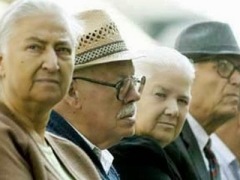
«Αρχαίοι ανθρώποι της Ανατολής» ξαναζούνε στα χρόνια τα δικά μας.
ΣΚΗΝΗ ΠΡΩΤΗ
- Γιατρέ μου, πόσο κοστίζουν τα φάρμακα που μου γράφεις;
- Φτηνά είναι μπάρμπα-Γιώργη.
- Αχ! Νάσαι καλά, γιατί έμεινα με ένα εικοσάρικο όλο κι όλο.
- Γιατί βρε μπάρμπα-Γιώργη; Εγώ βλέπω ότι είσαι συνταξιούχος του ΙΚΑ. Πόση σύνταξη παίρνεις;
- Έπαιρνα πολύ καλή σύνταξη. Γύρω στα 800 ευρώ. Όπως ξέρεις όμως μας έχουνε κόψει αρκετά, και τώρα μου δίνουνε περίπου 650.
- Καλά, και δεν σου φτάνουνε 650 ευρώ; Το σπίτι στο χωριό είναι δικό σας, ο μπαξές μπροστά σας πάντα γεμάτος, κι απ' ότι γνωρίζω εσύ και η κυρά Δέσποινα είστε μονάχα.
- Έτσι όπως τα λες είναι γιατρέ μου, αλλά.
- Τί αλλά χρυσέ μου άνθρωπε; Τί σας συμβαίνει;
- Άκουσε γιατρέ: Εδώ και ενάμισι χρόνο ο γιός μου είναι άνεργος. Η γυναίκα του το ίδιο . Μου λένε: "Πατέρα δεν αντέχουμε άλλο αυτή την κατάσταση. Έχουμε μείνει άφραγκοι. Τα παιδιά μας τα κόψαμε από τα Αγγλικά. Τα ρούχα τους μικραίνουνε και δεν μπορούμε να τους πάρουμε καινούργια. Στο σχολείο δεν έχουμε να τους δώσουμε ούτε πεντάρα! Αποφασίσαμε λοιπόν να φύγουμε για δουλειά στη Γερμανία".
Από τότε, καλέ μου γιατρέ, κάθε μήνα η σύνταξή μου ολόκληρη πάει κατευθείαν για τις ανάγκες των παιδιών. Να αφήσω τα παιδιά μου να πεινάνε; Και να τα δω να φεύγουνε για τα ξένα; Αδύνατον!
Εγώ και η γριά όπως-όπως θα τα καταφέρουμε. Να είναι καλά ο μπαξές μας, οι τραχανάδες και τα χρυσά χεράκια της κυρα-Δέσποινας. Καταλαβαίνεις τώρα γιατί αραίωσαν οι επισκέψεις μας σε σένα, γιατί σε ρωτάω με αγωνία για το κόστος των φαρμάκων, γιατί εξαφανίστηκα από το καφενείο του χωριού; Καταλαβαίνεις τώρα γιατί το ζάχαρό μου τρελάθηκε τελευταία, και η βουβωνοκήλη, που μου είπες να την χειρουργήσω, έχει γίνει διπλάσια ; Με ζυμαρικά και πατάτες, γιατρέ μου, ρεγουλάρεται το ζάχαρο; Και με τί λεφτά να ξεκινήσω για το νοσοκομείο;
Τα παιδιά μου όμως να είναι καλά και τα εγγόνια μου. Εμείς το ψωμί μας το φάγαμε. Χαλάλι τους η σύνταξή μου ολόκληρη.
ΣΚΗΝΗ ΔΕΥΤΕΡΗ
(Σκηνικό)
Η κλινική εξέταση έχει ολοκληρωθεί. Ασθενής και γιατρός κάθονται ο ένας απέναντι στον άλλον, και ανάμεσά τους ένα γραφείο γεμάτο από αναρίθμητα κουτιά φαρμάκων και σκορπισμένες παλιές εξετάσεις μέσα σε ξεσκισμένους και βρώμικους από την πολυχρησία φακέλους.
- Παράσχο , έχω την εντύπωση ότι δεν παίρνεις τα φάρμακά σου κανονικά . Εσύ κιλά δεν έβαλες, και αλμυρά απ' όσο ξέρω δεν τρως. Η δύσπνοια, που διαμαρτύρεσαι ότι σε βασανίζει τους τελευταίους δυο μήνες, δεν ερμηνεύεται αλλιώτικα παρά μονάχα με την παραμέληση της θεραπείας.
Με τόσες αρρώστιες που κουβαλάς δεν καταλαβαίνεις ότι πετώντας στην άκρη τα φάρμακα βάζεις σε κίνδυνο την ζωή σου; Ξεχνάς τι πέρασες με την καρδιά σου; Ή μήπως δεν είσαι εσύ με το δύσκολο ζάχαρο, με την ινσουλίνη, με το παλιό εγκεφαλικό, με το μπάϊ πας, με τα δυο πνευμονικά οιδήματα!
Παράσχο, σε παρακαλώ σύνελθε. Τα φάρμακά σου είναι πράγματι πολλά. Τα έχεις βαρεθεί τόσα χρόνια. Δεν είναι όμως αυτός λόγος για να τα παρατήσεις.
Ο Παράσχος, με σκυμμένο το κεφάλι, φέρνει τις δυο του παλάμες στο πρόσωπο και βάζει αμέσως τα κλάματα! Τα δάκρυά του ξεχειλίζουν από τα δάχτυλα των χεριών του, μουσκεύουν τα μάγουλα και στάζουνε πάνω στα γόνατά του. Κλάμα με αναφιλητά. Κάποια στιγμή συμμαζεύοντας όλο του το κουράγιο, σκουπίζει τα μάτια του, καθαρίζει το βλέμμα το , και με φωνή σταθερή λέει στον γιατρό.
- Γιατρέ μου, όπως ξέρεις, ως πρώην πυροσβέστης παίρνω σύνταξη καλή. 1050 ευρώ τον μήνα. Για μένα και την γυναίκα μου, μέχρι τώρα, μας έφταναν και μας περίσσευαν. Ας όψεται όμως η κρίσις: Όπως σου έχω πει, έχω μια κόρη και έναν γιό. Η κόρη μου είναι χωρισμένη, εδώ και δυο χρόνια, με ένα παιδί και χωρίς δουλειά. Και ο γιος μου άνεργος κι αυτός επί ενάμισι χρόνο, και η γυναίκα του το ίδιο, και με δυο παιδιά στην πλάτη τους!
Άντε πες μου εσύ τώρα γιατρέ μου, τι να κάνω; Τις αρρώστιες μου να δω ή τα παιδιά μου; Τα φάρμακά μου να αγοράσω πρώτα ή το ψωμί των εγγονών μου; Να αφήσω τα παιδιά μου να παγώνουνε μέσα στον χειμώνα, και να προτιμήσω την δική μου ζεστασιά; Να μην έχουνε να φάνε ούτε ένα φρούτο τα εγγονάκια μου, και εγώ να έχω το στομάχι μου γεμάτο;
Αυτό δεν γίνεται γιατρέ μου. Δεν γίνεται! Η καρδιά μου δεν το βαστάει. Έτσι η γυναίκα μου η κυρά Δάφνη και εγώ πήραμε την απόφαση, εδώ και δυο χρόνια περίπου, και μοιραζόμαστε την σύνταξη με τα παιδιά μας. Κάθε τέλος του μηνός χωρίζουμε την σύνταξη στα τρία. Πόσο κάνει 1050 ευρώ δια του τρία; 350! Έ, λοιπόν παίρνουμε τρεις οικογένειες από 350 ευρώ η κάθε μια και ξεκινάμε να περάσουμε τον μήνα μας.
Τι να πρωτοπληρώσω γιατρέ μου με 350 ευρώ; Τους λογαριασμούς της ΔΕΗ και του ΟΤΕ ή τα πάμπερς της κυρα-Δάφνης; Το σούπερ μάρκετ ή κανα-χαρτζιλίκι για τα μικρά; Ευτυχώς που μένουμε στο χωριό, και σε σπίτι δικό μας, και μπορώ ακόμα και τα καταφέρνω με το μπαξεδάκι μας.
Τα φάρμακα, όπως καταλαβαίνεις, αναγκαστικά έρχονται τελευταία. Κι ας είναι από τα απαραίτητα για την υγεία μας. Πάνω απ' όλα τα παιδιά μας γιατρέ μου. Έτσι μάθαμε από τους γονείς μας, έτσι κάνουμε. Κι ο Θεός ας βάλλει το χέρι Του.

ΣΥΜΠΕΡΑΣΜΑΤΙΚΟΣ ΕΠΙΛΟΓΟΣ
Με τέτοιους γονείς αυτό το Γένος δεν ξεριζώνεται με καμιά ανθρώπινη δύναμη.
Με τέτοια ζωντανά παραδείγματα θυσίας και αυταπάρνησης δεν πρόκειται να χαθεί ούτε στάλα από την αργόσυρτη πορεία της ιστορικής μας συνέχειας! Και ας λένε οι "εταίροι" μας ότι στην Ελλάδα θα χαθούνε δύο με τρεις γενιές. Μπορεί ίσως να χαθούνε τα πορτοφόλια μας τα χοντρά. Οι καρδιές μας όμως όχι!
Οι Φράγκοι τα έχουνε χαμένα μαζί μας. Απορούν και εξίστανται πώς αυτή η ράτσα με τόσα δεινά, με τόσα βάσανα, με τόση φτώχια, με τόσα αδιέξοδα εξακολουθεί και στέκεται ακόμα στα πόδια της!
Απορούν οι άνθρωποι γιατί απλώς μας μετράνε με τα μέτρα τα δικά τους. Η επαφή τους με τον δικό μας πολιτισμό ήτανε πάντοτε καθαρά ακαδημαϊκή. Ποτέ δεν προχώρησαν σε βιωματική, εμπειρική γνωριμία μαζί του.
Μας λένε ότι είμαστε απρόβλεπτοι εμείς οι Έλληνες.
Έχουνε δίκαιο, αλλά ξέρουνε γιατί;
Εάν η Δύση επιθυμεί πράγματι να μάθει και να διδαχθεί το μεγάλο μας μυστικό, ας ρωτήσει στην Ελληνική ύπαιθρο τις ηρωϊκές γιαγιάδες και τους υπέροχους παππούδες μας! Τους σύγχρονους εκφραστές και διδασκάλους της Ελληνορθόδοξης Ασκητικής. Αυτής που σώζει.

At one time, I took a sick person to him who was diagnosed with AIDS. Some of my friends who knew that I was friendly with the Elder asked me to help this sick person who was extremely depressed. The AIDS victim was in really bad shape and he wanted to commit suicide. When I heard that he wanted to commit suicide, I sent him to another priest who was also a doctor. His name is Fr. Stamatis. The sick person went to this priest but the priest advised him to go and see Elder Porphyrios.
I took him to the Elder. He was a person who did not appear to look like a Christian. He had a very worldly look about him. I left him in the cell with the Elder. The Elder kept him there for a long time. When he finished, he came out of the cell crying but he was very serene with a prayer rope in his hand that the Elder had given him. He was crying but not in a way that made him appear helpless. His eyes were filled with light. The Elder called me into his cell. “Come in here so that I can speak to you. What was that soul that you brought to me? What a marvelous soul that was!”
The person from that encounter repented and he truly lives in a spirit of penance. I have seen him many times since then as a doctor. I see that he has been reborn. He visits monasteries. He goes to confession. He receives Holy Communion and he thanks Christ for AIDS because this has become for him the reason for his true salvation.
From the book: “Miraculous Occurences and Counsels of Elder Porphyrios

The Fathers’ saying ‘spill your blood and receive the spirit’ could be described as the ever-memorable Elder’s permanent motto. Intrepid and courageous as he was, he left no room for queries or doubts in his life. But his ardent faith also contributed to this excellent combination, and so the results were always positive. Resolve and daring are the chief characteristics of man’s freedom which manifest his will, and with faith in God – which is all that is asked of our rational nature – they arouse and bring down upon us the divine energy which heals what is infirm and completes what is wanting.
With God’s help and with the above preconditions, to the Elder nothing was considered impossible; but by those unable to attain to this state, he was misunderstood and regarded as deficient or extreme. To everything that seemed difficult or complex, the Elder had a ready answer: ‘Where is God?’ – which for him meant that without fail, God will solve the problem. Such an attitude was a basic principle of his, grounded not just in a very profound faith – what the Fathers call ‘faith of contemplation’ – but also in the guardianship of the spiritual law, on which he based everything throughout his life. Whatever happened in general, he always judged it on the basis of the spiritual law; and in particular he judged our own personal affairs in this way, when they preoccupied us.
At the beginning of our stay with him, we usually paid quite frequent visits to him so that he could give us advice and see how we were getting on. Naturally, whether or not we told him what was on our minds, he would explain the meaning of events in detail, beginning from the results and analysing what had led up to them, right back to the initial provocation. He would explain where these things came from, and why they came and to what extent, with such precision that we were astounded at the place the ‘law of the spirit of life’ (Rom. 8:2) held within him. Once when we made a mistake (and how many mistakes are not caused by inexperience!) he gave me as a penance the pointless labour of a long journey. Because I knew that he never did anything without a reason, I did not ask any questions, but he told me of his own accord, ‘If we do not arouse a corresponding pain through arduous asceticism along with our repentance, we do not satisfy the judgement of the spiritual law, and it is possible that we may get some trial which we do not know how it will turn out.’ I can say that across the whole range of our actions and affairs, both general and particular, the basis and criterion was the spiritual law. And Abba Mark says, ‘real knowledge is patiently to accept affliction and not to blame others for our own misfortunes’ .
The Elder was also in the habit of referring frequently to the significance of trials, both as the totality of the various ills by which mankind is tested, and as events concerning individuals. On the basis of the spiritual law as the intellect of God’s comprehensive providence, he accepted ‘educative episodes’ as appropriate instruments for our correction, and called them trials. Even though he knew in depth the importance of the benefit derived from these and repeated the patristic saying ‘take away trials, and no one would be saved’ and the statement that they were ‘sure to come’ (Lk 17:1), he would examine with minute accuracy the causes and occasions which prompt them, and taught us how to avoid them as far as possible. His experience centred on this double duty, as he called it: to deal wisely with the causes and occasions of trials so as to forestall them on the one hand, and on the other – whenever they do occur – to confront them bravely, with faith and in hope of the ensuing benefit. ‘Unexpected trials are sent by God to teach us to practise the ascetic life, and they lead us to repentance even when we are reluctant.’ And again, ‘The afflictions that come upon us are the result of our own sins.’ With these sayings the Elder reminded us of the ‘professor of the spiritual law’, as he called him, Abba Mark the Ascetic.
The practical aspect of the life in Christ conceals the most complex mystery in human life. Two titanic forces linked together by man create an immense and unbreakable tug-of-war with man in the middle, each frantically pulling him towards itself in order to win him over. Two loves, standing in opposition and turned towards opposite poles, form the motive power of these two forces: love towards God and love of this world. The victim, man, is not always in a position consciously to discern his own preferences, and this gives rise to retrospective changes. The occasions and causes which serve to awaken human beings who are entangled in these forces are known as trials. Are we to describe them? ‘If I would count them,’ as the Psalmist says, ‘they are more than the sand’ (Ps. 139:18). But we should relate just a very little from the experiences of the Elder, who had the capacity to analyse trials with exceptionally subtle discernment.
In general he considered every trial benefial (cf. Jas 1:2), but he ascribed greater seriousness to them when explaining the particular temptations of negligence and self-conceit, which he described as devastating. Assuredly, God wills and calls all to follow Him, but not everyone accepts His call. Yet those who have accepted this calling are tested sorely, to the degree that He ordains and in proportion to the knowledge which He has given them. The negative side, which conspires against those called by God, is the love of this world which ‘is in the power of the evil one’ (1 Jn 5:19), which in its crafty and hypocritical way manages to deceive some; as for the others who are not convinced by its deceit, it attempts to stifle their will with open and unconcealed force. The merciless pressure of the ‘changes’ brought about by this evil neighbour of ours does not leave our good intention and good start intact.
There are many causes, known in detail to our Fathers, which give rise to changes: they may be natural, stemming from needs of ours which are not reprehensible, or they may be acquired, stemming from passions and demons. But whether they come from the one cause or the other, the reality is that they conspire against our will.
In this uninterrupted tug-of-war trials are constantly present. None of those who sail this stormy sea of life remains untouched by the struggle with them. Inexperience, ignorance, weakness, the weight of our flesh of clay, our evil past, the passions, our habits and in addition the devil – all these evils change and check our right intention and vitiate our good purpose. ‘The law of sin which dwells in our members’ (Rom. 7:23), which is ‘the imagination of our heart which is evil from our youth’ (Gen. 8:21) slackens our progress along the good course marked out by our calling from God and the nobility of our intention. There is now no other way of waking us up and pushing us forward except for ‘contractual afflictions’, which are properly called trials.
Elder Joseph the Hesychast

- Γέροντα, κάθε μέρα λέω: «Από αύριο θα προσέχω, θα διορθωθώ», αλλά και πάλι πέφτω στα ίδια.
- Να βάζης τον Θεό μπροστά∙ να λες: «με την δύναμη του Θεού , θα προσπαθήσω να διορθωθώ», ώστε να βοηθήση ο Θεός. Το ότι θέλεις να διορθωθής, αυτό σημαίνει ότι δέχεσαι βοήθεια. Ζητάς και από τον Θεό να σε βοηθήση και ρίχνει ο Θεός το βλέμμα Του επάνω σου. Κάνεις και την μικρή σου προσπάθεια και προχωρείς. Ποιός, όταν δη ένα μικρό παιδάκι να προσπαθή με τα χεράκια του να κυλήση μια κοτρώνα ,δεν θα τρέξη να το βοηθήση, για να μην παιδεύεται; Έτσι και ο Θεός, όταν δη την μικρή σου προσπάθεια, θα σε βοηθήση να νικήσης.
Μερικοί, ενώ δεν καταβάλλουν καμμιά προσπάθεια να διορθωθούν ,λένε: «Χριστέ μου, έχω αυτά τα πάθη. Εσύ μπορείς να με απαλλάξης∙ απάλλαξέ με». Ε, πώς να βοηθήση τότε ο Θεός; Για να βοηθήση ο Θεός ,πρέπει να καταβάλλη ο άνθρωπος την προσπάθεια που μπορεί. Δηλαδή είναι μερικά πράγματα που πρέπει να κάνη ο ίδιος ο άνθρωπος, για να βοηθήση μετά ο Θεός. Σε καμμιά περίπτωση δεν βοηθιέται, αν δεν θέλη να βοηθήση ο ίδιος τον εαυτό του.
Εμείς μερικές φορές πάμε να αποκτήσουμε την Χάρη και τα χαρίσματα του Θεού με έναν μαγικό τρόπο. Νομίζουμε πως χωρίς αγώνα θα αποκτήσουμε μια αρετή ή ακόμη και θα αγιάσουμε. Για να δώση όμως ο Θεός ,πρέπει να σπείρουμε. Πώς θα δώση ο Θεός χωρίς να εργασθούμε; Τι λέει το τροπάριο; «Της ερήμου το άγονον εγεώργησας». Ο Θεός ρίχνει- ρίχνει βροχή ,μαλακώνει το χώμα, αλλά και εμείς πρέπει να «γεωργήσουμε» το χωράφι μας. Το χώμα είναι έτοιμο, αλλά πρέπει να βάλουμε το υνί στο χωράφι και να το σπείρουμε∙ και ό,τι σπείρουμε, θα θερίσουμε. Αν όμως δεν οργώσουμε, πώς θα σπείρουμε; Κι αν δεν σπείρουμε, τι θα θερίσουμε;
Γι’ αυτό να μη ρωτάτε μόνον τί μπορεί να κάνη ο Θεός ,αλλά να ρωτάτε και τον εαυτό σας τί μπορείτε να κάνετε κι εσείς. Η τράπεζα του Χριστού δίνει πολύ μεγάλο τόκο. Αλλά, αν δεν κάναμε κατάθεση στην τράπεζα, πώς θα κάνουμε ανάληψη;
Γέροντας Παΐσιος

1. Ο πατέρας μου συνήθιζε να παίζει με τον αδελφό μου και μένα στον κήπο. Η μάνα μας έβγαινε έξω και φώναζε: "θα χαλάσετε το γκαζόν!". Κι εκείνος της απαντούσε: "Δεν μεγαλώνουμε γκαζόν, αγόρια μεγαλώνουμε!" - Harmon Killebrew
2. Υπάρχουν τρία στάδια στη ζωή ενός άνδρα: Πρώτο στάδιο: να πιστεύει στον Αη-Βασίλη. Δεύτερο στάδιο: να μην πιστεύει στον Αη-Βασίλη. Τρίτο στάδιο: να είναι ο ίδιος Αη-Βασίλης. - Ανώνυμος
3. Το πιο σημαντικό έργο που ένας πατέρας μπορεί να κάνει για τα παιδιά του είναι ν΄ αγαπάει τη μάνα τους -Theodore M. Hesburgh
4. Oταν έλθει η εποχή που ένας άντρας αντιλαμβάνεται πως μάλλον ο πατέρας του είχε δίκιο για χιλιάδες πράγματα, συνήθως έχει ο ίδιος ένα γιο που τον θεωρεί λάθος! - Charles Wadsworth
5. Υποτίθεται πως κάθε άντρας μπορεί να γίνει πατέρας. Χρειάζεται όμως κάτι παραπάνω για να γίνει "μπαμπάς" - Ανώνυμος
6. Οταν ήμουν έφηβος 14 ετών, ο πατέρας μου ήταν τόσο αλαζόνας που δεν τον άντεχα λεπτό. Περιέργως, όταν έφτασα τα 21 ένιωσα μεγάλη έκπληξη από το πόσο πολλά κατάφερε να μάθει μέσα σε επτά μόλις χρόνια! - Μαρκ Τουαίν
7. Πραγματικά πλούσιος είναι ο άντρας που έχει παιδιά που τρέχουν να χωθούν στην αγκαλιά του, ακόμα κι όταν τα χέρια του είναι άδεια- Ανώνυμος
8. Δεν έχει τόση σημασία ποιος ήταν αληθινά ο πατέρας μου, αλλά ποιος θυμάμαι εγώ πώς ήταν - Anne Sexton
9. Eίναι όντως αξιέπαινο να πάει ένας πατέρας τον γιο του για ψάρεμα. Υπάρχει όμως ένα ιδιαίτερο μέρος στον παράδεισο για τον πατέρα που θα πάει την κόρη του για ψώνια - John Sinor
10. Οι καλοί μπαμπάδες δίνουν στα παιδιά τους ρίζες και φτερά. Ρίζες για να νιώθουν πού είναι το σπίτι τους και φτερά για να πετάξουν μακριά ελεύθερα - Jonas Salk
11. Mπαμπάδες, αγαπήστε κι αποδεχτείτε τα μέλη της οικογένειάς σας γι΄ αυτό που πραγματικά είναι, ακόμα κι αν η προσωπικότητά τους είναι πολύ διαφορετική από τη δική σας. Τα κουνέλια δεν πετούν, οι αετοί δεν κολυμπούν, οι γάτες δεν έχουν φτερά. Σταματήστε τώρα τις συγκρίσεις. Υπάρχει άφθονος χώρος για όλους στο δάσος! - Chuck Swindoll
12. Τα στάδια στη ζωή ενός ανθρώπου:
4 ετών: Ο μπαμπάς μου μπορεί να κάνει τα πάντα!
7 ετών: Ο μπαμπάς ξέρει τόοοσα πολλά!
8 ετών: Ο μπαμπάς μου δεν ξέρει τελικά και τόσα πολλά.
12 ετών: Ο μπαμπάς μου δεν ξέρει τι του γίνεται.
14 ετών: Ο πατέρας μου? Ασε καλύτερα!
21 ετών: Ωχ πάλι αυτός μπροστά μου!
25 ετών: Κάτι ξέρει για το θέμα ο πατέρας μου αλλά όχι και πολλά πράγματα.
30 ετών: Θα πρέπει να μάθω τι ξέρει ο πατέρας μου για το θέμα.
35 ετών: Πριν αποφασίσουμε ας ζητήσουμε και τη γνώμη του μπαμπά.
50 ετών: Τι άραγε να πίστευε ο πατέρας γι΄ αυτό?
60 ετών: Τελικά ο πατέρας μου είχε τεράστια εμπειρία!
65+ετών: Α, ρε πατέρα! Μακάρι να ζούσες και να μιλούσαμε σήμερα οι δυο μας! -

But if we are sons, we are heirs also: heirs indeed of God and joint heirs with Christ, provided, however, we suffer with Him that we may also be glorified with Him. (Rom. 8:17)
Our Saviour and the God-bearing Fathers teach that our only concern in this life should be the salvation of our souls. Bishop Ignatius says: "Earthly life — this brief period — is given to man by the mercy of the Creator in order that man may use it for his salvation, that is, for the restoration of himself from death to life" (The Arena). Therefore, we must "look upon everything in this world as upon a fleeting shadow and cling with our heart to nothing of it...for we look not at the things which are seen, but at the things which are not seen; for the things which are seen are temporal, but the things which are not seen are eternal" (St. John of Kronstadt, Spiritual Counsels). For Orthodox Christians, the center of our life is not here, but there, in the eternal world.
How long we live, what disease or illness accompanies our death — such things are not the proper concern of Orthodox Christians. Although we sing "many years" for one another at Namesdays and other celebrations, this is only because the Church in her wisdom knows that we indeed need "many years" to repent of our sins and be converted, not because a long life has any value in itself. God is not interested in how old we are when we come before His Judgment, but whether we have repented; He is not concerned about whether we died of a heart attack or cancer, but whether our soul is in a state of health.
Therefore, "we should not dread any human ill, save sin alone; neither poverty, nor disease, nor insult, nor malicious treatment, nor humiliation, nor death" (St. John Chrysostom, On the Statues), for these "ills" are only words; they have no reality for those who are living for the Kingdom of Heaven. The only real "calamity" in this life is offending God. If we have this basic understanding of the purpose of life, then the spiritual meaning of bodily infirmity can be opened for us.
In the preceding chapter we learned how the all-wise God allowed suffering to enter the world in order to show us that we are but creatures. It is a lesson still not learned by the race of Adam which, in its pride, ever seeks to be like "gods": for every sin is a renewal of the sin of the first-created ones, a willful turning away from God towards self. In this way we set ourselves in the place of God, actually worshipping self instead of the Creator. In this way the suffering of illness serves the same purpose today as it did in the beginning: for this reason it is a sign of God's mercy and love. As the Holy Fathers say to those who are ill: "God has not forgotten you; He cares for you" (Sts. Barsanuphius and John, Philokal' ia).
Yet, it is difficult to see how sickness can be a sign of God's care for us — unless, that is, we understand the relationship that exists between body and soul. Elder Ambrose of Optina Monastery spoke of this in a letter to the mother of a very sick child:
"We should not forget that in our age of 'sophistication' even little children are spiritually harmed by what they see and hear. As a result, purification is required, and this is only accomplished through bodily suffering....You must understand that Paradisal bliss is granted to no one without suffering."
St. Nicodemos of the Holy Mountain explained that since man is dual, made up of body and soul, "there is an interaction between the soul and the body" (Counsels), each one acting on the other and actually communicating with the other. "When the soul is diseased we usually feel no pain," St. John Chrysostom says. "But if the body suffers only a little, we make every effort to be free of the illness and its pain. Therefore, God corrects the body for the sins of the soul, so that by chastising the body, the soul might also receive some healing....Christ did this with the Paralytic when He said: Behold, thou art made whole; sin no more, lest a worse thing come unto tbee. What do we learn from this? That the Paralytic's disease had been produced by his sins" (Homily 38, On the Qospel of St. John).
On one occasion a woman was brought to St. Seraphim of Sarov. She was badly crippled and could not walk because her knees were bent up to her chest. "She told the Elder that she had been born in the Orthodox Church but, after marrying a dissenter, had abandoned Orthodoxy and, for her infidelity, God had suddenly punished her....She could not move a hand or foot. St. Seraphim asked the sick woman whether she now believed in her Mother, our Holy Orthodox Church. On receiving a reply in the affirmative, he told her to make the sign of the Cross in the proper way. She said that she could not even lift a hand. But when the Saint prayed and anointed her hands and breast with oil from the icon-lamp, her malady left her instantly." Behold, thou art made whole; sin no more, lest a worse thing come unto thee!
This connection between body and soul, sin and sickness, is clear: pain tells us that something has gone wrong with the soul, that not only is the body diseased, but the soul as well. And this is precisely how the soul communicates its ills to the body, awakening a man to self-knowledge and a wish to turn to God. We see this over and over in the lives of the saints, for illness also teaches that our "true self, that which is principally man, is not the visible body but the invisible soul, the 'inner man'" (St. Nicodemos of the Holy Mountain, Christian Morality).
But does this mean that the man who enjoys continual good health is in "good shape" spiritually? Not at all, for suffering takes many forms, whether in the body or in the mind and soul. How many in excellent health lament that life is not "worth the living"? St. John Chrysostom describes this kind of suffering:
"Some think that to enjoy good health is a source of pleasure. But it is not so. For many who have good health have a thousand times wished themselves dead, not being able to bear the insults inflicted upon them....For although we were to become kings and live royally, we should find ourselves compassed about with many troubles and sadnesses....By necessity kings have as many sadnesses as there are waves on the ocean. So, if monarchy is unable to make a life free from grief, then what else could possibly achieve this? Nothing, indeed, in this life" (Homily I8, On the Statues).
Protestants often "claim" health in the "Name of Christ." They regard health as something to which the Christian is naturally entitled. From their point of view, illness betrays a lack of faith. This is the exact opposite of the Orthodox teaching as illustrated by the life of the Righteous Job in the Old Testament. St. John Chrysostom says that the saints serve God not because they expect any kind of reward, either spiritual or material, but simply because they love Him: "for the saints know that the greatest reward of all is to be able to love and serve God." Thus, "God, wishing to show that it was not for reward that His saints serve Him, stripped Job of all his wealth, gave him over to poverty, and permitted him to fall into terrible diseases." And Job, who was not living for any reward in this life, still remained faithful to God (Homily I, On the Statues).
Just as healthy people are not without sin, so too, God sometimes allows truly righteous ones to suffer, "as a model for the weak" (St. Basil the Great, The Long Rules). For, as St. John Cassian teaches, "a man is more thoroughly instructed and formed by the example of another" (Institutes).
This we see in the Scriptural case of Lazarus. "Although he suffered from painful wounds, he never once murmured against the Rich Man nor made any request of him....As a result, he found rest in the Bosom of Abraham, as one who had accepted humbly the misfortunes of life" (St. Basil the Great, The Long Rules).
The Church Fathers also teach that illness is a way by which Christians may imitate the suffering of the martyrs. Thus, in the lives of very many saints, intense bodily suffering was visited upon them at the end, so that by their righteous suffering they might attain to physical martyrdom. A good example of this may be found in the life of that great champion of Orthodoxy, St. Mark of Ephesus:
"He was sick fourteen days, and the disease itself, as he himself said, had upon him the same effect as those iron instruments of torture applied by executioners to the holy martyrs, and which as it were girdled his ribs and internal organs, pressed upon them and remained attached in such a state and caused absolutely unbearable pain; so that it happened that what men could not do with his sacred martyr's body was fulfilled by disease, according to the unutterable judgment of Providence, in order that this Confessor of Truth and Martyr and Conqueror of all possible sufferings and Victor should appear before God after going through every misery, and that even to his last breath, as gold tried in the furnace, and in order that thanks to this he might receive yet greater honor and rewards eternally from the Just Judge" (The Orthodox Word, vol. 3, no. 3).
You who believe when you are well, see to it that you do not fall away
from God in the time of misfortune.
St. John of Kronstadt.

If you cannot endure insults — be silent, and you will become calm. Do not imagine that you are suffering more than others are. Just as it is impossible for a person living on earth to avoid breathing, so is every person living in this world cannot avoid experiencing sorrow and sickness. Being engaged with earthly matters, we experience sorrow from the earthly, while those that strive toward the spiritual, suffer spiritually with their soul. However, the latter would be blessed because their spiritual fruits in the Lord are abundant. (Ephraim of Syria)
28. If sorrow has arrived, expect the arrival of happiness. Let us take the example of those sailing on the sea. When a storm arises, they battle with the waves, waiting for calm weather; and when calm weather arrives, they prepare for storms. They are constantly vigilant, so that the sudden arrival of wind does not find them unprepared by capsizing the vessel. We should also act likewise: when sorrow or a difficult situation arises, let us expect alleviation and assistance from God, so as not to be oppressed by the thought that we have no hope of salvation. (Ephraim of Syria)
28. Everything is from God — good and sad. One is from benevolence, while the other is because God allows it to happen. From benevolence — when we live virtuously, because it pleases God that we adorn ourselves with crowns of patience; by God’s permission — when we sin and are brought to our senses; from God’s will — when we do not improve even after being enlightened. God providentially punishes us sinners so that we would not be condemned with the world — as the Apostle states: "But when we are judged, we are chastened by the Lord, that we may not be condemned with the world" (1 Cor. 11:32). (Ephraim of Syria)

Ο Γέροντας αγαπούσε να εργάζεται και δεν σταματούσε καθόλου στις ώρες πού επέτρεπε το πρόγραμμα. Το εργόχειρο μας τότε ήταν σταυρουδάκια σκαλιστά, τα οποία σκάλιζε με μεγάλην ευχέρεια και ταχύτητα, αφού εμείς ετοιμάζαμε το ξύλο. Έμενε μόνος του στο καλυβάκι πού του χτίσαμε μακρύτερα από μας, κι εμείς πηγαίναμε να τον βρούμε το μεσημέρι και μετά φεύγαμε ο καθένας μόνος του.
Το μέρος εκεί ήταν απόμερο και ήσυχο, αλλά ήταν πιο εκτεθειμένο στους καιρούς. Έτσι, το κρύο ήταν περισσότερο, ώσπου τον πείσαμε να του βάλουμε λίγη θέρμανσι με καμμιά σόμπα. Πήρα, εγώ ο ευτελής, τα μέτρα και ετοίμασα τα υλικά, για να την φτιάξω με λαμαρίνα απ'; έξω και μέσα χτιστή με πηλό. Ετοιμάστηκα για την επομένη, όπως του έταξα αποβραδίς, και το πρωί μάζεψα τα εργαλεία μου και τα υλικά και πήγα κάπου εκεί κοντά να την φτιάξω και να την τοποθετήσω μετά. Έβαλα μετάνοια, όπως πάντα, και άρχισα με καλό καιρό, γιατί δούλευα έξω στο ύπαιθρο.
Μόλις μέτρησα και έκοψα τα εξαρτήματα και άρχισα να δουλεύω, χάλασε απότομα ο καιρός. Μετά, εύρισκα μια παράξενη δυσκολία σε ο,τιδήποτε και αν επιχειρούσα να κάμω. Φυσούσε ένας παράξενος αέρας, πού δεν είχε κατεύθυνσι προς κανένα σημείο, μόνο σήκωνε τα πάντα κατ'; επάνω μου και μου 'φερνε στο πρόσωπο ο,τιδήποτε βρισκόταν στον τόπο: λαμαρίνες, σανίδες, παλιόχαρτα και άμμο. Παραδόξως μου έφευγαν τα εργαλεία και κατρακυλούσαν μακριά χωρίς λόγο, διότι ο τόπος δεν ήταν παντελώς κατωφερής. Τα καρφιά στράβωναν χωρίς λόγο, με την παραμικρή πίεσι, έσπαζαν τα τρυπάνια, άλλαζαν τα σχέδια μου, πού τα είχα μετρημένα και κομμένα με ακρίβεια.
Στην αρχή δεν υπελόγισα τίποτε και βιαζόμουν να επαναφέρω τα πράγματα στην ταξί και να συνεχίσω. Σε λίγο όμως το πράγμα έγινε πολύ αισθητό, ότι κάτι συνέβαινε. Σταμάτησα λίγο όμως, γιατί είχα κατασυντρίψει κυριολεκτικά και όλα μου τα δάχτυλα, και μια παράξενη ταραχή μέσα μου, μου προκαλούσε οργή, σύγχυσι, ανυπομονησία. «Περίεργο πράγμα, λέω, κάτι συμβαίνει»! Εν τω μεταξύ και ο καιρός επεδεινώθη, πού με ανάγκασε να διακόψω, και πήγα στον Γέροντα. Αυτή η κατασκευή απαιτούσε δυο με τρεις, το πολύ, ώρες δουλειά και πέρασαν περισσότερο από έξι ώρες, χωρίς να έχω κάνει τίποτα.
Τότε θυμήθηκα κάτι πού μου είχε πη ο Γέροντας το πρωί, όταν ξεκίνησα, και δεν το έλαβα υπ' όψι. «Άντε να δούμε, μου είχε πη, θα κάμης τίποτε σήμερα;». Εγώ δεν έδωσα σημασία στο νόημα αυτών των λέξεων, αλλά σκέφτηκα πώς το είπε για να με ταπείνωση ίσως, γιατί ήξερα αυτή τη δουλειά. Μάλιστα φιλοδοξούσα να τελειώσω και συντομώτερα καν επιτυχέστερα, για να τον αναπαύσω, και με την κρυφή χαρά πώς μας επέτρεψε να του βάλωμε θέρμανσι και αυτό θα το έκανα μόνος μου εγώ!
Πήγα, λοιπόν, του χτύπησα την πόρτα και μου άνοιξε. Μόλις με είδε ταραγμένο, άρχισε να γελάη.
«Γέροντα, λέω, τι συμβαίνει εδώ; και γιατί μου είπες το πρωί σαν πρόρρησι, αν τελειώσω';; Αφού ξέρεις πώς για μένα τούτο ήταν παιχνίδι». «Εσύ τι συμπέρανες πώς ήταν», μου είπε χαριεντιζόμενος. «Πειρασμός, του είπα, σατανική ενέργεια». «Αυτό ήταν, μου απάντησε. Και άκουσε να μάθης το φαινόμενο σε σένα μυστήριο. Το βράδυ στην προσευχή μου, όταν τελείωσα και ήθελα να ησυχάσω, είδα τον σατανά και απειλούσε να μου κάμη εμπόδια και πειρασμό στην απόφασί μου, πού είχα προγραμματίσει. Κι εγώ είπα στον Χριστό μας- 'Κύριέ μου, μη τον εμπόδισης, για να του δείξω πώς σε αγαπώ και θα υπομείνω το κρύο, όσο επιτρέψης Εσύ'. Και αυτός ήταν ο λόγος, παιδί μου, πού έγιναν όλα αυτά, για να μην έχω σύντομα θέρμανσι, καθώς σεις επιθυμούσατε να μου ετοιμάσετε».
Εγώ, ο μάρτυς αυτού του δράματος, όταν άκουσα αυτή την λεπτομέρεια και τα μυστήρια της κρυπτής προνοίας, με τα οποία λειτουργεί ο πνευματικός νόμος, έμεινα κατάπληκτος και εν σιωπή μονολογούσα· «Μέγας ει, Κύριε, και θαυμαστά τα έργα σου και ουδείς λόγος εξαρκέσει προς ύμνον και δόξαν των θαυμάσιων Σου»! Το γεγονός αυτό με βοήθησε να καταλάβω τη δύναμι του λόγου των Γερόντων, πού κατά τον αββά Ποιμένα και τον αββά Δωρόθεο- κρύβουν μέσα τους δύναμι και ενέργεια της χάριτος, σαν δείγμα της προσωπικής των καταστάσεως και πείρας.
Γέροντας Ιωσήφ ο ησυχαστής

Κάποιοι, τρία χρόνια μετά, τον προτρέπανε να φτιάξει ένα καλό Ηγουμενείο, γιατί λείπει στη Μονή. Και τους ξένους, από διάκο μέχρι πατριάρχη κι από κλητήρα μέχρι υπουργό, συνήθως τους δεχότανε σε μια στενή, απέριττη και χωριάτικη τραπεζαρία, εκεί που τρώγανε και τρώνε οι μοναχοί. Ένα δωμάτιο με λίγες καλές καρέκλες επάνω, είναι κι αυτό ανεπαρκές. Δεν του άρεσε η ιδέα του μεγάλου Ηγουμενείου και, όταν τον πίεσαν, τα είπε κάπως αυστηρά:
–Άκουσε. Εγώ ούτε ηγουμενεία ζήλεψα, ούτε δόξα ζήλεψα, ούτε κτίρια, ούτε τιμές. Ζήλεψα τον παράδεισο! Ο άγιος Δαβίδ, που ζούσε στα σπήλαια και στις ερήμους και δεν είχε αυτά, τι έκανε; Με την απλότητα και την ταπείνωση κέρδισε τον παράδεισο. Διάβασες σε κανένα Βίο αγίων ότι φτιάξανε το τάδε ηγουμενείο, το τάδε κτήριο και κερδίσανε τον παράδεισο; Αλλά έκαναν θυσίες, προσευχές, νηστείες, χαμαικοιτίες και τέτοια. Είχαν αρετές, μ’αυτές κερδίσανε τον παράδεισο. Εγώ θέλω τουλάχιστον μια γωνία στον παράδεισο, σε μια άκρη…
Και όμως χρήματα θά’βρισκε για το Ηγουμενείο… Το ταγαράκι στεκότανε πάντα στη θέση του, πάντα γεμάτο:
–Έρχονται, έλεγε, οι φτωχοί μου και λέω και τους δίνω. Και κείνο δεν αδειάζει. Γυρίζω και το βρίσκω ξεχειλισμένο.
Για να μην ξεχνάει τις πολλές περιπτώσεις, που έκρινε ότι πρέπει να στέλνει χρήματα, είχε καταλόγους. Τους βρήκαμε στο κελάκι του μακαριστού γέροντα. Κι επειδή χρειάζονταν μεγάλα χρηματικά ποσά, έλεγε σε προσκυνητές, ευκατάστατους, με τρόπο γενικό:
–Τα χρήματα δεν τα δίνει ο Θεός όλα για τον εαυτό μας.
Και το θαυμαστό ήτανε ότι το ταγαράκι τις περισσότερες φορές γέμιζε χωρίς ο ίδιος να βάζει μέσα κάτι, Δεν μπορούσε μάλιστα να το βλέπει γεμάτο. Ήξερε πολύ καλά ότι για να γεμίζει μόνο του, εκείνος πρέπει να δίνει.
Φώναξε μια μέρα τον π. Π. και του έδινε πολλά χρήματα για κάποιον που έκανε εγχειρήσεις στο εξωτερικό. Ο π. Π. υπενθύμισε ότι «πριν λίγες ημέρες δώσαμε» και ότι ακόμα είναι νωρίς για νέα προσφορά.
–Αυτά που στείλαμε τελείωσαν. Ξέρω εγώ τι σου λέω. Το σακούλι μου πάλι γέμισε. Τι να τα κάνω; Πέντε δίνω, πενήντα έρχονται…
Γέροντας Ιάκωβος Τσαλίκης

You must humble yourself before everyone and regard yourself as worse than anyone. If we did not commit an offence that had been perpetrated by others, then it may be that we did not have the opportunity, or the situation and circumstances were different. While in every person there is something good and kind, all we normally see are their iniquities and do not notice anything good in them.
To the question that can one wish for spiritual perfection, the Starets answers: "Not only can you wish but you must endeavour to perfect yourself in humility, that is, to regard yourself in your heart that as lower than every human being and every creature. It is natural and essential that a sinful human humbles himself. If he doesn’t, then he will be humbled by circumstances, arranged thoughtfully for the benefit of his soul. During times of good fortune, he usually ascribes it to himself, to his puny strength and so called authority, but as soon as some type of misfortune befalls him, he asks for mercy and from an imaginary enemy.
The Starets also related how fortuitous circumstances humble a person: "Once, a person organised a luncheon and dispatched his servants to invite his guests. Confronted by a rather careless-looking servant, one of the invited guests asked of him: ‘Don’t tell me that your master could not find a better-looking servant than you?’ To which the servant replied: ‘The handsome servants he sent to the handsome guests and me, he sent to your lordship.’"
Starets Ambrose further instructed his students on humility: "Once, a visitor called on Father Superior Moses, and not finding him home, went to see his brother Abbot Anthony. During their conversation, the visitor posed the question: "Tell me batushka, what type of precepts do you maintain?" Fr.Anthony answered: "I had many precepts: I lived in the desert and monasteries and they all had different rules. Now there remains only one endeavour left: ‘God have mercy on me.’"
Batushka also recounted how "One woman kept wandered here and there, to Kiev then to Zadonsk, and one starets told her: ‘All this is of no benefit to you. Sit in one place and utter the Wise Thief’s prayer.’"
Elder Ambrose of Optina

When a person accepts anything Godly, then he rejoices in his heart, but when he has accepted anything devilish, then he becomes tormented.
Having accepted anything Godly, the heart of a Christian does not demand outside persuasion that it is from the Lord, but becomes convinced through the act itself that this acceptance is something heavenly, because he feels the spiritual fruits in himself: "love, joy, peace, longsuffering, gentleness, goodness, faith, meekness, temperance" (Gal. 5:22-23). But if the devil were to transform himself even into an angel of light (see 2 Cor. 11:14), or presented thoughts of the most worthy appearance, the heart still would feel some sort of doubts, trouble in its thoughts and disturbance of feelings.
The devil is like a lion, hiding in ambush (Ps. 9:29). He secretly sets out nets of unclean and unholy thoughts. So, it is necessary to break them off as soon as we notice them, by means of pious reflection and prayer.
During the singing of psalms, feats and great vigilance are demanded for our mind to be in conformity with our heart and lips; for otherwise stench is added to the incense in our prayers. For the Lord disdains a heart with unclean thoughts.
Let us continually, day and night, fall before the face of the goodness of God with tears, that He purify our hearts of any evil thought, so that we might worthily bring Him the gifts of our service. When we do not accept the evil thoughts put in us by the devil, we perform a good deed.
The unclean spirit has a strong influence only on the passionate; but those purified of passions he touches only indirectly and externally. A person in his youth cannot avoid being disturbed by physical thoughts. But he must pray to the Lord God, that the spark of depraved passions dies out at the very beginning. Then the flame within him will not become more intense.

- Αλήθεια, τι βιβλία διαβάζεις;
- Δεν έχω καμία ιδιαίτερη προτίμηση. Τα διαβάζω όλα.
- Βίους Αγίων διαβάζεις;
- Έχω διαβάσει πάρα πολλούς. Και μου αρέσουν πολύ!
- Να διαβάζεις όλους τους βίους των Αγίων. Εγώ τους έχω διαβάσει όλους και πολλούς τους έχω διαβάσει δύο και τρεις φορές. Και σαν μου τύχει κανείς, ευχαρίστως τους ξαναδιαβάζω. Από μικρό παιδί διάβαζα τους βίους των Αγίων και με βοήθησαν πάρα πολύ να γνωρίσω το Θεό και να έλθω πιο κοντά Του. Το ίδιο να κάνεις κι εσύ. Θα έχεις μεγάλο ψυχικό όφελος, γιατί σιγά- σιγά θα αρχίσεις να τους μιμείσαι. Το ίδιο να λες να κάνουν και οι άλλοι.
- Την Καινή Διαθήκη τη διαβάζεις;
- Την Καινή Διαθήκη δεν την έχω απλώς διαβάσει , αλλά την έχω μελετήσει και μάλιστα με πολλή προσοχή! Και συνεχώς κάνω επανάληψη.
- Σωστά πράττεις! Να τη διαβάζεις πολύ. Είναι πηγή ανεξάντλητη! Και όσο τη διαβάζεις ,τόσο περισσότερο υπεισέρχεσαι στη σοφία του Θεού! Να προσπαθείς κάθε βράδυ να διαβάζεις έστω μία σελίδα.
- Το ίδιο μου έχει υποδείξει να κάνω και ο πατήρ τάδε.
- Σε καθοδήγησε ορθά. Τις πράξεις των Αποστόλων τις διαβάζεις;
- Τις διαβάζω και μου αρέσουν πολύ. Εκεί που δεν τα πάω καθόλου καλά, είναι η Αποκάλυψη του Ιωάννου.
- Γιατί; Η Αποκάλυψις είναι όλο σοφία! Είναι το παν.
- Γιατί, όλο για «σφραγίδες» και «σαλπίσματα» ομιλεί και εγώ δεν τα πολυκαταλαβαίνω! Είναι πολύ δυσνόητα!
- Άμα τη διαβάσεις πολλές φορές και με πίστη στο Θεό, θα δεις πως η Θεία Χάρη θα σου τα φανερώνει όλα και θα σου φανούν, μετά, όλα πολύ εύκολα! Θα το διαπιστώσεις και μόνος σου πολύ γρήγορα. Η σοφία του Θεού δεν έρχεται μόνη της. Πρέπει εμείς να τη ζητήσουμε.
Διάβαζε λοιπόν. Διάβαζε όσο μπορείς την Αγία Γραφή και τους βίους των Αγίων. Αυτό σου συνιστώ.
Αγιος Πορφύριος

In former days, the Holy Fathers first withdrew into the desert, becoming themselves a desert void of their passions by struggling. Without plans or programs of their own, they left themselves in the hands of God, avoiding honors and power, even when they arrived at measures of sanctity — unless Mother Church had need of them. They did obedience to the will of God, and they glorified the name of God with their holy life. They became spiritual blood donors, for they had acquired good spiritual health in the desert with good spiritual food and vigilant patristic watchfulness.
In our day, however, many of us, who are unfortunately influenced by worldly love, which can make no spiritual pledge, supposedly venture to do good, to donate blood, but our blood is full of spiritual bacteria and we do more harm than good.
If, however, we were living patristically, we would all have spiritual health, which even all the heterodox would envy, leaving their sick delusions aside to be saved without preaching. Now, however, they are not moved by our Holy Patristic Tradition, for they want to see how we continue the Patristic Tradition, to see our true kinship with our Saints.
Unfortunately, in our day, words and books have multiplied and experiences have diminished, because the worldly spirit, which pursues all conveniences and avoids all bodily effort, influences people. Most of us find rest in much reading but little or no implementation. We simply marvel at the holy athletes of our Church without realizing how much they’ve labored, for we have not toiled so as to be able to understand their toil, to love them and to struggle out of philotimo in order to imitate them.
Those, however, who struggle with philotimo and do not give themselves rest, removing their egos from every one of their actions, help very positively. For only then are the souls in need of help given rest, and only then will their own souls find inner rest, in this life as well as in eternity.
Those who pursue power while being overpowered by passions, who pass off their personal interests as spiritual, and who resort to worldly authorities in order to solve their ecclesiastical problems are left abandoned by the Grace of God....
When someone tries to settle ecclesiastical matters in an Orthodox way, but his goal is to better establish himself, how can he be blessed by God?
Neither should anyone be impressed by those who settle ecclesiastical matters exceptionally well — even "orthodoxically" — if these same people are not well situated in the life of the Church, but rather trouble Her with imprudent excessiveness or frivolity.
The two extremes always weary Mother Church, as well as those who hold to them, because the two extremes as a rule stab one another... . In other words, it is as if the one extreme is held by a possessed man who is spiritually insolent (and feels contempt for everything), and the other extreme is held by a madman who is childishly zealous with narrow-mindedness. God forbid — these two ends could strike at one another continually and no one could find an "end to it all."
Those who are able to bend these two extremes and make them unite, will be crowned by Christ with two imperishable crowns.
We should neither create problems in the Church nor magnify the minor human disorders that occur, so as not to create greater evil and make the wicked one rejoice.
He who is irritated about a minor disorder and abruptly rushes to ostensibly correct it (with vehemence and petulance) resembles the light-headed sacristan who sees a candle dripping and abruptly dashes to fix it, stumbling over people and candlesticks, and thus causing an even greater disorder during the Divine Service.
Unfortunately, in our day, there are many who weary Mother Church. Among these, those who are educated have grasped the dogma with their mind and not with the spirit of the Holy Fathers.
Others, who are unlearned, have grasped the dogma with their teeth, which explains why they grate their teeth when discussing ecclesiastical themes. Hence it is that they cause more serious harm to the Church than the enemies of our Orthodoxy.
There are people who justify their wickedness by examining others and not themselves, or by publicizing predicaments of the Church to the world — even things that should not be said in public — using as a pretext the "tell it unto the church" (Matthew 18:17) of the Gospel. Let them do this first for their small church, their family, or their brotherhood; if they think this is good, let them then disgrace Mother Church as well. Good children, I believe, never accuse their mothers. Unfortunately, however, many inconsiderate people offer a wealth of live ammunition to heretics, enabling Jehovah’s Witnesses and other heretics to seize Orthodox cities and villages and expand their missionary work.
It is well known to discerning spiritual fathers that this demonic practice (namely, deriding the clergy and the Church) has turned many people into Jehovah’s Witnesses. It is also known to the whole world that not even one Jehovah’s Witness has become Orthodox thanks to this un-Orthodox practice.
The Good God, on the other hand, endures us lovingly without ridiculing anyone, even though, as the Beholder of hearts, He knows our pitiful state well. The same thing applies to Saints who never insulted a sinful person in the presence of others, but with love, spiritual nobility, and in a hidden way, helped in the correction of the evil. We, notwithstanding the fact that we are sinners, do the opposite (like hypocrites).
Only a man possessed by a demon is justified to mock people in the presence of others and tell them about their past (inasmuch as the demon has rights, of course), in order to make weak souls falter. The unclean spirit, naturally, does not reveal people’s virtues, but only their weaknesses. Those who are liberated from their passions, however, since they no longer possess wickedness, correct the evil by their kindness. If sometimes they see a little uncleanness that is not easily cleaned, they cover it up with a plate, so that others who might see will not be disgusted by it. Those, on the contrary, who re investigate the rubbish, resemble scavengers…
An honest and straightforward person is neither he who speaks the truth to your face nor he who publicizes it, but rather he who has love, lives a true life, and speaks with discernment, when he should, saying the right word at the right time.
Those who admonish others without discernment are spiritually darkened and hardened and haplessly view people as lifeless logs. And, although they hack at them unmercifully, and the people suffer, they rejoice over the "rectangle" they’ve made out of their lifeless logs (cubism!).
Those who rush to play the role of the spiritual father, while still being filled with many spiritual toxins, resemble the unripe, sour quince fruit: no matter how much sugar one adds, sufficient sweetness cannot be produced, or if it is produced, it quickly turns sour. Sweet words and great truths have value when they come out of truthful mouths and find a place within good-intentioned souls and those great people who have pure minds.
The internal purity of the true man’s beautiful soul beautifies his external person as well, and the divine sweetness of God’s love sweetens even his countenance. The internal beauty of the soul, apart from spiritually beautifying and sanctifying man externally, with Divine Grace revealing him to others, also beautifies and sanctifies the ugly clothes the graced man of God wears.
Of greater worth is the blessed man who has changed internally and been sanctified also externally, than those who continually change externally (their clothes) but internally maintain the old man with his "antiquated" sins.
Of greater value is one word of a humble man who has spiritual experience, coming with pain from the bottom of his heart, than a whole array of learned words from a superficial man, coming with great speed from his learned tongue. His tongue does not enlighten souls for it is fleshly and not that fiery tongue of Holy Pentecost...
Elder Paisios


