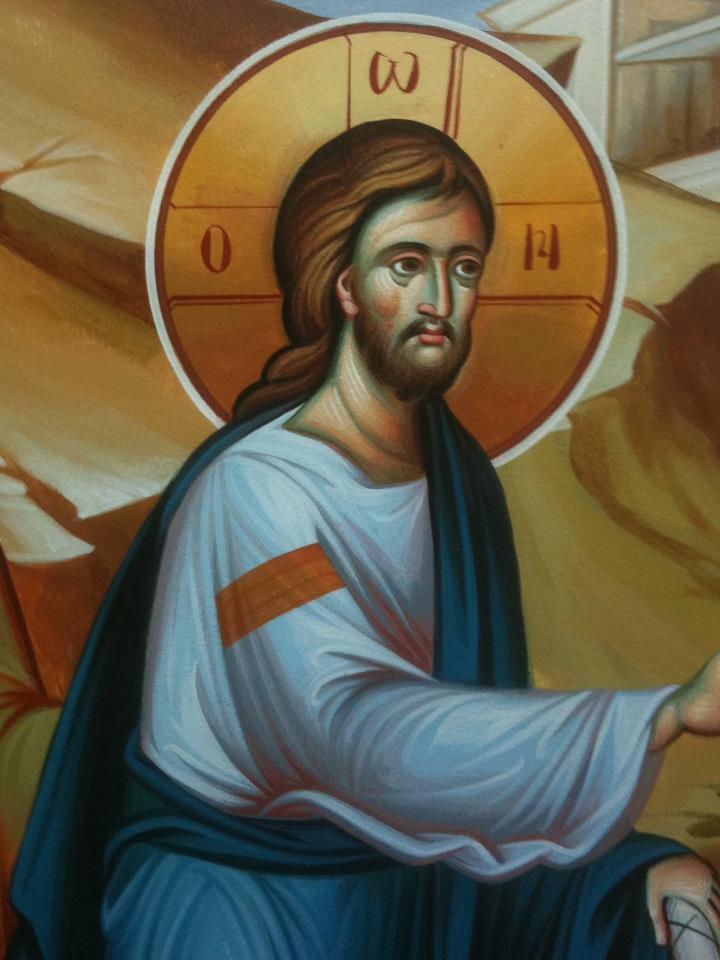
«Ο θυμός καθ’ εαυτόν είναι φυσικός. Όπως τα νεύρα στο σώμα. Είναι και αυτός νεύρον ψυχής και οφείλει να τον μεταχειρίζεται ο καθείς εναντίον των δαιμόνων, ανθρώπων αιρετικών, και παντός κωλύοντος από την όδόν του Θεού. Εάν δε θυμώνεις κατά των ομοψύχων αδελφών ή, εκτός εαυτού γενόμενος, χαλάς τα έργα των χειρών σου, γίνωσκε ότι κενοδοξίαν νοσείς και κάμνεις παράχρησιν του νεύρου της ψυχής. Απαλλάττεσαι δε διά της αγάπης προς πάντας και αληθούς ταπεινώσεως.
Διά τούτο όταν σοι έλθει θυμός κλείσε το στόμα σου δυνατά και μη ομιλήσεις εις τον υβρίζοντα ή ατιμάζοντα ή ελέγχοντα ή πολυειδώς σε πειράζοντα άνευ λόγου.
Ο άνθρωπος είναι πλασμένος ήμερος και λογικός και επομένως ο θυμός δεν αρμόζει ουδέποτε εις την φύσιν του, ενώ με την αγάπην πάντοτε ευδοκιμεί και υποτάσσεται. Με το καλό και με την αγάπην μπορείς να κάμεις πολλούς να ημερέψουν και αν κανείς είναι καλοπροαίρετος, τον κάμνεις ογλήγορα να συμμορφωθεί, να γένη Άγγελος Θεού».
«Μη ζητήσεις ποτέ σου να ευρείς το δίκαιον, διότι τότε έχεις το άδικον. Αλλά μάθε να υπομένεις ανδρείως τους πειρασμούς, οιουσδήποτε και αν επιτρέψει ο Κύριος.
Χωρίς πολλές δικαιολογίες να λέγεις «Ευλόγησον»! Και χωρίς να σφάλλεις να μετανοείς ότι έσφαλες. Εν επιγνώσει ψυχής και όχι απ’ έξω, δι΄ έπαινον, να λέγεις πως έσφαλες και μέσα να κατακρίνεις. Μη ζητάς εις τις θλίψεις σου παράκληση από τους ανθρώπους, διά να παρακληθείς από τον Θεόν. Μη νομίζεις ανάπαυσιν οπόταν ομιλήσεις, εάν ζητήσεις να ευρείς το δίκαιον. Το δίκαιον είναι να υπομείνεις ανδρείως τον επερχόμενον πειρασμόν διά να βγης νικητής καν έπταισες ή δεν έπταισες. Ει δε και λέγεις «μα διατί;» μάχεσαι τον Θεόν, τον αποστείλαντα λυπηρά διά την εμπαθή σου κατάσταση».
πηγή: Γέροντος Ιωσήφ του Ησυχαστού-διδασκαλίες, «Έκφρασις Μοναχικής εμπειρίας», εκδ. Ι. Μ. Φιλοθέου -Αγ. Όρος
Agioritikovima.gr

“And the servant of the Lord must not strive, but be gentile unto all men . . .” (II Timothy 2:24)
OUR PIOUS BROTHERS AND SISTERS, the laity in Christ, must also take care not to be led astray by the spirit of the world and to confuse imprudent zeal with the true spirit of evangelical love.
St. Nectarios of Aegina offers us, in just a few lines, an image of the true zealot of Christ:
“The zealot according to knowledge, motivated by the love of God and his neighbor, does all things with charity and self-effacement; he does nothing that might bring sorrow to his neighbor; such a zealot is enlightened by knowledge and nothing prompts him to deviate from what is morally right” (see Self-Knowledge, pp. 135-136).
The zealot blessed by Christ is a model for the true Christian, the principle characteristics of whom are fervent love for God and neighbor, gentleness, religious tolerance, forgiveness, graciousness of manner, and, in general, all of those fruits of one dwelling in the Holy Spirit.
By contrast, that unfortunate Christian who is inspired by zeal not according to knowledge is a “ruinous man” who literally turns the Gospel of Grace and love upside down.
Let us see how the saints of the Orthodox Church view the zealot whose zeal is not according to wisdom:
his zeal is a “seductive fire, a consuming fire”
“destruction comes forth from him and desolation follows in his wake”
“he beseeches God to send down fire from Heaven and to devour all of those who do not embrace his principles and convictions”
he is “characterized by hatred for those of other religions and confessions, envy and persistent anger, violent resistance to the true spirit of Divine law, an unreasonable obstinacy in defending his own views, a passionate zeal for prevailing in all things, the love of glory, quarrels, contention, and a love of turmoil” (St. Nectarios, ibid.).
Orthodox spirituality has always considered it essential that zeal go hand-in-hand with love, so as not to become deviant:
“Zeal for piety [or preserving the Church and Holy TraditionBMB] is a good thing, but when combined with love” (St. John Damascene, Patrologia Graeca, Vol. SCIV, col. 1436).
The magnificent epistle of St. Dionysios the Areopagite to the Monk Demophilos, in which he expounds in a God-inspired way on the subject of the extremes of importune zeal, shows that this “temptation” among the pious is ancient.
But now let us juxtapose with the demon of imprudent zeal the zealots of Patristic deity, calling to mind their Patristic precepts:
“We will not approve of your fits of rage, which are alien to genuine zeal (‘unenviable impulses’), even if you should invoke Phineas and Elias a thousand times” (St. Dionysios the Areopagite, Patrologia Graeca, Vol. III, col. 1096C, “Epistle to Demophilos the Monk [or Therapeutes, a term used by St. Dionysios for a monastic],” 5).
Likewise, our Savior, through the Apostle Paul, “teaches us that we should educate with gentleness those who reject the teaching of God”; “for the ignorant need to be instructed, not punished, just as we do not chastise the blind, but lead them by the hand” (ibid.).
Let the pious Faithful never forget that the criterion of the genuineness of our love is not imprudent zeal, but withdrawal from all of our passions:
“Strive to love every man equally, and in short you will drive out all of your passions” (St. Thalassios, Philokalia, Vol. 2, p. 213, and Patrologia Graeca, Vol. XCI, col. 1441B).
Our zeal for piety, like every other spiritual endeavor, is of doubtful purity and genuineness if it does not incline the heart towards love and humility:
“For every pursuit and every endeavor involving great toil that does not end up in love and a contrite spirit is futile, and yields no profitable result” (St. Symeon the New Theologian, Catechesis I, Sources Chretiennes, Vol. 96, pp. 143-145).
Hence: “Zeal for piety is a good thing, but when combined with love!”
Metropolitan Cyprian of Oropos and Fili
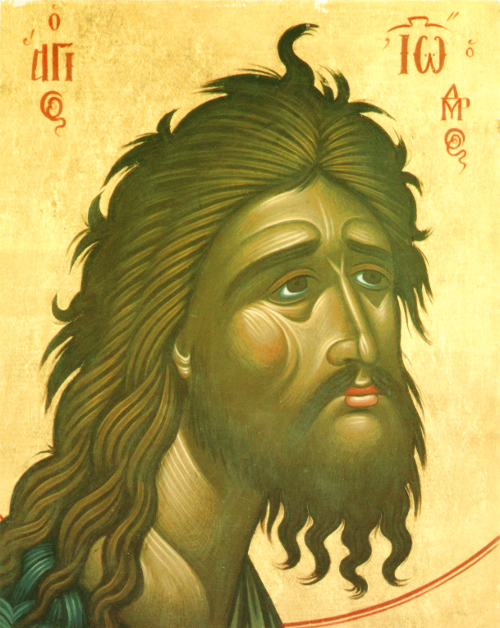
Just as we are referring to the wonders performed by Saint John, The Baptist, in the present times, we are not departing from our purpose if we also refer to some miracles performed in the past, which have so far been unknown to most of our brothers, through which it is brilliantly manifested how he protects and helps the monastery and its monks…
We will omit the totally unexpected and paradoxical appearance of this protection by the Saint, because its detailed description is read during the joint feast on the day of its commemoration, the Fourth Sunday of Lent.
Let’s talk about some events which took place in the island of Poros, and refer to the dangers which those who were at sea have avoided from the day of their departure. In order to avoid talking about these things ourselves, let’s us present the account given by the Abbot Stephanos, who refers to the reasons for this sea voyage and to some historical facts. (These accounts are found in Code 627 of the monastery, 1733-1833).
He writes: “Kassandra has fallen, everyone have been taken captives by the agarinous(Turks) who have even been threatening to capture Ayio Oros. When the monks saw the Turks advancing, they picked up their holy relics and left towards romeiko. I also left among them, with my holy relics. Taking those of the monks who wanted to leave, we deserted the monastery on the 23 of February 1821. That night, there was a storm and high seas, but nevertheless, were embarked and let the waves take us whenever they wanted. During the night we arrived at Amouliani and moored. All the ships belonging to the kleftes also anchored there, but God did not give them permission to touch us.
We got up in the morning, the weather was better. We sailed towards the monastery again, so that we could take some of the things which we had left behind together with the other seven monks. However, a boat from Psara hunted us down; they fired four shots with their guns but we managed to escape towards the port of Sikia and they couldn’t reach us.
While at sea, we met with a lot of dangerous people, who had the same faith as us, but the Lord freed us from all evil. Finally we reached the island of Poros. There, our Christian brothers helped us, despite the presence of some evil people who wanted at first to harm us. Saint John, however, protected us. One such person, a marauder, who wanted us to hand over some silver to decorate his guns, threatened to visit us during the night and do us a lot of harm. Therefore, seeing that I had no choice, I gave him a silver lantern, weighing 80 ounces, and left it to Saint John to judge.
A few days later, the poor guy who got the silver died from dysentery. Then I related everything to his brother, who was a very good man. He was saddened and said to me: “St John certainly killed him”. Then, he run to his brother’s house; he was looking to verify the matter and when he found all the silver he brought it straight back to us, crying bitterly all the way…
Another one, who was the first captain in Poros, took the oars from our boat, bowing to his own wishes and while he was on his boat on the way towards Piada, he had a fight with others. When they shot at each other, one bullet went through one of our oars and hit him on the thigh. Afterwards, he returned to Poros and gave the oars back to us. He even carried out twice, a blessing of water in front of St John’s holy relic but he was not cured. He later died even though his wound was not fatal.
All these have been made known to everyone and the whole world. What happened next? Those villains, who intended to come during the night and steal all our belongings later, became our protectors. Even the Greek parliament sent a boat and a letter to the provosts of the island to send us on our way to Korinthos, which was free from the Turks at the time, but the people of Poros would in no way let us go. This was a miracle performed by Saint John because had we gone, we would have surely lost the treasures of the monastery, since Korinthos’ castle fell once again to the Turks after a little while. The people of Poros did this good deed to us and Saint John benefited them a lot in return. From these I will tell you one:
For seven years they had been suffering from the presence of locusts and they have been losing all they had. Not only the locusts would not leave even a single green leaf but they would eat away even the peels from the lemon trees. As soon as a procession was launched with the relic of the holy, right hand of Saint John leading the way, all the locusts disappeared and the people were consoled because they had started reaping the fruits of their efforts. Indicatively, those days we never needed a doctor, because of the presence of Saint John. They had so benefited from all the miracles that were happening that they wanted us to live at the monastery of Zoodohou Pigis. We did, and we no longer had any material needs. Until the Turks torched Psara from one end to the other and we got scared and left for Eptanisa, the island of Zakinthos. There, the Christians welcomed us and we lived peacefully for four years, truly contended.
When the governor, John Kapodistrias, arrived in Greece, we left Zakinthos and returned to Greece, to the island of Skopelos, at our metohi of Faneromeni, where we stayed for one and a half years. Then, we eventually returned to our own holy monastery with our entire collection of holy relics. Glory be to the Lord, to His Holy Mother, our benefactor, and to our protector, Saint John, for everything. We returned to our monastery on the 5th June 1830. I beg the readers to pray for me, the humble abbot Stephanos, so that my soul finds mercy in the Lord, because of your holy prayers. Amen.
2. A miracle performed by the holy right hand of Saint John.
On Monday, the 16th of May 1961, during the Holy liturgy in honor of the Holy Spirit, ieromonahos Paul, described to me the miracle performed by the right hand of Saint John:
“Did you realize what has happened to me during the liturgy, father Lazaros?”
“What? Please explain to me better”.
“Of course you must have heard me how difficult it was for me to chant because my throat was closed up as a result of the long standing laryngitis”.
“Yes, I did realize this. I was even asking myself how you were going to offer the prayers during the liturgy, especially today when there is a sillitourgo”.
“Listen then. When the priests gathered in the church to take “kero” seeing that I was in such a state, I asked the abbot to bless me with the Saint’s holy hand and to cross me with it. The abbot agreed and crossed me on the head with the hand and offered the specific prayer. I also worshipped the hand, praying with fervor and adoration to the saint to cure me from this illness so that I could offer glory to the Lord, chant the proper hymns and read the Gospel clearly and loudly as I should on such a holy day. This is what I more or less said to the saint. And lo! and behold! The great Saint rushed to give me a fast and wonderful response! I immediately felt the presence of Grace, my throat softened up, my voice could now be heard, and in complete comfort, I gave the responses and I read the Gospel. I then offered sincere and heartfelt thanks from the bottom of my heart to our glorious protector, our Lord’s Baptist, with whose intervention we hope to have a blessed end to our lives, and be received in the k. Let it be done, father! Let it be done!”

Η εικόνα αυτή βρισκόταν από πολύ παλιά στο Καθολικό της Ιεράς Μονής Βατοπεδίου στον κίονα του αριστερού χορού.
Το 1730 όμως εξαφανίστηκε ξαφνικά από τη θέση της, ενώ οι πύλες του ναού ήταν κλειδωμένες, και έτσι η εικόνα μεταφέρθηκε πίσω στη θέση της, ενώ οι Βατοπεδινοί πατέρες έλαβαν αυστηρότατα μέτρα ασφάλειας και σφράγισαν το ναό.
Σε λίγη ώρα, όταν ανοίχτηκε η εκκλησία, για την ακολουθία, η εικόνα έλειπε και πάλι από τη θέση της και πολύ σύντομα έφρανε είδηση από τη Μονή του Ξενοφώντος ότι βρέθηκε και πάλι στην αντίστοιχή θέση του εκεί Καθολικού.
Οι Βατοπεδινοί πείσθηκαν για το θαύμα και αποφάσισαν να μην αντισταθούν άλλο στη θέληση της Θεομήτορος.
Έτρεξαν στη Μονή Ξενοφώντος για να προσκυνήσουν την ";Οδηγήτρια"; και για πολύ καιρό της έστελναν λάδι και κερί στη νέα της κατοικία.
 1. Τη συμπεριφορά μας να τη στολίζη το μέτρο. Χωρίς το μέτρο, ακόμη κι αυτά, πού θεωρούνται ως καλά, καταντούν βαρετά και βλαβερά.
2. Δεν μπορείς να νικήσης την αμαρτία, αν δεν φύγης από τα αίτια, πού τη γεννούν. Και τα κυριώτερά της αίτια είναι: Η πολλή ανάπαυση, η καλοπέραση, τα χρήματα, η συναναστροφή με το άλλο φύλο, το ποτό κ.λ.π. Όχι πώς αυτά καθεαυτά είναι αμαρτία, αλλά η κακή χρήση αυτών των πραγμάτων εύκολα μας παρασύρει προς την αμαρτία. Για τούτο ο άνθρωπος πρέπει να προσέχη από όλ’ αυτά. Είπε κάποιος: «Μή χορτάσης ψωμί, και δεν θα επιθυμήσης κρασί». Αυτό θέλει να ‘πή ότι η πτώση σ’ ένα πάθος οδηγεί σε πτώση και σ’ άλλο πάθος.
3. Το ουσιαστικά μοναδικό κακό στον άνθρωπο είναι μόνον η αμαρτία. Να φοβάστε την αμαρτία. Αυτόν, πού φοβάται τις αμαρτίες, τον φυλάττει ο Θεός στον δρόμο της ζωής του. Κι αν συμβή και σκοντάψη σε κάποιο σφάλμα, τον προφθάνει όμως ο Κύριος και τον βοηθεί σύμφωνα με το μεγάλο Του έλεος!
4. Αυτά, πού λέγεις, κι αυτά, πού στοχάζεσαι στη διάρκεια της ημέρας, γεννούν ανάλογα όνειρα στη διάρκεια της νύκτας. Αν όλη την ημέρα προσεύχεσαι και κάνης καλούς λογισμούς, θα ‘χης ύπνο ήρεμο και όνειρα καλά. Αν όλη την ήμερα αργολογής και συγκατατίθεσαι στους αμαρτωλούς λογισμούς, θα ‘χης και ύπνο άσχημο, μαζί και πειρασμούς.
5. Τέλεια αμαρτία είναι, όταν τη διαπράττη κανείς και με τον λογισμό και με το σώμα. Κατά το ήμισυ αμαρτία είναι, όταν αφίνης τον λογισμό μόνο να σκέφτεται την αμαρτία. Αλλ’ όμως δεν μένει ατιμώρητος ούτε κι αυτός, πού, έστω και κατά διάνοιαν μόνο, αμαρτάνει.
6. Αυτό είναι ο αόρατος πόλεμος: Το να πολεμά ο άνθρωπος να νικά την αμαρτία από το στάδιο των λογισμών, οπότε ασφαλώς θα αποφεύγη και τις αμαρτωλές πράξεις.
7. Η αγάπη μαζί με την ταπείνωση είναι οι δύο φτερούγες, τις οποίες, αν αποκτήσουμε, γινόμαστε «ως αετοί υπόπτεροι», και μπορούμε να φθάσουμε μέχρι τους επτά ουρανούς! Για τούτο να μή αμελούμε τον αγώνα γι’ αυτές τις δύο κορυφαίες αρετές.
8. Πρέπει πάντοτε να έχωμε μνήμη Θεού. Και ο,τι πρόκειται να κάνουμε, η να ειπούμε, η να σκεφτούμε πρέπει να ερωτούμε τον εαυτό μας: «Αρέσει αυτό στον Θεό; Είναι καλό;» Και η φωνή του Θεού, η συνείδηση, θα μας απαντήση μέσα μας αν είναι καλό η όχι. Γι’ αυτό και τώρα, πού αρχίζετε τον πνευματικό αγώνα, να βάλετε καλή αρχή, για να είναι και το τέλος καλό
pentapostagma.gr

Pride, of course, is the head of the family of the seven capital sins in Christian tradition, the granddaddy of evil. It might seem like it only appears in the ownership of mansions, sportscars, and the ability to command untold numbers of other people to fan you with banana leaves. But pride is a problem of anyone who can somehow look in the mirror and pronounce the word invincible.
You may remember the story in the Bible of the Pharisee and the tax collector who visit the Temple to pray (Luke 18:9-14 ). The tax collector who earns his bread by extorting from his own people the large taxes and tolls the occupying Roman forces require knows he is a terrible sinner and makes no bones about it. He buries his face in his hands and begs God for mercy.
The Pharisee, a ¨religiοus man¨, feels no such guilt or need for divine help. He smugly thanks God he is not like that sinner, the tax collector, and then goes on to bend the Almighty’s ear with his ¨ hefty spiritual accomplishments¨. He somehow forgets to mention any possible failures. This is a man who knows his strengths but is unfamiliar with his weaknesses!!
Such is the sound of spiritual pride or arrogance.
In God’s eyes, spiritual arrogance is not to be taken lightly.
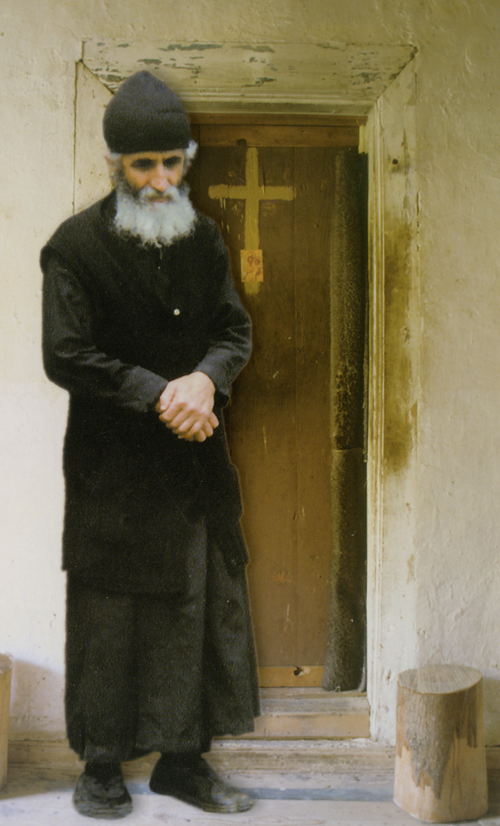
Eventually, Elder Paissios got cancer and was taken into hospital in Thessaloniki. At the hospital, they looked after him as best they could. Nevertheless, his cancer spread so much that the end was very near. His departure for Heaven was a matter of time. He had been preparing himself for this journey all his life. Thus, for whatever time was left, he wished to stay at the monastery of St John the Apostle in Souroti. Mr. Christofer Oikonomou, now deceased, was near him and he describes in a letter geronta’s departure from the hospital.
“Today, Fr Paisios left the hospital. There were many people there. We were told that he would give his blessing in the reception. Lots of people, women, doctors, nurses, even the ailing, were swarming besides him. He lifted up his hand and said goodbye to those sick in the other rooms. There was this man, who had the drip on his hand, bowed to kiss Fr Paisios’s hand, but Fr. Paisios kissed his instead. While standing in front of the lift, he blessed us all. He went into the lift to go down in the street. We all run down the stairs to see him for the last time. People surrounded the car while snowflakes danced on the street. The nurse was admonishing us so that people would let him get in the car, because he was sick and very weak.
He finally got in the car after crossing himself. Everyone was trying to touch him, some were holding his hand, and some were touching the glass of the window. The car began leaving very slowly because there was a lot of traffic. Even then, doctors, nurses, all came down to say goodbye and were touching the car’s windows, since the car was moving very slowly. His car passed in front of my house”.
Mr Christopher continues:
“What was that all about? People were following him as if he was the Messiah. It was like something out of Palm Sunday, except that we had a car instead of the donkey! Everyone was moved, some women were crying. He, himself was also touched because of the abundant love that people were showering him with. It was as if he was saying that he would pay everyone back with a lot of praying”.
And Mr Christopher went on to reflect:
“Does our generation owe little to the prayers of this man? He is a saint amongst us. He is the incarnation of the fulfillment of the Gospel”.
Fr Paisios died on the 12th July 1994.
The last days of gerontas Paissios eventually, gerontas Paisios got cancer and was taken into hospital in Thessaloniki. At the hospital, they looked after him as best they could. Nevertheless, his cancer spread so much that the end was very near. His departure for Heaven was a matter of time. He had been preparing himself for this journey all his life. Thus, for whatever time was left, he wished to stay at the monastery of St John the Apostle in Souroti. Mr. Christofer Oikonomou, now deceased, was near him and he describes in a letter geronta’s departure from the hospital.“Today, Fr Paisios left the hospital. There were many people there. We were told that he would give his blessing in the reception. Lots of people, women, doctors, nurses, even the ailing, were swarming besides him. He lifted up his hand and said goodbye to those sick in the other rooms. There was this man, who had the drip on his hand, bowed to kiss Fr Paisios’s hand, but Fr. Paisios kissed his instead. While standing in front of the lift, he blessed us all. He went into the lift to go down in the street. We all run down the stairs to see him for the last time. People surrounded the car while snowflakes danced on the street. The nurse was admonishing us so that people would let him get in the car, because he was sick and very weak. He finally got in the car after crossing himself. Everyone was trying to touch him, some were holding his hand, and some were touching the glass of the window. The car began leaving very slowly because there was a lot of traffic. Even then, doctors, nurses, all came down to say goodbye and were touching the car’s windows, since the car was moving very slowly. His car passed in front of my house”.Fr Christopher continues:“What was that all about? People were following him as if he was the Messiah. It was like something out of Palm Sunday, except that we had a car instead of the donkey! Everyone was moved, some women were crying. He, himself was also touched because of the abundant love that people were showering him with. It was as if he was saying that he would pay everyone back with a lot of praying”.And Fr Christopher went on to reflect:“Does our generation owe little to the prayers of this man? He is a saint amongst us. He is the incarnation of the fulfillment of the Gospel”.Fr Paisios died on the 12th July 1994.

May an angel of God, my child, follow you and show you the path of God and of your salvation. Amen; so be it. I pray that God gives you health of soul, for this is a special gift of sonship which is bestowed only upon those souls that have been completely devoted to the worship and love of God.
The world attracts the youth like a magnet; worldly things have great power over the newly enlightened soul that just started to find its bearings and see its purpose in life and the duty calling him. “Friendship with the world is enmity with God. Whoever, therefore, wants to be a friend of the world makes himself an enemy of God.” [1] God has stored up pleausres for eternity, for both He and our soul are eternal. There is no comparison between the pleasures of the world and the pure pleasures of God.
The pleasures of the world are obtained with toil and expenses, and after their momentary enjoyment, they are followed by various consequences, so that they are incorrectly called pleasures. The pleasures of God, however, do not have such consequences, because spiritual pleasures down here on earth are the firstfruits of an eternal series of pleasures and delights in the kingdom of God. Whereas on the contrary, one who has been corrupted by the pleasures of the world is compelled to undergo eternal damnation along with the first instigator of corruption, the devil.
The time of our life, my child, has been given to us as a sum of money so that each of us may trade for his salvation, and depending on the trade we deal in, we shall become either rich or poor. If we take advantage of the “money” of time by trading to increase our spiritual wealth, then we shall truly be skilled traders, and we shall hear the blessed voice: “Well done, good and faithful servant! You were faithful over a few things, I will make you ruler over many things. Enter into the joy of your Lord.” [2]
At the end of our life, an exact account will be demanded of each one of us: how and where we spent the money of time, and woe to us if we have squandered it in movie theaters, in entertainments, in debauchery, in futile dreams, in carnal pleasures. Then what defense will our tied tongue be able to utter, and how will we be able to lift up our eyes and see our Christ, when He enumerates the countless benefactions which His boundless love profusely poured upon us?
Now that we have time, now that the money of time has not yet been spent completely and we still have it at our disposal, let us reflect sensibly on the vagrant world which seeks to rob us. Let us push it away like a putrid dead dog, and with that money let us run to buy precious works which, when tried by fire, will become very brightgifts worthy of our Holy God, fit to be used as a decoration in the holy Jerusalem of Heaven. We should not purchase chaff, that is, punishable works of darkness, for we shall go down with them into the eternal fire of damnation, where the multitude of people who embezzled God’s gifts will reap whatever they sowed! Sow good works with tears, and then in a time of visitation you will reap the sheaves of enjoying eternal life!
2. It is from God that you are being tested, because He is training you for battle; He is drilling you, just like the soldiers who are trained through severe labors in their drills. There, first they learn the theory of warfare, and then at the sound of the trumpet in the real war, since they have already been trained, they rush into the battle with the inner assurance that they know how to fight, and they are ready to sacrifice themselves for their cause and ideology.
You are also in a similar situation: since you have been called to become soldiers of Christ and to fight against His enemy, He trains you in order to ascertain your love towards Him: “Who is it that loves me, but he who keeps my commandments?” [3] Take courage, my children; remain loyal and dedicated to Him Who has loved you with perfect love.
Before a battle begins, the generals boost the soldiers’ spirits by singing various battle hymns and relating various stories of heroic deeds to kindle their sense of self-sacrifice. This tactic gives them great strength and bravery in the battle about to be fought.
Likewise, we too should contemplate, as the Saints did, the struggles of the martyrs and of the holy monks: how they lived ascetically, how they renounced the world and everyone, and how nothing prevented them from following the path that leads to Jesus. This contemplation will greatly strengthen your good disposition and intention, for there have been many who were unaware of the concealed traps, with the result that their souls succumbed to temptation and thus they fell from the hope of eternal life.
Contemplate the love of our Jesus; the love of Jesus will overpower every other natural love. The more we renounce, the more love of God we shall enjoy.
Let us attend on high, where Jesus sits at the right hand of God. Let our eyes look on high, for the eternal and everlasting things are above, not below; for everything here is dust and ashes. Reflect on the luxuriousness of heaven: the infinite wisdom of God is there; inconceivable beauty is there; the angelic melodies are there; the riches of divine love are there; the life free from pain is there; the tears and sighs will be taken away there; only joy, love, peace, an eternal Pascha, and an unending festival are there, “Oh, the depth of the riches and knowledge of God!” [4] “Eye has not seen, nor ear heard, nor have entered into the heart of man the things which God has prepared for those who love Him.” [5]
Attend to the prayer; persevere in prayer, and it will put everything in order. Do not yield at all; remain firm in your holy goal. Remain beside Jesus to live with spiritual happiness. There is no happiness anywhere except in Christ. So-called “happiness” outside of Christ is incorrectly called happiness, since it is obtained with reprehensible means and since it ends quickly and leads man to the eternal unhappiness.
Struggle, my children; the angels are weaving crowns with flowers of paradise. Our Christ regards the struggle as a martyrdomwhat is more excellent than to be a martyr for Christ!
3. I received your letter, my child, and we all rejoiced at your firm desire and wonderful aspiration for monasticism. “I have chosen to be an outcast in the house of my God rather than to dwell in the tents of sinners.” [6] May no other love separate you from the love of Christ; consider everything rubbish so that you may gain Christ. The sufferings of this present life are not worthy to be compared with the future glory which will be given to those who struggle. [7] Now is the time for struggles, afflictions, and labors for God; whereas the future is the time for crowns of eternal glory, rewards, praises, and dwelling together with the holy angels beside the supreme throne of God.
Youth passes by silently; the years roll by quietly, imperceptibly, like the water in a creek; hours disappear like smoke in the wind. This is how the present life passes and vanishes. God’s strugglers advance toward eternal prizes of glory, whereas the indolent and lovers of the world proceed towards an eternal damnation with the demons.
The allurements of the world and its pleasures will transform into eternal affliction and pain for those who delight in them, if they do not repent. While on the contrary, for the people of God a little deprivation will be recompensed by an eternal felicity and blessedness of God.
Do not let familial affection hinder you; reflect that you will be alone in the hour of death, and then you will need to have God as a helper. So if you love Him more than them, you will have Him. But if you succumb, you will reap the crops of bitter remorse all on your own. So for the love of our Christ, make the decision and begin your new life.
4. (To a spiritual daughter)
Everything depends on your will. Entreat our Panagia very fervently to warm your holy desire, so that you decide with self-denial to renounce the vain world along with that dream which is called life, and to follow Christ the Bridegroom, Who will give you Himself and His sweetest love, and will count you worthy to become an heir of His kingdom. Entreat the Panagia to help you make the holy decision, and when she does, make the sign of the cross and follow the salvific voice of Jesus, saying: “If anyone desires to come after Me, let him deny himself, and take up his cross, and follow Me.” [8]
In the dreadful hour of death, no one will help us; only the good works that we have done for God and our soul will help us. Therefore, since the monastic life in general consists of Works of God which are very conducive to our soul’s salvation, why shouldn’t we sacrifice everything to live such a life which will make us rich in the kingdom of God? “For what will it profit a man if he gains the whole world, and loses his own soul?” [9]
The life of man hangs by a hair; at every step, our life hangs in the balance. How many millions of people woke up in the morning, never to see the evening? How many millions of people fell asleep, never to wake up? Indeed, the life of man is a dream. In a dream, one sees things that do not exist: he might see that he is crowned a king, but when he wakes up, he sees that in reality he is just a pauper.
In this life that we live, man labors to become rich, to become educated, to have an easy life, to become great; but unfortunately, death comes and foils everything. Then what he labored for all his life is taken by others, while he leaves life with a guilty conscience and a soiled soul. Who is wise and will understand these things and will renounce them and follow Christ the Bridegroom, so that all the works he will do will be recompensed infinitely in His kingdom?
Always, my daughter, remember death and the judgment of God which we will unavoidably undergo. Bear them in mind to have more fear of God, and weep for your sins, because tears console the soul of him who weeps.
5. My spiritual daughter, I pray that peace and divine joy may accompany your life. Amen.
I received your letter and saw your joy. I pray that this joy will be the firstfruits of a continual spiritual harvest, of a new life totally dedicated to the unrivaled love of God. Now you have experienced the fruits of the Spirit. If you were so invigorated by experiencing a little, how much more will you be invigorated when you find yourself in a completely spiritual environment!
Everywhere and until the end of our life we shall undergo temptations: even in a monastery, even in the wilderness, if we happen to be there. However, if we are far from the world we shall have the freedom to fight the battle in an open place, where we shall be able to gather spiritual reinforcements to help us, with high hopes of eternally winning the prize for which we have been called heavenward. [10] Here we have no continuing city, but we seek a future, eternal, glorious one! [11] The form of this world is passing away, [12] whereas he who does good works abides unto the ages.
Struggle, my child, with all your strength. Do not give joy to Satan by neglecting your duties, but give him bitterness by performing them with precision and eagerness. Satan will not stop shooting poisoned arrows at you with various thoughts, and especially with filthy thoughts. But prepare yourself to battle valiantly to obtain the unfading crown. As soon as a bad thought appears, immediately destroy the fantasy and say the prayer at once, and behold, your deliverance will come!
Do not be afraid when you see the battle, lest you lose your morale; but invoke the Almighty God and humble yourself very much. Rebuke yourself with the worst names and convince yourself that this is how you really are. And then from this point begin the battle with the prayer. Be careful, for the battle we conduct is not slight; we have to fight with principalities and powers, and it takes prudence and caution to fight well, for something good is not good if it is not done properly.
I pray that you have a good fight, and be careful with the people you keep company with….
With many prayers and blessings,
Your lowly Elder Ephraim Arizona

Being
a woman has never been an easy task, ever since God said to Eve, “In pain you shall bring forth children” (Genesis 3:16). But up until this century, it was at least a fairly straightforward one. Every little girl grew up knowing exactly what was required of her in life, and learned, if not to like it, at least to accept it.
In
the twentieth century, all this has changed.
Not that being a woman has gotten any easier, in spite of multitudes of “labor-saving” household devices and the rather dubious advantages of
“having it all.” (What nobody told my generation, the later baby-boomers, when we were embarking on our careers and families was that “having it all” really only meant having twice as much work!) But while hard work is still with us, modern women have lost their clear direction for life.
We are confronted with a cacophony of voices and choices, each beckoning us onto a different path that promises “fulfillment’.
The
world gives us many options, ranging from the ultra-conservative image of the cowering, mouselike wife living in total subjection to her overbearing husband, to the upwardly mobile business or professional woman who can’t be bothered with annoying distractions such as children.
On the farthest fringe, we hear the radical feminists calling every woman to become a (preferably Lesbian) manifestation of the earth-goddess.
Although
the world offers these and countless other choices, it fails to provide any satisfactory means of determining which of these paths (if any) is really the right one. Even the various churches have not been able to present a united front or to give women any clear, reliable direction as to how we ought to order our lives or what sort of model we ought to follow.
Indeed,
most churches seem to be just as confused as individual women are as to how to respond to rapidly changing social conditions and the demands of feminism.
So
where does all this leave us? Must we choose between equally unacceptable extremes, or is there another way? Is there a way that offers peace amidst chaos; that speaks of balance and right
proportion; that offers eternal rather than temporal regards; that promises true fulfillment, not of passing earthly desires and ambitions, but of the deepest longings of our souls?
There
is indeed such a way, and it is to be found within the Orthodox Church.
The Orthodox model of womanhood is based upon the wisdom of the ages rather than the shifting sands of philosophical fads.
The Orthodox way sees woman as God sees her – as a creature of honor and dignity, with gifts and responsibilities uniquely her own, with her own
essential role to play in the salvation of mankind.
To
flesh out that vision and see it more clearly, we must look first at the historical development of the place of women within the community of faith.
IN
THE BEGINNING
To
understand the history of women in the Church, we have to go back to the very beginning: to Eve. Church Fathers and scholars have expressed a variety of opinions about Eve, about the nature of her relationship with Adam before the Fall, and about the true significance of the “curse” laid on her after the Fall. But beyond all the controversy, several things are clear:
I)
Eve was created in the image of God, just as was Adam. “So God created man in His own image; in the image of God He created him; male and female He created them” (Genesis 1:27). In their essence as created beings, men and women stand with equal worth and honor before God.
2)
Eve was created to be Adam’s “helper” (Genesis 2:18). This does not mean she was to be his servant, still less his slave. The Hebrew word used here (ezer) is often used of God Himself as the Helper of His people. Clearly, the relationship intended is one of mutual cooperation, not of domination. Adam, on the other hand, was given the task of naming the animals before Eve was made from his rib: so the work of “subduing the earth” was primarily his.
3)
Eve, as we all know, made a dreadful mistake. She listened to the seductive words of the serpent and, without consulting her husband, ate the forbidden fruit, thus condemning herself and all her progeny to a life outside Paradise. Some have speculated that Satan chose to tempt Eve rather than Adam, not because she was weaker, but because he knew that Adam would follow her in her sin (making him equally guilty). The righteousness of the world was
entrusted to Eve’s keeping, but she did not keep the trust.
4)
As a result of her sin, Eve was condemned to sorrow and pain in childbearing, and to a life of subordination to her husband (Genesis 3: 16). The wording of this curse (“you shall have sorrow… he shall rule”) suggests that God was simply predicting what would happen to women living in a fallen world, rather than deliberately laying a punishment upon them. Certainly the curse is an accurate description of what happens to women when they are left at the mercy of fallen men.
So
we have a picture of God’s intention for men and women—a relationship of loving cooperation between two people equal in value and honor, but differing in roles. And we have a picture of that relationship perverted by sin: women bound by their own desire and their need for children to men who wrongfully dominate and belittle them. But in that very hour when God pronounced the fate of fallen woman, he also pronounced her hope: the Seed that would bruise Satan’s head.
THE
SECOND MOTHER
The
next great epoch in the history of women is embodied by the one who has been called the second Eve, as Christ is the second Adam: Mary, the Mother of God. As it was given to a woman to exercise her free will to banish all humanity from
Paradise, so it was given to a woman to provide, by her own will, the means of man’s restoration to his blessed state. Without Mary’s willing and complete
surrender to the will of God, there could have been no Incarnation, and thus no crucifixion and no Resurrection—in other words, no Savior and no salvation for mankind.
As
Eve was the mother of all mankind, so it was through motherhood that Mary gave this most precious gift to all humanity. Thus Mary became the Mother of all those who would become the children of God. In Mary we see the epitome of all that redeemed woman can become— a state even more glorious than that Eve held before her Fall. Consider some of the qualities that make Mary, the Mother of God, the ultimate model around which our lives, even in this modern, frenetic day and age. can and must be molded:
1)
Mary willingly submitted to the will of God. Although she was chosen, she was not forced: her obedience was voluntary and wholehearted. Later,
as Joseph’s wife, she also submitted willingly to her husband—she who had known God more intimately than any other human being as she carried Him within her womb.
2) Mary responded to God in faith. What was asked of her must have been frightening and was certainly dangerous; but Mary trusted the love of God for her
protection.
3) Mary risked everything for motherhood. In her society, for a young woman to become pregnant outside of marriage was the ultimate degradation.
Had Joseph been a hardhearted man, Mary could have become a complete pariah, ostracized by her neighbors, unable to marry, with no means of supporting herself and her child. How many women in our society have chosen abortion rather than
face circumstances less difficult than these? But Mary chose rather to risk her own life to give life to another.
4)
Mary took on the role of interceding for men and of leading them to Christ.
At the wedding at Cana, she first made known the people’s need to her Son, knowing in spite of His protests that He would fill that need; then she said to the people, “Whatever He says to you, do it” (John 2:5). She thereby exhorts us all, her spiritual children, to respond to Christ with the same loving,
trusting obedience she herself showed.
Paul
Evdokimov, in his book Woman and the Salvation of the World (St. Vladimir’s Seminary Press. 1994), sums up the spiritual role (or “charism”)
of women, as exemplified by Mary, thus: to give birth to Christ in other people.
We may be called to physical motherhood, to pass on our faith to our children: or we may be called to spiritual motherhood, to show forth the image of Christ to all men and call them to Him.
WOMEN
IN THE CHURCH
Christ
showed, through His own behavior to women and through His teaching to His disciples, that while the place for proper headship and divinely established
authority remained a constant both in the home and in the Church, a significant shift had occurred in the old order of male/female relationships which had
prevailed since the Fall. Christ treated women with dignity, respect, and compassion.
In His teaching on marriage (Matthew 19:3-9), He restored their marital rights to what they had been “in the beginning,” before allowances had to be made for the hardness of men’s hearts. Through the redemption accomplished by His death and Resurrection, Christ made it possible for men and women once again to strive for the ideal established in Paradise: a loving cooperation between equals with different, complementary roles.
This
ideal was largely upheld in the first few centuries of the Church. Women swelled the ranks of the saints and martyrs, giving their lives to God in a variety of
roles, including those of prophetess, teacher, and deaconess as well as the more traditional ones of wife, mother, and performer of charitable works. When men began to seek the desert as a place to live out a more radical commitment to God, women—beginning with Saint Mary of Egypt, to whose holiness even Saint Anthony the Great deferred — were not far behind.
Within
the family, the position of women was better among Christians than it had ever been before. While Saint Paul exhorted wives to submit to their husbands—which was nothing new—he also, even more strongly, exhorted men to love their wives “as Christ also loved the church” (Ephesians 5:25)—in other words, to the point of giving their lives for them. This was something new. The ancient curse was beginning to crumble.
At
the same time, however, there were teachers in the Church who held to a view of women more in keeping with the views of their Jewish forebears (succinctly expressed in the traditional male prayer, “Thank You, Lord, that You did not make me a
woman”). Some blamed women entirely for the Fall and claimed that they were inherently evil, to be avoided by any man who would seek righteousness. Some insisted that marriage and sexuality came into being only after the Fall and
were nothing but a necessary evil for the propagation of the species. One cannot but suspect that these men—mostly celibates— were misplacing the blame for their troublesome bodily passions, assigning that blame not to their own fallen nature and the temptation of the devil, but to the unfortunate and inadvertent object of those passions. woman.
As
the centuries went by, this distorted view began to exert a greater influence over the Church’s attitude toward and treatment of women. Women gradually came to be excluded from the diaconate and from other ministries in which they had previously taken an equal part with men. Women who achieved sanctity were praised as having “overcome” their weak and evil feminine nature and become as righteous as men.
Women
never completely lost their champions, however. In the nineteenth century in Russia, feminine spirituality began to come into its own again. Several notable elders, including Saint Seraphim of Sarov and Saint Theophan the Recluse, made it their business to encourage women, both in the world and in the monastic life. Both of these men founded and directed women’s monasteries, and offered spiritual direction to countless laywomen, in person or through correspondence.
These godly men had the prophetic insight that it would be primarily through women that the Faith would be preserved in Russia during the seventy years of communist persecution, and they wanted women to be prepared.
ORTHODOX
WOMEN TODAY
Not
surprisingly, the position of women in the Orthodox Church today reflects both sides of this history—that which would abase them along with that which affirms their dignity.
On
the one hand, it cannot be denied that there are parishes in which women are permitted to do only those tasks which the men consider “women’s work” and therefore “beneath” them—cleaning the church, taking care of the children, baking the prosphora. In fact, of course, these traditionally female tasks are just as honorable and just as essential to the life of the Church as any of the more public or glamorous tasks which these men reserve to themselves; nevertheless, they do not exhaust the spectrum of women’s gifts and therefore should not circumscribe their contribution.
On
the other hand, there are many parishes in which women serve in every capacity except those of the ordained clergy—as chanters, readers, choir directors; as teachers, administrators, parish council members; as helpers to the clergy in all sorts of works of mercy.
While
Orthodox practice in some places reflects the overmasculinization of our culture as a whole, the solution to this problem is not to be found in feminism, even of the so-called “Christian” variety. The fundamental error of feminism is the same as that of the male-dominated culture that feminism is reacting against: the error of believing that masculine qualities, such as leadership, physical
strength, analytical thinking, and strict justice, are inherently superior to feminine qualities, such as nurturing, gentleness, intuition, and mercy. Instead
of striving to win men’s respect for feminine qualities, feminists tried to empower women by transforming them into imitation men.
“Christian”
feminism, while less vehement in some respects than the secular variety, still attempts to raise the position of women in the Church by placing them in roles traditionally reserved for men, such as the priesthood, instead of by exhorting the Church to accept and honor women in the ministries for which they are naturally and/or spiritually gifted. The masculinization of women which inevitably results from this mistaken approach is one of many reasons that the Orthodox Church has steadfastly maintained its traditional stance against the female priesthood and the “feminization” of God.
In
spite of those weaknesses which characterize every human institution, the Orthodox Church still provides, in her Tradition and very often in practice, the strongest witness to be found in the modern world to the godly model of womanhood
that we have been trying to define. We as Orthodox women have the responsibility to help restore our society to balance by living out those godly feminine qualities which have often gotten short shrift, both in the world and in the Church.
LIVING
OUT OUR CALLING
What,
then, are some of these godly feminine qualities we need to cultivate? It is impossible to give an exhaustive list, but here are several that seem especially important.
1)
The greatest of these is love. Of course, all Christians are called to love; but women have a special gift for loving. We should love, first of all,
those closest to us—our families or those who are like a family to us. But we should not stop there; our love should reach out to our neighborhood, our
parish, our community, our world. The love demanded of us is not just a sentimental good feeling toward other people. We’re talking about sacrificial love—love in action—love that puts our own interests second to those of the beloved. It’s not an easy task.
2)
We should give ourselves in joyful service. Again, all Christians are called to serve; but it seems to come more naturally to women. Our service should follow our love, starting at home and spreading outward, always guided by God’s will for our individual lives.
Our
service should also follow our individual gifts. If you can’t bake a fluffy pastry to save your life, go ahead and say no when the festival committee asks
you to make baklava. But if, on the other hand, you have artistic talent, perhaps you should study iconography or illustrate lives of saints for children.
Don’t let your gifts go to waste. If you don’t know what your gifts are, or can’t think of a way to use them for God, talk to your husband or priest or to
an older, wiser woman you know. They may know you better than you know yourself.
3)
The essence of womanhood is motherhood. Not all women are called to be physical mothers, but all are called to be spiritual mothers, guiding and nurturing and teaching others to follow Christ. Those who work in the world should seek
vocations that allow these qualities their full expression, rather than trying to compete in the dog-eat-dog business world of men.
Those
of us who are mothers in the physical sense must take this responsibility very seriously. The world would have us believe that mothering is just one aspect of life, that it can be done quite adequately in the few hours a day we have left over from our careers or other activities we have chosen to “fulfill
ourselves.” But we mothers really, in our heart of hearts, know better. We know that children are a sacred trust; they need and deserve the very best we
have to give. If we cannot pass on our faith to them through our example of devoted love and service, how can the Church survive? And how can we stand before God and claim to have accomplished anything of any value in this world?
4)
Women have a unique capacity to respond to God with all our hearts and souls. This is the essence of spirituality, and it comes more easily to women
than to men, because responsiveness characterizes our human relationships as well as our relationship to God. Men, being called to leadership in the human realm, often find it more difficult to surrender that role and to meet their Creator in humility. We women can set an example in simple, faithful piety that is ultimately more influential in the life of the Church than the most inspired
teaching or the most glorious martyrdom.
5)
Our proper response to God is to strive for holiness. Only by pursuing holiness will we become capable of all that is required of us. Only by deepening
our relationship with God can we come to understand, accept, and live the life He has designed for us. Only through loving, trusting obedience to God can we find our true calling, as women and as human beings. Only so can we begin to fulfill the vocation bequeathed to us by Mary of giving birth to Christ in other people. This is our proper contribution to the salvation of the world.
http://www.antiochian.org/Orthodox_Church_Who_What_Where_Why/What_is_an_Orthodox_Woman.htm
One day a week you should ‘keep holy’ (Ex. 20:8): that which is called the Lord’s day, because it is consecrated to the Lord, who on that day arose from the dead, disclosing and giving prior assurance of the general resurrection, when every earthly activity will come to an end. And you must not engage in any worldly activity that is not essential; and you must allow those who are under your authority and those who live with you to rest, so that together you may all glorify Him who redeemed us through His death and who arose from the dead and resurrected our human nature with Himself…
On this day you should go to the temple of God and attend the services held there and with sincere faith and a clean conscience you should receive the holy body and blood of Christ.
Saint Gregory Palamas

“The fear of the Lord is the beginning of wisdom” (Proverbs 1:7).
If someone were to know the number of stars in the heavens and the names of the fish in the sea and the amount of the grass in the field and the habits of the beasts in the forest and would not have the fear of God, his knowledge is as water in a sieve. And before death, his knowledge makes him a greater coward than the completely ignorant.
If someone were able to conjecture all the thoughts of mankind and to foretell the fate of mankind and to manifest every mystery that the earth conceals in its depths and not have the fear of God, his knowledge is as milk poured into an unclean container from which all the milk is spoiled.
And in his hour of death, his wisdom will not shine even as much as a piece of charcoal without a flame, but his night of death will make his death even darker.
“The fear of the Lord is the beginning of wisdom.”
How can he who has not begun correctly, finish correctly? Whoever started out on a wrong path from the beginning must turn back and must take-up the correct beginning, i.e., he must tread with his feet on the correct path. He who does not have the fear of God cannot have the love for God.
What are we talking about? He who has no fear of God has no faith in God. The greatest ascetics, those who mortified themselves and who for a period of forty or fifty years daily and nightly lived a life of mortification until death, were filled with the fear of God and these, the most sinless among mortals, cried out in their hour of death: “O God, have mercy on me a sinner!”
The fear of God is the salt of total piety. If there is not that salt then all of our piety is inspid and lax. The fear of God girds the loins, girdles the stomach and makes the heart sober, restrains the mind and flogs self-will.
Where is repentance without the fear of God? Where is humility? Where is restraint? Where is total chastity? Where is patience? Where is service and obedience?
O my brethren, let us embrace this word as the holy truth: “The fear of the Lord is the beginning of wisdom.” O Lord Almighty, implant Thy fear in our hearts.
To Thee be glory and thanks always. Amen.
St Nicholas Velimirovic

When we or our friends are faced with tragedy it is common to ask, "Where is God? Why does He allow this to happen?" The Fathers always tell us something that is hard to accept––"Accept the will of God, Give Him thanks."
Here are the words of Elder Macarius,
Believe firmly: this tragedy is not the outcome of chance concatenation of events. God Himself––God, whose ways are inscrutable––has confirmed them with the seal of His divine purpose. Why? Either as a punishment––but not necessarily for any sins of yours––or to try the power of your faith, and steel it. But whatever the reason, the whole occurrence is one more proof of His love of you, for "Whom the Lord loveth He Chasteneth, and scourageth every son whom He receiveth... But if ye be without chastisement, whereof all are partakers, then are ye bastards and not sons (Heb 12:6,8)... Strive hard for patient endurance! Do not weaken. Hourly thank God for all. And He will see to it that good comes of your right attitude.
We are asked to accept all that comes our way with humility. When someone hurts us we forgiven him. When we lose a loved one we grieve for the loss, but we should also thank God for what we have been given and affirm our belief in His kingdom and the reality of eternal life. So often we are called to endure very painful situations. When we do, remember the Passion of our Lord, the pain of the Cross, and how this led to the Resurrection. Pain and suffering are part of this fallen world and through it, with faith, we are brought closer to God to become joined with Him to enjoy eternal life in His kingdom.
Pray for strength to endure with love and stand firm in your faith no matter what. At some point in our life we will face pain and suffering. This is our crucifixion and our opportunity to be joined with Christ.
Reference: Russian Letters of Spiritual Direction, p33 - 34

Mέχρι τον 10ο περίπου αιώνα όταν ο Ιερέας έλεγε «τας θύρας τας θύρας εν σοφία πρόσχωμεν» έμεναν μέσα στον Ναό μόνον οι μυημένοι, οι πιστοί χριστιανοί και ετελείτο το μυστήριο της Θ. Ευχαριστίας. Όσοι έμεναν, στο τέλος της Θ. Λειτουργίας, κοινωνούσαν όλοι.
Αυτή η προτροπή (τας Θύρας τας Θύρας…) είναι η ανδιαφισβήτητη απόδειξη ότι δεν ήταν πάντα ετσι τα πράγματα όπως σήμερα, ότι δεν ήταν όλοι οι ανθρωποι αυτονόητα μέλη της Εκκλησίας, ότι υπήρχε σαφής διάκριση ανάμεσα στους χριστιανούς και τους μή χριστιανούς και ότι για να γίνει κάποιος δεκτός ως χριστιανός και πλήρες μέλος της Εκκλησίας επρεπε να πληροί συγκεκριμμένες προϋποθέσεις.Αυτό το δεύτερο μέρος της θείας Λειτουργίας, στη Λειτουργία του Σώματος και του Αίματος του Χριστού, συμμετέχουν μόνο οι βαπτισμένοι πιστοί. Οι κατηχούμενοι που δεν βαπτίστηκαν, οι εχθροί και οι αμύητοι στα δεδομένα της Εκκλησίας αποκλείονται. «Οι κατηχούμενοιι προέλθετε» «τάς θύρας, τάς θύρας εν σοφία. Πρόσχωμεν»! Γιατί;
Διότι οι αβάπτιστοι, οι εχθροί και γενικά οι αμύητοι δεν έχουν τις προϋποθέσεις για να κατανοήσουν και να συμμετάσχουν στα υπό της Εκκλησίας τελούμενα και ιδίως στο Μυστήριο της Θ. Ευχαριστίας. Η Θ. Λειτουργία, ιδίως το Β΄ μέρος είναι μόνο για τους πιστούς. Οι εχθροί και οι αμύητοι χρειάζονται κατήχηση, βάπτισμα και μεγάλη προετοιμασία προκειμένου να κατανοήσουν τα Μυστήρια της Εκκλησίας. Αυτή τη σημασία έχουν οι λόγοι του Χριστού: «Μή δώτε το άγιον τοίς κυσί (σκυλιά) μηδέ βάλητε τοίς μαργαρίτες υμών (ό,τι πολύτιμο έχετε) έμπροσθεν των χοίρων» (Μάτθ. ζ΄ 6).
Όμως αυτή η φράση, πέρα από την κυριολεκτική και πρακτική της προσταγή, κρύβει (για τους πιστούς) και έναν βαθύτατο συμβολισμό. Ο ιερός Καβάσιλας ερμηνεύοντας την Θ. Λειτουργά αναφέρει:
«Τας θύρας, τας θύρας’ εν σοφία πρόσχωμεν», συμπληρώνει ο λειτουργός. Μ’ αυτό θέλει να πει: «Ανοίξτε διάπλατα όλες τις πόρτες, δηλαδή τα στόματα και τα αυτιά σας, στην αληθινή σοφία, δηλαδή σε όσα υψηλά μάθατε και πιστεύετε για το Θεό. Αυτά συνεχώς να λέτε και να ακούτε, και μάλιστα με ζήλο και προσοχή».Τότε οι πιστοί απαγγέλλουν δυνατά το Σύμβολο της Πίστεως («Πιστεύω εις έναν Θεόν…»).
Πηγές:askitikon.eu -hristospanagia.gr

1) Be mindful, O Lord, for the peace of the world!
2) O Lord Jesus Christ, have mercy on our Church and our Orthodoxy.
3) O Lord Jesus Christ, have mercy on our Bishop and his clergy.
4) O Lord Jesus Christ, have mercy on all Orthodox clergy and laity in every land.
5) O Lord Jesus Christ, have mercy on our spiritual father and his community.
6) O Lord Jesus Christ, have mercy on our country and on our armed forces.
7) O Lord Jesus Christ, have mercy on the civil authorities.
8) O Lord Jesus Christ, have mercy on those who hate us, on those who love us, and those who pray for us.
9) O Lord Jesus Christ, have mercy on our parents, our sponsors, and our teachers.
10) O Lord Jesus Christ, have mercy on our brethren and relatives, according to the flesh and spiritual.
11) O Lord Jesus Christ, have mercy on the elderly and the monastics.
12) O Lord Jesus Christ, have mercy on infants, the defenseless, and the powerless.
13) O Lord Jesus Christ, have mercy on the youth in schools.
14) O Lord Jesus Christ, have mercy on the adolescent and our youth.
15) O Lord Jesus Christ, have mercy on the drug-addicted, alcoholics, and smokers.
16) O Lord Jesus Christ, have mercy on the marriages of Orthodox families.
17) O Lord Jesus Christ, have mercy on our sisters who are pregnant.
18) O Lord Jesus Christ, have mercy on the widows and orphans.
19) O Lord Jesus Christ, have mercy on our brothers and sisters who are martially separated and tempted.
20) O Lord Jesus Christ, have mercy on the weak in soul and body.
21) O Lord Jesus Christ, have mercy on those who do works of mercy and labor in the holy monasteries and parishes.
22) O Lord Jesus Christ, have mercy on the pious pilgrims of monasteries and churches.
23) O Lord Jesus Christ, have mercy on those who journey by sea, by land, or by air, those who are imprisoned and the despairing.
24) O Lord Jesus Christ, have mercy on the poor and our brethren who are afflicted.
25) O Lord Jesus Christ, have mercy on our judges and elected representatives.
26) O Lord Jesus Christ, have mercy on those who are deceived and blaspheme our Orthodoxy.
27) O Lord Jesus Christ, have mercy on us and grant peaceful seasons.
28) O Lord Jesus Christ, guard us from sickness, wrath, and danger, and enlighten our physicians and nurses.
29) O Lord Jesus Christ, guard us from poverty, danger, and misfortune.
30) O Lord Jesus Christ, guard us from heat, fire, and earthquake.
31) O Lord Jesus Christ, guard us from flood, drowning, and frost.
32) O Lord Jesus Christ, grant rest also to the souls of our fathers, mothers, brethren, relatives, grandfathers and great-grandfathers.
33) O Lord Jesus Christ, have mercy on me, the sinner!
http://simplyorthodox.tumblr.com/post/28266738432

Η ανταπόκριση του Κυρίου στην προσευχή δεν εξαρτάται από το πλήθος των λόγων, αλλ’ από τη νήψη του νου και της καρδιάς. Και αυτό μπορεί να το διαπιστώσει κανείς απ’ όσα λέει η Γραφή για τη στείρα Άννα, τη μητέρα του προφήτη Σαμουήλ. «Κύριε», έταξε η Άννα, «αν σκύψεις πάνω από τη θλίψη της δούλης σου και με θυμηθείς και μου δώσεις παιδί, τότε εγώ θα το αφιερώσω σ’ εσένα για όλη του τη ζωή» (Α’ Βασ. 1:11).
Είναι πολλά τα λόγια αυτά; Όχι. Και όμως, επειδή με νήψη και προσοχή έκανε αυτή τη μικρή προσευχή, κατόρθωσε όσα ηθέλησε: Και την ανάπηρη φύση της διόρθωσε και την κλεισμένη μήτρα της άνοιξε και από την περιφρόνηση των ομοεθνών της λυτρώθηκε και από την άγονη γη θέρισε σιτάρι πλούσιο. Όποιος προσεύχεται, λοιπόν, ας μη λέει περίσσια λόγια.
Και ο Χριστός και ο Παύλος, άλλωστε, μας σύστησαν να προσευχόμαστε συχνά, αλλά με συντομία και μικρά διαλείμματα. Γιατί, μακραίνοντας την προσευχή, είναι δυνατό να χάσεις την προσοχή. Κι έτσι δίνεις την ευκαιρία στο διάβολο να σε πλησιάσει και να σου υποβάλει τους δικούς του λογισμούς. Αν, όμως, οι προσευχές σου είναι σύντομες και συχνές, τότε θα μπορείς εύκολα να τις κάνεις με προσοχή και νήψη, καλύπτοντας μ’ αυτές όλο τον διαθέσιμο χρόνο σου. Θέλεις κι εσύ να μάθεις άγρυπνη προσευχή και προσοχή του νου και διαρκή παραμονή κοντά στο Θεό; Πήγαινε στην Άννα και μάθε τι έκανε εκείνη.
Σηκώθηκαν, λέει, όλοι από το τραπέζι (Α’ Βασ. 1:9). Ωστόσο, η Άννα δεν πήγε ούτε να κοιμηθεί ούτε ν’ αναπαυθεί. Έτρεξε στη Σκηνή του Μαρτυρίου για να προσευχηθεί. Απ’ αυτό συμπεραίνω πως, ακόμα κι όταν έτρωγε, δεν παραφόρτωνε το στομάχι της. Διαφορετικά, δεν θα μπορούσε να προσευχηθεί, και μάλιστα με τόσα δάκρυα.
Αν εμείς, όταν είμαστε νηστικοί, με δυσκολία κατορθώνουμε να προσευχηθούμε, ενώ ύστερ’ από τα συμπόσια ποτέ δεν προσευχόμαστε, πολύ περισσότερο εκείνη, μια γυναίκα, δεν θα προσευχόταν μ’ αυτόν τον τρόπο μετά το συμπόσιο, αν είχε καλοφάει. Ας ντραπούμε εμείς, οι άνδρες, που παρακαλάμε για τη βασιλεία των ουρανών και συνάμα χασμουριόμαστε, ας ντραπούμε, λέω, εκείνη τη γυναίκα, που παρακαλούσε κι έκλαιγε. Δες την ευλάβειά της κι από τούτο: «Μιλούσε από την καρδιά της· τα χείλη της μόλις που κινιόνταν και η φωνή της δεν ακουγόταν καθόλου» (Α’ Βασ. 1:13).
Άγιος Ιωάννης ο Χρυσόστομος
http://1myblog.pblogs.gr/2013/08/parakalame-gia-th-basileia-twn-oyranwn-kai-synama-hasmoyriomaste.html

The monks of the Holy Mountain teach us that through ascetic practices we are able to perfect quietude of body and mind and to arrive at a vision of the Uncreated Light of the Godhead. The use of our prayer rope together with the Jesus prayer “Lord Jesus Christ, Son of God, have mercy on me a sinner” is a means to achieve peace and sorrowful joy within the Christian Life.
We should use our sword or prayer rope at every opportunity because as Christian soldiers we fight on three fronts against the world, the flesh and the devil. When we mention the name of Jesus, (the name which is above all names), in faith we draw upon the Divine energy of God to calm our fears and to heal our troubled minds.
It may be that we are waiting at a bus stop and rather than wait with idle frustration we can use the time positively by employing our prayer rope in prayer – not in an ostentatious way but in order to quell our impatience, to bless God and to remember others who have asked us to pray for them. When we go to bed at night, before we lay ourselves down to sleep, then we can use our prayer rope again; offering all the unresolved conflicts, our missed opportunities, our failures … but also our thanks to God so that we may take our rest in peace. It is particularly beneficial for the soul to combine our prayer with fasting as it is so much more availing of the quiet we seek in our pressured and busy lives. We become more aware of God’s time (chairos) which is infinite and are not so worried about man’s time (chronos) which is created.
We say in the Holy Liturgy before the Great Entrance: “Let us now lay aside all the cares of this world.” So much of our anxiety is caused through the fact that we want to put ourselves first and at the centre of God’s universe. We want to follow our own desires, we want for ourselves power, status, money and those things which the evil one convinces us are necessary but as Christ said to Martha when she was anxious and fretful: “one thing is needful and Mary has chosen that greater part which shall not be taken away from her.”
Even those who affirm Christ find it difficult to be his forgiven creatures-others find excuses for their sins, wanting to justify their selfish actions. We must recognise two things:
1. God is Infinitely more powerful than we can imagine
2. The evil one wants to take us away from God.
The satan will use any means to do this, even, as the desert fathers teach us by appearing as an angel of light. We must allow God to be God, not to make the Almighty Creator in our image but to realise that we are made in His, with all the privileges and responsibilities that brings. Until we recognise these fundamental truths our strivings for hesychia will be in vain.
The Fathers teach us that the true theologian is the one who prays. Sometimes we find it difficult to pray but try … God listens to the broken hearted. If we find it impossible, ask someone to pray for you, go to the Icon of your patron saint or to the Panagia – the power of prayer and intercession is real and the response is quite disproportionate to our meagre offering or request. Prayer is that vital link with God our Creator, that intimate relationship which brings us life and which bears much fruit. Remember how our Lord Jesus says: ” I am the Vine, you are the branches.” The closer we are brought to Christ the greater our strength for we draw upon the Source of all Life … “Holy God, Holy and Strong , Holy and Immortal have mercy upon us.” Then we will have strength to withstand the world the flesh and the devil.
So stay close to God through attending the Holy Liturgy, through prayer and fasting and by making use of your prayer rope and God will give you the peace which passes all understanding and the strength to face the problems of life.
One last thing … we cannot achieve holiness and quietude overnight. The desert fathers said that “if you see a young man ascending to heaven catch him by the heels and bring him down to earth. Remember, you were nine months in the womb of your mother before you saw the light of day, and even then you depended upon her to feed you, to care for you and to protect you: her nurturing and love is constant up until the present day. How much more does Our Heavenly Father feed us and keep us until we grow into the likeness of Christ His Son who is the Light of the World.”

God sent us angels to be our traveling companions and our guides in this life, to guard us and protect us from all evil. They are also our most faithful allies in our struggle against the forces of evil.God is absolute Love, and this love impelled Him to create intelligent beings who would be able to comprehend love, to love God and participate in His bliss. The first such beings to be created were the angels. God endowed them with great abilities and settled them in His heavenly abode. However, though the angels possessed a great deal of perfection, they were not absolutely perfect, and so were open to the influence of passions.
Thus it came about that some of the angels, seduced by the thought of their limited perfections, entered a state of pride, which became the cause of their fall. Lucifer was the first to rebel in pride against his Creator, and he was followed by many other angels who left God. But to leave God means to leave life and embrace death. The rebellious spirits left God of their own accord, and the just Lord also left them, leaving them to their own will. And what consequently happened? The faithful angels separated themselves from the rebels and rejected them with horror, while the rebellious ones turned from bright angels into angels of darkness. Those who had just recently shone with divine glory, now became an object of revulsion and horror throughout the entire heaven and even to themselves. Those who had just recently sung the glory of God, now began to curse and blaspheme. Driven out from heaven by the bright angels and tormented by their own rage, they fell with the speed of lightning into the abyss of hell.
The angels who had remained faithful to God now became absolutely perfect. The Lord rules the universe together with them and uses them as His faithful messengers. The angels are like a model of the perfection and the majesty of God. Their minds and knowledge have no other limits except those imposed by God upon His own creation. The angels are also endowed with superior strength and might, by means of which they are able, in accordance with God’s will, to act upon bodies and the physical world.
But as much as the bright angels are perfect and blissful, so the fallen angels, together with their leader Satan, are horrible and evil. They are eternally tormented by an intense hatred of God, a desire for revenge and utter despair. This is what the struggle of good and evil is all about: it is the struggle of Satan against God and all His creation.
The action of evil forces in the world is quite evident, especially in our times. But from whence springs this great rage with which they are trying to destroy us? Being unable to attack God Himself, they attack Him through His creation, especially through man, who has been created in His likeness and image. What hellish pleasure they find in defiling this image and taking away from the Creator His favorite creation! Being unable to do good, the evil spirits feel a great satisfaction in making man participate in their crimes and share their punishment. And can Satan remain indifferent to us, knowing that we live in the hope of attaining the eternal bliss which he himself has lost? He becomes greatly enraged at the thought that the faithful followers of Jesus Christ, together with the bright angels, will judge him at the end of time. This envy burns him more powerfully than the flames of hell. For this he tries to move heaven and earth, just to lure us into his net. He turns all his anger against us and becomes most dangerous when he attacks not openly, but with the various enticements and wiles of his devious mind.
But it is at this point that the angels come to help us! In order to encourage and support His creation, His faithful sons, in their fierce and unequal battle with the forces of evil, the Lord sends us His angels, His heavenly troops. To each of us He assigns one of them, who becomes our guardian angel, our protector. And it is not only each Christian who has his own guardian angel, but each family, each pious society, each nation. The angels are the friends and brothers of the people on earth. They are so imbued with the love of God, that they immensely love us, too, because in us they see the same gifts of God’s grace which they themselves possess. Truly, in the words of King David, man is a being who is only slightly lower than the angels.
The angels love us and participate wholeheartedly in our salvation, which is just as precious to them as their own holiness. They feel great joy at our salvation and do their utmost to keep us on the right path.
Guardian angel
Let us love and value these wonderful friends and helpers of ours, especially our guardian angel; let us constantly turn to them in prayer, as to our nearest and dearest, so that together with them we would be able to enjoy eternal life in heavenly bliss!!

You should see the pain that some people have to bear!
They are good people, but both their children, Costas and Maria, have become fanatical followers of Sai Baba of India. Costas was a medical student. He left home along with his sister just before Easter. As they were leaving the house, the father said to his daughter: ‘Joyous Resurrection, Maria!’
‘The Resurrection has come, father, but people haven’t recognized it,’ she replied.
In the meantime their parents continually gave them money, Now they have stopped this because they (their children) were using it for their ‘god’. Costas went to Thessalonica to spread his propaganda. Indeed, he was beaten up there. He tried to proselytize some young people up there and their parents got a hold of him and beat him up.
These good people brought me a periodical. On the cover there is a photograph of Sai Baba. He has created a new religion in which they believe that he is the new Christ who came into the world to save it and to lead it to truth. They say he is the ‘new God’. Sai Baba is alive now. He is married and has his wife and two children next to him. At the bottom of the photograph we see lots of young people who are his followers; may of them, indeed, are educated people. How did these educated young people end up there? On another page they are kissing his feet. ‘The days of that Christ’ – the true Christ, that is – ‘are over now,’ he tells them, ‘This is another age,’ he tells you. Everything now is changing. Its like a fairy tale. Perhaps Sai Baba is mad. They say he has collected a lot of money.
I’ll tell you about another related incident.
One day an officer in the Greek Navy took me down tot he waterfront at Oropos. We walked along the breakwater where a man was fishing. I said to the officer:
‘Go and get me one of the fish that man is catching.’
The fisherman, however, replied:
‘The basket is empty. I’ve been here since the morning and I’ve caught nothing. Go and leave me in peace…’
I said to him:
‘Throw your hook into the sea.’
‘Go away,’ he said to us in an aggravated tone of voice.
We turned to go, but at that moment, just as the fisherman threw his line into the sea he felt a bite on it. He drew in the line and a large fish was struggling on the hook. He shouted to us:
‘Don’t go! Come here! Don’t go away, I’ve caught a fish!’
The officer said:
‘I know why that happened Father. It happened so that I would believe in you, that you are of God, and so that the fisherman would believe. Up till now I believed in the new Christ, the Sai Baba of India. Now I believe in the true Christ.’
Christ in our midst!
Wounded by Love by Elder Porphyrios

Τίποτα δὲν εἶναι μεγαλύτερο ἀπὸ τὴν καθαρὴ καρδιά, γιατί μία τέτοια καρδιὰ γίνεται θρόνος τοῦ Θεοῦ. Καὶ τί εἶναι ἐνδοξότερο ἀπὸ τὸ θρόνο τοῦ Θεοῦ; Ἀσφαλῶς τίποτα. Λέει ὁ Θεὸς γι’ αὐτοὺς ποὺ ἔχουν καθαρὴ καρδιά: «Θὰ κατοικήσω ἀνάμεσά τους καὶ θὰ πορεύομαι μαζί τους. Θὰ εἶμαι Θεός τους, κι αὐτοὶ θὰ εἶναι λαός μου».
Ποιοὶ λοιπὸν εἶναι εὐτυχέστεροι ἀπ’ αὐτοὺς τοὺς ἀνθρώπους; Καὶ ἀπὸ ποιὸ ἀγαθὸ μπορεῖ νὰ μείνουν στερημένοι; Δὲν βρίσκονται ὅλα τ’ ἀγαθὰ καὶ τὰ χαρίσματα τοῦ Ἁγίου Πνεύματος στὶς μακάριες ψυχές τους; Τί περισσότερο χρειάζονται; Τίποτα, στ’ ἀλήθεια, τίποτα! Γιατί ἔχουν στὴν καρδιά τους τὸ μεγαλύτερο ἀγαθό: τὸν ἴδιο τὸ Θεό!
Πόσο πλανιοῦνται οἱ ἄνθρωποι ποὺ ἀναζητοῦν τὴν εὐτυχία μακριὰ ἀπὸ τὸν ἑαυτό τους, στὶς ξένες χῶρες καὶ στὰ ταξίδια, στὸν πλοῦτο καὶ στὴ δόξα, στὶς μεγάλες περιουσίες καὶ στὶς ἀπολαύσεις, στὶς ἡδονὲς καὶ σ’ ὅλες τὶς χλιδὲς καὶ ματαιότητες, ποὺ κατάληξή τους ἔχουν τὴν πίκρα! Ἡ ἀνέγερση τοῦ πύργου τῆς εὐτυχίας ἔξω ἀπὸ τὴν καρδιά μας, μοιάζει μὲ οἰκοδόμηση κτιρίου σὲ ἔδαφος ποὺ σαλεύεται ἀπὸ συνεχεῖς σεισμούς. Σύντομα ἕνα τέτοιο οἰκοδόμημα θὰ σωριαστεῖ στὴ γῆ...
Ἀδελφοί μου! Ἡ εὐτυχία βρίσκεται μέσα στὸν ἴδιο σας τὸν ἑαυτό, καὶ μακάριος εἶναι ὁ ἄνθρωπος ποὺ τὸ κατάλαβε αὐτό. Ἐξετᾶστε τὴν καρδιά σας καὶ δεῖτε τὴν πνευματική της κατάσταση. Μήπως ἔχασε τὴν παρρησία της πρὸς τὸ Θεό; Μήπως ἡ συνείδηση διαμαρτύρεται γιὰ παράβαση τῶν ἐντολῶν Του; Μήπως σᾶς κατηγορεῖ γιὰ ἀδικίες, γιὰ ψέματα, γιὰ παραμέληση τῶν καθηκόντων πρὸς τὸ Θεὸ καὶ τὸν πλησίον; Ἐρευνῆστε μήπως κακίες καὶ πάθη γέμισαν τὴν καρδιά σας, μήπως γλίστρησε αὐτὴ σὲ δρόμους στραβοὺς καὶ δύσβατους...
Δυστυχῶς, ἐκεῖνος ποὺ παραμέλησε τὴν καρδιά του, στερήθηκε ὅλα τ’ ἀγαθὰ κι ἔπεσε σὲ πλῆθος κακῶν. Ἔδιωξε τὴ χαρὰ καὶ γέμισε μὲ πίκρα, θλίψη καὶ στενοχώρια. Ἔδιωξε τὴν εἰρήνη καὶ ἀπόκτησε ἄγχος, ταραχὴ καὶ τρόμο. Ἔδιωξε τὴν ἀγάπη καὶ δέχτηκε τὸ μίσος. Ἔδιωξε, τέλος, ὅλα τὰ χαρίσματα καὶ τοὺς καρποὺς τοῦ Ἁγίου Πνεύματος, ποὺ δέχτηκε μὲ τὸ βάπτισμα, καὶ οἰκειώθηκε ὅλες τὶς κακίες ἐκεῖνες, ποὺ κάνουν τὸν ἄνθρωπο ἐλεεινὸ καὶ τρισάθλιο.
Ἀδελφοί μου! Ὁ Πολυέλεος Θεὸς θέλει τὴν εὐτυχία ὅλων μας καὶ σ’ αὐτὴ καὶ στὴν ἄλλη ζωή. Γί’ αὐτὸ ἵδρυσε τὴν ἁγία Του Ἐκκλησία. Γιὰ νὰ μᾶς καθαρίζει αὐτὴ ἀπὸ τὴν ἁμαρτία, νὰ μᾶς ἁγιάζει, νὰ μᾶς συμφιλιώνει μαζί Του, νὰ μᾶς χαρίζει τὶς εὐλογίες τοῦ οὐρανοῦ.
Ἡ Ἐκκλησία ἔχει ἀνοιχτὴ τὴν ἀγκαλιά της, γιὰ νὰ μᾶς ὑποδεχθεῖ. Ἂς τρέξουμε γρήγορα ὅσοι ἔχουμε βαριά τη συνείδηση. Ἂς τρέξουμε καὶ ἡ Ἐκκλησία εἶναι ἕτοιμη νὰ σηκώσει τὸ βαρὺ φορτίο μας, νὰ μᾶς χαρίσει τὴν παρρησία πρὸς τὸ Θεό, νὰ γεμίσει τὴν καρδιά μας μὲ εὐτυχία καὶ μακαριότητα...
Ἀπὸ τὴ σειρὰ τῶν φυλλαδίων «Η ΦΩΝΗ ΤΩΝ ΠΑΤΕΡΩΝ» τῆς Ἱερᾶς Μονῆς Παρακλήτου Ὠρωποῦ Ἀττικῆς.

Ἡ θρησκεία μας εἶναι ἡ θρησκεία τῶν θρησκειῶν, ἡ ἐξ ἀποκαλύψεως, ἡ πραγματική, ἡ ἀληθινή θρησκεία. Οἱ ἄλλες θρησκεῖες εἶναι ἀνθρώπινες, κούφιες. Δέν γνωρίζουν τό μεγαλεῖο τοῦ Τριαδικοῦ Θεοῦ. Δέν γνωρίζουν ὅτι ὁ σκοπός μας, ὁ προορισμός μας, εἶναι νά γίνομε θεοί κατά χάριν, νά ὁμοιωθοῦμε μέ τόν Θεό τόν Τριαδικό, νά γίνομε ἕνα μέ Ἐκεῖνον καί μεταξύ μας. Αὐτά οἱ ἄλλες θρησκεῖες δέν τά γνωρίζουν. Ὁ ἀπώτερος σκοπός τῆς θρησκείας μας εἶναι τό «ἵνα ὦσιν ἕν». Ἐκεῖ ὁλοκληρώνεται τό ἔργο τοῦ Χριστοῦ. Ἡ θρησκεία μας εἶναι ἀγάπη, εἶναι ἔρωτας, εἶναι ἐνθουσιασμός, εἶναι τρέλα, εἶναι λαχτάρα τοῦ θείου. Εἶναι μέσα μας ὅλ' αὐτά. Εἶναι ἀπαίτηση τῆς ψυχῆς μας ἡ ἀπόκτησή τους.
Γιά πολλούς, ὅμως, ἡ θρησκεία εἶναι ἕνας ἀγώνας, μία ἀγωνία κι ἕνα ἄγχος. Γι' αὐτό πολλούς ἀπ' τούς «θρήσκους» τούς θεωροῦνε δυστυχισμένους, γιατί βλέπουν σέ τί χάλια βρίσκονται. Κι ἔτσι εἶναι πράγματι. Γιατί, ἄν δέν καταλάβει κανείς τό βάθος τῆς θρησκείας καί δέν τή ζήσει, ἡ θρησκεία καταντάει ἀρρώστια καί μάλιστα φοβερή. Τόσο φοβερή, πού ὁ ἄνθρωπος χάνει τόν ἔλεγχο τῶν πράξεών του, γίνεται ἄβουλος κι ἀνίσχυρος, ἔχει ἀγωνία κι ἄγχος καί φέρεται ὑπό τοῦ κακοῦ πνεύματος. Κάνει μετάνοιες, κλαίει, φωνάζει, ταπεινώνεται τάχα, κι ὅλη αὐτή ἡ ταπείνωση εἶναι μία σατανική ἐνέργεια. Ὁρισμένοι τέτοιοι ἄνθρωποι ζοῦνε τή θρησκεία σάν ἕνα εἶδος κολάσεως. Μέσα στήν ἐκκλησία κάνουν μετάνοιες, σταυρούς, λένε, «εἴμαστε ἁμαρτωλοί, ἀνάξιοι», καί μόλις βγοῦνε ἔξω, ἀρχίζουν νά βλασφημᾶνε τά θεία, ὅταν κάποιος λίγο τους ἐνοχλήσει. Φαίνεται καθαρά ὅτι ὑπάρχει στό μέσον δαιμόνιο.
Στήν πραγματικότητα, ἡ χριστιανική θρησκεία μεταβάλλει τόν ἄνθρωπο καί τόν θεραπεύει. Ἡ κυριότερη, ὅμως, προϋπόθεση, γιά νά ἀντιληφθεῖ καί νά διακρίνει ὁ ἄνθρωπος τήν ἀλήθεια, εἶναι ἡ ταπείνωση. Ὁ ἐγωισμός σκοτίζει τό νοῦ τοῦ ἀνθρώπου, τόν μπερδεύει, τόν ὁδηγεῖ στήν πλάνη, στήν αἵρεση. Εἶναι σπουδαῖο νά κατανοήσει ὁ ἄνθρωπος τήν ἀλήθεια.
Παλαιά οἱ ἄνθρωποι, πού ἦταν σέ μία κατάσταση πρωτόγονη, δέν εἶχαν οὔτε σπίτια οὔτε τίποτα. Μπαίνανε μές στίς σπηλιές χωρίς παράθυρα, κλείνανε καί τήν εἴσοδο μπροστά μέ πέτρες καί μέ κλαδιά, ὥστε νά μήν μπαίνει ὁ ἀέρας. Δέν καταλάβαιναν ὅτι ἔξω ὑπάρχει ἡ ζωή, τό ὀξυγόνο. Μές στή σπηλιά ὁ ἄνθρωπος φθείρεται, ἀρρωσταίνει, καταστρέφεται, ἐνῶ ἔξω ζωογονεῖται. Μπορεῖς νά καταλάβεις τήν ἀλήθεια; Τότε εἶσαι στόν ἥλιο, στό φῶς, βλέπεις ὅλα τά μεγαλεῖα- ἀλλιῶς εἶσαι σέ μιά σπηλιά σκοτεινή. Φῶς καί σκότος. Ποιό εἶναι τό πιό καλό; Νά εἶσαι πράος, ταπεινός, ἥσυχος, νά ἔχεις μέσα σου ἀγάπη ἤ νά εἶσαι νευρικός, στενόχωρος, νά διαπληκτίζεσαι μέ τούς πάντες; Ἀσφαλῶς τό ἀνώτερο εἶναι ἡ ἀγάπη. Ἡ θρησκεία μας ἔχει ὅλ' αὐτά τά καλά καί εἶναι ἡ ἀλήθεια. Ὅμως πολλοί πᾶνε σέ κάτι ἄλλο.
Ὅσοι ἀρνοῦνται αὐτή τήν ἀλήθεια, εἶναι ἄρρωστοι ψυχικά. Εἶναι σάν τά ἄρρωστα παιδιά, πού, ἐπειδή τούς ἔλειψαν οἱ γονεῖς ἤ χώρισαν ἤ μάλωσαν, ἔγιναν ἀπροσάρμοστα. Καί στίς αἱρέσεις πᾶνε ὅλοι οἱ μπερδεμένοι. Μπερδεμένα παιδιά μπερδεμένων γονέων. Ὅμως ὅλοι αὐτοί οἱ μπερδεμένοι καί ἀπροσάρμοστοι ἔχουν ἕνα σθένος καί μιά ἐπιμονή καί κατορθώνουν πολλά πράγματα. Ὑποτάσσουν τούς νορμάλ καί τούς ἥσυχους ἀνθρώπους, διότι ἐπηρεάζουν κι ἄλλους ὁμοίους τους καί ὑπερτεροῦν καί στόν κόσμο, γιατί αὐτοί εἶναι πιό πολλοί καί βρίσκουν ὀπαδούς. Ὑπάρχουν κι ἄλλοι, πού, ἐνῶ δέν ἀρνοῦνται τήν ἀλήθεια, ἐν τούτοις εἶναι μπερδεμένοι κι ἄρρωστοι ψυχικά.
Ἡ ἁμαρτία κάνει τόν ἄνθρωπο πολύ μπερδεμένο ψυχικά. Τό μπέρδεμα δέν φεύγει μέ τίποτα. Μόνο μέ τό φῶς τοῦ Χριστοῦ γίνεται τό ξεμπέρδεμα. Τήν πρώτη κίνηση τήν κάνει ὁ Χριστός. «Δεῦτε πρός μέ πάντες οἱ κοπιῶντες...» . Μετά ἐμεῖς οἱ ἄνθρωποι ἀποδεχόμαστε αὐτό τό φῶς μέ τήν ἀγαθή μας προαίρεση, πού τήν ἐκφράζουμε μέ τήν ἀγάπη μας ἀπέναντί Του, μέ τήν προσευχή, μέ τή συμμετοχή στή ζωή τῆς Ἐκκλησίας, μέ τά Μυστήρια.
Πολλές φορές οὔτε ὁ κόπος, οὔτε οἱ μετάνοιες, οὔτε οἱ σταυροί προσελκύουν τήν χάρι. Ὑπάρχουν μυστικά. Τό οὐσιαστικότερο εἶναι νά φεύγεις ἀπ' τόν τύπο καί νά πηγαίνεις στήν οὐσία. Ὅ,τι γίνεται, νά γίνεται ἀπό ἀγάπη.
Ἡ ἀγάπη ἐννοεῖ πάντα νά κάνει θυσίες. Σ' ὅ,τι κάνεις ἀγγάρια, κλωτσάει ἡ ψυχή, ἀντιδρᾶ. Ἡ ἀγάπη ἑλκύει τήν χάρι τοῦ Θεοῦ. Ὅταν ἔλθει ἡ χάρις, ἔρχονται τά χαρίσματα τοῦ Ἁγίου Πνεύματος. «Ὁ δέ καρπός τοῦ Πνεύματος ἐστιν ἀγάπη, χαρά, εἰρήνη, μακροθυμία, χρηστότης, ἀγαθωσύνη, πίστις, πραότης, ἐγκράτεια» . Αὐτά εἶναι πού πρέπει νά ἔχει μία ὑγιής ψυχή ἐν Χριστῷ.
Ὁ ἄνθρωπος μέ τόν Χριστό γίνεται χαριτωμένος καί ζεῖ ἔτσι πάνω ἀπ' τό κακό. Τό κακό γι' αὐτόν δέν ὑπάρχει. Ὑπάρχει μόνο τό ἀγαθό, ὁ Θεός. Δέν μπορεῖ νά ὑπάρχει κακό. Δηλαδή, ἐφόσον ἔχει τό φῶς, δέν μπορεῖ νά ἔχει σκοτάδι. Οὔτε μπορεῖ νά τόν καταλάβει τό σκοτάδι, διότι ἔχει τό φῶς.
(Γέροντος Πορφυρίου, Βίος καί Λόγοι σελ. 210 213)