Monday, May 20, 2013

St. Paisius Velichkovsky the Righteous


St. Paisius Velichkovsky the Righteous - Commemorated on November 15 

"Saint Paisius Velichkovsky was born in Poltava in Little Russia on December 21, 1722, and was the eleventh of twelve children. His father John was a priest, who named him Peter at his Baptism, in honor of St Peter the Metropolitan of Moscow, on whose Feast he was born.

After the children's father died, their mother Irene raised them in piety. Peter was sent to study at the Moghila Academy in Kiev in 1735. After four years, Peter decided to leave the world and become a monk. At the age of seventeen, he went in search of a monastery and a good spiritual Father. For seven years Peter visited various monasteries, including the Kiev Caves Lavra, but he did not feel drawn to any of the monasteries of Ukraine.

After being made a rassophore monk (one blessed to wear the rasson, but not yet tonsured "into the mantle") at the St Nicholas Medvedevsky Monastery with the name Platon, he found that there was no experienced Elder there who could teach him obedience or give him spiritual direction. Not wishing to begin his monastic life without such guidance, he left the monastery a week after his tonsure with the blessing of his Elder.

At first, he went to Kiev, where he happened to meet his sister-in-law, the widow of his older brother Archpriest John. She informed him of his mother's sorrow when he left Kiev, and her mind seemed to be affected by her grief. Then one day an angel appeared to her and told her that instead of loving the Creator with her whole heart and soul, she loved His creation (her son) more. Because of this excessive love, the angel went on, she was thinking of starving herself to death, which would result in her eternal condemnation. The angel said that by God's grace, her son would become a monk, and that she should also renounce the world and become a nun. After this, she became calm and accepted God's will. She entered a convent and was tonsured with the name Juliana. After about ten years, she departed to the Lord.

While at Kiev, Platon met two monks from Romania who were about to return to their country. After crossing the border into Moldavia, they came to Vlachia and the Skete of St Nicholas, which is called Treisteny, around 1745. The Elder of the Skete, Hieroschemamonk Michael, was away on business in Ukraine, so Platon and his companions were welcomed by the Superior, Fr Demetrius. Platon was placed under a general obedience and given a cell near the Skete, from which the church was visible.

As he was sleeping one night, the semantron was sounded calling the monks to Sunday Matins, but Platon did not hear it. He woke up and ran to the church, only to find that the Gospel had already been read, and the Canon was being sung. In his grief and shame, he did not enter the church, but returned to his cell and wept bitter tears. After the Liturgy, when it was time for the meal, the Superior and the Elder were surprised that Platon had not been seen at the services. The Elder ordered that the meal be delayed while he sent a Fr Athanasius to find out what had happened to Platon. Fr Athanasius found him and asked why he was weeping. With difficulty, Platon was able to tell him the cause of his sorrow. Fr Athanasius tried to console him and urged him to come to the Skete, where the others were waiting for him. Finally, he was persuaded to go.

Seeing the brethren at table but not eating, Platon fell down before them weeping and asking forgiveness. The Elder and the Superior lifted him up and heard from Fr Athanasius the reason for his sorrow. The Elder told Platon not to grieve so over something that had happened involuntarily, and did his best to console him. From that time, however, the saint would not sleep lying down in bed, but sitting up on a bench.

One day the Elder Onuphrius of Kyrkoul visited the Skete and spoke about his Skete at Kyrkoul. Platon long to see Kyrkoul, and so he returned there with Fr Onuphrius. He remained there for a time, conversing with Fr Onuphrius about overcoming the passions, the struggle with demons, unceasing prayer, and other soul-profiting topics. This seed fell on good ground, later bearing spiritual fruit a hundredfold.

The time came when Platon was filled with a longing to visit Mount Athos. He asked the brethren of the Skete, and those of other Sketes, for their forgiveness and blessing for the journey. He also thanked them for their kindness and their paternal instruction. They blessed him and let him go in peace. At that time he was just twenty-four years old.

Platon went to Mount Athos in 1746, arriving at the Great Lavra on July 4, the eve of the Feast of St Athanasius of Athos. His traveling companion, Hieromonk Tryphon fell ill and died after four days. Platon would have died from the same illness, if not for the care of the Russian monks. He recovered and lived in solitude in a cell called Kaparis near the Pantokrator Monastery. He went around visiting the ascetics and solitaries, looking for a spiritual Father, but was unable to find anyone suitable.

18th-Century portrait of St. Paisios Velichkovsky 

In 1750 St Basil of Poiana Marului (April 15) visited the Holy Mountain and spent some time with Platon, who asked him for monastic tonsure. Elder Basil granted his request, giving him the name Paisius. Then Fr Basil returned to his Skete at Vlachia. About three months later, a young monk named Bessarion came to the Holy Mountain from Vlachia. He went around to the monasteries searching for an instructor, but did not find one. He also came to Fr Paisius and asked him to tell him something about saving his soul. Fr Paisius sighed and told him that he himself had been looking for an instructor without success. Yet, feeling compassion for Fr Bessarion, he talked to him a little about the qualifications necessary for a true instructor, and about the Jesus Prayer. After hearing him, Fr Bessarion said, "What more do I seek?" He fell down at the feet of Fr Paisius, entreating him to be his Elder. Fr Paisius did not want to be anyone's Elder, wishing instead to be under authority himself. Fr Bessarion remained for three days weeping until Fr Paisius agreed to accept him as a friend, and not as a disciple. For about four years they lived together fulfilling God's commandments, cutting off their own will and obeying one another as equals.

Other disciples began to join them, and their number continued to increase. Since they needed a priest and a confessor, they begged Fr Paisius to accept ordination. He did not want to hear of this, and repeatedly refused to consent. They did not give up, however. They asked him how he could expect to teach the brethren obedience and cutting off their own will, when he disobeyed the tearful entreaties of those who wanted him to accept. Finally, he said, "May the will of God be done."

In 1754 Fr Paisius was ordained to the holy priesthood and was given the Skete of the Prophet Elias, where he began to accept even more disciples. St Paisius remained on Mt Athos for a total of seventeen years, copying Greek patristic books and translating them into Slavonic.

Picture of the Skete of Prophet Elias, Mount Athos 

In 1763 Fr Paisius went to Moldavia with sixty-four disciples, and was given the Dragomirna Monastery near the city of Sochava and on the border between Bukovina and Moldavia. Here he remained for twelve years, and the number of monks increased to three hundred and fifty. His friend Hieromonk Alexius came to visit him from Vlachia, and Fr Paisius asked him to tonsure him into the Schema. Fr Alexius did so, but without changing his name. While at Dragomirna, Fr Paisius corrected the Slavonic translations of patristic books by comparing them to the Greek manuscripts he had copied on Mt Athos.

The Russo-Turkish war broke out in 1768, and Moldavia and Vlachia saw many battles. Dragomirna and the forests around it became filled with refugees from the villages near the battlegrounds. Another catastrophe appeared in 1771 with the outbreak of plague. When Dragomirna and Bukovina came under the control of Austrian Catholics, St Paisius and his flock fled to Moldavia. In October of 1775, he went to Secu ("Beheading") Monastery, which was dedicated to St John the Baptist, with many of his monks.

Secul was too small for the number of brethren, who were crowded with three to five monks in a cell. In the spring, more brethren were due to arrive from Dragomirna, so new cells had to be built. After three years of labor one hundred cells were completed, and everyone had a place. Still, the numbers increased and they had to look for a larger monastery.

St. Paisios Velichkovsky, engraving from the Greek edition of the Blessed Paissy Velichkovsky (taken 

Prince Constantine Muruz wrote to the Elder saying that there was no larger monastery than Neamts, about two hours from Secul. On August 14, 1779, St Paisius moved to Neamts Monastery where he spent the last fifteen years of his life translating the writings of the Holy Fathers. He organized the community according to the Typikon (Rule) of Mt Athos. He gathered about a thousand monks in the monastery, instructing them in the unceasing prayer of the heart.

Archbishop Ambrose visited St Paisius at Neamts in 1790, staying for two days to converse with the Elder. During the Sunday Liturgy, he raised St Paisius to the rank of Archimandrite. He remained two more days, then departed after blessing everyone.

St Paisius fell asleep in the Lord on November 15, 1794 at the age of seventy-two. It is possible that God revealed the date of his death to him beforehand, for he stopped translating books. He only reviewed and corrected what had already been translated.

He was ill for four days, but felt well enough to attend the Liturgy on Sunday. After the service, he asked everyone to come and receive his blessing. He said farewell to them all, then returned to his cell and would not receive anyone. A few days later, on November 15, he received the Holy Mysteries again and surrendered his soul to God. His funeral was conducted by Bishop Benjamin of Tuma, and was attended by multitudes of priests, monks, laymen, nobles and ordinary people.

The holy relics of St Paisius were uncovered in 1846, 1853, 1861 and 1872, and were found to be incorrupt.

St Paisius has had an enormous influence, not only in Romania, but throughout the Orthodox world. His disciples traveled to Russia, sparking the spiritual revival of the nineteenth century with Slavonic translations of the PHILOKALIA and the tradition of eldership which they had learned from St Paisius. This influence has been felt even in America through St Herman of Alaska (December 13). St Herman was taught by Elders whose spiritual formation was guided by St Paisius. He first met Fr Nazarius, who became his Elder at Valaam, at Sarov, then followed him to Sanaxar when St Theodore (February 19) was their igumen.

One of the books that St Herman brought with him to America was the Slavonic PHILOKALIA, printed in 1794. He absorbed the spiritual wisdom that it contained, and imparted it to others."


"The glorification of St Paisius was performed [by the] Russian Orthodox Church Outside of Russia on the feast day of Holy Prophet Elias on July 20, 1982 at the Russian Skete of St Elias on Mt Athos, which was founded by St Paisius."

Icon of St. Paisios Velichkovsky 

"[For] Orthodox Christians of the 20th century there is no more important Holy Father of recent times than Blessed Paisius Velichkovsky. This is so not merely because of his holy life; not merely because, like another Saint Gregory Palamas, he defended the hesychast practice of the mental Prayer of Jesus; not only because he, through his many disciples, inspired the great monastic revival of the 19th century which flowered most notably in the holy Elders of Optina Monastery; but most of all because he redirected the attention of Orthodox Christians to the sources of Holy Orthodoxy, which are the only foundation of true Orthodox life and thought whether of the past or of the present, whether of monks or of laymen."
Excerpt from the "Introduction to Blessed Paisius Velichkovsky: The Man Behind the Philokalia", by Fr. Seraphim Rose of Platina

The following is a (Russian) site with more information, icons, pictures, writings, and services of St. Paisios:

St. Paisios intercede for us and help us!

Icon of St. Paisios Velichkovsky
Troparion - Tone 2
Having become a stranger on earth, you reached the heavenly homeland, venerable Father Paisius. You taught the faithful to lift up their minds to God, crying out to Him with all their hearts: "Lord Jesus Christ, Son of God, have mercy on me a sinner!"


Kontakion - Tone 8
Like a much-laboring bee, you were an elect zealot of the monastic life, supplying our souls with the writings of the Fathers through which you guide us on the path of salvation. Therefore we cry out to you: "Rejoice, truly-wise Paisius, for through you the tradition of spiritual elders has been restored to us!"


Through the prayers of our Holy Fathers, Lord Jesus Christ our God, have mercy on us and save us! Amen!

Selected hymns from the Feast of Sts. Constantine and Helen

Sts. Constantine and Helen, the God-crowned and Equals-to-the-Apostles - Commemorated on May 21st 
  
Kathisma I in the Third Tone
You became a new David in manner. * You received the oil of the kingdom, * as an honor from heaven, upon your head. * The Lord and Logos transcending all essences * anointed you with the Spirit, O glorious one. * Therefore you received the scepter to rule, as one most wise. * And you entreat that we obtain the great mercy.

Kathisma II in the Plagal of the Second Tone
The Maker of the sun and all creation was led once to the Cross. And now to himself He leads you, the shining star, by stars from heaven. And to you first He bestowed imperial power. Therefore, O most pious emperor Constantine, we extol you and your mother Helen the godly‐minded.

Idiomelon following the 50th Psalm in the Second Tone
The memorial of Constantine the pious, like perfume that is poured out, has arisen today. He longed for Christ and therefore held the idols in contempt. On earth he erected a temple to the One who was crucified for us; while in heaven he received the crown of hope.

Prosomoia of the Praises in the Plagal of the Fourth Tone
Full of wisdom, Constantine, rejoice! * The well of Orthodox Faith, * that has watered in every age * the entire universe * with its waters most sweet, rejoice! * Glorious root, out of which has burgeoned forth * the fruit that feeds the entire Church of Christ, * you are the pride and joy * of the fathers; O rejoice! You are the first * of all Christian emperors. * Rejoice, believersʹ joy!

He who rules over creation all, * O all‐wise Ruler, foresaw * the obedience of your heart, * and through reason captured you * when unreason was ruling you; * and He illumined your thoughts and reasoning * with certain knowledge of Orthodox belief; * glorious Constantine, * to the world He showed you as a shining sun, * radiating brilliant beams * of godly words and deeds.

Full of wisdom, Helen, praised by all, when you accepted the Lordʹs * saving teachings, like chosen earth * you abundantly produced * many fruits of your virtuous deeds. * And by displaying a holy way of life * for imitation, you thereby feed our minds. * Therefore we celebrate * your divine memorial, O royal Saint, * festively observing it today with heightened joy.

Doxastikon of the Praises in the Plagal of the Fourth Tone
Glory to the Father and the Son and the Holy Spirit.
The King of kings and God, who adorns the worthy with abundant gifts, caught you in His net, through the sign of the Cross, like He did to Paul the glorious, O Constantine. He said to you, ʺIn this sign conquer your enemies.ʺ Thus having sought Him, as did your godly‐minded mother, and having found Him for whom you longed, you utterly defeated them. In company with your mother, earnestly pray for Orthodox rulers, and the Christ‐loving armed forces, and all of us who loyally observe your memory, entreating Him who alone loves humanity, to deliver us from all wrath.


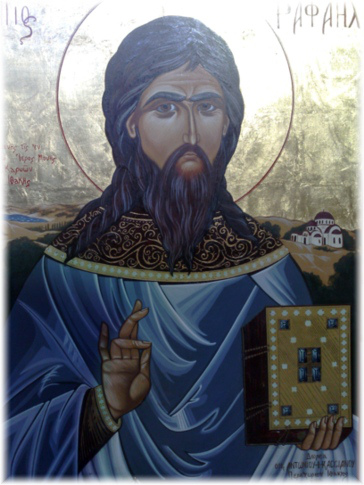
Νέα Θαύματα του Αγίου Ραφαήλ.«Με λένε Ραφαήλ… Θυμήσου, κάποια στιγμή θα με χρειαστείς!»


«Με λένε Ραφαήλ… Θυμήσου, κάποια στιγμή θα με χρειαστείς!»

Με μεγάλη συγκίνηση αλλά και λαχτάρα, αξιώνομαι κι’ εγώ, ύστερα από δεκαοκτώ ολόκληρα χρόνια, να μοιραστώ με όλους τους χριστιανούς αδελφούς μου, το Μέγα Θαύμα που έκανε και στη δική μου οικογένεια ο Άγιος Ραφαήλ.
Από το γάμο μας έχουμε αποκτήσει τρεις γιούς. Ο τρίτος γιος μας, γεννήθηκε πρόωρα, τον Οκτώβριο του 1994, στις τριάντα εβδομάδες κύησης. Παρέμεινε για αρκετό χρονικό διάστημα σε θερμοκοιτίδα, παρόλ’ αυτά, κατάφερε να ανταπεξέλθει και να μεγαλώσει σαν φυσιολογικό μωρό. Εμείς χαιρόμασταν την οικογένειά μας και τίποτε δεν φαινόταν να σκιάζει την ευτυχία μας.
Όπως κάθε καλοκαίρι, έτσι και το καλοκαίρι του 1994 (πριν δεκαοχτώ χρόνια) περνούσαμε ξέγνοιαστα τις διακοπές μας στο σπίτι μας, στο νησί. Ένα μεσημέρι λοιπόν, αφού ξεφύλλισα ένα εβδομαδιαίο περιοδικό και έλυσα γρίφους και σταυρόλεξα, αποκοιμήθηκα. Τότε είδα ένα παράξενο όνειρο: Έναν καλόγερο με γκρι σκούρα ράσα, με μυτερή καλοσχηματισμένη γενειάδα, μετρίου αναστήματος, να στέκεται όρθιος ανάμεσα σε αραιή βλάστηση και χαμηλά δεντράκια. «Με λένε Ραφαήλ» μου είπε και δείχνοντάς μου με το χέρι του μια βραχώδη σπηλιά στο πλάι του, συνέχισε «Εδώ είναι το σπίτι μου. Θυμήσου, κάποια στιγμή θα με χρειαστείς. Να θυμάσαι το Όνομά μου!». Ξύπνησα! «Ραφαήλ;» αναρωτήθηκα. Δεν ξέρω κανέναν Άγιο ονόματι Ραφαήλ. Μη θέλοντας να ξεχάσω το όνομά του, το σημείωσα στο περιοδικό που διάβαζα πριν αποκοιμηθώ. Ύστερα συνέχισα τον μεσημεριανό μου ύπνο, μην ξέροντας πόσο σπουδαίο ρόλο θα έπαιζε αυτό το όνειρο λίγες μέρες αργότερα. Όταν λοιπόν ξύπνησα, ρώτησα τη μητέρα μου, αν ήξερε κάποιον Άγιο με αυτό το όνομα. «Όχι» ήταν η απάντηση.
Οι μέρες πέρασαν και οι διακοπές τελείωσαν. Επιστρέψαμε στο σπίτι μας, στη Ν. Μάκρη. Όλα πήραν τον καθημερινό τους ρυθμό. Ώσπου μια μέρα, ξαφνικά ο μικρός μας γιος (ήταν τότε 9 μηνών) παίζοντας στο πάρκο του, έπεσε στο πλάι ανάμεσα στα παιχνίδια του. Έμοιαζε να πεθαίνει. Μελανιασμένος, μούσκεμα από τον ιδρώτα, ανοιγόκλεινε το στοματάκι του σαν το πουλάκι που αφήνει την τελευταία του πνοή. Αμέσως, το μετέφερα στο νοσοκομείο, όπου οι γιατροί διέγνωσαν απώλεια αισθήσεων. Πιθανόν, είπαν, έβαλε κάποιο παιχνιδάκι στο στόμα του που του έφραξε για λίγο την αναπνοή. Τίποτε σπουδαίο. Έτσι επιστρέψαμε σπίτι. Όμως την ίδια ημέρα το ξανάπαθε για δεύτερη και τρίτη και τέταρτη φορά. Οπότε νοσηλεύτηκε για αρκετό χρονικό διάστημα στο νοσοκομείο Παίδων. Οι γιατροί μετά από πολλές εξετάσεις, διέγνωσαν κάποιο πρόβλημα στον εγκέφαλο. Πρόβλημα που θα το ακολουθούσε για την υπόλοιπη ζωή του.
Πάνω, όμως, από την ιατρική διάγνωση και πέρα από την φαρμακευτική θεραπεία, στέκεται ψηλότερα η θρησκεία μας με όλους τους Αγίους της. Έτσι, λοιπόν, μέσα στη στενοχώρια μου και τη θλίψη μου, εκεί που νόμισα πως η ζωή μου μαύρισε και πως η χαρά από την οικογένειά μου χάθηκε για πάντα, άνοιξε η πόρτα του θαλάμου και μπήκε μέσα μια ηλικιωμένη γυναίκα που πουλούσε εικονίσματα Αγίων, για να ζήσει. Μέσα από τη μεγάλη τσάντα με τα εικονίσματα, επέλεξε τυχαία και μου πρότεινε ένα εικόνισμα. Ήταν αυτό του Αγίου Ραφαήλ. «Πάρε, παιδάκι μου, αυτή την εικονίτσα» μου είπε, «κι’ ο Άγιος Ραφαήλ θα κάνει καλά το παιδάκι σου». Τότε θυμήθηκα το όνειρο που είχα δει. Την ίδια ημέρα πήρα κι’ ένα τηλεφώνημα από παιδίατρο, συγγενικό πρόσωπο, ο οποίος μου είπε: «Εκεί που εμείς οι γιατροί σταματάμε, συνεχίζουν οι Άγιοι. Αύριο θα φύγει η πεθερά μου, θα πάει για ένα δικό μας τάμα στον Άγιο Ραφαήλ, στη Μυτιλήνη και θα ανάψει μια λαμπάδα και για το μωρό». Τότε κατάλαβα πως δεν ήμουνα μόνη και αβοήθητη όπως νόμιζα. Και πως το θαύμα δεν θα αργούσε να γίνει, καθώς ο Άγιος Ραφαήλ με τα δύο αυτά περιστατικά μου υπενθύμιζε το όνειρό μου και με οδηγούσε σε Εκείνον. Μέρα νύχτα, λοιπόν, παρακαλούσα τον Άγιο Ραφαήλ να γιατρέψει το παιδάκι μου «Άγιε μου Ραφαήλ, προσευχόμουν, βοήθησέ μας, μη μας αφήνεις αβοήθητους να σηκώσουμε τέτοιο Σταυρό». Ύστερα σκεπτόμουν ότι τα βάσανα είναι για όλους τους ανθρώπους … «Εσύ ξέρεις, Άγιε Ραφαήλ, εσύ θα μας οδηγήσεις. Αν νομίζεις πως αυτό είναι το θέλημα του Θεού μας, κάνε μας να νοιώσουμε ελαφρύτερο το Σταυρό μας».
Οι ημέρες περνούσαν. Οι γιατροί είχαν βγάλει το συμπέρασμά τους. Οι κρίσεις του παιδιού έμοιαζαν επιληπτικές. Η φαρμακευτική αγωγή που δόθηκε στο παιδί, ήταν αγωγή για επιληψία. Όμως, ο Άγιος Ραφαήλ είχε κάνει το θαύμα Του, διότι στο κέντρο επιληψίας οι νέες εξετάσεις που έγιναν στον εγκέφαλο του μωρού δεν έδειξαν καμία απολύτως βλάβη.
Τις επόμενες ημέρες επισκεφθήκαμε την Παναγία της Τήνου, προκειμένου να ανάψουμε μια λαμπάδα για την υγεία του παιδιού και να την ευχαριστήσουμε για το μεγάλο δώρο που μας είχε χαρίσει με τη Μεσιτεία Της. Στο δρόμο, λοιπόν, προς την Χάρη Της, μας πλησίασε ένα μικρό αγοράκι. «Κυρία» μου είπε, «ξέρετε πως με λένε;». «Πώς σε λένε αγοράκι μου;» αποκρίθηκα. «Ραφαήλ, κυρία» μου είπε και χάθηκε μέσα στον κόσμο. Χάθηκε ανάμεσα στον κόσμο; Ή εξαφανίστηκε σαν άγγελος; (!) Αυτό δεν μπόρεσα να το καταλάβω. Όμως, για μένα εκείνη τη στιγμή μου φάνηκε σαν άγγελος Κυρίου που μου έλεγε «Ο Άγιος Ραφαήλ είναι που έσωσε το παιδί σου, Εκείνον πρέπει να ευχαριστήσεις». Και πράγματι, ο Άγιος Ραφαήλ μας έκανε μεγάλο θαύμα. Οι μήνες πέρασαν και όλες οι ιατρικές εξετάσεις απέκλιναν όλο και περισσότερο από τις πρώτες και τελικά το παιδί μεγάλωσε χωρίς κανένα απολύτως πρόβλημα υγείας.
Εμείς ευχαριστούσαμε τον Άγιο Ραφαήλ που μας το χάρισε γερό και σιδερένιο. Και όλα αυτά τα χρόνια επισκεπτόμαστε κάθε εκκλησία που φιλοξενούσε Ιερά Λείψανα του Αγίου για προσκύνημα. Πέρασαν έτσι δεκαεπτά ολόκληρα χρόνια. Κάποια ημέρα προσέξαμε στο δρόμο μια αφίσα που καλούσε τους πιστούς για την Εορτή του Αγίου Ραφαήλ, στο Άνω Σούλι του Μαραθώνα. Που να φανταζόμασταν πως ο Άγιος που είχε φέρει ξανά τη χαρά στο σπίτι μας βρισκόταν όλα αυτά τα χρόνια τόσο κοντά μας. Η μεγαλύτερη όμως έκπληξή μου ήταν πως επισκεπτόμενη για πρώτη φορά τη Μονή του Αγίου Ραφαήλ στο Άνω Σούλι, ανακάλυψα ότι το σημείο που είναι χτισμένη είναι ακριβώς το ίδιο σημείο που μου είχε υποδείξει ο Άγιος Ραφαήλ στον ύπνο μου, πριν από δεκαεπτά ολόκληρα χρόνια, λέγοντάς μου ότι «εδώ είναι το σπίτι μου». Επισκεπτόμουν για πρώτη φορά τη Μονή, αλλά ήταν σαν να την ήξερα χρόνια. Ας είναι δοξασμένο το Όνομά Του, που με αξίωσε ύστερα από τόσα χρόνια να βρω και να βρεθώ στο «σπίτι του», και να προσκυνώ την Χάρη Του! Ας έχει όλο τον κόσμο στη Σκέπη Του!
Ευγενία Α., Ν. Μάκρη Αττικής


http://vatopaidi.wordpress.com

Μια ασυνίθιστη επίσκεψη (Γέροντας Πορφύριος Καυσοκαλυβίτης)

ger.Porfyrios
Στην Εκκλησία του Αγίου Γερασίμου, στην Πολυκλινική, ερχόντουσαν πολλοί προσκυνητές ν’ ανάψουν το κεράκι τους. Μερικοί έμεναν για εξομολόγηση, άλλοι έπαιρναν απλώς ευχή, ενώ άλλοι άναβαν το κερί τους, έκαναν το σταυρό τους κι έφευγαν. Ερχόντουσαν κάθε λογής άνθρωποι, άνδρες, γυναίκες, μικροί, μεγάλοι, μορφωμένοι, απλοϊκοί κ.λπ. Στην περιοχή της Ομόνοιας έμεναν άνθρωποι κάθε κατηγορίας.
Παλαιά συνηθίζαμε, κατά την εορτή των Θεοφανείων, ν’ αγιάζομε τα σπίτια. Κάποια χρονιά επήγα κι εγώ κι αγίαζα. Χτυπούσα τις πόρτες των διαμερισμάτων, μου ανοίγανε κι έμπαινα μέσα ψάλλοντας: «Εν Ιορδάνη βαπτιζομένου Σου Κύριε…».Όπως πήγαινα στην οδό Μαιζώνος, βλέπω μια σιδερένια πόρτα. Ανοίγω, μπαίνω μέσα στην αυλή, που ήταν γεμάτη από μανταρινιές, πορτοκαλιές, λεμονιές, και προχωρώ στη σκάλα. Ήταν μια σκάλα εξωτερική, που ανέβαινε πάνω και κάτω είχε υπόγειο. Ανέβηκα τη σκάλα,χτυπάω την πόρτα και παρουσιάζεται μια κυρία. Αφού μου ανοιξε, εγώ άρχισα κατά τη συνήθειά μου το «Εν Ιορδάνη βαπτιζομένου Σου, Κύριε…». Με σταματάει απότομα. Εν τω μεταξύ με ακούσανε και δεξιά κι αριστερά στο διάδρομο βγαίνανε κοπέλες απ’ τα δωμάτια. «Κατάλαβα, έπεσα σε οίκο ανοχής», είπα μέσα μου. Η γυναίκα μπηκε μπροστά μου να μ’ εμποδίσει.
—Να φύγεις, μου λέει. Δεν κάνει αυτές να φιλήσουν το Σταυρό. Να φιλήσω εγώ το Σταυρό και να φύγεις, σε παρακαλώ.
Εγώ τώρα πήρα σοβαρό και επιτιμητικό ύφος και της λέω:
—Εγώ δεν μπορώ να φύγω! Εγώ είμαι παπάς, δεν μπορώ να φύγω! Ήλθα εδώ ν’ αγιάσω.
—Ναι, αλλά δεν κάνει να φιλήσουν το Σταυρό αυτές.
—Μα δεν ξέρομε αν κάνει να φιλήσουν το Σταυρό αυτές ή εσύ. Διότι αν με ρωτήσει ο Θεός και ζητήσει να Του πω ποιός κάνει να φιλήσει το Σταυρό, οι κοπέλες ή εσύ, μπορεί να έλεγα: «Οι κοπέλες κάνει να τον φιλήσουν και οχι εσύ. Οι ψυχές τους είναι πιο καλές από τη δική σου».
Εκείνη τη στιγμή εκοκκίνησε λίγο.Της λέω λοιπόν:
—Ασε τα κορίτσια να φιλήσουν το Σταυρό.
Τους έκανα νόημα να πλησιάσουν. Εγώ πιο μελωδικά από πρώτα έψαλλα το «Εν Ιορδάνη βαπτιζομένου Σου Κύριε…», διότι είχα μια χαρά μέσα μου, που ο Θεός οικονόμησε τα πράγματα να πάω και σ’ αυτές τις ψυχές. Φιλήσανε όλες το Σταυρό. Ήταν όλες περιποιημένες, με τις πολύχρωμες φούστες κ.λπ. Και τους είπα:
—Παιδιά μου, χρόνια πολλά.Ο Θεός μας αγαπάει όλους. Είναι πολύ καλός και «βρέχει επί δικαίους και άδικους». Όλοι Τον έχομε Πατέρα και για όλους μας ενδιαφέρεται ο Θεός. Μόνο να φροντίσομε να Τον γνωρίσομε και να Τον αγαπήσουμε κι εμείς και να γίνομε καλοί.Να Τον αγαπήσετε και θα δείτε πόσο ευτυχισμένες θα είστε.
Κοιτάξανε απορημένες. Κάτι πήρε η ψυχούλα τους η ταλαιπωρημένη.
—Χάρηκα, τους λέω τέλος, που μ’ αξίωσε ο Θεός να έλθω σήμερα και να σας αγιάσω. Χρόνια πολλά!
—Χρόνια πολλά, είπαν κι εκείνες κι έφυγα.

Πηγή-αναδημοσίευση: Τριμηνιαίο περιοδικό, έκδοσης Ιεράς Μητροπόλεως Γορτύνης και Αρκαδίας, εν Εσόπτρω, τ.6ο,Απρίλιος – Ιούνιος 2008

Άγιον Όρος- το Περιβόλι της Παναγίας

Self-Control to Overcome our Passions


Fasting deals specifically with the passion of gluttony. We must however deal with all our passions and overcome them one by one. Fasting is the starting point to controlling the others. It is a fight that we must steadily engage in. By doing so we will gradually reduce them.


Saint Maximus outlines four steps for this progress:


1. The stopping of their appearance in sinful deeds––the obtaining of sinless in deed is the first dispassion


2. freedom from passionate thoughts caused by appetites in our consciousness; victory over them bring us to a second dispassion, without such thoughts they can't become deeds.


3. The control over our natural appetite so that it doesn't move toward the passions––this is the third dispassion


4. The complete removal from the mind of perceptible images––this leads to a fourth dispassion. No longer having them in the mind, they can no longer enter the subconsciousness to move an appetite to a passion.

He goes on to advise us that there is one further step.


We must reach a state where we can receive images of things without creating any passion within us. This happens when through them their divine logoi become transparent. Only after this does the mind unite with God in a state higher than prayer.


Ref: Orthodox Spirituality, pp 153

Η αμέλεια των γονέων για τα παιδιά τους είναι βαρύτατο αμάρτημα!


Αγίου Ιωάννου του Χρυσοστόμου

Συχνά οι γονείς παραμελούν την ψυχική μόρφωση των παιδιών.
Κάθε πατέρας προκειμένου να εκπαιδεύσει τα παιδιά του στις καλές τέχνες, στα γράμματα και στη ρητορική καταβάλλει κάθε προσπάθεια, για τη μόρφωση όμως της ψυχής του κανείς δεν φροντίζει.

Όταν το παιδί είναι άρρωστο στο σώμα, κανείς δεν αρνείται να το στείλει σε μακρινό ταξίδι για να θεραπεύσει την αρρώστια του. Όταν όμως πάσχει η ψυχή, κανείς δεν ασχολείται με αυτή, αλλά όλοι χάνουμε το θάρρος μας, όλοι αδιαφορούμε, όλοι αμελούμε!

Ποιά απολογία θα έχουν εκείνοι στους οποίους έχουν εμπιστευθεί τα λογικά πρόβατα, και που δείχνουν μεγάλη αμέλεια, και ενώ κάθε μέρα βλέπουν άλλα μεν να τα κατασφάζουν - όπως λέει ο προφήτης - άλλα να κατασπαράζονται από τα θηρία, άλλα δε να κλέβονται από άλλους, κι όμως να μην θέλουν να φροντίζουν καθόλου γι΄αυτά;

Βλέπεις τον γιό σου να βρίζει τον Δημιουργό του και δεν δυσανασχετείς, πές μου, ούτε τον φοβερίζεις και τον επιπλήττεις, και αυτά ενώ γνωρίζεις ότι αυτή την πράξη και ο ίδιος ο Θεός την εμποδίζει, όχι επειδή ζημιώνεται αυτός που βρίζεται ( γιατί ο Θεός είναι αιώνιος ), αλλά για την δική του σωτηρία! Γιατί εκείνος που δείχνει αχαριστία και αναισθησία απέναντι του Θεού, πολύ περισσότερο θα τολμήσει να προσβάλει τον πατέρα του αλλά και την δική του ψυχή.

Και τον Ιώβ, όπως τον επαίνεσε η Αγία Γραφή για τις άλλες αρετές του, ότι δηλαδή ήταν δίκαιος και ειλικρινής και ευσεβής, έτσι τον επαίνεσε και για την επιμελή αγωγή των παιδιών του. Αυτή δε η επιμέλεια συνίστατο όχι στο να συγκεντρώνει χρυσάφι γι΄αυτά, ούτε να τα κάνει ένδοξα και φημισμένα, αλλά σε τί; Άκουσε την Αγία Γραφή που λέει: " όταν τελείωσαν οι μέρες του συμποσίου τους, έστειλε ο Ιώβ ανθρώπους και τα εκαθάριζε, και αφού σηκωνόταν το πρωί, προσέφερε γι΄αυτά θυσία τόσα σφάγια, όσα ήταν και τα παιδιά του, και επί πλέον ένα μοσχάρι για τις αμαρτίες τους, ώστε να εξαγνισθούν οι ψυχές τους. Γιατί σκεφτόταν μόνος του ο Ιώβ " μήπως τα παιδιά μου σχημάτισαν στην ψυχή τους εχθρικές διαθέσεις για τον Θεό; "


Τί θα έχουμε λοιπόν εμείς να απολογηθούμε που τολμούμε να δείξουμε τόση αμέλεια για τα παιδιά μας; Γιατί, αν ο Ιώβ, που έζησε πριν από την εποχή της Χάριτος, πρίν απο τον νόμο της Καινής Διαθήκης, αυτός που δεν διδάχτηκε από κανέναν, εφρόντιζε τόσο πολύ για τα παιδιά του, ώστε να τρέμει ακόμη και για αμαρτήματα που δεν είχαν εκδηλωθεί, ποιός λοιπόν θα σώσει εμάς που πλέουμε μέσα στη Θεία Χάρη, που είχαμε την τύχη να ακούσουμε τόσους και τόσους δασκάλους, που έχουμε τέτοια παραδείγματα και δεχθήκαμε τόσες και τόσες συμβουλές, και εν τούτοις όχι μόνον δεν φοβούμαστε τα κρυφά αμαρτήματα, αλλά περιφρονούμε και τα φανερά, και όχι μόνο τα περιφρονούμε, αλλά και διώχνουμε αυτούς που θέλουν να τα διορθώσουν;

Ας μην παραμελούμε λοιπόν τα παιδιά, γνωρίζοντας ότι, όταν είναι εντάξει απέναντι του Θεού, και σ΄αυτή την ζωή θα προκόψουν και θα δοξασθούν. Γιατί αυτόν που ζεί με αρετή και καλωσύνη, όλοι τον σέβονται και τον τιμούν, έστω κι αν είναι πιο φτωχός από όλους. Όπως και τον πονηρό τον αποστρέφονται και τον μισούν, ακόμη κι αν έχει άφθονα πλούτη. Ώστε αυτοί που παραμελούν τα παιδιά τους, κι αν ακόμη είναι αγαθοί και μετριοπαθείς, για την αμαρτία αυτή θα υποστούν τη χειρότερη τιμωρία.

Εκείνες οι μητέρες που δεν ανατρέφουν τα παιδιά τους με την ευσεβή ανατροφή κατά τον απόστολο Παύλο είναι περισσότερο παιδοκτόνοι παρά μητέρες. Αυτό δεν το λέγω μόνο προς τις γυναίκες αλλά και προς τους άνδρες. Γιατί πολλές φορές και πολλοί πατέρες κάνουν και διαπραγματεύονται τα πάντα, για να αποκτήσει ο γιός τους καλό άλογο, λαμπρό σπίτι και ακριβό χωράφι, ενώ για να αποκτήσει καλή ψυχή και ευσεβή διάθεση, δεν κάνουν τίποτε.

Και αυτό είναι που ανατρέπει όλη την οικουμένη, το ότι δηλαδή αμελούμε τα παιδιά μας, και για μεν τα κτήματα τους φροντίζουμε με επιμέλεια, αδιαφορούμε όμως για την ψυχή τους. Πρέπει λοιπόν να προσέχουμε όχι πως θα τα κάνουμε πλούσια σε ασήμι και χρυσάφι και τα παρόμοια, αλλά πως θα γίνουν πιο πλούσια από όλους στην ευσέβεια, στην πνευματική ζωή και στην απόκτηση της αρετής, πώς να μην χρειάζονται πολλά, πώς να μην κυριεύονται από τα βιοτικά και τις επιθυμίες της νεότητας. Ακόμη πρέπει να προσέχουμε με ακρίβεια το χρόνο των εισόδων στο σπίτι και των εξόδων απ΄αυτό, τους τόπους της παραμονής τους, τις συναναστροφές τους, αφού γνωρίζουμε ότι, αν τα αμελούμε αυτά, δεν θα έχουμε καμία συγχώρηση από τον Θεό.

Και από τα ζώα, τα παιδιά τα εκτιμούμε λιγότερο, και περισσότερο φροντίζουμε για τους όνους και τους ίππους παρά για τα παιδιά μας. Και άν μεν κάποιος έχει ημίονο, φροντίζει πολύ, ώστε να βρεί άριστο οδηγό, και όχι ανόητο, ούτε κλέφτη, ούτε μέθυσο, ούτε άπειρο στην τέχνη. Όταν όμως χρειαστεί να αναθέσουμε τη διαπαιδαγώγηση της ψυχής του παιδιού σε ένα παιδαγωγό, απλά και όπως έτυχε εκλέγουμε αυτόν που θα παρουσιαστεί μπροστά μας.

Γι΄αυτό σας παρακαλώ, να απλώνουμε χέρι βοήθειας στα παιδιά μας , για να μην έχουμε εμείς την ευθύνη για τις πράξεις τους. Ή δεν γνωρίζετε τι έπαθε ο γέροντας Ηλεί επειδή δε διόρθωνε όπως έπρεπε τα ελαττώματα των παιδιών του; Γιατί όταν υπάρχει κάποια αρρώστια που έχει ανάγκη χειρουργικής επεμβάσεως, αν ο γιατρός θελήσει να την θεραπεύσει με πλύση, κάνει αμέσως την αρρώστια αθεράπευτη, εφόσον δεν εφαρμόζει την πρέπουσα θεραπεία. Κατά τον ίδιο λοιπόν τρόπο και εκείνος ο γέροντας, ενώ όφειλε να τιμωρήσει τα παιδιά του ανάλογα με τα παραπτώματα τους, επειδή μεταχειρίστηκε μεγάλη επιείκεια απέναντι τους, τιμωρήθηκε κι αυτός μαζί τους. Αφού φοβηθούμε λοιπόν, σας παρακαλώ, απ΄ αυτό το παράδειγμα, όσοι έχουμε παιδιά ας φροντίζουμε για την ανατροφή τους και γενικά ο καθένας ας φροντίζει για κείνους με τους οποίους συγκατοικεί.

Αίτιοι της ασυδοσίας των νέων είναι οι γονείς που τους αφήνουν για πολύ χρόνο να γυρίζουν αχαλίνωτοι και έρημοι από σωφροσύνη, να καταντροπιάζονται με την πορνεία και τα τυχερά παιχνίδια και τις διασκεδάσεις στα παράνομα θέατρα.

Ο λόγος για τον οποίο η κακία δύσκολα ξεριζώνεται από την ψυχή, είναι ότι κανείς δεν φροντίζει με επιμέλεια για τα παιδιά του, κανείς δεν διαλέγεται μαζί τους για την αγνότητα, κανείς για την σεμνότητα, κανείς για την καταφρόνηση των χρημάτων και της δόξας, κανείς για τις θείες εντολές που περιέχονται μέσα στην Αγία Γραφή.

Γι΄αυτό σας παρακαλώ και σας ικετεύω να φροντίζετε πολύ για τα παιδιά σας και παντού να επιδιώκετε τη σωτηρία της ψυχής τους.

Άν οι πατέρες διέπλασσαν με προσοχή τα παιδιά τους, δεν θα χρειάζονταν ούτε νόμοι, ούτε δικαστήρια, ούτε τιμωρίες και βασανιστήρια και δημόσιες εκτελέσεις. Γιατί λέγει η Γραφή: " ο νόμος δεν ορίσθηκε και δεν έχει ισχύ για το δίκαιο" . Επειδή όμως τα παραμελούμε, γι΄ αυτό τα περιτριγυρίζουμε με μεγαλύτερα κακά, τα παραδίνουμε στα χέρια των δημίων και τα σπρώχνουμε συνεχώς προς τον γκρεμό. Γιατί όπως λέει η Αγία Γραφή : " εκείνος που παραχαϊδεύει τον γιό του, θα επιδέσει τις πληγές του." Τί σημαίνει ο "περιψύχων"; Εκείνος που τον λυπάται, τον κολακεύει, τον περιποιείται υπερβολικά. Επειδή ο γιός χρειάζεται αυστηρότητα, φροντίδα και φοβέρες. Αυτά τα λέω , όχι για να είμαστε σκληροί στα παιδιά αλλά για να μην τους δίνουμε την εντύπωση ότι είμαστε άξιοι περιφρονήσεως.
Διότι αν η γυναίκα πρέπει να φοβάται τον άνδρα, πολύ περισσότερο το παιδί τον πατέρα. Και μη μου λές οτι "είναι αδύνατο να επιβληθεί κανείς στους νέους ". Αλλά το κακό οφείλεται στην δική μας αδιαφορία και στο ότι δεν τα οδηγούμε στην ευσέβεια από την αρχή και από την πρώτη τους παιδική ηλικία. Γιατί άν και στο σπίτι σας άκουγαν να συζητάτε για την πνευματική ζωή συνεχώς και να τα συμβουλεύετε τα πρέποντα, γρήγορα τα καλά αυτά σπέρματα θα έφερναν πλούσιο καρπό.

Όμως τίποτα από αυτά δεν κάνουμε, αλλά τα αναγκαία τα θεωρούμε πάρεργα. Και αν τα συμβουλέψει κανείς αυτά, προκαλεί αμέσως το γέλιο, γι΄ αυτό έχουν γίνει όλα άνω κάτω, και αυτούς που δεν σωφρονίζουν οι γονείς, τους τιμωρούν οι κοσμικοί νόμοι.

Αιτία όλων των κακών είναι η αμέλεια των γονέων. Ποιά ανάγκη - λέει - έχουν τα παιδιά μας από φιλοσοφημένη ζωή και προσεκτική συμπεριφορά; Αυτό ακριβώς είναι εκείνο που κατέστρεψε τα πάντα, το ότι δηλαδή θεωρούμε περιττό και δευτερεύον ένα πράγμα τόσο αναγκαίο, που συγκρατεί τη ζωή μας.

Και τολμούν, μετά από τα λόγια αυτά που λένε, να ονομάζουν τους εαυτούς τους πατέρες!


Βιβλίο: Παιδαγωγική Ανθρωπολογία
Αγίου Ιωάννου του Χρυσοστόμου

Η ταλαιπωρία του αρρώστου και η εμπιστοσύνη στον Θεό ( Γεροντας Παϊσιος )


- Γέροντα, αν κάποιος έχη μια βαρειά αρρώστια και αποφασίση να αφεθή στον Θεό, θα κάνη καλά;

- Άμα δεν έχη υποχρεώσεις, ό,τι θέλει κάνει. Άμα όμως έχη υποχρεώσεις, αυτό θα εξαρτηθή και από τους άλλους. Και εγώ πήγα στον γιατρό «άκων και μη βουλόμενος»... Αν δεν πήγαινα για εκείνη την «απλή εξέταση» που είπε ο γιατρός, θα έκλεινε τελείως το έντερο. Οπότε θα έπινα μόνο λίγα υγρά και μετά πάει, θα τελείωναν όλα. «Μια απλή εξέταση», μου είπε, και μπήκα σε έναν τέτοιο κύκλο... Αξονικές από εδώ, καρδιολόγος από εκεί, τώρα τα λευκά αιμοσφαίρια κατέβηκαν, τώρα ανέβηκαν, κοψίματα, μπαλώματα... Και τελικά τι βγήκε; Όπως πάω, θα καθήσω εδώ...

Συνήθως λέμε: «Οι άρρωστοι πρώτα να φροντίσουν να βοηθηθούν ανθρωπίνως και σε ό,τι δεν μπορούν να βοηθηθούν ανθρωπίνως θα βοηθήση ο Θεός». Αλλά δεν πρέπει να ξεχνούμε ότι, για να βοηθηθούν ανθρωπίνως οι άνθρωποι που πάσχουν από κάποια βαρειά αρρώστια, περνούν μεγάλη ταλαιπωρία, ολόκληρο μαρτύριο. Πρέπει να κάνουν ένα σωρό εξετάσεις, εγχειρήσεις, μεταγγίσεις, χημειοθεραπείες, ακτινοβολίες. Τρυπήματα για τις μεταγγίσεις, τρυπήματα για τους ορούς... Να σπάζουν οι φλέβες, να τους βάζουν την τροφή από την μύτη, να μην μπορούν να κοιμηθούν... Και όλα αυτά, για να γίνη αυτό που γίνεται ανθρωπίνως. Κατάλαβες; Δεν είναι κάτι απλό, πρόκειται λ.χ. για μια πληγή που μάζεψε πύον και πρέπει να σπάση, για να βγη το πύον, και μετά θα γίνουν καλά. Εδώ τούτα είναι ολόκληρη διαδικασία. Γι’ αυτό δεν πρέπει να επαναπαυώμαστε και να λέμε «εντάξει, αυτός ο άρρωστος έπεσε σε καλούς γιατρούς», αλλά να έχουμε υπ’ όψιν ότι, για να βοηθηθή ο άρρωστος ιατρικά, πρέπει να περάση μια ολόκληρη ταλαιπωρία και να προσευχώμαστε με πόνο να του δίνη ο Χριστός υπομονή. Να φωτίζη τους γιατρούς, γιατί οι γιατροί μπορεί να κάνουν λάθη, ιδίως αν δεν έχουν ταπείνωση.

Βλέπεις, όταν χαλάση το σπίτι, ο νοικοκύρης του σπιτιού δεν μπορεί να σταθή. Έτσι και ο νοικοκύρης του σώματος, η ψυχή, δεν μπορεί να σταθή, αν χαλάση το σπίτι της, το σώμα. Και τώρα προσπαθούν να κρατήσουν τον νοικοκύρη μέσα στο σπίτι με το σίδηρο, με το ...ατσάλι, με βιταμίνες Α, Β, C...., να βοηθήσουν δηλαδή τους αρρώστους με την επιστήμη, αλλά δεν βοηθιούνται όλοι και, με την βοήθεια που τους προσφέρουν, απλώς παρατείνεται η ζωή τους με πόνο, παρατείνεται μάλλον ο πόνος. Γιατί δεν φθάνει μόνον η επιστήμη. Χρειάζεται και πίστη και προσευχή. Καμμιά φορά βλέπω και εδώ στο μοναστήρι τις αδελφές που είναι γιατροί να θέλουν περισσότερο με την επιστήμη τους να βοηθήσουν τον άρρωστο παρά με την εμπιστοσύνη στον Θεό και με την προσευχή. Η καρδιακή όμως προσευχή θα τις δώση ανώτερο ιατρικό πτυχίο, διότι θα σταματούν την ανθρώπινη επιστήμη. Όταν καλλιεργηθή η αγάπη με τον πόνο γενικά για όλους τους ανθρώπους, τότε ενεργούν οι θείες δυνάμεις, αρκεί να υπάρχη βαθειά ταπείνωση στην ψυχή, για να μην υπερηφανευθή και αδικήση τον Θεό νομίζοντας ότι είναι δικές της αυτές οι δυνάμεις.

Δεν πρέπει να ξεχνούμε ότι ο Χριστός μπορεί ακόμη και αυτά που δεν θεραπεύονται από γιατρούς να τα θεραπεύση, αλλά πρέπει να υπάρχη σοβαρός λόγος και ο πιστός να είναι πολύ πιστός και πολύ δοσμένος στον Χριστό.

- Δηλαδή, Γέροντα, όταν οι άνθρωποι υποφέρουν, να μη ζητούν ιατρική βοήθεια;

- Δεν εννοώ αυτό, βρε παιδί! Δεν λέω «μην του βάζης λ.χ. οξυγόνο», για να σκάση ο άνθρωπος. Θέλω να πω, τι τραβάει ο άρρωστος, για να βοηθηθή ανθρωπίνως, και ότι πρέπει να κάνουμε προσευχή να βοηθάη ο Χριστός τους αρρώστους, για να μην ταλαιπωρούνται. Αν κάτι είναι σοβαρό, να παρακαλούμε τον Χριστό να το πάρη με ένα χάδι Του. Γιατί ο Χριστός, λίγο αν χαϊδεψη τους αρρώστους στο χέρι, φεύγουν όλα και γίνονται καλά! Ούτε φάρμακα χρειάζονται μετά ούτε φαρμάκια. Κι αν τους χαϊδέψη στο πρόσωπο, είναι ακόμη καλύτερα. Αν τους αγκαλιάση κιόλας, θα μαλακώση και η καρδιά τους! Καταλάβατε; Χρειάζεται όμως μεγάλη πίστη. Αν δεν έχη πίστη ο ίδιος ο άρρωστος, δεν γίνεται καλά.


Γεροντας Παϊσιος

Sunday, May 19, 2013

Divine Worship


Divine Worship is a well-known yet still quite unknown, wonderful, secret world. In the secret corners of this spiritual Paradise planted by the hands our Holy Fathers, one finds whatever is most beautiful, most noble and most godly and begotten of man’s soul growing. Here one finds the heavenly harmony played upon the chords of noble human hearts, secret lyres of the Holy Spirit, for the glory of the Lord.


In the Divine Worship one finds the sprouts of human words, treasures accumulated during his secret dialogue with his Saviour, the “fruit of the lips” offered as “a sweet savour” before the throne of the Lord.

The Church believes that the richness of its worship has within it the dew of the Holy Spirit. Thus a cycle is generated: worshiping the Lord with the liturgical forms handed down to him, man learns how to offer the genuine worship from them; then the fervent yearning is sown in his heart for this genuine worship so that he worships again “in the Holy Spirit”.


Deep down, the worship of the Lord is not a work of man. It is a mystery, which cannot be measured or defined by human standards. Divine Worship is an innermost function of the mystical body of Christ, the Church. It is the overflow of the soul towards the Father which is accomplished through his beloved Son in the Holy Spirit. No one can call God his Father unless the Holy Spirit teaches him how. It is this Spirit who concelebrates and glorifies together with the Church ‘for all days’.

Negative Thoughts Separate Us from God


This I find to be my weakest point where the devil is constantly attacking me. Whenever I catch myself having negative thoughts about another person, I discover that all I am doing is trying to show myself how much more perfect I am than the other person. It is only my self-importance that is being satisfied by my negative views of others. More often than not, it is a thought about something I well know and dislike in myself but deny. But most importantly, this way of thinking is a sure block from God. My attention is not filled with love but instead on myself. As it says in the Book of Wisdom (1:3) ”For perverse thoughts separate men from God.”


Saint Ambrose of Optina writes,
“Look at everything simply. Living simply means not judging. Do not judge anyone. For example, here comes Elikonida. She passed by, and that is all. This is what thinking simply means. Otherwise, as seeing Elikonida passing by, you could think about her bad side: she is such and such, her character is thus and so. That is not so simple.” (Fr. Sergius Cherverikov, Elder Ambrose of Optina, p. 235)


Elder Paisios writes
”If one lives in the world of his pride, that is the world of his own thoughts, he is filled with illusions and he is in danger…. As long as he humbly thinks of himself, God’s grace remains within him and protects him. When he moves away from his humble thoughts and start being preoccupied with what the patriarch or the bishop or abbot or monks do or say, then God’s grace starts retreating. Therefore the most important thing for us to look after is to preserve the sense of humbleness in our lives, and thus allow for divine grace to permanently remain within us.“ (Elder Paisios of the Holy Mountain by Priestmonk Christodoulos, p. 40)

Flying over Greece | Πετώντας πάνω από την Ελλάδα

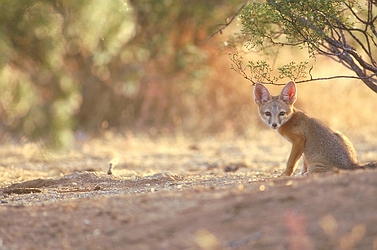
The Tale of the Prayer and the Little Fox


In Egypt, in whose ancient Christian past there had once been many grand monasteries, there once lived a monk who befriended an uneducated and simple peasant farmer. One day this peasant said to the monk, “I too respect God who created this world! Every evening I pour out a bowl of goat’s milk and leave it out under a palm tree. In the evening God comes and drinks up my milk! He is very fond of it! There’s never once been a time when even a drop of milk is left in the bowl.” Hearing these words, the monk could not help smiling. He kindly and logically explained to his friend that God doesn’t need a bowl of goat’s milk. But the peasant so stubbornly insisted that he was right that the monk then suggested that the next night they secretly watch to see what happened after the bowl of milk was left under the palm tree.
No sooner said than done. When night fell, the monk and the peasant hid themselves some distance from the tree, and soon in the moonlight they saw how a little fox crept up to the bowl and lapped up all the milk till the bowl was empty.
“Indeed!” the peasant sighed disappointedly. “Now I can see that it wasn’t God!”
The monk tried to comfort the peasant and explained that God is a spirit, that God is something completely beyond our poor ability to comprehend in our world, and that people comprehend His presence each in their own unique way. But the peasant merely stood hanging his head sadly. Then he wept and went back home to his hovel.
The monk also went back to his cell, but when he got there he was amazed to see an angel blocking his path. Utterly terrified, the monk fell to his knees, but the angel said to him:
“That simple fellow had neither education nor wisdom nor book-learning enough to be able to comprehend God otherwise. Then you with your wisdom and book learning took away what little he had! You will say that doubtless you reasoned correctly. But there’s one thing that you don’t know, oh learned man: God, seeing the sincerity and true heart of this good peasant, every night sent the little fox to that palm tree to comfort him and accept his sacrifice.” 


From The Prologue

Το οξυγόνο της ψυχής


To πρώτο και κύριο που έχουμε να πούμε για την προσευχή είναι ότι όποιος προσεύχεται συνομιλεί με το Θεό. Τι θα πει να είσαι άνθρωπος και να μιλάς στο Θεό ποιος δεν το ξέρει. Να εκφράσει όμως με λόγια αυτή την τιμή κανείς δεν το μπορεί. […]
Η προσευχή σε χωρίζει από τα άλογα ζώα και σε ενώνει με τους αγγέλους. Κι ο άνθρωπος που αφιερώνει όλη του τη ζωή με επιμέλεια στις προσευχές και στη λατρεία του Θεού γρήγορα θα μετατεθεί στην πολιτεία των αγγέλων, στη δική τους την τιμή, την ευγένεια , τη σοφία και τη σύνεση. Τι πιο άγιο, πιο καλό, πιο ευγενικό και γεμάτο σοφία από τους συνομιλητές του Θεού; Αν αυτούς που μιλούν με τους σοφούς τους κάνει η συνεχής συναναστροφή να πάρουν γρήγορα κάτι από τη σοφία τους, τι θα μπορούσαμε να πούμε για κείνους που μιλούν με το Θεό και προσεύχονται; Πόση σοφία, πόση αρετή, και σύνεση και αγνότητα, πόση γλυκύτητα συμπεριφοράς τους γεμίζει η προσευχή και η δέηση; […]

Νομίζω πως λέει την αλήθεια όποιος πει πως οι προσευχές είναι τα νεύρα της ψυχής. Το σώμα συγκρατείται με τα νεύρα και τρέχει και στέκεται όρθιο και ζωντανό και στέρεο. Αν κάποιος κόψει τα νεύρα, τότε καταστρέφει κάθε ισορροπία του σώματος. Έτσι και οι ψυχές στερεώνονται με τις άγιες προσευχές και στήνονται όρθιες και τρέχουν με ευκολία το δρόμο του Θεού. Κι αν αποστερήσεις τον εαυτό σου από την προσευχή, είναι σαν να βγάζεις ένα ψάρι από το νερό. Όπως για το ψάρι ζωτικός χώρος είναι το νερό, για σένα ζωτικός χώρος είναι η προσευχή. Όπως το ψάρι γλιστράει στο νερό, έτσι και συ με την προσευχή μπορείς να πετάξεις, να διαπεράσεις τους ουρανούς και να βρεθείς κοντά στο Θεό.


Ἅγιος Ἰωάννης ὁ Χρυσόστομος.

The Saints of Mount Athos


The Holy Mountain during its history of more than a thousand years has always been a busy workshop of wisdom and virtue which has produced monks distinguished for their learning and sanctity.

From the mid 18th century down to our own times has been a period when the Holy Mountain has greatly flourished. Akakios Kafsokalyvitis († 1730), the extremely severe cave-dwelling ascetic, the imitator of St Maximus Kafsokalivitis; Ierotheos of Iveron († 1745), a wise teacher; Anthimos Kourouklis († 1782), the joyful missionary to the islands of the Aegean and the Ionian; Paisius Velichkovsky († 1794), the founder of the 'ascetic-literary' school; Sophronios Agiannanitis; Makarios Notaras († 1805), the bishop-ascetic; Georgios of Tsernika in Romania († 1806); Nicodemus the Athonite († 1809), a writer noted for his wisdom; Athanasios of Paros († 1813), a teacher of distinction; Sophronios Vratsis of Bulgaria († 1813); Arsenios of Paros († 1877), a renowned ascetic; Antipas of Moldavia († 1822); Siluan of Russia the Athonite († 1938), well-known from his fine biography; and Savvas of Kalymnos († 1948), the worker of miracles, form an important nucleus of enlightenment, education, and service to God and man. To these names we must add the glorious latter-day Athonite martyrs, who in the 18th and 19th century number as many as 60, of whom we could mention: Pachomios of the New Skete († 1730), Constantine the Russian († 1742), Damaskinos of Thessaly († 1771), Cosmas of Aetolia († 1779), that renowned teacher and founder of churches and schools, Loukas of Stavroniketa († 1802), Gerasimos of Koutloumousiou († 1812), Efthymios of the Skete of Iveron († 1814), Gideon of Karakallou († 1818), Agathangelos of Esphigmenou († 1819), Gregory V, Patriarch of Constantinople († 1821), Pavlos of Konstamonitou († 1824), and the renowned Athanasios of Lemnos († 1846).

The foundation of the Athonite Academy (1749) was an important point in this modern Athonite renaissance. The distinguished teachers who served there included Neophytos Kafsokalyvitis, its first principal, who was succeeded by Archimandrite Agapios of the Holy Sepulchre, slaughtered by the Turks outside Thessaloniki, Evgenios Voulgaris, that gifted techer, Nikolaos Zertzoulis of Metsovo, Panagiotis Palamas, and Athanasios of Paros, among others. Among those who served as the Academy's trustees and patrons were Gregory V, Nicodemus the Athonite, and Makarios Notaras. Among the Academy's students were the martyrs Cosmas of Aetolia, Constantine of Hydra, and Athanasios Koukaliotis; there were also leaders in the intellectual world such as Iosipos Moisiadax, Sergios Makraios, and Rigas Pheraios, who died for his country. It is an undoubted fact that for the Greek nation then enslaved to the Turks the Athonite Academy lit one more lantern of hope for its survival. The printing-press set up at the Great Lavra by Cosmas of Epidaurus (1755) and the school at the Vatopaidi Monastery also contributed to the awakening of the nation, but unfortunately these were short-lived.

The same period coincided with the lives and work of important men of letters such as Papa-Ionas Kafsokalyvitis, Dionysios Siatisteas, Neophytos Skourteos, Vartholomaios of Koutloumousiou, Pachomios of Tirnovo, Dionysios of Fourna († 1745), the icon-painter and author of the famous book on the art of painting, who lived at Karyes, Kaisarios Dapontes († 1784), a much-travelled writer and poet who was a monk of Xeropotamou, Dorotheos (Evelpidis) of Vatopedi, and Nikiphoros of Iveron.

In the mid 18th century a grave theological debate developed all over the Holy Mountain in connection with the issues of the holding of memorial services for the departed, frequency of Holy Communion, and other matters relating to the exact observance of Orthodox tradition. The starting-point for this prolonged controversy was the building of the kyriakon at the Skete of St Anne (1754). The question arose as to whether the commemoration of the founders and benefactors should be held on Saturday or Sunday, and with what frequency the monks should receive Holy Communion. The debate divided the monks, and those who insisted that the memorial services should be held on Saturdays were mockingly dubbed 'kollyvades'. It seems, however, that, behind their apparent obstinacy, they had a profound knowledge of church tradition and fought hard for its authenticity and for its purification from adulteration. Thus the name of 'kollyvas' became a title of honour and the movement was responsible for a profitable and beneficial regeneration and renewal. Indeed, this devout movement was led by three saints: Makarios Notaras, Nicodemus the Athonite, and Athanasios of Paros, and they numbered among their supporters and sympathizers distinguished scholars such as Neophytos Kafsokalyvitis, Christophoros Artinos, Agapios of Cyprus, Iakovos the Peloponnesian, Pavlos the hermit, Theodoritos of Esphigmenou, and a number of others. Some of them chose voluntary exile and took refuge in mainland Greece or the islands, where they founded scores of monasteries, of which a fair number survive today. Thus we see Makarios Notaras on Chios, Niphon on Skiathos, Dionysios of Skiathos on Skyros, Ierotheos on Hydra, with numerous disciples and friends of that Athonite tradition which has nourished monks and saints. The monasteries which they founded were noted for their vigour and service. The Ecumenical Patriarchate by decisions of the Holy Synod finally put an end to the 'kollyvades' issue, by ruling that memorial services could be held as circumstances demanded and that Holy Communion, with the proper preparation, could be received frequently, and that the life of the substance, and not the aridity of the form, was to be adhered to.

Sts Nicodemus the Athonite, Makarios Notaras, and Athanasios of Paros are the typical representatives of the renaissance on the Holy Mountain, and of the spirit which prevailed. They were the authors of widely circulating books which had their effect on the souls of the enslaved Greeks, and their works continue to be re-issued even today. The seal was set on the Athonite theological spirit of the time by the publication of the 'Philokalia of the Ascetic Fathers' (1785), a publication which was a landmark in theological literature.

In a difficult period such as that of Turkish rule, the Holy Mountain kept its lamp perpetually burning, and was able, moreover, to hand on the flame to the peoples of the Balkans and the North. Thus the exchange of visits and the sojourn of many on the Holy Mountain of Athos gave rise to an important spiritual and cultural movement. The quiet of Mount Athos acted as a school of superior philosophy in which not only asceticism and vigilance, but also study in its rich libraries, the translation of rare texts, concern for art, and the transmission of a spirit of service and self-sacrifice were cultivated. The work of the starets Paisius Velichkovski, the reformer of monasticism in Romania and Russia, after his departure from Athos, was particularly inspired. Similar work was carried out by his disciple the Blessed Georgios of Tsernika († 1806) in the monasteries of Moldavia, where hundreds of monks were his spiritual children, by the Blessed Sophronios Vratsis († 1813) in Bucharest, while the Blessed Antypas († 1882) from Moldavia went to Jassy and finally reached the Monastery of Varlaam in Finland. The Russian Saint Silouan the Athonite († 1938) continues to teach through his much-translated biography by Archimandrite Sophronius († 1993) even after his blessed death. Yet again the illuminating influence of the universality of the Holy Mountain is apparent.

The Athonite monastic community has never kept the fragrance of the blossoming of its virtues all for itself. In spite of the harshness of enslavement to the Turks, penury, the difficulties in travelling and the many perils, the Athonite monk in his humble cap went everywhere in the Greek world, to bring the sober preaching of salvation, of redemption, of consolation, of support, and of hope - fiery missionaries like Cosmas of Aetolia, who crowned his long preaching mission with martyrdom, the Blessed Anthimos Kourouklis, who travelled the islands and built churches and monasteries, the Blessed Makarios Notaras, who on the islands of the Aegean created real centres of refreshment and aspiration, while similar work was carried out by his companion Blessed Athanasios of Paros, Arsenios of Paros, and Savvas of Kalymnos, to name but a few. The Ecumenical Patriarch Gregory V the Martyr and the company of glorious latter-day Athonite martyrs still teach more strikingly today after their martyr's end and strengthen the hearts of the people.

In our own century the Holy Mountain has continued its hidden service to mankind which makes known the lofty spirituality and life of Orthodoxy and its benign influence beyond its boundaries by continuing to produce ascetics and figures of great spiritual and theological stature. In a world which thirsts and seeks in anguish for authenticity, discipline and truth, it gives its testimony of the experience of the Orthodox spiritual life and the salvation of the soul. The many young pilgrims today may not always be fired with enthusiasm, but they are set thinking by this way of life of asceticism, abstinence, simplicity, and quiet of the monks. Thus often a pilgrimage to the Holy Mountain is a turning-point in their lives. The humility and sanctity of Mount Athos play a role of spiritually alerting the Church and the people.

This spiritual portrait of Athos has to show in our own times many figures who vie with those of earlier eras, whose spirit they transmit, while at the same time providing a starting-point for the carrying on of their work in the future. Among those Abbots known for their great love for the Holy Mountain, for their monasteries, for their spiritual children, for the Theotokos and for God, lovers of virtue and hard work, were the now departed Archimandrites Symeon of Gregoriou († 1905), Neophytos of Simonopetra († 1907) - who were re-founders of their monasteries -, Kodratos of Karakallou († 1940), Athanasios of Gregoriou († 1953), Ieronymos of Simonopetra († 1957), Philaretos of Konstamonitou († 1963), who wore themselves out in the service of their monasteries and their monks, Seraphim of Agiou Pavlou († 1960), Vissarion of Gregoriou († 1974), Gabriel of Dionysiou († 1983), who successfully worked together to promote the common interests of the Holy Mountain, Haralambis of Simonopetra († 1970), and Ephraim of Xeropotamou († 1983).

Apart from these distinguished figures, the following, now at rest, were excellent and discreet spiritual counsellors and confessors in our own century: Savvas († 1908) and Gregorios of Little St Anne, Ignatios Koutounakiotis († 1927), Chariton Kafsokalyvitis, Kaisarios, and Mikhail the Blind († 1952) of the Skete of St Anne, Neophytos, Gabriel († 1967), Efstathios ( 1981) and Elpidios († 1983) the Cypriots, and Spyridon († 1990) of the New Skete, Gregorios of Dionysiou, Maximos of Karakallou, Nikodemos of Crete of the Koutloumousi Skete, among others.

Of widely acknowledged sanctity were the departed Elders Hatzighiorghis († 1886), renowned for the severity of his fasting, Daniel the Romanian, the cavedweller, of Kerasia, Avimelech of Crete and Gerasimos († 1991), the hymnographer of Little St Anne, Kallinikos († 1930), the ascetic and Hesychast and Daniel of Smyrna († 1929) of Katounakia, Gerasimos Menagias († 1957), the wise hermit, Avvakoum († 1978) the Barefoot, of the Lavra, Isaak († 1932), the best of coenobites, and Lazaros († 1974) of Dionysiou, Joseph the Cave-Dweller († 1959), the great ascetic, and Theophylaktos († 1986), the lover of the saints, of the New Skete, Gerontios († 1958) of St Panteleimon, Athanasios of Iveron († 1973), known for his humility and devotion to the Theotokos, Evlogios († 1948), the great faster, and Enoch († 1978), the delightful Romanian, at Karyes, Papa-Tychon († 1968), the great Russian ascetic of Kapsala, Porphyrios († 1992), an elder of Kafsokalyvia with pre-vision and insight, who for years carried the blessings of Athos into Attica, and Paisios († 1944) the Athonite, who gave rest to many who approached him with reverence. Many have written many worthy accounts of all of these.

The last two to be mentioned above were widely known for the grace which was given them. Elder Porphyrios was one of the most important figures of our times: he had the authority of authenticity, he had the experience of the Holy Spirit, he was truly humble, his simplicity was thoroughgoing; in him childlikeness was interwoven with holiness. He was a discerner of souls, a teacher and a guide to many, who, greatly moved, will tell of their meetings with him. Elder Paisios was also an experienced, patient and persistent physician of souls and a guide to a host of people with great needs. His joyful discourse, his example, his counsels reached people, and infected them with his peace, the joy of blessing, the refreshment of the spirit.

Amongst the men of letters of our time whom the Holy Mountain has produced are the priest-monk Theodoritos of the Lavra, Gerasimos of Esphigmenou (Smyrnakis), famed for his fine book on the Holy Mountain, the deacon-monk Cosmas of Agiou Pavlou (Vlachos), similarly, the priest-monk Christophoros of Docheiariou (Ktenas), the author of a host of works on the Holy Mountain, the Lavra Elders Paneleimon, Chrysostomos, Alexandros (Evmorphopoulos), Spyridon (Kambanaos), a doctor, Pavlos (Pavlidis), also a doctor, Alexandros (Lazaridis), Evlogios (Kourilas), subsequently Metropolitan of Korytsa, Ioakeim of Iveron, Theophilos, Nikandros, Iakovos and Arkadios of Vatopaidi, and the Xeropotamou Elders Pavlos, Chrysanthos and Evdokimos, Athanasios of Pantocrator, Zosimas of Esphigmenou, Neilos (Mitropoulos) of Simonopetra, Savvas of Philotheou, Varlaam of Gregoriou, Theodosios of Agiou Pavlou, and Ioakeim (Spetsieris) of New Skete.

The work of the saints, the abbots, the spiritual fathers, and the scholars of the Holy Mountain, of yesterday and today, radiates outwards and has a beneficial effect upon the world - because Athos, over and above its priceless material treasures, is the guardian of treasures of living virtue, which is of greater importance; it can provide a way of life to cope with the harshness of everyday life, its monotony and loneliness. Thus the Holy Mountain has been justly called by Prof. A. Stavropoulos "a school of spiritual fatherhood and counselling", through offering hospitality to many and through those monks who are able to go out into the world for confessions, conversation, and mission. The audience for their advice includes bishops, priests, monks, nuns, university and school teachers, and 'the least of the brethren'. As has been rightly said by J. Lacarriere "in the person of these few men who remain isolated in their kalyva or cave one can see the guardians, the trustees, the 'athletes' of a wisdom and a science of man which we hasten to admire when it comes from India or Tibet, but which we ignore when it is practised next door to us".

The words of Elder Paisios about Hatzi-Georgis, the subject of his biography, apply equally to himself and to many others of those whom we have spoken of and describe their noble fight for the well-being of the world. "He advises each one appropriately, with discretion, and comforts their souls and aids them with his prayers of the heart. His face is radiant with the holy life that he lives and brings divine grace to anguished souls. His reputation has spread everywhere and people hasten from every quarter to derive spiritual benefit. From morning till night he deals with the pain of the anguished and warms their hearts with his spiritual love, which is like the spring sunshine".

Elder Avimelech of Little St Anne used to say when asked what he was doing, "We are keeping alert". The blind Elder Leontios of Katounakia used to reflect that "now I see everything better, I experience everything better; God has given me more powerful light than that which I had when I had my health". Elder Mikhail of Kafsokalyvia with a perpetual smile on his lips used to converse with the saints. The Konstamonitou bibliophile Elder Modestos would say: "If we do not feel that all our brethren are ours and that we are theirs, the Holy Spirit will never dwell in our hearts. Our behaviour towards them should not be regulated by their spiritual quality". Elder Philaretos of Karoulia, a most strict ascetic, used to say: "My brethren, everybody strives for his salvation, except me, a sinner". A Koutloumousiou elder who suffered ill health for years on end would say that "it is the divine will and it is profitable that the body should be ill so that the soul should be saved". Another wise elder of our own times would often stress that "natural quiet helps towards inner peace. But if it doesn't exist, you must stick patiently to whatever you find before you, and God will give you the greater gifts. And look to see why you do not have peace". He also said, "you should be sad so that you may be glad", and "it's better to have difficulties than to think that you are doing fine; by means of difficulties you become more mature, more beautiful ...." In one of his books, Elder Mitrophanis of Hilandari says of the service which monks perform that it is "the heartfeltness of prayer, love which goes as far as sacrifice, forgiving humility, and the enthusiastic love of mankind".

It is a marvellous thing for holiness to be accompanied by skill with words. When on the Holy Mountain today there continue to be such figures, it is an unexpected blessing for the world.


Monk Moses the Athonite

Mystery of Marriage


"This is a great mystery, but I speak concerning Christ and the Church" (Ephesians 5:32).

Great is the mystery when a man leaves his father and mother and clings to his wife. The apostle himself, who was raised to the third heaven and who saw many mysteries of heaven, calls the physical union of men and women in marriage on earth "a great mystery." That is, the mystery of love and life and only the mystery of Christ's bond with His Church is greater.

Christ is called the Bridegroom and the Church, the Bride. Christ loves His Church so much that, because of Her, He left His heavenly Father - remaining with Him, of course, in unity of substance and divinity - and descended to earth and attached Himself to His Church and suffered for Her so that, by His Blood cleanse Her from every sin and spot and make Her worthy to be called His Bride. With His love He warms the Church, with His Blood He feeds the Church, and by His Holy Spirit He causes the Church to live, and sanctifies and adorns Her.

What a husband is to a wife, so Christ is to the Church. Man is the head of a woman and Christ is the Head of the Church. A husband loves his wife as his own body. A woman listens to her husband and the Church listens to Christ. A husband loves his wife as he loves his own body and Christ loves the Church as His own Body. A husband loves his wife as he loves himself and a wife reveres her husband, and Christ loves the Church as He loves Himself and the Church reveres Christ. Since no one hates his own flesh but rather warms and nourishes it so also Christ warms and feeds the Church as His own Body. And every individual human soul is the bride of Christ the Bridegroom and the assembly of all the faithful is the bride of Christ the Bridegroom. The kind of relationship of a believing man toward Christ also is the relationship of the entire Church toward Christ. Christ is the Head of that great Body which is called the Church, and which is in part visible and in part invisible.

O my brethren, this is a great mystery! It is revealed to us according to the measure of our love toward Christ and of our fear of Christ's judgment.

O Lord, Gentle Savior, cleanse us, save us and adorn our souls that we may be worthy of the immortal and indescribable unity with You in time and in eternity.

To You be glory and thanks always. Amen.


St. Nikolai Velimirovich

Οι Έλληνες έχουν φιλότιμο, και ας μην έχουν ευγένεια


Όταν πήγαινα με το αεροπλάνο στην Αυστραλία, έρχεται η κοπέλα εκεί και μας πρόσφερε καραμέλες.

Πήρα μία - θενκ γιού (ευχαριστώ) μου λέει. Δηλαδή ευχαριστώ που δέχτηκες την καραμέλα που σου πρόσφερα.

«Βρε, λέω, αυτοί ξεπέρασαν και τον Άγιο Ισαάκ σε ευαισθησία και λεπτότητα!»
Μετά, προχωρούσα μία μέρα στο δρόμο, βλέπω κόσμο μαζεμένο, πάω να δω…τι είχε γίνει- ένα σκυλάκι το καημένο, το είχε χτυπήσει ένα αυτοκίνητο και μάζεύτηκε κόσμος γύρω, να βοηθήσουν, άλλος να πάρει τηλέφωνο, άλλος κάτι άλλο. Πολύ ευαισθησία και ενδιαφέρον, θαύμασα.

Μετά από μερικές μέρες, πάλι περπατούσα στο δρόμο, βλέπω έναν άνθρωπο πεσμένο στο πεζοδρόμιο να βογγάει. Μεροκαματιάρης, δούλευε, έπεσε από τη σκάλα και πρέπει να είχε σπάσει τη μέση του… Κανένας δεν ενδιαφερόταν…

Περαστικοί, ρίχναν μία ματιά αδιάφορα και έφευγαν. Θα έρθει λέει το άμπιουλανς (ασθενοφόρο) να τον πάρει. Σού λέει, δεν είμαι εγώ υπεύθυνος, θα φροντίσει το κράτος… Άσε μην μπλέξω και με τραβάν στα δικαστήρια για μάρτυρα.

Πήγα να σκάσω. Πα, πα…. τέτοια αδιαφορία για το συνάνθρωπο…

Τι πολιτισμό και ευγένειά μου λένε μετά; Βλέπεις οι Ευρωπαίοι έχουν μόνο μία εξωτερική ευγένεια, και αυτή εξ ανάγκης για να μη σκοτώνονται μεταξύ τους… Κρύες καρδιές… ενώ οι Έλληνες έχουν φιλότιμο, και ας μην έχουμε ευγένεια.


Γέροντας Παϊσιος


Saturday, May 18, 2013

Ἡ πνευματικὴ διαθήκη τοῦ Γέροντος Πορφυρίου


Ἀγαπητὰ πνευματικά μου παιδιά,
Τώρα ποὺ ἀκόμη ἔχω τὰ φρένας μου σώας θέλω νὰ σᾶς πῶ μερικὲς συμβουλές. Ἀπὸ μικρὸ παιδὶ ὅλο στὶς ἁμαρτίες ἤμουνα. Καὶ ὅταν μὲ ἔστελνε ἡ μητέρα μου νὰ φυλάω τὰ ζῶα στὸ βουνό, γιατί ὁ πατέρας μου, ἐπειδὴ ἤμασταν πτωχοὶ εἶχε πάει στὴν Ἀμερική, γιὰ νὰ ἐργαστεῖ στὴ διώρυγα τοῦ Παναμᾶ γιὰ ἐμᾶς τὰ παιδιά του, ἐκεῖ ποὺ ἔβοσκα τὰ ζῶα, συλλαβιστὰ διάβαζα τὸ βίο τοῦ Ἁγίου Ἰωάννου τοῦ Καλυβίτου καὶ πάρα πολὺ ἀγάπησα τὸν Ἅγιο Ἰωάννη καὶ ἔκανα πάρα πολλὲς προσευχὲς σὰν μικρὸ παιδὶ ποὺ ἤμουν 12 – 15 χρονῶν, δὲν θυμᾶμαι ἀκριβῶς καλά, καὶ θέλοντας νὰ τὸν μιμηθῶ μὲ πολὺ ἀγώνα ἔφυγα ἀπὸ τοὺς γονεῖς μου κρυφὰ καὶ ἦλθα στὰ Καυσοκαλύβια τοῦ Ἁγίου Ὄρους καὶ ὑποτάχτηκα σὲ δύο γέροντες αὐταδέλφους, Παντελεήμονα καὶ Ἰωαννίκιο. Μοῦ ἔτυχε νὰ εἶναι πολὺ εὐσεβεῖς καὶ ἐνάρετοι καὶ τοὺς ἀγάπησα πάρα πολὺ καὶ γι’ αὐτό, μὲ τὴν εὐχή τους, τοὺς ἔκανα ἄκρα ὑπακοή. Αὐτὸ μὲ βοήθησε πάρα πολύ, αἰσθάνθηκα καὶ μεγάλη ἀγάπη καὶ πρὸς τὸν Θεό, καὶ πέρασα πάρα πολὺ καλά. Ἀλλά, κατὰ παραχώρηση Θεοῦ, γιὰ τὶς ἁμαρτίες μου, ἀρρώστησα πολὺ καὶ οἱ Γέροντές μου μοῦ εἶπαν νὰ πάω στοὺς γονεῖς μου στὸ χωριό μου εἰς τὸν ἅγιο Ἰωάννη Εὐβοίας. Καὶ ἐνῶ ἀπὸ μικρὸ παιδὶ εἶχα κάνει πολλὲς ἁμαρτίες, ὅταν ξαναπῆγα στὸν κόσμο, συνέχισα τὶς ἁμαρτίες, οἱ ὁποῖες μέχρι σήμερα ἔγιναν πάρα πολλές.
Ὁ κόσμος ὅμως μὲ πῆρε ἀπὸ καλὸ καὶ ὅλοι φωνάζουνε ὅτι εἶμαι ἅγιος. Ἐγὼ ὅμως αἰσθάνομαι ὅτι εἶμαι ὁ πιὸ ἁμαρτωλὸς ἄνθρωπος τοῦ κόσμου. Ὅσα ἐνθυμόμουνα βεβαίως τὰ ἐξομολογήθηκα, ἀλλὰ γνωρίζω ὅτι γιὰ αὐτὰ ποὺ ἐξομολογήθηκα μὲ συγχώρησε ὁ Θεός, ἀλλὰ ὅμως τώρα ἔχω ἕνα συναίσθημα ὅτι καὶ τὰ πνευματικά μου ἁμαρτήματα εἶναι πάρα πολλὰ καὶ παρακαλῶ ὅσοι μὲ ἔχετε γνωρίσει νὰ κάνετε προσευχὴ γιὰ μένα, διότι καὶ ἐγώ, ὅταν ζοῦσα, πολὺ ταπεινὰ ἔκανα προσευχὴ γιὰ σᾶς, ἀλλὰ ὅμως τώρα ποὺ θὰ πάω γιὰ τὸν οὐρανὸ ἔχω τὸ συναίσθημα ὅτι ὁ Θεὸς θὰ μοῦ πεῖ: Τί θέλεις ἐσὺ ἐδῶ; Ἐγὼ ἕνα ἔχω νὰ τοῦ πῶ. Δὲν εἶμαι ἄξιος, Κύριε, γιὰ ἐδῶ, ἀλλὰ ὅτι θέλει ἡ ἀγάπη σου ἂς κάμει γιὰ μένα. Ἀπὸ ἐκεῖ καὶ πέρα δὲν ξέρω τί θὰ γίνει. Ἐπιθυμῶ ὅμως νὰ ἐνεργήσει ἡ ἀγάπη τοῦ Θεοῦ. Καὶ πάντα εὔχομαι τὰ πνευματικά μου παιδιὰ νὰ ἀγαπήσουν τὸν Θεό, ποὺ εἶναι τὸ πᾶν, γιὰ νὰ μᾶς ἀξιώσει νὰ μποῦμε στὴν ἐπίγειο ἄκτιστο ἐκκλησία Του. Γιατὶ ἀπὸ ἐδῶ πρέπει νὰ ἀρχίσουμε. Ἐγὼ πάντα εἶχα τὴν προσπάθεια νὰ προσεύχομαι καὶ νὰ διαβάζω τοὺς Ὕμνους τῆς Ἐκκλησίας, τὴν Ἁγία Γραφὴ καὶ τοὺς βίους τῶν Ἁγίων μας καὶ εὔχομαι καὶ ἐσεῖς νὰ κάνετε τὸ ἴδιο. Ἐγὼ προσπάθησα μὲ τὴ Χάρη τοῦ Θεοῦ νὰ τὸν πλησιάσω τὸ Θεὸ καὶ εὔχομαι καὶ σεῖς νὰ κάνετε τὸ ἴδιο.
Παρακαλῶ ὅλους σας νὰ μὲ συγχωρέσετε γιὰ ὅ,τι σᾶς στεναχώρησα.

Ἱερομόναχος Πορφύριος
Ἐν Καυσοκαλυβίοις τῇ 4/7 Ἰουνίου 1991

Love of Christ is Love of the Church

Christ created the Church on earth as His body with Him as the head. To love Christ is to love His Church. Elder Porphyrios says the Church is “exactly the same as Paradise in heaven.” All souls are one in His Church.

Elder Porphyrios says

Love, worship of and craving for God, the union with Christ and with the Church is Paradise on earth. The services of the Church are the way we can express our love for Him and He His love for us.

He says,

The divine services of the Church are words in which we converse and speak to God with our worship and with our love. The hours spent closest to paradise are the hours spent in the church together with all our brethren when we celebrate the divine Liturgy, when we sin and when we receive Holy communion. How do we show our passion for Him? When we love Christ we enthusiastically observe the formal aspects of the church, the services, and are eager to participate in the sacraments especially the sacrament of Holy Communion. We enthusiastically come to church to express our love for our lover.

He says,

The divine services are a very great affair. The precondition is for everything to be done with eros, with interest and with a sincere disposition to worship Christ--not as a chore and not perfunctorily, but with eros and divine enthusiasm. Worship must spring from the whole soul and whole heart. What does this mean? Your only thought must be God… It is not something that is done under duress. You feel a spiritual delight and pleasure. It’s not like the homework a child does for school. It is like the passionate love between people, but higher and spiritual.

Above all, the sacrament of Holy Communion is an act of Divine Love. This is an act of joining in ecstatic union with Him.

Elder Ephriam of Arizona writes about the splendor of the Divine Liturgy.

The Divine Liturgy, what a splendor indeed! Man has been honored by God in such a way that He Himself comes down to earth with His Angelic Orders every time there is a Liturgy, in order to nurture man with His Most Holy Body and His Most Precious Blood! For He has given us everything. Is there anything physical or spiritual, perishable or everlasting, that has not been offered to us? None! Is there anything superior to His Most Holy Body and Blood, which is given to us on a daily basis? There is certainly not. God has enabled man, who is full of soil and dirt, to serve the Divine Liturgy. So priceless is the Divine Love that just a tiny drop exceeds any earthly, physical and secular love. The Orthodox faith is all about Love.

Elder Porphyrios says,

Our religion is love, it is eros, it is enthusiasm, it is madness, it is longing for the divine. All these things are within us. Our soul demands that we attain them.

Reference: Wounded by Love, pp 90, 92, 165, 166

When Christ Enters Our Heart Life Changes


The Way of Love is the simplest and most direct way to join in union with Christ. Through our love of Him we are sanctified.

Elder Porphyrios says, 

Whoever experiences Christ within himself, experiences ineffable things––holy and sacred things. He lives in exultation. 
With Christ as our lover there is no loneliness. We find peace and joy. The thought of Christ permeates everything. We find patience and have endurance of everything.

Elder Porphyrios says that with our love of Christ even our passions disappear. There is no longer possibility for hatred, dislikes, anxieties or depressions. Not even death concerns us. He says this longing we have for Christ makes even death seem like a bridge what we can cross in an instant to continue our life in Christ We find ourselves in Christ and Him in us.

With our Love of Him there is no longer pain or suffering. Our craving for God, our passionate love for Him, overcomes all pain.

He says 

Divine craving defeats every pain, and so every pain is transformed and becomes love of Christ. Love Christ and He will love you All pains will pass away, they will be defeated and transformed. 
Everything is transformed by this love. 
The love of God transforms everything; it sanctifies, amends and changes the nature of everything. 


Reference:
Wounded by Love, pp 99-100


Elder Porphyrios

Major Steps of the Spiritual LIfe


There are two basic phases in our path of spiritual growth described by Fr. Dimitru Staniloae.

The first is the practical phase of doing things.

The practicle phase, that of doing things, is intended to raise the beiever's nature from the state subject to the passions and to elevate it to and by, the steps of virtues, until it reaches love.... The purpose of this phase is the liberation of man from the passions.The scond is the contemplative phase.

The contemplative pahase represents it reintegration, unity and simplicity, and its exclusive focus on God, the One and Infinite. ...
Only he who has cleansed the mind through dispassion can go on to knowledge or contemplation.... Only a clean soul is a shinny mirror, unspotted by passionate attachment to the things of the world, capable of receiving divine knowledge. We can identify a third phase of mystical knowledge.

The holy Fathers strictly distinguish this gnosis or contemplation, from the spiritual knowledge of the world aided by divine grace, which itself is distinguished from profane knowledge.Saint Maximus the Confessor described these phases in this way:

Of the three steps, the first is that of beginners, who must strive to become proficient in the virtues. The virtues are seven in number*. At the beginning stands faith; at the end love, immediately preceded by dispassion. Love concentrates all the virtues in it and carries man to the knowledge or contemplation. The final step is mystical knowledge, no longer concerned with the reasons of things but with God Himself... this knowledge of God is an ecstasy of love, which persists unmoved in a concentration on God. It is reached in the state of the deification of man, or of his union with God.


Dionysius the Areopagite described the phases as Purification, Illumination and Perfection. For most of us we are most concerned about the first stage of purification. It's important to recognize our level in our spiritual development. Many writings are aimed at aspirants at the highest levels of spirtual development. Following advice intended for one at a higher level can be detrimental to your progress. It is essential to have a spiritual Father to guide you.


* Faith, fear of God, self-restraint, patience, hope, dispassion, and love.

Reference: Orthodox Spirituality pp 69 - 73.


 Fr. Dimitru Staniloae
Related Posts Plugin for WordPress, Blogger...