Sunday, February 23, 2014

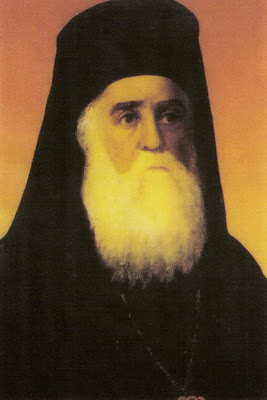
Ἅγιος Νεκτάριος: «Ἡ συνήθεια τοῦ νὰ ἁμαρτάνεις φέρνει θάνατο»


Κείμενα αὐτογνωσίας: «Περὶ ἐπιμελείας ψυχῆς»,

τοῦ Ἁγίου Νεκταρίου Πενταπόλεως

Ἀπέναντι στὴν ἁμαρτία ὀφείλουμε νὰ εἴμαστε ἀνένδοτοι, γιατί καὶ μία φορὰ νὰ ὑποκλέψει τὴ συγκατάθεσή μας, καθίσταται ἀληθινὸς κύριός μας. Πρόσφορο παράδειγμα ποὺ ὑποδεικνύει τὸν ὕπουλο καὶ τυραννικὸ χαρακτήρα τῆς ἁμαρτίας εἶναι ὁ τρόπος τῆς Σεμιράμιδος, μὲ τὸν ὁποῖο ὑφάρπαξε τὴ βασιλεία καὶ ἔγινε αὐτοκράτειρα. Ἡ Σεμιράμις κατόρθωσε μὲ παντὸς εἴδους θωπεῖες νὰ πείσει τὸν σύζυγό της Νίνο, βασιλιὰ τῆς Ἀσσυρίας νὰ παραιτηθεῖ γιὰ μία ἡμέρα ἀπὸ τὸ ἀξίωμά του καὶ νὰ τῆς παραδώσει τὸ σκῆπτρο τῆς βασιλείας. Ἀλλὰ ποιὸ ὑπῆρξε τὸ πρῶτο ἔργο τῆς νέας αὐτοκράτειρας; Νὰ διατάξει νὰ φονευθεῖ ὁ Νίνος, ὁ βασιλιὰς καὶ σύζυγός της, ὥστε νὰ ἐξασφαλίσει τὴν ἐξουσία ἰσοβίως πρὸς ὄφελός της. Ἡ παρομοίωση εἶναι πλήρης καὶ ταιριάζει σὲ ὅλα. Ἡ ἁμαρτία, ὅπως ἡ Σεμίραμις ποὺ ἀγωνίζεται μὲ παντὸς εἴδους θωπεῖες νὰ πετύχει τὴ συγκατάθεση τοῦ ἀνθρώπου, ἀμέσως μόλις κατορθώσει αὐτὸ ποὺ ποθεῖ, κατακυριεύει, αἰχμαλωτίζει καὶ θανατώνει τὸ λογικό. Ἐγκαθιστᾶ τὸν θρόνο της στὴν καρδιὰ καὶ τὴν κατευθύνει σὲ ὅλο τὸν βίο. Αὐτὴ εἶναι ἡ ἁμαρτία, αὐτὰ τὰ χαρακτηριστικά της.

Ὄχι λοιπόν, ἂς μὴν ὑποχωρήσουμε ποτὲ στὶς θωπεῖες της, ἂς μὴν παραδώσουμε σ’ αὐτὴν τὴν ἐξουσία· ἂς μὴν πράξουμε ὅ,τι δὲν θέλει ἡ ἐσωτερική μας διάθεση· ἂς μὴν ὑποδουλώσουμε τὴν ἐλεύθερη θέλησή μας στὴ θέληση τῆς ἁμαρτίας· ἂς μὴ συγκατατεθοῦμε σὲ ὅ,τι εἶναι ἀντίθετο πρὸς τὸν ἠθικὸ νόμο. Τίποτα ἂς μὴν καταστήσει τὴν καρδιὰ μας μαλθακή. Ἀκόμη καὶ τὰ…

πιὸ δελεαστικὰ λόγια, ἂς ἀναδείξουν τὴν καρδιὰ μας σκληρότερη ἀπὸ τὸν χάλυβα. Νὰ μὴ μᾶς κάνουν καμία ἐντύπωση τὰ δάκρυα, οἱ στεναγμοί, οἱ ὑποσχέσεις, οἱ ἀπειλές. Νὰ μείνουμε σταθεροὶ καὶ ἀκλόνητοι στὸ φρόνημά μας, ὥστε νὰ μὴν μᾶς συμβεῖ ὕστερα ἀπὸ λίγο τὰ στεγνὰ μαγουλά μας νὰ τὰ μουσκέψουν δάκρυα ἄκαρπης μετάνοιας. Ἡ ἄνανδρη ὑποχώρηση θὰ μᾶς προσκομίσει τὰ διπλὰ δεινά· πρῶτα τὴ ντροπὴ καὶ ὕστερα τὴ δυστυχία.

Ἀντιθέτως, ἡ ἀνδρεία θὰ προσκομίσει τὸ θάρρος, τὴ δόξα καὶ τὴν εὐτυχία. Τὰ πιὸ κατάλληλα παραδείγματα τὰ ὑποδεικνύει ἡ Ἁγία Γραφή. Ἀπὸ μὲν τοὺς ἄνδρες, τὸν πάγκαλο Ἰωσήφ, ὁ ὁποῖος ὑπέμεινε κάθε κακοπάθεια, ἀκόμη καὶ τὸν θάνατο, προκειμένου νὰ τηρήσει τὶς ἠθικές του ἀρχές, νὰ τηρήσει τὴν ἠθική του ἐλευθερία, νὰ τηρήσει τὸν νόμο τοῦ Θεοῦ. Ἀπὸ δὲ τὶς γυναῖκες, τὴν ἐνάρετη Σωσάννα, ἡ ὁποία προτίμησε τὸν θάνατο ἀπὸ τὴν ἁμαρτία. Ἐὰν ὁ Νίνος ἔμενε ἀνυποχώρητος στὶς θωπεῖες τῆς Σεμιράμιδος, αὐτὴ θὰ ἔμενε ὑποταγμένη σ’ αὐτὸν γιὰ ὅλη της τὴν ζωή. Σταθερότητα λοιπὸν καὶ ἀνδρεία, γιατί μόνο μὲ αὐτὰ θὰ διατηρήσουμε τὴν ἡγεμονία τοῦ λογικοῦ καὶ τὴν ἠθική μας ἐλευθερία.

Τὸ παράδειγμα τοῦ Νίνου μᾶς διδάσκει ὅτι ὄχι μόνο ἡ ἰσχυρὴ ἁμαρτωλὴ συνήθεια , ἀλλὰ καὶ ἡ ἁμαρτία ποὺ διαρπάχθηκε μία καὶ μόνο φορᾶ εἶναι κάτι ἐπικίνδυνο καὶ φοβερό. Ὡς ἐκ τούτου, εἶναι ἀνάγκη νὰ ἀποφεύγουμε τὴν ἁμαρτία μὲ ὅλη μας τὴ δύναμη. Ὡστόσο, ἐὰν ἁμαρτήσουμε, γρήγορα νὰ μετανοήσουμε, ὥστε νὰ μὴν ὑποδουλωθοῦμε. «Ἐὰν τὸ νὰ ἁμαρτήσει κανεὶς εἶναι βαρύ», λέει ὁ Μέγας Βασίλειος, «τὸ νὰ ἐπιμείνει στὴν ἁμαρτία πόσο βαρύτερο εἶναι;»· καὶ ὁ θεῖος Χρυσόστομος προσθέτει: «δὲν εἶναι φοβερὸ τὸ νὰ πέσεις, ἀλλὰ τὸ νὰ πέσεις καὶ νὰ μὴν σηκώνεσαι, τὸ νὰ κακοπαθεῖς μὲ τὴ θέλησή σου καὶ νὰ ἔχεις ἀποβλακωθεῖ ἀπὸ τοὺς λογισμοὺς ἀπογνώσεως, προσπαθώντας νὰ κρύψεις τὴν ἀσθενική σου προαίρεση»· καὶ ἀμέσως: «τὸ νὰ ἁμαρτάνει κανεὶς εἶναι ἴσως ἀνθρώπινο, τὸ νὰ ἐπιμένει ὅμως στὴν ἁμαρτία δὲν εἶναι ἀνθρώπινο, ἀλλὰ ὁλωσδιόλου σατανικό».

Ἀπόδοση στὴν Νέα Ἑλληνική: Εὐανθία Χατζὴ

Ἐπιμέλεια κειμένου – Ἐπίμετρο: Γιῶργος Μπάρλας

ΕΚΔΟΣΕΙΣ ΑΘΩΣ

πηγη

The three youths in the furnace - Constantine Zalalas ( Video )

«Εκ του υστερήματος…» ( Γέροντας Παΐσιος )


Γέροντα, ο Απόστολος Παύλος λέει: «Ιλαρόν δότην αγαπά ο Θεός». Εγώ πιέζω τον εαυτό μου, για να δώσω, ή να κάνω κάποιο καλό.

Είμαστε παιδιά του Θεού και είναι καθήκον μας να κάνουμε το καλό, γιατί ο Θεός είναι όλος αγάπη. Είδες η χήρα που φιλοξένησε τον προφήτη Ηλία; Ειδωλολάτρις ήταν, αλλά τί αγάπη είχε μέσα της! Όταν ο Προφήτης πήγε και της ζήτησε ψωμί, του είπε: «Έχουμε λίγο λάδι και αλεύρι∙ αυτό θα φάω με τα παιδιά μου και μετά θα πεθάνουμε». Δεν του είπε: «Δεν έχουμε να σου δώσουμε». Και όταν ο Προφήτης ,για να δοκιμάσει την προαίρεσή της ,της είπε να φτιάξη ψωμί πρώτα για εκείνον και μετά για τα παιδιά της, η καημένη αμέσως του έφτιαξε. Αν δεν είχε μέσα της αγάπη, θα έβαζε λογισμούς. «Δεν φτάνει που του λέω ότι έχουμε λίγο, θα έλεγε, ζητάει να φτιάξω πρώτα για εκείνον!».

Φάνηκε η προαίρεσή της, για να έχουμε εμείς παραδείγματα. Αλλά εμείς διαβάζουμε Αγία Γραφή, διαβάζουμε τόσα και τόσα, και τι κάνουμε;

Θυμάμαι, και στο Σινά τα Βεδουϊνάκια που δεν ήξεραν τίποτε από το Ευαγγέλιο , αν τους έδινες κάτι, ακόμα και πολύ λίγο να ήταν, θα το μοιράζονταν μεταξύ τους και θα έπαιρναν όλα από λίγο. Και αν για το τελευταίο δεν έμενε τίποτε, θα του έδιναν τα άλλα από το δικό τους.

Όλα αυτά να τα παίρνετε σαν παράδειγμα και να εξετάζετε τον εαυτό σας, για να βλέπετε πού βρίσκεσθε. Αν εργάζεται έτσι κανείς, ωφελείται όχι μόνον από τους Αγίους και από τους αγωνιστές ,αλλά από όλους τους ανθρώπους. Σκέφτεται: «Αυτό το φιλότιμο το έχω εγώ; Πώς θα κριθώ;» Γιατί ο καθένας μας μόνος του θα κριθή από τον καλύτερό του.

Αξία έχει να δίνουμε από το υστέρημά μας ,είτε πρόκειται για κάτι πνευματικό είτε για κάτι υλικό. Έχω, ας υποθέσουμε ,τρία μαξιλάρια. Αν δώσω το ένα που μου περισσεύει, δεν έχει αξία. Ενώ, αν δώσω αυτό που χρησιμοποιώ για προσκέφαλο, αυτό έχει αξία, γιατί έχει θυσία. Γι’ αυτό και ο Χριστός είπε για την χήρα: «Η χήρα η πτωχή αύτη πλείον πάντων έβαλεν…»


Γέροντας Παΐσιος

Γεια σου μαμά.....


Γεια σου μαμά, Είμαι το μωρό σου.

Δεν με ξέρεις ακόμα, είμαι μόνο μερικών εβδομάδων. Θα με γνωρίσεις σύντομα, το υπόσχομαι. Έχω καστανά μαλλιά και καστανά μάτια...

Ε λοιπόν δεν είμαι έτσι ακόμα, αλλά θα γίνω όταν γεννηθώ.Θα είμαι ο μοναχογιός σου.

Δεν θα έχω μπαμπά αλλά δεν πειράζει, θα έχουμε ο ένας τον άλλον.Όταν μεγαλώσω θέλω να γίνω γ......ιατρός.

Σήμερα, έμαθες ότι ............είσαι έγκυος μαμά. Ήσουν τόσο χαρούμενη. Χαμογελούσες. Έχεις το ποιο ωραίο χαμόγελο μαμά.

Όλη την μέρα μου μιλούσες και ένιωθα τόση ασφάλεια μαμά. Σ'αγαπάω μαμά.

Όταν μεγαλώσω υπόσχομαι να σε κάνω τόσο περήφανη. Θα γίνω γιατρός. Σήμερα είπες στον μπαμπά για μένα ... Δεν ήταν χαρούμενος μαμά. Είπε ότι δεν με θέλει. Γιατί δεν με θέλει μαμά ; Τί του έκανα; Ένιωσα έναν δυνατό κρότο και μετά σε ακούω να κλαίς.

Σε χτύπησε μαμά!

Γιατί το έκανε αυτό μαμά ; Μετά σε αγκάλιασε και σου ζήτησε συγγνώμη κ εσύ τον συγχώρεσες.. Όταν γεννηθώ, δεν θα επιτρέψω σε κανέναν να σε χτυπήσει ξανά. Λες οτι σ'αγαπάει μαμά. Αλλα εγώ δεν τον νομίζω.

Πάνε τρείς μέρες που σταμάτησες να μου μιλάς, ή να αγκαλιαζεις την κοιλίτσα σου.

Γιατί μαμά ; Δεν με αγαπάς ποια ; Εγώ σε αγαπάω μαμά. Σε ακούω να μιλάς με έναν γιατρό. Κάτι πρόκειται να γίνει μαμά.

Φοβάμαι, μαμά. Αρχίζω και πονάω. Σταμάτησε τους, βοήθησε με μαμαααα..

Τώρα είμαι στον παράδεισο μαζί με τα αγγελάκια μαμά. Μην ανησυχείς, είμαι καλά. Γιατί το έκανες αυτό μαμά ; Ήθελα τόσο πολύ να αντικρίσω το χαμογελό σου, να δω τον ήλιο,να γίνω γιατρός.ΝΑ ΖΗΣΩ.

Δέν πειράζει μαμά αν σταμάτησες να με αγαπάς. Μπορώ να σε δω από εδώ που είμαι οπότε δεν θα σε ξεχάσω ποτέ. Συγγνώμη αν έκανα κάτι κακό μαμά. Θέλω να με αγαπάς και πάλι !


Εγώ σε αγαπάω μαμά......

The Meaning of "Anathema" ( Saint John of San Francisco )


The Greek word "anathema" consists of two words: "ana," which is a preposition indicating movement upward and "thema," which means a separate part of something. In military terminology, "thema" meant a detachment; in civil government "theme" meant a province. We currently use the word "theme," derived from "thema," to mean a specific topic of a written and intellectual work.

"Anathema" literally means the lifting up of something separate. In the Old Testament, this expression was used both in relation to that which was alienated due to sinfulness as well as, to that which was dedicated to God.

In the New Testament, in the writings of the Apostle Paul it is used once in conjunction with "maranatha," meaning the coming of the Lord. The combination of these words means separation until the coming of the Lord; in other words being handed over to Him (1 Cor. 16:22).

The Apostle Paul uses "anathema" in another place without the addition of "maranatha" (Cal. 1:8-9). Here "anathema" is proclaimed against the distortion of the Gospel of Christ, as it was preached by the Apostle, no matter by whom this might be committed, whether by the Apostle himself or an angel from the heavens. In this same expression there is also implied: "let the Lord Himself pass judgement," for who else can pass judgement on the angels?

St. John the Theologian in Revelation (22:3) says that in the New Jerusalem there will not be any anathema. This can be understood in two ways: giving the word anathema both meanings: 1) there will not be any lifting up to the judgement of God, for this judgement has already been accomplished; 2) there will not be any special dedication to God, for all things will be the holy things of God, just as the light of God enlightens all (Rev. 21:23).


Saint John of San Francisco


In the acts of the Councils and the further course of the New Testament Church of Christ, the word "anathema" came to mean complete separation from the Church. "The Catholic and Apostolic Church anathematizes," "let him be anathema," "let it be anathema," means a complete tearing away from the Church. While in cases of "separation from the communion of the Church" and other epitimia or penances laid on a person, the person remained a member of the Church, even though his participation in her grace-filled life was limited. Those given up to anathema were thus, completely torn away from her until their repentance. Realizing that she is unable to do anything for their salvation, in view of their stubbornness and hardness of heart, the earthly Church lifts them up to the judgement of God. That judgement is merciful unto repentant sinners, but fearsome for the stubborn enemies of God. "It is a fearful thing to fall into the hands of the living God . . . for our God is a consuming fire" (Heb. 10:31; 12:29).

Anathema is not final damnation because until death, repentance is possible. "Anathema" is fearsome, but not because the Church wishes anyone evil or God seeks their damnation. They desire that all be saved. However, it is fearsome to stand before the presence of God in the state of hardened evil as nothing is hidden from Him.

"It is fearsome to fall into the hands of the living God: this is a tribunal of thoughts and movements of hearts. Let no one enter tempting the unblemished faith: but in meekness and fear let us come before Christ, that we may receive mercy and find grace for help at the proper time" (Stichera of the Aposticha, Palm Sunday, Vespers).

Prayer of our Holy Father St. Ambrose, Bishop of Milan


St. Ambrose attributed this prayer to the Apostle Matthew, upon the occasion of the Apostle's conversion.

Thee alone I follow, Lord Jesus, Who heals my wounds. For what shall separate me from the love of God, which is in Thee1. Shall tribulation, or distress, or famine? I am held fast as though by nails, and fettered by the bonds of charity. Remove from me, O Lord Jesus, with Thy potent sword, the corruption of my sins. Secure me in the bonds of Thy love; cut away what is corrupt in me. Come quickly and make an end of my many, my hidden and secret afflictions. Open the wound lest the evil humour spread. With Thy new washing, cleanse in me all that is stained. Hear me, you earthly men, who in your sins bring forth drunken thoughts: 1 have found a Physican. He dwells in Heaven and distributes His healing on earth. He alone can heal my pains Who Himself has none. He alone Who knows what is hidden, can take away the grief of my heart, the fear of my soul — Jesus Christ. Christ is grace, Christ is life, Christ is Resurrection! Amen.

Saturday, February 22, 2014

Λόγια της σοφίας ( Γέροντας Τύχων )


Πολύ στενοχωριόταν, όταν έβλεπε καλοθρεμμένο νέο, και περισσότερο, όταν
έβλεπε καλοθρεμμένο Καλόγηρο, επειδή δεν ταιριάζουν τα παχιά με το
Αγγελικό Σχήμα.
Μια μέρα τον επισκέφτηκε ένας λαϊκός πολύ χονδρός και του λέει:
- Γέροντα, έχω πόλεμο σαρκικό με βρώμικους λογισμούς, πού δεν μ' αφήνουν
καθόλου να ησυχάσω.
Ό Παπα - Τυχών του είπε:
- Εάν, παιδί μου, εσύ θα κάνης υπακοή, με την Χάρη του Χρίστου εγώ θα σε
κάνω Άγγελο. Να λες, παιδί μου, συνέχεια την ευχή, το Κύριε Ιησού Χριστέ,
ελέησόν με, και να περνάς όλες τις ήμερες με ψωμί και νερό, και το Σάββατο
και την Κυριακή να τρως φαγητό με λίγο λάδι. Να κάνης και από εκατόν
πενήντα μετάνοιες την νύκτα και να διαβάζης μετά την Παράκληση της
Παναγίας και ένα κεφάλαιο από το Ευαγγέλιο και το Συναξάρι του Αγίου της
ημέρας.
Μετά από έξιμήνες, πού τον ξαναεπισκέφτηκε, ο Γέροντας δεν μπόρεσε να
τον γνωρίση, γιατί είχαν φύγει όλα τα περίσσια παχιά, και με ευκολία πια
χωρούσε από την στενή πόρτα του Ναού του. Ό Γέροντας τον ρώτησε:
- Πώς περνάς τώρα, παιδί μου;
Κι εκείνος απήντησε:
- Τώρα νιώθω πραγματικά σαν Άγγελος, γιατί δεν έχω ούτε σαρκικές
ενοχλήσεις ούτε και βρώμικους λογισμούς και αισθάνομαι πολύ ελαφρός,
πού έφυγαν τα πάχη.


Γέροντας Τύχων

Συμβουλές ( Αγιος Πορφύριος )


Τώρα που ακόμη έχω τας φρένας μου σώας, θέλω να σας πω μερικές συμβουλές. Από μικρό παιδί όλο στις αμαρτίες ήμουνα. Και όταν με έστελνε η μητέρα μου να φυλάξω τα ζώα στο βουνό, γιατί ο πατέρας μου, επειδή ήμασταν πτωχοί, είχε πάει στη διώρυγα του Παναμά, για εμάς τα παιδιά του, εκεί που έβοσκα τα ζώα, συλλαβιστά διάβαζα το βίο του Αγίου Ιωάννου του Καλυβίτου και πάρα πολύ αγάπησα τον Άγιο Ιωάννη και έκανα πάρα πολλές προσευχές, σαν μικρό παιδί που ήμουνα 12-15 χρόνων, δεν θυμάμαι ακριβώς καλά. Και θέλοντας να τον μιμηθώ, με πολύ αγώνα, έφυγα από τους γονείς μου κρυφά και ήλθα στα Καυσοκαλύβια του Αγίου Όρους και υποτάχθηκα σε δύο Γέροντες αυταδέλφους, Παντελεήμονα και Ιωαννίκιο. Μου έτυχε να είναι πολύ ευσεβείς και ενάρετοι και τους αγάπησα πάρα πολύ και γι' αυτό, με την ευχή τους, τους έκανα άκρα υπακοή. Αυτό με βοήθησε πάρα πολύ, αισθάνθηκα και μεγάλη αγάπη και προς το Θεό και πέρασα πάρα πολύ καλά. Αλλά, κατά παραχώρηση Θεού, για τις αμαρτίες μου, αρρώστησα πολύ και οι Γέροντές μου μου είπαν να πάω στους γονείς μου στο χωριό μου εις τον Άγιο Ιωάννην Ευβοίας.

Και ενώ από μικρό παιδί είχα κάνει πολλές αμαρτίες, όταν ξαναπήγα στον κόσμο, συνέχισα τις αμαρτίες, οι οποίες μέχρι σήμερα έγιναν πάρα πολλές. Ο κόσμος όμως με πήραν από καλό και όλοι φωνάζουνε ότι είμαι άγιος. Εγώ όμως αισθάνομαι ότι είμαι ο πιο αμαρτωλός άνθρωπος του κόσμου. Όσα ενθυμόμουνα βεβαίως τα εξομολογήθηκα και γνωρίζω ότι γι' αυτά που εξομολογήθηκα με συγχώρησε ο Θεός, αλλά όμως τώρα έχω ένα συναίσθημα ότι και τα πνευματικά μου αμαρτήματα είναι πάρα πολλά και παρακαλώ όσοι με έχετε γνωρίσει να κάνετε προσευχή για μένα, διότι και εγώ, όταν ζούσα, πολύ ταπεινά έκανα προσευχή για σας. Αλλά όμως, τώρα που θα πάω για τον ουρανό, έχω το συναίσθημα ότι ο Θεός θα μου πη: Τι θέλεις εσύ εδώ; Εγώ ένα έχω να του πω: Δεν είμαι άξιος, Κύριε, για εδώ, αλλά ό,τι θέλει η αγάπη σου ας κάμη για μένα. Από εκεί και πέρα, δεν ξέρω τι θα γίνη. Επιθυμώ όμως να ενεργήση η αγάπη του Θεού.

Και πάντα εύχομαι τα πνευματικά μου παιδιά να αγαπήσουν το Θεό, που είναι το παν, για να μας αξιώση να μπούμε στην επίγειο άκτιστη Εκκλησία του. Γιατί από εδώ πρέπει να αρχίσουμε. Εγώ πάντα είχα την προσπάθεια να προσεύχωμαι και να διαβάζω τους ύμνους της Εκκλησίας, την Αγία Γραφή και τους βίους των Αγίων μας και εύχομαι και εσείς να κάνετε το ίδιο. Εγώ προσπάθησα με τη χάρι του Θεού να πλησιάσω τον Θεό και εύχομαι και σεις να κάνετε το ίδιο.

Παρακαλώ όλους σας να με συγχωρέσετε για ό,τι σας στενοχώρησα

Αγιος Πορφύριος

Pride ( Saint Tikhon of Zadonsk )


Pride is a most abominable sin, but hardly anyone recognizes it since it is hidden deep in the heart. Not knowing one's self is the beginning of pride. This ignorance blinds a man, and thus he becomes full of pride. O that man would know himself! He would know his own misfortune, poverty, and wretchedness; he would never become full of pride. But man is so wretched that he does not see and know his misfortune and wretchedness.

Pride is known by its deeds as a tree is known by its fruits. But let us see what are the fruits of the bitter seed of pride:

1. A proud man seeks honor, glory, and praise by every means. He always desires to appear as something, and to direct, command, and rule others. But he is powerfully angered and embittered at whoever may prevent his desire.

2. He complains, he is displeased, and he curses when deprived of honor and leadership. "What have I done wrong? Why am I at fault? Is this what my labors and service merit?" It often drives a man to kill himself.

3. He begins labors that are beyond his strength which he is not able to manage. O man! Why do you take up burdens which you cannot bear?

4. Out of his self-will he interferes in the affairs of others. He desires to direct everyone and everywhere, though he himself does not know what he is doing, so greatly is he blinded by pride.

5. He boasts of himself shamelessly and exalts himself. "I did thus and so. I rendered such and such service to society." O man! You enumerate your services, but why do you not mention your shortcomings? While it is shameful for you to proclaim those, you should also be ashamed to praise yourself.

6. He looks down on and humiliates other people. "He is a base man, he is useless," and so on. O man! He is a man just as you are, for we are all men. He is a sinner, yes, but I think that you cannot deny that name either. He transgressed in something, or is a sinner, but you, too, in another way, or perhaps in the same way. "For all have sinned, and come short of the glory of God" (Rom. 3:23).

7. He does not submit, he does not obey his authorities and his parents. The proud have a stiff and unbending neck. They always wish to establish and execute the will of their desires.

8. The goods that they have they ascribe to themselves, to their own efforts and labors, and not to God. O man! What can you have of your own self, who came naked out of your mother's womb? What can you have should God, the source of all good, not give it to you? What can our effort and labor accomplish without His help, Who alone is able do all things, and without Whom everyone is as nothing, as a shadow without a body?

9. He greatly dislikes reproach and admonition. He thinks himself pure, though he be all sullied.

10. He is impatient, is displeased, complains, and often even curses when in destruction, in contempt, in misfortunes and calamities.

11. He displays haughtiness and is somewhat pompous, etc. in word and deed. These are the fruits of pride, hateful to God and man. The fruits which it engenders are bitter. "For that which is highly esteemed among men is abomination in the sight of God" (Lk. 16:15). Wherefore it is also written, "For whosoever exalteth himself shall be abased" (Lk. 14:11).

The virtue opposed to pride is humility. But as far as pride is loathsome and abominable, so welcome and lovely is humility to God and men. God Who is great and exalted looks on nothing so lovely as on a humble and compunctionate heart. Whence even the Most Holy Theotokos says of herself, "For He hath regarded the low estate of His handmaiden" (Lk. 1:48).

When pride retreats from a man, humility begins to dwell in him, and the more pride is diminished, so much more does humility grow. The one gives way to the other as to its opposite. Darkness departs and light appears. Pride is darkness, but humility is light.

As we consider our own selves and come to know our misfortune and wretchedness, we shall have reason enough to be humble. We are born naked and with a cry. We live in calamity, misfortune, and sins. We die with fear, disease, and sighing. We are buried in the earth and return to the earth. There it is not evident where the rich man lies, where the poor, where the noble and where the lowly, where the master and where the servant, where the wise and where the foolish. There they are all made equal, for they all return to the earth. Why, then, should earth and corruption be conceited?

Beloved Christians! Let us know our misfortune and wretchedness, and "Humble yourselves therefore under the mighty hand of God, that He may exalt you in due time" (1 Pet. 5:6). Let us know, beloved, that we Christians are Christ's, Who is meek and humble of heart. It is a shameful thing, and very unbecoming of Christians, to be full of pride when Christ, God great and exalted, humbled Himself. It is a shameful thing for servants to be proud when their Master is humble. There is nothing as unbecoming and indecent of Christians as pride, and nothing shows a Christian as much as humility.

From humility it is known that a man is a true disciple of Jesus, meek and humble of heart. If we wish to show evidence that we are true Christians, let us learn from Christ to be humble as He Himself enjoins us, "Learn of Me; for I am meek, and lowly in heart" (Mt. 11:29). Let us engrave and deepen in our memory the saying of the Apostle now explained, "For God resisteth the proud, and giveth grace to the humble" (1 Pet. 5:6).


Saint Tikhon of Zadonsk


Guarding the conscience.( Abba Dorotheus )


When God created man, He planted something divine into him — a certain conception — a spark that has both light and warmth. The conception that enlightens the mind and indicates what is right and what is wrong is called conscience. Conscience is a natural law. Living in times before any written law, patriarchs and saints pleased God by following the voice of their conscience.

It is in our power to either "bury" our conscience, or allow it to shine within us and enlighten us through our subordination to it. Because when our conscience tells us to do something and we ignore it, or when it advises us to do something and we don’t do it, we burden it or, as though, bury it so that its voice becomes fainter from the weight on it. Just like it is impossible to see your reflection in muddy water, so do we cease to understand what our conscience says to us when we sin consciously. It is even possible to imagine that the conscience has perished. Nevertheless, there is not one human being that has lost his conscience, for it is something divine and can never be eradicated totally.


Abba Dorotheus


Obeying God ( St Isaac the Syrian )


To select a good deed depends on the initiator; to realize the intention — that is God’s deed. Consequently, let us adhere to the rule, so that every good intention that comes to us is followed by frequent prayers, appealing to God to not only grant us help, but also if it is pleasing or not to Him. Because not every good intention comes from God, but only those that are beneficial.

Sometimes, a person wishes something good, but God doesn’t help him — maybe because the intention came from the devil and is not for our benefit; or maybe because it is beyond our strength as we have not attained the necessary spiritual level; or maybe because it doesn’t correspond to our calling; or maybe because the time is not right to initiate it; or maybe because we don’t have the necessary knowledge or strength to accomplish it; or maybe because circumstances will not contribute to its success. Besides this, the devil contrives in every way to paint it as something good so that having inclined us toward it, he could upset our spiritual tranquility or inflict harm on us. That’s why it is necessary for us to diligently examine all our good desires. Better still, do everything after seeking counsel.


St Isaac the Syrian

Στιχολογία Αγιορειτική ( Video )

Friday, February 21, 2014

Τόσο πολλά παιδιά μου έδωσε ο Θεός!...( Αγίου Λουκά Κριμαίας )


«Οὐδείς ἐστιν ὃς ἀφῆκεν οἰκίαν ἢ ἀδελφοὺς ἢ ἀδελφὰς ἢ πατέρα ἢ μητέρα ἢ γυναῖκα ἢ τέκνα ἢ ἀγροὺς ἕνεκεν ἐμοῦ καὶ ἕνεκεν τοῦ εὐαγγελίου, ἐὰν μὴ λάβῃ ἑκατονταπλασίονα νῦν ἐν τῷ καιρῷ τούτῳ οἰκίας καὶ ἀδελφοὺς καὶ ἀδελφὰς καὶ πατέρα καὶ μητέρα καὶ τέκνα καὶ ἀγροὺς μετὰ διωγμῶν, καὶ ἐν τῷ αἰῶνι τῷ ἐρχομένῳ ζωὴν αἰώνιον». (Μκ. 10, 29-30).


Είναι αψευδής αυτός ο λόγος του Κυρίου. Σας βεβαιώνω ότι, όταν άφησα τα παιδιά μου και τα εμπιστεύτηκα στον Θεό, Εκείνος τα φρό­ντισε. Τα παιδιά μεγάλωσαν σωστά και νομίζω ότι εγώ δεν θα μπορούσα να τα φροντίσω τόσο καλά. Και ο Κύριος μου έδωσε εκατό φορές πε­ρισσότερα παιδιά. Μου έδωσε όλους εσάς. Μου έδωσε τις καρδιές σας διότι γνωρίζω πόσο με α­γαπάτε και εγώ ανταποκρίνομαι στην αγάπη σας με τη δική μου θερμή αγάπη. Τόσο πολλά παιδιά μου έδωσε ο Θεός!...


Και τα δικά σας παιδιά πρέπει να είναι μορφωμένα. Μόνο να μην περιορίζεται η μόρφωση και η αγωγή τους στην έξωθεν σοφία, στην σο­φία αυτού του κόσμου. Να μαθαίνουν ταυτόχρο­να την άνωθεν σοφία και την ανώτατη αλήθεια. Να μαθαίνουν το νόμο του Θεού και τις εντολές του Χρίστου, να μαθαίνουν την ευλάβεια, πώς να έχουν πάντα την μνήμη του Θεού και την σωστή χριστιανική οδό. Μόνο τότε δεν θα χαθούν τα παιδιά σας στις οδούς της ανθρώπινης σοφίας, μόνο τότε πάνω απ' όλα θα έχουν πάντα την χριστιανική σοφία, την γνώση του Θεού. Μ' αυτό τον τρόπο λοιπόν πρέπει να διαπαιδα­γωγούμε τα παιδιά μας.


Θα δώσετε λόγο ενώπιον του Θεού για τα κα­κά παραδείγματα πού δίνετε στα παιδιά σας, για τούς καυγάδες πού γίνονται μπροστά στα μάτια τους, για τις φλυαρίες πού ακούνε να λέτε. Αν εσείς οι ίδιοι το κάνετε αυτό τότε τα παιδιά σας τί μπορούν να μάθουν από σας;


Εξ απαλών ονύχων πρέπει να αρχίζουμε την αγωγή, διότι μόνο σε πολύ μικρή ηλικία τα παι­διά αποδέχονται με ευκολία νουθεσίες και προ­τροπές. Η ψυχή τους είναι σαν το κερί μαλακή όπου κάθε δικός σας λόγος η πράξη μένουν, και τα καλά και τα άσχημα παραδείγματα, λόγος α­γαθός η αισχρός.


«Μικρός βλαστός, όπου τον γέρνεις τέτοια κλίση θα πάρει, ένα καινούριο δοχείο αν θα εκ­πέμπει μυρωδιά η κακοσμία εξαρτάται από το με τι θα το γεμίσετε, βάζοντας μέσα είτε αρώματα είτε ακαθαρσίες» (Αγ. Τύχων του Ζαντόνσκ).


Μητέρα, το πιο αγαπημένο πρόσωπο για το παιδί, πηγή στοργής και τρυφερότητας, στέκε­ται προσευχόμενη μπροστά στην εικόνα του Χριστού. Το παιδί κοιτάζει πότε αυτήν και πότε την εικόνα και δεν έχει ανάγκη από μακρές εξηγήσεις για το τί σημαίνει αυτό. Να, αυτό είναι το πρώτο σιωπηλό μάθημα της θεογνωσίας. Αυ­τό είναι το πρώτο και το πιο σημαντικό μάθημα της ευλάβειας. Τέτοια μαθήματα μπορείτε και πρέπει πάντα να δίνετε στα παιδιά σας.


Δεν υπάρχει για την μητέρα καθήκον μεγαλύ­τερο και έργο ιερότερο, για το όποιο αύτη φέρει ευθύνη ενώπιον του Θεού, απ' αυτό της ανατροφής των παιδιών. Στον Θεό θα δώσετε λόγο αν αμελήσετε αυτό το έργο. Και από τώρα θ' αρχίσουν τα βάσανα σας και θα ρίχνετε πικρά δάκρυα και θα αναστενάζετε βλέποντας τα παιδιά σας. Λοιπόν, «Ὁρᾶτε μὴ καταφρονήσητε ἑνὸς τῶν μικρῶν τούτων». (Ματ. 18, 10) Να φροντίζετε τα παιδιά σας, να είστε γι' αυτούς παράδειγμα της γνήσιας χριστιανικής ζωής και η ευλογία του Κυρίου στους αιώνες των αιώνων θα είναι σ' όλους εσάς και στα παιδιά σας.


Αγίου Λουκά Κριμαίας

To become Christian ( Metropolitan Anthony Bloom )


The spiritual life, the Christian life, does not consist in developing a strong will capable of compelling us to do what we do not want. In a sense, of course, it is an achievement to do the right things when we really wish to do the wrong ones, but it remains a small achievement. A mature spiritual life implies that our conscious will is in accordance with the words of God and has remolded, transformed our nature so deeply, with the help of God’s grace, that the totality of our human person is only one will.


To begin with, we must submit and curb our will into obedience to the commandments of Christ, taken objectively, applied strictly, even when they clash with what we know about life. We must, in an act of faith, admit against the evidence that Christ is right. Experience teaches us that certain things do not seem to work as the gospels say they should; but God says they do, so they must. We must also remember that when we fulfill God’s will in this objective sense, we must not do it tentatively, thinking of putting it to the test, to see what comes of it, because then it does not work. Experience teaches us that when we are slapped on the one cheek, we want to retaliate; Christ says ‘turn the other cheek’. What we really expect when we finally determine to turn the other cheek is to convert the enemy and win his admiration. But when instead we are slapped again, we are usually surprised or indignant, as though God has cheated us into doing something quite unworkable.

We must outgrow this attitude, be prepared to do God’s will and pay the cost. Unless we are prepared to pay the cost, we are wasting our time. Then, as a next step, we must learn that doing is not enough, because we must not be drilled into Christianity, but we must BECOME Christians…

~Metropolitan Anthony Bloom

Ο Ιερέας και το αλκοτέστ (Αληθινή Ιστορία)


     Ιερέας ο ένας λαϊκός ο άλλος ( φίλοι και κουμπάροι ) επιστρέφανε από το Άγιο Όρος.
Δάφνη, Σταυρονικήτα, Διονυσίου η σύντομη διαδρομή ...για να γεμίσουν οι μπαταρίες.
Στο λεωφορείο της επιστροφής ανάμεσα στα σχόλια των ημερών για το Όρος...
Ιερέας: Να σου πω κάτι, δεν θα το πιστέψεις.
Λαϊκός: Πες μου, τι είναι;
Ιερέας; Μια φορά είχα πάει σε μια αγρυπνία σ' ένα γνωστό μου στη Θήβα. Ήμαστε πολλοί παπάδες γιατί γιόρταζε η Εκκλησία, αλλά και ο κόσμος έφθανε μέχρι το δρόμο. Στην ώρα της Θείας Κοινωνίας ετοιμάσαμε τέσσερα Άγια ποτήρια για να μην καθυστερούμε και τον κόσμο, είχε περάσει και η ώρα.

Εγώ κάπως καθυστέρησα, με φώναξε ο Δεσπότης κάτι να μου πει και άργησα να βγω στον κόσμο.
Βγαίνοντας τελικά ίσα που πρόλαβα και κοινώνησα πέντε- έξι.
Το ποτήρι ήταν γεμάτο μέχρι πάνω και έτσι κατέλυσα μόνος. Χαιρέτισα τους πατέρες και έφυγα γρήγορα, είχα άλλωστε και διαδρομή μέχρι την Αθήνα.
Ιερέας: Ακούς ή κοιμήθηκες;
Λαϊκός: Έλα συνέχισε.
Ιερέας: Βγαίνοντας από την Θήβα να σου κι' ένα περιπολικό της τροχαίας να μου κάνει σήμα να σταματήσω.
Αστυνομικοί: Καλησπέρα πάτερ, πώς κι΄από δω;
Ιερέας: Επιστρέφω στην Αθήνα.
Αστυνομικοί: Γυρνάνε και οι παπάδες την νύχτα;
Ιερέας: Βρε ευλογημένε σε αγρυπνία ήμουν με τον π. Ν στην Εκκλησία σας που γιορτάζει.
Αστυνομικοί: Μια και σε σταματήσαμε, να κάνουμε ένα αλκοτέστ.
Ιερέας: όπως νομίζετε παιδιά
Ετοίμαζαν οι Αστυνομικοί το αλκοτέστ, σβούρα το μυαλό του παπά - γεμάτο το Άγιο ποτήρι, το κατέλυσα μόνος μου ...λες ; μπα όχι... έχει ο Θεός.
Αστυνομικοί: Φύσα παπά.
Ιερέας : Ορίστε φύσηξα, πάρτο.
Αστυνομικοί: Αρνητικό, δεν μου λες παπά δεν πίνεις καθόλου κρασί, ο δείκτης είναι κάτω από τα φυσιολογικά, άντε στο καλό.
Ιερέας: Καληνύχτα παιδιά
Ξεμάκρυνε ο παπάς, σαν άνθρωπος ίσως κάποιο δευτερόλεπτο παλαντζάρισε η ψυχή του, μα σαν ιερεύς χάιδεψε λίγο το στήθος του, ένα χαμόγελο φάνηκε στα χείλη του και ένα "Δόξα Σοι ο Θεός" έσκισε τον Ουρανό και έφτασε στο θρόνο του Θεού.
Ιερέας: Κατάλαβες ή κοιμάσαι τόση ώρα;
Λαϊκός: Κατάλαβα πατερ...κατάλαβα!
Είχε γυρίσει ο λαϊκός προς το παράθυρο, και ένα δάκρυ χαράς και ευγνωμοσύνης για τον Θεό γλίστρησε απ' τα μάτια ένοιωσε τώρα μες τα κατάβαθα της ψυχής η πίστη του μέσα του να μην είχε κολληθεί... αλλά πακτώθηκε, έγινε ένα.
χ.

Υ.Γ. Το πιο πάνω είναι αληθινό γεγονός.
Αναρτήθηκε από Όπου Γης - Στις Ορθόδοξες Γειτονιές του Πλανήτη

Υπακοή ( Γέροντας Ιωσήφ ο ησυχαστής )

 
    Όντως μέγα είναι, στην αλήθεια, το μυστήριο της υπακοής! Αφού ο γλυκύς μας Ιησούς πρώτος χάραξε το δρόμο και έγινε παράδειγμα για μας, πόσο μάλλον εμείς είμαστε οφειλέτες να Τον μιμηθούμε. 


Γέροντας Ιωσήφ ο ησυχαστής 

Believe ( St. Justin Popovich )


Man is born, in fact, not when his mother brings him into the world, but when he comes to believe in the Risen Christ, for then he is born to life eternal, whereas a mother bears children for death, for the grave.


The Resurrection of Christ is the mother of us all, all Christians, the mother of immortals. By faith in the Resurrection, man is born anew, born for eternity.


'' That is impossible,'' says the skeptic. But you listen to what the Risen God-Man says, '' All things are possible to him that believeth!'' ( St. Mark 9:23 )


The believer is he who lives, with all his heart, with all his soul, with all his being, according to the Gospel of the Risen Lord Jesus.


St. Justin Popovich

Όταν σε πιάνει κατάθλιψη ( Αγιος Πορφύριος )


- Σ’ εσάς την ίδια, κυρία Χ., τι έλεγε ο Γέροντας τις ώρες της μοναξιάς και του πόνου σας, που ο άνδρας σας πέθανε τόσο πρόωρα και τόσο νέος;

- Με βοήθησε πάρα πολύ ο Γέροντας τις στιγμές εκείνες, που είναι φυσικό να σε πιάνει η κατάθλιψη κι αρχίζουν να σε βασανίζουν τα ερωτηματικά: «Γιατί, Θεέ μου, γιατί τόσο νωρίς;» Ένιωθα τότε μια ακηδία κι ένα βούλιαγμα στο κάθισμα και δεν μπορούσα να σηκωθώ.

Με συμβούλευσε τότε: «Μόλις αισθάνεσαι αυτό το πράγμα, να πετάγεσαι όρθια, και να πηγαίνεις μια βόλτα στο βουνό». Κι όταν τον ρώτησα πώς να έβγαινα έξω άμα ήταν βράδυ, μου απάντησε: «Άμα δεν μπορείς να βγεις, να φέρνεις στο νου σου όλο ωραίες εικόνες, όπως, ας πούμε, εκείνο το πάρκο, που είχατε επισκεφθεί με τον άνδρα σου και τα παιδιά σου, ή εκείνο το ωραίο ηλιοβασίλεμα, που απολαύσατε στη θάλασσα. Θα διώχνεις τους άσχημους λογισμούς και θα λες: «Κύριε Ιησού Χριστέ, ελέησε τον άνδρα μου, ελέησε κι εμάς».

Μου εμφύσησε ,ακριβώς, αυτή την πεποίθηση ότι υπάρχει επικοινωνία μεταξύ της ζώσας και της θριαμβεύουσας Εκκλησίας.


Αγιος Πορφύριος

The great deeds of martyrs ( Bishop Alexander Mileant )


When someone enters an Orthodox church, he enters into a special, heavenly world: on all sides he is surrounded by the images of angels and saints. Among these multitudes, there are people of different nationalities, of different epochs, social origins, educational backgrounds and ways of life. Here are princes and simple folk, rich and poor, educated and illiterate. What most of them have in common is that they violently left this world dying for Christ.

Those who gave their lives for their faith are known as martyrs. The Russian word, muchenik, has at its root the concept of suffering, of a violent death. The ancient Church used the term martis, which means, "witness" in Greek. Why they are so called, and what gave them the strength to stand so courageously for the Christian faith, are the issues we will discuss below.

The word "witness" is generally understood to mean eyewitness, i.e., a person who observed (or heard) something first-hand and testifies to it. Legal decisions are made based on a witness’ testimony for the prosecution and for the defense. The demand is made of the witness that he presents not opinions or hearsay, but only that which was actually observed. He must bring only facts to bear. The Christian becomes a "witness" to his faith when his words and his life bear witness to a new life in Christ, a life in which he is a participant. Here the object witnessed is not the external so much as the internal spiritual experience.

The Holy Gospel refers to our Lord Jesus Christ as "The True Witness (martis)." "Jesus Christ, who is the faithful witness, and the first begotten of the dead. … the faithful and true witness, the beginning of the creation of God" (Rev. 1:5, 3:14). Following Pentecost, the Apostles and other preachers of the Gospel also become witnesses: "… and you shall be witnesses to Me in Jerusalem … one of these must become a witness with us of His resurrection" (Acts 1:8, 1:22). "I ... who am also an elder, and a witness of the sufferings of Christ" (1 Pet. 5:1). "I know thy works and where thou dwellest ... the souls of them that were slain ... for the testimony which they held" (Rev. 2:13, 6:9).

Our Lord Jesus Christ said of His mission in the world: "To this end was I born, and for this cause came I into the world, that I should bear witness unto the truth. Every one that is of the truth heareth my voice. And ye shall know the truth, and the truth shall make you free" (Jn. 18:37, 8:32). The truth to which the Son of God bore witness was not an abstract religious-philosophical system, but a divine revelation of that which He had heard from His Father and seen in that heavenly world from whence He had come. He explained as someone who knew from experience, and taught how to live as the blessed live in the Kingdom of His Father.

Those who accepted His witness, He brought, inasmuch as it was possible for them, into contact with the heavenly life, giving them a foretaste of the joy of communing with God, and helping them to see the divine light. Those who experienced this state of grace in turn became witnesses of Christ — sometimes by word, but more often by deed — in their virtuous lives.

For the Apostles, the religious experience was particularly perceptible. The Apostle John wrote of that which he and the other Apostles experienced when communicating with the Savior:

"That which was from the beginning, which we have heard, which we have seen with our eyes, which we have looked upon, and our hands have handled, of the Word of life; (For the life was manifested, and we have seen it, and bear witness, and shew unto you that eternal life, which was with the Father, and was manifested unto us;) That which we have seen and heard declare we unto you, that ye also may have fellowship with us: and truly our fellowship is with the Father, and with his Son Jesus Christ. And these things write we unto you, that your joy may be full (1 Jn. 1:1-4).

If Christ had offered only abstract ideas, they would have been accepted calmly, and would not have caused the extreme split in society, which we see in the history of Christianity. The words of Christ, like a bright light, penetrate the sinner’s darkened soul. Therefore believing in Christ and accepting His teaching invariably leads to the reconstruction of view of the world and to the most fundamental changes in the way of life. But, at the same time, they act upon a person as a beneficial balm. Bringing a renewing spiritual force for the internal struggle with evil, they inspire in him the desire to live for a higher good.

And, as a person cleanses himself and approaches moral perfection, he experiences the love of God. New horizons open before his spiritual eyes, and he begins better to comprehend the basis of spiritual life, the passing and false nature of all that takes place around him. He understands better, what he must attain and how he must act. Feeling from personal experience his own former baseness and the joy of communing with God, he no longer wishes to return to the old darkness from which he has escaped. Just the opposite — the Kingdom of God becomes for him something precious, "…the kingdom of heaven is like unto treasure hid in a field; the which when a man hath found, he hideth" (Mt. 13:44), for which he is ready to give everything, even his own life.

Unfortunately, not all are capable of seeing the light, not all find in themselves the strength to part with their sinful habits, to refuse material goods for the renewal of their soul. The Gospel tells us how from the first day of Christ’s preaching, society began to divide into two camps — those who joyfully accepted His teaching and those who rejected it. Indeed, the latter group did not merely ignore Christ’s teaching, but actively rose against it with indignation, even with uncontrollable hatred. Jesus Christ thus defined the reaction of people to his witness: "For every one that doeth evil hateth the light, neither cometh to the light, lest his deeds should be reproved. But he that doeth truth cometh to the light, that his deeds may be made manifest, that they are wrought in God" (Jn. 3:20-21). In other words, the teaching of Christ possesses the ability to expose the true nature of a person, his secret motivations. A person, who before hearing the teaching of the Gospel has been in a sort of neutral spiritual state, cannot stay indifferent any longer: he becomes either a follower or an enemy of Christ.

The animosity toward Christ held by the Pharisees and other Jewish religious leaders ultimately led to their bringing false witness against Him at His judgment, sentencing Him to death and forcing Pilate to agree to his crucifixion. Thus, the first Witness to spiritual life (Rev 1:5) — our Lord Jesus Christ — also became its first Martyr. But He defeated the leader of lies and death, the devil, and promised to all who accept the Truth that they will triumph.

The Resurrection of the Savior and the descent of the Holy Spirit were the significant events that totally convinced the Apostles of the truth of all that the Lord Jesus Christ had taught, and as witnesses, they devoted their lives to the preaching of the Gospel among all peoples. They understood their preaching to be a type of witness before people of that grace which they had received in Jesus Christ. And just as during the life of Jesus Christ, His witness appealed to some and antagonized others, so too in subsequent ages did Christian proselytism enter into society as a dividing force: "Think not that I am come to send peace on earth: I came not to send peace, but a sword. For I am come to set a man at variance against his father, and the daughter against her mother, and the daughter in law against her mother in law. And a man's foes shall be they of his own household" (Mt. 10:34-36).

The first Christian to suffer was the archdeacon Stephen, who was stoned by the Jews outside the walls of Jerusalem soon after the Apostles were visited by the Holy Ghost. In time, in different countries and at different times, all of His followers suffered for their faith in Christ. Probably only St. John the Evangelist died his own death; this was a reward for his courageous presence at the foot of the Cross.

Nero (54-68 A.D) was the first Roman emperor to embark on a course of massive and systematic persecution of Christians. During his reign, the Apostles Peter and Paul suffered in Rome. Christians were fed to wild beasts at Roman circuses or covered in tar and set aflame like torches to light the city streets.

A second-century author, St. Justin the Philosopher, who also ended his life as a martyr, illustrated how Christianity divided society in its most basic unit — the family. He related a story of how, in the city where he lived, one pagan woman converted to Christianity. Her husband, who remained a pagan, was angered by this conversion and complained to a local magistrate. Foreseeing no good in this, the woman received a continuance of her court appearance in order to tend to affairs relating to her property. While she was busy with these affairs, her angered husband brought before the court a certain Ptolemy, who, he had learned, had been responsible for his wife’s conversion. Ptolemy was interrogated, and when he admitted his Christian faith, was sentenced to death by the judge. Two members of the court felt that a death sentence was rather harsh for a man whose only "crime" was his religious conviction. The judge inquired as to whether the dissenters were also Christians. When they confirmed this, he sentenced them to death as well. Thus, in the process of preparing for the trial of the Christian wife, three other Christians were executed. Later, the wife was also tried and executed.

In his Second Apology to the Roman Senate, St. Justin tells us that all this took place because the wife, having become a Christian, refused to participate in her husband’s unnatural perversions, deeming them to be sinful.

Although we know the names of only a few thousand martyrs, their actual number runs into the tens of millions.

The persecution of Christians never completely subsided; however, its intensity alternated between greater and lesser, and its geographic focus shifted. Certain periods of time were especially difficult for Christians. Many Roman emperors and pagan rulers directed bitter campaigns of persecution against believers during the first three centuries of Christianity. After a period of relative calm, Moslem Arabs began a new wave of persecution in the 7th to 9th centuries. The Turks followed in the 13th to 18th centuries. Notice the contrast between the methods used to spread Christianity and Islam: The Apostles came to people preaching love; they were full of gentleness and often became victims of unbelievers. However, from the first day of its appearance, the Moslem religion, spread literally by sword and flame. Finally, in our own century, ferociously anti-religious Communists attempted to root out all Christian faith mercilessly. Every new wave of persecution becomes more murderous and bloody than the previous one. The Holy Gospel predicts even greater persecution before the end of the world.

Thus, the battle against Christian faith is a continuing theme of all New Testament history. As the Holy Gospel explains, this warfare is directed by the fallen angel, the ancient dragon, become the "prince of the world."

But, even having suffered physically for Christ, His witnesses were not destroyed. Just the opposite — they, like Christ, were victorious and now sit with Him in Heaven: "To him that overcometh will I grant to sit with me in my throne, even as I also overcame, and am set down with my Father in his throne" (Rev. 3:21).

The conditions of death are unique for every Christian confessor. They have a common logic in that the Lord Jesus Christ and the state of grace they found in Christianity became for them the most important element of their lives. "A Christian would sooner give his life for his faith than a pagan would give a piece of his cloak for all the gods," wrote Origen (circa 182-215 A.D), in his letter to Celsius (7:39). To disavow Christ and His teaching meant for them the forfeiture of that which was dearest to them — God and eternal life. It would have meant to bow their heads before evil and untruth in order to prolong their insignificant earthly existence — and to do so would have been a terrible tragedy for them.

Christian martyrdom is at its core quite different from the self-sacrifice of fanatics. Fanaticism is a blind attachment to an idea. Fanatics are capable of sacrificing their lives in order to prove something to others, for example, as Buddhist monks recently set themselves on fire in order to draw public attention to problems in their country. Christianity forbids suicide as a great sin. "When they persecute you in one city, go to another," said Christ (Mt. 10:23). Martyrs did not suffer in order to "prove" something, but to guard the spiritual grace their lives had acquired in the Lord Jesus Christ. To them, spiritual life was more important than physical life.

"For to me to live and die in Christ is a gain," said the Apostle Paul (Phil. 1:21). He taught Christians to accept persecution with joy, as an honor and opportunity to receive an even greater reward in Heaven: "For to you it has been granted on behalf of Christ, not only to believe in Him, but also to suffer for His sake" (Phil. 1:29).

Our Lord Jesus Christ knew of the sufferings that his followers would endure and sought to prepare them for their sacrificial deeds by saying:

I send you forth as sheep in the midst of wolves: be ye therefore wise as serpents, and harmless as doves. But beware of men: for they will deliver you up to the councils, and they will scourge you in their synagogues ... And fear not them which kill the body, but are not able to kill the soul: but rather fear him which is able to destroy both soul and body in hell ... Also I say unto you, Whosoever shall confess me before men, him shall the Son of man also confess before the angels of God: But he that denieth me before men shall be denied before the angels of God ... And when they bring you unto the synagogues, and unto magistrates, and powers, take ye no thought how or what thing ye shall answer, or what ye shall say. For the Holy Ghost shall teach you in the same hour what ye ought to say... And the brother shall deliver up the brother to death, and the father the child: and the children shall rise up against their parents, and cause them to be put to death. And ye shall be hated of all men for my name's sake: but he that endureth to the end shall be saved... Are not two sparrows sold for a copper coin and not one of them falls to the ground apart from your Father’s will. But the very hairs of your head are all numbered. Fear ye not therefore, ye are of more value than many sparrows (Mt. 10:16-42; Lk. 12:2-12; 21:12-19).

Upon witnessing the unshakeable faith of the Christians, the great courage with which they accepted suffering and death, many pagans saw the truth of the Christian teachings and were themselves, converted to Christianity. This justified Tertullian’s comment in the 3rd century that "the blood of martyrs is the seed of Christianity."

So Christian martyrs bear witness to eternal qualities, spiritual wealth and true life. Leaving this mournful world, they stand forever, in indescribable joy, near the throne of God, just as envisaged by the Apostle John:

After this I beheld, and, lo, a great multitude, which no man could number, of all nations, and kindreds, and people, and tongues, stood before the throne, and before the Lamb, clothed with white robes, and palm branches in their hands... These are they which came out of great tribulation, and have washed their robes, and made them white in the blood of the Lamb. Therefore they are before the throne of God, and serve him day and night in his temple: and he that sitteth on the throne shall dwell among them. They shall hunger no more, neither thirst any more; neither shall the sun light on them, nor any heat. For the Lamb which is in the midst of the throne shall shepherd them, and shall lead them unto living fountains of waters: and God shall wipe away every tear from their eyes (Rev. 7:9-17).

Through their sacrifice, the martyrs in Christ bear witness to the reality of spiritual values and the existence of another life, far superior to our own. They call on us to struggle courageously against evil, to love God and to feel for ourselves what a great gift it is to have Him in our souls. Through the prayers of the holy martyrs may the Lord grant to us a strong faith and the valor necessary to attain the quiet haven of the Kingdom of God.

Children and Obedience ( Elder Tadej (Štrbulović) of Vitovnica )


Obedience constructs and self-will destructs. A child has to learn to be obedient to its parents and to God. It’ll remember the words of its parents all its life and will always respect its elders, and not only those but people who are younger, too. It’ll be polite and careful with everyone. Unfortunately, there are very few families who bring their children up in this way.


The spirits of evil provide a distraction in the minds of our children and they try to upset them. Children have to be taught obedience, especially before they’re five years old, because it’s at this age that their characters are formed. So the traces of the way their characters have been shaped will remain with them for the rest of their lives. Parents should teach their children total obedience at this time of their lives. When one of the parents says something, the response should be: “Whatever you say”. Today, unfortunately, parents don’t know this and teach their children exactly the opposite. But then they’re bringing them up…

If parents say, “Stay here” then the child should stay where it’s been told to. But the child’s a child; it can’t stay still in one place. What usually happens is that the parents smack the child for its disobedience. This isn’t a good way to teach a child obedience. It may be that, sometimes, such a reaction is necessary, but it should be performed with love and the child should feel this love. Parents should never smack their children in anger. Because if you start chastising someone when you’re angry, you’ll get nowhere. You’ll damage the person in front of you and yourself, as well. If you want to set someone on the right road, you should teach them and advise them. You should first humble yourself and speak to them with a great deal of love. They’ll accept your advice if it’s given with love. But if you want your own will to be imposed at all costs, you won’t achieve anything at all. That’s what makes children react badly. When a child is disobedient, the answer isn’t to smack it.

Parents berate their children over the slightest things. It’s as if they don’t know how people can speak calmly and gently to them. When a parent has to set boundaries for a child, it should feel that, behind the strictness, there’s love. It’s a great mistake to punish children at the moment that they’re doing wrong, because that won’t do any good. You should wait for them to calm down and then, with lots of love, tell the child it’s done wrong and that it has to accept some form of punishment. If the same thing happens again, then the child is given a more severe punishment and, in this way, learns.

The holy will of God works within us from our parents or through our teachers or our employers. If we need to correct the behaviour of a child, we have to do it with great love and care. If the only thing we have in mind is to change the life of the child, we’ve already given it a slap just with our thoughts. I’ve noticed this during my time as an abbot: I’ve often seen one of the brothers not acting properly, but at the moment when I was about to tell him off, I’ve felt that I’d already given him a slap.

Our thoughts can be very intrusive and have great power. This is true particularly in the case of the thoughts of parents. A parent needs to put up with much and forgive everything. We can forgive others only if we have good and kindly thoughts. If we have thoughts aimed at correcting other people’s mistakes, it’s as if we’re striking them. Irrespective of how close somebody is to us, they’ll be driven away, because we’ll have given them a slap, through our thoughts. And we’re of the opinion that thoughts are a mere nothing!

We punish our children, but, in fact, have no right to do so, because we’ve failed to teach them the right way. A lady doctor told me some time ago in a letter: “I’ve got a son by my husband, who’s also a doctor. Our son has written off three cars- thank God he’s still alive. Now he wants us to buy him another car, but we can’t afford it any more. When we get home from work he tries to get money from us, even by force. What can I do to solve this problem?” I told her that the only ones to blame were themselves. They had a son and they’d allowed him to do whatever he wanted, even from when he was very little. When he was a child, his demands were commensurately less, but now he’s older, so they’d become greater. The only thing they could now do would be to give their son lots of love and care so that he might come to his senses and realize that the only thing his parents were concerned about was his own good. There’s no other way except the way of love. Do you see from this example how we can improve our own lives and those of our neighbours, with our thoughts? We hope that your own efforts in this direction will bear fruit.

Kakve su ti misli, takav ti je život ((Какве су ти мисли, такав ти је живот; Our Thoughts Determine our Lives).

- See more at: http://pemptousia.com/2014/02/children-and-obedience/#sthash.2HZ7YOyY.dpuf


Κέντρο να είναι ο Θεός ( Γέροντας Παϊσιος )


Κοίταξε να πετάξεις τον εαυτό σου, γιατί αν δεν πετάξεις τον εαυτό σου, θα σε πετάξει ο εαυτός σου.

Αν πετάξεις τον εαυτό σου, μετά θα πετάς. Τι τον κρατάς τον εαυτό σου για τον εαυτό σου; Το κομμάτι της αγάπης που κρατάς για τον εαυτό σου, το αφαιρείς από την ολοκληρωτική αγάπη που πρέπει να έχεις για τους άλλους.

Αν γνωρίσεις τον εαυτό σου, θα δεις ότι δεν έχεις τίποτα δικό σου και τίποτε δεν μπορείς να κάνεις χωρίς τη βοήθεια του Θεού.

Αν λοιπόν καταλάβεις πως ότι καλό κάνεις είναι από τον Θεό και όσες χαζομάρες κάνεις είναι δικές σου, τότε θα πάψεις να έχεις εμπιστοσύνη στον εαυτό σου και θα απαλλαγείς από την αυτοπεποίθηση.

Σε κάθε σου ενέργεια, ακόμη και στην παραμικρή σου κίνηση, κέντρο να είναι ο Θεός. Στρέψε όλο τον εαυτό σου προς τον Θεό.


Γέροντας Παϊσιος

Το θαύμα του Αγιου Σπυρίδωνα με το φίδι ( Αγιος Σπυρίδωνας )


Μια μέρα, ένας άλλος πτωχός με πολυμελή οικογένεια κτύπησε την πόρτα της επισκοπής του. Πλησίασε τον άγιο και με δάκρυα του ζήτησε ένα δάνειο. Το ήθελε για να πληρώσει κάποιο χρέος του σ' ένα πλούσιο, που απειλούσε να του πωλήσει το σπίτι του. Πού να βρει όμως ο άγιος ένα τόσο μεγάλο ποσό;

Στον πόνο που του δημιουργούσαν τα πικρά δάκρυα του πτωχού, που από τη θλίψη σπάραζε, ο στοργικός επίσκοπος καταστενοχωρημένος άρχισε να βηματίζει. Ξάφνου εκεί μπροστά του πήρε το μάτι του ένα φίδι να σέρνεται μέσα στην πρασινάδα.

Σαν αστραπή πέρασε από τον νου του το ραβδί του Ααρών, που στο παλάτι του Φαραώ τ' αφήκε να πέσει στη γη κι έγινε φίδι. «Άς ήταν, Κύριε, το φίδι αυτό να γινόταν χρυσάφι για τον πτωχό αυτόν οικογενειάρχη, είπε σιγανά. Ναί, Κύριε. Άς γινόταν χρυσάφι, για να βοηθηθεί το δυστυχισμένο αυτό πλάσμα σου», ξανάπε και σήκωσε το χέρι. Το φίδι σταμάτησε. Κι ο άγιος έσκυψε και το πήρε. Στο χέρι του το σιχαμερό ερπετό μεταμορφώθηκε κι άστραψε τώρα χρυσαφένιο.

- Πάρτο, παιδί μου, είπε ο άγιος με καλωσύνη. Πάρτο να κάμεις τη δουλειά σου.

Κι ο πτωχός γεμάτος χαρά πήρε το χρυσάφι κι έτρεξε και το 'δωκε ενέχυρο στον πλούσιο δανειστή. Όταν αργότερα με τη βοήθεια του Θεού πλήρωσε το χρέος του, ο δανειστής του επέστρεψε το χρυσαφένιο ενέχυρο.

Κι ο πτωχός το πήρε και με δάκρυα ευγνωμοσύνης το γύρισε στον άγιο. Αυτός, αφού το έλαβε στα χέρια, έστρεψε τα μάτια στον ουρανό, δόξασε τον Θεό για την άπειρη φιλανθρωπία του κι ύστερα το έριξε στη γη. Και ώ του θαύματος!

Το χρυσάφι έγινε και πάλι φίδι κι έφυγε από μπροστά τους.

Thursday, February 20, 2014

Πίστη στον Σωτήρα Χριστό


Πραγματικά είναι πλούσιος ο άνθρωπος που διαθέτει πίστη. Πίστη στον Σωτήρα Χριστό, πίστη στην αγάπη Του, πίστη στην πρόνοιά Του. Εμπιστοσύνη στην αγάπη της Παναγιάς, των Αγίων και των αγίων Αγγέλων.
Ένας τέτοιος άνθρωπος είναι και κάποιος πιστός μέσης περίπου ηλικίας , που κατάγεται από κοντινή στη Μονή κωμόπολη. Το 1998 του έκανε η Παναγία ένα διπλό θαύμα. Τον θεράπευσε από το δυσίατο πάθος του αλκοολισμού και από κίρρωση του ήπατος, την οποία έπαθε από κατάχρηση οινοπνεύματος. Πέρασαν από τότε επτά περίπου χρόνια . Χρόνια όμορφα, ειρηνικά, με υγεία και τελεία απαλλαγή από το παλιό πάθος.
Στον έβδομο όμως χρόνο μια νέα απειλητική αρρώστια παρουσιάστηκε στον ορίζοντα. Ένας όγκος σε μέγεθος μεγάλου καρυδιού του εμφανίστηκε κάτω από το αυτί, στον λεμφαδένα.
Οι γιατροί ανησύχησαν και συνέστησαν αμέσως εγχείρηση. Πράγματι, εγχειρίστηκε μετά από τις απαραίτητες εξετάσεις. Ο χειρούργος μετά την εγχείρηση είπε ότι επρόκειτο για κακοήθη όγκο των λεμφαδένων. Όλοι στενοχωρήθηκαν , εκτός από τον ασθενή! Αυτός δεν φαινόταν να ανησυχεί καθόλου. Είχε πει στους γιατρούς:
- Κάντε εσείς την δουλειά σας και τα υπόλοιπα είναι της Παναγιάς!
Το ιατρικό προσωπικό θαύμασε την πίστη του. Αταλάντευτη πίστη. Και .. ήρθε και το δεύτερο βραβείο. Η δεύτερη θαυματουργική θεραπεία. Ενώ η κατάσταση του ήταν σοβαρή και η εικόνα του όγκου έδειχνε την κακοήθεια, όταν έγιναν οι σχετικές εξετάσεις, τ’ αποτελέσματα έδειξαν το αντίθετο! Τότε οι γιατροί, για να σιγουρευτούν για το αποτέλεσμα, έστειλαν σε έγκριτους επιστήμονες του εξωτερικού τις εξετάσεις του, για να αποφανθούν περί της κακοήθειας ή μη του όγκου. Και αυτοί με τη σειρά τους επιβεβαίωσαν το θαύμα. Η ζωή χαρίστηκε για δεύτερη φορά στην πιστό άνδρα.
Είθε με την Χάρη του Θεού όλοι οι χριστιανοί να διαθέτουμε αταλάντευτη πίστη προς τον Χριστό μας!

Πηγή: «ΝΕΩΤΕΡΑ ΘΑΥΜΑΤΑ
ΤΗΣ ΠΑΝΑΓΙΑΣ ΣΤΗ ΒΑΡΝΑΚΟΒΑ
&ΙΣΤΟΡΙΕΣ ΓΙΑ ΤΗΝ ΑΙΩΝΙΟΤΗΤΑ»
ΕΚΔΟΣΙΣ ΙΕΡΑΣ ΓΥΝΑΙΚΕΙΑΣ ΜΟΝΑΣΤΙΚΗΣ
ΑΔΕΛΦΟΤΗΤΟΣ ΠΑΝΑΓΙΑΣ ΒΑΡΝΑΚΟΒΑΣ
ΔΩΡΙΔΑ 2007

Gather my scattered mind ( St. Anthony of Optina )


Your spirit should not grow weary, but should become warm from spiritual reading, from it should come thoughts about eternity, and from prayer, even though it may be brief.


Say to the Lord, '' Gather my scattered mind, O Lord and my hardened heart with fear of Thee, and have mercy on me.''


For without Divine help we are powerless, we cannot even deal with pesky flies, much less invisible enemies.


St. Anthony of Optina

Ψεύτης εἶναι ὁ διάβολος καί κανένα ἀληθινό δέν λέγει ( Άγιος Ιωάννης ο Χρυσόστομος )


* Ψεύτης είναι ο διάβολος και κανένα αληθινό δεν λέγει. Υπόσχεται πολλά, όχι για να δώσει , αλλά για να πάρει . Και παίρνει προσωπείο κηδεμονίας.
* Είναι πονηρός ο διάβολος , το ομολογώ και εγώ , αλλά στον εαυτό του πονηρός , όχι σε εμάς , εάν προσέχουμε.
* Ψυχή που δεν είναι καλά προστατευμένη με προσευχές , με ευκολία ο διάβολος την βάζει στον έλεγχό του και με ευχέρεια τη γεμίζει από κάθε αμαρτία.
* Ο διάβολος δεν πηγαίνει όπου πόρνος , ή βέβηλος , ή άρπαγας , ή πλεονέκτης , αλλά όπου διάγουν βίον ήσυχο και ενάρετο.
* Κακούργο είναι το θηρίο ο διάβολος και όλα πραγματεύεται και κινεί εναντίον της σωτηρίας μας.

Άγιος Ιωάννης ο Χρυσόστομος

The meaning of the Cross in our life.( Bishop Alexander (Mileant) )


As we have seen, the apostles taught that all the blessings of this life and in the life to come are the direct result of the suffering on the Cross of the incarnate Son of God. These blessings extend not only to mankind but also to all of nature and even the entire universe, which will be renewed on the day of the general resurrection.

For us the most important blessing of the redemptive death and resurrection of Christ is the gift of a new life in Christ — the ability to live spiritually, to perfect oneself and become likened to God. All this is referred to in the Scriptures as becoming a new man or new creation. Before Christ, man was unable to lead a true spiritual life and was a prisoner of his corporal, often sinful desires. The blessings of redemption inspire new thoughts, a new outlook on life. Redemption exposes the emptiness and vanity of our earthly existence and reveals how joyful and wonderful is the life to come. The grace of the Holy Spirit constantly helps us on the way to our ultimate goal. It replaces the feeling of oppression and bitterness with lightness and inner peace; the thirst for vile pleasures with the sweetness of a relationship with God; sickly self-love with a noble desire to do good.

Of course, any kind of growth and perfection demands personal effort as well. God leads and helps us and gives us all the tools to succeed, but constancy and struggle are necessary ingredients to become virtuous. These difficulties, both outer and inner, are called personal "crosses." Every Christian has to carry his personal cross if he wants to participate in his victory over evil. Salvation consists of two parts: the objective part already accomplished by Jesus Christ on the Cross, and the subjective part which consists of a personal effort to become a true Christian. About this second aspect of salvation, Jesus says: "He who follows after Me [wants to be My disciple] but does not take his cross, is not worthy of Me" (Matt. 10:38). There is nothing bleak in this carrying of one's personal cross. The Apostles, in talking about a Christian's struggle, comforted themselves and others with the words: "The sufferings of this present time are not worthy to be compared with the glory which shall be revealed in us" (Rom. 8:17). And the more a Christian shares in Christ's sufferings, the more he will share in His glory.

A few words about the sign of the cross. Before Christ, the cross was an instrument of the cruelest punishment, and a symbol of horror. After His sufferings, it became the sign of the victory of good over evil and of life over death; it became the reminder of the limitless love of God and a source of happiness. The incarnate Son of God sanctified the cross with His blood and made it the carrier of His blessings and holiness. Because of these properties, the sign of the cross became an essential component of Christian life since apostolic times, used in all Church services and private prayers. For instance, water is blessed and becomes holy with the sign of the cross, and bread and wine are transformed into the Body and Blood of Christ; in summary, all Sacraments acquire their spiritual power through the sign of the cross. As flies cannot tolerate flame, so demons cannot stand the presence of the cross. The sign of the cross protects a Christian from accidents and misfortunes and attracts God's help to him. That is why Orthodox Christians revere the cross so much, bless themselves with the sign of the cross, wear a cross on their chest and adorn their homes and churches with crosses.

Our Prayers help the departed (part 1)- St. Paul the Simple


Saint Paul the Simple, who is commemorated
on March 7th, relates the following event:
 

I had a disciple who was very negligent, and who would commit different sins secretly. After he passed away, I began to beseech our Lord and the Most-Holy Theotokos to reveal to me where my disciple was. After praying for several days, I saw my disciple in a vision: He was being held by two other people, and he looked petrified. When I saw this, I was deeply grieved.
 

I became very worried. I began to give alms on his behalf, I had Liturgies performed in his name, and I continued pleading day and night to the almighty Queen of Heaven and our compassionate God for his soul.
 

After very many days, I saw our Panagia, and she said to me, “What is wrong grandpa? Why are you so sad?” “It is because of my disciple, my Lady.
For I saw that he is suffering.”
The Panagia responded, “Didn’t you ask me to show him to you? Behold, I fulfilled your request.”


“Yes, my Lady; however, I was not expecting to see him in this dreadful state.” Then the Virgin Mary said, “On account of your labors, your humility, and your love, I will show him to you again so you can rejoice.”
 

The following day, I saw my disciple. This time he was walking joyful and he said to me, “Your prayers, Father, moved the Most-Holy Theotokos
(because she loves you very much) to entreat the Savior, and He freed me from bondage.”


Just as he finished saying these words, I saw the Panagia, and she said to me, “Have you learned
how your disciple is now, O Elder?”
“Yes, my Lady,” I replied, “and I thank you.”
“Go, then,” she said, “and always remember the brother in your prayers, give alms, and perform Liturgies for him, because the deceased received great benefit from the Divine Liturgy and alms that are given with faith.”

Μικρές αλλαγές στην καθημερινή ζωή


Μικρές αλλαγές στην καθημερινή ζωή σας μπορεί να φέρουν μεγάλες αλλαγές στην υγεία σας, όπως δείχνουν νέες μεγάλες έρευνες.


Ο αναπληρωτής καθηγητής Καρδιολογίας του Πανεπιστημίου Αθηνών Χρήστος Πίτσαβος, ο αναπληρωτής καθηγητής Ορθοπεδικής του Πανεπιστημίου Αθηνών Νίκος Παπαϊωάννου και ο καθηγητής Προληπτικής Ιατρικής και Διατροφής του Πανεπιστημίου Κρήτης Αντώνης Καφάτος δίνουν πρακτικές συμβουλές για να αλλάξετε με ανώδυνο τρόπο (χωρίς να το καταλάβετε) το προφίλ της υγείας σας.


Αφαιρέστε ένα γραμμάριο αλάτι την ημέρα από το φαγητό σας


Μεγάλη έρευνα από τα Πανεπιστήμια της Οξφόρδης και του Λίβερπουλ, η οποία παρουσιάστηκε πρόσφατα στο ετήσιο συνέδριο της Αμερικανικής Καρδιολογικής Εταιρείας στο Σαν Φραντσίσκο, έδειξε ότι περισσότερες από 21.000 ζωές στη Βρετανία θα σώζονταν κάθε χρόνο από τη στεφανιαία νόσο αν οι κάτοικοί της έτρωγαν μόνο ένα γραμμάριο λιγότερο αλάτι την ημέρα, προσέθεταν ένα φρούτο στην καθημερινή διατροφή τους και αντικαθιστούσαν το 1% της προσλαμβανόμενης ενέργειας από κορεσμένα λίπη (ζωικά) ή τρανς λίπη (υδρογονωμένα) με ακόρεστα (φυτικά).


Να θυμάστε ότι με κάθε αναποδογύρισμα της μέσης αλατιέρας πέφτει στο φαγητό ποσότητα αλατιού έως μισό γραμμάριο, ενώ κάθε κουταλάκι του γλυκού αλάτι είναι περίπου 5 γραμμάρια .


Αντικαταστήστε τα μυτερά παπούτσια με στρογγυλά ή τετράγωνα


Οι καλύτεροι πελάτες των ορθοπεδικών γιατρών είναι οι γυναίκες που φορούν μυτερά παπούτσια! «Τα παπούτσια με τριγωνική μύτη παραμορφώνουν τα δάκτυλα και προκαλούν στις γυναίκες τα επώδυνα κότσια (την παραμόρφωση του μεγάλου βλαισού δακτύλου)», τονίζει ο κ. Παπαϊωάννου.


Να φοράτε αντηλιακό και τον χειμώνα ή τις συννεφιασμένες ημέρες


«Τα αντηλιακά δεν είναι μόνο για το καλοκαίρι και την ηλιοφάνεια», υπογραμμίζει ο δερματολόγος δρ Νικ Λόουι, σύμβουλος στο Νοσοκομείο University College στο Λονδίνο. «Η UVA ακτινοβολία, ο ύπουλος εχθρός του δέρματος, είναι παρούσα όλο τον χρόνο και διαπερνά σύννεφα και γυαλιά. Γι' αυτό, να φοράτε κάθε μέρα αντηλιακό (που θα καλύπτει την UVA ακτινοβολία), τον χειμώνα με δείκτη προστασίας 15 και το καλοκαίρι με δείκτη προστασίας 30».


Να τρώτε τροφές με διάφορα χρώματα


Κάθε χρώμα αντιπροσωπεύει διαφορετικές αντιοξειδωτικές ουσίες που θωρακίζουν την υγεία, καθώς και θρεπτικά συστατικά που δρουν συνεργικά με άλλα. Για παράδειγμα, η βιταμίνη C από τα φρούτα ενισχύει την απορρόφηση του σιδήρου από τα πράσινα φυλλώδη λαχανικά όπως το σπανάκι. Καθημερινά, λοιπόν, σκεφθείτε αν φάγατε κάτι πράσινο, κάτι πορτοκαλί και κάτι κόκκινο.


Μειώστε τις ημερήσιες θερμίδες σας κατά 250 την ημέρα


Θα χάνετε ένα περιττό κιλό τον μήνα, απλώς αφαιρώντας από τη διατροφή σας π.χ. ένα ντόνατς (218 θερμίδες) ή μισή σοκολάτα γάλακτος (265 θερμίδες) ή μια γκοφρέτα (203 θερμίδες) ή δύο αναψυκτικά (129 θερμίδες το ένα) ή αλλάζοντας τα δύο πλήρη γαλακτοκομικά γιαούρτια (212 θερμίδες το απλό και 230 το στραγγιστό) με άπαχα (82 θερμίδες το ένα) ή αντικαθιστώντας την τυρόπιτα στο κολατσιό (280 θερμίδες) με ένα μήλο (71 θερμίδες) ή ένα αχλάδι (49 θερμίδες) ή ένα ροδάκινο (66 θερμίδες) ή 20 κεράσια (24 θερμίδες) ή 10 φράουλες (27 θερμίδες). «


Ελάττωση του σωματικού βάρους κατά 5 κιλά μπορεί να ελαττώσει την κακή χοληστερόλη (LDL) κατά περίπου 5%-8%, ενώ για κάθε κιλό που χάνετε αυξάνεται η καλή χοληστερόλη (HDL) κατά 0,35 μονάδες», λέει ο κ. Πίτσαβος. «Επιπλέον, η βελτίωση του Δείκτη Μάζας Σώματος και η απόκτηση του ιδανικού (για το ύψος και τις σωματικές δραστηριότητες κάθε ατόμου) βάρους επαναφέρει τη συστολική και τη διαστολική πίεση στα φυσιολογικά επίπεδα».


Μη φοράτε τελείως ίσια παπούτσια


«Μια μικρή ανύψωση (τακούνι 1,5 - 3 εκατοστά ) είναι απαραίτητη για τη στατική του σώματος», λέει ο κ. Παπαϊωάννου. «Έτσι, κατανέμεται το βάρος του σώματος σε όλη την επιφάνεια του πέλματος και όχι μόνο στις φτέρνες και δεν ταλαιπωρείται η μέση σας».


Μην τρώτε «ένα και καλό» γεύμα την ημέρα


«Τα γεύματά μας κατά τη διάρκεια μίας ημέρας δεν πρέπει να υπερβαίνουν συνολικά τα πέντε ή να είναι λιγότερα από τρία, για τη σωστή λειτουργία του μεταβολισμού μας», εξηγεί ο κ. Πίτσαβος.


«Να τρώτε τρία κύρια γεύματα (πρωινό, μεσημεριανό, βραδινό) και δύο μικρότερα στα μεσοδιαστήματα (κατά προτίμηση ένα φρούτο ή ένα γιαούρτι)». Μοιράστε λοιπόν το φαγητό της ημέρας, για να έχετε ομοιόμορφη απελευθέρωση της γλυκόζης στο αίμα και επομένως αύξηση της σωματικής και διανοητικής αντοχής και αποφυγή της υπνηλίας.


Να δουλεύετε στη σωστή εργονομική θέση


Η κακή στάση μπροστά στον ηλεκτρονικό υπολογιστή καταπονεί τον αυχένα, τη σπονδυλική στήλη και τους καρπούς, με αποτέλεσμα να προκαλούνται πόνοι στη μέση και τον σβέρκο και φλεγμονές. «Η οθόνη πρέπει να είναι στο ύψος των ματιών για να μη σκύβετε», συμβουλεύει ο κ. Παπαϊωάννου. «Κάτω από τον καρπό πρέπει να υπάρχει ένα μαξιλαράκι (pad), για να μην προκαλούνται τενοντίτιδες. Η ράχη πρέπει να στηρίζεται καλά στην καρέκλα. Η καρέκλα πρέπει να είναι περιστρεφόμενη, ώστε να μη στρέφουμε το σώμα μας προς την οθόνη».


Κάνετε ασκήσεις ενώ βλέπετε τηλεόραση


Καθώς βλέπετε τηλεόραση στο τέλος της ημέρας, ξαπλώστε στο χαλί για διατάσεις του κορμού (πολύ ανακουφιστικές μετά την καθιστική δουλειά στο γραφείο) και μερικές ασκήσεις κοιλιακών μυών (για να κρατούν καλά τη μέση και την πλάτη), οι οποίοι δεν γυμνάζονται με τις καθημερινές εργασίες. Μπορείτε επίσης να κάνετε μερικές ασκήσεις με μπάλα γυμναστικής, είτε πατώντας τα πόδια στο πάτωμα και τεντώνοντας προσεκτικά την πλάτη στην επιφάνειά της είτε κάνοντας κυκλικές κινήσεις με τους γοφούς ενώ κάθεστε πάνω στην μπάλα.


Άλλη ιδέα είναι να κάθεστε όρθιος στο ένα πόδι για ένα λεπτό (κάνοντας εναλλαγή με το άλλο πόδι την επόμενη φορά) ενώ πλένετε τα δόντια σας, είναι καλή άσκηση ισορροπίας.


Να τρώτε 5-6 καρύδια την ημέρα


«Σας δίνουν την επαρκή ποσότητα των ω-3 λιπαρών οξέων (α-λινολεϊκού οξέος) για πρόληψη του εμφράγματος του μυοκαρδίου και των εγκεφαλικών επεισοδίων», εξηγεί ο κ. Καφάτος.


Να πλένετε τα χέρια σας μόλις μπείτε στο σπίτι


«Πολλοί ιοί μπορεί να περάσουν πολύ εύκολα από τα χέρια σας στον οργανισμό σας. Έτσι, το χερούλι της πόρτας του δημόσιου κτιρίου ή οι χειρολαβές στο Μετρό είναι το χειρότερο πράγμα που μπορείτε να πιάσετε», λέει ο καθηγητής Ρον Εκλις, διευθυντής του Κέντρου Κοινού Κρυολογήματος στο Πανεπιστήμιο του Κάρντιφ.


«Προσπαθώ πάντα να έχω τα χέρια στην τσέπη μου ή να διαβάζω στο τρένο ένα βιβλίο και όταν γυρνώ στο σπίτι πλένω τα χέρια μου με πολύ σαπούνι και ζεστό νερό, τραγουδώντας το "Happy Birthday" από την αρχή έως το τέλος, ώστε να είμαι βέβαιος ότι έκανα επαρκές πλύσιμο.


»Προσέξτε, επίσης, αν είστε κουρασμένοι, να μην τρίψετε τα μάτια σας με άπλυτα χέρια, είναι ένα σημείο εισόδου για κάθε ιό», προσθέτει.


Μην πίνετε πάνω από 2 φλιτζάνια καφέ την ημέρα


«Κατά προτίμηση, ο καφές να είναι φίλτρου ή ελληνικός», συνιστά ο κ. Πίτσαβος. «Η κατάχρηση στην κατανάλωση καφέ αυξάνει την αρτηριακή πίεση και αυτή, τον κίνδυνο για έμφραγμα και εγκεφαλικό επεισόδιο».


Μη μιλάτε για δουλειές και προβλήματα όταν βγαίνετε για ψυχαγωγία


Το χειρότερο που μπορείτε να κάνετε όταν βγαίνετε για διασκέδαση είναι να μιλάτε για προβλήματα, σύμφωνα με την καθηγήτρια Ψυχολογίας στο Πανεπιστήμιο του Λάνκαστερ Κάρι Κούπερ. «Νομίζετε ότι κάτι κάνετε για το πρόβλημά σας, αλλά στην πραγματικότητα δεν κάνετε τίποτα», λέει. «Αντίθετα, ένας καφές ή μια βόλτα με ένα φίλο χωρίς δυσάρεστες συζητήσεις είναι η καλύτερη στρατηγική για να αντιμετωπίσετε το στρες».


Προσθέστε ένα ποτηράκι κόκκινο κρασί στο καθημερινό γεύμα σας


Ή μοιράστε το σε δύο κύρια γεύματα της ημέρας. «Η κατανάλωση αλκοόλ καθημερινά και σε μικρές ποσότητες (1-2 μικρά ποτήρια) έχει αποδειχθεί ότι δρα προστατευτικά και βελτιώνει τη λειτουργία της καρδιάς και όλων των αγγείων», λέει ο κ. Πίτσαβος. «Ιδιαίτερα το κόκκινο κρασί είναι πλούσιο σε αντιοξειδωτικές ουσίες».


Μην παρακοιμάστε τα Σαββατοκύριακα και τις αργίες


Πολλές ημικρανίες αναφέρονται και ως «πονοκέφαλοι του γουικέντ», γιατί συχνά εμφανίζονται τα πρωινά του Σαββάτου ή της Κυριακής, σύμφωνα με τον δρα Αντριου Ντόουσον, κλινικό διευθυντή της Υπηρεσίας Πονοκεφάλων PCT στο Κεντ.


«Οι αλλαγές στο ωράριο του ύπνου έχουν θεαματικό αποτέλεσμα στον υποθάλαμο του εγκεφάλου και είναι υπεύθυνες για την ισορροπία των ορμονών, που μπορεί να πυροδοτήσουν πονοκεφάλους. Γι' αυτό, προσπαθήστε να έχετε το Σαββατοκύριακο περίπου το ίδιο ωράριο με τις καθημερινές και αν αισθάνεστε κουρασμένοι, να παίρνετε έναν υπνάκο το μεσημέρι».


Να κάνετε εντατική γυμναστική τρεις φορές την εβδομάδα επί 10 λεπτά


Σύμφωνα με μια έρευνα που δημοσιεύθηκε πρόσφατα στην επιθεώρηση «Journal of Physiology», η εναλλαγή σύντομων εκρήξεων έντονης άσκησης με μικρές περιόδους αδράνειας δίνει καλύτερα αποτελέσματα με λιγότερο χρόνο και κόπο.


«Κάνοντας εντατικά δέκα μονόλεπτα π.χ. στο ποδήλατο γυμναστικής και διακόπτοντας για ένα λεπτό, επί τρεις φορές την εβδομάδα, έχει τα ίδια αποτελέσματα για τους μυς με πολλές ώρες συμβατικής άσκησης η οποία δεν γίνεται το ίδιο εντατικά», δήλωσε ο καθηγητής στο Πανεπιστήμιο ΜακΜάστερ του Καναδά και επικεφαλής της έρευνας, Μάρτιν Γκιμπάλα.


Να αγοράζετε παπούτσια στο τέλος της ημέρας


«Επειδή τα πόδια πρήζονται κατά τη διάρκεια της ημέρας, το πρωινό μέγεθος συνήθως είναι διαφορετικό από το βραδινό και αν αγοράσετε παπούτσια το πρωί, αυτά θα ταλαιπωρήσουν τα πέλματά σας και θα παραμορφώσουν τα δάκτυλά σας», σημειώνει ο κ. Παπαϊωάννου.


Να αναπνέετε όπως τα μωρά


«Το στρες αθροίζεται, γι' αυτό βρείτε μικρά "παράθυρα χρόνου" κατά τη διάρκεια της ημέρας για να αποσυμπιέζεστε από το άγχος με λίγες καλές αναπνοές», λέει ο δρ Νιλ Σαχ, διευθυντής της βρετανικής Εταιρείας Διαχείρισης του Στρες. «Το στρες προκαλεί μικρές αναπνοές που αφήνουν το διάφραγμα ακίνητο με αποτέλεσμα να κάνουν όλη τη δουλειά οι μύες του θώρακα. Ο μύες αυτοί γίνονται ολοένα στενότεροι και στο τέλος μιας ημέρας με έντονο στρες αισθάνεστε τους ώμους σας να έχουν φθάσει στα αυτιά σας».


Related Posts Plugin for WordPress, Blogger...