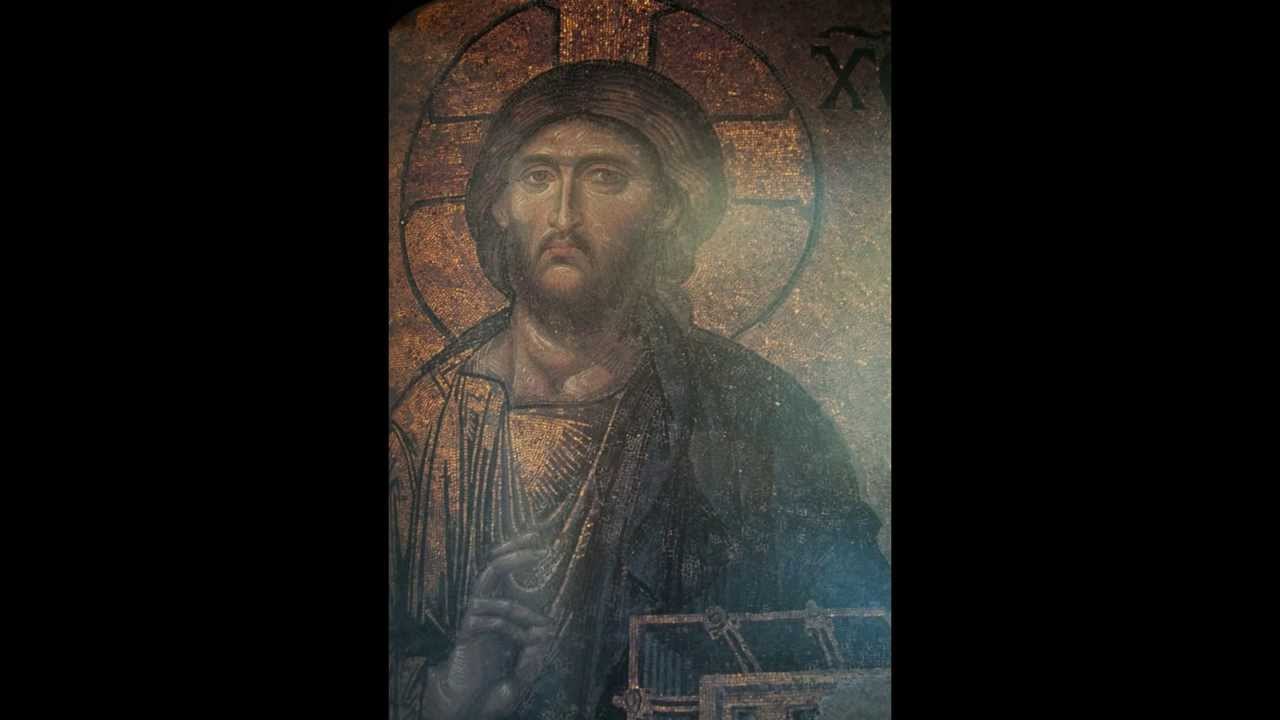
Εάν θέλεις να δώσεις κάτι σε αυτόν που έχει ανάγκη, δώσε το με όμορφο πρόσωπο, και με λόγια καλά να παρηγορείς την θλίψη του. Kαι αν πράξεις έτσι, νικάει η ομορφιά του προσώπου σου, αυτό που δίνεις, στην καρδία του, περισσότερο την ανάγκη του σώματος του, την ημέρα που θα ανοίξεις το στόμα σου να κατηγορήσεις κάποιον, θεώρησε τον εαυτό σου νεκρό εκείνη την ημέρα, και όλα σου τα έργα μάταια, και αν ακόμη σου φαίνεται, ότι ειλικρινά και προς οικοδομή σε παρακίνησε ο λογισμός σου να μιλήσεις, γιατί ποια η ανάγκη να καταστρέψει κάποιος το σπίτι του, και να διορθώσει το σπίτι του φίλου του;
Την ημέρα που θα λυπηθείς για κάποιον άνθρωπο, ο οποίος ασθενεί ψυχικά ή σωματικά, εκείνη την ημέρα… … θεώρησε τον εαυτό σου μάρτυρα, και ότι έπαθες για τον Χριστό, και αξιώθηκες την ομολογία Του.
Καθότι και ο Χριστός για τους αμαρτωλούς πέθανε και όχι για τους δίκαιους. Σκέψου πόσο μεγάλη είναι αυτή αρετή, στ’ αλήθεια μεγάλη αρετή είναι να λυπάται κάποιος για τους κακούς, και να ευεργετεί τους αμαρτωλούς περισσότερο παρά τους δίκαιους· αυτό ο απόστολος Παύλος το αναφέρει ως άξιο θαυμασμού, εάν σε όλα σου τα έργα μπορέσεις να έχεις την συνείδησή σου καθαρή, μην φροντίσεις να εκτελέσεις άλλη αρετή.
Σε όλα σου τα έργα ας προηγηθεί η σωφροσύνη του σώματος σου και η καθαρότητα της συνείδησής σου, διότι χωρίς αυτά τα δύο κάθε άλλη αρετή θεωρείται μάταια για τον Θεό.
Να γνωρίζεις ότι κάθε έργο που κάνεις χωρίς σκέψη και εξέταση υπάρχει μάταιο, καθώς ο Θεός υπολογίζει την αρετή με την διάκριση και όχι με την αδιάκριτη ενέργεια.
In order for you to have time for prayer you must not concern yourself with things that other people can do. Let's take an example. A doctor should not be concerned with gauzes and bandages. A nurse can do that. The doctor will take care of the serious matters. He'll do the examinations and operations, etc. If he sit to put gauze he won't get to the serious work and then many who have need won't benefit. The same with you. Pray for your suffering parishioners (applied to the correspondent and two other priests) remember their names and note those who have greater need. It's better for you to know what pains each one. That way the prayer is better.
So, the Lord Jesus gives us this possibility to unite with God and return to the primary purpose which God ordained for man. Therefore He is described in Holy Scripture as the way, the door, the good shepherd, the life, the resurrection, the light. He is the new Adam who rights the wrong of the first Adam. The first Adam separated us from God with his disobedience and his egotism. With His love and His obedience to the Father, obedience unto death, to “death on the cross,” the second Adam, Christ, brings us back once more to God. Once again He orients our freedom towards God, so that by offering Him our freedom, we unite with Him.
The work of the new Adam pre-supposes the work of the new Eve, the Panagia who put right the wrong done by the old Eve. Eve drove Adam to disobedience.The new Eve, the Panagia, contributes to the incarnation of the new Adam who will guide the human race towards obedience to God. Therefore, as the first human person who achieved Theosis –in an exceptional and, of course unrepeatable, way– the Lady Theotokos played a role in our salvation which was not only fundamental, but both necessary and irreplaceable.
According to St. Nicholas Cabasilas, the great 14th century theologian, if the Panagia, in her obedience, had not offered her freedom to God, had she not said “yes” to God– God would not have been able to incarnate. Once God had given freedom to man, He would not have been able to violate His gift, so He would not have been able to incarnate if there had not been such a pure, all-holy, immaculate psyche as the Theotokos, who would offer her freedom, her will, all of herself totally to God so as to draw Him towards herself and towards us. We owe so much to Panagia. This is why our Church honours and venerates the Theotokos so much, so that St. Gregory Palamas, summarising Patristic theology, says that our Panagia holds the second place after the Holy Trinity;that she is god after God, the boundary between the created and the uncreated. “She leads those being saved,” according to another fine expression by a theologian of our Church. Recently St.Nicodemus of the Holy Mountain, the steadfast luminary and teacher of the Church, pointed out that the angelic ranks themselves are illumined by the light they receive from the Panagia.
Therefore, she is praised by our Church as “more honourable than the Cherubim and incomparably more glorious than the Seraphim.” The incarnation of the Logos and the Theosis of man are the great mystery of our Faith and Theology. Our Orthodox Church lives this every day with its Mysteries, with its hymns, with its icons, with its whole life. Even the architecture of an Orthodox Church witnesses to this. The great dome of the churches, on which the Pantocrator is painted, symbolises the descent of Heaven to earth; it tells us that the Lord “bent down the Heavens and descended.” The Evangelist St.John writes that God became man “and dwelt among us” (John 1:14). So, we represent the Theotokos in the apse of the altar to show that God comes to earth and to men through her, because He became man through the Theotokos. She is “the bridge by which God descended,” and again, “she who conducts those of earth to Heaven,” the Platytera of the Heavens, the space of the uncontainable,who contained the uncontainable God within herself for our salvation. To continue, our Churches show deified men; those who became gods by Grace because God became man. In our Orthodox Churches we can picture not only the incarnate God, Christ, and His immaculate Mother the Lady Theotokos,but we also show the saints around and below the Pantocrator; on all the walls of the Church we paint the results of God’s incarnation: sainted and deified men.
Thus, when we enter an Orthodox Church and see the beautiful holy icons, this is an immediate experience through which we learn what God’s plan is for man; what is the purpose of our life. Everything in the Church talks to us about the incarnation of God and the Theosis of man.
Taken from"THEOSIS" THE TRUE PURPOSE OF HUMAN LIFE ARCHIMANDRITE GEORGE ABBOT OF THE HOLY MONASTERY OF ST. GREGORIOS ON MOUNT ATHOS
Ο Μητροπολίτης Μόρφου Νεόφυτος φιλοξενούμενος στην εκπομπή της κυπριακής τηλεόρασης "Μαζί στο ΡΙΚ", μιλά για τη μετάνοια η οποία είναι το αίτημα του λαού σήμερα και τη σημαντικότητα της για να γνωρίσει κανείς τον Θεό και τον συνάνθρωπό του, αφού με τη μετάνοια αλλάζει η ζωή μας κι έρχεται αμέσως η θεία παρηγοριά με τη Χάρη του Θεού, η οποία αλλοιώνει τον άνθρωπο, όπως έλεγε και ο άγιος Παΐσιος ο Αγιορείτης.
Τότε μαζεύονταν τά πουλιά τοῦ δάσους γύρω του: στό κεφαλάκι του, στούς ὤμους του, στά χέρια του, αὐτός δέ τρυφερά τά χάϊδευε. Τίς περισσότερες φορές, ὅταν ὁ πατήρ Μηνᾶς ἔψελνε, τά πουλιά βουβαίνονταν καί τόν ἄκουγαν.
Ἐπειδή οἱ Λειτουργίες ἄρχιζαν νύχτα καί τελείωναν μέ τό χάραμα, ὤσπου νά κάνη Κατάλυσι καί νά ξεντυθῆ, ξημέρωνε, ἔβγαινε ὁ ἥλιος κι ἔτσι ἔβγαινε πρωΐ – πρωΐ μέσα στό δάσος καί χαιρόταν τή φύσι καί τήν παρουσία τῶν πουλιῶν. Κι ἐκεῖ ὅλοι μαζί αἰνοῦσαν καί δοξολογοῦσαν τόν Θεό.
Παρατηρήθηκε, λοιπόν, στά τελευταῖα χρόνια τῆς ζωῆς του, ὅτι, ὅταν εἶχαν πανηγυρική Θεία Λειτουργία καί ἀργοῦσε νά τελειώση, καί μάλιστα ἀργοῦσε πολύ μετά τήν ἀνατολή τοῦ ἡλίου, τά πουλιά μαζεύονταν πάνω στήν Ἐκκλησία!
Whose Memory The Holy Church Celebrates On the 5 Of July (New calendar July 5th and old calendar July 18th)
KONTAKION I
Come, all ye who love Christ, and let us offer up a hymn of praise unto the martyred nun Elizabeth, who was chosen by the Lord of hosts to serve as an example of Christian piety and love for those who desire to follow in His steps. For, spurning the vanity of worldly possessions, rank and cares, she dedicated her whole life to the aid of those in need. Wherefore, it hath pleased Christ our God to crown her ascetic labors with the diadem of martyrdom; and, dwelling now in His heavenly kingdom, she maketh supplication unto God, that He deliver from misfortunes and perils all who chant unto her with joy: Rejoice, O venerable martyr Elizabeth, true model of Christian sacrifice!
IKOS I
The Creator of the angels and Lord of mankind led thee from the delusion of heresy to the divine knowledge of the Truth, O blessed Elizabeth, that thy loving heart and soul might renew Christian love, which had grown cold in the land of Russia: for through thine efforts the hearts of men again warmed to the word of God, and the Master of all vouchsafed thee to live a life exalted above thy peers, in love, humility and fervent prayer. Wherefore, we ever chant unto thee, as is meet: Rejoice, lamb burning with the love of God; rejoice, handmaid of Christ the Lord! Rejoice, scroll whereon the Holy Spirit inscribed the Christian virtues; rejoice, divinely wise princess and new martyr! Rejoice, daughter who forsook they father’s house and turned to Holy Orthodoxy; Rejoice, vessel wherein the wine of gladness and the oil of healing are mingled together; rejoice, upholder of the traditions of piety! Rejoice, treasure-house of compassion; rejoice, radiant star resplendent with heavenly glory!
Rejoice, O venerable martyr Elizabeth, true model of Christian sacrifice! KONTAKION II
Christ found thee a lily among thorns and chose thee to adorn His garden of Holy Orthodoxy, O venerable one: for he Who alone knoweth the hearts of men perceived from on high thy great love for thy neighbor, and bestowed upon thee a wealth of spiritual gifts, that we might come to understand the mystery of God’s great mercy, enabling us to take part with thee therein and to join chorus with thee in chanting unto Him: Alleluia! IKOS II
Knowing in thy heart that God’s will ruleth over all creation, and seeking to obey His will alone, thou was well pleased to shoulder the great cross which He prepared for thee, O holy one: for when thou didst witness the cruel and pitiless slaughter of thy husband, thy heart was pierced with grief and sorrow, as with a two-edged sword; yet thou didst take courage, and uttered the Savior’s own words: “Father, forgive them, for they know not what they do.” And seeking to turn this vile deed to goodness, thou didst beseech him who committed the murder to repent. And we too beg thine intercession before the Lord, that He avert His righteous anger from us who chant to thee such praises as these: Rejoice, thou who didst deem mercy greater than sacrifice; rejoice, thou who prayest for sinners and penitents! Rejoice, thou who didst bear thy cross to a new Golgotha; rejoice, thou who didst not reject the crown of thorns offered thee! Rejoice, thou didst put jealously to flight; rejoice, thou who reprovest thou who fall away from truth and grace! Rejoice, thou who didst not set the love of family above the love of God; rejoice, thou who didst fulfill the words of Christ! Rejoice, thou who didst seek out the good in every man; rejoice, thou who was sent unto Russia, to turn her away from evil to the good! Rejoice, thou who dost ever cry out to Christ: Lord, have mercy; rejoice, thou who standest invisible in our midst as we pray!
Rejoice, O venerable martyr Elizabeth, true model of Christian sacrifice! KONTAKION III
The power of the Most High overshadowed thy sorrow and pain, O royal passion-bearer, and finding sweet consolation therein thou didst die to this world, that thou mightest live in Christ: thou didst shun the fleeting pleasures and vanities of this life, didst clothe thyself in garments of joy and salvation, and didst abide in palaces, praying and chanting to God therein: Alleluia! IKOS III
With a fervent desire to serve thy fellow man, thou didst gather a multitude of souls to labor for God; and, raising up a house of mercy, which thou didst dedicate to the Protection of the all-holy Theotokos, O holy Elizabeth, thou didst choose our holy mothers Martha and Mary as the heavenly patrons, emulating them as paragons of piety and good works. And mindful of the magnitude of thy charitable deeds and Christian virtues, we praise thy memory, chanting thus: Rejoice, thou who didst open thy heart to good deeds; rejoice, thou who didst gather the virtues into a spiritual sheaf! Rejoice, thou who hast been reckoned among the friends of Christ; rejoice, thou who didst hearken to His words! Rejoice, thou who dost ever rejoice in thy Lord; rejoice, thou who fillest our hearts with joy when we call upon thy name! Rejoice, thou who rewardest those who seek thy heavenly aid; rejoice, thou who dost speedily fulfill the requests of those who have recourse to thee with faith! Rejoice, thou who has adorned the city of Moscow; rejoice, obedient handmaid of the holy Mary and Martha! Rejoice, thou who didst hide thy good works from the eyes of the haughty; rejoice, thou who dost call all of us to perform deeds of mercy!
Rejoice, O venerable martyr Elizabeth, true model of Christian sacrifice! KONTAKION IV
Those who were tempest-tossed amid the tumults of life and foundered upon the floods of the passions didst thou guide to the calm haven of salvation which thou didst establish in the royal city of Moscow, O holy Elizabeth; for having opened thy heart unto God, thou didst open its doors to the children of God, showing them the mercy of their heavenly Father. Wherefore, thou hast now been shown to be the patroness of the forgotten and oppressed. Cover us all with thy holy protection, that we may be moved to cry aloud to our good God: Alleluia! IKOS IV
Accepting the counsel of the elders of the Hermitage of Saint Zosimas, thou didst prove thyself to be an obedient daughter of the Orthodox Faith, O venerable martyr, so that thine own words brought profit and consolation to all who hearkened unto thee. Thou was a most wise abbess and a loving mother, who tended well the flock entrusted to thee, teaching them how to care for the afflicted as a sister of mercy by thine own example, O holy princess. Wherefore, tend thou also the ailments of our souls, that we may cry aloud unto thee: Rejoice, thou who anointest all with the oil of mercy; rejoice, thou who stillest the tempest of sorrows! Rejoice, instruction of those who turn to Orthodoxy! rejoice, pillar of truth set firmly upon the rock of the Faith! Rejoice, thou who dost rescue us from the mire of despondency; rejoice, thou who feedest the orphan and the widow! Rejoice, thou who didst embrace charity with thy whole heart; Rejoice, thou who didst exchange a palace for a poor and humble cell! Rejoice, thou who didst put aside thy royal robes to don the hairshirt of asceticism; rejoice, thou who didst lay thy princely coronet at the feet of the Savior! Rejoice, thou who didst take up the Cross as a kingly scepter; rejoice, thou who didst love God more than earthly honor and glory!
Rejoice, O venerable martyr Elizabeth, true model of Christian sacrifice! KONTAKION V
Thou has been revealed to us as a most radiant star adorning the vault of the firmament of the Church, O martyr of Christ. And ever illumined by the effulgence of thy sufferings, unto Christ, the Judge of the contest, do we offer hymnody of thanksgiving for thee, and we chant unto Him: Alleluia! IKOS V
Through the guidance of the heavenly intercessors who shone forth in Russia-the venerable Sergius of Radonezh, and Peter, the divinely eloquent Metropolitan of Moscow, in company with Martha and Mary, the sisters beloved of Christ-the narrow and royal path which alone leadeth to salvation was disclosed to thee, and travelling it thou becamest a model for all Orthodox Christians dwelling in the Russian Empire, showing them how to unite the ideals of ascetic endeavor and charitable acts. Wherefore, for thee grace was added unto grace, and whilst thou was yet alive the report of thy holiness spread far and wide. The pious cried out in wonder to God Who is wondrous in His saints: “Glory b to Thee, O Lord!”; and to thee they uttered such praises as these: Rejoice, scion of a royal house who tended the sores of paupers with thine own hands; rejoice, paragom of monastic virtue and rule of faith! Rejoice, thou who didst reject worldly praise and hast received heavenly rewards; rejoice, thou who dost partake of everlasting splendor on high! Rejoice, thou who didst expose spiritual deception; rejoice, thou who didst strengthen the common folk in the true Faith! Rejoice, thou who dost ever summon the faithful to prayer and vigilance; rejoice, thou who didst adopt the Russian nation as thy homeland! Rejoice, thou who didst spurn the praises of men; rejoice, beacon guiding all to the safe harbor of heaven; Rejoice, thou who didst labor for Christ in the midst of the world!
Rejoice, O venerable martyr Elizabeth, true model of Christian sacrifice! KONTAKION VI
How can angels and men refrain from wonderment when they ponder the depths of they love and compassion? For thy convent was not only a spiritual haven for those seeking salvation, but also a well-spring gushing forth torrents of consolation upon those parched by the burning heat of the passions. By thine own examples where thy sisters, the handmaidens of Christ, taught how to comfort the sorrowing, tend the sick, teach the ignorant, correct the erring and prepare the dying for the life which is to come. Wherefore, thy nuns joined chorus with thee to praise the Lord continually, chanting unto Him: Alleluia! IKOS VI
As a true image of piety thou didst venerate the wonder-icons and holy relics enshrined throughout the Russian land. Her monasteries and countless churches witnessed thine ascetic feats and fervent prayers. Thy tears, shed in such profusion, adorned thy person like lustrous pearls and moved to wonder those who beheld thee. And we who cherish thy holy memory exalt in spirit, crying out to thee: Rejoice, image of piety who delighted to venerate the sacred icons of the Mother of God; rejoice, thou who dost ever bless those who have recourse unto thy precious relics! Rejoice, wise pilgrim whose destiny was the kingdom of heaven; rejoice, adornment of Holy Russia! Rejoice, thou who art ever magnified by the Holy Church; rejoice, thou who didst not forsake Russia in her time of tribulation! Rejoice, thou who didst perceive the providence of God in all that befell thee; rejoice, thou who didst teach others to set their hope on Christ alone! Rejoice, thou who wast present when the venerable Seraphim was glorified; rejoice, thou who didst venerate his grace-bearing relics! Rejoice, thou who didst hear the prophecy of that holy father; rejoice, thou who didst prophesy the down-fall of the Orthodox monarchy!
Rejoice, O venerable martyr Elizabeth, true model of Christian sacrifice! KONTAKION VII
When those who been told slanderous tales about thee were brought before thee, O royal martyr, they perceived thine innocence and blamelessness and the holiness of thy life, for thou didst sacrifice thyself for the good of others, and thy heart was ever intent upon their needs, so that thou didst ever move them to chant unto God: Alleluia! IKOS VII
“This is no new creation or concept, neither do I depart from the Church traditions,” thou didst declare unto those who sought to discredit thy convent and labors; “I only repeat what the Church teacheth; for it is Christ Who saith: ‘Love thy neighbor’, and the divine Theologian doth manifestly thunder: ‘If ye do not love your neighbor whom ye see, ye cannot love God Whom ye see not.’” Thou didst but renew that which had grown old, and hast revealed to us the essence of true love in the miracle of thy life. Wherefore, we chant to thee thus: Rejoice, thou who dost ever care for our souls; rejoice, holy princess, worthy of all praise! Rejoice, thou who didst unite love and mercy, as a bridge joineth land to land; rejoice, thou who didst know well saving words of grace! Rejoice, thou who wast persecuted for right-teousness’ sake; rejoice, for truly great is thy reward in the heavens! Rejoice, thou who didst silence blasphemy and impiety by thy faith in Christ; rejoice, thou who didst most humbly endure the calumny and slander hurled at thee by thine own countrymen! Rejoice, thou who didst love righteousness and hate falsehood; rejoice, thou who didst not seek to avoid the reproaches of men, that thou mightest receive praise from the Lord! Rejoice, thou who didst love the Gospel above all else; rejoice, thou who didst ever delight in the words thereof!
Rejoice, O venerable martyr Elizabeth, true model of Christian sacrifice! KONTAKION VIII
Having beheld a sight strange to all-the fall of an empire once dedicated to God, the desecration of all that is holy, and the public ridicule of the martyred Emperor Nicholas,-thou didst shed endless streams of tears for all the tribulations which had befallen thine adopted homeland. Yet trusting in God, and believing this to be His holy will, thou didst never cease to cry out to Him: Alleluia! IKOS VIII
In a moment, in the twinkling of an eye, the nation was overtake by chaos, thy family was taken away, and all thy friends stood afar off. Only a few fearless hierarchs came to comfort thee and thy sisters, O royal martyr. Thy convent was as a sheep-fold beset by ravening wolves; yet thou didst remain undaunted by their depredations during those violent days, ever preserving thy flock from harm by thy supplications. Wherefore, receive from us these praises: Rejoice, royal servant of the omnipotent King; rejoice, handmaid of the Queen of heaven! Rejoice, thou who with the royal martyrs wast prey to grievous slanders; rejoice, thou who didst find consolation in service of God! Rejoice, thou who didst not judge the sinful lies of men; rejoice, thou who didst refuse to condone their misdeeds! Rejoice, thou who didst uproot the tares of evil growing in the royal garden; rejoice, thou who didst not approve of vile and wicked deeds! Rejoice, thou who ever helpest us to see the will of God in all things; rejoice, thou who didst rebuke the riotous multitude with thy courage! Rejoice, for thou didst not turn away from the hapless Tsar when he was mocked and abused; rejoice, thou who with him and his family dost ever rejoice in heaven!
Rejoice, O venerable martyr Elizabeth, true model of Christian sacrifice! KONTAKION IX
The angelic armies on high were stricken with awe, beholding Holy Russia bound and led to bloody slaughter by those who wage war against God; for, bleeding and dying in the arena of martyrdom, the land is dyed red with the blood of the countless new martyrs, who cry out continually to the Lord of hosts: Alleluia! IKOS IX
The vile minions of Satan, sinful men with hands reeking of the blood of the innocent, openly reviled God, and mockingly asked thee how thou who art of royal blood couldst minister to the poor and lowly, O royal passion-bearer. But we marvel at thy patience and humility, and cry out unto thee: Rejoice, thou who didst quench the flames of discontent with thy tears; rejoice, thou who didst lament the woes of Russia, as Martha and Mary wept over Lazarus! Rejoice, thou who didst submit to the will of God; rejoice, thou who didst behold the Savior enthroned on high! Rejoice, venerable martyr of royal birth; rejoice, thou who didst put to shame those who mistreated thee! Rejoice, thou who dost bless those who bless thee; rejoice, thou who wipest the tears away from those who grieve! Rejoice, thou who dost calm our troubled hearts; rejoice, thou who bowest down before the throne of God, offering Him our entreaties! Rejoice, thou who art ever attentive to His decrees; rejoice, thou who dost continually preserve us from all harm!
Rejoice, O venerable martyr Elizabeth, true model of Christian sacrifice! KONTAKION X
Wishing to make thee captive, O martyr, evil-minded men arrived at thy convent on the third day of Pascha, to separate thee from thy flock; for after the holy Patriarch Tikhon the Confessor blessed thee and thy nuns, the wicked fell upon thee and took thee away into exile. Yet knowing what was to follow, thou didst take with thee thy faithful companion, the venerable Barbara, and with thee chanted the hymn of victory unto the risen Christ: Alleluia! IKOS X
Banished to the heart of Russia, hidden away from the eyes of the world, with prayer and fasting thou didst prepare for thy departure from this life, O Elizabeth, when Companion Barbara, and with the holy Princes Sergius, John, Igor, Constantine and Vladimir, who were all to share in thy sufferings and receive incorruptible crowns from the hands of the Savior. And sharing together in the delights of heaven, attend ye unto our praises: Rejoice, ye who ever pray for the salvation of Russia; rejoice, ye who, though cast down by the ungodly into the depths, have been raised on high by Christ! Rejoice, ye who shed the scarlet robe of royalty and put on the purple robe of martyrdom; rejoice, ye who where not deceived by the deceit of the evil one! Rejoice, ye who lift up your hands to God in supplication; rejoice, ye who cast away earthly riches to receive treasure in heaven! Rejoice, patient sufferers who endured all for the Lord; rejoice, ye who put to shame those who took your lives, but could not slay your souls! Rejoice, ye who received wreaths of victory fashioned by the hand of the Creator; rejoice, bright constellation of holy stars shining in the firmament of the Church!
Rejoice, O venerable martyr Elizabeth, true model of Christian sacrifice! KONTATKION XI
O the glorious wonder! A mine depleted of its ore is shown to be full of the lustrous gold of grace and piety! A shaft sunk deep into the bowels of the earth is shown to be a ladder extending up to heaven, whereby Elizabeth and her companions ascend from the depths unto the heights of paradise! O holy martyrs, ye blessed ones, as ye delight in celestial joys forget not us who celebrate the memory of your godly struggles, that with you we also may chant the angelic hymn: Alleluia! IKOS XI
The minds of men, darkened by their fallen state, are unable to devise for you hymns worthy of the pangs and sufferings ye endured, O holy passion-bearers of Christ; for ye were like unto the youths of Ephesus who fell asleep of death in a shaft sunk into the earth, only to awaken in the splendid mansions of heaven, where ye now receive from us our poor praises: Rejoice, ye seven-branched lampstand burning before the throne of God; rejoice, glory of Alapayevsk! Rejoice, ye who planted the tree of life amid the barren mountains and watered it with your blood; rejoice, royal passion-bearers, adorned with kindly diadems more precious than gold and costly jewels! Rejoice, O Barbara, devoted daughter of thy spiritual mother; rejoice, ye who intercede for your compatriots who find themselves amid suffering and exile! Rejoice, O Sergius, valiant confessor of the true Faith; rejoice, O brethren, equal in number to the Trinity! Rejoice, O Princes John, Igor and Constantine, who were like unto the holy youths in the fiery furnace; rejoice, O Vladimir, prince and martyr, who foresaw thine own suffering and death! Rejoice, ye who have washed your souls clean in the streams of your blood; rejoice, ye who stand before the Savior in the ranks of the new martyrs and confessors!
Rejoice, O venerable martyr Elizabeth, true model of Christian sacrifice! KONTAKIOIN XII
With the words of praise shall we weave a wreath of victory to adorn the new passion-bearers of Alapayevsk? For even if we try to recount their manifold labors, our own weakness and hardness of heart puts us to shame. For while they ever sought after the Lord, we ever stray father away from Him. Wherefore, come ye speedily to our aid, and drive our enemies, visible and invisible, far away from us, that unvexed and at peace, we may chant aloud unto God: Alleluia! IKOS XII
We chant your praises, O holy new martyrs of Alapayevsk, for when faced with death, ye manifestly confessed Christ as God in the presence of the ungodly. Wherefore, the martyred nun Barbara received from the hand of God a wreath fashioned of truth and obedience, and her royal companions were endowed with two-fold crowns of majesty and martyrdom for their struggles. And thus hath Christ the Lord, the Judge of the contest, shown us all that it is meet to glorify them with such praises as these: Rejoice, boast of the Urals; rejoice, ye who shone forth like rays out of a dark pit! Rejoice, ye who sanctified a lowly mine-shaft; rejoice, ye who were like unto Joseph, who was likewise cast into a pit by envious brethren! Rejoice, ye who were like unto Daniel, who was thrown into a lions’ den; rejoice, ye who have summoned countless other new martyrs to the banquet of the Bridegroom! Rejoice, ye who were welcomed to the mansions of heaven by your kin, the martyred Tsar and his holy family; rejoice, ye who were slaughtered by the godless and unbelieving! Rejoice, O Elizabeth, who didst bind thy companions’ wounds and tend to their hurts; rejoice, thou who didst encourage and strengthen them until the moment of their soul’s departure! Rejoice, for thou didst chant fitting hymns as their life ebbed away; rejoice, thou who before an icon of the Savior didst surrender thine own soul into His hands!
Rejoice, O venerable martyr Elizabeth, true model of Christian sacrifice! KONTAKION XII
O all-praised and venerable martyr Elizabeth, with the other passions-bearers of Alapayevsk - the martyrs Barbara, John, Igor, Constantine, Vladimir, and Sergius, accept this, our meager hymnody of praise, which we offer to you in honor of the sufferings and violent death ye endured for Christ; and beseech the all-holy Trinity our God, that we be delivered from the perils and evil circumstances which beset us throughout our life: that with you and all the new martyrs and confessors of Russia we may ever chant unto the omnipotent Lord of heaven and earth: Alleluia! Alleluia! Alleluia!
This kontakion is recited thrice; whereupon Ikos I and Kontakion I are repeated.
Holy Royal Martyr Grand Duchess Elizabeth,
Pray Unto God For Us!
Holy New Martyr Barbara And All New Martyrs Of Russia, Pray Unto God For Us!
Ο χρόνος που δόθηκε στον Ιωάννη (ένας κενόδοξος, αμαρτωλός νέος που γνωρίστηκε με τον Άγιο Επιφάνιο πνευματικοπαίδι του Αγίου Ανδρέα) για να μετανοήσει, συμπληρώθηκε.
Καί μια νύχτα ο Επιφάνιος είδε σε όραμα ότι τον πήρε ο μακάριος Ανδρέας και τον οδήγησε σε τόπους δύσβατους, απαίσιους και ζοφερούς.
Κρατούσε μια λαμπάδα, για να φωτίζει το πυκνό σκοτάδι. Ο Επιφάνιος είχε την αίσθηση πως όλα αυτά βρίσκονταν κάτω από τη γη. Έβλεπε φυλακές και αμπάρες, δεσμωτήρια αποτρόπαια και σκοτεινά. Σε άλλα απ’ αυτά ήταν κλεισμένα ποντίκια, αγριόγατες και αλεπούδες, σε άλλα φίδια, κουρούνες και κοράκια, κάθε λογής ακάθαρτα πουλιά και ζώα. Ήταν πολλά, αμέτρητα, σαν τ’ αστέρια του ουρανού. Ήρθαν, τέλος, σ’ ένα βρωμερό καλύβι, όπου δεν υπήρχαν παρά μόνο περιττώματα ανθρώπων σκύλων. -Πες μου, σε ικετεύω, γιατί ήρθαμε εδώ; ρώτησε ο Επιφάνιος τον όσιο. Γι’ αυτό αγνωνιστήκαμε; Γιά να βρεθούμε σε τέτοια βρωμιά; -Όχι, παιδί μου, αλλά για να δείς τον τόπο που ετοίμασε για τον εαυτό του ο φίλος σου ο Ιωάννης.Οι ακαθαρσίες, που βλέπεις, είναι τα έργα του, ο κόπος του και ο ιδρώτας του. Κοίταξε τι γράφει εδώ! Ο Επιφάνιος είδε στον αέρα μια σκοτεινή επιγραφή που έλεγε: “Αιώνια κατοικία και βαριά τιμωρία του Ιωάννη, του γιού του Κελεστίνου”- αυτό ήταν το όνομα του πατέρα του. -Αλίμονο σ’ εμένα, τον αμαρτωλό! αναφώνησε ο Επιφάνιος. Τέτοια συμφορά ούτε στους εχθρούς μου! Αλλά πως μαζεύτηκαν τόσες ακαθαρσίες; -Όσοι άνδρες και όσες γυναίκες αμαρτάνουν, όπως ο Ιωάννης, στοιβάζουν εδώ τις ακαθαρσίες τους, ώστε, όταν πεθάνουν, να χορτάσουν οι ψυχές τους, καθώς θα είναι αλυσοδεμένες. Όταν, όμως, γίνει η ανάσταση των σωμάτων, θα παραδοθούν στη φωτιά. -Καί όλα εκείνα τα ζώα που είδαμε φυλακισμένα, τα ποντίκια, τα θηρία, τα ερπετά, τι είναι; -Είναι οι ψυχές των άσωτων και αμαρτωλών. -Πω πω! Έτσι είναι οι ψυχές των ανθρώπων; -Όχι παιδί μου.Ὁ Θεός οἰκονόμησε νά φανοῦν ἔτσι, γιά νά μᾶς δείξει ποιάν ἁμαρτία ἔκανε κάθε ψυχή. Ἄλλες ἀπ’ αὐτές ἀνήκουν σέ φονιάδες, ἄλλες σέ μοιχούς καί πόρνους, ἄλλες σέ σοδομίτες, ἄλλες σέ κλέφτες καί φιλάργυρους, ἄλλες σέ αἱρετικούς, ἄλλες σέ κενόδοξους καί ἄλλες σέ ἄλλους ἁμαρτωλούς. Εἶναι οἱ ψυχές πού “ταυτίστηκαν μέ τά ἄλογα κτήνη καί ἔγιναν ὅμοιες μ’ αὐτά”(Ψαλμ. 48:13). Γι’ αὐτό ὁ Κύριος τίς ἔκανε νά φαίνονται μέ τέτοιες μορφές. Συγκεκριμένα,
Our glorious God, in His infinite wisdom and inexhaustible mercy, has bestowed a holy wonderworker upon those of us struggling through these harsh times. We have been granted to behold the life and teachings of Saint Seraphim of Sarov, who was born in eighteenth century Russia, and thereby obtain spiritual instruction from a zealous yet gentle priest and monk. May all true believers never complain of lack of guidance on the path of prayer, but rather turn to the humble and friendly elder, and say:
Rejoice, Saint Seraphim, spiritual father of all the faithful.
Ikos 1
If Saint Seraphim cannot provide the answers, which he can, then let the seeker turn to this elder’s own teachers: Saint Basil the Great, Saint Gregory the Theologian, Saint John Chrysostom, Saint Isaac the Syrian, and Saint Simeon the New Theologian to name a few. Saint Seraphim taught nothing new, but only what he learned from his predecessors and what he himself practiced. Let us therefore proceed with humility and sincerity, as we bring praises to the monk who has kindly opened his door to us:
Rejoice, spiritual father who did the will of his Heavenly Father.
Rejoice, devoted priest who always proclaimed, “Christ is Risen.”
Rejoice, man of prayer who acquired the peace of the Holy Spirit.
Rejoice, model of charity who befriended both humans and animals.
Rejoice, faithful monk who worshipped God in both word and deed.
Rejoice, true disciple who learned from the great sources of holiness.
Rejoice, “poor Seraphim” who freely taught the ways of spirituality.
Rejoice, wonderworker who cheerfully gave of his gifts.
Rejoice, revered hermit who prayed on a rock for a thousand days.
Rejoice, venerable recluse who saved a thousand souls around him.
Rejoice, example of earnest commitment to the Mother of God.
Rejoice, humble recipient of aid from the blessed Theotokos.
Rejoice, Saint Seraphim, spiritual father of all the faithful.
Kontakion 2
Saint Seraphim, you teach us that in God there is no evil but only goodness. Where God is, there is no confusion but only truth, no resentment but only forgiveness, no conflict but only peace, no separation but only togetherness, and no desolation but only transformation. Hence, all people have reason to be glad and to say: Alleluia.
Ikos 2
Your truths, Father Seraphim, are the same as the eternal truths of the apostles and the holy fathers. Yet, we need to hear these words again and again for our spiritual fortification. Each generation testifies of Jesus Christ, nurturing those around them as well as those who come after them. Saint Seraphim, we therefore implore you to count us among the thousands whom you have guided, as we offer you these praises:
Rejoice, lamp who shines through the thickets of confusion.
Rejoice, enlightenment of those who pursue clarity of mind.
Rejoice, candle who burns brightly under a sky of foreboding.
Rejoice, illumination of all who adore Christ and Him only.
Rejoice, radiance who spreads forth, unafraid of malicious forces.
Rejoice, courage of those who desire integrity amid corruption.
Rejoice, brilliance who pours out, undaunted by vicious intruders.
Rejoice, confidence of all who desire holiness under oppression.
Rejoice, ray who pierces the congestion of lifestyle choices.
Rejoice, hope of those who decide to travel on the path of prayer.
Rejoice, flame who burns away the noise of daily survival.
Rejoice, resolve of all those who cultivate interior silence.
Rejoice, Saint Seraphim, spiritual father of all the faithful.
Kontakion 3
We see that the devil would try to lure us away from the path of prayer, distracting our thoughts and disturbing our hearts. Help us, Saint Seraphim, to worship God and to do His holy will. May we always please Him, in whatever manner of work we undertake, and also be a blessing to those around us. May we fulfill God’s divine purpose, and immediately repent if we stumble or stray. Let us constantly ask for mercy, and say: Alleluia.
Ikos 3
Father Seraphim, we place ourselves under your benevolent care, so that we may conquer all temptations and digressions. Strengthen us to remain vigilant in our worship and attentive in our daily tasks. Guard us from succumbing to ideologies and activities which are not fitting for a Christian. Encourage us to read the Bible every day, not as an encumbrance but with a deep longing for union with God. In this way, we shall remain faithful to all that is sanctioned by our Father in Heaven, and we shall likewise bring forth praises to you:
Rejoice, follower of Jesus Christ through pain and joy.
Rejoice, embodiment of the teachings of the Savior.
Rejoice, earthy traveler on the path of prayer.
Rejoice, heavenly beholder of divine truths.
Rejoice, simple monk who trampled the demons.
Rejoice, noble priest who crushed all temptations.
Rejoice, beggar of forgiveness, giver of help.
Rejoice, slave of prayer, ruler of passions.
Rejoice, bearer of offenses, consoler of people.
Rejoice, sufferer of storms, interior of calm.
Rejoice, renouncer of sin, bringer of inspiration.
Rejoice, denouncer of worldliness, receptacle of grace.
Rejoice, Saint Seraphim, spiritual father of all the faithful.
Kontakion 4
Many people go searching for spiritual fathers, while neglecting the one thing needful. That is, the blind pursue their own notions of a spiritual father, such that the impure submit to the impure, or the brazen lead the naive, and all are inwardly flawed. Let us seek the Kingdom first, having no other gods, and all good things shall be added onto this solid foundation. Saint Seraphim, we yearn to see you as you see us, through the grace of the Holy Spirit, and therein we may truly say: Alleluia.
Ikos 4
We turn to you, Father Seraphim, for you delight in the salvation of the sinner and in the teachings of the Church. You have conquered all self-serving passions, every delusion and falsehood, and now all people have recourse to your prayers and instructions. We therefore bow before you, in anticipation of the wholeness of the Kingdom in which everyone has a place, and we humbly sing these praises:
Rejoice, dependable guide of those who live in the Faith.
Rejoice, swift rescuer of those misguided by imposters.
Rejoice, loving father of those on the path of prayer.
Rejoice, holy nurture of those starving for spirituality.
Rejoice, strong protector of those who walk straight ahead.
Rejoice, patient advisor for those who take a wrong turn.
Rejoice, inward light to those who follow Christ.
Rejoice, brilliant star to those who seek instruction.
Rejoice, gracious caretaker of those numbered in the thousands.
Rejoice, unfastened gate for those who wish to come and see.
Rejoice, blessed validation of those who renounce all impurities.
Rejoice, peaceful deliverer of those who are heavily burdened.
Rejoice, Saint Seraphim, spiritual father of all the faithful.
Kontakion 5
Saint Seraphim, you did not aspire to be a spiritual father, but you were entrusted by God and His Virgin Mother to attend to all those who sought your counsel. You became a holy elder, not because you desired status and recognition, but because you were infused with the Holy Spirit and immersed in Holy Scripture. Concerning your own humanity, you humbly viewed yourself as “poor Seraphim,” and to this you said: Alleluia.
Ikos 5
We wish emulate you, Saint Seraphim, as we abide in the will of God for our lives, because His will is holier than anything to which we ourselves could have aspired. May we vanquish all ambition and conceit, so that our words and deeds are acceptable to God and beneficial to one another. In this manner, Father Seraphim, we are released and we pour forth our praises to you:
Rejoice, total contentment in the will of God.
Rejoice, complete obedience to the Kingdom of Heaven.
Rejoice, generous counsel to pilgrims in want.
Rejoice, holy laborer for the hungry and thirsty.
Rejoice, proven wisdom of the ages.
Rejoice, worthy guardian of everlasting truth.
Rejoice, unmercenary helper of the afflicted.
Rejoice, dedicated intercessor for the troubled.
Rejoice, insightful father who blesses his spiritual children.
Rejoice, paternal director who prospers everyone in need.
Rejoice, hardworking priest who gathers up the remnants.
Rejoice, sacred caregiver who attends to these cruel times.
Rejoice, Saint Seraphim, spiritual father of all the faithful.
Kontakion 6
You fill us with hope, Saint Seraphim, in the mercy of God and in the fruits of prayer. In His compassion, God has not abandoned us to the lies of this world or to the hatred of enemies. He guides our spiritual formation by sending His saints to show love, to overcome separation, and to heal wounds. Pray for us, Saint Seraphim, so that we may respond wholeheartedly to God’s provision, as we say: Alleluia.
Ikos 6
Pray for us, so that we ourselves may pray more fervently and sincerely, loving God for Who He is and trusting in His goodness. Pray for us and move us to pray for one another, putting the salvation of our neighbor above personal gratification and worldly nonsense. Pray for us, Saint Seraphim, so that we might acquire a peaceful spirit and a pure heart, and join together with the thousands as we dutifully offer you praises:
Rejoice, abundant vineyard of repentance.
Rejoice, bountiful fruit of contrition.
Rejoice, shady tree of loving-kindness.
Rejoice, rich field of compassion.
Rejoice, wide river of forgiveness.
Rejoice, clear lake of meekness.
Rejoice, dead to imaginings, alive to the Word.
Rejoice, submissive to Christ, conqueror of Satan.
Rejoice, empty of worldliness, temple of the Spirit.
Rejoice, poorest of men, saint of Heaven.
Rejoice, alone in prayer, father to thousands.
Rejoice, scorner of vainglory, lover of humility.
Rejoice, Saint Seraphim, spiritual father of all the faithful.
Kontakion 7
We shall not judge anyone, as you have taught us, Saint Seraphim, or we shall be judged by that same judgment. Things often are not what they appear to be on the surface. People say and do things which are symptoms of underlying disturbances. We do not know who was brutalized in childhood, who goes home at night to a conflicted family, who has lost purpose and meaning, or who is under attack by the devil. If we are not one of these, then let us not condemn but say: Alleluia.
Ikos 7
All have sinned and all are unworthy. The upright can fall, and the fallen can arise. Many of us will grow old, and with age comes the realization of things said and not said, and regret over things done and not done. We can only repent and trust in the goodness of God. Let us all go forward in the time that remains, and find happiness today by bringing praises to Father Seraphim:
Rejoice, welcome of the distraught.
Rejoice, harvest of the forsaken.
Rejoice, comfort of the chagrined.
Rejoice, backing of the remorseful.
Rejoice, safety for the victimized.
Rejoice, shelter for the leper.
Rejoice, refuge for the misunderstood.
Rejoice, room for the different.
Rejoice, extinguisher of defamation.
Rejoice, vanquisher of condemnation.
Rejoice, builder of righteousness.
Rejoice, planter of reconciliation.
Rejoice, Saint Seraphim, spiritual father of all the faithful.
Kontakion 8
Strengthen us, Saint Seraphim, to uphold one another in unity of Church, that none should be lost. Let the prodigals return to the Father, let the righteous minister to the feeble, and let all the wounded be healed. If anyone has been damaged because of our sins, then we implore you, O holy wonderworker, to restore them to wholeness and all fruitfulness. We desire that all people may cheerfully say: Alleluia.
Ikos 8
Since you are a priest and monk, Father Seraphim, we beseech you also to guide the priests and encourage the monks and nuns. May they be counted among your thousands, from this moment forward, and may they walk in truth forever and pray with a pure heart unto eternal blessedness. In recognition of our need for mercy, one and all, we humbly offer you praises:
Rejoice, glorifier of God.
Rejoice, upholder of people.
Rejoice, keeper of purity.
Rejoice, promoter of sanity
Rejoice, soother of wounds.
Rejoice, remover of scars.
Rejoice, teacher of holiness.
Rejoice, leader of victory.
Rejoice, consoler of seekers.
Rejoice, liberator of souls.
Rejoice, harbinger of prayer.
Rejoice, believer of Scripture.
Rejoice, Saint Seraphim, spiritual father of all the faithful.
Kontakion 9
The trials of life and the lessons of holiness are often difficult to navigate, but let us always pray and exercise patience. What does not make sense today will become clear tomorrow. Saint Seraphim, we beg you to fortify us with endurance, hope, and resolve. We know that God will never fail us, and therefore all may say: Alleluia.
Ikos 9
Let us stay aboard the great ship of the Church, for Jesus Christ will steer us through all storms, dangers, conflicts, afflictions, infirmities, darkness and foreboding. Let us follow in the humility of Saint Seraphim, and therein we shall behold the glory of God which overcomes all adversity and rewards all suffering for His Name. In simplicity of soul and with the faith of the fathers, we rightfully praise our holy teacher, Saint Seraphim:
Rejoice, compass who points the way to inward peace.
Rejoice, elder who directs mankind to things divine.
Rejoice, courageous star who shines in the gloomy skies.
Rejoice, monk whose prayers illuminate the longest night.
Rejoice, gentle wind who stirs the faithful to prayer.
Rejoice, righteous gale who renders the demons asunder.
Rejoice, holy protector of those who give their whole being to God.
Rejoice, blessed guardian of those who let nothing impede their service to others.
Rejoice, merciful intercessor for those who persevere under misfortune.
Rejoice, faithful companion of those who quickly repent of wrongs.
Rejoice, beautiful aid to those who live according to Scripture.
Rejoice, gracious preservation of those who run with patience.
Rejoice, Saint Seraphim, spiritual father of all the faithful.
Kontakion 10
Saint Seraphim, we are bombarded by language and images, from the vulgar to the inane, which are not conducive to the spiritual life. Help us, holy father, to avoid these occasions as much as possible, and to lift our thoughts in prayer to God. When we come home from work or school, lead us to your icon that we may refresh our spirit with your holy presence. In this way, all Christians may honorably say: Alleluia.
Ikos 10
Help us to guard our heart from all impurities, so that we do not forfeit our peace of soul or forget our purpose as children of God. Help us, Father Seraphim, that what is external shall not become internalized, and what is internal shall remain pure and presentable before God. In thanksgiving for your continual watchfulness over our daily activities, it is meet for us to bring these praises:
Rejoice, vigilant watchman over pure hearts.
Rejoice, protective father of his prayerful children.
Rejoice, constant worker for the Kingdom of Heaven.
Rejoice, superb reinforcement of holy teachings.
Rejoice, diligent searcher for lost sheep.
Rejoice, wonderful shepherd of repentant sons and daughters.
Rejoice, servant of the least, worshipper with the angels.
Rejoice, friend of thousands, enfolded by the Theotokos.
Rejoice, victim of thieves, boast of monks.
Rejoice, sufferer of illness, established by the Virgin Mary.
Rejoice, stranger to sin, gladness of penitents.
Rejoice, hated by demons, esteemed by the Queen of Heaven.
Rejoice, Saint Seraphim, spiritual father of all the faithful.
Kontakion 11
Better to be offended than to offend the wisdom and mercy of our Heavenly Father. There are those who do not understand the path of prayer or the crucifying of impure passions and desires, and they will attempt to pull the believer away from the sacred path. Let us bear these offenses, for to return to worldliness is an insult to God. In accordance with the example of Saint Seraphim, may all worshippers stay on the path and confidently say: Alleluia.
Ikos 11
Let us not burden ourselves with the opinions of others, or we will be repeatedly aggrieved and perpetually in doubt. Rather, let us emulate Saint Seraphim and find dependable direction and comfort in Scripture, in the holy fathers and the lives of the saints, and in the divine services of the Church. Let us renew our commitment now, by offering praises to Saint Seraphim:
Rejoice, voice of prayer.
Rejoice, heart of mercy.
Rejoice, affirmation of monasteries.
Rejoice, blessing of hermits.
Rejoice, source of happiness.
Rejoice, reality of joy.
Rejoice, ambassador of Christ.
Rejoice, chosen of God.
Rejoice, beholder of eternity.
Rejoice, stability of worship.
Rejoice, core of contemplation.
Rejoice, image of sobriety.
Rejoice, Saint Seraphim, spiritual father of all the faithful.
Kontakion 12
Saint Seraphim, we ask you to guide us in continual repentance, so that our transgressions may be forgiven and that we may end each day at peace with God. Through repentance, we obtain victory over our impure tendencies. The devil desires to have us, and he knows exactly how to lure each one of us into evil. We pray to be delivered from attacks, to prove victorious when attacked, and to be forgiven if we succumb. Let us live in total awareness of the majesty of God, as we say: Alleluia.
Ikos 12
In addition to repentance, may we show forth works of mercy toward our neighbor. We know that the life of prayer itself is a work of mercy, for all people are benefitted and the whole world is blessed by the rising up of prayers to Heaven. We pray to you, Saint Seraphim, and you pray for us, and we pray that others may heed your guidance. May everything be done according to the will of God, including the offering of praises to you:
Rejoice, repentant monk who lived to please God.
Rejoice, spiritual warrior who defeated hideous demons.
Rejoice, conscientious priest who condemned himself and released others.
Rejoice, spiritual father who spared no effort on behalf of his children.
Rejoice, ray of sunlight on these desolate times.
Rejoice, beam of starlight above the ravages of conflict.
Rejoice, refreshing water inside a drought of reliability.
Rejoice, feast of holiness amid a famine of sensibility.
Rejoice, hermit whose prayers filled the forests of Sarov.
Rejoice, saint whose icons fill our churches and homes.
Rejoice, enlightened teacher whose words remain vital today.
Rejoice, devoted believer who preserved all worthy traditions.
Rejoice, Saint Seraphim, spiritual father of all the faithful.
Kontakion 13
Few people are able to give us personal guidance, or they are unable to do so regularly over time and in every place. Let us be all the more thankful for the teachings of Saint Seraphim, for his holy icons, and for the fact that he hears our every plea for help at any moment and throughout all the earth. Even in the numbers of the thousands, Saint Seraphim is able to guide each one of us on the path of prayer. Alleluia. Alleluia. Alleluia.
(Repeat Kontakion 13 three times.)
Kontakion 1 (repeated)
Our glorious God, in His infinite wisdom and inexhaustible mercy, has bestowed a holy wonderworker upon those of us struggling through these harsh times. We have been granted to behold the life and teachings of Saint Seraphim of Sarov, who was born in eighteenth century Russia, and thereby obtain spiritual instruction from a zealous yet gentle priest and monk. May all true believers never complain of lack of guidance on the path of prayer, but rather turn to the humble and friendly elder, and say:
Rejoice, Saint Seraphim, spiritual father of all the faithful.
Ikos 1 (repeated)
If Saint Seraphim cannot provide the answers, which he can, then let the seeker turn to this elder’s own teachers: Saint Basil the Great, Saint Gregory the Theologian, Saint John Chrysostom, Saint Isaac the Syrian, and Saint Simeon the New Theologian to name a few. Saint Seraphim taught nothing new, but only what he learned from his predecessors and what he himself practiced. Let us therefore proceed with humility and sincerity, as we bring praises to the monk who has kindly opened his door to us:
Rejoice, spiritual father who did the will of his Heavenly Father.
Rejoice, devoted priest who always proclaimed, “Christ is Risen.”
Rejoice, man of prayer who acquired the peace of the Holy Spirit.
Rejoice, model of charity who befriended both humans and animals.
Rejoice, faithful monk who worshipped God in both word and deed.
Rejoice, true disciple who learned from the great sources of holiness.
Rejoice, “poor Seraphim” who freely taught the ways of spirituality.
Rejoice, wonderworker who cheerfully gave of his gifts.
Rejoice, revered hermit who prayed on a rock for a thousand days.
Rejoice, venerable recluse who saved a thousand souls around him.
Rejoice, example of earnest commitment to the Mother of God.
Rejoice, humble recipient of aid from the blessed Theotokos.
Rejoice, Saint Seraphim, spiritual father of all the faithful.
A Prayer
Hear our prayer, Saint Seraphim, from the innermost being of each one of us, from our greatest yearnings for truth and love, and from our deepest needs for intervention into our struggles in this temporal life. Proclaim to us, “Christ is Risen,” and guide all our steps to eternal life. We choose to walk on the path of prayer, in whatever station of life God has placed us, and we ask for your blessings and intercession. We thank you for your heavenly aid, Saint Seraphim, and we go forward in the peace of your holiness. Amen.
Το συναίσθημα τούτο εκδηλούται ως δειλία, ως δέος, ως τρόμος εν περιστάσεσιν, εν αις απειλείται κίνδυνος ζωής. Επίσης εκδηλούται το συναίσθημα τούτο ως ταραχή και ανησυχία εν περιστάσεσιν, εν αις απειλείται η προσβολή της τιμής ή περιουσίας του ανθρώπου δικαίως ή αδίκως.
Ο βαθμός της μείζονος ή ελάσσονος εκδηλώσεως του φόβου ή της ταραχής και ανησυχίας είνε ανάλογος ή τω μεγέθει του πραγματικού κινδύνου ή τω μεγέθει της διεγερθείσης φαντασίας. Το συναίσθημα του φόβου ενίοτε εκδηλούται και εν περιστάσεσι, καθ’ ας ουδέν μεν το πραγματικώς απειλούμενον ή διακινδυνεύον καθ’ ην ώραν ο άνθρωπος κατέχεται υπό του συναισθήματος τούτου, προκύπτει όμως εξ ενδεχομένου εν τω μελλόντι κινδύνου, δυναμένου να προέλθη εξ αμελείας ημών εις τι των προσφιλών ημίν υποκειμένων. Το συναίσθημα τούτο εκδηλούται ή ως άκρα αγάπη προς τι ή ως άκρα ευλάβεια ή ως άκρα φροντίς ή ως αδιάλειπτη μέριμνα.
Κατά ταύτα ο φόβος, ως διαφόρως εκδηλούμενος κατά τας διαφόρους περιστάσεις και κατά διάφορα γεννώνται αυτόν αίτια, ανάγκη και διαφόρως να χαρακτηρίζηται. Όθεν ο μεν φόβος ο εκδηλούμενος ως δέος ή δειλία ή τρόμος, δύναται να ονομασθή φυσικός, ο δε φόβος ο εκδηλούμενος ως ταραχή και ανησυχία, ως και ο φόβος ο εκδηλούμενος ως αγάπη και ευλάβεια, δύναται να κληθή ηθικός. Αρα ο φυσικός φόβος διαφέρει του ηθικού φόβου κατά τα διεγείροντα αυτόν αίτια.
Ο φυσικός φόβος είνε πάντοτε αδιαβλήτων παθών, ως μια μόνην έχων αφορμήν το κίνδυνο της απώλειας της ζωής. Ο ηθικός φόβος δεν είνε πάντοτε αδιάβλητο· διότι είνε διπλούς ως προερχόμενος από διάφορα κατά το ποιόν ηθικά αίτια της αγάπης και του μίσους. Ως δε εναντιώτατα τα γεννώντα αυτόν αίτια, εναντιώτατοι και οι χαρακτήρες αυτών. Ο μεν φόβος ο εκ της αγάπης γεννώμενος είνε ιερός, αγνός και δίκαιος, και εκδηλούται ως ευαισθησία ψυχής υπέρ του αγαπωμένου προσώπου, ως μέριμνα, ως πρόνοια και ως περί αυτού φροντίς . Ο ιερός ούτος φόβος ορίζεται υπό του Θεοφυλάκτου ως επίτασις ευλαβείας λέγοντος «ὁ φόβος (ὁ ἱερός) ἐπίτασις ἐστιν εὐλαβείας ὥσπερ καί εὐλάβεια συνεσταλμένος φόβος»· και αύθις «φόβος ἐστίν αἰδώς καί εὐλάβεια καί ἐπιτεταμένη τιμή». Ο Οικουμένιος λέγει περί του φόβου τούτου τα εξής: «Φόβος τελειωτικός δέους μέν ἀπήλλακται, διό καί ἁγνός εἴρηται καί διαμένων εἰς αἰῶνα αἰῶνος»· και εν τη Αγία Γραφή η λέξη φόβος πολλάκις λαμβάνεται εν τη σημασία της αιδούς και ευλαβείας και δι ‘ αυτής εκφράζεται ο πόθος προς τελείαν επίγνωσιν και οικείωσιν του θείου. Ο φόβος ο εκ του μίσους είνε φόβος εναγής και εκδηλούται ως αποστροφή και απέχθεια προς τινα, ως αδιαφορία και εχθροπάθεια. Περί του φόβου τούτου ο Κλήμης ο Αλεξανδρεύς λέγει: «Τό ἕτερον εἶδος τοῦ φόβου μετά μίσους γίνεται ᾧ δοῦλοι δεσπόταις κέχρηνται χαλεποῖς».
Ο ιερός φόβος είνε ο φόβος ο προς τον Θεόν, ο φόβος ο προς τους γονείς, ο φόβος ο προς τον σύζυγον και ο φόβος προς τους θείους και ανθρώπινους νόμους, και πηγάζει εκ της αγάπης.
Ο εναγής φόβος είνε φόβος κολάσεως. Αυτόν φοβούνται οι παραβάται των θείων και ανθρωπίνων νόμων. Ούτος πηγάζει εκ του πονηρού συνειδότος. Η Εκκλησία συνιστά τοις εαυτής τέκνοις τον ιερόν, τον αγνόν και τον άγιον φόβον. Τούτο τον φόβο συνιστά και προς την ερχόμενην εις γάμου συζυγίαν, και υπό νέον ηθικόν νόμον τεθειμένην γυναίκα· ζητεί δε τούτο δια την ευτυχίαν αυτής της γυναικός.
Ο ιερός φόβος απαθής ων ουδέν επαπειλεί το δεινόν. Ο φόβος ούτος ως συναίσθημα ταυτίζεται τη αγάπη ευλάβειαν επί τη ψυχή εμποιών, ίνα μη δια την της αγάπης παρρησίαν εις καταφρόνησιν του ανδρός έλθη, ως λέγει πατήρ τις. Ο ηθικός αγνός φόβος είνε εν εκ των επτά χαρισμάτων του Αγίου Πνεύματος, ον η Αγία Γραφή ονομάζει φόβον Θεού. Εν τη Αγία Γραφή η δικαιοσύνη χαρακτηρίζεται ως φόβος Θεού· «ἀνήρ δίκαιος φοβούμενος τόν Κύριον». Ο φόβος του Θεού είνε αρχή σοφίας. Ο θείος Γρηγόριος ο Θεολόγος λέγει «Ἀρχή σοφίας φόβος Κυρίου οἷόν τι πρῶτον σπάργανον· καί σοφία τόν φόβον ὑπερβᾶσα καί εἰς ἀγάπην ἀναβιβάσασα Θεοῦ φίλους ἡμᾶς καί υἱούς ἀντιδούλων ἐργάζεται»· και ο Σειράχ λέγει «Στέφανος σοφίας φόβος Κυρίου ἀναθάλλων εἰρήνην και ὑγείαν ἱάσεως» (κεφ. α΄ 15).
Τον φόβον του Θεού οι άγιοι πατέρες καλούσιν αγάπην προς τον Θεόν· «φόβος Θεοῦ ἀγάπην πρός αὐτόν ἐστιν· ἀγάπη δε σειρά τις, ἦς ἡ μέν τῶν ἀρχῶν ἐξαρτᾶται τῆς τοῦ ἀνθρώπου καρδίας, ἡ δε ἑτέρα ἅπτεται τῆς τοῦ Θεοῦ χειρός ἕλκοντος αὐτόν ἀεί πρός τόν αὐτοῦ φόβον». Και ο Μέγας Βασίλειος λέγει «σωτήριος ὁ φόβος καί Ἁγιασμοῦ ποιητικός ἐστι».
Ο ιερός ούτος φόβος εν τη Αγία Γραφή ταυτίζεται προς την ευλάβειαν και την αγάπην προς τινα. Ούτως εννόησαν και ερμήνευσαν οι ερμηνευταί και μεταφρασταί της Καινής Διαθήκης. Εν τη εν Οξωνίω εκδοθείση ελληνιστί μεταφράσει της Αγίας Γραφής ο εν κεφ. ε΄ 33 στιχ . της προς Εφεσίους επιστολής μετεφράσθη «Πλήν καί σεῖς οἱ καθ’ ἕνα, ἕκαστος τήν ἑαυτοῦ γυναίκα οὕτως ἄς ἀγαπᾷ ὡς ἑαυτόν· ἡ δε γυνή ἄς σέβηται τόν ἄνδρα». Εν τη λατινική μεταφράσει φέρεται ως εξής· «uxor autem videto, ut timeat virum». Το timeo ενταύθα, ως εξάγεται εκ της μεταφράσεως των άλλων ευρωπαϊκών γλωσσών, έχει την σημασία του ευλαβείσθαι. Εν τη γαλλική μεταφράσει των Παρισίων μεταφράζεται «que la femme respecte son mari». Εν τη ιταλική μεραφράσει «ed altresi la moglie riverisca il marito». Υπό ταύτην την έννοιαν τον στίχον τούτον άπασαι αι ευρωπαϊκαί γλώσσαι μετέφρασαν. Και εν τη αρχαία εβραϊκή γλώσση ο φόβος προς τον Θεόν ερμηνεύεται υπό των ερμηνευτών φόβος εκ σεβασμού, εξ ευλαβείας· ως ο εν τω Λευτικώ ιθ΄ 3 στιχ .: «θέλετε φοβεῖσθαι ἕκαστος τήν μητέρα αὐτοῦ καί τόν πατέρα αὐτοῦ» ερμηνεύεται, θέλετε σέβεσθαι και ευλαβείσθαι· καθώς και ο εν χωρίω Ιησού Ναυή δ΄ 14 στιχ. «καί ἐφοβοῦντο αὐτόν (τόν Ἰησοῦν Ναυῆ) καθώς ἐφοβοῦντο τόν Μωϋσῆν, πάσας τάς ἡμέρας τῆς ζωῆς αὐτοῦ» ερμηνεύεται υπό των λεξικογράφων του εβραιοελληνικού λεξικού M . N . Ph . Sauder και M. I. Trenel «comme ils avaient respecté Moise». Υπό αυτήν την σημασίαν απαντά και εν άλλοις χωρίοις του εβραϊκού κειμένου της Παλαιάς Διαθήκης. Υπό ταύτη τη σημασία εχρήσατο τη λέξει και ο Απόστολος Παύλος, καθ’ ου επιτίθενται λίαν αδίκως αι κυρίαι, τας οποίας ούτος εις μεγάλην υψώνει περιωπήν. Ώστε τα αίτια των διαζυγίων ουχί εκ τούτου του φόβου του υπό του Παύλου διδασκομένου προέρχονται, αλλ’ αλλαχού δέον να ζητηθώσιν· ίσως ίσως εις την έλλειψιν του ιερού τούτου φόβου.
«Μία ερώτηση ακόμα, πάτερ Μάξιμε», είπε ο Γιάννης. «Όταν η ψυχή διαχωρίζεται από το σώμα, αυτή που θα βρίσκεται μέχρι την τελική Ανάσταση; Τι θα κάνει; Εξελίσσεται, ή παραμένει, ας πούμε, σε μια κατάσταση βαθέος ύπνου;» «Άλλη μία λογική ερώτηση! Δυστυχώς, δεν μπορεί να απαντηθεί με τη λογική. Η έννοια του χώρου ανήκει στον υλικό κόσμο. Έτσι το ερώτημα "πού θα βρίσκεται η ψυχή μέχρι την κοινή Ανάσταση" μπορεί να απαντηθεί μόνο με αυτό τον τρόπο: "Θα είναι στον κόσμο των πνευμάτων όπως και οι άγγελοι". Είναι ένας κόσμος πέρα από το χώρο και το χρόνο. Εδώ μιλάμε για έναν ριζικά διαφορετικό κόσμο, μία ριζικά διαφορετική διάσταση, που είναι πέρα από την ικανότητα μας να τη γνωρίσουμε -να μη γνωρίσουμε με τη λογική, δηλαδή. Κανείς δεν μπορεί να περιγράψει με Λόγια αυτό τον κόσμο που βρίσκεται πέρα από το χώρο και το χρόνο. Ταυτόχρονα, σ' αυτή την περίοδο της αναμονής, υπάρχει, θα Λέγαμε, μία εξελικτική πορεία της ψυχής προς τον Θεό. Πρόκειται για μία δυναμική πορεία, καθώς η ψυχή προχωρεί προς το μεγαλείο του Θεού». «Έτσι, η ψυχή συνεχίζει να αναπτύσσεται», είπα. «Δεν βρίσκεται εν υπνώσει, σε κάποια κατάσταση "συντήρησης" περιμένοντας τη Δευτέρα Παρουσία». «Σωστά. Αυτό λένε οι άγιοι πατέρες. Αν ήταν αλλιώς τα πράγματα, αν η ψυχή βρισκόταν σε κατάσταση αδράνειας ή στάσης, τότε σε κάποια φάση θα αισθανόταν κόπωση και ανία στην ενατένιση του Θεού, ανεξάρτητα από το πόσο καλός και ωραίος είναι ο Θεός. Όταν είμαστε συνεχώς συγκεντρωμένοι σε κάτι χωρίς αλλαγή, αναπόφευκτα δημιουργείται κόπωση και έλλειψη ενδιαφέροντος. Ο άνθρωπος όμως προχωρεί σε μία δυναμική πορεία προς έναν Θεό που είναι άπειρος. Η ζωή του ανθρώπου μέσα σ' αυτό τον άπειρο "χώρο" του Θεού είναι μία συνεχής και αδιάλειπτη κίνηση που οδηγεί, για να το πούμε έτσι, από τη μία έκπληξη στην άλλη, καθώς της αποκαλύπτεται το μεγαλείο του Θεού. Γι' αυτό οι άγιοι, όπως και οι άγγελοι, δοξάζουν ακατάπαυστα τον Θεό, γιατί παρακολουθούν συνεχώς το μεγαλείο της αγάπης Του καθώς ξετυλίγεται μέσα στην καρδιά τους. Έτσι, και πάλι έχουμε να κάνουμε με μία εξελικτική κίνηση μέσα στο άπειρο μεγαλείο του Θεού. Δεν είναι μία στατική κατάσταση που προκαλεί ανία. Ταυτόχρονα, όμως, είναι μία στάση». «Τι σημαίνει αυτό το παράδοξο;» ρώτησα. «Είναι εξέλιξη και στάση ταυτόχρονα, Κυριάκο», απάντησε ο πατήρ Μάξιμος. «Ενώ στέκεσαι ενώπιον του Θεού κινείσαι προς τον Θεό" και αντίστροφα». «Δεν μπορούμε να πούμε ότι η ψυχή είναι τοποθετημένη σε ένα συγκεκριμένο σημείο, σε μία προκαθορισμένη και σταθερή τρόπον τινά θέση, γιατί, όπως ήδη ανέφερα, αυτό θα σήμαινε κορεσμό και ανία. Ταυτόχρονα, η ψυχή βρίσκεται σε μία συνεχή κατάσταση διαρκούς πορείας». «Αν ισχύει αυτό για τον κόσμο, φανταστείτε σε ποσό μεγαλύτερο βαθμό ισχύει για την επιδίωξη της γνώσης του Θεού», πρόσθεσε ο πατήρ Μάξιμος. «Γι' αυτό, ο Απόστολος Παύλος μας έδωσε αυτά τα λόγια, ότι ο δρόμος μας προς τον Θεό προχωρεί από δόξα σε δόξα και από έκπληξη σε έκπληξη, σε μία διαδικασία που δεν τελειώνει ποτέ. Επομένως, ο άνθρωπος μετά το θάνατο συνεχίζει να διατηρεί τις δυνάμεις της συνειδητότητάς του, και μπορεί να συνεχίσει να επικοινωνεί με τον Θεό. Δεν εννοώ ότι η ψυχή θα προσεύχεται στον Θεό ζητώντας αυτό ή εκείνο το αντικείμενο, ή αυτή ή εκείνη τη χάρη. Όταν λέω προσευχή, εννοώ την ενέργεια που ενώνει τους ανθρώπους με τον Θεό. Με αυτό το είδος προσευχής, οι νεκροί μπορούν να επικοινωνούν με ολόκληρη την ανθρώπινη φυλή, με τον ίδιο τρόπο που επικοινωνούμε και προσευχόμαστε για τις ψυχές των νεκρών. Γι' αυτό έχουμε τα μνημόσυνα. Είναι ο τρόπος που χρησιμοποιούμε για να επικοινωνούμε, με τη χάρη του Αγίου Πνεύματος, με εκείνους που έχουν φύγει ήδη για το μεγάλο ταξίδι». Απόσπασμα από το βιβλίο Δώρα της Ερήμου, Gifts of the Desert, Κυριάκου Μαρκίδη, καθηγητή Κοινωνιολογίας του Μέιν, εκδόσεις Διόπτρα
Ο στάρετς Στέργιος για τους κεκοιμημένους
Παράλληλα, σε όλη τη διάρκεια της ζωής του, ο πατήρ Σέργιος ανέπτυξε έντονη δραστηριότητα προκειμένου να βοηθήσει το ποίμνιο που ο Θεός του εμπιστεύθηκε. Διέσχιζε ασταμάτητα το Παρίσι και τα προάστια με σκοπό να επισκεφθεί αρρώστους και ηλικιωμένους, να βοηθήσει απόκληρους, να παρηγορήσει θλιμμένους, να προπέμψει ετοιμοθάνατους. Ανταποκρινόταν πάντοτε σε εκείνους που, σε οποιαδήποτε περίσταση, επιζητούσαν την παρουσία του, ας συμβουλές του και την προσευχή του. Έκανε τα πάντα για όλους και ήταν εξ ολοκλήρου διαθέσιμος, αφιερώνοντας στους άλλους τον χρόνο του χωρίς ποτέ να τον υπολογίζει. Έμενε στο σπίτι του μόνο όταν έπρεπε να απαντήσει στα πολυάριθμα γράμματα που του έστελναν ή για να συνομιλήσει στο τηλέφωνο επί ώρες με όλους εκείνους που, απ' τη Γαλλία και το εξωτερικό, ζητούσαν τη βοήθεια του. Αυτή την αγάπη προς τον πλησίον ο πατήρ Σέργιος την εκδήλωνε και προς εκείνους που είχαν εγκαταλείψει τον παρόντα κόσμο: η προσευχή για τους κεκοιμημένους κατείχε ιδιαίτερη θέση τόσο μέσα στη ζωή του ως μοναχοί), όσο και στη δραστηριότητα του ως ιερωμένου. 0 μεγάλος αριθμός των κεκοιμημένων που ήθελε να μνημονεύει κατά τη Λειτουργία της Κυριακής, είχε ως αποτέλεσμα η Προσκομιδή να ξεκινά γύρω στις οκτώ και μισή, και η Λειτουργία μετά τις έντεκα. Επιπλέον, κατά τις ημέρες που η Εκκλησία ιδιαίτερα μνημονεύει τους κεκοιμημένους, οι ακολουθίες διαρκούσαν πάντοτε περισσότερο στον ναό της Vanves, καθώς ο πατήρ Σέργιος συνήθιζε να διαβάζει από διάφορα φύλλα χαρτιού -κιτρινισμένα τα περισσότερα από την πολυκαιρία, και σχεδόν κατεστραμμένα από την πολυχρησία -ολόκληρες λίστες με ονόματα όχι μόνο οικείων του ή προσφάτως τεθνεώτων, αλλά και όλων των αποθανόντων ενοριτών από την αρχή ακόμη της συστάσεως της ενορίας, καθώς και ανθρώπων που γνώριζε από αλλού και οι οποίοι είχαν αποβιώσει. Έτσι, χιλιάδες ήταν αυτοί που μνημόνευε ο πατήρ Σέργιος και για τους οποίους επικαλούνταν τη λυτρωτική Χάρη του ελεήμονος Θεού. Πράγματι, για τον πατέρα Σέργιο οι νεκροί ήταν πάντοτε παρόντες, και δεν υπήρχε καμιά ασυνέχεια ανάμεσα στον κόσμο των ζώντων και τον κόσμο των κεκοιμημένων. Όλοι, ζώντες και τεθνεώτες, βρίσκονται ταυτόχρονα μέσα στην Εκκλησία, που υπερβαίνει τον χρόνο, γιατί αποτελούν ζωντανά μέλη του Σώματος Εκείνου που είναι η Αιώνια Ζωή. Όλοι τους αξίζουν την ίδια προσοχή και την ίδια αγάπη ... Απόσπασμα από το βιβλίο «Ο στάρετς Στέργιος» του Jean- Claude Larchet, Εκδόσεις Ακρίτας
Η μνημόνευση των νεκρών, οσίου Θεοφάνους του Εγκλείστου
...Ρωτάτε, γιατί μνημονεύουμε τους «κεκοιμημένους». Γιατί έτσι διδαχθήκαμε από την αγία Εκκλησία μας. Γιατί έτσι παραλάβαμε από τους θεοφώτιστους και πνευματοφόρους πατέρες μας. Γιατί έτσι γινόταν και γίνεται σε όλους τους χριστιανικούς αιώνες, από την αποστολική εποχή μέχρι σήμερα. ... Όσο για κείνον τον φιλοτάραχο, που όλο τέτοια θέματα σκαλίζει, πέστε του θαρρετά: Άκου, ανόητε! Οι νεκροί ζουν! Και η επικοινωνίας μας μαζί τους δεν έχει διακοπεί! Δεν προσευχόμαστε αδιάκριτα για όλους τους ζωντανούς αδελφούς μας χριστιανούς, ανεξάρτητα από την αρετή ή την κακία τους; Ε, λοιπόν, έτσι προσευχόμαστε και για όλους τους «κεκοιμημένους», ανεξάρτητα από το αν συναριθμήθηκαν - ΚΑΤΙ ΑΓΝΩΣΤΟ ΣΕ ΕΜΑΣ -με τους δίκαιους ή τους άδικους. Η ΠΡΟΣΕΥΧΗ ΜΑΣ ΓΙ' ΑΥΤΟΥΣ ΕΙΝΑΙ ΕΚΔΗΛΩΣΗ ΧΡΙΣΤΙΑΝΙΚΗΣ ΑΓΑΠΗΣ. Πριν την τελική κρίση, όσο ακόμα δεν έχουν χωριστεί τα <πρόβατα> από τα <ερίφια> (Ματθ, 25:33), όλοι οι πιστοί, ζωντανοί και <κεκοιμημένοι> αποτελούμε ΜΙΑ ΕΚΚΛΗΣΙΑ. Και όλοι, ως μέλη του Σώματος του Χριστού, επικοινωνούμε αγαπητικά. Ο θάνατος δεν μας χωρίζει! Σε τι τους ωφελούν οι προσευχές μας, αφού έχει «ήδη αποφασιστεί» η κατάταξή τους είτε στον παράδεισο είτε στην κόλαση; αναρωτιέστε. Αλλά μέχρι τη γενική κρίση, ο κολασμός μιας ψυχής δεν είναι οριστικά αποφασισμένος. Ώσπου να αποφανθεί τότε ΤΕΛΕΣΙΔΙΚΑ ο μόνος Κριτής, κανέναν δεν μπορούμε να θεωρούμε τελειωτικά καταδικασμένο. Γι' αυτό, ΕΝΙΣΧΥΜΕΝΟΙ ΑΠΟ ΤΗΝ ΕΛΠΙΔΑ ΣΤΗΝ ΑΠΕΙΡΗ ΕΥΣΠΛΑΧΝΙΑ ΤΟΥ ΘΕΟΥ, ΠΡΟΣΕΥΧΟΜΑΣΤΕ ΣΕ ΑΥΤΟΝ ΝΑ ΕΛΕΗΣΕΙ ΑΚΟΜΑ ΚΑΙ ΕΚΕΙΝΟΥΣ ΠΟΥ ΠΕΘΑΝΑΝ ΜΕΣΑ ΣΤΗΝ ΑΣΕΒΕΙΑ. Ρωτάτε: επιτρέπεται η μνημόνευση (στη Θεία Λειτουργία ή σε παρακλήσεις ή με τρισάγια και μνημόσυνα) των αλλοπίστων και των αιρετικών; Η απάντηση είναι: ΟΧΙ. Η Ορθόδοξη Εκκλησία δεν τους γνωρίζει, αφού δεν έγιναν ποτέ μέλη της (ή αρνήθηκαν την Ορθόδοξη πίστη και ξεβαπτίστηκαν, με το ενταχθούν ή να συμμετάσχουν σε αιρετικές ή παραθρησκευτικές ομάδες), και γι'αυτό δεν τους μνημονεύει. Βέβαια, προσεύχεται γενικά για την επιστροφή εκείνων που είναι ακόμα ζωντανοί. Μπορούμε, όμως, στην ατομική μας προσευχή, να παρακαλάμε το Θεό για τη σωτηρία επωνύμων, συγγενών και γνωστών, αλλοπίστων, ετεροδόξων, αθέων κλπ. Χειραγωγία στην πνευματική ζωή, του Οσίου Θεοφάνους του Εγκλείστου, Ιερά Μονή Παρακλήτου, Ωρωπός Αττικής, 2006, έκδοση έβδομη (7η) Η μνημόνευση των νεκρών, οσίου Θεοφάνους του Εγκλείστου, σελ 78-79
Ο θάνατος είναι αποχωρισμός για λίγα χρόνια Γέροντος Παΐσίου
«Είναι πολύ βαρύ, μετά από όσα έκανε ο Θεός για μας τους ανθρώπους, να πάμε στην κόλαση και να Τον λυπήσουμε. Ο Θεός να φυλάξη, όχι μόνον άνθρωπος αλλά ούτε πουλί να μην πάη στην κόλαση».
Πρέπει να καταλάβουμε ότι ο άνθρωπος στην πραγματικότητα δεν πεθαίνει. Ο θάνατος είναι απλώς μετάβαση από την μια ζωή στην άλλη. Είναι ένας αποχωρισμός για ένα μικρό διάστημα, Όπως, όταν πάη κάποιος, ας υποθέσουμε, στο εξωτερικό για έναν χρόνο, οι δικοί του στενοχωριούνται, γιατί θα τον αποχωρισθούν για έναν χρόνο, ή αν λείψη δέκα χρόνια, έχουν στενοχώρια για τον αποχωρισμό των δέκα χρόνων, έτσι πρέπει να βλέπουν και τον αποχωρισμό από τα αγαπημένα τους πρόσωπα με τον θάνατο. Αν πεθάνη, ας υποθέσουμε, κάποιος και οι δικοί του είναι ηλικιωμένοι, να πουν: «Μετά από καμμιά δεκαπενταριά χρόνια θα ανταμώσουμε». Αν είναι νεώτεροι, να πουν: «Μετά από πενήντα χρόνια θα ανταμώσουμε». Πονάει φυσικά κανείς για τον θάνατο κάποιου συγγενικού του προσώπου, αλλά χρειάζεται πνευματική αντιμετώπιση. Τι λέει ο Απόστολος Παύλος: «Ίνα μη λυπήσθε καθώς και οι λοιποί οι μη έχοντες ελπίδα»[51]. Πόσες φορές λ.χ. θα τον έβλεπε εδώ στην γη; Κάθε μήνα; Να σκεφθή ότι εκεί θα τον βλέπη συνέχεια. Μόνον όταν δεν έχη καλή ζωή αυτός που φεύγει, δικαιολογούμαστε να ανησυχούμε. Αν λ.χ. ήταν σκληρός, τότε, αν πραγματικά τον αγαπάμε και θέλουμε να συναντηθούμε στην άλλη ζωή, πρέπει να κάνουμε πολλή προσευχή γι' αυτόν.
Η μετά θάνατον ζωή - Οι υπόδικοι νεκροί
- Γέροντα, όταν πεθάνη ο άνθρωπος, συναισθάνεται αμέσως σε τι κατάσταση βρίσκεται; - Ναι, συνέρχεται και λέει «τι έκανα;», αλλά «φαϊντά γιοκ», δηλαδή δεν ωφελεί αυτό. Όπως ένας μεθυσμένος, αν σκοτώση λ.χ. την μάνα του, γελάει, τραγουδάει, επειδή δεν καταλαβαίνει τι έκανε, και, όταν ξεμεθύση, κλαίει και οδύρεται και λέει «τι έκανα;», έτσι και όσοι σ' αυτήν την ζωή κάνουν αταξίες είναι σαν μεθυσμένοι. Δεν καταλαβαίνουν τι κάνουν, δεν αισθάνονται την ενοχή τους. Όταν όμως πεθάνουν, τότε φεύγει αυτή η μέθη και συνέρχονται. Ανοίγουν τα μάτια της ψυχής τους και συναισθάνονται την ενοχή τους, γιατί η ψυχή, όταν βγη από το σώμα, κινείται, βλέπει, αντιλαμβάνεται με μια ασύλληπτη ταχύτητα. Μερικοί ρωτούν πότε θα γίνη η Δευτέρα Παρουσία. Για τον άνθρωπο όμως που πεθαίνει γίνεται κατά κάποιον τρόπο η Δευτέρα Παρουσία, γιατί κρίνεται ανάλογα με την κατάσταση στην οποία τον βρίσκει ο θάνατος. - Γέροντα, πως είναι τώρα οι κολασμένοι; - Είναι υπόδικοι, φυλακισμένοι, που βασανίζονται ανάλογα με τις αμαρτίες που έκαναν και περιμένουν να γίνη η τελική δίκη, η μέλλουσα Κρίση. Υπάρχουν βαρυποινίτες, υπάρχουν και υπόδικοι με ελαφρότερες ποινές. - Και οι Άγιοι και ο ληστής; - Οι Άγιοι και ο ληστής είναι στον Παράδεισο, αλλά δεν έχουν λάβει την τέλεια δόξα, όπως και οι υπόδικοι είναι στην κόλαση, αλλά δεν έχουν λάβει την τελική καταδίκη. Ο Θεός, ενώ έχει πει εδώ και τόσους αιώνες το «μετανοείτε· ήγγικε γαρ η βασιλεία των ουρανών», παρατείνει - παρατείνει τον χρόνο, επειδή περιμένει εμάς να διορθωθούμε. Αλλά εμείς παραμένοντας στις κακομοιριές μας αδικούμε τους Αγίους, γιατί δεν μπορούν να λάβουν την τέλεια δόξα, την οποία θα λάβουν μετά την μέλλουσα Κρίση.
Η προσευχή και τα μνημόσυνα για τους κεκοιμημένους
- Γέροντα, οι υπόδικοι νεκροί μπορούν να προσεύχωνται;
- Έρχονται σε συναίσθηση και ζητούν βοήθεια, αλλά δεν μπορούν να βοηθήσουν τον εαυτό τους. Όσοι βρίσκονται στον Άδη μόνον ένα πράγμα θα ήθελαν από τον Χριστό: να ζήσουν πέντε λεπτά, για να μετανοήσουν. Εμείς που ζούμε, έχουμε περιθώρια μετανοίας, ενώ οι καημένοι οι κεκοιμημένοι δεν μπορούν πια μόνοι τους να καλυτερεύσουν την θέση τους, αλλά περιμένουν από μας βοήθεια. Γι' αυτό έχουμε χρέος να τους βοηθούμε με την προσευχή μας. Μου λέει ο λογισμός ότι μόνον το δέκα τοις εκατό από τους υπόδικους νεκρούς βρίσκονται σε δαιμονική κατάσταση και, εκεί που είναι, βρίζουν τον Θεό, όπως οι δαίμονες. Δεν ζητούν βοήθεια, αλλά και δεν δέχονται βοήθεια. Γιατί, τι να τους κάνη ο Θεός; Σαν ένα παιδί που απομακρύνεται από τον πατέρα του, σπαταλάει όλη την περιουσία του και από πάνω βρίζει τον πατέρα του. Ε, τι να το κάνη αυτό ο πατέρας του; Οι άλλοι όμως υπόδικοι, που έχουν λίγο φιλότιμο, αισθάνονται την ενοχή τους, μετανοούν και υποφέρουν για τις αμαρτίες τους. Ζητούν να βοηθηθούν και βοηθιούνται θετικά με τις προσευχές των πιστών. Τους δίνει δηλαδή ο Θεός μια ευκαιρία, τώρα που είναι υπόδικοι, να βοηθηθούν μέχρι να γίνη η Δευτέρα Παρουσία. Και όπως σ' αυτήν την ζωή, αν κάποιος είναι φίλος με τον βασιλιά, μπορεί να μεσολαβήση και να βοηθήση έναν υπόδικο, έτσι και αν είναι κανείς «φίλος» με τον Θεό, μπορεί να μεσολαβήση στον Θεό με την προσευχή του και να μεταφέρη τους υπόδικους νεκρούς από την μια «φυλακή» σε άλλη καλύτερη, από το ένα «κρατητήριο» σε ένα άλλο καλύτερο. Ή ακόμη μπορεί να τους μεταφέρη και σε «δωμάτιο» ή σε «διαμέρισμα». Όπως ανακουφίζουμε τους φυλακισμένους με αναψυκτικά κ.λπ. που τους πηγαίνουμε, έτσι και τους νεκρούς τους ανακουφίζουμε με τις προσευχές και τις ελεημοσύνες που κάνουμε για την ψυχή τους. Οι προσευχές των ζώντων για τους κεκοιμημένους και τα μνημόσυνα είναι η τελευταία ευκαιρία που δίνει ο Θεός στους κεκοιμημένους να βοηθηθούν, μέχρι να γίνη η τελική Κρίση. Μετά την δίκη δεν θα υπάρχη πλέον δυνατότητα να βοηθηθούν. Ο Θεός θέλει να βοηθήση τους κεκοιμημένους, γιατί πονάει για την σωτηρία τους, αλλά δεν το κάνει, γιατί έχει αρχοντιά. Δεν θέλει να δώση δικαίωμα στον διάβολο να πη: «Πως τον σώζεις αυτόν, ενώ δεν κοπίασε;». Όταν όμως εμείς προσευχόμαστε για τους κεκοιμημένους, Του δίνουμε το δικαίωμα να επεμβαίνη. Περισσότερο μάλιστα συγκινείται ο Θεός, όταν κάνουμε προσευχή για τους κεκοιμημένους παρά για τους ζώντες. Γι' αυτό και η Εκκλησία μας έχει τα κόλλυβα, τα μνημόσυνα. Τα μνημόσυνα είναι ο καλύτερος δικηγόρος για τις ψυχές των κεκοιμημένων. Έχουν την δυνατότητα και από την κόλαση να βγάλουν την ψυχή. Κι εσείς σε κάθε Θεία Λειτουργία να διαβάζετε κόλλυβο για τους κεκοιμημένους. Έχει νόημα το σιτάρι. «Σπείρεται εν φθορά, εγείρεται εν αφθαρσία», λέει η Γραφή. Στον κόσμο μερικοί βαριούνται να βράσουν λίγο σιτάρι και πηγαίνουν στην εκκλησία σταφίδες, κουραμπιέδες, κουλουράκια, για να τα διαβάσουν οι ιερείς. Και βλέπεις, εκεί στο Άγιον Όρος κάτι γεροντάκια τα καημένα σε κάθε Θεία Λειτουργία κάνουν κόλλυβο και για τους κεκοιμημένους και για τον Άγιο που γιορτάζει, για να έχουν την ευλογία του. - Γέροντα, αυτοί που έχουν πεθάνει πρόσφατα έχουν μεγαλύτερη ανάγκη από προσευχή; - Εμ, όταν μπαίνη κάποιος στην φυλακή, στην αρχή δεν δυσκολεύεται πιο πολύ; Να κάνουμε προσευχή για τους κεκοιμημένους που δεν ευαρέστησαν στον Θεό, για να κάνη κάτι και γι' αυτούς ο Θεός. Ιδίως, όταν ξέρουμε ότι κάποιος ήταν σκληρός - θέλω να πω, ότι φαινόταν σκληρός, γιατί μπορεί να νομίζουμε ότι ήταν σκληρός, αλλά στην πραγματικότητα να μην ήταν - και είχε και αμαρτωλή ζωή, τότε να κάνουμε πολλή προσευχή, Θείες Λειτουργίες, Σαρανταλείτουργα για την ψυχή του και να δίνουμε ελεημοσύνη σε φτωχούς για την σωτηρία της ψυχής του, για να ευχηθούν οι φτωχοί «ν' αγιάσουν τα κόκκαλά του», ώστε να καμφθή ο Θεός και να τον ελεήση. Έτσι, ό,τι δεν έκανε εκείνος, το κάνουμε εμείς γι' αυτόν. Ενώ ένας άνθρωπος που είχε καλωσύνη, ακόμη και αν η ζωή του δεν ήταν καλή, επειδή είχε καλή διάθεση, με λίγη προσευχή πολύ βοηθιέται. Έχω υπ' όψιν μου γεγονότα που μαρτυρούν πόσο οι κεκοιμημένοι βοηθιούνται με την προσευχή πνευματικών ανθρώπων. Κάποιος ήρθε στο Καλύβι και μου είπε με κλάματα: «Γέροντα, δεν έκανα προσευχή για κάποιον γνωστό μου κεκοιμημένο και μου παρουσιάστηκε στον ύπνο μου. «Είκοσι μέρες, μου είπε, έχεις να με βοηθήσης· με ξέχασες και υποφέρω». Πράγματι, μου λέει, εδώ και είκοσι μέρες είχα ξεχασθή με διάφορες μέριμνες και ούτε για τον εαυτό μου δεν προσευχόμουν». - Όταν, Γέροντα, πεθάνη κάποιος και μας ζητήσουν να προσευχηθούμε γι' αυτόν, είναι καλό να κάνουμε κάθε μέρα ένα κομποσχοίνι μέχρι τα σαράντα; - Άμα κάνης κομποσχοίνι γι' αυτόν, βάλε και άλλους κεκοιμημένους. Γιατί να πάη μια αμαξοστοιχία στον προορισμό της με έναν μόνον επιβάτη, ενώ χωράει και άλλους; Πόσοι κεκοιμημένοι έχουν ανάγκη οι καημένοι και ζητούν βοήθεια και δεν έχουν κανέναν να προσευχηθή γι' αυτούς! Μερικοί κάθε τόσο κάνουν μνημόσυνο μόνο για κάποιον δικό τους. Με αυτόν τον τρόπο δεν βοηθιέται ούτε ο δικός τους, γιατί η προσευχή τους δεν είναι τόσο ευάρεστη στον Θεό. Αφού τόσα μνημόσυνα έκαναν γι' αυτόν, ας κάνουν συγχρόνως και για τους ξένους. - Γέροντα, με απασχολεί μερικές φορές η σωτηρία του πατέρα μου, γιατί δεν είχε καμμιά σχέση με την Εκκλησία. - Δεν ξέρεις την κρίση του Θεού την τελευταία στιγμή. Πότε σε απασχολεί; κάθε Σάββατο; - Δεν έχω παρακολουθήσει, αλλά γιατί το Σάββατο; - Γιατί αυτήν την ημέρα την δικαιούνται οι κεκοιμημένοι. - Γέροντα, οι νεκροί που δεν έχουν ανθρώπους να προσεύχωνται γι' αυτούς βοηθιούνται από τις προσευχές εκείνων που προσεύχονται γενικά για τους κεκοιμημένους; - Και βέβαια βοηθιούνται. Εγώ, όταν προσεύχωμαι για όλους τους κεκοιμημένους, βλέπω στον ύπνο μου τους γονείς μου, γιατί αναπαύονται από την προσευχή που κάνω. Κάθε φορά που έχω Θεία Λειτουργία, κάνω και γενικό μνημόσυνο για όλους τους κεκοιμημένους και εύχομαι για τους βασιλείς, για τους αρχιερείς κ.λπ. και στο τέλος λέω «και υπέρ ων τα ονόματα ουκ εμνημονεύθησαν». Αν καμμιά φορά δε κάνω ευχή για τους κεκοιμημένους, παρουσιάζονται γνωστοί κεκοιμημένοι μπροστά μου. Έναν συγγενή μου, που είχε σκοτωθή στον πόλεμο, τον είδα ολόκληρο μπροστά μου μετά την Θεία Λειτουργία, την ώρα του μνημοσύνου, γιατί αυτόν δεν τον είχα γραμμένο με τα ονόματα των κεκοιμημένων, επειδή μνημονευόταν στην Προσκομιδή με τους ηρωικώς πεσόντες. Κι εσείς στην Αγία Πρόθεση να μη δίνετε να μνημονευθούν μόνον ονόματα ασθενών, αλλά και ονόματα κεκοιμημένων, γιατί μεγαλύτερη ανάγκη έχουν οι κεκοιμημένοι.
Το καλύτερο μνημόσυνο για τους κεκοιμημένους
Το καλύτερο από όλα τα μνημόσυνα που μπορούμε να κάνουμε για τους κεκοιμημένους είναι η προσεκτική ζωή μας, ο αγώνας που θα κάνουμε, για να κόψουμε τα ελαττώματά μας και να λαμπικάρουμε την ψυχή μας. Γιατί η δική μας ελευθερία από τα υλικά πράγματα και από τα ψυχικά πάθη, εκτός από την δική μας ανακούφιση, έχει ως αποτέλεσμα και την ανακούφιση των κεκοιμημένων προπάππων όλης της γενιάς μας. Οι κεκοιμημένοι νιώθουν χαρά, όταν ένας απόγονός τους είναι κοντά στον Θεό.
Αν εμείς δεν είμαστε σε καλή πνευματική κατάσταση, τότε υποφέρουν οι κεκοιμημένοι γονείς μας, ο παππούς μας, ο προπάππος μας, όλες οι γενεές. «Δες τι απογόνους κάναμε!», λένε και στενοχωριούνται. Αν όμως είμαστε σε καλή πνευματική κατάσταση, ευφραίνονται, γιατί και αυτοί έγιναν συνεργοί να γεννηθούμε και ο Θεός κατά κάποιον τρόπο υποχρεώνεται να τους βοηθήση. Αυτό δηλαδή που θα δώση χαρά στους κεκοιμημένους είναι να αγωνισθούμε να ευαρεστήσουμε στον Θεό με την ζωή μας, ώστε να τους συναντήσουμε στον Παράδεισο και να ζήσουμε όλοι μαζί στην αιώνια ζωή.
Επομένως, αξίζει τον κόπο να χτυπήσουμε τον παλαιό μας άνθρωπο, για να γίνη καινός και να μη βλάπτη πια ούτε τον εαυτό του ούτε τους άλλους ανθρώπους, αλλά να βοηθάη και τον εαυτό του και τους άλλους, είτε ζώντες είναι είτε κεκοιμημένοι.
Από το βιβλίο: «Οι δοκιμασίες στη ζωή μας» Ιερόν Ησυχαστήριον «Ευαγγελιστής Ιωάννης ο Θεολόγος» Σουρωτή Θεσσαλονίκης 2002