
The vision of the young St. Symeon the New Theologian of God's uncreated light at the age of twenty is one of the most misunderstood Patristic passages that has been used to justify many false visions. Many times ordinary people have revealed to me stories of personal visions of light that anyone with even a small amount of discernment can recognize either as psychological or demonic in origin. I have also entered into debates and discussions with Orthodox theologians regarding visions of God's light received by non-Orthodox, such as the mystics of the West or Buddhists of the East. In almost all cases the vision of St. Symeon at the age of twenty is used to justify their emotion-filled arguments for the validity and divine origin of these visions. Their argument, though misinformed, is simple: Symeon saw God's uncreated light then fell into sin, so if Symeon can have such a vision then why can't anyone (including non-Orthodox)? They also argue against the need for purification and illumination to take place before such a vision can be granted. Are such interpretations justified?
It has become clear to me that of the many who have tried to use the above emotion-filled justifications have hardly or even never read the works of St. Symeon. The account in which he describes his vision at the age of twenty is described in his homily On Faith. The event St. Symeon describes is written in the third person in which he uses the pseudonym "George" to describe his actual experience. When he was fourteen he had approached his spiritual father Symeon the Elder to enter the monastic life, but considering the young Symeon immature at the time he rejected his entrance and told him to live a monastic sort of life in the world until he was mature enough - which didn't happen until he was twenty-seven. Thus seven years prior to his entering the monastic path did he have his vision.
From the age of fourteen until twenty St. Symeon strove to imitate that which he read in the writings of St. Mark the Ascetic. His day job was managing a patrician's household in Constantinople and engaged in the worldly affairs of the palace. But at night he would keep vigil and pray with tears and do as many prostrations as his conscience told him to do so that, at the advice of St. Mark, he never slept until his conscience was satisfied. He describes himself as regarding "all material things of life with indifference and even approached food and drink without taking pleasure in them or doing so with frequency." He says that he never observed long fasts beyond the prescribed fasts of the Church, he never slept on the ground, wear a hair shirt, or was tonsured a monk. Yet he had faith and actualized it in the world, as he says in his discourse: "By these deeds his faith received wings and reached heaven."
It was in this context that one night, while praying "God have mercy on me a sinner" with his mind, that "suddenly a flood of divine radiance appeared from above and filled all the room." He describes the vision as "nothing but light all around" him, to the point where he thought he was falling because even the ground was filled with light. "Oblivious of all the world he was filled with tears and ineffable joy and gladness." However St. Symeon goes on to describe that above him in the heavens there appeared another more clear light that was surrounding his spiritual father Symeon the Elder.
Following this vision, Symeon continued about his daily business affairs in the palace. This is something he would come to regret however. He writes:
"What we have related about this young man is amazing and unexpected, and we have never heard that anything like it has happened to anyone else. Even though it may have happened in some cases or will happen in the future, yet men should know that they will be deprived of so great a blessing unless they promptly withdraw from the world, or they will soon lose what they have received."
And by this Symeon reveals the reason for relating this story: that when one has been purified and illumined one must withdraw from the world completely to maintain the grace within. Symeon basically goes on to say that he received this vision of his spiritual father in uncreated glory because, through the prayer of Symeon the Elder, Christ was calling him to a monastic life and to the emulation of his elder. Young Symeon did not do this but remained in the world and Satan came out strongly against him to prevent his withdrawal to a monastery. He fell into despair as a result of his disobedience. It was only through the guidance and prayers of his spiritual father that he was able to free himself of his despair and recover. It was only until he completely renounced the world and repented with extreme ascetic feats after many years that he got a glimpse of what he had seen earlier, though Symeon is writing in the third person so we don't know how humble he was being at this point.
When we thus examine what St. Symeon says in his own words and in proper context, it is extremely far-reaching for Orthodox to use this example as a justification for the vision of uncreated glory of the non-Orthodox or even themselves outside of the context of purification and illumination within the Orthodox tradition. So when Symeon says that he lived a worldly life, he does not mean that he lived a sinful life in the world but that he maintained a busy occupation in the world while living faithful to God's commandments. And his post-vision despair is only the result of not being obedient to his monastic calling at the right time. This does not take away the fact that Symeon was living an ascetical life in the world, molding his faith by his works, and attaining a state of inner purification so as to be found worthy of the vision of divine glory. And it was not until after much effort for his disobedience to his heavenly calling that he was able to recover that which he lost. As St. Symeon explains in the same homily following the description of his vision by quoting St. Gregory the Theologian:
"Gregory the Theologian said: 'It is written, The fear of the Lord is the beginning of wisdom (Prov. 1:7). For where there is fear there is the keeping of the commandments. Where there is the keeping of the commandments, there is the purification of the flesh, and from the cloud that besets the soul and prevents it from clearly seeing God's ray of light. Where there is purification there is illumination. Illumination is the fulfillment of those who desire either the greatest of all supremely great things, or even that which is above all greatness.' By this saying he showed that illumination of the Spirit is the goal of every virtue. He who attains to this illumination has arrived at the end and limit of all things that can be perceived and has found the beginning of the knowledge of spiritual things."
Interestingly this is all very similar to the vision of Saul on his way to Damascus before he was baptized Paul and made into an Apostle. Saul was a persecutor of the Church, yet beheld the resurrected Lord of glory. However, as a persecutor and being outside the Church, this vision was not the result of being found worthy due to his inner purification. Instead this vision of divine glory was like hell fire to him and it blinded him for his unworthiness. He was commanded to be baptized to receive his sight, and by baptism he was purified and illumined which he actualized by going into the desert for two years to study and pray. And by his obedience he progressed from glory to glory, whereas Symeon initially was disobedient and prevented from doing so until he repented.
St. Symeon the New Theologian
 Ο ιερέας σας μπορεί να είναι μόλις 25 χρονών.
Μα η ιεροσύνη του είναι από καταβολής κόσμου. Όταν, λοιπόν, του ασπάζεστε το χέρι, προσκυνάτε την ιεροσύνη του, που φθάνει διαδοχικά από τον Χριστόν και τους Αποστόλους μέχρι τον ιερέα σας.
Όταν φιλάτε το χέρι του παπά σας, φιλάτε ολόκληρη την αλυσίδα των οσίων και αγίων ιερέων και ιεραρχών, από τους Αποστόλους μέχρι σήμερα.
Ασπάζεστε και προσκυνάτε τον Άγιο Ιγνάτιο τον Θεοφόρο, τον άγιον Νικόλαο, τον άγιον Βασίλειο, τον άγιον Σάββα και όλους τους « επίγειους αγγέλους και ουρανίους ανθρώπους», που, όταν ήταν στη γη, κοσμούσαν την Εκκλησία και τώρα στολίζουν τον ουρανό. Είναι φίλημα άγιον, όπως γράφει στους Κορινθίους ο Απόστολος Παύλος. Να ασπάζεστε, λοιπόν το χέρι του ιερέα που σας ευλογεί. Είναι ευλογημένο από τον Θεό. Με την χάρη της ιεροσύνης. Με την χάρη του Αγίου Πνεύματος. Να το φιλάτε το χέρι του ιερέα σας. Όσο νέος και αν είναι. Και να τον ακούτε.
Επισκόπου Αχρίδας Νικολάου
http://www.agioritikovima.gr/perizois/24958-giati-filame-to

1.Sanctification and Salvation
"Affliction,you are a purgative"
(Gregory the Theologian,Sermon 37:On Patience)
The fruit of pain and of the death of Christ on the tree (wood) of the Cross is the redemption and salvation that was offered to us.Pain is the seed that falls in the plowed soul,and grows and bears fruits "in patience"; the fruits are the sanctification and the salvation. Without plowing and sowing there is no produce,nor harvest.But in order to
arrive at the harvest,we must pass through the sieve of the test of tribulations,slanders,and persecutions(Luke 22:31).
From the fruit,the benefit and blessing of pain shall become evident.Because the fruit displays the quality and the thoughts of the heart.When pain is rejected, and its benefits are not valued,it may"bear fruit of death",while it should and must "bear fruit to God" (Rom.7:4 ff.).
Then it bears the grapes of salvation and not wild grapes (Isa. 5:1-7),that is,denial and alienation.Our union with Christ through pain should be fruitful and fertile.Perhaps before we were in pain we might not have had fruits of virtue and love,or probably very few.Our Christ is the great Father and unique farmer of our souls,who tests"the hearts and minds",and cultivates us with the plow of pain and purges us as the "vine that bears fruit".This happens so that we also"may bear more fruit"(John 15:2)of love,patience,goodness,,faith,hope,sanctification,and salvation.This purification does not happen only once.It happens continuously,so that we may bring forth fruit an"hundredfold". Pruning is painful to the tree,but is necessary for its fruition and welfare:Dry and dead branches are cut off.This is the Godly method for our sanctification and our redemption,that is,the overabundance of virtue.But this presupposes our constant catharsis through pain and patience (Luke 8:15).Then there will come"the fruits of righteousness,which are by Jesus Christ to the glory and praise of God"(Phil, 1:11; John 15:8),Because wisdom and the cultivation given by pain become the source of life,that is,the source of love.
Love is life itself,since"God is love"(IJohn4:8)and"the fruit of the righteous is a tree of life"(Prov, 11:30).Thus pain becomes love that is produced by the power of Christ.This love that sanctifies and saves is multiplied,it is the love that evolves into all kinds of virtues(Gal, 5:22 ff.).This love that ripens via suffering is "sweet fruit",but not only to our taste (Song of Songs 2:2), but primarily to the heart; it is the love of salvation,of sanctification,of redemption.
It is an expiated love, cleansed in the fire of pain.And when the soul is purified by tribulation and pain,then it is like a bed of flowers,full of the aroma of the Spirit.Then it is prepared,ready to receive the beloved Lord Jesus.And He,the most beloved One,will come down"to His garden and eat of its choicest fruits"(Song of Songs 4:16).
"And seek my face,and in their distress they seek Me saying:
"Come,let us return to the Lord,for..... He may heal us....
He may heal us..."(Hosea 5:15;6:2).
Thus in the midst of pain and through the Holy Spirit,the believer shares the divine holiness itself.Because when the soul is purified by tribulation,the Lord Jesus gives it sanctification.And furthermore,He gives it His glory that He received from the Father. "And for their sake I consecrate Myself,that they also may be consecrated in truth"(John 17:19).But also the Lord Himself shall "be glorified in His saints"(II Thess. 1:10; 2;14).Thus a Christian,broken and contrite from pain,yet reinforced by his faith and his love for Christ,enters gradually "into the sanctuary of God"(Ps.72:17).He learns how to accept pain as the revelation of a divine plan that leads to redemption and sanctification,to salvation and deification.
He discovers its purifying value,which is similar to the fire that cleans and purifies the metal from its rust(Jer, 9:7; Ps, 64:10).
Sickness exists sometimes for the cleansing of sins,and sometimes to humble our mind.When our good and all- gracious Lord and Master sees people too lazy in their exercises ,He lays their flesh low with sickness,an exercise that gives them no labour;and this,towards sanctification.And sometimes it also cleanses the soul from evil thoughts or passions" (John Climacus).
In the same manner the soul is cleansed,brightened,and purified in the fire and the furnace of pain."Visible,external pride is cured by grim conditions,such as poverty and sorrow;but invisible inner pride can be healed only by Him who is eternally Invisible.The deer is the destroyer of all visible snakes,but humility destroys the spiritual ones".
An Excerpt from The Book "The Pain"By Georgia P.Kounavi
Taken from the Book "The Pain"An Orthodox Scriptural and
Patristic Approach,By Georgia P.Kounavi, Apostoliki Diakonia.

In our modern world culture, humbleness is not something that is given a high value. More common is the encouragement to become self assertive, forceful, to act independently. Yet Scripture and the Church Fathers continually emphasize the need for humbleness for our spiritual growth.
We know God loves us and wants to protect us. He knows our problems. He is omnipotent so there is no problem that he cannot help us with, except for one. That is overcoming our lack of humbleness.
Elder Paisios says,
The difficulty God faces, and I repeat, it is the only one, is the He “cannot” help us when our soul is not humble. God “feels sad” because, while he sees His creature suffer, He “cannot” offer any help. What ever help He offers, it will harm the person because he lacks a humble mind.
This is when we are overtaken by our passions and God allows this to happen. He cannot help us because our soul is filled with pride and self-centered thoughts. In a sense, in these moments we have rejected God and instead put all our trust in our own being. We are intent on gaining whatever it is we desire.
The Elder says,
God will not give us what we are asking for, no matter how hard we try, unless we humble ourselves. If our aim is humility, then God will give us everything for free.
God desires only one thing from us: our humbleness. He does not need anything else; just humble ourselves, so He can actually make us partakers of his divine grace, which was granted to us through the mystery of Holy Baptism.... He is only asking from us to humble ourselves and respond out of gratefulness and appreciation of His love. Thus, divine grace, will make us love God and get to know Him; it will do everything for us, if we only humble ourselves and allow for it to act.
Saint Peter advises us,
Cloth yourselves, all of you, with humility toward one another, for God opposes the proud, but gives grace to the humble. Humble yourselves therefore under the mighty hand of God, that in due time he may exalt you. Cast all your anxieties on him, for he cares about you. (1 Peter 5:5-7)Source: Elder Paisios of the Holy Mountain, pp 88-89
Elder Paisios

The Lord speaks to all people of all times and races, and tells them something clear and well-known. Today a person is alive, but tomorrow he dies and everything that he has is lost to him. But the soul, which moves the body, continues to live and it is either comforted and happy, or sad and burdened. Man is created thus; the body must live as the soul desires. At the moment of death the soul continues to live without the body. Everything will perish except that which the soul has gathered through love and prayer. Everything virtuous done by a man is written in the soul and will not be taken from him. While a person is alive, he finds himself paying attention to many things: clothing, health, his job, studies. There are times when he is concerned only with the thought of war or a failed harvest - of everything that is necessary for life on earth.
So, too, in spiritual life there are times of special attention to what is needful for the soul. Such is Great Lent - a time of special attention, examination, of the freeing of spiritual forces. Fasting is established by the Holy Spirit. Righteous men, striving towards God, through life experience came to know the meaning of fasting and bear witness that without fasting there can be no spiritual life. All the various attacks of the devil, all his temptations, everything concerning the diabolic world, is cast aside -becomes powerless and is shamed-when a person firmly follows the words of the Saviour Himself, the Lord Jesus Christ: " .. . This kind goeth not out but by prayer and fasting" (Matt. 17:21).
Now is a time of fasting, a suitable time for cleansing the soul. This is the most important thing, for a soul to be able to accept the grace of God, so that those treasures will be stored up in the soul, which will not be taken from it. And then the path of its life will be straight; in the soul there will be peace and joy.
"Create in me a clean heart, O God, and renew a right spirit within me."
St John Maximovich

Τήρησε σθεναρά τήν πνευματική ἐπιφυλακή, ἐπειδή δέν γνωρίζεις πότε θά σέ καλέσει ὁ Κύριος κοντά Του. Κατά τήν ἐπίγειο ζωή σου, νά εἶσαι ἕτοιμος ἀνά πάσα στιγμή νά Τοῦ δώσεις λογαριασμό. Πρόσεχε νά μήν σέ πιάσει στά δίχτυα του ὁ ἐχθρός, ἤ νά σέ ξεγελάσει, προκαλώντας σε νά πέσεις σέ πειρασμό. Καθημερινά ἐξέταζε τήν συνείδησή σου, δοκίμαζε τήν καθαρότητα τῶν λογισμῶν σου, τίς προθέσεις σου.
Κάποτε ἦταν ἕνας βασιλιάς, ὁ ὁποῖος εἶχε ἕνα γιό πονηρό. Ἔχοντας χάσει κάθε ἐλπίδα γιά ἀλλαγή πρός τό καλύτερο, ὁ πατέρας καταδίκασε τόν γιό του σέ θάνατο. Τοῦ ἔδωσε ἕνα μήνα περιθώριο γιά νά προετοιμαστεῖ.
Πέρασε ὁ μήνας, καί ὁ πατέρας ζήτησε νά παρουσιασθεῖ ὁ γιός του. Πρός μεγάλη του ἔκπληξη, παρατήρησε πώς ὁ νεαρός ἦταν αἰσθητά ἀλλαγμένος: τό πρόσωπό του ἦταν ἀδύνατο καί χλωμό, καί ὁλόκληρο τό κορμί του ἔμοιαζε νά εἶχε ὑποφέρει.
«Πῶς καί σοῦ συνέβη τέτοια μεταμόρφωση, γιέ μου;» ρώτησε ὁ πατέρας.
«Πατέρα μου καί κύριέ μου,» ἀπάντησε ὁ γιός, «πῶς εἶναι δυνατόν νά μήν ἔχω ἀλλάξει, ἀφοῦ ἡ κάθε μέρα μέ ἔφερνε πιό κοντά στόν θάνατο;»
«Καλῶς, παιδί μου», παρατήρησε ὁ βασιλιάς. «Ἐπειδή προφανῶς ἔχεις ἔρθει στά συγκαλά σου, θά σέ συγχωρήσω. Ὅμως, θά χρειαστεῖ νά τηρήσεις αὐτή τήν διάθεση ἐπιφυλακῆς τῆς ψυχῆς σου, γιά τήν ὑπόλοιπη ζωή σου.»
«Πατέρα μου,» ἀπάντησε ὁ γιός, «αὐτό εἶναι ἀδύνατο. Πῶς θά μπορέσω νά ἀντισταθῶ στά ἀμέτρητα ξελογιάσματα καί τούς πειρασμούς;»
Ὁ βασιλιάς τότε διέταξε νά τοῦ φέρουν ἕνα δοχεῖο γεμάτο λάδι, καί εἶπε στόν γιό του: «Πάρε αὐτό τό δοχεῖο, καί μετάφερε τό στά χέρια σου, διασχίζοντας ὅλους τοὺς δρόμους τῆς πόλεως. Θά σέ ἀκολουθοῦν δύο στρατιῶτες μέ κοφτερά σπαθιά. Ἐάν χυθεῖ ἔστω καί μία σταγόνα ἀπό τό λάδι, θά σέ ἀποκεφαλίσουν.»
Ὁ γιός ὑπάκουσε. Μέ ἀνάλαφρα, προσεκτικά βήματα, διέσχισε ὅλους τοὺς δρόμους τῆς πόλεως, μέ τούς στρατιῶτες νά τόν συνοδεύουν συνεχῶς, καί δέν τοῦ χύθηκε οὔτε μία σταγόνα.
Ὅταν ἐπέστρεψε στό κάστρο, ὁ πατέρας τόν ρώτησε: «Γιέ μου, τί πρόσεξες καθώς τριγυρνοῦσες μέσα στούς δρόμους τῆς πόλεως;»
«Δέν πρόσεξα τίποτε.»
«Τί ἐννοεῖς, ‘τίποτε’;» τόν ρώτησε ὁ βασιλιάς. «Σήμερα ἦταν μεγάλη γιορτή - σίγουρα θά εἶδες τούς πάγκους πού ἦταν φορτωμένοι μέ πολλές πραμάτειες, τόσες ἅμαξες, τόσους ἀνθρώπους, ζῶα…»
«Δέν εἶδα τίποτε ἀπ’ ὅλα αὐτά» εἶπε ὁ γιός. «Ὅλη ἡ προσοχή μου ἦταν στραμμένη στό λάδι μέσα στό δοχεῖο. Φοβήθηκα μήν τυχόν μου χυθεῖ μία σταγόνα καί ἔτσι χάσω τή ζωή μου.»
«Πολύ σωστή ἡ παρατήρησή σου» εἶπε ὁ βασιλιάς. «Κράτα λοιπόν αὐτό τό μάθημα κατά νοῦ, γιά τήν ὑπόλοιπη ζωή σου. Νά τηρεῖς τήν ἴδια ἐπιφυλακή γιά τήν ψυχή μέσα σου, ὅπως ἔκανες σήμερα γιά τό λάδι μέσα στό δοχεῖο. Νά στρέφεις τούς λογισμούς σου μακριά ἀπό ἐκεῖνα πού γρήγορα παρέρχονται, καί νά τούς προσηλώνεις σέ ἐκεῖνα πού εἶναι αἰώνια. Θά εἶσαι ἀκολουθούμενος, ὄχι ἀπό ὁπλισμένους στρατιῶτες, ἀλλά ἀπό τόν θάνατο, στόν ὁποῖον ἡ κάθε μέρα μᾶς φέρνει πιό κοντά. Νά προσέχεις πάρα πολύ νά φυλᾶς τήν ψυχή σου ἀπό ὅλους τοὺς καταστροφικούς πειρασμούς.»
Ὁ γιός ὑπάκουσε τόν πατέρα, καί ἔζησε ἔκτοτε εὐτυχής.
«Γρηγορεῖτε, στήκετε ἐν τῇ πίστει, ἀνδρίζεσθε, κραταιοῦσθε» (Α’ Πρός Κορινθίους 16:13).
Ὁ Ἀπόστολος δίνει αὐτή τήν σημαντική συμβουλή, γιά νά στρέψει στήν προσοχή τους πρός τόν κίνδυνο τοῦ κόσμου τούτου, νά τούς καλέσει σέ συχνή ἐξέταση τῆς καρδιᾶς τους, ἐπειδή χωρίς αὐτό, εἶναι εὔκολο κανείς νά καταστρέψει τήν καθαρότητα καί τό πάθος τῆς πίστεώς του καί χωρίς νά τό ἀντιληφθεῖ, νά περάσει στήν ἀντίπερα ὄχθη τοῦ πονηροῦ καί τῆς ἀπιστίας.
Ὅπως εἶναι βασική μας μέριμνα νά προσέχουμε ἐκεῖνα πού μποροῦν νά ζημιώσουν τήν φυσική μας ὑγεία, ἔτσι ὀφείλουμε νά ἔχουμε σάν πνευματική μας μέριμνα νά προσέχουμε ἐκεῖνα πού μποροῦν νά ζημιώσουν τήν πνευματική μας ζωή καί τό ἔργο τῆς πίστεως καί τῆς σωτηρίας. Συνεπῶς, πρέπει νά ἐλέγχετε προσεκτικά καί μέ προσήλωση τά ἐσωτερικά σας ὁρμέμφυτα: εἶναι ἐκ Θεοῦ, ἤ ἀπό τό πνεῦμα τοῦ πονηροῦ; Νά φυλάγεσθε ἀπό τούς πειρασμούς τοῦ κόσμου τούτου, καί ἀπό τούς κοσμικούς ἀνθρώπους. Νά φυλάγεσθε ἀπό τούς κρυφούς ἐσωτερικούς πειρασμούς πού προέρχονται ἀπό τό πνεῦμα τῆς ἀδιαφορίας καί ἀπροσεξίας τήν ὥρα τῆς προσευχῆς ἐξ αἰτίας τῆς φθίνουσας Χριστιανικῆς ἀγάπης.
Ἄν στρέψουμε τήν προσοχή μας στόν νοῦ μας, θά παρατηρήσουμε ἕνα χείμαρρο ἀλλεπάλληλων λογισμῶν καί ἰδεῶν. Ὁ χείμαρρος αὐτός εἶναι ἀδιάκοπος, τρέχει γοργά πρός κάθε κατεύθυνση καί κάθε στιγμή – στό σπίτι, στήν ἐκκλησία, στήν ἐργασία, ὅταν διαβάζουμε, ὅταν συζητοῦμε… Συνήθως τό ὀνομάζουμε «σκέψη», γράφει ὁ Ἐπίσκοπος Θεοφάνης ὁ Ἔγκλειστος, ἀλλά στήν πραγματικότητα εἶναι μία διαταραχή τοῦ νοός, ἕνα σκόρπισμα, μία ἔλλειψη συγκέντρωσης καί προσοχῆς.
Τό ἴδιο συμβαίνει καί στήν καρδιά. Ἔχετε ποτέ παρατηρήσει τήν ζωή τῆς καρδιᾶς; Δοκιμάστε νά τό κάνετε, ἔστω γιά ἕνα μικρό διάστημα, καί παρατηρῆστε τί θά ἀνακαλύψετε: Προκύπτει κάτι δυσάρεστο, καί ταράζεστε. Σᾶς βρίσκει κάποια δυστυχία, καί νοιώθετε λύπηση γιά τόν ἑαυτό σας. Βλέπετε κάποιον πού δέν συμπαθεῖτε, καί ἀμέσως ἀναβλύζει μέσα σας ἡ ἐχθρότητα. Συναντιέστε μέ κάποιον ἰσότιμό σας, ὁ ὁποῖος ἐν τῷ μεταξύ σᾶς ἔχει προσπεράσει κοινωνικά, καί ἀρχίζετε νά τόν φθονεῖτε. Ἀναπολεῖτε τά ταλέντα σας καί τίς ἱκανότητές σας, καί ἀρχίζετε νά νοιώθετε ὑπερηφάνεια…. Ὅλη αὐτή ἡ σαπίλα: ματαιοδοξία, σαρκική ἐπιθυμία, λαιμαργία, ἀκηδία, κακία… ἡ μιὰ στοιβαγμένη πάνω στήν ἄλλη, τελικά καταστρέφουν τήν καρδιά. Καί ὅλα αὐτά μποροῦν νά διαπεράσουν τήν καρδιά μέσα σέ λίγα μόνο λεπτά. Γιά τόν λόγο αὐτό, κάποιος ἀσκητής πού ἀσκοῦσε αὐστηρό ἔλεγχο στόν ἑαυτό του, εἶπε -πολύ σωστά- ὅτι «ἡ καρδιά τοῦ ἀνθρώπου εἶναι γεμάτη ἀπό δηλητηριώδη φίδια. Μόνο οἱ καρδιές τῶν ἁγίων εἶναι ἀπαλλαγμένες ἀπό αὐτά τά φίδια: τά πάθη.»
Τέτοια ὅμως ἀπαλλαγὴ ἀποκτᾶται μονάχα μέσω μιᾶς μακροχρόνιας καί δύσκολης διαδικασίας αὐτογνωσίας, προσωπικῆς ἐνασχόλησης καί ἐπιφυλακῆς πρός τήν ἔσω ζωή μας, δηλαδή, τήν ψυχή.
Νά εἶστε προσεκτικοί. Νά εἶστε σέ ἐπιφυλακή γιά τήν ψυχή σας! Νά στρέφετε τούς λογισμούς σας μακριά ἀπό ἐκεῖνα πού γρήγορα παρέρχονται, καί νά τούς προσηλώνετε σέ ἐκεῖνα πού εἶναι αἰώνια. Ἔτσι θά βρεῖτε τήν χαρά πού ποθεῖ ἡ ψυχή σας, καί γιά τήν ὁποία διψᾶ ἡ καρδιά σας.
Άγιος Ιωάννης Μαξίμοβιτς

Ἔχεις ἀκόμη ἀνησυχίες. Πές μου, ἀπὸ ποῦ θὰ μποροῦσαν νὰ προέρχονται; Ὅλα τὰ ἐξωτερικὰ πᾶνε καλά. Ὅλα τὰ ἐσωτερικὰ τὰ ἔχεις ἐπανεξετάσει καὶ τακτοποιήσει. Τὴν ἀπόφασή σου τὴν ἔχεις πάρει. Ἀπὸ ποῦ, λοιπόν, προέρχονται αὐτὲς οἱ ἀνησυχίες; Ὅλες εἶναι ἀπὸ τὸν ἐχθρό. Ὅλες. Ἀπὸ πουθενὰ ἀλλοῦ.
Τί ἄλλο θὰ μποροῦσε νὰ συμβαίνει; Μήπως σκέφτεσαι νὰ φτιάξεις τὴ ζωή σου μόνη σου, μὲ τὶς δικές σου ἱκανότητες καὶ προσπάθειες; Ἂν πραγματικὰ αὐτὸ σκέφτεσαι, σὲ συμβουλεύω ν' ἀλλάξεις ἀμέσως γνώμη, ἀλλιῶς δὲν θ' ἀπαλλαγεῖς ἀπό τὴ σύγχυση καὶ τὴν ταραχή.
Ἐξέτασε πάλι τὸν ἑαυτό σου ἤ θυμήσου ὅ,τι σοῦ ἔχω ὑποδείξει καὶ ὅ,τι ἔχει συμβεῖ μέσα σου σ' ὅλη τη διάρκεια τῆς ἀλληλογραφίας μας. Θυμήσου, ἐπίσης, ποιὰ ἦταν ἡ ἔκβαση τῶν προβληματισμῶν σου γιὰ τὴ ζωή. Τέλος, δῶσε στὴν αὐτοεξέτασή σου τέτοια κατεύθυνση, ὥστε νὰ καταλήξει σὲ μιά σταθερὴ ἀπόφαση ἀμετάκλητης ἐναποθέσεως τοῦ μέλλοντός σου στὰ χέρια τοῦ Θεοῦ.
Ἀφοῦ, λοιπόν, πάρεις αὐτὴ τὴν ἀπόφαση, προσευχήσου στὸν Κύριο ὁλόθερμα. "Τὸ μέλλον μου", πές Του, "τὸ ἀφήνω μὲ ἐμπιστοσύνη στὰ χέρια Σου. "Ὅπως ξέρεις καὶ ὅπως θέλεις, Κύριε, κατεύθυνε τὴ ζωή μου, μ' ὅλα τὰ ἀπρόοπτα καὶ μ' ὅλες τὶς δυσκολίες της. Ἀπὸ δῶ κι ἐμπρὸς δὲν θὰ μεριμνῶ καὶ δὲν θ' ἀνησυχῶ πιὰ γιὰ τὸν ἑαυτό μου. Μιὰ φροντίδα μόνο θὰ ἔχω, νὰ κάνω πάντα ὅ,τι εἶναι εὐάρεστο σ' Ἐσένα".
Ἔτσι νὰ Τοῦ μιλήσεις, ἀλλά καὶ ἔμπρακτα νὰ Τοῦ ἀποδείξεις ὅτι ἔχεις ὁλοκληρωτικὰ ἀφεθεῖ στὰ χέρια Του, ὅτι δὲν ἀνησυχεῖς γιὰ τίποτα, ὅτι ἀποδέχεσαι ἤρεμα καὶ ἀγόγγυστα ὁποιαδήποτε κατάσταση, εὐχάριστη ἡ δυσάρεστη, μὲ τὴν πεποίθηση ὅτι ἔχει παραχωρηθεῖ ἀπό τὴ θεία πρόνοια. Μοναδική σου μέριμνα ἂς εἶναι ἡ ἀκριβὴς τήρηση τῶν ἐντολῶν τοῦ θεοῦ σὲ κάθε περίσταση.
Ὕστερ' ἀπὸ μιά τέτοια ἐσωτερικὴ τοποθέτηση, ὅλες οἱ ἀνησυχίες σου θὰ ἐξανεμιστοῦν. Ἀνησυχεῖς γιὰ τὸν ἑαυτό σου τώρα, καθὼς θέλεις ὅλες οἱ περιστάσεις νὰ συντείνουν στὴν ἐκπλήρωση τοῦ δικοῦ σου σκοποῦ. Καὶ ἐπειδή, φυσικά, ὅλα δὲν γίνονται σύμφωνα μὲ τὸ θέλημά σου, ταράζεσαι καὶ στενοχωριέσαι - "Αὐτὸ δὲν ἔγινε ἔτσι, ἐκεῖνο δὲν ἔγινε ἀλλιῶς". Ἄν, ὅμως, ἀναθέσεις τὰ πάντα στὸν Κύριο μὲ ἐμπιστοσύνη καὶ δεχθεῖς πὼς ὅ,τι συμβαίνει προέρχεται ἀπ' Αὐτὸν γιὰ τὸ καλό σου, τότε δὲν θ' ἀνησυχεῖς πιά καθόλου. Θὰ κοιτᾶς μόνο γύρω σου, γιὰ νὰ δεῖς τί σοῦ στέλνει ὁ Θεός, καὶ θα ἐνεργεῖς σύμφωνα μ' αὐτὸ ποὺ στέλνει.
Κάθε κατάσταση μπορεῖ νὰ ὑπαχθεῖ σὲ κάποια θεία ἐντολή. Νὰ ἐνεργεῖς, λοιπόν, σύμφωνα μὲ τὴ σχετικὴ ἐντολή, ἐπιδιώκοντας τὴν εὐαρέστηση τοῦ Θεοῦ καὶ ὄχι τὴν ἱκανοποίηση τῶν δικῶν σου ἐπιθυμιῶν. Προσπάθησε νὰ καταλάβεις τί λέω καὶ ἀποφάσισε νὰ τὸ ἐφαρμόσεις. Δὲν θὰ τὸ κατορθώσεις, βέβαια, ἀπό τή μιά στιγμὴ στὴν ἄλλη. Χρειάζεται ἀγώνας γι' αὐτό, ἀλλά καὶ προσευχή.
Ζητῶ ἀπὸ τὸν Κύριο νὰ σὲ λυτρώσει ἀπὸ τὴν κατάθλιψη, ποὺ θεωρεῖς ἀφόρητη, ἀλλά μόνο ἂν αὐτὸ εἶναι σύμφωνο μὲ τὸ ἅγιο θέλημά Του καὶ ἀπαραίτητο γιὰ τὴ σωτηρία σου. Θὰ σὲ λυτρώσει, δίχως ἄλλο, στὴν ὥρα ποὺ πρέπει. Ὁπλίσου μὲ πίστη καὶ ὑπομονή. Βλέπουμε πόσο γρήγορα μεταβάλλονται οἱ συνθῆκες τῆς ζωῆς μας. Ὅλα ἀλλάζουν ἀκατάπαυστα. Ἔτσι θ' ἀλλάξει καὶ ἡ ψυχική σου κατάσταση. Θὰ ἔρθει μία μέρα πού, ἀπαλλαγμένη πιὰ ἀπὸ τὸ πλάκωμα, θ' ἀναπνέεις ἐλεύθερα καὶ θὰ φτεροκοπᾶς ὅπως ἡ πεταλούδα πάνω ἀπὸ τὰ λουλούδια. Πρέπει μόνο νὰ σηκώσεις μὲ ὑπομονὴ τὴν τωρινὴ δυσκολία γιὰ ὅσον καιρὸ παραχωρήσει ὁ Θεός.
Ὅταν ἡ νοικοκυρὰ βάλει μιά πίτα στὸ φοῦρνο, δὲν τὴ βγάζει ὥσπου νὰ βεβαιωθεῖ πὼς εἶναι ψημένη. Ὁ Νοικοκύρης τοῦ σύμπαντος σ' ἔχει βάλει μέσα σ' ἕνα φοῦρνο καὶ σὲ κρατάει ἐκεῖ ὥσπου νὰ ψηθεῖς. Κάνε ὑπομονή, λοιπόν, καὶ περίμενε. Δὲν θὰ μείνεις στὸ φοῦρνο οὒτ' ἕνα λεπτὸ περισσότερο ἀπ' ὅσο χρειάζεται. Μόλις εἶσαι ἕτοιμη, θὰ σὲ βγάλει ὁ Κύριος ἔξω. Ἄν, ὅμως, μόνη σου πεταχτεῖς ἔξω, θὰ εἶσαι σὰν τὴ μισοψημένη πίτα.
Πρέπει ἐπίσης νὰ σοῦ πῶ, ὅτι, σύμφωνα μὲ τὴν πίστη μας, ὅποιος ὑπομένει ἀγόγγυστα τὶς δυσκολίες, πιστεύοντας ὅτι τὶς παραχωρεῖ ὁ Θεὸς γιὰ τὸ καλό του, εἶναι ἰσότιμος μὲ τοὺς μάρτυρες. Αὐτὸ νὰ τὸ θυμᾶσαι πάντα, γιὰ νὰ παρηγοριέσαι.
Εἶναι ἀδύνατο νὰ ζήσεις χωρὶς συναισθήματα καὶ συγκινήσεις, ἀλλά δὲν εἶναι σωστὸ νὰ ὑποκύπτεις σ' αὐτά. Πρέπει νὰ τὰ συγκρατεῖς μὲ τὴ λογικὴ καὶ νὰ τοὺς δίνεις τὴ σωστὴ κατεύθυνση. Εἶσαι εὐαίσθητη καὶ εὐσυγκίνητη. Ἡ καρδιά σου ξεχειλίζει καὶ χύνεται μέσα στὸ κεφάλι σου.
Προσπάθησε ν' ἀποκτήσεις αὐτοκυριαρχία. Σοῦ ἔχω γράψει ἤδη τί νὰ κάνεις: Νὰ σκέφτεσαι προκαταβολικὰ ποῦ βρίσκεται τὸ πιθανὸ ἐρέθισμα γιὰ κάθε συναίσθημα. Καί, ὅταν τὸ ἐντοπίζεις, νὰ εἶσαι σὲ ἐπιφυλακή, γιὰ ν' ἀντιλαμβάνεσαι ὁποιαδήποτε συναισθηματικὴ ταραχὴ τῆς καρδιᾶς, ἤ νὰ κρατᾶς τὴν καρδιά σου κάτω ἀπὸ τὸν σταθερὸ ἔλεγχο τοῦ νοῦ. Χρειάζεται ν' ἀσκηθεῖς σ' αὐτό. Μὲ τὴν ἐξάσκηση εἶναι δυνατὸ ν' ἀποκτήσεις πλήρη αὐτοκυριαρχία.
Ὅλα πάντως προέρχονται ἀπὸ τὸν Θεό. Γι' αὐτὸ ἂς στρεφόμαστε σ' Ἐκεῖνον μὲ τὴν προσευχή. Καὶ ὅμως, γράφεις ὅτι δὲν προσεύχεσαι. Τί εἶναι τοῦτο πάλι; Μήπως ἔγινες ἄθεη; Τί πάει νὰ πεῖ δὲν προσεύχεσαι; Μπορεῖ νὰ μὴ λὲς τὶς τυπικὲς προσευχές, ἀλλά ν' ἀπευθύνεσαι στὸν Θεὸ μὲ δικά σου λόγια καὶ νὰ Τοῦ ζητᾶς βοήθεια. "Κοίτα, Κύριε, τί συμβαίνει μ' ἐμένα. Ἐτοῦτο κι ἐκεῖνο... Δὲν μπορῶ νὰ τὰ βγάλω πέρα μόνη μου. Βοήθησέ με, πολυεύσπλαχνε!". Νὰ Τοῦ μιλᾶς γιὰ κάθε σου ἀνάγκη, ἀκόμα καὶ τὴν πιὸ μικρή, καὶ νὰ Τὸν παρακαλᾶς γιὰ διαρκή ἐνίσχυση. Αὐτὴ ἡ προσευχὴ εἶναι ἡ πιὸ γνήσια.
Γιατί ἀκοῦς ἐκεῖνον πού σὲ ἀποτρέπει ἀπὸ τὴν προσευχή; Δὲν καταλαβαίνεις ὅτι κι αὐτὸ εἶναι δουλειὰ τοῦ ἐχθροῦ; Ναί, ἀναμφίβολα εἶναι. Ψιθυρίζει στὸ αὐτί σου: "Μὴν προσεύχεσαι!". Καὶ μερικὲς φορές, ἀφοῦ κυριαρχήσει σ' ὁλόκληρο τὸ σῶμα σου, σὲ ρίχνει στὸ κρεβάτι καὶ σὲ ἀποκοιμίζει. Δικά του τεχνάσματα εἶναι ὅλα τοῦτα. Μὰ ἐνῶ ὁ πονηρὸς κάνει τὴ δουλειά του, πασχίζοντας νὰ σὲ ἀποσπάσει ἀπὸ τὸ καλό σου ἔργο, πρέπει κι ἐσύ νὰ κάνεις τὴ δική σου δουλειά, ἐπιμένοντας σ' αὐτὸ τὸ ἔργο ὥς τὸ τέλος.
Ὁπλίσου, ὅπως τόσες φορὲς σοῦ ἔχω πεῖ, μὲ θάρρος καὶ μὴν ἀκοῦς τὸν ἐχθρό. Καμιὰ προσοχὴ μὴ δίνεις στοὺς ψιθυρισμούς του. Καὶ ἐπιπλέον, θύμωσε! Θυμώνοντας ἐναντίον του, εἶναι σὰν νὰ τὸν χτυπᾶς κατάστηθα. Ἀμέσως γίνεται καπνός.
Σοῦ εὔχομαι μ' ὅλη μου τὴν καρδιὰ νὰ βρεῖς τελικὰ τὴν εἰρήνη. Ὁ Θεὸς βοηθός.

Why are we here on earth? To show our love for God. To learn to love God more than sin. That by our inconsequential love, we may respond to the greater love of God. Only God's love is a great love and our love is always inconsequential. God abundantly showed and shows His love for man both in Paradise and on earth. This brief earthly life is given to us as a school and as an examination to question ourselves as to whether we will respond with love to the great love of God. "Every day and every hour, proof of our love for God is required of us," says St. Isaac the Syrian. God shows His love for us every day and every hour. Every day and every moment we stand positioned between God and sin. We have either to give our love to God and elevate ourselves among the angels or to choose sin and fall into the gloom of Hades. Alexis, the Man of God, loved God more than he loved his parents, his wife and riches. He spent seventeen years as a beggar far away from the home of his parents, and another seventeen years Alexis spent as an unknown and scorned in the house of his parents. He did this, all for the sake of the love of God. The merciful God responded love for love for these thirty-four years of suffering. He gave Alexis eternal life and joy among His angels in the heavens and glory on earth.
- St. Nikolai Velimirovich, Prologue
There is great skill in learning how to correct the misdeeds of others. A direct attack rarely succeeds. Elder Paisios was a master at this. He often used his charming sense of humor to correct others.
Here is one example
The Elder was sitting in his garden with a few pilgrims having a discussion on spiritual matters. A little boy, standing nearby was hitting the ground with a piece of wood making a loud noise, thus attracting the attention of the pilgrims. The Elder, who had a very simple and charming way of telling people how to correct their mistakes without hurting their feelings, turned to the child and whispered laughingly:
- George, dont hit so hard because it is night time in America, which is located right underneath us, and you will wake up its citizens.
The child obeyed immediately, while the relatives were laughing with the charming way Father Paisios told him to stop.
Source: Elder Paisios of the Holy Mountain, p 112

Ὅταν μέ ἀκοῦς νά σοῦ μιλάω γιά δάκρυα, μή φαντάζεσαι ὅτι σέ θέλω γεμᾶτο πίκρες καί φαρμάκια.
Τά δάκρυα γιά τά ὁποῖα σοῦ μιλάω, δέν φέρνουν πίκρα στήν καρδιά, ἀλλά μιά γλύκα τόσο μεγάλη, πού δέν σοῦ τήν δίνουν οὔτε τά γέλια τά πιό τρανταχτά.
Δέν μέ πιστεύεις ἐμένα; Ἄκουσε τότε τόν ἅγιο Λουκᾶ. Μᾶς λέγει: Οἱ Ἑβραῖοι εἶχαν πιάσει τούς ἁγίους ἀποστόλους. Καί τούς ἔδωσαν «τό ξύλο τῆς χρονιᾶς τους»! Καί τούς ἔδιωξαν. Καί οἱ ἀπόστολοι ἔφυγαν γεμᾶτοι χαρά! (Πράξ. 5,41).
Τήν χαρά αὐτή, δέν τούς τήν προκάλεσε τό ξύλο! Αὐτό μόνο πόνο προκαλεῖ. Ὄχι εὐχαρίστηση. Ὄχι χαρά. Αὐτό ὅμως πού δέν τό κάνει τό ξύλο, τό κάνει ἡ πίστη στόν Χριστό. Γιατί ἡ πίστη στό Χριστό εἶναι ἐπάνω ἀπό τήν φύση· ἐπάνω ἀπό ὅλα.
Καί γι’ αὐτό τό ξύλο πού ἔφαγαν γιά χάρη Του, ἔγινε μέσα τους αἰτία καύχησης καί πηγή χαρᾶς.
Δυσκολεύεσθε ἀκόμη νά τό καταλάβετε, ὅτι τά δάκρυα, τό κάθε δάκρυ, πού χύνομε γιά τόν Χριστό εἶναι πηγή χαρᾶς; Νά μή δυσκολεύεσθε!
Τά δάκρυα πού χύνομε γιά τόν Χριστό, εἶναι μέσα μας πηγή χαρᾶς· βαθειᾶς χαρᾶς.
Γιατί εἶναι μεγάλος ὁ Χριστός.
Γιατί ἡ πίστη Του εἶναι μεγάλη.
Ἅγιος Ἰωάννης Χρυσόστομος

Ὁ Κύριος εἶπε στοὺς μαθητές Του: «Ὅποιος θέλει νὰ μὲ ἀκολουθήσει, ἂς ἀπαρνηθεῖ τὸν ἑαυτό του, ἂς σηκώσει τὸν σταυρό του κι ἂς μὲ ἀκολουθεῖ».
Γιατὶ εἶπε, «τὸν σταυρό του»; Ἐπειδὴ εἶναι σταυρὸς προσωπικός. Κάθε ἄνθρωπος, δηλαδή, ἔχει νὰ σηκώσει τὸν δικό του σταυρό, ὁ ὁποῖος, ὅμως, ὁνομάζεται συνάμα καὶ Σταυρὸς τοῦ Χριστοῦ.
Γιὰ κάθε ἄνθρωπο «ὁ σταυρός του» εἶναι οἱ θλίψεις καὶ οἱ ὀδύνες τῆς ἐπίγειας ζωῆς, θλίψεις καὶ ὀδύνες προσωπικές.
Γιὰ κάθε ἄνθρωπο «ὁ σταυρός του» εἶναι ἡ νηστεία, ἡ ἀγρυπνία καὶ οἱ ἄλλες ἀσκήσεις τῆς εὐσέβειας, μὲ τὶς ὁποῖες ταπεινώνεται ἡ σάρκα καὶ ὑποτάσσεται τὸ πνεῦμα. Εἶναι κι αὐτὲς προσωπικές, καθώς πρέπει νὰ ἀναλογοῦν στὶς δυνάμεις τοῦ καθενός.
Γιὰ κάθε ἄνθρωπο «ὁ σταυρός του» εἶναι οἱ ἁμαρτωλὲς ἀδυναμίες καὶ τὰ πάθη, προσωπικά ἐπίσης. Μὲ ὁρισμένα ἀπ' αὐτὰ γεννιέται, ἐνῶ ἄλλα τὰ ἀποκτᾶ στὴν πορεία τῆς ἐπίγειας ζωῆς του.
Ὁ Σταυρὸς τοῦ Χριστοῦ εἶναι ἡ διδασκαλία τοῦ Χριστοῦ.
Μάταιος καὶ ἀτελέσφορος ὁ σταυρός -ὅσο βαρὺς κι ἂν εἶναι- ποὺ σηκώνουμε, ἀκολουθώντας τὸν Χριστό, ἂν δὲν μεταβληθεῖ σὲ Σταυρὸ τοῦ Χριστοῦ.
Γιὰ τὸν μαθητὴ τοῦ Χριστοῦ «ὁ σταυρός του» γίνεται Σταυρὸς τοῦ Χριστοῦ. Γιατὶ ὁ μαθητής τοῦ Χριστοῦ ἔχει τὴν ἀκλόνητη πεποίθηση ὅτι Ἐκεῖνος πάντοτε ἀγρυπνεῖ γι' αὐτόν, ὅτι Ἐκεῖνος εἶναι ποὺ παραχωρεῖ ὅλες τὶς θλίψεις, ὡς ἀπαραίτητο καὶ ἀναπόφευκτο ὅρο τῆς χριστιανικῆς ἰδιότητας, καὶ ὅτι μ' αὐτὲς μιμεῖται καὶ οἰκειώνεται τὸν Χριστό, γίνεται μέτοχος τῶν παθημάτων Του στὴ γῆ, γιὰ νὰ γίνει μέτοχος καὶ τῆς δόξας Του στὸν οὐρανό.
Γιὰ τὸν μαθητὴ τοῦ Χριστοῦ «ὁ σταυρός του» γίνεται Σταυρὸς τοῦ Χριστοῦ. Γιατὶ ὁ ἀληθινὸς μαθητής τοῦ Χριστοῦ μοναδικό σκοπό τῆς ζωῆς του ἔχει τὴν ἐκπλήρωση τῶν ἐντολῶν Ἐκείνου. Οἱ πανάγιες ἐντολὲς τοῦ Χριστοῦ γίνονται γιὰ τὸν μαθητή Του σταυρός, ποὺ πάνω του διαρκῶς σταυρώνει τὸν παλαιὸ ἁμαρτωλὸ ἑαυτό του «μαζὶ μὲ τὰ πάθη καὶ τὶς ἐπιθυμίες του».
Ἔτσι γίνεται φανερό ὅτι, γιὰ νὰ σηκώσει κανεὶς τὸν σταυρό του καὶ ν' ἀκολουθήσει τὸν Χριστό, πρέπει ν' ἀπαρνηθεῖ τὸν ἑαυτό του νὰ τὸν ἀπαρνηθεῖ ὡς τὸν ἀφανισμὸ τῆς ψυχῆς του! Ναί, γιατὶ τόσο βαθιά, τόσο πληθωρικὰ διαπότισε ἡ ἁμαρτία τὴ φθαρμένη φύση μας, ὥστε ἡ ψυχή μας πρέπει ν' ἀφανιστεῖ καὶ νὰ γεννηθεῖ πάλι ἀπὸ τὸ Ἅγιο Πνεῦμα.
Γιὰ νὰ σηκώσεις τὸν σταυρό σου, πρέπει, πρῶτον, νὰ ἀρνηθεῖς στὸ σῶμα τὴν ἱκανοποίηση τῶν ἰδιότροπων ἐπιθυμιῶν του, προσφέροντας του μόνο τὰ ἀπαραίτητα γιὰ τὴ συντήρηση του• δεύτερον, νὰ παραδεχθεῖς ὅτι τὸ δίκαιό σου εἶναι ἀπάνθρωπη ἀδικία καὶ ἡ λογική σου τέλειος παραλογισμὸς ἐνώπιον τοῦ Θεοῦ καί, τρίτον, νὰ παραδοθεῖς στὸν Κύριο μὲ ἀκλόνητη πίστη καὶ νὰ ἐπιδοθεῖς στὴν ἐπιμελὴ σπουδὴ τοῦ Εὐαγγελίου, ἀποστεργώντας τὸ θέλημά σου.
Ὅποιος μ' αὐτὸν τὸν τρόπο ἀπαρνεῖται τὸν ἑαυτό του, εἶναι ἱκανὸς νὰ σηκώσει τὸν σταυρό του. Μὲ πνεῦμα ὑποταγῆς στὸν Θεό καὶ μὲ τὴν ἐπίκληση τῆς βοήθειας Του, ἡ ὁποία ἔρχεται νὰ τὸν ἐνισχύσει, κοιτάζει ἄφοβα καὶ ἀτάραχα τὴ θλίψη νὰ τὸν πλησιάζει καὶ ἑτοιμάζεται μεγαλόψυχα νὰ τὴν ὑπομείνει. Ἐλπίζει ὅτι ἔτσι θὰ γίνει μέτοχος τῶν παθημάτων τοῦ Χριστοῦ καὶ θὰ φτάσει στὴν ὁμολογία Του, ὁμολογία μυστική, μὲ τὸν νοῦ καὶ τὴν καρδιά, ἀλλὰ καὶ φανερή, μὲ τὶς πράξεις καὶ ὁλόκληρη τὴ ζωή.
Ὅσο ὁ σταυρὸς παραμένει μόνο δικός μας, εἶναι πολύ βαρύς. Ὅταν μεταβληθεῖ σὲ Σταυρὸ τοῦ Χριστοῦ, γίνεται ἐξαιρετικὰ ἐλαφρός. «Γιατὶ ὁ ζυγός μου εἶναι χρηστὸς καὶ τὸ φορτίο μου ἐλαφρό», εἶπε ὁ Κύριος.
Ὁ σταυρὸς τοποθετεῖται στοὺς ὥμους τοῦ μαθητῆ τοῦ Χριστοῦ, ὅταν αὐτὸς ἀναγνωρίσει πὼς εἶναι ἄξιος τῶν θλίψεων ποὺ τοῦ ἔστειλε ἡ πρόνοια τοῦ Θεοῦ.
Ὁ μαθητὴς τοῦ Χριστοῦ σηκώνει ὀρθὰ τὸν σταυρό του, ὅταν παραδέχεται ὅτι οἱ θλίψεις εἶναι ἀπαραίτητες γιὰ τὴ μεταμόρφωση του, τὴν ὁμοίωση του μὲ τὸν Χριστὸ καὶ τὴ σωτηρία του.
Ἡ καρτερική ἄρση τοῦ σταυροῦ σου εἶναι ἡ καθαρή θέαση καὶ ἐπίγνωση τῆς ἁμαρτωλότητάς σου. Σ' αὐτὴ τὴν ἐπίγνωση δὲν ὑπάρχει αὐταπάτη. Ἀπεναντίας, ἂν ὁμολογεῖς πὼς εἶσαι ἁμαρτωλὸς ἀλλὰ βαρυγκωμᾶς γιὰ τὸν σταυρό σου, ἀποδεικνύεις πὼς ἔχεις ἐπιφανειακὴ γνώση τῆς ἀμαρτωλότητάς σου καὶ βρίσκεσαι μέσα στὴν αὐταπάτη.
Ἡ καρτερική ἄρση τοῦ σταυροῦ σου εἶναι ἡ πραγματικὴ μετάνοια.
Καρφωμένος στὸν σταυρό, ὁμολόγησε μπροστὰ στὸν Κύριο πὼς οἱ ἀποφάσεις Του εἶναι ἀλάθητες. Κατηγόρησε τὸν ἑαυτό σου, δικαίωσε τὴν κρίση τοῦ Θεοῦ, καὶ θὰ λάβεις τὴν ἄφεση τῶν ἁμαρτιῶν σου.
Καρφωμένος στὸν σταυρό, γνώρισε τὸν Χριστό, καὶ θ' ἀνοιχθοῦν γιὰ σένα οἱ πύλες τοῦ παραδείσου.
Καρφωμένος στὸν σταυρό σου, δόξασε τὸν Κύριο, ἀποδιώχνοντας ὡς ἄνομο καὶ βλάσφημο κάθε λογισμὸ παραπόνου καὶ γογγυσμοῦ.
Καρφωμένος στὸν σταυρό σου, εὐχαρίστησε τὸν Κύριο γι' αὐτὸ τὸ ἀνεκτίμητο δῶρο Του τὴ δυνατότητα, δηλαδή, ποὺ σοῦ δίνει νὰ Τὸν μιμηθεῖς μὲ τὶς ὀδύνες σου.
Καρφωμένος στὸν σταυρό σου, νὰ θεολογεῖς- γιατὶ ὁ σταυρὸς εἶναι τὸ ἀληθινό σχολεῖο, τὸ μοναδικό θησαυροφυλάκιο καὶ ὁ ὕψιστος θρόνος τῆς αὐθεντικῆς θεολογίας. Δίχως σταυρὸ δὲν ὑπάρχει ζωντανὴ γνώση τοῦ Θεοῦ.
«Μὴ ζητᾶς τὴν τελειότητα τοῦ νόμου τῆς ἐλευθερίας (δηλ. τοῦ Εὐαγγελίου) σὲ ἀνθρώπινες ἀρετές, γιατὶ τέλειος ἄνθρωπος μ' αὐτὲς τὶς ἀρετὲς δὲν ὑπάρχει, ἡ τελειότητα του εἶναι κρυμμένη στὸν Σταυρὸ τοῦ Χριστοῦ».
Σὲ Σταυρὸ τοῦ Χριστοῦ μεταβάλλεται ὁ σταυρὸς τοῦ μαθητῆ τοῦ Χριστοῦ, ὅταν αὐτὸς τὸν σηκώνει μὲ εἰλικρινὴ συναίσθηση τῆς ἁμαρτωλότητα του εὐχαριστώντας καὶ δοξολογώντας τὸν Κύριο. Ἀπὸ τὴν εὐχαριστία καὶ τὴ δοξολογία ἔρχεται ἡ πνευματικὴ παρηγοριά. Ἡ εὐχαριστία καὶ ἡ δοξολογία γίνονται πλούσιες πηγὲς ἀσύλληπτης καὶ ἄφθαρτης χαρᾶς, ποὺ κοχλάζει εὐεργετικά μέσα στὴν καρδιά, ξεχύνεται στὴν ψυχή, ἀπλώνεται στὸ σῶμα, κυριεύει ὅλη τὴν ὕπαρξη τοῦ ἀνθρώπου.
Ὁ Σταυρὸς τοῦ Χριστοῦ εἶναι γιὰ τοὺς σαρκικοὺς ἀνθρώπους ἀσήκωτος. Γιὰ τὸν μαθητὴ καὶ ἀκόλουθο τοῦ Χριστοῦ, ὅμως, εἶναι ἀστείρευτη πηγὴ ἀνέκφραστης πνευματικῆς εὐφροσύνης. Τόσο μεγάλη εἶναι αὐτὴ ἡ εὐφροσύνη, ποὺ ἐξουδετερώνει ἐντελῶς τὴ θλίψη καὶ τὸν πόνο.
Ἡ νεαρὴ Μαύρα εἶπε στὸν σύζυγό της Τιμόθεο, ὅταν ἐκεῖνος, ὑπομένοντας μὲ καρτερία φοβερὰ βασανιστήρια γιὰ τὴν πίστη του στὸν Χριστό, τὴν καλοῦσε στὸ μαρτύριο: "Φοβᾶμαι, ἀδελφέ μου, νὰ μὴ δειλιάσω, ὅταν δῶ τὰ βασανιστικὰ ὅργανα καὶ τὸν ὀργισμένο ἡγεμόνα φοβᾶμαι μήπως λυγίσω, ἐπειδὴ εἶμαι νέα". Καὶ ὁ Τιμόθεος τῆς ἀπάντησε: "Νὰ στηρίξεις τὴν ἐλπίδα σου στὸν Κύριό μας Ἰησοῦ Χριστό, καὶ τὰ βασανιστήρια θὰ γίνουν λάδι, ποὺ θὰ χυθεῖ πάνω στὸ σῶμα σου, θὰ γίνουν πνοὴ δροσιᾶς, ποὺ θὰ σὲ ἀνακουφίσει ἀπὸ τοὺς πόνους σου".
Ὁ Σταυρὸς εἶναι ἡ δύναμη καὶ ἡ δόξα τῶν Ἁγίων ὅλων τῶν αἰώνων.
Ὁ Σταυρὸς εἶναι ὁ θεραπευτὴς τῶν παθῶν καὶ ὁ ἐξολοθρευτὴς τῶν δαιμόνων.
Θανατηφόρος εἶναι ὁ σταυρός τους γιὰ ὅσους δὲν φρόντισαν νὰ τὸν μεταβάλουν σὲ Σταυρὸ τοῦ Χριστοῦ, γιὰ ὅσους βαρυγκωμοῦν ἐνάντια στὴ θεία πρόνοια, γιὰ ὅσους παραδίνονται στὴν ἀπελπισία καὶ τὴν ἀπόγνωση. Οἱ ἁμαρτωλοὶ ποὺ δὲν ἔχουν ἐπίγνωση τῆς ἁμαρτωλότητάς τους, ἑπομένως οὔτε καὶ μετάνοια, πεθαίνουν γιὰ πάντα πάνω στὸν σταυρό τους καὶ στεροῦνται, ἀπὸ ἔλλειψη αὐτογνωσίας καὶ καρτερίας, τὴν ἀληθινὴ ζωή, τὴ ζωή μαζὶ μὲ τὸν Θεό. Οἱ ψυχές τους κατεβαίνουν ἀπὸ τὸν σταυρὸ τῶν θλίψεων μόνο νεκρές, γιὰ νὰ ριχθοῦν στὸν αἰώνιο τάφο, στὴ φυλακὴ τοῦ ἄδη.
Ὁ Σταυρὸς τοῦ Χριστοῦ ἀνυψώνει πάνω ἀπὸ τὴ γῆ τὸν σταυρωμένο σ' αὐτὸν μαθητὴ τοῦ Χριστοῦ. Ὁ μαθητὴς τοῦ Χριστοῦ, καρφωμένος στὸν σταυρό του καὶ Σταυρὸ τοῦ Χριστοῦ, ἔχει τὶς σκέψεις του στραμμένες στὰ αἰώνια καὶ ἄφθαρτα ἀγαθά, μὲ τὸν νοῦ καὶ τὴν καρδιά του ζεῖ στὸν οὐρανὸ καὶ θεωρεῖ τὰ μυστήρια τοῦ Πνεύματος.
«Ὅποιος θέλει νὰ μὲ ἀκολουθήσει», εἶπε ὁ Κύριος, «ἂς ἀπαρνηθεῖ τὸν ἑαυτό του, ἂς σηκώσει τὸν σταυρό του καὶ ἂς μὲ ἀκολουθήσει». Ἀμήν.
Ἁγίου Ἰγνατίου Μπριαντσανίνωφ

Ένας Βούλγαρος πρώην χρηματιστής που έγινε μοναχός
Η πρόσφατη παγκόσμια οικονομική κρίση επηρέασε όχι μόνο τις χρηματιστηριακές αγορές και τη ζωή εκατομμυρίων ανθρώπων αλλά και κάποια μοναστήρια.
Πριν κάποιους μήνες ο ευρωπαϊκός τύπος ασχολήθηκε με τη βιογραφία ενός μοναχού –πρώην χρηματιστή στη Wall Street ο οποίος λέει είχε προβλέψει τη κρίση.
Με εξαίρεση κάποια χωριά κανείς στη Βουλγαρία δεν είχε ακούσει για τη Μονή Γκιγκίνσκι. Αυτό ίσως οφείλετε στη μεγάλη φτώχεια αυτών των περιοχών. Ακόμη και οι Βούλγαροι κομμουνιστές όταν θέλησαν να δημεύσουν τη περιουσία του μοναστηριού ,δεν είχαν τι να πάρουν Μετά τη πτώση του κομμουνισμού κάποιοι μοναχοί πήγαν να μείνουν στο Γκιγκίνσκι (δυτικά της Σόφιας, κοντά στα Βουλγαροσερβικά σύνορα) αλλά η έλλειψη ηλεκτρικού ρεύματος, η έλλειψη δρόμων και τα γκρεμισμένα κελιά τους απέτρεψαν στο να μείνουν πολύ. Και ίσως η μονή που βρίσκεται στους πρόποδες του όρους Κίτκα να έμενε ακόμα άγνωστη αν δεν είχε εγκατασταθεί εκεί ο π. Ευγένιος ένας αθωνίτης μοναχός.
Ένας πρώην χρηματιστής από τη Wall Street
Μόλις εμφανίστηκε στην αγορά το γάλα και το τυρί Ghighinski Monastery το μοναστήρι άρχισε να γίνετε γρήγορα γνωστό σε όλη τη Βουλγαρία. Ο τύπος άρχισε να ασχολείται εκτενώς. Ξέρετε ποιος βρίσκετε πίσω από το διάσημο τυρί βουβάλου; Ένας πρώην χρηματιστής από τη Wall Street σήμερα μοναχός στο Γκιγκίνσκι. Μετά σαν αστραπή διαδόθηκε η φήμη ότι αυξάνει τα κοπάδια του. Στην αρχή οι ανταγωνιστές κράτησαν μια απόσταση όταν όμως είδαν ότι το γάλα και το τυρί και το τυρί βουβαλιού πουλιόταν σα ζεστό ψωμί άρχισαν οι ύβρεις .
Κάποιοι υποστήριξαν ότι ο χρηματιστής έκανε στο χρηματιστήριο το μεγάλο κόλπο , αποφασίζοντας μετά να επενδύσει στη κτηνοτροφία για μεγαλύτερα κέρδη. Μη έχοντας όμως γη αποφάσισε να κάνει το μοναστήρι ,φάρμα. Άλλοι έλεγαν ότι ο κλέφτης ο Νικάνωρ έκλεψε τα λεφτά της εταιρίας που εργαζόταν ενώ κάποιοι άλλοι τον θεωρούσαν απλώς τρελό. Να αφήσει τα χιλιάδες δολάρια του χρηματιστηρίου και να ασχολείται με τα βουβάλια ενός γκρεμισμένου μοναστηριού ενός απομακρυσμένου χωριού;
Τελικά η αλήθεια είναι μία. Αυτές τις μερικές δεκάδες βουβαλιών ο πρώην χρηματιστής Νικάνωρ τα είχε αποκτήσει λόγω του ότι είχε καταθέσει τον καλύτερο φάκελο στη Βουλγαρία για τις επιδοτήσεις της Ευρωπαϊκής Ένωσης –SAPARD
Μοναχός – χρηματιστής σε περίοδο κρίσης
Η επιτυχία του φακέλου έκρυβε από πίσω ένα ειδικό. Ο Νικάνωρ ασχολούταν από νέος με τα οικονομικά από όταν ήταν ακόμη μαθητής. Μετά τη πτώση του κομμουνισμού ο Hristo Miskon (μοναχός Νικάνωρ )σπούδασε διεθνείς δημόσιες σχέσεις στο πανεπιστήμιο της Σόφιας. Οι οικονομικές του γνώσεις και η επιδεξιότητά του τον προώθησαν στις πιο διάσημες χρηματιστηριακές εταιρίες του κόσμου.
Εργαζόμενος για τη διάσημη εταιρία Karol και έχοντας διαβάσει μέχρι εκείνη τη στιγμή δεκάδες ορθόδοξα βιβλία, σκέφτηκε ότι ήρθε η στιγμή να διαβει τον Ρουβικώνα . Αποφάσισε να κάνει πράξη όλα όσα είχε διαβάσει. Έτσι γύρισε στη Βουλγαρία και έγινε υποτακτικός του ηγούμενου της Μονής Γκιγκίνσκι Ευγένιου.
Σεμνός, ξυπνάει πολύ νωρίς για να ταΐσει τα βουβάλια και τα αρμέγει Κάποιοι δημοσιογράφοι παραμυθιάζονται ότι ο χρηματιστής είχε προβλέψει τη κρίση και για αυτό ήρθε στο μοναστήρι. Ποιος όμως καταλαβαίνει τη δίψα του για σωτηρία;
Πεπεισμένος ότι δε μπορεί να κλείσει τα στόματα του κόσμου ο π Νικάνωρ συνιστά στους δημοσιογράφους και στους πρώην συναδέλφους του να έχουν πάνω στο γραφείο τους ένα βαζάκι με χώμα για να καταλάβουν ότι η αληθινή ζωή δεν έχει καμιά σχέση με περιουσίες.
http://iliaxtida.wordpress.com/2013/07/11/xr-9/#more-13318

The tomb of Father Cleopa Ilie, who rests at the Sihăstria Monastery, has become a pilgrimage site. Those who met Father Cleopa during the 64 years he spent only at Sihăstria come and worship at his resting place and say that they feel the blessing and the help of the holy man in achieving their requests, just as when he was alive.
Very many ill people have been miraculously cured after having taken earth or flowers from Father Cleopa’s tomb (which they carefully preserved at home) or even oil from the icon lamp at his tomb cross, which they applied on the suffering parts of their body. The miracle of the healings has spread out fast throughout the country and the monks at Sihăstria have to permanently add a layer of earth on the tomb, to replace the amount that is taken for healing.
"Several buses of pilgrims stop over at Father Cleopa’s tomb and ask for permission to take a handful of earth. Some sprinkle it in their gardens, others keep it as a sample of the Elder’s grace to be protected from all evil, while others add just a little bit in their food," a monk told us, adding that several times so far he has had to carry two or three wheelbarrells of earth to Fr. Cleopa’s grave, to fill in the hollows left by the faithful.
A young woman from Cluj, who knew Father Cleopa while he was alive (he had been her spiritual Father), was suffering from a terrible heart disease. She couldn’t manage to get to Sihăstria until after the Elder’s repose. She went to the cemetery and prayed near his grave; when she left, she took a little bit of earth and swallowed it, being certain that the Father’s grace will work upon her. The young woman was healed and the news about the miracle spread throughout the villages around Cluj, the monk added. The Father’s cell has been turned into a museum ever since and has been visited by thousands of pilgrims from inside and outside Romania.
Elder Cleopa

Whatever physical darkness is for the eyes, so is sin for the human soul. The spiritual darkness so darkens and blinds the eyes of the soul, that the sinner walks like the blind: he doesn't know where the path leads him; he doesn't see before him the torment of an eternal death in which he might fall; he doesn't distinguish vice from virtue, evil from good, truth from lies, true good fortune from evil fortune, and, thus, seeing he does not see and acts by touching like the blind.
Does he live in good fortune? He becomes violent, as an untrained and unrestrained horse, and does not see that with this good fortune God draws him to Himself as a father of a little child draws an apple. Will misfortune visit him? He grumbles, is indignant and blames, that as if he told a lie; he makes complaints and says a malicious word: "Am I a liar? In what have I sinned? Am I really more sinful than others? Am I worthy of this? Does my work deserve this?" He justifies himself, being full of every kind of untruth; he cleanses himself, being all besmirched; he considers himself unworthy of temporal punishment, but worthy of the eternal; he praises his merits, which stand for nothing.
All of creation, the heaven, the sun, the moon, the stars, the earth and its fulfillment, as if by mouth "tells of the glory of God" (Psalm 16:2); but the blind sinner does not feel the majesty of His glory and does not tremble. God, both through creation and by His word, reveals Himself for everyone; but the sinner, like a deaf person, does not hear His word and does not recognize the Lord. He hears the name of God, but he does not recognize God: he hears the voice of the Lord only with carnal instead of spiritual ears, and therefore, "hearing he does not hear and seeing he does not see".
When God is preached by His holy word, then His sacred will is also preached; but the sinner doesn't know it and does not make it his own. His omnipotence and majesty is preached, before which the sinner is not humble. His righteousness is preached before which the sinner is not afraid and does not honor. His truth is preached before which the sinner does not believe. His omnipresence is preached, before which the sinner does not show reverence. He does not show it because does not recognize Him. His most wise reason is preached, in which the sinner does not discern. His highest holiness is preached which the sinner does not honor. His supreme authority is preached which the sinner does not obey. His awesome glory is preached which the sinner does not honor. His timeless goodness is preached, in which the sinner makes no effort to participate. His fearful judgment is preached before which the sinner does not tremble, and so forth. Thus, the sinner is like "the man out of his mind who cannot know, and the stupid who cannot understand" (LXX Psalm 91:7) God and the acts of God.
And not only in relation to God, but also in relation to his neighbor, i.e. to any human, the blind man is a carnal and unenlightened man. We see that a person does evil to his neighbor, which he himself does not want; and does not do good to him, which he himself wants. We see that he is indignant and angry at the one who offends him; he abuses, abases, blames, discredits, lies about him, steals, kidnaps, takes away that which is his, and does other offenses; but he himself does such evil, or repays evil with evil, and is not ashamed and does not sense this. On the other hand, he wants his neighbor to be merciful to him and not leave him in need, for example: to quench his thirst and to give him drink when he thirsts, clothe the naked, welcome the stranger into his home and to comfort the sick and visit those in prison and do other works of mercy for him. All of this he wants, this truth is indisputable, but he himself does not want to do the same for a neighbor. We see that this evil is self-love, an untruth and blindness in Christians, who either silently pass by his neighbors living in misery as if not seeing them, or is ashamed to ask: "what can I do for him?" Many have plentiful food and a magnificent table for themselves, but do not care about a hungry neighbor; others wear all kinds of expensive clothes, and do not care about their naked neighbor; others build rich, large and tall houses and decorate the rest of the building, but for their neighbor who does not have a place to lay his head and to rest they do not care; they have silver, gold and other riches, comfortable for soul and life, that is kept whole and is saved, but there is no care for their neighbor who is burdened with debt and it is torment or prison for him for his shortfalls or sitting debts and suffering. We see this self-love and untruth in Christians: for not only they do evil, but also they don't do good for their neighbors, there is the untruth.
But, what it is even worse, we see that many Christians are not ashamed and are not afraid to steal, to kidnap and to be cunning, to flatter, to lie, to deceive, to slander, to scandalize, to denounce, to abuse, to commit adultery and make other offenses against their neighbor that they themselves would not want. All this comes from blindness.
St. Tikhon of Zadonsk

"For there is nothing hidden which will not be revealed" (Mark 4:22).
All secret works of man will be revealed one day. None of man's works can be hidden. The Jews thought they could hide the slaying of so many prophets from God and that their bloody, nefarious deed against Christ would be able to be hidden from God and man. However, that which they thought to hide became a daily and nightly tale both in the heavens and on earth for thousands of years.
Judas thought to hide his traitorous agreement against his Lord, but the Lord discerned this agreement and declared it to his face. "Jesus said to him, 'Judas are you betraying the Son of Man with a kiss?'" (Luke 22:48).
The Lord also discerned the hearts of the Pharisees and read their evil thoughts. "Why do you think evil in your hearts?" (Matthew 9:4). What kind of works, what kind of things, what kind of events in this world can be hidden from Him Who sees and reveals even the most secret thoughts of the hearts of men?
"For there is nothing hidden which will not be revealed." Because of this we need to be fearful; because of this we need to be rejoiceful. To be fearful - for all of our secret evil deeds, evil desires and evil thoughts will be brought out in the open. To be rejoiceful - for all the good, which we have committed, or desired or thought in secret, will be brought out in the open. If it is not brought out before men in the open, it will be brought out before the heavenly angels. The greater the fear for sinners, so much greater the joy for the righteous.
O Lord, Lover of mankind, forgive us our sins and do not make them known to our destruction and to the sorrow of Your holy angels. Amen.
St. Nikolai Velimirovich

Ξέρω ὅτι πολλοὶ ἀπὸ τοὺς συγκεντρωμένους πάλι θὰ μᾶς κατηγορήσουν, ὅταν μιλοῦμε γι᾿ αὐτά, καὶ θὰ ποῦν «Μή, σὲ παρακαλῶ, μὴ γίνεσαι φορτικὸς καὶ βαρετὸς στοὺς ἀκροατές· ἄφησέ το στὴ συνείδηση τοῦ καθενός, ἄφησέ το στὴν κρίση τῶν ἀκροατῶν· ἔτσι τώρα μᾶς ντροπιάζεις, μᾶς κάνεις νὰ κοκκινίζουμε!...».
Ἀλλ᾿ ὄχι! Αὐτὰ τὰ λόγια δὲν τὰ ἀνέχομαι! Γιατί οὔτε ὁ Παῦλος ντρεπόταν νὰ ἐνοχλῇ συνέχεια γιὰ τέτοια πράγματα καὶ νὰ ζητᾶ σὰν ζητιάνος. Ἐὰν ἔλεγα τοῦτο, δηλαδὴ δός μου, φέρε γιὰ τὸ σπίτι μου, ἴσως νά ῾ταν ντροπή. Ἂν καὶ οὔτε τότε θά ῾ταν ντροπή. «Οἱ γὰρ τῷ θυσιαστηρίῳ», λέγει, «προσεδρεύοντες, τῷ θυσιαστηρίῳ συμμερίζονται» (Α´ Κορ. 9,13). Πλὴν ὅμως πιθανὸν νὰ μὲ κατηγοροῦσε κάποιος, ὅτι μιλῶ γιὰ τὸν ἑαυτὸ μου· τώρα ὅμως παρακαλῶ γι᾿ αὐτοὺς ποὺ στεροῦνται, μᾶλλον ὄχι γι᾿ αὐτοὺς ποὺ στεροῦνται, ἀλλὰ γιὰ σᾶς ποὺ δίνετε· γι᾿ αὐτὸ καὶ μιλῶ χωρὶς νὰ ντρέπομαι.
Γιατί ποῦ εἶναι ἡ ντροπὴ σὰν πῶ, δῶσε στὸν Κύριο ποὺ πεινᾷ, ντῦσε τον ποὺ γυρίζει γυμνός, φιλοξένησέ τον ποὺ εἶναι ξένος; Ὁ Δεσπότης σου δὲν ντρέπεται μπροστὰ σ᾿ ὅλη τὴν οἰκουμένη νὰ λέγῃ «ἐπείνασα καὶ οὐκ ἐδώκατέ μοι φαγεῖν» (Ματθ. 25, 42), ὁ ἀνενδεής, ἐκεῖνος ποὺ δὲν ἔχει ἀνάγκη ἀπὸ τίποτε· καὶ ἐγὼ θὰ ντραπῶ καὶ θὰ διστάσω; Σὲ παρακαλῶ, μακριὰ τέτοια πράγματα! Τοῦ διαβόλου εἶναι αὐτὴ ἡ ντροπή!
Δὲν θὰ ντραπῶ, λοιπόν. Ἀντίθετα μάλιστα καὶ μὲ παρρησία θὰ πῶ· δῶστε σ᾿ ὅσους ἔχουν ἀνάγκη, καὶ θὰ φωνάζω πιὸ δυνατὰ ἀπ᾿ αὐτούς. Γιατί ἐὰν κάποιος ἔχῃ στοιχεῖα καὶ μπορεῖ νὰ μᾶς κατηγορήσῃ, ὅτι αὐτὰ τὰ λέμε γιὰ νὰ σᾶς παρασύρουμε πρὸς ὄφελός μας, καὶ μὲ τὸ πρόσχημα τῶν φτωχῶν κερδίζουμε ἐμεῖς, τότε πράγματι αὐτὰ δὲν εἶναι μονάχα ἄξια ντροπῆς, ἀλλὰ καὶ μυρίων κεραυνῶν, καὶ οὔτε ἀξίζει νὰ ζοῦν ὅσοι κάνουν παρόμοια.
Ἀλλὰ ἐάν, μὲ τὴ χάρη τοῦ Θεοῦ, καθόλου δὲν σᾶς ἐνοχλοῦμε γιὰ τὸν ἑαυτό μας καὶ κηρύττουμε ἀδάπανο τὸ εὐαγγέλιο, χωρὶς βέβαια νὰ κοπιάζουμε ὅπως ὁ Παῦλος, ἀρκούμενοι πάντως στὰ δικά μας, μὲ ὅλο τὸ θάρρος θὰ σᾶς λέγω, δῶστε στοὺς φτωχούς· καὶ δὲν θὰ σταματήσω νὰ τὸ λέγω, καὶ ὅταν δὲν δίνετε θὰ σᾶς εἶμαι σκληρὸς κατήγορος!*
Ἅγιος Ἰωάννης Χρυσόστομος
*Ἀπὸ τὴν ΜΓ´ ὁμιλία του στὴν Α´ πρὸς Κορινθίους, Ε.Π.Ε. 18Α, 720 ἑξ.

Ὅταν ἡ ψυχὴ κατέχεται ἀπὸ τὴν ἀγάπη τοῦ Θεοῦ, τότε, ὤ, πῶς εἶναι ὅλα εὐχάριστα, ἀγαπημένα καὶ χαρμόσυνα! Ἡ ἀγάπη, ὅμως, αὐτὴ συνεπάγεται θλίψη· καὶ ὅσο βαθύτερη εἶναι ἡ ἀγάπη, τόσο μεγαλύτερη εἶναι καὶ ἡ θλίψη.
Ἡ Θεοτόκος δὲν ἁμάρτησε ποτέ, οὔτε κἄν μὲ τὸ λογισμό, καὶ δὲν ἔχασε ποτὲ τὴ χάρη, ἀλλὰ καὶ Αὐτὴ εἶχε μεγάλες θλίψεις. Ὅταν στεκόταν δίπλα στὸ Σταυρό, τότε ἦταν ἡ θλίψη Της ἀπέραντη σὰν τὸν ὠκεανό, καὶ οἱ πόνοι τῆς ψυχῆς Της ἦταν ἀσύγκριτα μεγαλύτεροι ἀπὸ τὸν πόνο τοῦ Ἀδὰμ μετὰ τὴν ἔξωση ἀπὸ τὸν Παράδεισο, γιατί καὶ ἡ ἀγάπη Της ἦταν ἀσύγκριτα μεγαλύτερη ἀπὸ τὴν ἀγάπη τοῦ Ἀδὰμ στὸν Παράδεισο. Καὶ ἂν ἐπέζησε, ἐπέζησε μόνο μὲ τὴ θεία δύναμη, μὲ τὴν ἐνίσχυση τοῦ Κυρίου, γιατί τὸ θέλημά Του ἦταν νὰ δεῖ ἡ Θεοτόκος τὴν Ἀνάσταση καὶ ὕστερα, μετὰ τὴν Ἀνάληψή Του, νὰ παραμείνει παρηγοριὰ καὶ χαρὰ τῶν Ἀποστόλων καὶ τοῦ νέου χριστιανικοῦ λαοῦ.
Ἐμεῖς δὲν φτάνουμε στὸ πλήρωμα τῆς ἀγάπης τῆς Θεοτόκου, καὶ γι’ αὐτὸ δὲν μποροῦμε νὰ ἐννοήσουμε πλήρως τὸ βάθος τῆς θλίψεώς Της. Ἡ ἀγάπη Της ἦταν τέλεια. Ἀγαποῦσε ἄπειρα τὸν Θεὸ καὶ Υἱό Της, ἀλλ’ ἀγαποῦσε καὶ τὸ λαὸ μὲ μεγάλη ἀγάπη. Καὶ τί αἰσθανόταν ἄραγε, ὅταν ἐκεῖνοι, ποὺ τόσο πολὺ ἡ ἴδια ἀγαποῦσε καὶ ποὺ τόσο πολὺ ποθοῦσε τὴ σωτηρία τους, σταύρωναν τὸν ἀγαπημένο της Υἱό;
Αὐτὸ δὲν μποροῦμε νὰ τὸ συλλάβουμε, γιατί ἡ ἀγάπη μας γιὰ τὸν Θεὸ καὶ τοὺς ἀνθρώπους εἶναι λίγη. Κι ὅπως ἡ ἀγάπη τῆς Παναγίας ὑπῆρξε ἀπέραντη καὶ ἀκατάληπτη, ἔτσι ἀπέραντος ἦταν καὶ ὁ πόνος της ποὺ παραμένει ἀκατάληπτος γιά μᾶς.
(…)
Ἡ Θεοτόκος δὲν παρέδωσε στὴ Γραφὴ οὔτε τὶς σκέψεις Της οὔτε τὴν ἀγάπη Της γιὰ τὸν Υἱὸ καὶ Θεό Της οὔτε τὶς θλίψεις τῆς ψυχῆς Της κατὰ τὴν ὥρα τῆς σταυρώσεως, γιατί οὔτε καὶ τότε θὰ μπορούσαμε νὰ τὰ συλλάβουμε. Ἡ ἀγάπη Της γιὰ τὸν Θεὸ ἦταν ἰσχυρότερη καὶ φλογερότερη ἀπὸ τὴν ἀγάπη τῶν Χερουβεὶμ καὶ τῶν Σεραφείμ, καὶ ὅλες οἱ δυνάμεις τῶν ἀγγέλων καὶ ἀρχαγγέλων ἐκπλήσσονται μὲ Αὐτήν.
(ἀπὸ τὶς σημειώσεις τοῦ Ἁγίου Σιλουανοῦ)

Την 7.11.2006 εισήχθη για θεραπεία στο Ευγενίδειο Θεραπευτήριο ή ασθενής Μ.Φ., ετών 68, από τον Θεολόγο Σπάρτης.
Ή ασθενής παρουσίαζε παροδικά κρίσεις με απώλεια της οράσεως (έχανε το φως) του δεξιού οφθαλμού λόγω μεγάλης στένωσης της καρωτίδας αρτηρίας, διότι ό οφθαλμός της δεν αίματωνόταν αρκετά.
Αφού έγινε όλος ό προεγχειρητικός της έλεγχος καί εξετάσθηκε και από νευρολόγο (Γ.Σ.) χωρίς να διαπιστωθούν παθολο γικά ευρήματα, με γενική αναισθησία χειρουργήθηκε στις 8.11.2006, ή καρωτίδα ανοίχθηκε, καθάρισε καί κλείσθηκε πά λι. Έγινε, όπως επιστημονικά λέγεται, ένδαρτηριεκτομή της καρωτίδας καί ή ασθενής οδηγήθηκε στη Μονάδα Εντατικής Θεραπείας.
Ή ασθενής ξύπνησε από τη νάρκωση, ήταν όμως συγχυτική καί διε γερτική καί ή επικοινωνία μαζί της ήταν πρακτικά αδύνατη.
Δεν καταλάβαινε καί δεν συνεργαζόταν μαζί μας, αλλά με το δεξί χέρι καί πόδι προσπαθούσε να πετά ξει τους όρους. Το αριστερό χέρι καί πόδι είχαν πλήρη παραλυσία.
Η σοβαρή πνευματική διαταραχή, σε συνδυασμό με την ημιπληγία αριστερά, μας υποχρέωσε να κάνουμε άμεσο έλεγχο της κυκλοφορίας του εγκεφάλου με αγγειογραφία, ή οποία, όπως ό ακτινολόγος (Καθηγητής Δ.Κ.) διέγνωσε, δεν παρουσίαζε καμία απόφραξη των αγγείων καί ή κυκλοφορία ήταν ελεύθερη στην περιοχή πού είχε χειρουργηθεί.
Ή σοβαρή κατάσταση της ασθενούς όμως μας είχε ανησυχήσει, γι' αυτό οδηγήθηκε πάλι στο χειρουργείο, όπου ό έλεγχος του εγχειρητικού πεδίου απέδειξε ότι ήταν ανέπαφο καί με πολύ καλές σφύξεις ή αρτηρία.
Για να ελεγχθεί καί το εσωτερικό της καρωτίδας, έγινε διάνοιξη του αγγείου, το οποιο όμως ήταν καί εσωτερικά ανέπαφο.
Χρησιμοποιώντας ένα μικρό συνθετικό έμβάλωμα συνερράφη ή καρωτίδα καί το υπόλοιπο εγχειρητικό πεδίο, και ή ασθενής οδηγήθηκε περί την 3η μεσημβρινή πάλι στη Μονάδα Εντατικής Θεραπείας.
Η αναισθησιολόγος (Επικ. Καθηγήτρια Ε.Α.) συνέστησε να μείνει ή άρρωστη σε καταστολή (βαθύ ύπνο) στο αναπνευστικό μηχάνημα, παρακολουθώντας τα ζωτικά σημεία (πίεση, σφύξεις, αναπνοή κ.ά.) στις οθόνες έλεγχου, προκειμένου να σταθεροποιηθεί καί να επιχειρήσουμε αφύπνιση το βράδυ ή την άλλη μέρα το πρωί.
Περί την 7η βραδινή ώρα, δοκιμαστική μείωση των αναισθητικών φαρμάκων, προκειμένου να εκτιμηθεί ή κατάσταση της, οδήγησε την ασθενή σε διέγερση καί έντονη ανησυχία, όπως τίς πρωινές ώρες μετά το πρώτο χειρουργείο, ώστε οι γι ατροί της Μονάδος να την καταστείλουν (κοιμήσουν) καί πάλι με φάρμακα.
Οι ώρες περνούσαν καί σε λίγο θα εορτάζαμε τη μνήμη του αγίου Νεκτα ρίου. Δεδομένου ότι την άλλη ήμερα το πρωί 6:45 είχα απλό προγραμματισμένο χειρουργείο καί δεν θα μπορούσα να εκκλησιαστώ στο ναό του Αγίου Νεκταρί ου στο Αρεταίειο Νοσοκομείο (ένα μικρό ναό, τον όποιο ό ίδιος είχα φτιάξει στη μνήμη του Αγίου καί είχε αγιογραφηθεί αποκλειστικά με θαύματα του Αγίου, ό όποιος είχε κοιμηθεί έκει θαυματουργικά «θεραπεία του παραλυτικού» στο δωμά τιο 2 της Χειρουργικής Κλινικής πού είχα την τιμή καί την ευλογία τα τελευταία χρόνια να διευθύνω), αποφάσισα να εκκλησιαστώ στον περικαλλή ναό του Αγίου Νεκταρίου με' την εξαίρετη χορω δία στο Ν. Ηράκλειο, πού είχε ολονυχτία.
Στο ευγενικό τηλεφώνημα του Πανοσιολογιότατου Αρχιμανδρίτου π. Χρυσοστόμου ΠΑΠΑΘΑΝΑΣΙΟΥ, Γραμματέως της Αρχιεπισκοπής, για λειτουργία στο ναό του Αγίου Νεκταρίου στο Αρεταίειο Νοσοκομείο, με λύπη μου είχα απαντήσει αρνητικά, έχοντας αφυπηρετήσει από 3μήνου από το Πανεπιστήμιο καί μη έχοντας αρμοδιότητες στη Διοίκηση.
Στο Ναό του Αγίου Νεκταρίου στο Ν. Ηράκλειο έφθασα περί την 11:30 νυχτερι νή, ψυχικά συντετριμμένος καί πνευματι κά προβληματισμένος για την κατάσταση της ασθενούς καί την άγνωστη εξέλιξη της. Παρακάλεσα τον Άγιο να παρέμβει βοηθώντας την άρρωστη, ήξερα όμως την αναξιότητά μου καί δεν πίστεψα ούτε λεπτό ότι ό Άγιος θα ήσχολείτο με' το πρόβλημα μου.
Αφού κοινώνησα την 2:35 πρωι νή, με το τέλος της Θείας Λειτουργίας εγκατέλειψα το ναό, πάντα ανήσυχος καί προβληματισμένος για την άρρωστη.
Το πρωί του αγίου Νεκταρίου 6:45, είχα όπως προανέφερα χειρουργείο στο Ευγενίδειο Θεραπευτήριο (ασθενής Μ.Π.), έχοντας το κλειδί του ναού του Αγίου Νεκταρίου.
Ακριβώς 6:30 πρωινή, πέρασα από το Αρεταίειο, άνοιξα το ναό, προσκύνησα τον Άγιο, ζήτησα καί πάλι τη βοήθεια του καί πήγα καί χειρούρ γησα, έχοντας περίεργη καί ιδιόρρυθμη συμπεριφορά, όπως οί γιατροί πού με βοηθούσαν (Θ.Γ. και Β.Σ.) έλεγαν αργότερα μεταξύ τους καί εμμέσως κάποιοι άλλοι μου μετέφεραν.
Περί την 9η πρωινή, ή ασθενής, ή οποία καθ' όλο το 24ωρο εύρίσκετο σε καταστολή στη Μονάδα Εντατικής Θε ραπείας του Θεραπευτηρίου μπήκε στη διαδικασία αφύπνισης. Ώ του θαύμα τος! Ή ασθενής ξύπνησε, είχε θαυμάσια επικοινωνία με το περιβάλλον, κινούσε ελεύθερα όλα τα άκρα (χέρια καί πόδια) πήρε το πρόγευμα της κανονικά σαν να μην είχε συμβεί τίποτε.
Το απόγευμα της ίδιας ημέρας, περί την 7η βραδινή ώρα, ό εφημερεύων για τρός Θ. Τ. με' πήρε τηλέφωνο καί μου λέει: «Κύριε Καθηγητά, ή ασθενής περπατά στο διάδρομο, κάνει τον περίπατο της καί θέλει να σας μιλήσει στο τηλέφωνο».
Πράγματι μου έδωσε την ασθενή στο τηλέφωνο, ή οποία μου είπε; «Γιατρούλη μου, είμαι μια χαρά καί θέλω να σας φιλήσω τα χρυσά σας χεράκια».
Συγκινημένος την ευχαρίστησα από την άλλη μεριά του τηλεφώνου, γεμάτος από αισθήματα ευγνωμοσύνης στον Άγιο μας...
Το θαύμα είχε γίνει.
Ό Άγιος πα ρενέβη άλλη μια φορά προς Δόξαν του Κυρίου μας. Ποιος άραγε συγκίνησε τον Άγιο, ώστε να προστεθεί άλλη μια θαυ ματουργός παρουσία του; Ό ιερεύς του χωρίου Θεολόγος, πού, όπως ή ασθενής μου είπε, προσηύχετο γι' αυτήν, ή αγία ψυχή της ασθενούς, ή οποία φαίνεται να ευλαβείται του Κυρίου μας -είναι αδελφή δύο ιερέων- ή ή αυτόματη επίσκεψη του αγίου Νεκταρίου δηλώνοντας θαυμα τουργικά άλλη μια φορά την παρουσία του την ήμερα της αγίας μνήμης του, το έτος 2006.
Ας σημειωθεί ότι καί ή αξονική τομο γραφία του εγκεφάλου την τρίτη μετεγχειρητική ήμερα δεν έδειξε καμία βλάβη εγκεφάλου. Ή ασθενής εγκατέλειψε υγιής το θεραπευτήριο καί βρίσκεται πάλι στο χωριό της, τον Θεολόγο Σπάρτης.

Abba Moses gave the following seven precepts to Abba Poemenius, which if followed will lead to salvation by anybody whether they be in the cenobium, or in solitude or in the world:
1. In the first place, as it is written, love God with all your heart and with all your mind.
2. Love your neighbour as yourself.
3. Bring to death all evil in you.
4. Do not judge your brother in any dispute.
5. Do no evil to another person.
6. Before departing this life cleanse yourself of every fault of mind or body.
7. Always be of a humble and contrite heart.
These things can be achieved by anyone who thinks of his own sins and not his neighbour's, and trusts in the grace of our Lord Jesus Christ who with the Father and the Holy Spirit lives and reigns world without end. Amen
From The Sayings of the Desert Fathers

Father Seraphim was born into a typical white middle class Protestant family in San Diego in 1934. While growing up, he was the proverbial dutiful child and academic achiever. After high school, however, he began to passionately seek the answer to the question "Why?"--and, not finding it in the society in which he had been raised, he began to rebel. He refused to accept the accepted answers. This was at the very beginning of the modern counterculture, the early 1950's. Father Seraphim became a student of one of the counterculture's first pioneers, Alan Watts (whom he realized later was totally pseudo) and became a Buddhist Bohemian in San Francisco. He learned ancient Chinese in order to study the Tao Teh Ching and other ancient Eastern texts in their original language, hoping thereby to tap into the heart of their wisdom. By this time he had wholly rejected the Protestant Christianity of his formative years, which he regarded as worldly, weak, and fake; he mocked its concept of God and that that it "put God in a box." He Read Nietzsche until the Prophets words began to resonate in his soul with an electric, infernal power.
All this time, he had been seeking the Truth with his mind, but the Truth had eluded him. He fell into a state of despair which he described years later as a living hell. He felt he did not fit in the modern world, even his family, who did not understand him. It was as if he had somehow been born out of place, out of time. He loved to roam under the stars, but he felt that there was nothing our there to take him in--no God, nothing. The Buddhist "nothingness" left him empty, just as it did the founder of the Beat movement, Jack Kerouac; and, like Kerouac, Father Seraphim turned to drink. He would drink wine voraciously and then would pound on the floor, screaming to God to leave him alone. Once while drunk, he raised his fist to heaven from a mountaintop and cursed God, daring Him to damn him to Hell. In his despair, it seemed worth being damned forever by God's wrath, if only he could empirically know that God exists--rather than remain in a stagnant state of indifference. If God did damn him to hell, at lest then he would, for that blissful instant, feel God's touch and know for sure He was reachable
"Atheism," Father Seraphim wrote in later years, "true 'existential' atheism, burning with hatred of a seemingly unjust or unmerciful God is a spiritual state; it is a real attempt to grapple with the true God Whose ways are so inexplicable even to the most believing of men, and it has more than once been known to end in a blinding vision of Him Whom the real atheist truly seeks. It is Christ Who works in these souls. The Antichrist is not to be found in the deniers, but in the small affirmers, whose Christ is only on the lips. Nietzsche, in calling himself Antichrist, proved thereby his intense hunger for Christ..."
In searching through various ancient religions and traditions, Father Seraphim once went to visit a Russian Orthodox Church. Later he wrote of his experience.

Click here
"For years in my studies I was satisfied with being 'above all traditions' but somehow faithful to them... When I visited an Orthodox Church, it was only in order to view another 'tradition'. However, when I entered an Orthodox Church for the first time (a Russian Church in San Francisco) something happened to me that I had not experienced in any Buddhist or other Eastern temple; something in my heart said this was 'home,' that all my search was over. I didn't really know what this meant, because the service was quite strange to me and in a foreign language. I began to attend Orthodox services more frequently, gradually learning its language and customs... With my exposure to orthodoxy and Orthodox people, a new idea began to enter my awareness: that Truth was not just an abstract idea, sought and known by the mind, but was something personal--even a Person--sought and loved by the heart. And that is how I met Christ."
On becoming Orthodox Father Seraphim continued to despise modern world and hoped for nothing from it; he wanted only to escape it. He felt no less, if not more, estranged from the Christianity he had been raised in, for while that Christianity was at home in the world, his was radically otherworldly. He had finally found the designation of man's existence, and it was this: man is meant for another world.
Father Seraphim's was an ascetic Faith. He wanted a Christianity that emphasized not earthly consolation and beliefs, but rather heavenly redemption through suffering on this earth. No other kind rang true to him who had suffered much. Only a God Who allowed His children to be perfected for heaven through suffering, and Who Himself set the example by coming to a life of suffering--only such a God was capable of drawing the afflicted world to Himself and was worthy to be worshiped by the highest spiritual faculties of man.
In his journal, Father Seraphim wrote: "Let us not, who would be Christians, expect anything else from it than to be crucified. For to be a Christian is to be crucified, in this time and in any time since Christ came for the first time. His life is the example--and warning--to us all. We must be crucified personally, mystically; for through crucifixion is the only path to resurrection. If we would rise with Christ, we must first be humbled with Him--even to the ultimate humiliation, being devoured and spit forth by the uncomprehending world.
"And we must be crucified outwardly, in the eyes of the world; for Christ's Kingdom is not of this world, and the world cannot bear it, even in a single representation of it, even for a single moment. The world can only accept Antichrist, now or at anytime.
"No wonder, then, that it is so hard to be Christian--it is not hard it is impossible. No one can knowingly accept a way of life which, the more truly it is lived, leads more surely to one's own destruction. And that is way we constantly rebel, try to make life easier, try to be half-Christian, try to make the best of both worlds. We must ultimately choose--our felicity lies in one world or the other, not in both.
"God give is the strength to pursue the path of crucifixion; there is not other way to be Christian."
Before he had found the truth, Father Seraphim had suffered for the lack of it. Now, having found it, he suffered for the sake of it. He devoted the rest of his life to living that truth, and killing himself to give it to others. Together with a young Russian man, named Gleb Podmosphnesky, he formed a Brotherhood which practiced the "Do it yourself" philosophy. They opened a bookstore in San Francisco and began printing a small magazine called the Orthodox Word by hand on a small letterpress, translating Ancient Christian texts and bringing Orthodox Literature to America. Later, to avoid the emptiness of the city, they moved their printing operation to the wilderness of Northern California, where they began to live like the ancient desert dwellers, of ancient times. There was not running water on their forested mountain, no telephone, no electric lines. They built their buildings themselves out of old lumber taken from pioneer dwellings and hauled water on their backs up the mountain. They lived with deer, rabbits, bear, foxes, squirrels, bats, mountain lions, scorpions, and rattlesnakes.
In 1970 the became monks, thus dying forever to the world. In the wilderness Father Seraphim's spirit began to soar "The city," he once said, "is for those who are empty, and it pushes away those who are filled and allows them to thrive."
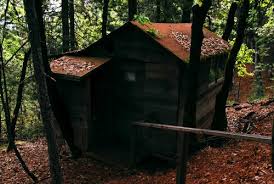
Working by candlelight in his tiny cabin, Father Seraphim created a great number of original writings and translations of ancient ascetic texts. In America his writings have so far reached only select circles but in countries formerly behind the Iron Curtain they have had and incalculable impact on human lives. During the communist era, Father Seraphim's writings were secretly translated into Russian and distributed in the underground press (samizdat) in the form of typewritten manuscripts. By the time the fall of Communist power in 1991, Father Seraphim was known all over Russia. Today his books are on sale everywhere in Russia, including book tables in the Metro (subway) and on the street. The reason that he has made a much greater mark on Russia that on his homeland is because in Russia people knew how to suffer. Father Seraphim's message of underground Christianity, of suffering and persecution in this world for the sake of truth, touches a responsive chord in people who have already been crucified. In America people would rather hear the "nice" messages of preachers like Rev. Robert Schuler (who, by the way, broadcasts his show in Russia, where people can hardly believe how stupid it is). I met Father Seraphim a year and a half before his death in 1982. Like him, I had been seeking reality through Eastern religions, etc., by seeking to escape pseudo-reality through a Zen-like breakdown of logical thought processes. Finally, reduced to despair, I listened to Sid Barrett's two schizophrenic-withdrawal, childhood-regression solo albums over and over, until I had memorized all his word salads. One day Father Seraphim came to the campus where I was going to school. He drove up in an old beat up pick-up truck and emerged in his worn out black robe, his long hair, and his exceedingly long grey beard which had become matted. I was the image of absolute poverty. Next thing I remember I was walking with Father Seraphim through the college. Dinner had just ended and students were milling and hanging around the outside cafeteria. Everyone was staring at Father Seraphim, but he walked through them as naturally as if he had been at home. I the middle of a progressive American college, he seemed like someone who had just stepped out of the 4th century Egyptian desert.
Father Seraphim went to a lecture room and delivered a talk called "Signs of the Coming of the End of the World." He had happened to be sick at the same time and sniffled throughout his lecture. Obviously exhausted, he yet remained clear-headed, cheerful, and ready to answer questions at length. I could see that he was at least as learned and far more wise than any of my professors, and yet he was clearly a man of the wilderness, more at home in the forest than in a classroom.
What struck me most about Father Seraphim was that here was a man who was totally sacrificing himself for God, for the truth. He was not a university Professor receiving a comfortable salary for being a disseminator of knowledge, nor was he a religious leader who hankered after power, influence, or even a bowl of fruit to be placed at his feet, as did the "spiritual masters" who had followings in that area. He was not "into religion" for what could he get out of it; he was not looking for a crutch to "enjoy spiritual life." He was just a simple monk who sought the Truth above all else. And I knew beyond a shadow of a doubt that he would die for that Truth, for I could see he was dying for it already.
Monk Damascene
http://o-nekros.blogspot.ca/2010/09/life-of-blessed-hieromonk-seraphim-rose.html

The entire world is God's creation and therefore it is by nature good; evil does not have an ontological existence. Natural evil is the result of discord which was created after man's fall; even death is a means of educating man in order to lead him back to communion with God. Moral evil, sin, does not have its cause in man's nature, but in man's disposition.
Through man's fall, all of nature was dragged into servitude to corruption. God, however, in the person of His Incarnate Word or Logos entered into the reality of the world and renewed it. By His death, Resurrection and Ascension, He led man, whom He had assumed, to the life of incorruption and immortality; and He exalted him to the height of the glory of God the Father.
This glory, which during the second coming of oui Lord shall become our possession, is prefigured in the life of the Church, and especially in the life of the saints. The bodies of the saints, the sacred relics, are surrounded by the sanctifying grace of God and become a source of divine blessings and miracles (IV Kings 13,21. Wisdom of Sirach 18,14). The grace, honor and glory which God grants to the relics of the saints constitute a foretaste and predepiction of man's transfiguration and that of all creation. This same grace surrounds the saints even during this life and can be discerned in some as warmth, in others as light, or through various miraculous energies, which are blessings for man. Even material objects in the life of the Church bear God's grace.
The presence of God's grace and glory in man and in material creation prefigures the liberation of all of creation from servitude to corruption and guarantees the certainty of our hope in life and incorruption. The world's sanctification was also wrought in the Jordan River during our Lord's Baptism. The hymns of our Church on the day of Epiphany and the prayers of the Great Sanctification of the Waters reveal the new reality of the world: "Today the earth and the sea share in the world's joy and the world is filled with gladness", states the prayer of St. Sophronios of Jerusalem.
Christ hallowed the waters of the Jordan, the banks of the river and all of creation: " You, Ο Lord, being baptized in the Jordan did sanctify its waters"; "having hallowed the waters of the Jordan You did crush the power of sin"; " Today creation is enlightened; today all things rejoice, the heavenly together with the earthly", states the hymnology of our Church.
Through the participation of the material creation in the divine worship of the Church and in the praise and doxology of God the hope of incorruption is expressed. In the Divine Liturgy all of creation is taken on and becomes a new creation in Christ. It is the bread and wine that becomes the Body and Blood of Christ, the candles, the icons, the Holy Cross; and all the material objects participate in some way in the Divine Liturgy. The water, the oil, the incense, the palms, the flowers, and even the new harvest of the crops of the earth are blessed, and the whole world regains that which it lost through man's fall: internal unity, the correct relationship with God, which is an eucharistic relationship, a relationship of offering in which all things are referred up and offered to God, Who becomes once again the centre of the world.
The unity of the entire creation which offers up "with one mouth" doxology to the Triune God is expressed at the end of the prayer for the Great Blessing of the Waters: "...that with the elements, and men, and Angels and with all things visible and invisible they may magnify Thy most holy Name, together with the Father, and the Holy Spirit, now and ever and unto ages of ages. Amen." Man thus forsakes his autonomy and his egoistic use of God's creation; he once again finds his correct place in the world and his "royal" and "priestly" ministry (Gen. 1, 28. 2, 15).
The Christian does not reject this world, nor does he consider it to be something negative. He is not called to abandon the world, but to serve or liturgize in it. Christ wants his faithful to be in the world; to be "the salt oi the earth" and "the light of the world" (Matth. 5, 13-14). If our world is "tasteless and unsalted" and in darkness, if it follows a process of disintegration, then this means that Christians do not serve "as the salt of the earth" and the "light of the world". We must not then look for the cause of the world's misfortune in others.
This place that the Christians hold in the world implies responsibility for the preservation and the sanctification of God's creation, a task which stems from the service which God intrusted to man in Paradise ("...to cultivate and preserve", Gen. 2, 15). A Christian cannot be indifferent to the world's problems; he must labor to bring the world once again back to its doxological relationship with God. This means that the use of the world cannot have as its centre the satisfaction of man's ego and the "needs" which man constantly creates.
The true believer does not attribute absolute and exclusive value to the needs of this life nor to man's abilities. He does not intervene in God's creation in an autonomous way, independent of God's will, and egocentrically; he feels that he is responsible for creation. He does not seek knowledge and use of God's creation "unconditionally". The faithful does not use the powers of the world in a manner not blessed by God and contrary to the balance and harmony in creation and to the unity of God's world.
The Orthodox believer knows that man after the fall ceased to offer creation up to God as a doxology, i.e. to practise his priestly duties vis-a-vis creation; it was he who led creation into servitude to corruption. Within the Church however, he acquires the experience of freedom from this servitude. With this experience he is now called to return to the world with the assurity of the transfiguration and salvation of the entire creation. Having once again acquired within the liturgical place his correct relationship with creation and his correct place within it, he is called to practise his service as priest of the world.
This transfiguration of man and creation in the Church is still not yet the "new heavens" and the "new earth". These will become a reality during Christ's Second Coming. Thus it is that the Christian hope is "not of this world". Every chiliastic-messianic concept which looks to an establishment of an earthly kingdom and the creation of Paradise on earth, is foreign to the spirit of Christ.
Christians respect the authorities of the world and submit themselves to human laws which do not go against their Christian hope (Rom. 13, 1-8. Acts 3, 30). They do not preach a "gospel" conforming to the aspirations and the aims of this world. This is the saving message of the Church to a world which has an exclusively intersecular character and can discern no other vertical dimension in its life. It is for this reason that Orthodox Monasticism with its ascetical character and heavenly orientation offers to our society a great service. It shows to contemporary man, who is exclusively orientated towards the horizontal dimension, the vertical dimension which is at the centre of monastic life.
The monks thus constitute the indicators of the reality of heaven, which man who lives in the world cannot easily grasp. Monasticism opens the way to the absolute experience of life in Christ: a way of asceticism and obedience which is followed throughout one's life without ending; a way which is at the same time dangerous for those who fail to remain humble and steadfast in love that "seeks not its own". This life of the monastics constitutes a continuous vocation to contemporary man's disposition and an excellent prefiguration of the future life.
This anticipation of a new life creates in the Christians the conviction that here on earth they are strangers and sojourners, and that in traversing this life they walk towards their true homeland (Hebrews 11, 13-16). The believer has his eyes always fixed upon heaven and considers death to be the last stop in his journey, his "passing on" or birth into the next life.
We believe that after their separation from the body the souls of the righteous are in the hands of God (Wisdom of Solomon, 3,1) and they await the resurrection of the bodies, so that they may "totally" become partakers in God's love and glory. On the contrary, the souls of the unrighteous who in their lives rejected God's love and communion with Him and with the brethren, and who had as the only centre of reference their "ego", are deprived of this love, for their egoism does not allow them to accept it.
Christ's Second Coming will signal the general resurrection; our bodies will be clothed with incorruption and immortality. The righteous shall be raised unto life, the unrighteous unto condemnation. This will be the general judgment of the world; God's love will judge man in accordance with the position he assumes towards it, i.e. whether he accepts it or rejects it.
The Lord desires the salvation of all men, and their return to their true homeland: to the love and communion with the Triune God. This we call Paradise. By this word we do not mean a material but a spiritual reality. Holy Scripture compares this communion to the relationship between the Bridegroom and the Bride, and their union is compared to marriage (Rev. 19,7).
The sons of the Kingdom shall be eternally united with Christ and shall henceforth absolutely live the condition of being "one in Christ"; then shall we be in Him participators by grace of His unity with the Father ("I in my Father and you in me" Jn 14,20). All who live in this life closed up within themselves, all those who do not rejoice in seeing the face of their brother shall be deprived of this joy. They of their own accord have chosen their eternal torment.
Christ's Second Coming is for the faithful the fulfilment of their hope, just as is the arrival of the Bridegroom for the Bride. This is why the preparation for the reception of the coming Christ constitutes the chief concern of this life.
But when shall the Lord come? Christians do not concern themselves in pinpointing a specific date. They are vigilant and take care to be ready at every moment, for the Lord shall come suddenly, when we do not expect Him (Matth. 24, 13. 33. Acts 1, 7). The Lord Himself warns us to protect ourselves from false prophets who will be workers of guile and treachery. Outwardly they shall appear in the guise of Christ or in the form of an angel (Matth. 24, 4-5. 23-27. II Cor. 11, 13-15). Their teaching shall not be identical with that oi Christ; thus the knowledge of the only real truth oi Christ is necessary in order to avoid error and deceit.


