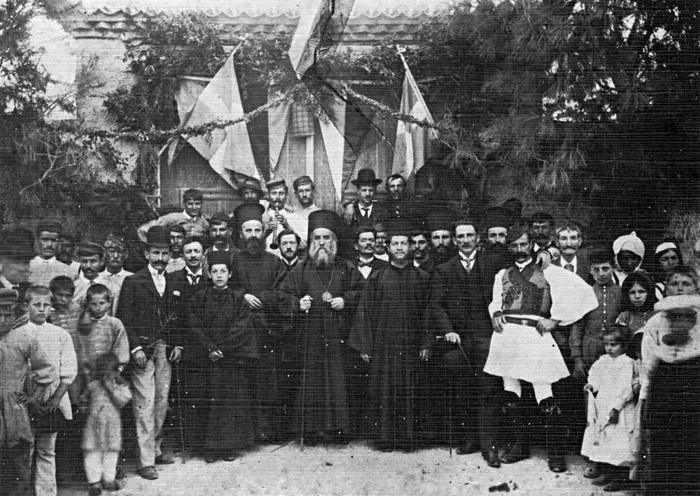
Friday, June 28, 2013

Bearing the Shame of Confession


From “Remember thy First Love” by Archimandrite Zacharias Zacharou

Question: In taking the steps which you have presented W to us, the most difficult thing, I think, is to overcome the rear of shame. This is what I try to do in my parish. People will not come to confession although their souls are burdened and things are driving them crazy, because they cannot overcome the shame to admit their sins. How do you lead people in this direction?

Answer: I think that the strength to bear shame is a gift from God. When I was a young and inexperienced spiritual father, Elder Sophrony told me to encourage the young people to confess precisely the things of which they are ashamed, for if they learn to do so, shame is transformed into strength against the passions, and they will overcome sin. This is precisely what occurred in the person of Zacchaeus. He bore shame voluntarily, and the Lord, Who was on His was to Jerusalem in order to suffer the Cross of shame, saw Zacchaeus bearing shame for His sake and recognized in him a kindred spirit. Zacchaeus had put himself prophetically in the way of the Christ, in the way of the Cross, and in a prophetic way the mystery of the Cross and Resurrection of Christ was activated in the heart of Zacchaeus. His heart was enlarged and he was able to enter into the power of faith. Christ has saved us through the Cross of shame, so when we suffer shame for His sake He considers this as gratitude, and in return He transmits to us His grace which regenerates our life.

This is exactly what happens in confession. Those who confess sincerely and take upon themselves the shame for their sins are regenerated. But those who shrug their shoulders and say, ‘Nothing special, the usual things…’ they do not bear any shame, their heart remains unmoved, and they hardly receive any benefit. But those who, with shame and a contrite heart, strip their souls naked before God and before another mortal, ‘of like passions’ (Acts 14:15) with them—that shame of theirs really finds the heart, humbles it and brings it to the surface. This then, opens the heart to receive the grace of regeneration, of consolation. We see this in the life of many that come to us: the greater the shame they bear with contrition, accusing themselves before God, the greater the grace they receive to amend their lives and make a new beginning.

Discover the Kingdom of God ( Elder Paisios )


In Scripture Jesus tells us "The Kingdom of God is within you." (Lk17:21) How do we know this? We know it when we experience joy, not just happiness, but a feeling that transcends happiness. It is a feeling that comes from the heart when we know God is with us. But what is the opposite of this? Elder Paisios tells us that it is "when we have anxiety, feelings of guilt, then there is a portion of hell within us." When we are sadled with anxiety we have left Paradise and find ourselves mired in hell. This is common condition for most people today. Many drugs that we regularly take are for relieving us from this anxiety we experience in our daily life. But we are capable without any medications to experience joy from all our activities in life.
Elder Paisios says, "It isn't difficult to achieve this; but unfortunately, egoism prevents us from this spiritual magnificence."

What is required to change this anxiety into joy? The key according the Elder Paisios is to allow God to govern our lives. The involves a surrender of our ego to the Church, to Christ whose Church is His Body. In the Church we are guided through the services, sacraments, teachings about prayer and ascetic practices like fasting to overcome our ego-centeredness and become Christ-centered. But first we have to choose to surrender to the teachings of the Church. We must pray often and for sure every morning and evening. We need to follow the liturgical calendar, and participate regularly in the sacraments, especially Holy Communion and Confession. We must follow the fasting guidelines fasting on Wednesdays and Fridays as well as during the fasting periods like Great Lent. We must read Scripture and the writings of the Holy Fathers. We must make Christ and participation in His Church a top priority in our lives as well as the life of our entire family. Scripture says, "Seek you first the Kingdom of God and His righteousness, and all these things will be added to you" (Matt 6:33)

Elder Paisios says,

People today have made their lives difficult, because they are not satisfied with a few things, but are constantly chasing after more and more material goods. But those who would like to live a genuine spiritual life must first of all be satisfied with a few things. When their life is simplified, without too many concerns and nuisances, not only will they be liberated from the worldly spirit, they will also have plenty of time available for spiritual things. Otherwise they will tire themselves out by trying to follow the fashion of the times; they will lose their serenity and will gain only great anxiety." Examine your life and search for all those things which are not necessary, that only complicate what otherwise could be quite simple.

The elder gives a very simple example of a man who asked him to come to his home. When he arrived he notices that the man took of his shoes and walked carefully on his toes. He asked him, "Why are you walking like that?" He replied, "Its nothing Geronda; I am walking careful so that I don't ruin the parquet."

See how easy it is to complicate our lives? We decorate, we clean, we strive to make money so we can redecorate only to worry about maintaining an appearance. The same goes with our clothing. Also our hobbies, our vacations and so forth. How about all the activities we have our children enrolled in. They keep us busy as well as themselves. Where is time for the creative time at home doing art things with Mom or Dad as I remember from my youth; for apple picking, for building a model railroad, for reading, for climbing trees and and laying on top the vines that have grown over them gazing into the heavens wondering how far the sky goes? We organize everything these days and it only complicates our lives, shuts us off from joy making it more burdensome financially and more stressful to keep up with it all. Joy is replaced with achievement which is always only temporary happiness.

Seek simplicity in your life and you can discover the Kingdom of God within.

Reference: Elder Paisios of Mount Athos Spiritual Counsels IV: Family Life, p160

Elder Paisios - Patience is a virtue


What are we to do when faced by an angry family member? Elder Paisios advises us to keep quiet and say the Jesus prayer.

He says,

Look, when someone is steaming with anger, no matter what you say, it will come to nothing. It is better to keep quiet and say the Jesus prayer. With prayer, he'll calm down, and you can then communicate with him. You see, even fishermen don't go fishing unless the sea is calm; they wait patiently for the storm to pass. So, why are we so impatient with others? Where does patience come from? The Elder tells it it come from love.

He says,

Patience stems from love. In order to endure the other person, you must feel deep compassion and pain for him... I have seen beasts turn into lambs. With trust in God, everything evolves normally and spiritually. Most of the difficulties we face in family life stem from insignificant things. When we look back on them, even those that lead to a divorce, we often see the causes are do to little things. What is required of us to not let these little things overwhelm us.

The Elder says,

The greatest scandals, not only in families but also in the state authority, stem from the most insignificant things. In the family one person must be humble before the other; one must imitate the other's virtues and also be patient and endure the other's peculiar idiosyncrasies. How can this be possible? He continues:

To make this possible, it helps to think of how Christ sacrificed Himself for our sins and that he bears with us all – billions of people – even though He is without sin. However, when we suffer from the idiosyncrasies of the others, we are paying off the debt of our own sins. God in His goodness has arranged things perfectly, so that with our gifts, we can help each other, and with our faults, we can be humbled by each other. For every person has some gifts; but everyone also has some faults which one must struggle to over come. For harmony in a family or in a community, we need to constantly be aware that we are all sinners including ourselves. We have to develop patience and not let the failings of others overcome us. We must remember the sacrifice that Christ made for us and how he endured immense pain for our salvation. This is our path as well. Through our patience that comes our of true love, others will also feel this love and become encourage to also learn to love. We need to help each other overcome our limitations. When we are aroused to anger by someone's behavior we are only adding to the difficulty. When we are humble and recognize our own errors and develop patience we will find a way to endure and overcome all obstacles to harmony in life. In the end for those with patience, this harmony is found in heaven with Christ. Follow His example and we will always be right.

Keep these words of Elder Paisios in mind:

A spiritual person must face all things with divine justice by looking to see what will benefit the other person. For when one is weak and makes a mistake, then he is somewhat entitled to a little leniency, because there are extenuating circumstances. But when one who is in a better spiritual condition doesn't display any understanding, then he will be at greater fault.
Reference: Elder Paisios of Mount Athos Spiritual Counsels IV: Family Life, pp 51-54; 61-62

Πριν χρόνια ( Γέροντας Παϊσιος )


Ένας μοναχός σαν τους άλλους μοναχούς που ζουν στο Άγιο Όρος απλός στους τρόπους, στη συμπεριφορά σε προσέγγιζε με την αμεσότητα του.


- Ε συ, βρε παλικάρι ...συχνά προσφωνούσε τον επισκέπτη.


Στην έξω πλευρά, από τον πάνω δρόμο που τερμάτιζε στο κελί του κοντά στις Καρυές του Όρους, σ΄ένα θάμνο δεξιά ήταν το κουτί με τα λουκούμια, ξερά - μαλακά ήταν ευλογία του γέροντα.
 

Στην πόρτα - πόρτα κι' αυτή - ένα συρματόπλεγμα με λίγο ξύλο ολόγυρα και ένα σήμαντρο για 'κουδούνι' οδηγούσε σ΄ένα μικρό ετοιμόρροπο σπιτάκι σ΄ένα ξέφωτο με ξύλινους κορμούς ολόγυρα. Ηταν το μεγάλο σαλόνι των επισκέψεων, των πολλών επισκέψεων του γέροντα.


-Καλώς το παλικάρι, από πού είσαι λεβέντη; οι συνήθεις προσφωνήσεις του γέροντα.


Η ματιά του διαπεραστική, έφτανε μέχρι το 'μεδούλι της ψυχής' τι να κρύψεις, αφού όλα τα γνώριζε Θεία Χάριτι.


Τα πράγματα οριακά, έλεγες αυτό που σε προβλημάτιζε στα...ίσια, άλλωστε ευθύς ήταν και ο λόγος του γέροντα.


- Γέροντα η γυναίκα μου έχει προβλήματα με το στομάχι της και την κοιλιά της ...


Η διάγνωση κατευθείαν, χωρίς εξετάσεις

Θα της πεις να πάει σ΄ένα super market και να ψωνίσει λίγη καλή αδιαφορία.

Μια άλλη φορά ...

-Ποιόν πνευματικό έχεις βρε παλικάρι;

-Τον ...τάδε!

-Α! ωραία, η γυναίκα σου ποιον έχει πνευματικό; ρώτησε ο γέροντας.

-Τον ίδιο, του απάντησα.

Άστραψαν τα μάτια του από ικανοποίηση και με χαρά είπε:


- Θα πάρει ένα κούτσουρο ο Θεός από τη μια και ένα κούτσουρο από την άλλη και γκούτσου-γκούτσου θα το ταιριάξει. Πολύ χάρηκα βρε παλικάρι ...

Κι΄εγώ χάρηκα που σε γνώρισα γέροντα, χάρηκα που μου έδωσε ο Θεός τη χαρά και ευλογία να δω από κοντά, κατά κοινή ομολογία,ένα σύγχρονο Άγιο, ν' ακούσουμε λόγια παρηγοριάς από τον ίδιο, αλλά και να διαβάζουμε λόγους ελπίδας από τα πολλά βιβλία που έχουν δημοσιεύσει γεγονότα από τη ζωή του.


Στο τέλος πριν φύγεις σε κοίταζε στα μάτια, κρατούσε απαλά με τα χέρια του το κεφάλι σου και έδινε ένα πατρικό ασπασμό στο μέτωπο.


Το συνήθιζε!

Την ευχή σου να έχουμε παππούλη και εκεί που θα είσαι μη μας ξεχνάς.

Ένας από τους επισκέπτες σου

Η Προσευχή και ο Νους ( Αγιος Ιωάννης ο Χρυσόστομος )


Γιατί έρχονται πολλοί στην εκκλησία, επαναλαμβάνουν μηχανικά ψαλμούς και ευχές, και φεύγουν, δίχως να ξέρουν τι είπαν. Τα χείλη κινούνται, αλλά τ' αυτιά δεν ακούνε. Εσύ δεν ακούς την προσευχή σου, και θέλεις να σε εισακούσει ο Θεός; Γονάτισα, λες· αλλά ο νους σου πετούσε μακριά. Το σώμα σου ήταν μέσα στην εκκλησία και η ψυχή σου έξω. Το στόμα έλεγε την προσευχή και ο νους μετρούσε τόκους, συμβόλαια, συναλλαγές, χωράφια, κτήματα, συναναστροφές με φίλους. Κι όλα αυτά συμβαίνουν, γιατί ο διάβολος είναι πονηρός· ξέρει πως την ώρα της προσευχής κερδίζουμε πολλά, γι' αυτό τότε επιτίθεται με μεγαλύτερη σφοδρότητα. Άλλες φορές είμαστε ξαπλωμένοι στο κρεβάτι, και τίποτα δεν σκεφτόμαστε· ήρθαμε όμως στην εκκλησία να προσευχηθούμε, και ο διάβολος μας έβαλε ένα σωρό λογισμούς, ώστε καθόλου να μην ωφεληθούμε.

Αν, αλήθεια, ο Θεός σου ζητήσει λόγο για την αδιαφορία ή και την ασέβεια που δείχνεις στις λατρευτικές συνάξεις, τι θα κάνεις; Να, την ώρα που Αυτός σου μιλάει, εσύ, αντί να προσεύχεσαι, έχεις πιάσει κουβέντα με τον διπλανό σου για πράγματα ανώφελα. Και όλα τ' άλλα αμαρτήματά μας αν παραβλέψει ο Θεός, τούτο φτάνει για να στερηθούμε τη σωτηρία. Μην το θεωρείς μικρό παράπτωμα. Για να καταλάβεις, τη βαρύτητά του, σκέψου τι γίνεται στην ανάλογη περίπτωση των ανθρώπων. Ας υποθέσουμε ότι συζητάς μ' ένα επίσημο πρόσωπο ή μ' έναν εγκάρδιο φίλο σου. Και ενώ εκείνος σου μιλάει, εσύ γυρίζεις αδιάφορα το κεφάλι σου και αρχίζεις να κουβεντιάζεις με κάποιον άλλο. Δεν θα προσβληθεί ο συνομιλητής σου απ' αυτή την απρέπειά σου; Δεν θα θυμώσει; Δεν θα σου ζητήσει το λόγο;

Αλίμονο! Βρίσκεσαι στη θεία Λειτουργία, κι ενώ το βασιλικό τραπέζι είναι ετοιμασμένο, ενώ ο Αμνός του Θεού θυσιάζεται για χάρη σου, ενώ ο ιερέας αγωνίζεται για τη σωτηρία σου, εσύ αδιαφορείς. Την ώρα που τα εξαπτέρυγα Σεραφείμ σκεπάζουν τα πρόσωπά τους από δέος και όλες οι ουράνιες δυνάμεις μαζί με τον ιερέα παρακαλούν το Θεό για σένα, τη στιγμή που κατεβαίνει από τον ουρανό η φωτιά του Αγίου Πνεύματος και το αίμα του Χριστού χύνεται από την άχραντη πλευρά Του μέσα στο άγιο Ποτήριο, τη στιγμή αυτή η συνείδησή σου, άραγε, δεν σε ελέγχει για την απροσεξία σου; Σκέψου, άνθρωπε μου, μπροστά σε Ποιον στέκεσαι την ώρα της φρικτής μυσταγωγίας και μαζί με ποιους - με τα Χερουβείμ, με τα Σεραφείμ, με όλες τις ουράνιες δυνάμεις. Αναλογίσου μαζί με ποιους ψάλλεις και προσεύχεσαι. Είναι αρκετό για να συνέλθεις, όταν θυμηθείς ότι, ενώ έχεις υλικό σώμα, αξιώνεσαι να υμνείς τον Κύριο της κτίσεως μαζί με τους ασώματους αγγέλους.

Μη συμμετέχεις, λοιπόν, στην ιερή εκείνη υμνωδία με αδιαφορία. Μην έχεις στο νου σου βιοτικές σκέψεις. Διώξε κάθε γήινο λογισμό και ανέβα νοερά στον ουρανό, κοντά στο θρόνο του Θεού. Πέταξε εκεί μαζί με τα Σεραφείμ, φτερούγισε μαζί τους, ψάλε τον τρισάγιο ύμνο στην Παναγία Τριάδα.


Αγιος Ιωάννης ο Χρυσόστομος

ΕΛΕΗΜΟΣΥΝΗ… ΔΙΝΕΙΣ ΛΙΓΑ ΚΑΙ ΔΕΧΕΣΑΙ ΠΟΛΛΑ ( Άγιος Ιωάννης ο Χρυσοστόμος )


Πρέπει να είμαστε γενναιόδωροι κατά την ελεημοσύνη
Ώστε, δίνοντας λίγα, να αξιωθούμε να λάβουμε πολλά.
Διότι, πες μου, που υπάρχει ισότητα
Όταν δίνεις ένα νόμισμα
Και δέχεσαι την συγχώρεση των αμαρτημάτων;
Όταν τρέφεις εκείνον, που πεινάει
Και αξιώνεσαι παρρησία την φοβερή εκείνη ημέρα
Και ακούς τους λόγους εκείνους
Που σε κάνουν άξιο της βασιλείας
"Πείνασα και μου δώσατε να φάω";(Ματθ.25,35). Μήπως δεν μπορούσε αυτός, που σου έδωσε την τόση αφθονία του πλούτου
Να θεραπεύσει και τη φτώχεια εκείνου;
Αλλά γι΄ αυτό αφήνει εκείνον να υποφέρει από την φτώχεια
Ώστε και εκείνος να πάρει μεγάλο μισθό για την υπομονή
Και συ να έχεις για τον εαυτό σου την παρρησία από την ελεημοσύνη...
Ας μη κάνουμε, λοιπόν, την ελεημοσύνη, αποβλέποντας μόνο σ΄ εκείνον που δέχεται την ελεημοσύνη
Αλλά σκεπτόμενοι ποιος οικειοποιείται αυτά που δίνονται στον φτωχό
Και υπόσχεται να εξοφλήσει αυτά, που δίνονται, στρέφοντας, έτσι τη σκέψη μας προς εκείνον
Να προσφέρουμε με κάθε προθυμία· και, όσο ακόμη είναι καιρός, ας σπείρουμε με αφθονία
Ώστε και να θερίσουμε με αφθονία.
Διότι λέγει: "Εκείνος που σπέρνει με φειδώ, με φει­δώ και θα θερίσει" (Β΄ Κορ. 9,6).
Ας δίνουμε, λοιπόν, τους καλούς αυτούς σπόρους με απλοχεριά
Ώστε να θερίσουμε με αφθονία, όταν έλθει ο καιρός.
Διότι τώρα είναι ο καιρός της σποράς, τον οποίο, παρακαλώ, να μην παραβλέψουμε
Ώστε κατά την ημέρα της ανταποδόσεως, να θερίσουμε τους καρπούς όσων σπείραμε εδώ
Και να αξιωθούμε της φιλανθρωπίας του Κυρίου.
Διότι τίποτε, κανένα άλλο κατόρθωμά μας, δεν θα μπορέσει να σβήσει τόσο τη φωτιά των αμαρτιών μας
Όπως η πλουσιοπάροχη ελεημοσύνη.
Αυτή πετυχαίνει και την εξαφάνιση των αμαρτιών μας και μας χαρίζει παρρησία
Και μας προετοιμάζει για να απολαύσουμε εκείνα τα ανέκφραστα αγαθά....

*Άγιος Ιωάννης ο Χρυσοστόμος 


 http://www.agioritikovima.gr/perizois/24044-eleimouni-din

Jesus Prayer - possible problems encountered


Possible Problems Encountered
Sleep or drowsiness can be a problem in prayer. When you come from a very busy and tense environment, your body changes dramatically when you enter into prayer. It relaxes to the extent that you may then fall asleep. As you begin to concentrate the neuromuscular system begins to relax and this may cause drowsiness. When you feel this condition coming on you can change your position. If you are using a seated position for prayer, consider standing for prayer which for some is a preferred position. If you are praying silently in the mind, begin to say the prayer orally. If you are saying the prayer orally, say it louder. Make a few prostrations. Drowsiness is a condition that you will have to fight. If you let it become a pattern, it too will get etched into your brain and become more and more difficult to overcome. You can develop an automatic response of drowsiness every time you begin to pray. Don’t let this condition be distressing as it simply means that your nervous system has begun to relax. It is an indicator that you have successfully made a transition from your normal hectic world to one that is much slower and relaxed. Learn to take some gentle action to fight it off.

It is also possible that you may experience strong emotions during prayer. This can happen as you begin to find a deeper level of concentration and feel like you are about to enter in the place of the heart. If you are overcome with strong emotions simply open your eyes for a moment, make the sign of the cross and a few prostrations and then continue on with your prayer. If you experience tears this is a good sign, but do not delight in the tears. They are normally accompanied with a feeling of humility and contrition coupled with a profound love for God.

Another problem is seeing lights, images or even apparitions. They may even seem like bright ones. Saint Nil Sorski tells us,


“Do not permit yourself any concepts, images, or visions. For vivid images darting to and fro, and flights of fancy do not cease even when the mind stand in the heart and recites prayer: no one is able to rule over them, except those who have attained perfection by the grace of the Holy Spirit, and who have acquired stability of mind through Jesus Christ.” (Art of Prayer, p 101)

Saint Gregory the Sinaite warns similarly,


It must be completely imageless and we must on no account give freedom to the imagination or allow the fancy to form an image of any saint or light; because usually delusions, especially at the beginning deceive the minds of the inexperienced with false fantasies.
(Saint Gregory Sinaite, On the Prayer of Jesus by ignatius Brianchaninov, p 67)

The imagination is very strong and active. It will be stimulated by things in your memory. You may project into the future or dig back into unpleasant past. You want to dispel all images from your mind in prayer.34 Apparitions are especially dangerous. If you ever do have an apparition while praying, do not listen to, respond, or follow its direction, even if it is the Theotokos or your patron saint. Ignore it and immediately arrange to see your spiritual Father for advice. Any legitimate encounter will be surrounded with peacefulness and love and will return if it is legitimate. Such images are a common way the evil spirits work on us to mislead us. Often this work of the imagination will help us see a sinful past that we need to cleanse though the sacrament of Confession. Be sure to see your spiritual father when you experience any such images.


Cautions
There are some cautions that are in order when practicing the Jesus Prayer.
• First, you should not practice this method of prayer unless you are regularly attending worship services, participating in the Sacraments of the Church, and reading the Scriptures.
• Second, you should not force yourself into the discovery within yourself of the action of the prayer of the heart.
• Third, you should not connect this practice with breathing exercises or other yoga techniques unless you are directed by your spiritual father.
Remember, delusion is your enemy. “An insignificant, unnoticed hope or trust in something outside God can stop the advance of progress... Faith in God is leader, guide, legs and wings.”35 If you begin to think that it is by your efforts that you will find unity with God, you are being deluded and in great spiritual danger.

Pride in your accomplishments through these efforts can stop you dead in your tracks. Any hint of pride needs to be recognized. Grace comes with humility. As soon as you feel pride recognize it and ask for forgiveness. If you don’t, your prayer will become cold and dark. Once you repent, recognize your error and ask for forgiveness, you will be able continue on the path. This is normal. We fall down and we seek help and mercy asking for forgiveness and we cleanse ourselves of impurity. We do this time and time again. Through this process, step by step, we become purer and our prayer life deepens until we find the union of love with God.

Jesus Prayer- 3 stages of prayer


There are three stages of prayer. The first level is oral prayer or as it is often referred to, prayer of the lips. This is the beginning stage where the prayer is said aloud. This engages more of our brain and helps us to focus our attention on the words of the prayer. Here we discover the nature of our distracted mind and programming of our brain. We encounter our own thoughts that will ride on top of the words our prayer like a hitchhiker. We will also have the sensation that we are more than our thoughts as we gradually begin to know our soul. We find that we can actually observe our thoughts interfering with our prayer. We wonder, “Where do these thoughts come from?” At this stage prayer is still something external to us so we need to consider this as a first step.


The second level is mental prayer. As we continue with prayer over a period of time we will find that we will be able to pray without using the lips and say the prayer silently in our mind. This will happen naturally. We don’t want to force it prematurely. Don’t try and be overzealous and end up like the hare instead of the tortoise. If we experience distraction at this level then simply go back to using oral prayer. Keeping our attention focused on the words of the prayer is essential. Theophan says that at this stage, "the mind is focused upon the words" of the Prayer, "speaking them as if they were our own." We begin to see how we can intercede and counteract our thoughts. We discover a new control center that we are beginning to see exists in our heart.

When you try and unite your mind with your heart the mind finds a hardness of the heart and cannot easily penetrate it. The mind will be frustrated and distracted by many other thoughts. As you begin to enter into mental prayer the words will be said in your mind and not your heart. This is where you need to expect to begin at this stage. Only later after much patience and effort will you be able to penetrate the heart. Try to keep your focus on the words as you pray and it will naturally open the door of your heart.


The third level is called prayer of the heart. At this level, prayer is no longer something you do, but something you are. This stage involves a transforming action as you discover your true nature. You find that you are much more than a body and brain, but that you are noetically connected with the divine energies of our God, and know that He dwells in the depths of your heart. This is not something you will be able to explain to others but you will recognize it. The prayer is now said continuously without any effort in the heart. This kind of prayer comes as a gift of the Holy Spirit. As Paul tells us, "God has sent the Spirit of his Son into our hearts, the Spirit that cries 'Abba, Father!'." (Gal. 4:6) At this stage we now know what it means to be in union with God. We feel the divine presence within and sometimes are connected with the vision of the uncreated light, which is the pure energy of God. We can experience the kingdom of heaven within each of us. At this stage the door of our heart is wide open and we find our lives transformed as we begin to live a life of love. We now can pray “without ceasing” (Eph 6:18; 1 Thes 5:17; 1 Tim 2:8; Rom 12:12; 1 Thes 2:13; 1 Tim 1:2) as Scripture instructs us.

Thursday, June 27, 2013

Πως ο Άγιος Νεκτάριος βίωσε με όλη του την ύπαρξη την Ορθοδοξία μας


Πραγματικά ο Άγιος Νεκτάριος εβίωσε σε όλα και με όλα τα μέρη της υπάρξεώς του την Ορθοδοξία μας ,την οποία και ερμήνευσε και εξέφρασε προσωπικά και δυναμικά στο καθολικό πλήρωμα των Ορθοδόξων αδελφών και γενικότερα στην Οικουμένη.

Είναι τόσο πλούσια η προσωπικότητά του , τόσο βαθειά , τόσο μεγαλειώδης, συνδυασμένη με θεϊκή πραγματικά απλότητα , που θα 'πρεπε ο φτωχός δικός μας ανθρώπινος λόγος να αργήσει. Και μάλιστα λόγος που προέρχεται από χείλη αδέξια, ισχνόφωνα και κακόηχα σαν τα δικά μου. Συγχωρήστε μου λοιπόν την θρασύτητα και επιτρέψτε μου να χρησιμοποιήσω τον συμβατικό λόγο για ωφέλεια όλων μας και για την κατά δύναμιν τιμή προς τον Άγιο του αιώνα μας.
Θεμέλιο σ'αυτήν την προσλαλιά ας είναι το παρακάτω υπαρκτό περιστατικό από τη ζωή του Αγίου.

Μετά από κάποιες περιπέτειες που μεθόδευσε στη ζωή του ο μισόκαλλος, βρίσκεται ο Άγιος ,σαν ιεροκήρυκας Χαλκίδος ,επίσκοπος όντας, στο μικρό νησί της Σκιάθου, για να λειτουργήσει και να κηρύξει. Φιλοξενείται από βραδύς σ'ένα απλό δωματιάκι του νησιού. Περνάνε οι ώρες της νύχτας και το φως του δωματίου του δεν σβήνει. Κάποιοι περίεργοι βρίσκουν τον τρόπο να κρυφοκοιτάξουν. Βλέπουν τον Άγιο Επίσκοπο να κάνει εδαφιαίες μετάνοιες και κάτι να ψελίζει. Το φως έσβησε , όταν ξεκίνησε για την πρωϊνή ακολουθία και την Θεία Λειτουργία.
Το γεγονός αυτό αδελφοί ,λέει πάρα πολλά. Βάση στη ζωή του ο Άγιος από τα νεανικά του χρόνια είχε αυτό που όλοι οι πατέρες και άγιοι είχαν ,τη νηπτική εργασία , την προσεκτική φροντίδα του εσωτερικού κόσμου του ανθρώπου, της αθανάτου και θεοεικέλου ψυχής. Μολονότι επίσκοπος , πεπειραμένος στα πνευματικά , κάποιας ηλικίας ,όμως δεν αντικαθιστά με τίποτα την αγαπημένη του πνευματική εργασία για την προσωπική του ένωση με τον εν Τριάδι Θεό. Δόξα τώ εν Τριάδι Θεώ για τέτοιους ανθρώπους που αναδεικνύει σε όλες τις εποχές και τους έχει μαζί ίσως και με άλλους αφανεστέρους , δείγματα της Ορθοδόξου πνευματικότητος , που αληθινά όζει (μυρίζει) αγάπη Χριστού.

Ο Άγ. Νεκτάριος γεννήθηκε την 1η Οκτωβρίου του 1846 στη Συληβρία της Θράκης. Σάν παιδί και σά νέος ήταν πολύ φιλομαθής και ιδιαίτερα όπως οι Τρείς Ιεράρχες , αγάπησε την αρχαία ελληνική γλώσσα και τα Πατερικά κείμενα. Το βιβλίο που ο ίδιος εξέδωσε «Λογίων θησαύρισμα» είναι ακριβές απόσταγμα των Πατερικών Μελετών στις οποίες από μικρός αφιερωνόταν. Απ'αυτό το ανθολόγιο των πολυτίμων μελετών του φαίνεται η νηπτική εργασία και η δυνατή έφεση που είχε στα βάθη του για τον Θεό και η δίψα του για την τελειότητα της εν Χριστώ ζωής.

Από πολύ νωρίς συγκεκριμενοποίησε τον ουράνιο πόθο του και τον ταύτισε με τη μοναχική ζωή. Το 1876 εκάρη μοναχός στη Νέα Μονή της Χίου με το όνομα Λάζαρος από Αναστάσιος Κεφαλάς. Από τα στοιχεία της Ιεράς Μονής φαίνεται καθαρά ότι έμεινε τρία χρόνια πραγματικά, ασκούμενος στη μοναχική και μοναδική ,όπως αναφέρεται από τους Αγίους Πατέρες μας ,πολιτεία. Η άσκηση του παρθενικού βίου τον έκανε προσηνή επειδή συνδύασε την τραχύτητα της ασκήσεως με την άκρα ταπείνωση. Γι'αυτό έγινε αγαπητός από τη λοιπή μοναστική αδελφότητα , προτάθηκε για χειροτονία και προχειρίσθηκε διάκονος το 1877 σε ηλικία ώριμη και σύμφωνη με τους Θεοπνεύστους ιερούς κανόνες,τριάντα ενός δηλαδή ετών, με το όνομα Νεκτάριος.

Μέ άδεια και ευλογία της Ιεράς Μονής της μετανοίας του συμπληρώνει τις γυμνασιακές του σπουδές στην Αθήνα , κατόπιν στην Αλεξάνδρεια της Αιγύπτου , κοντά στον Πατριάρχη Αλεξανδρείας Σωφρόνιο και πάλι στην Αθήνα, όπου μετά από ευδόκιμες θεολογικές σπουδές το 1885 εκατατάχθηκε στους πτυχιούχους της Θεολογικής Σχολής της «οποίας υπήρξε και υπότροφος . Το επόμενο έτος 1886 χειροτονείται πρεσβύτερος και Αρχιμανδρίτης στην Αλεξάνδρεια από τον ίδιο Πατριάρχη Σωφρόνιο , κοντά στον οποίο υπηρέτησε σαν ιεροκήρυκας και γραμματέας του Πατριαρχείου και Πατριαρχικός επίτροπος στο Κάϊρο. Ένα χρόνο αργότερα το 1889 χειροτονείται Μητροπολίτης της πάλαι ποτέ διαλαμψάσης Μητροπόλεως Πενταπόλεως από τον ίδιο Πατριάρχη Σωφρόνιο.
Αυτή την επέτειο των εκατό χρόνων από της χειροτονίας του σε επίσκοπο τιμάμε και γιορτάζουμε σήμερα.


Γιατί ιδιαίτερα αυτήν την επέτειο εξαίρουμε;

Γιατί και ο άγ.Ιγνάτιος ο Θεοφόρος και ο μεγάλος Θεολόγος Νικόλαος Καβάσιλας υποστηρίζουν ότι ο επίσκοπος είναι ζωντανή εικόνα του Σωτήρος Χριστού και ζωντανός φορέας όλης της Χριστιανικής Παραδόσεως. Ίσως σε μερικές περιπτώσεις αμφιβάλλουμε για τα υποστηριζόμενα από τους αγίους , γιατί δεν βλέπουμε πάντοτε σαρκωμένες αυτές τις αρετές στα Επισκοπικά πρόσωπα. Στην περίπτωση όμως του Αγίου Νεκταρίου ταυτίσθηκε η αληθινή χριστιανική ζωή και το ποιμαντικό αρχέτυπο με το πρόσωπό του. Οι λειτουργίες του , τα κηρύγματά του , η φροντίδα του για την ευπρέπεια και διακόσμηση των Ιερών Ναών , το προσωπικό , ποιμαντικό και ανθρωπιστικό ενδιαφέρον , η συμπάθεια στους καχεκτικούς στην πίστη και στην ηθική , οι διοικητικές του ικανότητες και ιδιαίτατα ο άμεμπτος βίος κατάφερναν να συγκρατούν το θεσμό της Εκκλησίας και τα λογικά πρόβατα στη μάνδρα του Χριστού. Η ποιότητα της Χριστιανικής ψυχής του και η Χριστιανική διαύγεια των φρονημάτων του φαίνεται ολοκάθαρα στους άδικους διωγμούς του. «Ει εμέ εδίωξαν και υμάς διώξουσιν» δεν είπε ο Κύριος; Αφανείς αντίχριστες δυνάμεις κατάφεραν να μεθοδεύσουν έτσι κάποιες συκοφαντίες , ώστε να απολυθεί από τις Εκκλησιαστικές αρχές της Αλεξανδρείας και να παυθεί από τη θέση του. Καμιά σαφής κατηγορία αλλά και καμιά ακύρωση των συκοφαντιών. Σαν ελεύθερος άνθρωπος και αθώος διαμαρτύρεται για την αδικία αλλά και οι επιστολές -διαμαρτυρίες προς τον Πατριάρχη Αλεξανδρείας Σωφρόνιο, λίγο αργότερα προς τον Πατριάρχη Αλεξανδρείας Φώτιο και προς τον Πατριάρχη Ιωακείμ τον Γ` είναι γεμάτες εκκλησιαστικό ήθος που σπάνια συναντάμε.

Άνθρωπος ψημένος στη μοναχική άσκηση και στους κανόνες ταπεινοφροσύνης , δεν μπορούσε παρά αυτό το ήθος να αποκτήσει των Μεγάλων Πατέρων, που είτε τους έβριζαν είτε τους εγκωμίαζαν, το ίδιο αισθάνονταν και ανεξίκακα αντιδρούσαν.

Ουδείς αδοκίμαστος ευδόκιμος.

Αξίζει κανείς να διαβάσει και μόνο αυτές τις επιστολές για να προσεγγίσει αυτόν τον πολύτιμο αδάμαντα της Ορθοδοξίας. Μικρές επιστολές γραμμένες με σαφήνεια , γλωσσική αρτιότητα , τέλεια νοήματα , λέξεις ιεροπρεπείς και κατάμεστες από σεβασμό στο πρόσωπο που απευθύνεται και το οποίο τον αδίκησε. Δεν βρίσκεις ίχνος δηκτικότητας να υπολανθάνει. Κρατά τον πόνο του σε καθαρά πνευματικό επίπεδο. Αυτές οι επιστολές αποπνέουν το άρωμα της απαθούς και χαριτωμένης ψυχής του , που προετοιμάζεται έκδηλα από τον Εσταυρωμένο Κύριο για τη μέλλουσα τιμή και παγκόσμια δόξα που του χάρισε. Η ποιότητα της ψυχικής καλλιεργείας του επιβεβαιώνεται και από το ποιμαντικό έργο του στις ψυχές των ανθρώπων και την ανάλογη ποιμαντική εν Χριστώ αγωγή, που τους προσέφερε.

Πάνω από εννιακόσιοι πιστοί της Ορθοδόξου Εκκλησίας του Καίρου συνέταξαν μια διαμαρτυρία και συνάμα αποχαιρετιστήριο γράμμα προς τον Άγιο Πενταπόλεως που δημοσιεύθηκε στην εφημερίδα «Μεταρρύθμισις» της Αλεξάνδρειας. Μέσα σ'αυτό το γράμμα φαίνεται για άλλη μια φορά από άλλη σκοπιά , από τη σκοπιά των λαϊκών, ο πραότατος και ειρηνικός χαρακτήρας του Αγίου. Στο δημοσίευμα αυτό δεν υποφώσκει ίχνος εμπαθείας ή φανατισμού κατά των αδικησάντων εκκλησιαστικών ανδρών τον Άγιο Πενταπόλεως.
Πόσο ταπεινά και χριστοκεντρικά θα είχε εργασθεί ο Άγιος στην Άμπελο του Κυρίου ,ώστε να μεταφυτεύει και στους άλλους τον αληθινό τρόπο Χριστιανικής ζωής , της Θεανθρώπινης ζωής που ο ίδιος βίωνε.

Από την επιστολή αυτή των λαϊκών του Καίρου φαίνεται η μεγάλη εν Χριστώ αγάπη που του είχαν, φαίνεται διάφανα η εν Χριστώ ηγετική φυσιογνωμία του Αγίου , αλλά τελικά η υπακοή (αυτό είναι το γνήσιο εκκλησιαστικό χριστιανικό φρόνημα) και του Αγίου και των πνευματικών του τέκνων στις αποφάσεις της Μητέρας Εκκλησίας. Ήταν βαθύς και όχι επιπόλαιος και υποπτευόταν ότι πίσω από την ανθρώπινη αδικία κρύβονται μεγαλεπίβολα, μά ανεξιχνίαστα θεϊκά σχέδια. Και κατάφερε αυτήν του τη νοοτροπία να μεταβιβάσει ζωντανά στο λαό του Καίρου, πράγμα που διακρίνεται με ενάργεια προς το τέλος της επιστολής-διαμαρτυρίας.
Ίσως οι βουλές του Θεού έχουν διαφορετικές προοπτικές.

Επιτρέψτε μου να επιμείνω λίγο ακόμη σ'αυτήν την κρίσιμη καμπή της ζωής του. Αν ο Άγιος έπαιρνε κάποια άλλη διαφορετική στάση, καταλάβαινε με τον σώφρονα λογισμό που του είχε χαρίσει η Ορθόδοξη μοναχική νηπτική άσκηση , καταλάβαινε ότι κατάστρεφε ό, τι ωραιότερο, ό, τι πιο θεανθρώπινο είχε μεταγγίσει στις ψυχές των πνευματικών του τέκνων.

Σαν αληθινός Λειτουργός του 'Υψίστου προτιμά να αδικείται παρά να καταστρέψει στα μάτια και στις ψυχές των πιστών την εικόνα της Αρχιερωσύνης, χτυπώντας τους άλλους αρχιερείς που τον αδίκησαν.
Παρακαλώ πολύ όλους μας να εγκύψουμε με πολλή ευλάβεια σ'αυτήν την πτυχή της ζωής του Αγίου Πενταπόλεως και στην θεανδρική στάση του γιατί καθένας μας έχει ή ενδέχεται να έχει πικρίες συκοφαντικές στο μετερίζι από το οποίο μάχεται.

Στή συνέχεια για ένα έτος ταλαιπωρήθηκε «φυτοζωών», λέει ο βιογράφος του άγιος πρ. Παραμυθίας Τίτος Ματθαιάκης, ζητώντας στην Αθήνα εργασία και μη βρίσκοντας. Επί τέλους στις 15 Φεβρουαρόυ 1891 διορίσθηκε ιεροκήρυκας του Νομού Ευβοίας , σπάνιο φαινόμενο στα χρονικά της Εκκλησίας. Δηλ. Επίσκοπος να διορίζεται απλός ιεροκήρυκας. Όμως δέχθηκε και εργάσθηκε διόμιση χρόνια ακάματα πνευματικά , αγάπησε το λαό του Θεού και αγαπήθηκε. Πάλι δυσκολίες και μετάθεση στο Νομό Φθιώτιδος και Φωκίδος. Αξίζει και πάλι να τονισθεί η κρυστάλλινη ποιότητα του ποιμαντικού του λειτουργήματος που εκφράζει το αποχαιρετιστήριο γράμμα του Δημάρχου Κυμαίων Καρυστίας προς τον Άγιο.

Ο Κύριος όμως αφού τον προετοίμασε με την θλίψη και τον διωγμό , αφού του έκλεισε τις άλλες πόρτες , του άνοιξε την υψηλή και μεγάλη προοπτική του Διευθυντή της Ριζαρείου Εκκλησιαστικής Σχολής. Μέ Β. Διάταγμα διορίσθηκε την 1η Μαρτίου του 1894 και έμεινε σ'αυτήν την περίοπτη θέση μέχρι το 1908 , από την οποία παραιτήθηκε , όπως ο ίδιος γράφει στην αίτησή του προς το Δ. Σ. για λόγους υγείας.

Δεκατέσσερα ολόκληρα χρόνια εργάσθηκε συστηματικά ο Άγιος στο θερμοκήπιο των Ιερατικών κλήσεων . Ό, τι ιερότερο , ό, τι θεανθρωπινότερο , ό, τι χριστοευγενέστερο , ό, τι ουράνιο είχε κατακτήσει με την άσκησή του και με τη χάρη του Θεού , με πολύ ζήλο το αποτύπωσε στις ψυχές των Ιεροσπουδαστών του. Πίστευε ότι το νεοσύστατο μετά τον τουρκικό ζυγό έθνος θα μπορέσει να ορθοποδήσει και πνευματικά να μεγαλουργήσει , αν οι ποιμένες αυτού του τόπου τραφούν με τον επιούσιο Άρτο της Ορθοδόξου Θεολογίας και ποτισθούν με τα αστείρευτα νάματα της Ορθοδόξου Ευσεβείας. Πετύχαινε πραγματικά να μεταλαμπαδεύσει στις ψυχές των Ιεροσπουδαστών όλη την χριστοφλόγα της ψυχής του ,με τον πιο εκλεκτό τρόπο , την εν Χριστώ αγάπη, που είναι το πιο δυνατό φίλτρο. Αυτό μπορεί να συγκινήσει το νέο και να βάλει σε συναγερμό και κινητοποίηση όλα τα ψυχοδυναμικά του για εγκόσμια και υπερκόσμια δημιουργία.

Ο πρωτοπρεσβύτερος παπαΝικόλας Μυλωνάς και ο Οικονόμος Θεμιστοκλής Παπακωνσταντίνου που τον είχαν δάσκαλο επαληθεύουν την άριστα παιδαγωγική συμπεριφορά του προς τα νεαρά βλαστάρια. Ποτέ δεν είχαμε δεί το ειρηνικό και χαρίεν πρόσωπό του να αλλοιώνεται από τις νεανικές αταξίες.

Είχε μια απεριόριστη εσωτερική ανεκτικότητα και μεγαλοψυχιά λέγουν, με την οποία κατόρθωσε να διορθώσει τις ανωριμότητες των νέων χωρίς να τραυματίσει το ψυχολογικό πεδίο. Και κάποιος άλλος μαθητής του έλεγε με θαυμασμό για τον Άγιο , ότι ανεχόταν ακόμη και να κοροϊδεύεταιμερικές φορές και μολονότι διαισθανόταν πώς του λένε ψέμματα δεν επενέβαινε βίαια, αυταρχικά, πιεστικά, για να διορθώσει τον αμαρτάνοντα. Αυτή η αγάπη και η εκτίμηση προς τα ανώριμα ακόμα παιδιά , τα έφερνε λίγο αργότερα σε αυτοσυναίσθηση του σφάλματος , σε μετάνοια και οριστική και ειλικρινή διόρθωση. Ήδη από τον καιρό της τριετούς μοναστικής ασκήσεώς του στην Ιερά Μονή της χώρας της Χίου , αλλά και από την περισσή εμπειρία του από την διακονία του στο λεπτό και ευαίσθητο έργο του πνευματικού είχε διαπιστώσει πόσο εύθραυστος είναι ο ψυχολογικός παράγοντας σε κάθε άνθρωπο και πόσο αποφασιστικό ρόλο παίζει στην ολοκλήρωση της προσωπικότητας και στον αγιασμό της.


Είχε κατέβει , όπως λέει ο Άγιος Ιωάννης ο Σιναίτης , ο συγγραφέας της Κλίμακος , είχε κατέβει στα βάθη της ψυχής , γνώριζε πολύ καλά τις αντιδράσεις της και ιδιαίτερα την καταστροφή που προξενούν τα πάθη και οι κακίες των μεγαλυτέρων στην ανέλιξη και ανάπτυξη των νεωτέρων.Και ήθελε αυτός ο μακάριος άνδρας , να μην πληγώσει ,να μην τσαλαπατήσει, να μην σταυρώσει με τιμωρίες τα παιδιά του αλλά να τα ανυψώσει, να τα αναπτερώσει , να τα εμψυχώσει με τη μέθη της δικής του εν Χριστώ αγάπης. Είχε βιώσει βέβαια αυτό που λέγει ο πρύτανις των ασκητών πατέρων άγιος Ισαάκ ο Σύρος , ότι η αγάπη είναι μέθη ψυχής και έχει την δύναμη να μεθύσει και τους γύρω.

Κάποιος άλλος μαθητής του, ο Ν. Λούβαρης ,θυμάται ότι προτιμούσε ο ίδιος να υποβάλλεται σε ασκήσεις, για παράδειγμα σε νηστεία ,για να μην τιμωρήσει το ανώριμο εύθραυστο βλαστάρι, τον ιερό σπουδαστή του , όταν η διάκριση, που άφθονη είχε , τον πληροφορούσε, ότι η τιμωρία θα δημιουργήσει απωθημένη εμπάθεια ή ψυχολογικά τραύματα. Και δεν πρέπει ένας ποιμένας, ένας ταγός να κατατρύχεται από ψυχολογικά προβλήματα, που μπερδεύουν τους γύρω του , και εξουθενώνουν τις ψυχές και δεν τις οδηγούν στην ελευθερία «ή Χριστός ημάς ηλευθέρωσε». Αναλάμβανε ο άγιος του Θεού ,ο θεόπνευστος αυτός παιδαγωγός πάνω του το βάρος της αμαρτίας των παιδών του , για να ανοίγει μπροστά τους ο δρόμος της προκοπής και της δημιουργίας και όχι της μιζέριας και της μικροψυχίας.

Πιθανώς να υπήρξαν και περιπτώσεις που ο άγιος να μεταχειρίσθηκε και την παιδαγωγική μέθοδο της αυστηρότητας , όταν οι περιστάσεις το απαιτούσαν. Κυριαρχούσε πάνω από όλα η Ποιμαντική της αγάπης , της καλωσύνης και της πατρικής επισκοπής , θα λέγαμε γενναιοψυχίας.
Ο Ι. Φ. Κωνστανταράκης , μαθητής του αγίου Νεκταρίου ,αναφέρει ότι οι ιεροσπουδαστές είχαν νύχτα και μέρα ενώπιόν τους ένα αρχέτυπο τελείου και ολοκληρωμένου ανθρώπου.

Ήταν φίλεργος και πολυγραφότατος .
Έγραφε θεολογικές μελέτες.
Συνέθετε ύμνους στην Κυρία Θεοτόκο που όταν τους έψαλε, μεταρσιωνόταν και μετέφερε πνευματικό ενθουσιασμό στους μαθητές του.
Το κήρυγμά του ήταν πολύ εποικοδομητικό και στο ναό της Σχολής και σε πολλούς άλλους που τον καλούσαν.
Η Λειτουργία του ήταν μυσταγωγία και συναγερμός όλου του εκκλησιάσματος προς τον εν Τριάδι Κύριο .
Πρός τους ετερόδοξους συμπεριφερόταν με ευγένεια και καλωσύνη χωρίς να κρύβει κανένα σημείο της Ορθοδόξου ομολογίας του.
Παράλληλα σημειώνει ο Χρυσόστομος Παπαδόπουλος «ο μετέπειτα αρχιεπίσκοπος Αθηνών» που τον δέχθηκε στην Διεύθυνση της Σχολής, ενδιαφέρθηκε ο άγιος Νεκτάριος για τον κήπο της Σχολής , για την εύρυθμη λειτουργία όλων των συνεργείων της, για την απρόσκοπτη Διεύθυνση και το όλο πολιτιστικό κλίμα της. Δεν ήταν δυνατό ο άνθρωπος που είχε ταξινομήσει παραδεισιακά τα εσωτερικά πνευματικά του ζητήματα , δεν ήταν δυνατόν να μην εκφράσει αυτήν του την εσωτερική του χριστοαρμονία και να μην την απεικονίσει ταπεινά από όλα του τα αγαπημένα πρόσωπα , σ'όλα τα πράγματα γύρω του και σ'ό,τι άγγιζε.

Αποκορύφωμα και αποκρυστάλλωμα της όλης του ποιμαντικής δραστηριότητας υπήρξε η ανασύσταση της Γυναικείας Ι. Μονής της Αγίας Τριάδος, στην Αίγινα. Όλο του τον μισθό που έπαιρνε από την Ριζάρειο τον διέθετε για να κτισθεί η ερειπωμένη Ιερά Μονή και για να συντηρούνται οι μοναχές της αδελφότητας.
Ενδιαφερόταν να γίνει ένα ωραίο εκκλησιαστικό οικοδόμημα , όπως και έγινε, για να στεγάσει ένα ιερό ησυχαστήριο και φροντιστήριο Ορθοδόξου μοναστικής ευσεβείας . Είχε αγαπήσει με πάθος απαθές , όπως λέγει ο άγιος Ιωάννης ο Σιναίτης ,την φιλανθρωπία και χαιρόταν να ξοδεύει τον μισθό του τόσο γι'αυτό τον σκοπό όσο και για περιπτώσεις φτωχών ανθρώπων ,που του ζητούσαν βοήθεια. .Ήταν αχόρταγος στο να δίνει ,τόσο που μερικές φορές δεν είχε τα ναύλα του ,για να επισκεφθεί τη μοναστική αδελφότητα της Αγίας Τριάδος που παρακολουθούσε πνευματικά και την καθοδηγούσε , ενώ παράλληλα ήταν διευθυντής στη Ριζάρειο.

Τις ημέρες των διακοπών του Πάσχα ,των Χριστουγέννων και του καλοκαιριού έμενε στην ιερά Μονή της Αγίας Τριάδος και προσπαθούσε εφαρμόζοντας τους αυστηρούς ασκητικούς όρους του Μ. Βασιλείου , να οργανώσει φιλόθεα και φιλάνθρωπα την εσωτερική ζωή της αδελφότητας.
Ευτυχώς που μας έχουν διασωθεί 136 επιστολές του Αγίου ,που έστελνε από την Ριζάρειο στη μοναστική αδελφότητα της Αγίας Τριάδος. Μέσα σε αυτή διακρίνεται η λαμπρότητα και η ωραιότητα του παρθενικού του χαρίσματος που αύξησε ο Χριστός εκατονταπλάσια μέσα του με σύμφωνη την αγαθή προαίρεσή του.
Επίσης διακρίνεται η πνευματική ,η εν Χριστώ αγάπη του αγίου προς τα πνευματικά του τέκνα , τις μοναχές , μέσα στις ψυχές των οποίων , όπως ο θείος Παύλος , θέλησε να μορφώσει τον Χριστό και τη ζωή του Χριστού. Πρότυπό του στη φιλανθρωπία είχε τον άγιο Νικόλαο που από μικρός είχε αγαπήσει και τον είχε προστάτη του.

Ο π. Θεόκλητος Διονυσιάτης τονίζει στο «ωραιότατο βιβλίο του «ο άγιος Νεκτάριος ο θαυματουργός» ότι μέσα στις επιστολές αυτές φαίνεται η μεγάλη διάκριση που είχε ο άγιος . Σε κάθε μια μοναχή δίνει τις κατάλληλες γι'αυτήν οδηγίες , σεβόμενος τα προσωπικά όρια αντοχής της και ανοίγοντάς της τον κατάλληλο δρόμο που θα οδηγήσει αυτήν προς τον Σωτήρα Χριστό , χωρίς να ισοπεδώνει το πρόσωπο.
Ήξερε πολύ καλά αυτός ο βαθυνούστατος επίσκοπος πόσο σημαντικός είναι ο ρόλος της γυναίκας μέσα στη ζωή της Εκκλησίας . Γι'αυτό χωρίς να υποτιμά το Μέγα Μυστήριο του γάμου, λέγει ο π. Θεόκλητος , όμως προσπαθεί να καταρτίσει άριστα τη γυναικεία προσωπικότητα στην ευσέβεια και στην εν Χριστώ ζωή , για να έχει η κοινωνία , τα δείγματα έστω , της αληθινής χριστιανικής ζωής ,σαρκωμένης στα πρόσωπα των μοναζουσών. Μέσα σε αυτές τις επιστολές μπορούν και οι σημερινές Χριστιανές να σπουδάσουν το γνήσιο χριστιανικό φεμινιστικό κίνημα , που συνοψίζεται στην εν Χριστώ υπακοή ,στο υπάκουο κλίμα της και στην ατμόσφαιρά της.

Και στ'αλήθεια πέτυχε ο άγιος του Θεού να φυτεύσει και μετά την παραίτησή του από την Ριζάρειο, μένοντας κοντά τους , να καταρτίσει τη μοναστική αυτή άμπελο της ιεράς Μονής της Αγίας Τριάδος, που η ζωή και η ακτινοβολία της συνεχίζεται μέχρι σήμερα. Το καλοκαίρι το 1898 έκανε περιοδεία προσκυνηματική στο Άγιο Όρος.

Πήρε ευλογίες από το Περιβόλι της Παναγίας , έδωσε όμως και από το ταμείο των δικών του θησαυρών στους μοναχούς που με πολλή χαρά τον καλοδέχθηκαν και ξεχωριστά τίμησαν επίσημα τον ταπεινόφρονα ιεράρχη. Η επικοινωνία του με αγίους μοναχούς , όπως τον π. Δανιήλ Κατουνακιώτη , τον συνέδεσε πνευματικά με το Άγιο Όρος, έτσι ώστε επιστρέφοντας στον κόσμο , να είναι ένας αγιορείτης εκτός Αγίου Όρους και μέσα στην υπακοή της δικής του , ας πούμε δικής του , μονής.
Αφήσαμε μια πτυχή της ζωής του τελευταία . Σκόπιμα. Γιά να την τονίσουμε. Βέβαια από όσα μέχρι τώρα έχουμε αναφέρει διαφαίνεται ολοκάθαρα.


Ο Άγιος Νεκτάριος ήταν ένας χαρισματούχος πνευματικός.

Αυτόπτης μάρτυς μου ανέφερε ότι τον είδε να εισέρχεται στο ιερό βήμα , να φορά το πετραχήλι του και να πηγαίνει να κατασπάζεται τον εσταυρωμένο και να κλαίει. Μετά από αυτήν τη μυσταγωγική και κατανυκτική προετοιμασία προσφερόταν να βοηθήσει στο Μυστήριο της ι. εξομολογήσεως όχι μόνο τις μοναχές που πρωτύτερα αναφέραμε , όχι μόνο τους ιεροσπουδαστές του , αλλά και τον κοσμάκι που συνέρρεε για να αποθέσει τον βαρύ κλοιό και φόρτο της αμαρτίας.
Ικανότατος στον ποιμαντικό διάλογο , αμέσως αποσπούσε την εμπιστοσύνη του εξομολογουμένου. Πρόσωπο με πρόσωπο ο πνευματικός πατέρας με τον πνευματικό υιό /την πνευματική θυγατέρα, μπορούσε με την δύναμη του Τελεταρχικού και ζωοποιού Πνεύματος και με την απάθεια της άσπιλης και αμόλυντης ψυχής του , να ανασπά από την άβυσσο το ναυαγημένο καράβι, όπως σοφότατα περιγράφει ό άγιος Ιωάννης ο Σιναίτης. Μέσα στο κλίμα της εν Χριστώ θερμής και απλής αγάπης , μπορούσε μοναδικά να εκφρασθεί και ειλικρινά να εξαγορευθεί ο αμαρτωλός και φιλόστοργα να εμφυσήσει την Χάρη του Αγίου Πνεύματος και την άφεση ο χαρισματούχος πνευματικός Πατήρ.

Τέλος η αγαθή Πρόνοια του Θεού οικονόμησε έτσι τη ζωή του Αγίου Νεκταρίου , ώστε παραιτούμενος από την Ριζάρειο να αποσυρθεί στην Ιερά Μονή της Αγίας Τριάδος, να βοηθήσει αποφασιστικά στην οργάνωση του Κοινοβίου της μέχρι το 1920 οπότε και παρέδωσε νικηφόρα την αγία ψυχή του στον Κύριο.
Μέ μία τόσο πλούσια και εκλεκτή ποιμαντική προσφορά μάνιασε ο δαίμονας της συκοφαντίας . Άνθρωποι μικρόψυχοι , εξ ιδίων κρίνοντες τα αλλότρια , κολλημένοι σά στρείδια στα πάθη της ανηθικότητας , πρόβαλαν τον αβυσσαλέο ψυχικό ρύπο τους στο πρόσωπο του αγίου .Τούς ήταν αδιανόητος ο παρθενικός τρόπος ζωής, ο τρόπος που ο νέος Αδάμ, ο Κύριός μας Ιησούς Χριστός, εγκαινίασε με το παρθενικό πρόσωπό του στη νέα δική του δημιουργία, στην Εκκλησία του. Έπλασαν λοιπόν μύθους , από το βορβορώδες υλικό που τους χορήγησε ο μισόκαλλος και προσπάθησαν να σπιλώσουν , τον άσπιλο. Μαζί τους μπλέχθηκαν και κάποιοι άλλοι «εκκλησιαστικοί ταγοί» που σαν αφελείς και αδόκιμοι στην κατά Χριστό ζωή , παρασύρθηκαν στις δεινές συκοφαντίες .

Αρνητικό ήταν και το κοινωνικό-πολιτικό κλίμα της εποχής που μισούσε τα μοναστήρια, επηρεασμένο από βαυαρικό επιτελείο που είχε εγκατασταθεί στην Ελλάδα και προσπαθούσε να την εκπολιτίσει. Δεν μπορούσαν με κανένα τρόπο να χωνέψουν πώς ο Διευθυντής της Ριζαρείου καταντά στον καλογερικό τρόπο ζωής. Εβδομήντα δύο χρονών άνθρωπος πλέον ο Άγιος και συκοφαντείται άσχημα. «Ούτος τας αμαρτίας ημών φέρει και περί ημών οδυνάται», λέγει ο προφήτης Ησαίας.,για τον Κύριό μας. Τά ίδια συμβαίνουν και στον Άγιο.
Οι Πατέρες της Εκκλησίας μας , υποστηρίζουν ότι το αφορητότερο μαρτύριο για έναν αθώο είναι η συκοφαντία. Και την επιτρέπει ο Κύριος στους δικούς του για μείζονα τελείωση και ουράνια δόξα.

«Ωστόσο η χάρη πληθαίνει πάνω του και επαληθεύεται με τα ποικίλα θαύματα που τελούνται με τα αγιασμένα χέρια του και τις διάπυρες ευχές του . Ο ίδιος όμως σωματικά κάμπτεται. Μία χρόνια προστατίτιδα που είχε, επιδεινώνεται , για λίγο θεραπεύεται από την Παναγία την Χρυσολεόντισσα στην Αίγινα που προσκύνησε, αλλά και πάλι βάρυνε. Μεταφέρθηκε στην Αθήνα, στο νοσοκομείο Αρεταίειο , σαν απλός ιερομόναχος , έμεινε δυό μήνες και ενώ τον ετοίμαζαν οι γιατροί για εγχείρηση , παρέδωσε το πνεύμα του τη νύχτα στις 8 Νοεμβρίου 1920.
Ο Άγιος του αιώνα μας όπως πετυχημένα τον απεκάλεσε ο λογοτέχνης Σώτος Χονδρόπουλος, στα τελευταία του, ρίζωσε στην Ιερά Μονή της Αγίας Τριάδος σαν Ελαία κατάκαρπος και σαν το δένδρο το πεφυτευμένον παρά τας διεξόδους των υδάτων ο τον καρπόν αυτού δώσει.
Και έδωσε αναρρίθμητους καρπούς στην Εκκλησία και στο έθνος μας. Και από εκεί μεταπήδησε στη ζωή αής Αγίας Τριάδος που τόσο είχε λαχταρήσει.

Κάποιοι ονομάζουν τον Άγιο Νεκτάριο, Χρυσόστομο του αιώνα μας, τόσο για την πολυσχιδή προσωπικότητά του, όσο και για το πλούσιο και πολύμορφο έργο του.
Δεν είναι καθόλου υπερβολικό να συμφωνήσουμε με αυτόν τον υψηλό χαρακτηρισμό και την εκλεκτή παρομοίωση, γιατί πράγματι ο Άγιος Νεκτάριος ολοκληρώθηκε σε μια καθολική προσωπικότητα. Μολονότι μοναχός αρχικά και ασκητής , με αυστηρούς περιορισμούς και μοναστικούς κανόνες, όμως τόσο πολύ διευθύνθηκε η προσωπικότητά του, ώστε να φθάσει στα μέτρα των Μεγάλων Αγίων και μάλιστα τα Χρυσοστομικά.
Ο Άγιος αφού έλυσε οριστικά το υπαρξιακο του πρόβλημα ανοίχθηκε με την σώζουσα χάρη του εν Τριάδι Θεού στον μεγάλο γάμο της ΄'Εκκλησίας. Ξεκινώντας από τον Μοναχισμό έφθασε στον τελικό προορισμό, Θεανθρώπινο προορισμό που είναι η ένωση με τον Θεό και την εν Χριστώ αδελφότητα.

Κατάκτησε χαρακτηριστικά και βίωσε τον μυστικό Γάμο της ψυχής του με την Εκκλησία του Χριστού, στην οποία και ολόψυχα και αφιερώθηκε.
Λειτουργός με φλόγα πύρινη, φιλοστοργικότατος και διακριτικότατος πνευματικός Πατήρ , υψιπέτης Θεολόγος , συγγραφέας όχι κοινός , Θεόπνευστος,ιεροκήρυκας , παιδαγωγός άριστος, θαυματουργός και εν ζωή και μετά θάνατον , κοινωνικός εργάτης και βαθύς και ακαταπόνητος . Καλλιεργητής ιερατικών κλήσεων και το κυριώτερο, θεόπτης του ακτίστου θαβωρίου φωτός, προσέφερε άπειρες ευεργεσίες στο Ορθόδοξο Νεοελληνικό έθνος μας. Δυνατό πρότυπο για όλους μας, κληρικούς και λαϊκούς καθηγητές και ιεροσπουδαστές , τον τιμάμε , Αυτόν τον ένθεο θεράποντα του Χριστού και εξαιτούμεθα τις διάπυρες ευχές του προς τον Κύριο.
Γιά να δώσει προφητική και Τριαδική Ιερωσύνη κατ'εικόνα και ομοίωσιν του Αγίου Ιεράρχου,
Λαό με φωτόμορφα και θεοφώτιστα τέκνα της ζωντανής Ελληνορθοδόξου Εκκλησίας.
Και το κυριώτερο, τη νέα γενιά παραλαμβάνουσα μετά φόβου Θεού και αγάπης ,την ολοζώντανή μας Θεανθρώπινη παράδοση, με τις πανάγιες ευχές του εν αγίοις ενδόξου πατρός ημών Νεκταρίου επισκόπου Πενταπόλεως του θαυματουργού.


(Από ομιλία του π. Σαράντη Σαράντου στους Ιεροσπουδαστές της Ριζαρείου

The Mystery behind Hagia Sophia frightens the Turks


By Niko Hilodakou


From the moment that Constantinople fell to the Ottomans and Mohammad Fattish entered the great Church of Saint Sophia on his white stallion, he remained transfixed for a long time by the icon of Christ in the dome. This is according to Turkish sources. This immense Church of Orthodoxy became the epicenter of different myths and legends which circulate amongst the conquerors eliciting an intense sense of awe for this great accomplishment of Orthodoxy which now is surrounded by four Ottoman minarets.


But during the last few years, certain events centered around Saint Sophia and specifically with the unexpected discovery of an Angel in the summer of 2008 in the dome, has elicited amongst the Turks an intense sense of suspense and fear about the future. In connection with this, all those legends have resurfaced recently and at times have shocked and brought to the Muslims a sense of fear. This fear is that the Orthodox Christian identity will once again rise up in spite of the fact that up until 1934 the Church was used as a Muslim mosque.


In this context of events, last January 20, 2012, the Turkish newspaper Sampach with a large circulation, presented a rather astonishing article about “The Mysteries of Saint Sophia.” It portrayed in a graceful way this climate of fear which has lately gripped the Turks in reference to the hidden things in the Holy Church and about all the things that will happen in the future.


The first significant element taken from that article is the indescribable fear which is revealed by the Turks concerning the hidden crosses, both symbolical and not, which are found on the interior of the Church and are also seen by the ground plan of the Church from above. As such, the Turks express great awe for the so-called “Cross of the Apostle Saint Andrew.” As is well known he is the founder of the Church of Constantinople. According to the newspaper Sampach, a Cross of Saint Andrew is found on the roof of the Church etched in a diagonal form. It is a significant symbol which not only was not lost throughout the ages of the Ottoman occupation but also dominates the area with its symbolic meaning. In addition to this, “The Cross of Justinian” freaks out the Turks. The legends as well refer to a very ancient jewel which is found mystically in Saint Sophia and in fact comes from Egypt and it has great power. Generally speaking, the construction of this "Great Orthodox Architectural Masterpiece", according to the same Turkish sources, is based on the Christian symbol of the Cross and this reality generates a sense of awe and fear about the future return of Saint Sophia to its traditional occupants, in other words, to Hellenic Orthodox worship.


But in addition to the crosses, the Turks refer to other mysterious and fearful things that are found in the interior of the Church. As is referred to in the legend, it is known that after the Church was turned into a Muslim mosque, the well-known Muslim Mihramp was built. It is the Muslim place of prayer. It is found on the eastern side of the Church in the direction of Mecca. But great interest is found, according to the Turkish legends, to that which in front of the Mihramp. A casket is buried there constructed of bronze gilded with gold. In this casket lays the body of Queen Sophia. Most likely her name is in reference to Saint Sophia. This Queen Sophia and her casket are connected, according to Turkish legend with a commandment that has existed for centuries up to the present day. This commandment directs that no one should ever disturb the casket, not even to touch it. If something like that should happen, then according to the legend it will initiate the rising of Queen Sophia. If this should happen then a frightful noise shall shake the whole structure of the Church initiating eschatological seismic events that will frighten the Turks.


This legend of Queen Sophia continues as follows. According to Turkish references, the casket is protected by four Archangels who are found on the dome of the Church. These Archangels, who the Turks believe exist, are: Tzemprael, Michael, Israfel and Azarael. The Turks say that Tzemprael protects the Byzantine Emperors, Michael protects the Church from hostile attacks, while Tzemprael and Israfel were those who proclaimed the events leading to hostile attacks. Tzemprael and Israfel were the angels that proclaimed the events of the warring efforts of the Byzantine Emperors. And these four Archangels have been assigned after the Fall of Constantinople to protect the casket of Queen Sophia from the danger of someone profane who might try to open it and bring about the Second Coming of Christ.


Another important legend which is referred to by the Muslims is the legend “Of the Hidden Patriarch” which is similar to the Greek legend about the “hidden priest.” As it is referred in Turkish tradition, on the south side of the Church is a narrow passageway. The passageway leads to a very old web covered mysterious door which is referred to in the legend as “The Closed Door.” According to Turkish references, when Mohammed Fattish entered Constantinople, the last Greek Orthodox Patriarch and his whole escort entered through that door which closed behind them. From that moment these people disappeared while the door remained hermetically sealed and no one ever dares to open it. Every year during the Resurrection Service of the Orthodox Christians, according to the Turkish newspaper Sampach, red eggs appear in front of this door. The legend is completed in prophecy, which frightens the Turks, that when the door is opened, Orthodox Christian chanting will be heard in the Church again. This is why the Turks are frightened simply by thinking about opening this mysterious door.


The Turkish newspaper reports about a mysterious underground tunnel that exists in a central location in the interior of the Church. As is reported, there is a double door which leads to a big tunnel. This tunnel, as reported by the Turkish newspaper, leads to Prinkoniso (Princes' Islands), and as far as the island Proti. The mystery for the Turks is how this tunnel was constructed and what role did it play in the long history of the Church.


Another mystery for the Turks is the imprint of the sole of a large animal, maybe an elephant, which is found on the southwestern section of the dome. And here it is reported that this is in reference to some eschatological stories. According to the Turks this imprint is from the horse of Mohammed the Conqueror. But the question is how the horse was able to step upon a place that is so high on the dome.


Great awe is elicited among the Turks, as referred to by the newspaper Sampach, by the various mosaics which have been uncovered with all their glory during the last ten years in the Church of Saint Sophia. This is in spite of the fact that the Muslim faith considers it a sin to create images of people who are related to religious events. They feel special awe about the mosaic which depicts Jesus with the Virgin Mary and John the Baptist on the right and left of Him. The Turks have named them “The Mosaic of the Apocalypse.” And its symbolism opens up to us its eschatological meaning which is very intense with the Muslim Turks.


Specific attention is made about the mosaic which depicts known Byzantine Emperors such as John Komnenos with Jesus Christ and the Emperor Constantine Monomachos with the Empress Zoe. All of these depictions elicit intense awe about this Greek Orthodox Christian majesty and the inner strength which emerge from these mosaics. They have generated different legends about their eschatological symbolism. These symbolisms are related to the Turkish phobias about the reestablishment and authority of the Holy Eastern Roman Empire with the blessing of Jesus Christ.

Is there anything greater than the Jesus prayer?


The prayer “Lord Jesus Christ, have mercy on me (us) ” is worth a hundred drachmas, one Elder used to say but “Glory to God for everything” is worth a thousand.
 One father once said that “sorrows and pains cleanse and polish a man’ soul; there is nothing greater than these, even the prayer of Jesus”.
 Elder Tikhon used to tell us that the prayer “Lord Jesus Christ, have mercy on us” is worth a hundred drachmas, while “Glory to God” is worth a thousand (drachmas).
 By this he meant that praising God is more valuable than anything, because many times people say the Jesus Prayer when they’re in need of something, but when someone (been) in distress glorifies God, he is a great ascetic.
(Archimandrite Ioannikios, in the Athonite Paterikon)

Τὶ πρέπει νὰ ξέρουμε γιὰ τοὺς λογισμοὺς ( Γέροντας Σωφρόνιος Σαχάρωφ )


Ὅποιος θέλει νὰ προσεύχεται μὲ καθαρὸ νοῦ, πρέπει νὰ μὴ μαθαίνει τὰ νέα τῶν ἐφημερίδων, νὰ μὴ διαβάζει βιβλία ἄσχετα πρὸς τὴν πνευματική μας ζωή, καὶ κυρίως ὅσα διεγείρουν τὰ πάθη, καὶ νὰ μὴ μαθαίνει ἀπὸ περιέργεια ὅσα σχετίζονται μὲ τὴ ζωὴ τῶν ἄλλων. Ὅλα αὐτὰ φέρνουν στὸ νοῦ ἀλλότριες σκέψεις, καὶ ὅταν ὁ ἄνθρωπος προσπαθεῖ νὰ τὶς διευκρινίσει, αὐτὲς ἀκόμη περισσότερο συγχύζουν καὶ ἐπιβαρύνουν τὴν ψυχή.

Ὅταν ἡ ψυχὴ διδαχθεῖ τὴν ἀγάπη ἀπὸ τὸν Κύριο, τότε θλίβεται γιὰ ὅλη τὴν οἰκουμένη, γιὰ ὅλη τὴν κτίση τοῦ Θεοῦ καὶ προσεύχεται, ὥστε ὅλοι νὰ μετανοήσουν καὶ δεχθοῦν τὴ χάρη τοῦ Ἁγίου Πνεύματος. Ἄν, ὅμως, ἡ ψυχὴ χάσει τὴ χάρη, φεύγει ἡ ἀγάπη ἀπὸ αὐτὴν, γιατί χωρὶς χάρη Θεοῦ εἶναι ἀδύνατον νὰ ἀγαπᾶ κάποιος τοὺς ἐχθρούς, καὶ τότε βγαίνουν ἀπὸ τὴν καρδιὰ διαλογισμοὶ πονηροί, ὅπως λέει ὁ Κύριος (Ματθ. ιε΄19, Μάρκ. ζ΄ 21-22).

Χωρὶς τὴν ταπείνωση τοῦ Χριστοῦ δὲν καθαρίζεται ὁ νοῦς καὶ δὲν ἀναπαύεται ποτὲ ἡ ψυχὴ ἐν τῷ Θεῶ, ἀλλὰ ταράζεται πάντοτε ἀπὸ διάφορους λογισμούς, ποὺ παρεμποδίζουν τὴ θεωρία τοῦ Θεοῦ. Ὦ, ἡ κατὰ Χριστὸν ταπείνωση! Ὅποιος σὲ δοκίμασε, ὁρμᾶ πρὸς τὸν Θεὸ ἀκόρεστα ἡμέρα καὶ νύχτα.


Ὦ, πόσο ἀσθενὴς εἶμαι! Ἔγραψα λίγο καὶ ἀμέσως κουράστηκα καὶ τὸ σῶμα θέλει ἀνάπαυση. Καὶ ὁ Κύριος ὅταν ἦταν στὴ γῆ, «ἐν τὴ σαρκὶ Αὐτοῦ», γνώρισε τὴν ἀνθρώπινη ἀσθένεια. Καὶ Αὐτός, ὁ Ἐλεήμων, κουραζόταν ἀπὸ τὴν ὁδοιπορία καὶ κοιμόταν στὸ πλοῖο τὴν ὥρα τῆς τρικυμίας• καὶ ὅταν Τὸν ξύπνησαν οἱ μαθητές, τότε πρόσταξε τὴ θάλασσα καὶ τὸν ἄνεμο νὰ σιγήσουν καὶ ἔγινε μεγάλη γαλήνη. Ἔτσι καὶ στὴν ψυχή μας, ὅταν ἐπικαλούμαστε τὸ ἅγιο ὄνομα τοῦ Κυρίου, γίνεται μεγάλη γαλήνη. Δῶσε μας, Κύριε, νὰ Σὲ δοξάζουμε ὡς τὴν τελευταία μας πνοή.


Στὴν πλάνη πέφτει κάποιος εἴτε ἀπὸ ἀπειρία εἴτε ἀπὸ ὑπερηφάνεια. Καὶ ἂν εἶναι ἀπὸ ἀπειρία, ὁ Κύριος θεραπεύει γρήγορα αὐτὸν ποὺ πλανήθηκε, ἂν ὅμως εἶναι ἀπὸ ὑπερηφάνεια, τότε θὰ πάσχει γιὰ πολὺν καιρὸ ἡ ψυχή, ὡσότου μάθει τὴν ταπείνωση, καὶ τότε θὰ θεραπευθεῖ ἀπὸ τὸν Κύριο.

Πέφτουμε στὴν πλάνη, ὅταν νομίζουμε ὅτι εἴμαστε πιὸ φρόνιμοι καὶ ἔμπειροι ἀπὸ τοὺς ἄλλους, ἀκόμη καὶ ἀπὸ τὸν πνευματικό μας πατέρα. Ἔτσι σκέφθηκα κι ἐγὼ μὲ τὴν ἀπειρία μου καὶ γι’ αὐτὸ ὑπέφερα. Κι εὐχαριστῶ ἀπὸ τὴν καρδιά μου τὸν Θεό, γιατί μὲ τὸν τρόπο αὐτὸ μὲ ταπείνωσε καὶ μὲ νουθέτησε καὶ δὲν ἀπέσυρε τὸ ἔλεός Του ἀπὸ μένα. Καὶ τώρα σκέφτομαι ὅτι, χωρὶς ἐξομολόγηση στὸν πνευματικὸ δὲν εἶναι δυνατὸν νὰ ἀπαλλαγοῦμε ἀπὸ τὴν πλάνη, γιατί στὸν πνευματικὸ ἔδωσε ὁ Θεὸς τὴ χάρη τοῦ «δεσμεῖν καὶ λύειν».


Ἂν δεῖς φῶς μέσα σου ἢ γύρω σου, μὴν πιστέψεις σ' αὐτὸ ἂν δὲν ἔχεις συγχρόνως κατάνυξη γιὰ τὸν Θεὸ καὶ ἀγάπη γιὰ τὸν πλησίον. Μὴ φοβηθεῖς ὅμως, ἀλλὰ ταπείνωσε τὸν ἑαυτό σου καὶ τὸ φῶς ἐκεῖνο θὰ ἐξαφανιστεῖ.

Ἂν δεῖς κάποιο ὅραμα ἢ εἰκόνα ἢ ὄνειρο, μὴν τὸ ἐμπιστεύεσαι, γιατί ἂν εἶναι ἀπὸ τὸν Θεό, θὰ σὲ φωτίσει γι' αὐτὸ ὁ Κύριος. Ψυχή, ποὺ δὲν γεύθηκε τὸ Ἅγιο Πνεῦμα, δὲν μπορεῖ νὰ διακρίνει ἀπὸ ποῦ ἔρχεται τὸ ὅραμα. Ὁ ἐχθρὸς δίνει στὴν ψυχὴ μιὰ «γλυκειὰ αἴσθηση» ἀνακατεμένη μὲ κενοδοξία, καὶ ἀπὸ αὐτὸ γίνεται φανερὴ ἡ πλάνη.

Οἱ Πατέρες λένε ὅτι, ὅταν ἡ ὅραση εἶναι ἐχθρική, ἡ ψυχὴ αἰσθάνεται σύγχυση ἢ φόβο. Αὐτό, ὅμως, συμβαίνει μόνο στὴν ταπεινὴ ψυχὴ ποὺ θεωρεῖ τὸν ἑαυτὸ της ἀνάξιο γιὰ ὅραση. Ὁ κενόδοξος, ὅμως, μπορεῖ νὰ μὴν αἰσθανθεῖ οὔτε φόβο οὔτε σύγχυση, γιατί ἐπιθυμεῖ τὶς ὁράσεις καὶ θεωρεῖ τὸν ἑαυτὸ του ἄξιο, καὶ γι’ αὐτὸ τὸν ἐξαπατᾶ εὔκολα ὁ ἐχθρός.

Τὰ οὐράνια γνωρίζονται μὲ τὸ Ἅγιο Πνεῦμα καὶ τὰ ἐπίγεια μὲ τὴ φυσικὴ κατάσταση. Πλανᾶται ὅποιος ἐπιχειρήσει νὰ γνωρίσει τὸν Θεὸ μὲ τὸν φυσικὸ νοῦ, μὲ τὴν ἐπιστήμη, γιατί ὁ Θεὸς γνωρίζεται μόνο μὲ τὸ Ἅγιο Πνεῦμα.

Ἂν βλέπεις μὲ τὸ νοῦ σου δαιμόνια, ταπεινώσου καὶ προσπάθησε νὰ μὴ βλέπεις, καὶ τρέξε ὅσο πιὸ γρήγορα γίνεται στὸν πνευματικό σου γέροντα, στὸν ὁποῖο παραδόθηκες. Πὲς του τα ὅλα, καὶ τότε ὁ Κύριος θὰ σὲ ἐλεήσει καὶ θὰ σωθεῖς ἀπὸ τὴν πλάνη. Ἄν, ὅμως, νομίζεις ὅτι ἐσὺ γνωρίζεις περισσότερα γιὰ τὴν πνευματικὴ ζωὴ ἀπὸ τὸν πνευματικὸ καὶ πάψεις νὰ τοῦ λὲς τί σοῦ συμβαίνει, ἐξαιτίας αὐτῆς τῆς ὑπερηφάνειας θὰ παραχωρηθεῖ ἀναπόφευκτα κάποιος πειρασμός, γιὰ νὰ σὲ συνετίσει.


Νὰ πολεμᾶς τοὺς ἐχθροὺς μὲ τὴν ταπείνωση. Ὅταν δεῖς ὅτι κάποιος ἄλλος νοῦς παλεύει μὲ τὸ νοῦ σου, ταπείνωσε τὸν ἑαυτό σου καὶ θὰ παύσει ὁ πόλεμος.

Ἄν σοῦ συμβεῖ νὰ δεῖς δαιμόνια, μὴ φοβηθεῖς, ἀλλὰ ταπείνωσε τὸν ἑαυτό σου, καὶ τὰ δαιμόνια θὰ ἐξαφανιστοῦν. Ἂν ὅμως σὲ πιάσει ὁ φόβος, δὲν θὰ ἀποφύγεις κάποια βλάβη. Νὰ εἶσαι ἀνδρεῖος. Νὰ θυμᾶσαι ὅτι ὁ Κύριος σὲ βλέπει, ἂν στηρίζεις τὴν ἐλπίδα σου σὲ Αὐτόν.

Γιὰ νὰ ἀποκτήσει, ὅμως, ἡ ψυχὴ ἀνάπαυση ἀπὸ τὰ δαιμόνια, πρέπει νὰ ταπεινώνεται καὶ νὰ λέει: «Εἶμαι χειρότερη ἀπ’ ὅλους, εἶμαι πιὸ ἄθλια ἀπὸ κάθε κτῆνος καὶ ἀπὸ κάθε θηρίο».

Ὅπως οἱ ἄνθρωποι μπαίνουν στὸ σπίτι καὶ βγαίνουν, ἔτσι καὶ οἱ λογισμοὶ ἔρχονται ἀπὸ τὰ δαιμόνια καὶ πάλι μπορεῖ νὰ φύγουν, ἂν δὲν τοὺς δεχόμαστε.

Ἂν ὁ λογισμός σου λέει «κλέψε», καὶ σὺ ὑπακούσεις, δίνεις μὲ αὐτὸν τὸν τρόπο στὸ δαιμόνιο ἐξουσία ἐπάνω σου. Ἂν ὁ λογισμός σου λέει «φάει πολύ, ὥσπου νὰ χορτάσεις», καὶ σὺ φᾶς πολύ, τότε πάλι σὲ ἐξουσιάζει τὸ δαιμόνιο. Κι ἔτσι, ἂν ὁ λογισμὸς κάθε πάθους σὲ νικᾶ, θὰ καταντήσεις κατοικία δαιμόνων. Ἄν, ὅμως, ἀρχίσεις μὲ τὴν πρέπουσα μετάνοια, τότε θὰ ἀρχίσουν νὰ τρέμουν οἱ δαίμονες καὶ θ΄ ἀναγκαστοῦν νὰ φύγουν". 


Γέροντας Σωφρόνιος Σαχάρωφ

Life is a handful of colored pebbles ( Elder Justin Pārvu, )


Motto:

Every day, every week, every month and every year of our life are treasures that we loose without reflecting much at, but once we have lost them, it is impossible to bring them back.


Death is neither an end nor a beginning but rather a veil, a wall dividing this earthly life from the eternal. Those who are spiritually dead, who have not cared for their souls on earth shall pass from their current death into the everlasting, or the eternal torment of hell; may the Good Lord saves us from…

But those who were a living soul, keeping lit the candle of faith, will walk through the bodily death into life-eternal, the heavenly bliss.

A man once found a bag of colorful pebbles on the shore of a river. He took it and in his way home, he began to throw the stones one by one into the water and at the birds of the air, amusing himself. When the bag had only two or three pebbles left, which he was going to throw also, he met with a neighbor who looked at the stones and said: “- Where did you find these stones, because they are very precious.” Upon learning this, our man run desperately to look back, but it was hard to find any of them.

Such is what we do with the days of our life. Every day, every week, every month and every year of our life are treasures that we loose without reflecting much at, and once we have lost them, it is impossible to bring them back.

(From Elder Justin Pārvu, “Spiritual gifts”)

Ἡ ἀπιστία τῶν παιδιῶν ὀφείλεται στοὺς γονεῖς; ( Γέροντας Σωφρόνιος Σαχάρωφ )

- Τὰ παιδιὰ μας ἔγιναν ἀνίκανα γιὰ τὴν πίστη ἐξ αἰτίας τῶν γονέων

- Πῶς ἢ γιατί συμβαίνουν ὅλα αὐτά;

[...]Ἐπειδὴ οἱ γυναῖκες τῆς ἐποχῆς μας ἔχασαν τὴν ὑψηλὴ αὐτὴ συνείδηση, ἄρχισαν νὰ γεννοῦν προπαντὸς κατὰ σάρκα. Τὰ παιδιὰ μας ἔγιναν ἀνίκανα γιὰ τὴν πίστη. Συχνὰ ἀδυνατοῦν νὰ πιστέψουν ὅτι εἶναι εἰκόνα τοῦ Αἰωνίου Θεοῦ. Ἡ μεγαλύτερη ἁμαρτία στὶς ἡμέρες μας ἔγκειται στὸ ὅτι οἱ ἄνθρωποι βυθίστηκαν στὴν ἀπόγνωση καὶ δὲν πιστεύουν πιὰ στὴν Ἀνάσταση. Ὁ θάνατος τοῦ ἀνθρώπου ἐκλαμβάνεται ἀπὸ αὐτοὺς ὡς τελειωτικὸς θάνατος, ὡς ἐκμηδένιση, ἐνῶ πρέπει νὰ θεωρεῖται ὡς στιγμὴ ἀλλαγῆς τῆς μορφῆς τῆς ὑπάρξεώς μας ὡς ἡμέρα γεννήσεώς μας στὴν ἀνώτερη ζωή, σὲ ὁλόκληρο πλέον τὸ πλήρωμα τῆς ζωῆς ποὺ ἀνήκει στὸ Θεό. Ἀλήθεια, τὸ Εὐαγγέλιο λέει: «Ὁ πιστεύων εἰς τὸν Υἱὸν ἔχει ζωὴν αἰώνιον ὁ δὲ ἀπειθὼν τῷ Υἱῷ οὐκ ὄψεται ζωὴν» (Ἰωάν. 3,36). «Ἀμήν, ἀμὴν λέγω ὑμῖν ὅτι… ὁ πιστεύων τῷ πέμψαντί με ἔχει ζωὴν αἰώνιον, καὶ εἰς κρίσιν οὐκ ἔρχεται, ἀλλὰ μεταβέβηκεν ἐκ τοῦ θανάτου εἰς τὴν ζωὴν» (Ἰωάν. 5,24). «Ἀμήν, ἀμὴν λέγω ὑμῖν, ἐὰν τις τὸν λόγον τὸν ἐμὸν τηρήσῃ, θάνατον οὐ μὴ θεωρήσῃ εἰς τὸν αἰῶνα» (Ἰωάν. 8,51). Παρόμοιες λοιπὸν ἐκφράσεις μποροῦμε νὰ ἀναφέρουμε πολλές.Συχνὰ ἀκούω ἀπὸ τοὺς ἀνθρώπους: Πῶς ἢ γιατί συμβαίνουν ὅλα αὐτά;

Γιατί ἡ πλειονότητα τῶν ἀνθρώπων ἔχασε τὴν ἱκανότητα νὰ πιστεύει; Δὲν εἶναι ἄραγε ἡ νέα ἀπιστία συνέπεια τῆς εὐρύτερης μορφώσεως, ὅταν αὐτὸ ποὺ λέει ἡ Γραφὴ γίνεται μύθος, ἀπραγματοποίητο ὄνειρο;

Ἡ πίστη, ἡ ἱκανότητα γιὰ τὴν πίστη, δὲν ἐξαρτᾶται πρωτίστως ἀπὸ τὸν βαθμὸ μορφώσεως τοῦ ἀνθρώπου. Πράγματι παρατηροῦμε ὅτι στὴν ἐποχή μας, κατὰ τὴν ὁποία διαδίδεται ἡ μόρφωση, ἡ πίστη ἐλαττώνεται, ἐνῶ θὰ ἔπρεπε οὐσιαστικὰ νὰ συμβαίνει τὸ ἀντίθετο ὅσο δηλαδὴ πλατύτερες γίνονται οἱ γνώσεις τοῦ ἀνθρώπου, τόσο περισσότερες ἀφορμὲς ἔχει γιὰ νὰ ἀναγνωρίζει τὴ μεγάλη σοφία τῆς δημιουργίας τοῦ κόσμου. Σὲ τί λοιπὸν συνίσταται ἡ ρίζα τῆς ἀπιστίας;

Πρὶν ἀπ’ ὅλα ὀφείλουμε νὰ ποῦμε ὅτι τὸ θέμα αὐτὸ εἶναι πρωτίστως ἔργο τῶν γονέων, τῶν πατέρων καὶ τῶν μητέρων. Ἂν οἱ γονεῖς φέρονται πρὸς τὴν πράξη τῆς γεννήσεως τοῦ νέου ἄνθρωπου μὲ σοβαρότητα, μὲ τὴ συνείδηση ὅτι τὸ γεννώμενο βρέφος μπορεῖ νὰ εἶναι ἀληθινὰ «υἱὸς ἀνθρώπου» κατ’ εἰκόνα τοῦ Υἱοῦ τοῦ Ἀνθρώπου, δηλαδὴ τοῦ Χριστοῦ, τότε προετοιμάζονται γιὰ τὴν πράξη αὐτὴ ὄχι ὅπως συνήθως γίνεται αὐτό. Νὰ ἕνα ὑπέροχο παράδειγμα ὁ Ζαχαρίας καὶ ἡ Ἐλισάβετ προσεύχονταν γιὰ πολὺ καιρὸ νὰ τοὺς χαρισθεῖ τέκνο… Καὶ τί συνέβη λοιπόν; «Ὤφθη δὲ αὐτῷ (τῷ Ζαχαρίᾳ) ἄγγελος Κυρίου ἐστὼς ἐκ δεξιῶν τοῦ θυσιαστηρίου τοῦ θυμιάματος. Καὶ ἐταράχθη Ζαχαρίας ἰδών, καὶ φόβος ἐπέπεσεν ἐπ’ αὐτόν. Εἶπε δὲ πρὸς αὐτὸν ὁ ἄγγελος μὴ φοβοῦ, Ζαχαρία διότι εἰσηκούσθη ἡ δέησίς σου, καὶ ἡ γυνή σου Ἐλισάβετ γεννήσει υἱὸν σοι, καὶ καλέσεις τὸ ὄνομα αὐτοῦ Ἰωάννην καὶ ἔσται χαρὰ σοι καὶ ἀγγαλίασις, καὶ πολλοὶ ἐπὶ τῇ γεννήσει αὐτοῦ χαρήσονται. Ἔσται γὰρ μέγας ἐνώπιόν τοῦ Κυρίου… καὶ Πνεύματος Ἁγίου πλησθήσεται ἔτι ἐκ κοιλίας μητρὸς αὐτοῦ, καὶ πολλοὺς τῶν υἱῶν Ἰσραὴλ ἐπιστρέψει ἐπὶ Κύριον τὸν Θεὸν αὐτῶν» (Λουκ. 1,11-16).

Βλέπουμε μάλιστα στὴ συνέχεια ὅτι ὁ Ἰωάννης, εὑρισκόμενος ἀκόμη στὴν κοιλιὰ τῆς μητέρας του, ἀναγνώρισε τὴν ἐπίσκεψη τῆς μητέρας τοῦ Χριστοῦ, σκίρτησε ἀπὸ χαρὰ καὶ ἡ χαρὰ του μεταδόθηκε στὴ μητέρα του. Τότε ἐκείνη γέμισε μὲ προφητικὸ πνεῦμα. Ἄλλο παράδειγμα εἶναι ἡ προφήτιδα Ἄννα.

Ἔτσι καὶ τώρα ἂν οἱ πατέρες καὶ οἱ μητέρες θὰ γεννοῦν παιδιὰ συναισθανόμενοι τὴν ἄκρα σπουδαιότητα τοῦ ἔργου αὐτοῦ, τότε τὰ παιδιά τους θὰ γεμίζουν ἀπὸ Πνεῦμα Ἅγιο, ἤδη ἀπὸ τὴν κοιλιὰ τῆς μητέρας καὶ ἡ πίστη στὸν Θεό, τὸν Δημιουργὸ τῶν ἁπάντων, ὡς πρὸς τὸν Πατέρα τους, θὰ γίνει γι’ αὐτὰ φυσική, καὶ καμία ἐπιστήμη δὲν θὰ μπορέσει νὰ κλονίσει τὴν πίστη αὐτή, γιατί «τὸ γεννώμενον ἐκ Πνεύματος πνεῦμα ἐστίν». Ἡ ὕπαρξη λοιπὸν τοῦ Θεοῦ καὶ ἡ ἐγγύτητά του σὲ μᾶς εἶναι γιὰ μία τέτοια ψυχὴ ὀφθαλμοφανὲς γεγονός. Καὶ ἡ ἀπιστία τῶν πολυμαθῶν ἢ τῶν ἀμαθῶν στὰ μάτια τῶν τέκνων αὐτῶν τοῦ Θεοῦ θὰ εἶναι ἁπλῶς ἀπόδειξη ὅτι οἱ ἄνθρωποι ἐκεῖνοι δὲν γεννήθηκαν ἀκόμη Ἄνωθεν, καὶ ἀκριβῶς ἐξαιτίας τοῦ γεγονότος αὐτοῦ δὲν πιστεύουν στὸν Θεό, διότι εἶναι ἐξολοκλήρου σάρκα, γεννημένοι ἀπὸ σάρκα.

Ἐκεῖνο ὅμως ποὺ ἀποτελεῖ πραγματικὸ πρόβλημα γιὰ τὴν Ἐκκλησία, τὸν προορισμό της, εἶναι τὸ πῶς νὰ πείσει τοὺς ἀνθρώπους ὅτι εἶναι ἀληθινὰ τέκνα καὶ θυγατέρες τοῦ αἰωνίου Πατρὸς πῶς νὰ δείξει στὸν κόσμο τὴ δυνατότητα μιᾶς ἄλλης ζωῆς, ὅμοιας πρὸς τὴ ζωὴ τοῦ ἰδίου τοῦ Χριστοῦ, ἢ τὴ ζωὴ τῶν προφητῶν καὶ τῶν ἁγίων. Ἡ Ἐκκλησία ὀφείλει νὰ φέρει στὸν κόσμο ὄχι μόνο τὴν πίστη στὴν ἀνάσταση, ἀλλὰ καὶ τὴ βεβαιότητα γι’ αὐτήν. Τότε περιττεύει ἡ ἀπαίτηση γιὰ ὁποιεσδήποτε ἄλλες ἠθικιστικὲς διδασκαλίες.


Γέροντας Σωφρόνιος Σαχάρωφ

Wednesday, June 26, 2013

Ὅλα ἀρχίζουν ἐδῶ ( Άγιος Ιουστίνος Πόποβιτς )


Κάθε λογισμὸς καὶ κάθε αἴσθηση ὁδηγοῦν σταδιακὰ τὴν ψυχὴ εἴτε πρὸς τὸν παράδεισο εἴτε πρὸς τὴν κόλαση.

Ἄν ὁ λογισμὸς εἶναι ἔλλογος, τότε συνδέει τὸν ἄνθρωπο μὲ τὸν Θεὸ Λόγο, μὲ τὸν ὕψιστο Λογισμό, μὲ τὴν Παναξία, πρᾶγμα ποὺ εἶναι ἤδη ὁ παράδεισος.

Ἐάν πάλι εἶναι ἄλογος ὁ λογισμὸς ἤ καὶ παράλογος, τότε συνδέει ἀναπόφευκτα τὸν ἄνθρωπο μὲ τὸν Παράλογο, τὸν Ἀνόητο, μὲ τὸν διάβολο, πρᾶγμα ποὺ εἶναι ἤδη ἡ κόλαση.


Ὅσα ἰσχύουν γιὰ τὸν λογισμὸ, ἰσχύουν καὶ γιὰ τις αἰσθήσεις. Ὅλα ἀρχίζουν ἐδῶ, ἀπὸ τὴν γῆ: καὶ ὁ παράδεισος μὰ καὶ ἡ κόλαση τοῦ ἀνθρώπου.


Άγιος Ιουστίνος Πόποβιτς

Do we know our Sins ( Saint Theophan the Recluse )


In the Path to Salvation Saint Theophan outlines a path that begins with faith, baptism and awakening grace. This implants in us a desire, zeal, to do God's will and follow his commandments. But more is necessary. We still have to act on this desire. Unfortunately, there are many forces that make this difficult for us due to the nature of our worldly life. The first step to a god-pleasing life is to get a clear picture of our sinfulness. He says,
"Now you must discerningly come to know that you are definitely sinful, and you must know to what degree––clearly, individually, and as if quantitatively, know your sins with attendant circumstances that diminished or magnified the sinfulness of the action."


Lent will be here soon, so it a good time to begin a deeper self-assesment. Saint Theophan gives us a very good way to do this which I have found useful in my preparation for Confession. While most readers of this blog are probably very familiar with this process, hopefully there will be a few aids to help even those who faithfully undertake an in depth probing of their own sinfulness.


Saint Theophan recommends that we begin with a systematic review of our life since our last confession using the following aids to help us recall and to document our situation.
First create a sheet of paper for recording which has a column on the left side titled "Law of God", and on the other "My Life".
Find a quiet time and place and use the following to help recall all your obligations in relation to God, your neighbor and yourself :


Seek out the things you should not have done and those which you should have done but didn’t. Also examine your good deeds and try to see the motivations which were behind them. Was there a self serving agenda associated with them?


Be specific in your examination. In each case try and to identify the time, place, people involved and so forth. This will help you to avoid meaningless generalities and make you aware of specific behaviors that you will want to examine to change.


Once you have competed this list, which may be lengthy, identify the underlying pattern which shows you the characteristics of your inner heart. Identify the passions which are governing your life. Find the one passion which conditions all the other actions. Once you have identified this you have found the root of your sinfulness.


Next, reflect on these sins and their root until you see clearly that each one was committed according to your own desire. Don’t listen to the excuses your mind will begin to make for you. These don’t help. Keep working on this until you are ready to honestly say, I am guilty of this and that. In this process you may feel burdened and wretched. Don’t let this get you down. Feel good that you are uncovering your sinfulness and increase your desire to uncover them all. The right feeling to have is one of regret and repentance. This will lead you to making a vow to change. This is true metanoia or repentance.

Saint Theophan the Recluse,

Reference: Path to Salvation pp. 170-172

Why does God allow so many young people to die? ( Elder Paisios )


God arranges things correspondingly. When I hear of the death of some youth, I mourn, but I mourn as a man. Because, if we examine things more deeply, we see that, the older someone gets, the greater struggle he has, and the more sins he adds. Especially when he is wordly, as the years pass by, instead of his spiritual state improving, it gets worse with cares of life, with injustices, etc. Because of this, it is more triumphant when God takes a youth.


-Elder, why does God allow so many young people to die? No one has a say with God when he will die. God takes each person in the best instant of his life, in a special way, for him to give up his soul. If He sees that someone will become better, He allows him to live. If, however, He sees that he will become worse, He takes him, in order to save him. There are some further who have a sinful life, but have the attitude to do good, and He takes them near Him, before they are allowed to do it, because He knows that they would do good, if only He would give them the chance. It is as if He tells them: “Don't tire yourself; your good intentions suffice.” With others, because they are very good, He decides to take them near Him, because Paradise requires flower buds.

Naturally, it is difficult for parents and relatives to understand this. They see that a small child dies, that Christ took a little angel, and the parents cry and wail, while they should be joyful, because, do they know what would happen if he grew older? Would he have been able to have been saved? When we left Asia Minor by boat in 1924 to come to Greece, I was a baby. The boat was full of refugees, and, as my mother had me in swaddling clothes, a sailor trampled on top of me. My mother thought that I had died and began to cry. A fellow villager of ours opened the swaddling clothes, and confirmed that I had not been hurt at all. If I had died then, I surely would have gone to Paradise. Now that I am so old, and [though] I have done so much asceticism, I am not sure that I will go to Paradise.


But parents can also be helped by the death of children. They should know that, from that instant, they have an intercessor in Paradise. When they die, their children will come with the six-winged angels to the gate of Paradise to greet their soul. This is not a small matter! To small children who were further burdened here by sicknesses or by some disability, Christ will say: “Come to Paradise, and receive the greatest portion.”And then they will tell Him: “It is beautiful here, our Christ, but we want our mommy to be near us.” And Christ will hear them and save the mother also in some manner.


Of course, mothers should not reach the other extreme. Some mothers believe that their children who died became Saints, and they fall into error. One mother wanted me to give me something from her child who died as a blessing, because she believed that he became a Saint. “Is it blessed,” she asked me, “for me to give away his things?” “No,” I told her, “it is better to not give them away.” One other had attached a photograph of her child who had been killed by the Germans to the Crucified One on the evening of Holy Friday, and said: “And my child suffered like Christ.” The women who were sitting around passing the night by the Crucified One let her go, so that she would not be wounded. What could they say? She was [already] wounded.

Cold heart ( Elder Paisios )


- Elder, when I feel my heart become hard like a stone, what should I do?
- Your problem is not a hard heart but a mind-driven heart. Your entire heart has been taken over by your mind and is now at its service. But there is still a chance for your heart to go back. Each day you must read prayers to the Theotokos. If you want your heart to get back in shape, that’s the best medicine. You do have a heart, but it has been clouded by “logic”…. Things are different in the spiritual life. What is needed is simplicity. Act with simplicity and trust in God.


- How can I become simple, Elder? – I shall have to open your head and put an old-fashioned mind in it!
You need to enter the simple world of the Saints, and get to know the spiritual science which lifts and refreshes the soul, and gets rid of headaches. “Logic” will make us suffer. For example, I say to myself, ‘This must be done in this specific manner,’ and so I go ahead and do it because it has to be done. I don’t do it with my heart but because the mind dictates it. Logic and courtesy may tell me that ‘I must surrender my seat,’ but my heart will not. Think of the difference when my heart is moved and I surrender my seat out of love. I feel such joy!

- Elder, I don’t have a heart.

- You do have a heart, but as soon as it tries to act, your mind puts a muzzle on it. You must try to acquire the logic of the heart, faith and love.

- How can I achieve this? – The first step: go down town to Thessaloniki and March barefoot in protest, so that people will say that you went mad; this way you will get rid of your mind!!! Blessed soul! You approach everything with mathematical exactness. What are you, an astronomer? If you stop thinking “logically”, you will be able to start working spiritually on yourself.

“The Holy Fathers saw everything with the spiritual, the divine eye. Patristic tests were written in the spirit of God and it was in the spirit of God that the Holy Fathers gave their interpretations. Today this spirit is lacking and Patristic texts are hard to understand. People see everything with secular eyes and cannot see beyond that; they do not have the breadth of spirit that results form faith and love.”

Eventhough we have good intentions, the results to lead a Holy life are not always a given


The first and foremost reason why our intention to correct ourselves and lead a holy life remains without result lies in the fact that our intention is often too vague and indefinite.
A certain sinner, for example, says to himself: “It’s high time for me to stop sinning, time to mend my ways! I repent! I’ll stop sinning!” The intention is quite indefinite. And because of this, although it might be sincere, it is unreliable and may not achieve the desired correction.
He who has a sincere desire to amend himself must first of all determine exactly what it is that must be corrected. He must determine what his greatest sin is and what means he must use against it, and what dangers he must avoid so as not to fall into it again, since it has become a habit, a part of his life. All this thought and self-examination must come first and only then should a resolve be made, and that resolve should be specific as, for example: “Enough is enough! With God’s help I am no longer going to fall into such-and-such a sin; I’m going to break this bad habit; I’m no longer going to associate with those particular people who encourage me in this habit; I’m going to break off that unhealthy relationship; I’m going to use such-and-such means against this sin; I’m going to arm myself and muster all my forces against it when it begins again to tempt me.”
The same thing must also be said about the resolution to lead a righteous life. By no means is it enough to content oneself simply by stating the following resolve: “From this time forth I’m going to lead a God-pleasing life.” Such a resolution is not definite enough, and although it may have come from the heart, it is doubtful whether it will have any effect.
He who desires to abandon a life of sin and live a righteous life must first of all examine which obligations he has most difficulty in fulfilling and does not like to fulfill; what exactly hinders their fulfillment; what he must do, what means he must employ to fulfill them more readily. Having done this, he must make a specific resolve, as for example: “Now, with God’s help I will try hard to fulfill this obligation which until now I have done so poorly; I will apply myself to using such-and-such means towards its fulfillment. For example, when someone offends me I will be more patient; I won’t start using insulting and shameful language, or better yet, I won’t answer back at all; in such-and such company I’ll be more careful in what I say; at such-and-such times I’ll try to pray fervently, something I have not done up to now.., and so on.”
In general, the more definite one’s intention to change one’s sinful life and live righteously, the more it will suit the particular circumstances, the state of one’s soul, one’s relationship with others, etc., and the more hope there is of its bringing it into reality. When something is so definite one can more easily direct one’s thoughts and one’s strength to one subject and thus, of course, more easily achieve the desired goal.
Another reason why our good intentions fail, is because we do not hold firmly enough to our resolve. Scarcely two or three days pass by after our having made our resolution and we, in our normal daily routine of life amidst our worldly cares and pursuits, have already forgotten our intention, although at the time it was made with proper firmness of purpose. For this reason, if we truly wish our good intention to be realized, then each of us, every morning after our morning prayers, must immediately bring to mind and renew our resolution, saying in our hearts: “I promised God to turn away from this particular sin; I really wanted to fulfill this obligation; I must keep my promise!” Having renewed in this way our good intention, we must diligently pray to God that He would grant us the necessary strength to carry it out.
Likewise, our intention must be renewed in this way throughout the course of the day. And when evening comes, we should never go to sleep without having first examined our hearts to see how we have spent the day: did we keep our promise to God? And if it happens that we went against our resolve, against our promise, then we must immediately ask God’s forgiveness, and once again renew our resolve and carefully watch over ourselves. This is the way in which those people act who are concerned for the salvation of their souls, and in this way they attain salvation!
The third reason we fail in our intention to lead a better life, is our excessive fear of the difficulties connected with such an undertaking. A holy life is not attained without work, without sufferings and difficulties; it often takes a prolonged and fierce battle. We must withdraw from occasions to sin, of which there are so many. We must sacrifice various enjoyments which are so pleasant, abandon many worldly pursuits which make life interesting, and endure many unpleasant things which because of our self-love are often so difficult to bear.
For example, let us suppose that we resolved to withdraw from our natural inclination to become angry. In order to turn away from anger we must quietly endure a lot of what is to us almost unbearable, and to which our usual response would have been a stream of crude words; sometimes we must not justify ourselves even when we are in the right; often we must be silent when we feel the urge to speak; often we must give in to others even when the occasion does not demand it; we must often bear the offenses of others and not reveal our irritation; often force ourselves to patiently endure when we are slandered or laughed at like fools and cowards. All this we must endure if we truly desire to realize our intention to withdraw from anger.
Amidst all the difficulties of keeping oneself from anger or any other sin which manifests itself as particularly great, our soul often falls into despondency and all our strength seems to evaporate. In such cases we must immediately bring to mind various sacred truths and experiences which are able to restore our former spirit, our former strength, and give us hope of abandoning the sin from which we decided to turn away. Thus we must remember that no matter how weak a man is, with God’s help he can do and endure all things if only he truly desires and uses it; this is accomplished through the strength that is granted by God.
We must remember the millions of righteous ones, who have gone before us and their self-denial, patience and endurance which they left as an example for us and for the whole world. We must remember that, above all, God desires our correction, and because of this, knowing our weakness and our needs, He will unfailingly come to our aid if only we turn to Him with fervent prayer and make use of the means and the power which He has given to us.
We must remember that the difficulties which invariably accompany any important undertaking are intimidating only to the lazy and faint-hearted; that only the first steps along the path of correction are unpleasant and difficult; that the farther one goes along such a path the easier and less painful it becomes; that any victory which we gain over our enemy makes us much stronger and better able to endure any further onslaughts. We must more often remind ourselves of the feeling of peace and satisfaction we shall experience when in the last days and hours of our life we look back at our past, at the difficulties we have heroically overcome, at the many sufferings borne with Christian patience, at the countless temptations conquered by our love for God, at all the noble deeds which we performed in secret before God’s eyes alone, at all the favors which we showed our fellow man, at the faithfulness with which we fulfilled our obligations, often forcing ourselves to the utmost to do this.
Finally, we must more often remind ourselves that for all this we will be rewarded by so much in the life of the age to come that all the difficulties which we overcome here in this life, all the sufferings which we endure in this age for the sake of a righteous life, will appear to us much smaller; in fact, they will appear insignificant, in comparison with the heavenly rewards.
O, Almighty God! Now we count each minute of trial and suffering and we rarely consider the blessed eternity which delights the souls of Thy righteous and faithful servants. Brother! In your striving towards a God-pleasing life, when you weigh your earthly difficulties and grief, place more often on the scale this eternity! It will outweigh all your trials, all the pleasures of worldly pursuits, pleasures and enjoyments.
The fourth reason that our resolution to lead a better life often fails, lies in the fact that we want immediately to become saints. Many people, when they once feel an aversion to their sinful behavior, make a firm resolve to change their ways and place a good beginning towards this reform; but because this doesn’t happen as quickly as they would like, and whether by habit or rashness they often fall into their old sins, they lose heart and come to the conclusion that it’s impossible for them to change their ways.
Brother! Sister! People don’t become saints overnight. Our old man does not easily yield to being transformed into the new man. A big tree is not felled by a single stroke of the ax. So it is with each evil passion which’ is so firmly rooted in us. The way to perfection or to spiritual maturity is almost always unnoticeable, just as are so many things in nature.
A spiritual man passes through various stages of growth, just like the physical man. Much time is spent in childhood before reaching the fullness and strength of manhood. There is a long period of weakness, and only then does one become stronger and stronger, until finally one becomes a man. Only at this age is one capable of doing what is proper to a man. Likewise, a ripened ear of corn is at first only a seed, then a small blade of grass, then a stalk, and finally an ear of corn; but even this ear is not ripe all at once, but grows, then flowers, then it tassels and only then does it become ripe. The same is true of a righteous, life! Even the best man in the world does not suddenly become a saint. His perfection for the most part develops slowly and only little by little. Good earth which accepts into itself a good seed brings forth fruit, says the Lord, in patience. (Lk 8:15).
To fall, of course, is not good, and it were better not to; but he who falls and then quickly gets up, becomes wiser and more careful, renews his good intention, fervently prays to God for new strength to attain a righteous life. Falls are not such a hindrance for such a man on the path to perfection. At the time of his fall, when he falleth, he shall find a stay, i.e., strength (Sir 3:31) and like the Apostle Paul, strikes ahead towards the mark of the prize of the high calling, forgetting those things which are behind. (Phil 3:13).
The above, then, are some of the reasons why our good intentions to turn away from sin and lead a better life are often unfulfilled. Let us avoid these pitfalls; let us try to make our resolution as definite as possible; let us remember more often and continually to renew our decision, and let us not become faint-hearted if we do not at once reach perfection, but let us courageously surmount the difficulties we meet along the way in firm hope of God’s help.


From “The Conversations of Metropolitan Gregory of Novgorod,” translated from the monthly periodical of St. Panteleimon’s Monastery on Mt. Athos, January 1899, pp. 15-19.
Related Posts Plugin for WordPress, Blogger...