
Ό Κύριος λέει ότι ό καθένας από μας πρέπει να σηκώσει τον δικό του σταυρό.
Τι σημαίνει αυτό; Ποιος είναι αυτός ό σταυρός; Για τον καθένα ό σταυρός είναι διαφορετικός και αυστηρά προσωπικός, διότι για τον καθένα ό Θεός έχει ετοιμάσει τον δικό του σταυρό.
Έχει μεγάλη σημασία να καταλάβουμε ποιος είναι ό δικός μας σταυρός, να ξέρουμε ότι έχουμε σηκώσει εκείνο ακριβώς τον σταυρό πού μας προτείνει ό Θεός. Είναι πολύ επικίνδυνο να επινοούμε σταυρούς για τον εαυτό μας. Και αυτό δυστυχώς το βλέπουμε συχνά.
Για την πλειοψηφία των ανθρώπων ο Θεός έχει ετοιμάσει τον σταυρό της ζωής μέσα στον κόσμο, τον σταυρό της οικογενειακής και της κοινωνικής ζωής.
Αλλά πολλές φορές άνθρωπος πού αποφάσισε να αρνηθεί τον εαυτό του και να ακολουθήσει στην ζωή του την οδό του Χριστού δεν πετυχαίνει τίποτα επειδή επινοεί για τον εαυτό του σταυρό πού του φαίνεται πιο σωστός. Νομίζει, παραδείγματος χάριν, ότι για να σωθεί πρέπει να γίνει μοναχός ή να πάει στην έρημο. Αυτόν όμως το δρόμο ό Θεός τον ετοίμασε για πολύ λίγους, οι περισσότεροι άνθρωποι έχουν σταυρό πού οι ίδιοι ούτε καν τον θεωρούν σταυρό και όταν τον σηκώνουν δεν καταλαβαίνουν ποιο βάρος έχουν στους ώμους τους.
Ποιο σταυρό έχουν οι περισσότεροι;
Έναν σταυρό απλό, όχι τέτοιο πού σήκωσαν οι άγιοι μάρτυρες και πού σήκωναν όλη τη ζωή τους οι όσιοι πατέρες στην έρημο. Εμείς έχουμε άλλο σταυρό.
Ή ζωή μας, ή ζωή όλων των ανθρώπων, είναι θλίψη και πόνος. Και όλες αυτές οι θλίψεις στην κοινωνική και την οικογενειακή ζωή μας είναι ο σταυρός μας.
Ό αποτυχημένος γάμος, ή ανεπιτυχής επιλογή του επαγγέλματος, δεν μας προκαλούν αυτά πόνο και θλίψη; Δεν πρέπει ό άνθρωπος πού τον βρήκαν αυτές οι συμφορές να τις υπομένει; Οι σοβαρές ασθένειες, ή περιφρόνηση, ή ατιμία, ή απώλεια της περιουσίας, ή ζήλεια των συζύγων, ή συκοφαντία και όλα γενικά τα κακά πού μας κάνουν οι άνθρωποι, όλα αυτά δεν είναι ό σταυρός μας;
Ακριβώς αυτά είναι ό σταυρός μας, σταυρός για την μεγαλύτερη πλειοψηφία των ανθρώπων. Αυτές είναι οι θλίψεις πού υποφέρουν οι άνθρωποι και όλοι μας πρέπει να τις σηκώνουμε, αν και οι περισσότεροι δεν το θέλουν. Άλλα ακόμα και οι άνθρωποι πού μισούν τον Χριστό και αρνούνται να ακολουθήσουν το δρόμο του και αυτοί ακόμα σηκώνουν το δικό τους σταυρό του πόνου.
Ποια είναι ή διαφορά μεταξύ αυτών και των χριστιανών;
Ή διαφορά είναι ότι οι χριστιανοί με υπομονή σηκώνουν τον σταυρό τους και δεν γογγύζουν κατά του Θεού.
Ταπεινά με χαμηλό το βλέμμα σηκώνουν μέχρι το τέλος της ζωής τους το δικό τους σταυρό ακολουθώντας τον Κύριο Ιησού Χριστό. Το κάνουν για τον Χριστό και το Ευαγγέλιό του, το κάνουν από θερμή αγάπη προς Αυτόν, γιατί όλη την σκέψη τους είχε αιχμαλωτίσει ή διδασκαλία του Ευαγγελίου.
 Για να κάνει πράξη τη διδασκαλία του Ευαγγελίου, για να ακολουθήσει την οδό του Χριστού, ό άνθρωπος πρέπει ταπεινά και ακούραστα να σηκώνει τον σταυρό του, να μην τον βρίζει αλλά να τον ευλογεί. Τότε μόνο τηρεί την εντολή του Χριστού, γιατί είχε, αρνηθεί τον εαυτό του. Σήκωσε τον σταυρό του και ακολούθησε τον Χριστό, τον ακολούθησε σ' ένα μακρινό δρόμο, σ' ένα δρόμο για τον οποίο ό Κύριος είπε, ότι στην Βασιλεία των Ουρανών οδηγεί τεθλιμμένη οδός ή αρχή της οποίας είναι ή στενή πύλη. Και εμείς θέλουμε να είναι ή οδός της ζωής μας ευρύχωρη, χωρίς λάκκους, πέτρες, αγκάθια και λάσπη. Θέλουμε να είναι στρωμένη με λουλούδια. Και ό Κύριος μας δείχνει μία άλλη οδό, την οδό του πόνου. Αλλά πρέπει να ξέρουμε ότι σ' αυτό το δρόμο, όσο δύσκολος και να είναι, αν με όλη την καρδιά μας στραφούμε στον Χριστό, τότε ό Ίδιος με έναν θαυμαστό και ανεξήγητο τρόπο μας βοηθάει. Μας στηρίζει όταν πέφτουμε. Μας δυναμώνει και μας παρηγορεί.
Όταν ακολουθήσουμε αυτό το δρόμο, ο οποίος στην αρχή μόνο μας φαίνεται δύσκολος, όταν αισθανθούμε τη χάρη του Θεού πού μας δυναμώνει σ' αυτή την πορεία, τότε με χαρά και ταπείνωση θα σηκώνουμε τον σταυρό μας και θα πορευόμαστε με βεβαιότητα επειδή γνωρίζουμε ότι έτσι μας ανοίγεται ή είσοδος στην Βασιλεία των Ουρανών.
Αυτό λοιπόν σημαίνει να μισήσουμε την ψυχή μας - να μισήσουμε την ακαθαρσία της, να αρνηθούμε τον παλαιό μας άνθρωπο, για να σώσουμε την αθάνατη ψυχή μας πού ό προορισμός της είναι ή κοινωνία με τον Θεό.
Αυτός πού με τέτοιο τρόπο θα χάσει την ψυχή του, θα την σώσει και θα είναι με τον Χριστό;
ΑΓΙΟΥ ΛΟΥΚΑ ΑΡΧΙΕΠΙΣΚΟΠΟΥ ΚΡΙΜΑΙΑΣ, ΤΟΥ ΡΩΣΟΥ
ΝΑ μας αξιώσει όλους ο Κύριος μας Ιησούς Χριστός της αιώνιας και ένδοξης ζωής μαζί Του, με τον Πατέρα Του και όλους τους αγγέλους.

Mysterious is the power of the Cross no matter how unexplainable, it is true and indisputable.
Yet, St. John Chrysostom speaks of the custom of his time that the sign of the cross is attached "on the emperor's diadem, on the accouterments of the soldiers and tracing it on parts of the body: the head, the breast [chest] and the heart and also on the table of oblations and over beds." "If it is necessary to expel demons", says he, "we use the cross and it also helps to heal the sick."
St. Benedict made the sign of the cross over a glass which contained poison and the glass burst as though it were struck by a stone.
St. Julian made the sign of the cross over a glass of poison brought to him and drank the poison, but he did not feel any pain in his body.
The Holy Female Martyr Vasilissa of Nicomedia enveloped herself with the sign of the cross, stood amidst the flames and remained unharmed.
The Holy Martyrs Audon and Senis crossed themselves when the wild beasts were released on them and the beasts became docile and meek as lambs.
Among the ascetics of old, as it is today, the sign of the cross was the most powerful weapon against the temptations of the demons.
The most horrible fears of the devil vanish into nothing, as smoke, when man traces the sign of the cross over himself.
Thus, the Lord Jesus Christ Himself willed to the one time sign of crime and shame, the Cross, following His crucifixion on the wood of the cross, all victorious power and might.
St. Nikolai Velimirovich

"He who has compassion on the poor lends to God and He will repay Him for his good deed" (Proverbs 19:17).
The poor man who begs and the rich man who gives both are indebting the Lord, but only under the condition that the poor man begs in the name of the Lord with humility and that the rich man gives in the name of the Lord with compassion. Everyone who receives should know that he receives that which belongs to God and everyone who gives should know that he gives that which belongs to God. Such giving has a price and such receiving has a price. All of us enter this world naked and naked shall we leave this world. All of us are beggars before the Lord for we possess nothing that we have not received from the Lord. Therefore, give to the poor man as God has given to you. You take what is another's and you give to your own when you perform charity. The poor man is closer to you than all of your goods, even as to God, the Creator of men, every man is incomparably more precious than all of his goods.
If you have been given riches, it was given to you for temptation: that your heart be tempted! That God and all the heavenly hosts see whether you understood from whom are all your riches and why they were given to you. Blessed are you if you know that your goods are from God and belong to God! Blessed are you if you consider the poor as your companions, among your family members and share with them from that which God has entrusted to you!
O how immeasurable is God's love for mankind! Behold, all that you have belongs to God but, nevertheless, God considers Himself your debtor if you take from Him and give to the poor and He will repay you for your good. What kind of mercy can be compared to this!
O Man-loving Lord, open our minds to understand the mystery of Your mercy and soften our hearts as wax, that as wax they burn and shine with the reflection of Your inexpressible mercy! To You be glory and thanks always. Amen.
St. Nikolai Velimirovich

Elder Paisios the Athonite related the following wondrous true story:
I once met a man who was very kind and sensitive. Just imagine, he even refused to stay overnight at the monastery, because he didn’t want to be a burden to the monks. I used to be the host monk at the time, at the Iveron Skete, when I went out onto the balcony for a moment at noon and saw a man lying down on the stones outside. Well, well, I wondered, what is he doing out there? So I went down to him.
"What are you doing here, blessed one? Why don’t you come into the monastery, where we can offer you our hospitality?"
"No, no, I’m just fine here, don’t concern yourself," he said.
I pressed him to come in, but he refused. He said: “All through the night, the fathers here were in vigil. They’re tired, they fast, they retire at noon to get some rest, and I’m supposed to disturb them? Its not proper!”
See what kind of good thoughts he made? That is an indication of mental and spiritual health, whereas other visitors come here, demanding to be served, and then they have nothing but malicious thoughts - they even accuse you. I finally convinced him, and brought him into the monastery, where we became better acquainted and eventually became friends.
Now listen to what this man had done. He was orphaned from his youth. He never knew his parents; he grew up in an orphanage. When he grew up, he worked as a porter in the port of Thessaloniki.
He married, and was very happy for that, as he had found the family that he longed for. His in-laws were like parents to him. They moved into a house near his in-laws and he was extremely fond of them. Imagine that, after leaving work every day, he would first go to his in-laws to greet them, to see if they needed anything, and would afterwards go to his own home to see his wife.
He was also very pious. He would repeat the prayer “My Lord Jesus Christ, have mercy on me”. He would carry loads and pray.
He was concerned however, that his in-laws were not believers. In fact, his father-in-law blasphemed and that made him very sad. So, he prayed to God, asking Him not to take them away from this life, before they had properly repented. He even asked me to pray for this problem.
So, there came a time that his father-in-law became very ill, and had to be taken to hospital. He was in there for days. One day, after work as usual, he went directly to the hospital, without passing by his home first. He looked for his father-in-law, but didn’t find him in his room… He searched everywhere, asking for him. “Who? Him? Oh, he passed away. He’s downstairs, in the morgue, where they keep all the deceased patients”, they told him.
It was as if lightning had struck him. “Why, my Lord, did You take him away, if he wasn’t ready, and he didn’t even have a chance to repent? Why, my God?”
He began to pray fervently, with profound pain: “What is it for God, to bring him back? Nothing!” he thought, and began to beseech God accordingly.
He found his way downstairs, and looked around in the morgue, only to find him frozen, dead. He grabbed his father-in-law by the hand, insisting, “Come on, get up, let’s go home”. The dead man immediately came alive; he got up and followed him.
"Really, Elder, did that really happen?" I asked him, dumbfounded.
"Yes, it is really true."
"And is that man still alive today?"
"No, he has passed away. He lived on for a few more years, he repented, he became a much kinder person, a veritable lamb, and Christ then took him into Paradise."
I was amazed.
"Do things like that actually happen in our day?" I asked with wonder.
"See? And he was an ordinary layman. But he had such simplicity! And such profound faith. Didn’t Christ say: 'Whosoever believes in Me, can do whatever I do, and even greater things'? Why should this incident seem strange? Didn’t Christ resurrect the dead? Lazarus? The widow’s son? Jairus’ daughter? Didn’t the Apostles resurrect the dead? Haven’t we read so many wonders in the lives of the saints? Why should this seem strange?"
Source: From Father Paisios Told Me, by Athanasios Rakovalis, Orthodox Hive Publications, pp. 166-168. Photo depicts a random street porter from Thessaloniki in 1917.

Επειδή πολλές φορές σας μίλησα για τον παράδεισο, για τους Αγγέλους και για τους Αγίους, για να βοηθηθείτε, τώρα θα σας πω και λίγα λόγια την κόλαση και για τους δαίμονες, ώστε να γνωρίσετε με ποιους παλεύουμε, πάλι για να βοηθηθείτε.
Ήρθε στο καλύβι μου ένας νεαρός μάγος από το Θιβέτ και μου διηγήθηκε πολλά από τη ζωή του. Αυτό το παιδί, μόλις απογαλακτίστηκε, το αφιέρωσε ο πατέρας του, σε ηλικία τριών χρονών, σε μια ομάδα τριάντα μάγων ανώτερου βαθμού στο Θιβέτ, για να το μυήσουν στην τέχνη τους. Έφθασε στον ενδέκατο βαθμό μαγείας‡ ο δωδέκατος είναι ο ανώτερος. Δεκαέξι χρονών έφυγε από το Θιβέτ και πήγε στην Σουηδία, για να δει τον πατέρα του. Εκεί συνάντησε τυχαίως έναν ορθόδοξο ιερέα, πολύ πιστό, και του ζήτησε να συζητήσουν. Ο νεαρός μάγος δεν ήξερε καθόλου τι θα πει ιερεύς ορθόδοξος. Στην αίθουσα λοιπόν που κάθισαν να συζητήσουν, άρχισε να του κάνει μερικές από τις μαγείες του, για να δείξει την δύναμη του. Κάλεσε ένα αρχικό. δαιμόνιο, τον Μήνα, και του είπε: «Θέλω νερό». Σηκώνεται ένα ποτήρι από την κουζίνα, πηγαίνει μόνο του στην βρύση, ανοίγει η βρύση, γεμίζει, περνάει από την κλειστή τζαμαρία και έρχεται στην αίθουσα. Το πήρε εκείνος ήπιε. Μετά παρουσίασε στον ιερέα, μέσα στην αίθουσα, όλο το σύμπαν, τον ουρανό, τα αστέρια. Χρησιμοποίησε μαγείες τετάρτου βαθμού και θα προχωρούσε μέχρι τον ενδέκατο βαθμό. Ρώτησε τότε τον ιερέα πώς τα έβλεπε όλα αυτά. «Ήμουν έτοιμος, μου είπε, να τον σκοτώσω, αν μου έβριζε τον σατανά». Ο ιερεύς όμως δεν του είπε τίποτε. Τότε του λέει ο νεαρός: «Γιατί δεν μου κάνεις κι εσύ σημεία;». «Ο δικός μου Θεός είναι ταπεινός», απάντησε ο ιερεύς και έβγαλε έναν σταυρό και του τον έδωσε να τον κρατήσει. «Κάνε πάλι σημεία», του λέει. Ο νεαρός κάλεσε τον Μήνα, το αρχικό δαιμόνιο, αλλά ο Μήνας έτρεμε, δεν τολμούσε να πλησιάσει. Καλεί τον Σάταν και εκείνος το ίδιο· έβλεπε τον σταυρό και δεν πλησίαζε. Του είπε μόνο να σηκωθεί να φύγει για το Θιβέτ. Ο νεαρός τότε έβρισε τον Σάταν: «Τώρα κατάλαβα, του είπε, ότι η μεγάλη σου δύναμη είναι μια αδυναμία». Στην συνέχεια κατηχήθηκε κάπως από τον καλό ιερέα, ο οποίος του μίλησε και για τους Αγίους Τόπους, για το Άγιον Όρος κ.λ.π. Έφυγε λοιπόν από την Σουηδία και πήγε στα Ιεροσόλυμα, όπου είδε το Άγιο Φως. Από εκεί πήγε στην Αμερική, για να βρίσει του σατανιστές που γνώριζε, για να αλλάξουν μυαλό- ο Θεός τον έκανε τον καλύτερο ιεροκήρυκα-, και από ' κει ήρθε στο Άγιον Όρος.Ο Καλός Θεός σκανδαλωδώς τον βοήθησε, επειδή από μικρός είχε αδικηθεί. Κάνετε όμως προσευχή, γιατί τον πολεμούν οι μάγοι με όλους τους δαίμονες. Αφού εμένα πολεμούν, όταν έρχεται να τον βοηθήσω, πόσο μάλλον εκείνον. Του διαβάζουν οι ιερείς εξορκισμούς και ανοίγουν τα χέρια του και τρέχουν αίμα. Το καημένο το παιδί πολύ το ταλαιπωρούν οι δαίμονες, ενώ πρώτα, που είχε φιλία μαζί τους, δεν το πείραζαν, αλλά το βοηθούσαν και το εξυπηρετούσαν. Εύχεσθε. Πρέπει όμως και το ίδιο πολύ να προσέξει, γιατί λέει το ευαγγέλιο ότι τα ακάθαρτο πνεύμα, όταν βγει από τον άνθρωπο, «πορεύεται και παραλαμβάνει μεθ' εαυτού επτά έτερα πνεύματα πονηρότερα εαυτού, και εισελθόντα κατοικεί εκεί, και γίνεται τα έσχατα του ανθρώπου εκείνου χείρονα των πρώτων»
Γεροντας Παϊσιος
 The Way of Love involves uniting ourselves with Christ. Our efforts should be continually focused on how we will be united with Him and keep Him continually in our heart. Our love for Christ is what must dominate both our mind and heart.
Elder Porphyrios says
What is holy and beautiful and what gladdens the heart and frees the soul from every evil is the effort to unite yourself to Christ, to love Christ, to crave for Christ and to live in Christ, just as Saint Paul said, ”It is no longer I who live, Christ lives in me” (Gal 2:20). He advises us to make our struggle with calmness and simplicity. We don’t gain by forcing ourselves to be good or forcing ourselves to pray. We need to do things naturally and calmly. We need to do them because of our love of Christ. With love there is no need for forcing. When we love Christ we enthusiastically long for time in prayer and to participate in the Divine Liturgy and the Sacrament of Holy Communion and Confession.
Likewise when we love God we should not struggle with temptations. When we do we only acknowledge the strength of the temptation and it gains control in you. When temptations arise focus on your love of God instead of attacking. When our mind is filled with Love of Christ there is no room to entertain temptations.
He says,
Let all your strength be turned to love for God, worship of God and adhesion to God. As we study the hymns and psalms, when we pray, devoting ourselves to love of Christ, we receive grace and are able to combat temptations with ease. The challenge is to keep our mind focused on our heart which contains our insatiable love of Christ.
Elder Porphyrios
Reference: Wounded By Love, p 137

Effective prayer can be a struggle. So often when I approach my prayer time I find my mind distracted so that I simply go though a routine without any feelings. Usually, I memorize many of the prayers I say daily in addition to my intercessory prayers. Memorization etches the prayer in my mind making it available to me at any time.
What happens frequently, though, is that my mind takes control and begins to pray automatically This is not a good sign. Why? Because our prayers need to come from the heart with feeling and an awareness that we are engaged in a dialogue with God. We need to have the awe of His presence as we pray. An automatic prayer is not really a prayer. A prayer must come from the heart with feeling and understanding. I find I must continually remind myself of this. Too often I fall into the trap of just putting in my time to fulfill my prayer rule. It is not about the time we spend in prayer, but the sincerity with which we pray that is of the most importance.
Saint Theophan says,
When you are at prayer, recite your prayer or psalm from memory, and embrace each word, not just with thought, but with feeling. If during this your own prayerful cries arise from some word of the psalm or prayer, do not cut them off, but let them come. We are taught to have a prayer rule and to stick with each day. We are told to memorize our routine prayers. But the danger is that our prayer time becomes too routine and we do not "embrace each word, not just with thought but with feeling." We can easily fly through our prayer rule, like we are on automatic pilot, and never allow for those precious moments of spontaneous prayer where our heart is fully open realizing God's mercy and help.
We do not need to have a complex set of prayers for effective prayer. We can have an effective prayer time with only one simple prayer such as the Jesus Prayer or the Lord's Prayer. But, we must be attentive to each word as we repeat the prayer over and over for our allotted prayer time. The words must drop into our heart and penetrate it deeply with feeling. With such attention, our hearts are opened and God's grace reaches out to embrace us with His mercy.
Saint Theophan says,
Labor, for nothing will come from you otherwise. If you are not successful in prayer, do not expect success in anything else. It is the root off everything.
Saint Theophan the Recluse
Reference: The Spiritual Life, pp 289-290

Why is it important that prayer be free from thoughts? To have true prayer our minds must be pure, still and totally open for an encounter with the infinite and all compassionate God. When we have thoughts cluttering our mind in prayer, our prayer becomes focused on things of this world and our prayer time becomes a problem solving session with ourselves. Our thoughts are like a pollutant that distorts our prayer and confuses our relationship with God with our own desires and needs. It is a pure open mind that will gain grace that enables us to hear and do His will instead of our own will.
Saint Hesychius writes,
One who does not have prayer that is free from the thoughts is without a weapon for battle. I understand prayer to be that which is carried out unceasingly within the depths of the soul, so that the enemy who is secretly fighting may be vanquished and scorched by this invocation to Christ. For you must look with the sharply focused eye of the mind so that you will recognize what has entered into it, and after doing so, immediately cut off the head of the snake through refutation, and at the same time call on Christ with groaning. through experience you will come to know God's invisible help; then you will see clearly the true condition of the heart.Our challenge is to have the sobriety to be watchful and attentive to the nature of our thoughts and to dismiss them when we enter into prayer. As Saint Hesychius says, "you must look with the sharply focused eye of the mind" in prayer. This is the true purpose of our mind to enable us to focus on our Creator and discern His will for us. As we repeat the Jesus Prayer, our mind will instantly become focused on God and we will receive His grace which helps us deter all distracting thoughts.
One of the reasons we pray is to overcome the domination of our soul by the thoughts roaming thorough our minds, distracting it from a intimate relationship with God. It is in prayer where thoughts are subdued that we find this relationship our soul seeks.

Όποιος δεν έχει νιώσει την ανώτερη χαρά, την παραδεισένια, δεν έχει δηλαδή πνευματικές εμπειρίες, εύκολα μπορεί να πλανηθεί, αν δεν προσέξει. Ο διάβολος είναι πονηρός. Ερεθίζει λίγο την καρδιά του ανθρώπου και τον κάνει να αισθάνεται μια ευχαρίστηση, οπότε τον πλανάει, δίνοντας του την εντύπωση ότι η ευχαρίστηση αυτή είναι πνευματική, θεία. Κλέβει την καρδιά και νομίζει ο άνθρωπος ότι πάει καλά. «Δεν ένιωσα, ταραχή», λέει. Ναι, αλλά αυτό που ένιωσες δεν είναι η πραγματική, η πνευματική χαρά. Η πνευματική χαρά είναι κάτι ουράνιο.
Ο διάβολος μπορεί να παρουσιασθεί και σαν άγγελος ή σαν άγιος. Ο καμουφλαρισμένος δαίμονας σε άγγελο ή σε άγιο σκορπάει ταραχή- αυτό που έχει-,ενώ ο πραγματικός Άγγελος ή Άγιος σκορπάει πάντα χαρά παραδεισένια και αγαλλίαση ουράνια. Ο ταπεινός και καθαρός άνθρωπος, ακόμη και άπειρος να είναι, διακρίνει τον Άγγελο του Θεού από τον δαίμονα που παρουσιάζεται σαν άγγελος φωτός, γιατί έχει πνευματική καθαρότητα και συγγενεύει με τον Άγγελο. Ενώ ο εγωιστής και σαρκικός πλανιέται εύκολα από τον πονηρό διάβολο. Όταν ο διάβολος παρουσιάζεται σαν άγγελος φωτός, αν ο άνθρωπος βάλει έναν ταπεινό λογισμό, εξαφανίζεται. Ένα βράδυ στην Μονή Στομίου, μετά το Απόδειπνο, έλεγα την ευχή στο κελί καθισμένος σε σκαμνί. Για μια στιγμή ακούω όργανα και κλαρίνα σε ένα οίκημα που ήταν λίγο πιο πέρα για τους ξένους. Παραξενεύτηκα! «Τι όργανα είναι αυτά που ακούγονται τόσο κοντά!», είπα. Το πανηγύρι είχε περάσει. Σηκώνομαι από το σκαμνί και πηγαίνω στο παράθυρο να δω τι συμβαίνει έξω. Βλέπω ησυχία παντού. Τότε κατάλαβα ότι ήταν από τον πειρασμό, για να διακόψω την προσευχή. Γύρισα και συνέχισα την ευχή. Ξαφνικά ένα δυνατό φως γέμισε το κελί. Η οροφή εξαφανίστηκε, άνοιξε η σκεπή και φάνηκε μια στήλη φωτός που έφτανε μέχρι τον ουρανό. Στην κορυφή αυτής της φωτεινής στήλης φαινόταν το πρόσωπο ενός ξανθού νέου, με μακρά μαλλιά και γένια, που έμοιαζε με τον Χριστό. Επειδή έβλεπα το μισό πρόσωπο του, σηκώθηκα από το σκαμνί, για να το δω ολόκληρο. Τότε άκουσα μέσα μου μια φωνή: «Αξιώθηκες να δεις τον Χριστό». «Και ποιος είμαι εγώ ο ανάξιος, που αξιώθηκα να δω τον Χριστό;», είπα και έκανα τον σταυρό μου. Αμέσως το φως και ο δήθεν Χριστός χάθηκαν και είδα ότι η οροφή βρισκόταν στην θέση της.
Αν ο άνθρωπος δεν έχει το κεφάλι του πολύ καλά κλειδωμένο, μπορεί ο πονηρός να του βάλει λογισμό υπερηφανείας και να τον πλανέσει με φαντασίες και ψεύτικα φώτα, τα οποία δεν ανεβάζουν στον Παράδεισο, αλλά γκρεμίζουν στο χάος. Γι' αυτό πρέπει να μη ζητάει ποτέ φώτα ή θεία χαρίσματα κ.λπ., αλλά μετάνοια. Η μετάνοια θα φέρει την ταπείνωση και μετά ο Καλός Θεός θα δώσει ό,τι του είναι απαραίτητο. Όταν ήμουν στο Σινά, στο ασκητήριο της Αγία Επιστήμης, μια φορά τα ταγκαλάκι πήγε να με ...;εξυπηρετήσει! Το ασκητήριο είχε τρία-τέσσερα σκαλάκια. Την νύχτα, όταν είχε αστροφεγγιά, πήγαινα στις σπηλιές και, για να κατέβω τα σκαλοπάτια, άναβα το τσακμάκι. Μια φορά πάω να ανάψω το τσακμάκι, δεν άναβε. Σε μια στιγμή βλέπω ένα φως σαν ένα βράχο σαν από δυνατό προβολέα, φαπ! Ω, φώτισε τα πάντα γύρω! «Να μου λείψουν τέτοια φώτα», είπα, και γύρισα πίσω. Αμέσως χάθηκε το φως. Βρε τον διάβολο, δεν ήθελε να φέξω με το τσακμάκι, για να κατεβώ! «Κρίμα δεν είναι, σου λέει, να παιδεύεται; Ας του δώσω εγώ φώτα»! Καλοσύνη του!
-Πώς καταλάβατε, Γέροντα, ότι δεν ήταν από τον Θεό;
-Εμ, καταλαβαίνεται. Φοβερό!
"Δοκίμασόν με, ο Θεός, καιγνώθι την καρδίαν μου, έτασόν με και γνώθι τας τρίβους μου. Και ίδε ει οδός ανομίας εν εμοί, και οδήγησόν με εν οδώ αιωνία." (Ψαλμ. 138, 23-24).

Από τότε που ο πρώτος άνθρωπος αμάρτησε, οι άνθρωποι σκοτίστηκαν τόσο πολύ στο ίδιο το κέντρο της ύπαρξής τους (την καρδιά), που πολύ συχνά δεν έχουνε συνείδηση ή συναίσθηση της πανταχού παρουσίας του Θεού· κι έτσι, έχουνε την εντύπωση πως τέσσερεις τοίχοι με μια οροφή από πάνω, τους κρύβουνε από Εκείνον, που όλα τα γεμίζει με την παρουσία Του και που βλέπει ακόμη και όποιον κρύβεται σε κάποιο τόπο μυστικό. "Ει κρυβήσεταί τις εν κρυφαίοις, και εγώ ουκ όψομαι αυτόν; Μη ουχί τον ουρανόν και την γην εγώ πληρώ; λέγει Κύριος" (Ιερεμ. 23,24). "Γυμνός ειμι, και εκρύβην" (Γεν. 3, 10), είπε ο Αδάμ κρυπτόμενος από τον Θεό. Ωστόσο, όχι, αυτό σε τίποτα δεν τον ωφέλησε· ο Θεός τον έβλεπε.
Να παρακολουθείς τα όσα συμβαίνουν μέσα στην καρδιά σου· να κοιτάς και ν' ακροάσαι για να βρεις τι είναι αυτό που την εμποδίζει να ενωθεί με τον παμμακάριο Κύριο και Θεό μας. Αυτό ας γίνει για σένα επιστήμη επιστημών· τότε, με τη βοήθεια του Θεού εύκολα μπορείς να αντιληφθείς τι είναι αυτό που σε απομακρύνει από τον Θεό και τι σε πλησιάζει σ' Εκείνον και σ' ενώνει μαζί Του. Γι' όλα αυτά μιλάει η ίδια η καρδιά, που άλλοτε ενώνεται με τον Θεό και άλλοτε αποσπάται κι αποχωρίζεται απ' Αυτόν. Ο πονηρός στέκει προπάντων ανάμεσα στην καρδιά μας και τον Θεό· εκείνος είναι που μας απομακρύνει από το Θεό με διάφορα πάθη ή με την σαρκική επιθυμία, με τη λαγνεία των οφθαλμών και τη γήϊνη υπερηφάνεια.
Δοκίμαζε τον εαυτό σου πιο συχνά: πού είναι στραμμένοι και κοιτάζουν οι οφθαλμοί της καρδιάς σου· προς το Θεό και τη ζωή του μέλλοντος αιώνος, προς τις υπερκόσμιες, μακάριες και φωτοφόρες ουράνιες δυνάμεις και στους αγίους που ενδιαιτώνται στους ουρανούς, ή προς τα γήϊνα αγαθά, δηλαδή στην βρώση και την πόση, στα ενδύματα και τις κατοικίες, σ' ανθρώπους αμαρτωλούς και τις μάταιες ασχολίες τους; Ω! Αν τα μάτια μας ήτανε αδιάκοπα προσηλωμένα στο Θεό! Στην πραγματικότητα όμως μονάχα στις ανάγκες και τις συμφορές μας στρέφουμε τα μάτια μας προς τον Κύριο, ενώ όταν ευημερούμε, τα μάτια μας είναι στραμμένα προς τον κόσμο και τις μάταιές του υποθέσεις. Αλλά θα πεις· «και τι θα μου αποφέρει το να ατενίζω έτσι τον Κύριο;» Βαθιά ειρήνη και γαλήνη στην καρδιά σου, φως στο νου σου, άγιο ζήλο στη βούλησή σου και την απελευθέρωσή σου από τις παγίδες του εχθρού. «Οι οφθαλμοί μου διαπαντός προς τον Κύριον», λέγει ο Δαβίδ και εξηγεί γιατί· «ότι αυτός εκσπάσει εκ παγίδος τους πόδας μου» (Ψαλμ. 24,15).
Λέγει ακόμη· «Λαλήσει ειρήνην Κύριος ο Θεός επί τους επιστρέφοντας καρδίαν επ' αυτόν» (Ψαλμ. 84,9).
Η αμαρτία κλείνει τα μάτια της καρδιάς· έτσι, ο κλέφτης νομίζει πως δε βλέπει· το ίδιο και ο μοιχός κι ο ακόλαστος άνθρωπος παραδίδεται στις αισχρές του πράξεις και νομίζει ότι ο Θεός δεν τον βλέπει· έτσι κι ο φιλάργυρος, ο άνθρωπος-παράσιτο κι ο μέθυσος φαντάζονται πως κρύβονται κι εκείνοι οι ίδιοι και τα πάθη τους. Ο Θεός όμως βλέπει και κρίνει· «γυμνός ειμί, και εκρύβην» (Γεν. 3, 10). Έτσι μιλάει με τα έργα του κάθε αμαρτωλός άνθρωπος, που κρύβεται από τον πανταχού παρόντα Θεό.
Η μεγαλύτερη, η παντοτινή πλάνη της καρδιάς, ενάντια στην οποία είναι ανάγκη να αγωνιζόμαστε αδιάκοπα σ' όλη μας τη ζωή, είναι ένας κρυφός λογισμός πως τάχα μπορούμε να υπάρχουμε χωρίς το Θεό ή έξω από το Θεό σ' οποιοδήποτε τόπο ή για οποιοδήποτε χρονικό διάστημα, έστω και για μια στιγμή. Είναι ανάγκη να στεριώνουμε και να ενισχύουμε την καρδιά μας μέσα στο Θεό, από τον Οποίο αδιάκοπα στρέφεται αλλού με το νου· μεγάλη δε προκοπή θα πραγματοποιούσε στη Χριστιανική ζωή, όποιος μπορεί με ειλικρίνεια να αναφωνήσει με την Άννα, τη μητέρα του Σαμουήλ: «Εστερεώθη η καρδία μου εν Κυρίω, υψώθη κέρας μου εν Θεώ μου· επλατύνθη επ' εχθρούς μου το στόμα μου, ευφράνθην εν σωτηρία σου» (Α'Βασ. 2,1).
Είναι ανάγκη να καθαριζόμαστε από τον ρύπο· η δε προσευχή, ιδιαίτερα η προσευχή των δακρύων, απολούζει τον πνευματικό ρύπο, δηλαδή τον ρύπο των αμαρτιών.
Αμαρτάνουμε με την σκέψη, με το λόγο και με την πράξη. Για να μεταβληθούμε σε καθαρές εικόνες της Υπεραγίας Τριάδας, πρέπει να καταβάλλουμε προσπάθειες, ώστε να είναι φορείς και έκφραση αγιότητας και οι λογισμοί μας και οι λόγοι μας και οι πράξεις μας. Η σκέψη, μέσα στο Θεό, αντιστοιχεί στον Πατέρα, οι λόγοι αντιστοιχούνε στον Υιό και τα έργα στο Άγιο Πνεύμα, τον τελειωτή των πάντων. Δεν είναι μικρή η σημασία των αμαρτημάτων των λογισμών στο Χριστιανό, γιατί στους λογισμούς μας, καθώς μαρτυρεί ο άγιος Μακάριος ο Αιγύπτιος, βρίσκεται όλη η ευαρέστησή μας προς το Θεό: Γιατί οι λογισμοί αποτελούν την αρχή, από την οποία προέρχονται οι λόγοι μας και τα έργα μας· οι λόγοι, γιατί αυτοί είτε μεταδίδουν χάρη στους ακούοντες είτε είναι λόγοι σαπροί και γίνονται πειρασμός για ορισμένους ή διαφθείρουν τις σκέψεις και τις καρδιές άλλων· πιο πολύ από τα λόγια ασκούν επίδραση τα έργα, γιατί το παράδειγμα επιδρά στους ανθρώπους περισσότερο από κάθετι άλλο, με το να προσελκύουν τους ανθρώπους σε μίμησή τους.
Η συνείδηση στους ανθρώπους δεν είναι τίποτε άλλο παρά η φωνή του πανταχού παρόντος Θεού, ο Οποίος εμπεριπατεί μέσα στις καρδιές τους. Ως Εκείνος, που δημιούργησε τα πάντα, και όντας Ένας, ο Κύριος γνωρίζει τους πάντες, όπως γνωρίζει τον Εαυτό Του· γνωρίζει όλες τις σκέψεις, τα θελήματα και τις προθέσεις τους, τα λόγια τους και τα έργα τους τόσο τα παρόντα, όσο και τα παρελθόντα και τα μέλλοντα. Όσο κι αν προτρέχω κάπου με τις σκέψεις μου και τη φαντασία μου, Εκείνος είναι εκεί πριν από μένα· εγώ δε πάντοτε αναπόφευκτα τρέχω μέσα Του και πάντα Τον έχω μάρτυρα των τρίβων μου και των διαβημάτων μου: «Οι οφθαλμοί (Αυτού) εις τας οδούς των υιών των ανθρώπων...» (Ιερεμ. 39,19)· «Πού πορευθώ από του Πνεύματός σου και από του προσώπου Σου πού φύγω»;(Ψαλ. 138,7).
Ω! Αν στρέφαμε την προσοχή μας για να δούμε τα επακόλουθα των αμαρτιών μας ή των καλών μας έργων! Πόσο προσεκτικοί θα ήμασταν τότε αποφεύγοντας την αμαρτία και πόσο ζηλωτές θα ήμασταν του καλού· γιατί θα βλέπαμε τότε καθαρά ότι κάθε αμαρτία που δεν αποβλήθηκε έγκαιρα και ενδυναμώθηκε με την συνήθεια, ριζώνει βαθιά μέσα στην καρδιά του ανθρώπου και πού και πού τον παρενοχλεί, τον τραυματίζει και τον βασανίζει μέχρι τον θάνατό του. Ξυπνάει, για να το πούμε έτσι, και αναζωπυρώνεται μέσα του σε κάθε περίσταση που θυμίζει την αμαρτία, που κάποτε διαπράχθηκε, και μ' αυτό τον τρόπο μολύνει τη σκέψη, το συναίσθημα και τη συνείδησή του. Χρειάζονται ποταμοί δακρύων για να ξεπλύνει ο άνθρωπος το βόρβορο της αμαρτίας που πάλιωσε και σκληρύνθηκε μέσα του· τόσο άρρηκτα και διαβρωτικά προσκολλάται σ' αυτόν! Αντίθετα, κάθε καλή πράξη, που κάναμε οποτεδήποτε στο παρελθόν με ειλικρίνεια και ανιδιοτέλεια ή που επαναλαμβανόμενη μας έγινε συνήθεια, χαροποιεί την καρδιά μας και αποτελεί παρηγοριά και χαρά της ζωής μας, δίνοντάς μας την συναίσθηση πως τη γεμάτη από αμαρτίες ζωή μας τη ζήσαμε όχι ολότελα μάταια κι ανώφελα, πως μοιάζουμε με ανθρώπινα όντα και όχι με θηρία, πως κι εμείς δημιουργηθήκαμε κατ' εικόνα Θεού και μέσα μας καίει σπίθα θείου φωτός και αγάπης και πως έστω και μερικά καλά μας έργα θα αντισταθμίσουν τις κακές μας πράξεις στη ζυγαριά της αδιάφθορης και αδέκαστης θείας δικαιοσύνης.
Αν η καρδιά είναι καθαρή, τότε ολόκληρος ο άνθρωπος είναι καθαρός· κι αν ακάθαρτη είναι η καρδιά, τότε όλος ο άνθρωπος είναι ακάθαρτος: «Εκ γαρ της καρδίας εξέρχονται διαλογισμοί πονηροί, φόνοι, μοιχείαι, πορνείαι, κλοπαί, ψευδομαρτυρίαι, βλασφημίαι» (Ματθ. 15,19). Όλοι όμως οι άγιοι με νηστεία, αγρυπνία, προσευχή και θεοφροσύνη, με την ανάγνωση του λόγου του Θεού, με το μαρτύριο, με κόπους και ιδρώτες αποκτούσανε καθαρή καρδία κι έτσι το Άγιο Πνεύμα ενοίκησε μέσα τους, τους καθάρισε από κάθε ρύπο και τους εξαγίασε με αγιασμό αιώνιο. Να προσπαθείς λοιπόν κι εσύ περισσότερο από κάθετι άλλο να επιτύχεις τον καθαρμό της καρδιάς: «Καρδίαν καθαράν κτίσον εν εμοί, ο Θεός» (Ψαλμ. 50,12).
Πόσο μ' έχει τραυματίσει η αμαρτία! Οτιδήποτε το κακεντρεχές, το κακό ή ακάθαρτο το σκέφτομαι και την ίδια στιγμή το συναισθάνομαι στην καρδιά μου· όμως, το αγαθό, το καλό, το καθαρό και το άγιο συνήθως το σκέφτομαι μονάχα και μιλώ γι' αυτό, αλλά δεν το συναισθάνομαι μέσα μου. Αλλοίμονο σε μένα. Ακόμα το κακό είναι πιο κοντά στην καρδιά μου παρά το καλό. Πέρα απ' αυτά, μόλις που το σκέφτεσαι η το συναισθάνεσαι το κακό, την ίδια στιγμή είσαι και έτοιμος να το κάνεις πράξη· και θα το κάνεις πράξη σύντομα και άνετα, αν δεν έχεις φόβο Θεού μέσα σου· σ' ό,τι δε αφορά το αγαθό «το θέλειν παράκειταί μοι, το δε εργάζεσθαι το καλόν ουχ ευρίσκω» (Ρωμ. 7,1· δεν βρίσκω εντός μου τις δυνάμεις να το κάνω πράξη κι έτσι η καλή πράξη, που σκέφτηκα, συχνά αναβάλλεται για τις Ελληνικές καλένδες, δηλαδή στο ποτέ.

Ακουσε, παιδί μου, να σου ειπώ. Ή τελεία αγάπη είναι να πούλησης όλα σου τά πράματα, νά τά δώσης ελεημοσύνη καί νά πηγαίνης καί εσύ νά εύρης κανένα αύθεντη νά πουληθής σκλάβος. Καί όσα πάρης, νά τά δώσης. Νά μη κράτησης ένα άσπρο. Ή μπορείς να το κάμης αυτό να γένης τέλειος; Βαρύ σου φαίνεται ...;
Δέν ημπορείς να το κάμης αυτό; Κάμε άλλο: Μη πουληθής εσύ σκλάβος. Μόνο πούλησε τα πράματά σου. Δώσε τα όλα ελεημοσύνη. Το κάμνεις; Ακόμη βαρύ σού φαίνεται και αυτό.
Ας έλθωμε παρακάτω. Δεν ημπορείς να δώσης όλα σου τα πράγματα. Δώσε τα μισά. Δώσε από τα τρία ένα. Δώσε από τα πέντε ένα. Ακόμη βαρύ σου φαίνεται.
Κάμε άλλο. Δώσε από τα δέκα ένα. Τό κάμνεις; Ακόμη βαρύ σου φαίνεται.
Κάμε άλλο. Μη κάμης ελεημοσύνη. Μη πουληθής σκλάβος. Άς έλθωμε παρακάτω: Μη πάρης τό ψωμί του άδελφού σου, μη πάρης τό έξωφόρι του. Μη τόν κατατρέχεις. ΜΗ ΤΟΝ ΤΡΩΣ ΜΕ ΤΗΝ ΓΛΩΣΣΑ ΣΟΥ. Μήτε καί αυτό τό κάμνεις;
Ας έλθωμε παρακάτου. Κάμε άλλο: Τόν εύρήκες τόν αδελφό σου μέσα είς την λάσπην καί δέν θέλεις νά τόν έβγάλης. Καλά. Δέν θέλεις νά του κάμης καλό. Μη του κάμης κακό. 'Αφησέ τονε.
Πώς θέλομεν νά σωθούμεν, αδελφοί μου, τo ένα μας φαίνεται βαρύ, το άλλο βαρύ. Που να πάμε παρακάτου. Δέν έχομε νά κατεβούμεν.
Ό Θεός είναι εύσπλαγχνος. Ναι.
Μά είναι καί δίκαιος. Έχει καί ράβδον σιδηράν. Λοιπόν άν θέλωμεν νά σωθούμεν πρέπει νά έχωμεν την άγάπην εις τόν Θεόν καί είς τους αδελφούς μας».
Αγίου Κοσμά του Αιτωλού

Self-knowledge is needful; this is the knowledge of oneself and especially of the limitations of one’s talents, one’s failings, and lack of skill. From this it should result that we consider ourselves unworthy of any kind of position, and therefore that we do not desire any special positions, but rather accept what is placed upon us with fear and humility. He who knows himself pays no heed to the sins of others, but looks at his own and is always repenting over them; he reflects concerning himself, and condemns himself, and does not interfere in anything apart from his own position. He who is exercising himself in self-knowledge and has faith, does not trust his faith, does not cease to test it, in order to acquire a great and more perfect one, heeding the word of the Apostle: "Examine yourself, whether ye be in the faith" (II Cor. 13:5).
St. Nazarius of Valaam
From Abbot Nazarius by Fr. Seraphim Rose, p. 88

"But there is coming an hour, and now is, when the true worshippers shall do reverence to the Father in spirit and truth" (John 4:23).
Saint Gregory Palamas explains:
"The supreme and revered Father is Father of Truth itself, namely, the Only-begotten Son; and the Holy Spirit has a Spirit of Truth, just as the Logos of Truth. Therefore, those who reverence the Father in spirit and truth and hold to this manner of belief also receive the energies through these. For the apostle says that the Spirit is the One through Whom we pray. And the Only-begotten of God says: 'No one cometh to the Father, except by Me' [Jn. 14:6]. Therefore, those who thus do reverence the supreme Father in spirit and truth are the true worshippers, by conceiving the incorporeal incorporeally. For thus will they truly see Him everywhere in His Spirit and Truth. Since God is spirit, He is incorporeal, but the incorporeal is not situated in place, nor circumscribed by spatial boundaries. Consequently, if someone says that God must be revered in some definite place among those in all the earth and heaven, he does not speak truly, nor does he worship truly. As incorporeal, God is nowhere; as God, He is everywhere...He is boundless...Because He sustains and encompasses the universe, He is in Himself both everywhere and also beyond the universe."
One Hundred and Fifty Chapters, Chaps. 59, 60.
Saint John Chrysostom explains:
"Christ here declares nothing else than His incorporeality. Now the service of what is incorporeal must needs be of the same character, and must be offered by that in us which is incorporeal, that is, the soul and purity of mind ... For both Jews and Samaritans were careless about the soul, but took great pains about the body, cleansing it in diverse ways ... Sacrifice then not sheep and calves, but dedicate thyself to the Lord. Make of thyself a holocaust; this is to offer a living sacrifice. You must worship 'in truth'; as former things were types, such as circumcision, and whole burnt offerings, and victims, and incense, they now no longer exist, but all is 'truth'."
Homily 33, P.G. 59:191.
ΕΤΣΙ ΘΑ ΜΑΣ ΦΥΛΑΞΕΙ Η ΠΑΝΑΓΙΑ ΣΤΗΝ ΠΕΙΝΑ!

Ήταν παραμονή του Ευαγγελισμού, 24 Μαρτίου του 1942 και ήμασταν στη Δράμα, στην ιδιαιτέρα μου πατρίδα, η ξένη κατοχή ήταν Βουλγάρικη. Οι στερήσεις, οι αρρώστιες και ή πείνα είχαν πάρει τρομακτικές διαστάσεις και ο Θάνατος θέριζε κάθε μέρα μικρούς και μεγάλους και ιδιαιτέρως τα παιδιά.
Μεταξύ των συγγενών μου είχα και μια μακρινή θεία, χήρα με πέντε παιδιά. Τον άνδρα της τον είχαν σκοτώσει οι κατακτητές πριν από έξι μήνες στις σφαγές της 29ης Σεπτεμβρίου του 1941. Από τρόφιμα της είχαν απομείνει ένα δάκτυλο ελαιόλαδο και μια "χούφτα" καλαμποκάλευρο.
Εκείνο λοιπόν το απόγευμα, σκέφθηκε ότι αύριο, του Ευαγγελισμού, είχε έστω και κάτι λίγο για τροφή στα παιδιά: εκατό δράμια αλευράκι κι ένα δάκτυλο λαδάκι.
Ξαφνικά τα μάτια της έπεσαν πάνω στο σβησμένο κανδήλι, πού ήταν κρεμασμένο μπροστά στο εικονοστάσι. Και τότε μπήκε στο δίλημμα: Το λαδάκι στα νηστικά παιδιά της, ή στο εικονοστάσι με την εικόνα του Ευαγγελισμού;
Αποφασιστικά όμως έκαμε τον Σταυρό της και είπε στην Παναγία: "Παναγία μου! Εγώ θα Σου ανάψω το καντήλι, γιατί ή μέρα πού ξημερώνει είναι πολύ μεγάλη για την πίστη μας, αλλά και Συ όμως ανάλαβε να μου θρέψης τα παιδιά".
Πήρε το λιγοστό λαδάκι και μ' αυτό άναψε το καντήλι της Παναγίας. Το ιλαρό του φως φώτισε το φτωχικό σπίτι και η καρδιά της γέμισε από γαλήνη. Αυτό τους συνόδευσε στη βραδινή τους προσευχή και στον ύπνο τους όλο εκείνο το αξέχαστο βράδυ.
Την άλλη μέρα, μετά τη Θεία Λειτουργία, ή θεία μου άνοιξε το ντουλάπι, για να πάρει το λιγοστό αλεύρι, και έμεινε άφωνη. Τι βλέπει; Το "λαδερό" γεμάτο λάδι μέχρι πάνω, και δυο σακούλες γεμάτες αλεύρι και μακαρόνια!...
Σταυροκοπήθηκε ή γυναίκα πολλές φορές, δοξάζοντας και ευχαριστώντας τον Θεό και την Παναγία για το μεγάλο θαύμα, αλλά δεν είπε σε κανένα τίποτα. Για δυο χρόνια ούτε το λάδι άδειαζε από το μπουκάλι, ούτε και το αλεύρι "σώθηκε" ποτέ, παρά την καθημερινή τους χρήση για έξι στόματα, για ανταλλαγή με άλλα τρόφιμα και για κρυφή ελεημοσύνη. Άλλα και το κανδήλι παρέμεινε από τότε μέρα - νύχτα αναμμένο, μαρτυρώντας με το άσβεστο φως του τη ζωντανή πίστη αυτής της ευλογημένης γυναίκας.
ΒΙΒΛ. ΕΜΠΕΙΡΙΕΣ ΚΑΤΑ ΤΗΝ ΘΕΙΑ ΛΕΙΤΟΥΡΓΙΑ. ΠΡ. ΣΤΕΦΑΝΟΣ ΑΝΑΓΝΩΣΤΟΠΟΥΛΟΣ
ΠΗΓΗ: http://www.pentapostagma.gr/2013/06/ladaki-panagia.html#ixzz2V18m16Pt
- Γέροντα, οι γονείς μου όλο γκρινιάζουν και πλέον δεν τους υποφέρω μέσα στο σπίτι τι να κάνω ;
- Βρε ευλογημένε , εσύ όταν ήσουν στην κούνια, μέρα νύχτα γκρίνιαζες .
Εκείνοι,τότε , σ΄επαιρναν στην αγκαλιά τους και σ΄έσφιγγαν γεμάτοι στοργή και αγάπη.
Θα σου άρεσε τότε εσένα να προβληματιζόντουσαν κι εκείνοι -όπως εσύ τώρα - και να σκεφτόντουσαν μήπως θα έπρεπε να σε στείλουν σε κανένα ίδρυμα για να ησυχάσουν ;
Η δικαιοσύνη του Θεού σου δίνει τώρα την δυνατότητα να ξεχρεώσεις λίγο από το χρέος προς τους γονείς σου με την ανάλογη εκ μέρους σου συμπεριφορά , που είχαν παλαότερα κι εκείνοι για σένα .
{Από το βιβλίο ΣΚΕΥΟΣ ΕΚΛΟΓΗΣ } .
Γεροντα Παισιος

Elder Paisios with his parents
What are the demands on a Christian parent? How are we to bring up our children as Christians? The main thing is to act like Christians ourselves.
Here is some wisdom from Elder Paisios.
Parents must live like true Christians and be careful of their behavior. Children are like computers; since a very early age, they register in their minds everything they see, or hear happening in their homes. If they see their father and mother quarreling, cursing and using bad language, they record everything in their mind's tape. So, when they grow older, they start cursing and quarreling using their parents language. They behave this way, without really wanting to, but because they have inherited the pathetic behavior of their parents. Later on, when they realize their mistakes, they find it difficult to correct them.As a parent every action you take is important when you raise children. It is not necessarily what you say but how you act that teaches them the Orthodox way of life. It's essential to show them the virtues as well as the way to practice their faith Parents should pray with their children, attend Church regularly, participate with them in the sacraments, especially Confession and Holy Communion. A parent's habit becomes the child's habit. This is the way to raise Christian children.
Reference: Elder Paisios of the Holy Mountain, p 124

Μην ξεχνάτε ότι παίρνουμε δύσκολους καιρούς και χρειάζεται πολλή προσευχή. Να θυμάστε την μεγάλη ανάγκη που έχει ο κόσμος σήμερα και την μεγάλη απαίτηση που έχει ο Θεός από μας για προσευχή. Να εύχεστε για την γενική εξωφρενική κατάσταση όλου του κόσμου, να λυπηθεί ο Χριστός τα πλάσματά Του, γιατί βαδίζουν στην καταστροφή. Να επέμβει θεϊκά στην εξωφρενική εποχή που ζούμε, γιατί ο κόσμος οδηγείται στην σύγχυση, στην τρελά και στο αδιέξοδο.
Μας κάλεσε ο Θεός να κάνουμε προσευχή για τον κόσμο, που έχει τόσα προβλήματα! Οι καημένοι δεν προλαβαίνουν έναν σταυρό να κάνουν. Εάν εμείς οι μονάχοι δεν κάνουμε προσευχή, ποίοι θα κάνουν; Ό στρατιώτης σε καιρό πολέμου είναι σε κατάσταση συναγερμού, έτοιμος με τα παπούτσια. Στην ίδια κατάσταση πρέπει να είναι και ο μοναχός. Αχ, Μακκαβαίος θα έβγαινα! Στα βουνά θα έφευγα, για να προσεύχομαι συνέχεια για τον κόσμο.
Πρέπει να βοηθήσουμε με την προσευχή τον κόσμο, όλο, να μην κάνη ο διάβολος ό,τι θέλει. Έχει αποκτήσει δικαιώματα ο διάβολος. Όχι ότι τον αφήνει ο Θεός, αλλά δεν θέλει να παραβιάσει το αυτεξούσιο. Γι' αυτό εμείς να βοηθήσουμε με την προσευχή. Όταν πονάει κανείς για την σημερινή κατάσταση που επικρατεί στον κόσμο και προσεύχεται, τότε βοηθιούνται οι άνθρωποι, χωρίς να παραβιάζεται το αυτεξούσιο. Αν προχωρήσετε με τηv Χάρη του Θεού ακόμη λίγο, θα αρχίσουμε να κάνουμε μια προσπάθεια στο θέμα της προσευχής, να μπει μια σειρά, να γίνετε ραντάρ, γιατί και τα πράγματα ζορίζουν. Θα διοργανώσουμε ένα συνεργείο προσευχής. Να κάνετε πόλεμο με το κομποσχοίνι. Με πόνο να γίνεται η προσευχή. Ξέρετε τι δύναμη έχει τότε η προσευχή;
Πολύ πληγώνομαι, όταν βλέπω μονάχους να ενεργούν ανθρωπίνως και όχι με τηv προσευχή δια μέσου του Θεού στα δυσκολοκατόρθωτα ανθρωπίνως. Ο Θεός μπορεί όλα να τα τακτοποίηση. Όταν κανείς κάνει σωστή πνευματική εργασία, τότε μπορεί μόνο με τηv προσευχή να χτίση μοναστήρια και να τα εφοδιάσει με όλα τα απαραίτητα και να βοηθήσει το σύμπαν. Δεν χρειάζεται ούτε να δουλεύει- αρκεί μόνο να προσεύχεται.
Ο μοναχός πρέπει να προσπαθήσει να μην πονοκεφαλάει για τηv άλφα ή βήτα δυσκολία, είτε είναι ατομική είτε ενός συνανθρώπου του είτε αφορά στην γενική κατάσταση, αλλά να καταφεύγει στην προσευχή και να στέλνει δια του Θεού πολλές θείες δυνάμεις. Άλλωστε και το έργο του μονάχου αυτό είναι, και εάν αυτό δεν το έχει καταλάβει ο μοναχός, η ζωή του δεν έχει κανένα νόημα. Γι' αυτό, να ξέρει ότι η κάθε αγωνία του που τον ωθεί να αναζητά ανθρώπινες λύσεις στα διάφορα προβλήματα, με ένα βασάνισμα και πονοκέφαλο, είναι του πειρασμού.
Όταν βλέπετε ότι σας απασχολούν πράγματα για τα οποία ανθρωπίνως δεν υπάρχει λύση και δεν τα εμπιστεύεστε στον Θεό, να ξέρετε ότι αυτό είναι τέχνασμα του πειρασμού, για να αφήσετε την προσευχή, με την οποία μπορεί ο Θεός να στείλει όχι απλώς θεία δύναμη αλλά θείες δυνάμεις, και η βοήθεια τότε δεν θα είναι απλώς θεία βοήθεια αλλά θαύμα Θεού.
Από τη στιγμή που αρχίζουμε να αγωνιούμε, εμποδίζουμε τον Θεό να επέμβει. Βάζουμε τη λογική μπροστά και όχι τον Θεό, το θειο θέλημα, ώστε να δικαιούμαστε την θεία βοήθεια. Ο διάβολος προσπαθεί, κλέβοντας με τέχνη την αγάπη του μονάχου, να τον κρατάει σε μια κοσμική αγάπη, σε μια κοσμική αντιμετώπιση και κοσμική πρόσφορα στον συνάνθρωπό του, ενώ ως μοναχός έχει την δυνατότητα να κινείται στον δικό του χώρο, στην δική του ειδικότητα, του Ασυρματιστού, γιατί αυτό είναι και το διακόνημα που του έδωσε ο Θεός. Όλα τα άλλα, όσα κάνουμε με τις ανθρώπινες προσπάθειες, είναι σε κατώτερη μοίρα.
Επίσης καλύτερα είναι ο μοναχός να βοηθάει τους άλλους με την προσευχή του παρά με τα λόγια του. Αν δεν έχει την δύναμη να συγκρατήσει κάποιον που κάνει κακό, ας τον βοηθήσει από μακριά με την προσευχή, γιατί διαφορετικά μπορεί και να βλαφτεί. Μια ευχή καλή, καρδιακή, έχει περισσότερη δύναμη από χιλιάδες λόγια, όταν οι άλλοι δεν παίρνουν από λόγια. Παρόλο που λένε ότι βοηθώ τον κόσμο που έρχεται και με βρίσκει, ως θετική προσφορά μου στον κόσμο βλέπω την μιάμιση ώρα που διαβάζω το Ψαλτήρι. Το άλλο το θεωρώ ψυχαγωγία. Να πουν οι καημένοι τον πόνο τους, να τους δώσω καμία συμβουλή.
Γι' αυτό την βοήθεια δεν την θεωρώ προσφορά δική μου. Η προσευχή είναι που βοηθάει. Αν είχα όλο τον χρόνο μου για προσευχή, περισσότερο θα βοηθούσα τον κόσμο. Ας πούμε ότι θα δω την ημέρα διακόσιους πονεμένους, μόνο διακόσιοι πονεμένοι υπάρχουν στον κόσμο; Αν δεν δω κανέναν και προσευχηθώ για όλον τον κόσμο, τότε βλέπω όλον τον κόσμο. Γι' αυτό λέω στον κόσμο: «Εγώ θέλω να μιλώ για σας στον Θεό, και όχι σ' εσάς για τον Θεό. Αυτό είναι καλύτερο για σας, αλλά δεν με καταλαβαίνετε».
Να μην παραμελούμε το θέμα της προσευχής σ' αυτά τα δύσκολα χρόνια. Είναι ασφάλεια η προσευχή, είναι επικοινωνία με τον Θεό. Είδατε τι λέει ο Αββάς Ισαάκ; «Δεν θα μας ζητήσει λόγο ο Θεός, γιατί δεν κάναμε προσευχή, αλλά γιατί δεν είχαμε επαφή με τον Χριστό και μας ταλαιπώρησε ο διάβολος».

- Γέροντα, μερικές φορές μου ζητούν λαϊκοί να προσευχηθώ για ένα πρόβλημά τους. Το κάνω, χωρίς όμως να νιώσω πόνο.
Εδώ υπάρχουν δύο περιπτώσεις: η πρώτη είναι επικίνδυνη, η δεύτερη έχει πνευματική αντιμετώπιση. Όταν ο μοναχός ξεχνά τους δικούς του και δεν σκέφτεται και τους άλλους, δηλαδή δεν προσεύχεται για τον κόσμο, τότε αυτό είναι πολύ κακό. Ερχόμαστε δηλαδή στο μοναστήρι, εγκαταλείπουμε τους δικούς μας, και φθάνουμε να ξεχάσουμε τους δικούς μας, πόσο μάλλον τους άλλους. Αντιμετωπίζουμε τα πράγματα πνευματικά, αλλά δεν συμμετέχουμε στον πόνο των άλλων πνευματικά. Δεν προχωρούμε πνευματικά, για να μπορέσουμε να νιώσουμε τα προβλήματά τους, και υπάρχει κίνδυνος να φθάσουμε σε μια αναισθησία. Αρχίζει σιγά-σιγά μία αδιαφορία και γίνεται η καρδιά πέτρα. Στην δεύτερη περίπτωση πονά κανείς για όλο τον κόσμο, αλλά νιώθει και μια παρηγοριά, γιατί σκέφτεται ότι ο άλλος που υποφέρει θα έχει μισθό από τον Θεό, θα είναι μάρτυρας. Με αυτόν τον λογισμό νιώθει βαθιά σιγουριά και έχει μια εσωτερική χαρά. Σ’ αυτήν την περίπτωση η καρδιά δεν είναι πέτρινη αλλά θεϊκή).
Αν δεν προσέξουν οι καλόγεροι, μπορεί να γίνει η καρδιά τους πολύ σκληρή. Οι κοσμικοί βλέπουν ατυχήματα, την δυστυχία των άλλων, και πονούν. Εμείς δεν την βλέπουμε και μπορεί να ζητάμε όλο για τον εαυτό μας. Αν δεν κάνουμε δηλαδή λεπτή εργασία, για να νιώσουμε την δυστυχία των άλλων και να κάνουμε γι' αυτούς καρδιακή προσευχή), θα γίνουμε σκληρόκαρδοι. Θα φθάσουμε σε σημείο να θέλουμε το βόλεμά μας και θα γίνει η καρδιά μας πέτρινη με την αδιαφορία, πράγμα που είναι αντιευαγγελικό. Ό μοναχός πρέπει να ενδιαφέρεται, να πονάει και να προσεύχεται γενικά για τον κόσμο. Αυτό δεν του φέρνει περισπασμό, αλλά αντιθέτως βοηθιέται και ο ίδιος με την προσευχή), βοηθάει και τους άλλους.
- Γέροντα, ενώ βλέπω τα χάλια μου, κάνω πιο πολλή προσευχή για τους άλλους. Μήπως είναι καλύτερα να μην προσεύχομαι για τους άλλους και να προσεύχομαι μόνο για τον εαυτό μου;
Από ταπείνωση; Αν είναι από ταπείνωση, να λες στον Θεό με πολλή ταπείνωση: «Θεέ μου, τέτοια που είμαι, δεν πρέπει να με ακούσεις. Αλλά δεν είναι αδικία να υποφέρουν οι άλλοι εξ αιτίας μου; Γιατί, εάν είχα πνευματική κατάσταση, παρρησία, θα με άκουγες και θα τους βοηθούσες. Φταίω και εγώ, που ο άλλος υποφέρει. Τώρα όμως τι φταίει να υποφέρει εξ αιτίας μου; Σε παρακαλώ, βοήθησέ τον».
Εξαρτάται δηλαδή πως τοποθετείσαι για τους άλλους. Νιώθεις ότι δεν είσαι άξια, αλλά τυχαίνει, βλέπεις έναν πονεμένο, στενοχωριέσαι, πονάς, προσεύχεσαι. Όταν λ.χ. βλέπω εν αν τυφλό, αισθάνομαι τον εαυτό μου ένοχο, γιατί, αν είχα πνευματική κατάστασή, θα μπορούσα να τον θεραπεύσω.
Ο Θεός μας έδωσε την δυνατότητα να γίνουμε άγιοι, να κάνουμε θαύματα, όπως έκανε και Εκείνος. Αναγνωρίζουμε την μεγάλη ή μικρή μας πνευματική αρρώστια και ταπεινά ζητούμε την σωματική υγειά για τον συνάνθρωπό μας, ως ένοχοι για την αρρώστια του. Γιατί, εάν είχαμε πνευματική υγειά, θα είχε θεραπευθεί προ καιρού και δεν θα παιδευόταν. 'Όταν τοποθετούμαστε σωστά, ότι είμαστε ένοχοι για όλη την κατάσταση του κόσμου, και λέμε «Κύριε, Ιησού Χριστέ, ελέησον ημάς», βοηθιέται και ο κόσμος όλος. Και για τα χάλια του πρέπει να πονέσει κανείς και να ζητήσει το έλεος του Θεού. Φυσικά, αν φθάσει σε μια πνευματική κατάσταση, τότε για τον εαυτό του δεν ζητάει τίποτε.
Βλέπω ότι πολλές φορές πιάνουμε στραβά το «Κύριε, Ιησού Χριστέ, ελέησόν με» και δήθεν από ταπείνωση δεν λέμε «ελέησον ημάς», δεν προσευχόμαστε για τους άλλους παρά μόνο για τον εαυτό μας. Γι' αυτό και μερικές φορές μας παρεξηγούν εμάς τους μοναχούς οι κοσμικοί και λένε ότι είμαστε εγωιστές και ότι φροντίζουμε να σώσουμε μόνον τον εαυτό μας. Το «ελέησόν με» είναι για να μην πέσουμε σε υπερηφάνεια. Η ευχή ενός ταπεινού ανθρώπου, που πιστεύει ότι είναι χειρότερος από όλους, έχει περισσότερη αξία από την αγρυπνία που κάνει ένας άλλος με υπερήφανο λογισμό. Όταν προσευχόμαστε με υπερηφάνεια, κοροϊδεύουμε τον εαυτό μας.
Γεροντας Παϊσιος

Facts on honey and cinnamon: It is found that a mixture of honey
and cinnamon cures most diseases. Honey is produced in most of the
countries of the world. Scientists of today also accept honey as a
“Ram Ban” (very effective) medicine for all kinds of diseases.
Honey can be used without any side effects for any kind of
disease.
Today’s science says that even though honey is sweet, if taken in
the right dosage as a medicine, it does not harm diabetic
patients. Weekly World News, a magazine in Canada , in its issue
dated 17 January, 1995 has given the following list of diseases
that can be cured by honey and cinnamon as researched by western
scientists:
HEART DISEASE:
Make a paste of honey and cinnamon powder, apply on bread, instead
of jelly and jam, and eat it regularly for breakfast. It reduces
the cholesterol in the arteries and saves the patient from heart
attack. Also those who have already had an attack, if they do this
process daily, they are kept miles away from the next attack.
Regular use of the above process relieves loss of breath and
strengthens the heart beat. In America and Canada , various
nursing homes have treated patients successfully and have found
that as you age, the arteries and veins lose their flexibility and
get clogged; honey and cinnamon revitalize the arteries and veins.
ARTHRITIS:
Arthritis patients may take daily, morning, and night, one cup of
hot water with two spoons of honey and one small teaspoon of
cinnamon powder. If taken regularly even chronic arthritis can be
cured. In a recent research conducted at the Copenhagen
University, it was found that when the doctors treated their
patients with a mixture of one tablespoon Honey and half teaspoon
Cinnamon powder before breakfast, they found that within a week,
out of the 2 00 people so treated, practically 73 patients were
totally relieved of pain, and within a month, mostly all the
patients who could not walk or move around because of arthritis
started walking without pain.
BLADDER INFECTIONS:
Take two tablespoons of cinnamon powder and one teaspoon of honey
in a glass of lukewarm water and drink it. It destroys the germs
in the bladder.
TOOTHACHE:
Make a paste of one teaspoon of cinnamon powder and five teaspoons
of honey and apply on the aching tooth. This may be applied three
times a day until the tooth stops aching.
CHOLESTEROL:
Two tablespoons of honey and three teaspoons of Cinnamon Powder
mixed in 16 ounces of tea water, given to a cholesterol patient,
was found to reduce the level of cholesterol in the blood by 10
percent within two hours. As mentioned for arthritic patients, if
taken three times a day, any chr onic cholesterol is cured.
According to information received in the said journal, pure honey
taken with food daily relieves complaints of cholesterol.
COLDS:
Those suffering from common or severe colds should take one
tablespoon lukewarm honey with 1/4 spoon cinnamon powder daily for
three days. This process will cure most chronic cough, cold, and
clear the sinuses.& nbsp;
UPSET STOMACH:
Honey taken with cinnamon powder cures stomach ache and also
clears stomach ulcers from the root.
GAS:
According to the studies done in India and Japan , it is revealed
that if honey is taken with cinnamon powder the stomach is
relieved of gas.
IMMUNE SYSTEM:
Daily use of honey and cinnamon powder strengthens the immune
system and protects the body from bacteria and viral attacks.
Scientists have found that honey has various vitamins and iron in
large amounts. Constant use of honey strengthens the white blood
corpuscles to fight bacteria and viral diseases.
INDIGESTION:
Cinnamon powder sprinkled on two tablespoons of honey taken before
food relieves acidity and digests the heaviest of meals.
INFLUENZA:
A scientist in Spain has proved that honey contains a natural
ingredient which kills the influenza germs and saves the patient
from flu.
LONGEVITY:
Tea made with honey and cinnamon powder, when taken regularly,
arrests the ravages of old age. Take four spoons of honey, one
spoon of cinnamon powder and three cups of water and boi l to make
like tea. Drink 1/4 cup, three to four times a day. It keeps the
skin fresh and soft and arrests old age. Life spans also increases
and even a 100 year old, starts performing the chores of a
20-year-old.
WEIGHT LOSS:
Daily in the morning one half hour before breakfast on an empty
stomach and at night before sleeping, drink honey and cinnamon
powder boiled in one cup of water. If taken regularly, it reduces
the weight of even the most obese person. Also, drinking this
mixture regularly does not allow the fat to accumulate in the body
even though the person may eat a high calorie diet.
CANCER:
Recent research in Japan and Australia has revealed that advanced
cancer of the stomach and bones have been cured successfully.
Patients suffering from these kinds of cancer should daily take
one tablespoon of honey with one teaspoon of cinnamon powder for
one month three times a day.
FATIGUE:
Recent studies have shown that the sugar content of honey is more
helpful rather than! than being detrimental to the strength of the
body. Senior citizens, who take honey and cinnamon powder in equal
parts, are more alert and flexible. Dr. Milton, who has done
research, says that a half tablespoon of honey taken in a glass of
water and sprinkled with cinnamon powder, taken daily after
brushing and in the afternoon at about 3:00 P.M. when the vitality
of the body starts to decrease, increases the vitality of the body
within a week.

Elder Pophyrios spoke of the following experience:
In the old days, during the feast of the Theophany, we used to sanctify homes. One year I also went to sanctify. I would knock on the doors of the apartments, they would open for me, and I walked in singing "In Jordan, You were baptized O Lord...."
As I went along the road called Maizonos, I saw an iron door. I opened it, walked into the courtyard which was full of tangerine, orange and lemon trees, and proceeded to the stairs. It was an outdoor staircase that went up, and down was the basement. I climbed the stairs, knocked on the door, and a lady appeared. Since she opened I began my common practice singing, "In Jordan, You were baptized O Lord...." She stopped me abruptly. Meanwhile, girls began to emerge from their rooms after hearing me from the left and right of the hallway. "I see that I fell into a brothel," I said to myself. The woman walked in front of me to stop.
"Leave", she told me. "It is not right for them to kiss the Cross. I will kiss the Cross and then you should leave, please."
I took seriously her disapproving attitude and said: "I cannot leave! I am a priest, I cannot go! I came here to sanctify."
"Yes, but it is not right for them to kiss the Cross."
"But we don't know if it is right for them or you to kiss the Cross. Because if God asks me for whom it is more right to kiss the Cross, the girls or you, I probably would say: 'It is right for the girls to kiss and not you. Their souls are much better than yours.'"
With that she became a bit red in the face, so I said: "Leave the girls to come kiss the Cross." I signalled for them to come forward. I began to chant more melodically than before: "In Jordan, You were baptized O Lord..." because I had such joy within me, that God had ordained things so that I may also come to these souls.
They all kissed the Cross. They were all made-up, with colorful skirts, etc. I told them: "My children, many years! God loves us all. He is very good and 'allows the rain to fall on the righteous and the unrighteous' (Matt. 5:45). He is the Father of everyone and God cares for everyone. Let us make sure to come to know Him and for us to also love Him and to become good. May you love Him, and then you will see how happy you will be."
They looked at me, wondering. Something took a hold of their tired souls.
Lastly I told them: "I rejoice that God has made me worthy to come here today to sanctify you. Many years!"
"Many years!" they also said, and I left.
Elder Porphyrios

His sister Christina

His brother Raphael
To his spiritual children the Elder wrote:
"To some people your love will be expressed with joy and to others it will be expressed with your pain. You will consider everyone your brother or your sister, for we are all children of Eve (of the large family of Adam, of God). Then, in your prayer you will say: ‘My God, help those first who are in greater need, whether they are alive or reposed brothers in the Lord.’ At that point, you will share your heart with the whole world and you will have nothing but immense love, which is Christ."
Epistles, p. 50.

The First is a smile.
The Second is tears.
The Third is a gentle touch.
The Fourth is prayer.
The Fifth is love.
With these five languages you can travel the entire earth and the whole world will be yours.

With fasting I gladden my hope in You, my Lord, Who are to come again.
Fasting hastens my preparations for Your coming, the sole expectation of my days and nights.
Fasting makes my body thinner, so that what remains can more easily shine with the spirit.
While waiting for You, I wish neither to nourish myself with blood nor to take life--so that the animals may sense the joy of my expectation.
But truly, abstaining from food will not save me. Even if I were to eat only the sand from the lake, You would not come to me, unless the fasting penetrated deeper into my soul.
I have come to know through my prayer, that bodily fasting is more a symbol of true fasting, very beneficial for someone who has only just begun to hope in You, and nevertheless very difficult for someone who merely practices it.
Therefore I have brought fasting into my soul to purge her of many impudent fiances and to prepare her for You like a virgin.
And I have brought fasting into my mind, to expel from it all daydreams about worldly matters and to demolish all the air castles, fabricated from these daydreams.
I have brought fasting into my heart, so that by means of it my heart might quell all passions and worldly selfishness.
I have brought fasting into my heart, so that heavenly peace might ineffably reign over my heart, when Your stormy Spirit encounters it.
I prescribe fasting for my tongue, to break itself of the habit of idle chatter and to speak reservedly only those words that clear the way for You to come.
And I have imposed fasting on my worries so that it may blow them all away before itself like the wind that blows away the mist, lest they stand like dense fog between me and You, and lest they turn my gaze back to the world.
And fasting has brought into my soul tranquility in the face of uncreated and created realms, and humility toward men and creatures. And it has instilled in me courage, the likes of which I never knew when I was armed with every sort of worldly weapon.
What was my hope before I began to fast except merely another story told by others, which passed from mouth to mouth?
The story told by others about salvation through prayer and fasting became my own.
False fasting accompanies false hope, just as no fasting accompanies hopelessness.
But just as a wheel follows behind a wheel, so true fasting follows true hope.
Help me to fast joyfully and to hope joyously, for You, my Most Joyful Feast, are drawing near to me with Your radiant smile.
St. Nikolai Velimirovich(From Prayers by The Lake)

Πως συμβαίνει, όμως, Γέροντα, ένας μάγος να πη για τρεις κοπέλες ότι η μία θα αποκατασταθή, η άλλη θα ατυχήση και η άλλη θα μείνη ανύπανδρη, και να γίνη έτσι;
- Ο διάβολος έχει πείρα. Όπως, π.χ. ένας μηχανικός , όταν δη ένα σπίτι που κινδυνεύει να πέση, είναι σε θέση να πη πόσο θα κρατήση κ.λπ., έτσι και αυτός βλέπει κάποιον πώς βαδίζει και με την πείρα που έχει, λέει πώς θα καταλήξη.
Ο διάβολος δεν έχει εξυπνάδα είναι πολύ κουτός. Είναι όλος ένα μπέρδεμα, άκρη δεν του βρίσκεις. Κάνει και εξυπνάδες και χαζομάρες.
Τα τερτίπια του είναι χονδρά. Ο Θεός οικονόμησε έτσι, για να τον καταλαβαίνουμε. Πρέπει να είναι κανείς πολύ σκοτισμένος από υπερηφάνεια, για να μην το καταλαβαίνη.
Όταν έχουμε ταπείνωση, μπορούμε να καταλάβουμε τις παγίδες του διαβόλου, γιατί με την ταπείνωση φωτίζεται ο άνθρωπος και συγγενεύει με τον Θεό.
Η ταπείνωση είναι που σακατεύει τον διάβολο.
Από το βιβλίο: «ΓΕΡΟΝΤΟΣ ΠΑΪΣΙΟΥ ΑΓΙΟΡΕΙΤΟΥ

I wish to remind you, O brethren, about lying, for I see that you do not strive very hard to restrain your tongues and from this we are easily drawn into much evil. Make note my brethren that in every matter, as I constantly tell you, one may acquire a habit either for the good or for the evil; and so one needs great heedfulness so that we will not be robbed by lying, for one who lies has no union with God. Lying is foreign to God. In the scripture it is said that Lying is from the evil one, and for he is a liar, and the father of it (Jn. 8:44). See how the devil is called the father of lies, while truth is God, for He Himself said, I am the way, the truth and the life (Jn. 14:6). Therefore you see from whom we separate ourselves, and with whom we join ourselves by lying: evidently with the evil one. And so if in truth we wish to be saved, we must with our whole soul and all our striving love the truth and keep ourselves from every lie, lest it separate us from truth and from life.
There are three forms of lies: one lies in thought, another lies by word, and another lies by his very life. He lies by thought who takes for truth his own suppositions, that is, vain suspicions against his neighbor; when he sees someone conversing with a brother, he makes his own conjectures and says, "He is speaking about me." If they stop talking he again supposes that it is for his sake that they have stopped. If someone says a word, he suspects that it was said in order to insult him. All the time and in every matter he takes note of his neighbor, saying, "He did this for my sake, he said this because of me, he did this for such and such a reason. A man like this lies in thought, for he says nothing true, but everything out of suspicion alone, and from this proceed: curiosity, evil speaking, eavesdropping, enmity, condemnation. It might happen that one supposes something and this by chance turns out to be true; after this he claims the desire to correct himself, and then begins to constantly take note of everything, thinking, "If someone is speaking about me, I should know what transgression he condemns me for, so that I can correct myself." In the first place, the very beginning of this is already from the evil one, for he began with lie: not actually knowing what was said, he thought up what he did not know; and how can a corrupt tree bring forth good fruit (Matt. 7:18)? But if he really desires to be corrected, then when his brother tells him, “Do not do this,” or, “Why did you do that?” he should not be disturbed but should bow down and thank him, and then he will correct himself. For if God sees that such is his good will, he will never let him to go astray, but will send him someone who can correct him. But to say: "I believe my guesses in order to correct myself, and with this aim I eavesdrop and am curious.” This is self-justification inspired by the devil, who desires to make snares for us.
Once when I was living in the coenobium, a diabolical temptation came upon me. I began to draw conclusions concerning a person's state of soul from his movements and the way he walked. And then the following thing happened to me. Once when I was standing, a woman passed by me carrying a pitcher of water. I myself do not know how I was drawn away and looked her in the eyes, but immediately the thought was suggested to me that she was a harlot. However, no sooner had this thought come to me than I began to grieve heavily, and so I told the elder Abba John about it. "Master, what should I do when I involuntarily notice someone's movements and walk and the thought speaks to me concerning the state of this person’s soul?" And the Elder replied to me thus: "What is this? Doesn't it sometimes happen that a person has a natural inadequacy, but just the same corrects himself through great effort and labors? Therefore you must not draw any conclusions from this about his state of soul. So never believe your conjectures, for a crooked rule makes crooked even that which is straight. Human opinions are false and harm the one who surrenders himself to them." And thus from that time on, whenever a thought tells me of the sun that it is the sun, or of darkness that it is darkness, I have not believed it, for there is nothing more onerous than believing one's own opinions. If this becomes rooted in us, it can lead us into such a deleterious state that we think to see things which do not and cannot exist. And I will tell you in this regard about a remarkable incident which occurred in my presence when I was still in the coenobium.
There was a certain brother there who was very troubled by this passion, and he so heeded his own conjectures that he was convinced of the veracity of every one of his suppositions. It seemed to him things were happening precisely as his mind imagined, and that it could not be otherwise. The evil increased with time and the devils led him into such a state of delusion that once, when he entered the garden and looked around (he was always looking around and eavesdropping), it seemed to him that he saw one of the brethren stealing and eating figs, and it was Friday, and not even the second hour yet. And so, convinced that he really saw this, he hid himself and went away in silence. Later during the Liturgy, he again began to watch what this brother who had just stolen and eaten the figs would do during the time of Communion. When he saw that he was washing his hands so as to go and receive Communion, he ran and told the Abbot, "Look, that brother is going to receive Communion of the Divine Mysteries together with the brethren, but do not allow them to give him the Holy Gifts, for I saw this morning how he stole figs from the garden and ate them." Meanwhile that brother was already approaching Holy Communion with great reverence and contrition, for he was very devout. But when the Abbot saw him, he called him over to himself before he could go up to the priest who was distributing the Holy Gifts, and leading him away to the side asked, "Tell me brother, what did you do today?" The brother was astonished and told him, "Where O Master?" The Abbot continued, "When you went in the morning into the garden, what did you do there?" The brother, astonished, again replied to him; "Master, I did not even look at the garden today, and I was not even here this morning in the coenobium, but I have just now returned from a journey, for immediately after the All-Night Vigil the steward sent me on such and such an obedience." Now the place to which this obedience he described took him was very far away, and the brother managed only with difficulty to arrive in time for the Liturgy. The Abbot called the steward and asked him, "Where did you send this brother?" The steward repeated the same thing that the brother had said, that is, that he had sent him to such and such a village. The Abbot asked, "Why did you not call me to receive a blessing from me?" The steward, bowing down replied: "Forgive me Master, you were resting after the Vigil and therefore I did not make him go and receive a blessing from you." When the Abbot was thus satisfied he allowed this brother to receive Holy Communion, and calling the other one, who had trusted his own suspicions, he placed a penance on him and forbade him to receive Holy Communion. Moreover he also called all the brothers at the end of the Liturgy and with tears related to them what had happened, accusing the brother before all, desiring to thus achieve a three-fold purpose: firstly to shame the devil and rebuke the sower of such suspicion; and secondly, so that by putting the sin of that brother to shame, he might thereby be forgiven and receive help from God in the future; and thirdly, in order to convince the brethren never to trust their own opinions. Having instructed both us and the brother concerning this he said that there is nothing more harmful than suspicion, using this incident as an illustration. And the Holy Fathers have spoken much in the same vein, warning us against the harm of believing our suspicions. Therefore let us strive, O brethren, never to trust our own selves. For in truth nothing so removes a man from God and from heedfulness to his own sins, and so arouses constant curiosity over what is not expedient for him than this passion. Nothing good can come from it, only a multitude of disturbances; it never allows a man the opportunity to acquire the fear of God. If by reason of our infirmity evil thoughts are sown in us, we should immediately turn them into good thoughts and they will not harm us; for if we believe our conjectures, there will be no end to them and they will never allow the soul to be peaceful. This is lying by thought.
One lies in word who, for example, from slothfulness is too lazy to get up for the Vigil, but does not say, "Forgive me but I was too lazy to get up." He says instead, "I had a fever, I was completely exhausted from work, I had no strength to get up, I was unwell"; and he utters ten lying words to as not to make a single prostration and be humbled. And if he does not reproach himself in other like circumstances, he will ceaselessly change his words and argue, so as not to undergo reproach. Or if he happens to have an argument with his brother, he will not cease to justify himself and repeat, "But you said… but you did… but I did not say… but so and so said…" and this and that, so as not to be humbled. Again, if he wants something but does not wish to say, "I want this," and instead constantly deviates in his words saying, "I have such and such a disease and I need this; this has been prescribed for me," lying until he satisfies his desire. Just as every sin proceeds either from love of pleasure, love of money, or love of glory, so are lies generated from these three reasons. A man lies either so as not to reproach himself and be humbled, or so as to fulfill his desire, or for the sake of gain, and he does not cease to twist and sophisticate his words until his desire is fulfilled. Such a man will never be believed, and even should he speak the truth no one can give him credence, and his very truth will prove unbelievable.
Sometimes it happens that there is a need under extreme circumstances to conceal something small, and if this small thing were not hidden, the matter would produce great disturbance and grief. When one encounters such extraordinary circumstances and sees himself in need, he may therefore obfuscate his words so that, as I have said, a great disturbance and grief or offence might not ensue. But when such great need arises to depart from words of truth, even then a man should not continue without being saddened over this, but should repent and weep before God and consider the incident a time of temptation. He should not frequently decide upon such deviation—only once out of many occasions. If one takes snake-poison antidote or laxatives often they will harm him; but if he takes them once in a year out of great need, they bring him benefit. So also you should act in this manner: One who wants to modify his word out of great need should not do it frequently but only under exceptional circumstances, once over the course of many years, when he perceives, as I have said, a great necessity; and let that which is allowed infrequently be perpetrated with fear and trembling, showing to God one's good will and the necessity, and then he will be forgiven; but he will receive an injury from it nonetheless. And so we have said what it means to lie by thought, and what it means to lie by word. Now we would like to say what it means to lie by one's very life.
One lies by his life if, being given to fleshly passion, he pretends to be continent; or, being covetous, he speaks of almsgiving and praises mercy; or being arrogant he marvels at the humility of wisdom. And he is amazed at virtue not because he desires to praise it, for if he had spoken with this intention he would have first of all acknowledged his own infirmity with humility, saying: "Woe to me the wretched one, I have become a stranger to every good". Then after acknowledging his infirmity, he would begin to praise virtue and be amazed at it. And again, he does not praise virtue with the aim of guarding others from temptation, for if that were his intention he should have reasoned thus: "In truth I am wretched and passionate, but why should I tempt others? Why should I cause harm to someone else's soul and lay another heavy burden on myself?" Then even though he has sinned by this, he has also touched on some good; for to condemn oneself is a deed of humility, and to spare one's neighbor is a deed of mercy.
But as I have said, a liar is amazed at virtue not for any of the above-mentioned reasons, but either so as to steal the name of virtue in order to hide his own shame, and speak of it as if he himself perfectly possessed it, or often in order to harm someone and deceive him. For not a single ill will, not a single heresy, nor the devil himself can deceive anyone under any other pretext than that of virtue. The apostle says that the devil himself transforms himself into an angel of light, and therefore it is never surprising that his servants should be transformed into the servants of righteousness (cf. II Cor. 11:14-15). So also a lying man, either because he fears shame and does not want to be humbled, or, as we have said, because he desires to deceive someone and harm him, speaks about virtues and praises them, and marvels at them as if he himself behaves accordingly and knows them by experience. Such a man lies by his very life. He is not a simple man but a double-minded one, for he is one way within and another way without, and his life is duplicitous and malevolent.
And so we have spoken about lying, that it is from the evil one; and we have spoken about truth, that truth is God. And so brethren, let us flee lying so as to be delivered from the lot of the evil one, and let us strive to make truth our own, so as to have union with God, Who said, I am the truth (Jn. 14:6). May the Lord God enable us to have His truth; for to Him belongs glory, dominion, honor, and worship unto the ages of ages. Amen.
Abba Dorotheos

Near the Bulgarian resort of Primorsko an Orthodox underwater Chapel will appear in the coming days, reports Sedmitza.ru.
A local clergyman has already blessed the foundation of the construction, stone plinths, the cross, the candle stand, an Icon of St. Nicolas with a bronze frame, and a plate with engraving: "Za Raven Broi" (“May you make the same number of dives as surfaces" ).
Construction will begin on June 1, just south of Cape Borun at a depth of 12 meters. Parts of the chapel will be delivered by boat and immersed by parachute.
The local diving center has initiated the project. It hopes to help build the church for several days. Divers will be able to light special candles in the Church, which can burn in the water.
http://www.pravoslavie.ru/english/61898.htm

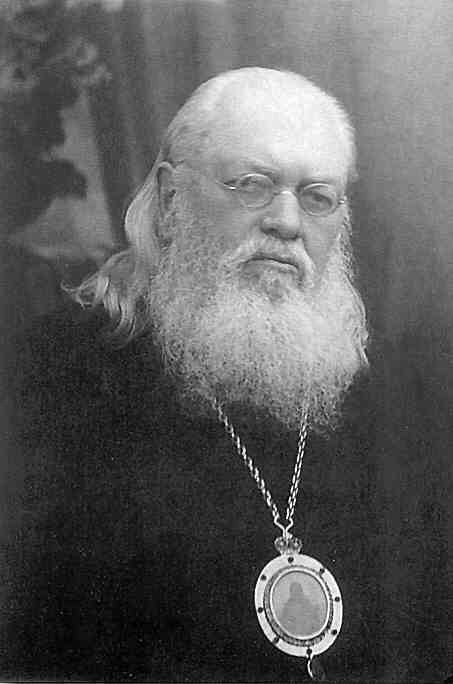 Για να κάνει πράξη τη διδασκαλία του Ευαγγελίου, για να ακολουθήσει την οδό του Χριστού, ό άνθρωπος πρέπει ταπεινά και ακούραστα να σηκώνει τον σταυρό του, να μην τον βρίζει αλλά να τον ευλογεί. Τότε μόνο τηρεί την εντολή του Χριστού, γιατί είχε, αρνηθεί τον εαυτό του. Σήκωσε τον σταυρό του και ακολούθησε τον Χριστό, τον ακολούθησε σ' ένα μακρινό δρόμο, σ' ένα δρόμο για τον οποίο ό Κύριος είπε, ότι στην Βασιλεία των Ουρανών οδηγεί τεθλιμμένη οδός ή αρχή της οποίας είναι ή στενή πύλη. Και εμείς θέλουμε να είναι ή οδός της ζωής μας ευρύχωρη, χωρίς λάκκους, πέτρες, αγκάθια και λάσπη. Θέλουμε να είναι στρωμένη με λουλούδια. Και ό Κύριος μας δείχνει μία άλλη οδό, την οδό του πόνου. Αλλά πρέπει να ξέρουμε ότι σ' αυτό το δρόμο, όσο δύσκολος και να είναι, αν με όλη την καρδιά μας στραφούμε στον Χριστό, τότε ό Ίδιος με έναν θαυμαστό και ανεξήγητο τρόπο μας βοηθάει. Μας στηρίζει όταν πέφτουμε. Μας δυναμώνει και μας παρηγορεί.


