
Ἕνας πολύπειρος γέροντας Ἀσκητὴς τοῦ Ἁγίου Ὄρους σ’ ὅσους τὸν ἐπισκέπτονταν στὸ κελλί του καὶ ζητοῦσαν κάποια συμβουλή του ἐπανελάμβανε: «Νὰ κοιτᾶτε ψηλά, νὰ κοιτᾶτε ψηλά!».
Τί σπουδαία πραγματικὰ συμβουλή! Αὐτὸ καὶ μόνο ἔλεγε ὁ γέροντας καὶ ὅμως ἔλεγε πολλά.
Καὶ κάποιος ἀείμνηστος τώρα δάσκαλος – πέθανε πολὺ νωρίς – μὰ τί δάσκαλος ἦταν αὐτός! Λὲς καὶ μάγευε τὰ παιδιὰ καὶ κρεμόντουσαν ἀπὸ τὰ χείλη του καὶ δένονταν μὲ τὴ ματιά του, τὰ μάθαινε νὰ τραγουδοῦν: «Σήκωσε ψηλὰ τὰ μάτια, στεῖλε πιὸ ψηλὰ τὸ νοῦ...».
Τί ἐννοοῦσαν ὁ γέροντας καὶ ὁ δάσκαλος προτρέποντας τοὺς μεγάλους καὶ τοὺς μικροὺς νὰ στρέφουν τὰ μάτια πρὸς τὰ ὕψη, πρὸς τὰ οὐράνια; Δὲν εἶναι καλὴ καὶ ἡ γῆ μὲ τὰ θαυμάσια τῆς Δημιουργίας; Ὁ Θεὸς δὲν «ἐποίησε πάντα τὰ ὡραῖα τῆς γῆς», ὅπως ψάλλει ὁ Δαβίδ (Ψαλ. ογ΄ [73] 17), γιὰ νὰ τὰ χαίρεται καὶ νὰ τὰ ἀπολαμβάνει ὁ ἄνθρωπος; Τὰ βουνά, τὰ ποτάμια, τὶς θάλασσες, τὰ δέντρα, τὰ λουλούδια τὰ πολύχρωμα; Ὅλα μιλοῦν γιὰ τὴ σοφία τοῦ Θεοῦ, ὅλα μιλοῦν γιὰ τὴν ἀγάπη Του πρὸς τὸν ἄνθρωπο.
Ἀναμφιβόλως ὅλα αὐτὰ εἶναι σωστά. Ὁ ἅγιος Νικόδημος ὁ Ἁγιορείτης μάλιστα γράφει σ’ ἕνα ἀπὸ τὰ πολλὰ καὶ σπουδαῖα βιβλία του ὅτι ἡ ὀμορφιὰ τῆς ὑλικῆς Δημιουργίας, τοῦ κόσμου, ποὺ δημιούργησε ὁ Θεός, εἶναι μιὰ ἀμυδρὴ εἰκόνα τῆς ὡραιότητας τοῦ οὐρανίου κόσμου, τοῦ Παραδείσου, ποὺ μᾶς περιμένει(*).
Ὅμως ἀφότου μπῆκε στὴ μέση ὁ Διάβολος καὶ παρέσυρε τοὺς ἀνθρώπους στὴν ἁμαρτία καὶ πλήθυναν οἱ ἁμαρτίες, ἀπὸ τότε καὶ ἡ ὀμορφιὰ τῆς Δημιουργίας μολύνθηκε. Μόνοι μας οἱ ἄνθρωποι μολύναμε τὸ περιβάλλον μας. Μὲ τὶς πλεονεξίες μας, μὲ τὶς ἀδικίες καὶ τοὺς πολέμους καταστρέψαμε τὸν ὄμορφο κόσμο ποὺ μᾶς εἶχε φτιάξει καὶ παραδώσει ὁ Θεός. Καὶ ὁ παμπόνηρος σατανᾶς κατάφερε νὰ πείσει πολλοὺς ὅτι ἡ Δημιουργία ἡ τόσο ὡραία δὲν ἔχει ἀνάγκη ἀπὸ κανένα Δημιουργό. «Ἔδιωξαν» ἔτσι μὲ τὴν εἰσήγηση τοῦ Διαβόλου τὸν Οἰκοδεσπότη ἀπὸ τὸ σπίτι Του. Ἄφησαν τὶς κρυστάλλινες πηγὲς τοῦ θείου Νόμου καὶ τρέχουν στὶς θολὲς πηγὲς τῆς ἁμαρτωλῆς ζωῆς, ποὺ ὑποδεικνύει ὁ εἰσηγητὴς τῆς ἁμαρτίας Διάβολος. Βυθίσθηκαν στὴ ζωὴ τῆς σαρκικότητας, τῆς ἀδικίας, τῆς ἐκμεταλλεύσεως τῶν ἀδυνάτων καὶ φτωχῶν, τοῦ πλουτισμοῦ μὲ ὁποιοδήποτε μέσο, ἀκόμη καὶ παράνομο καὶ ἀθέμιτο.
Τὸ ἀποτέλεσμα; Τὸ ζοῦμε καθημερινὰ καὶ κλαίει ἡ καρδιά μας. Πτωχεύουν τὸ ἕνα μετὰ τὸ ἄλλο τὰ κράτη τῆς γῆς. Πεθαίνουν ἑκατομμύρια παιδιὰ κάθε χρόνο στὸν κόσμο ἀπὸ τὴν πείνα. Οἱ πόλεμοι εἶναι ἀσταμάτητοι, γιὰ νὰ πλουτίζουν οἱ πολεμικὲς βιομηχανίες. Οἱ ἀσθένειες ποὺ ὀφείλονται σὲ ἁμαρτίες αὐξάνονται ἁλματωδῶς. Ἡ κτηνώδης ἁμαρτία ξεδιάντροπη παρελαύνει μὲ αὐθάδεια στοὺς δρόμους. Οἱ ὑπόνομοι τῶν πόλεων γεμίζουν μὲ ἀνθρώπινα ἔμβρυα. Τί νὰ δεῖ κανεὶς σήμερα στὴ γῆ καὶ νὰ μὴν πονέσει;
Ποῦ νὰ στρέψει τὸ βλέμμα του καὶ νὰ μὴ λυπηθεῖ; Ἀκόμη καὶ τὰ ὡραιότερα μέρη τῆς γῆς τὰ μολύνει ὁ ἄνθρωπος μὲ τὶς ἁμαρτίες του.
Αὐτὰ ἀσφαλῶς εἶχαν ὑπ’ ὄψιν τους ὁ Ἀσκητὴς καὶ ὁ δάσκαλος, γι’ αὐτὸ συμβούλευαν νὰ ὑψώνουμε ψηλὰ τὰ μάτια. Ὄχι στὰ γήινα καὶ χαμηλά, στὰ κατώτερα καὶ μολυσμένα, γιατὶ ὅπου καὶ νὰ δεῖς σ’ αὐτά, κινδυνεύεις νὰ μολυνθεῖς· ἀλλὰ στὰ ψηλά, στὰ οὐράνια τὰ μάτια μας, διότι εἶναι καθαρά, ἀφοῦ ἐκεῖ κατοικεῖ ὁ Θεός, μὲ ὅλους τοὺς Ἁγίους καὶ ἐπικεφαλῆς τὴν Παναγία· ἐκεῖ ἡ χορεία τῶν Ἀγγέλων, ἐκεῖ ὁ Παράδεισος μᾶς περιμένει.
Κι ἂν κάποτε εἴμαστε πεσμένοι ψυχικά, ἂν κάποια ἀσθένεια, κάποια οἰκονομικὴ δυσχέρεια, κάποια οἰκογενειακὴ δυσκολία ἢ ἄλλη αἰτία ἔχουν ρίξει τὸ ἠθικό μας, τότε προπάντων νὰ μὴ λησμονοῦμε νὰ κοιτᾶμε ψηλά. Τότε μᾶς χρειάζεται ἐπειγόντως νὰ σηκώνουμε ψηλὰ τὰ μάτια. Ψηλά! Πρὸς Ἐκεῖνον ποὺ μᾶς ἀγαπᾶ καὶ μπορεῖ νὰ μᾶς βγάλει ἀπὸ κάθε ἀδιέξοδο.
Λοιπόν, ψηλὰ τὰ μάτια καὶ ψηλότερα ἡ καρδιά!
(*) Νικοδήμου τοῦ Ἁγιορείτου, Ἀόρατος Πόλεμος, κεφ. κα΄.
http://agiameteora.net/index.php/gerontes-tis-epoxis-mas/6039-na-koit-te-psila.html
Striving to Live a Christ-centered Life: Five Reasons to Visit a Monastery
By Matushka Constantina Palmer

Introduction:
Journeying by boat to visit their beloved spiritual father, Constantine Palamas – the father of St. Gregory – suddenly realized he and his family had forgotten to bring food with them for the monastery. While his wife and five children looked on, he raised his voice in prayer and put his hand into the sea; immediately he caught a massive fish. Taking it out of the water, he glorified God for the miracle. Out of his great admiration and respect for the monastic life, Constantine Palamas worked a miracle so that his family would not arrive at the monastery empty-handed. In this way, and in countless others, he instilled in the hearts of his children a firm love for and reverence of monasticism.
This practice of going out into the wilderness to seek a word from a holy monastic is a tradition well established in the Church as early as Christ’s own times. St. John the Forerunner was the first monk, and people sought him out, as St. Andrew of Crete testifies: “The Forerunner of grace dwelt in the desert and all Judea and Samaria ran to hear him.”[1] He, like many of our prophets before him, preached amendment of life. The central difference between him and the prophets, however, was that St. John would become the first and greatest “Father of Monasticism.” Generations of monastics would take his way of life, his asceticism, his bold dedication to discipleship to Christ as the epitome of the monastic life, and they would follow him. “Verily I say unto you, Among them that are born of women there hath not risen a greater than John the Baptist” (Matt 11:11).
The radical lifestyle of St. John changed the world, especially the Christian world, because many who came after him decided to imitate him and live outside the cities solely for Christ’s sake. Thus, slowly the monastic life was established, and those in the world began to look to it as a shining example of the Christian lifestyle. It is an indisputably great and ancient practice of those living in the world to make pilgrimages to monasteries. Below are five of the many reasons one should.
 1. Spiritual Direction
Finding a spiritual guide who has the will and means to guide and direct a believer in his endeavour to live the Gospel precepts in his daily life is not an easy task. It requires prayer and discernment on the part of the seeker, a humble disposition, and an openness to the will of God. This is because once the believer asks a priest or monk to be his spiritual father, he enters into a relationship with that person that cannot easily be dissolved, and which will have everlasting effects on his spiritual life: “A spiritual father… becomes the means of leading the life of men out of hell (by the negative effect of their passions), and into pure Christian life and spiritual freedom.”[2]
Thus, the goal should be to find a spiritual guide who not only preaches Christ, but lives like Christ. As Monk Isaiah wrote to Nun Theodora: “The Holy Spirit is for everyone; but in those who are pure of the passions, who are chaste and live in stillness and silence, He reveals special powers.”[3] This is the primary reason why a person living in the world seeks spiritual direction from those living in monasteries. Not because the Holy Spirit only dwells in those who wear the monastic habit, but because their way of life is far more conducive to acquiring the Holy Spirit. The greatest spiritual guides are those whose manner of life teaches as much or more than their words and advice. If a spiritual guide does not live the commandments of Christ, if he has not experienced temptation, if he does not actively struggle to overcome his passions, then how will he teach others to do likewise? On this point Archmandrite Zacharias of Essex says: “if the word that the spiritual father says is not seasoned with grace, nor proceeds from a heart that is warmed by the love of Christ, it becomes like the work of psychologists or counsellors – a ‘half-blind’ worldly activity. The word of the spiritual father must bear the seal of grace, the seasoning of grace.”[4]
The life of the monk is a macrocosm of the Christian life in the world. And so, it follows that if there are good spiritual fathers in the world, there are great spiritual fathers in the monastery. The reason for this is very simple, as St. Nikodemus states: “monastics, through ascetic struggles and through the monastic way of life, first purified themselves (from the passions and from faults) and then set out to purify others: they were first enlightened and afterwards enlightened others: they were first perfected, and then perfected others, they were, to express it concisely, first made holy and afterwards made others holy…”[5]
For those who have spiritual fathers in the world, they need not forsake them for a priest-monk. They can, however, with the blessing of their spiritual father, seek the counsel of a monastic in certain circumstances that require the guidance of an experienced and specialized “doctor” since, as St. Zosimas says to St. Mary of Egypt: “Grace is recognized not by one’s orders, but by gifts of the Spirit.”
And in fulfilling the instructions of one’s spiritual guide, the layman becomes a candidate for the grace which is for the saints (2 Cor. 8:4). By this, one becomes like a certain youth who, living in the world, “began immediately, with great eagerness, to fulfill the command which the elder had given him… With this work that he did, he was made worthy to lift his mind up to Heaven, where he cried out to the Mother of Christ for compassion; and through her intercessions, he was atoned before God and there came down upon him the Grace of the Holy Spirit….”[6] Ultimately, this is the goal of seeking spiritual direction: to not only be “atoned before God” through a life of repentance, but through the counsels and prayers of one’s spiritual guide – who himself has attained grace – to have the Holy Spirit “come down upon us.”
 2. Spiritual Conversation and Action
One of the greatest benefits of visiting a monastery is the spiritual conversation and activity pilgrims are able to take part in. At a monastery, spiritual stories and uplifting anecdotes abound. Although many monastics shy away from conversation with pilgrims for a variety of reasons, given the appropriate circumstance a conversation with a monastic can rear a multitude of benefits – not to mention conversations with fellow pilgrims.
Whether they share a story they have heard, wisdom from the Mothers and Fathers of the Church, or even a tale from that monastery, their words inform and enlighten the pilgrim and help refocus his busy mind. Even time relaxing in the world does not refresh the soul the way a spiritual conversation does. This type of conversation, though found more rarely in the world, is often a common occurrence at a monastery.
Furthermore, many monastics, despite not living in the world any longer or dealing with its struggles and temptations, have great wisdom to share. Not only did they also once live in darkness (Matt. 4:16), but they have a wealth of experience from speaking with pilgrims who confide in them. Through prayer and reading, the monastic manages to help the pilgrim approach his problems with a bit more clarity and even a new perspective.
Coupled with this beneficial spiritual conversation is the spiritual activity that takes place in a monastery. Work and prayer are two primary tenets of the monastic life. Work, however, is done in a slightly different spirit than work done in the world. An Abbess at a monastery not far from Thessaloniki has often said work in a monastery is a great deed because it is done solely for the love of God, and the love of His saint, the monastery’s patron. She teaches that to even pick up a piece of garbage in a monastery yields a great heavenly reward because it is done in honour of the saint, to keep his house clean. After helping with work in the monastery, she would tell the pilgrims: “The patron saint wrote down the work you have done, and you will find it presented on the Day of Judgement.”
When a monastic bakes bread, he bakes for the glory of God. When he chants in church, he chants for the glory of God. When he sweeps, he does so for the glory of God. And when a pilgrim partakes of such God-honouring work, he begins to look at his own work in a different light, just as the monastic offers all his work for the glory of God, so too can the pilgrim – both while at the monastery, and when he returns to his work in the world. The Christian home is a microcosm of the coenobitic monastery; when the mother, father, or children clean the house, they too can do so for the glory of God.
Both the monastic and the pilgrim can approach work the way Abba Apollo did: “If someone came to find him about doing a piece of work, he would set out joyfully, saying, ‘I am going to work with Christ today, for the salvation of my soul, for that is the reward he gives.’”[7] The only difference between the monastic’s work in the monastery and the layman’s work in the world is that the monastic knows that he left behind his own success to seek the Kingdom of God; the layman merely needs a reminder now and again. He needs to ask himself which of the following he is and who he desires to glorify: “The man who loves himself seeks his own glory, whereas the man who loves God loves the glory of his Creator.”[8]
 3. Humility
The fallen human soul is predisposed toward pride. This is something that occurs with the monastic as much as with the layman. When the Christian keeps his prayer rule faithfully, observes the fasts of the Church, or attends church services regularly, the soul is inclined to become puffed up. The antidote is finding better examples than oneself of Christian dedication to remind the proud soul that she is lacking in virtue.
The layman has the ability to make pilgrimages to monasteries and so finds a helpful means to stay grounded in his spiritual life. Encountering monastics reminds the pilgrim that there are better Christians than himself (not that he cannot also learn this in the parish, he most certainly can, but it is an indisputable fact that one is faced with at a monastery). Hence the famous statement: “Angels are a light for monastics, and monastics are a light for the world.”[9] The monastic is simultaneously humbled and enlightened by reading the lives of the saints, just as the layman is when he compares his life with that of a monastic.
Humility is a virtue that the monastic and layman ought to strive for above all else, for as St. John Cassian says, “Humility of soul helps more than everything else; without it no one can overcome lewdness or any other sin.” And so, the layman makes pilgrimages to monasteries in order to draw the soul away from the distracting world and into an environment of stillness and prayer, where the atmosphere is conducive to taking stock of one’s life alongside that of a dedicated monastic, and to allow the grace of the monastery to help him see his own sinfulness.
The following story, taken from The Wisdom of the Desert Fathers, illustrates this point: There were three friends, all of whom chose different means of work. The first decided to become a peace-maker among men. The second decided to tend to the sick. While the third decided to live in prayer and stillness in the desert. The first two friends found that they were unable to complete the work they set out to do and became disheartened. So they decided to visit their third friend who was living in the stillness of prayer. They confessed their difficulties and asked for guidance. This was the third friend’s response: “After a short silence, he poured some water into a bowl and said to them, ‘Look at the water,’ and it was disturbed. After a little while he said to them again, ‘Look how still the water is now,’ and as they looked into the water, they saw their own faces reflected in it as in a mirror. Then he said to them, ‘It is the same for those who live among men; disturbances prevent them from seeing their faults. But when a man is still, especially in the desert, then he sees his failings.’”
And so it is with the pilgrim from the world. In the stillness of the monastery, he is able to reflect on his failings. Whether it be in comparing his spiritual life with the monastic who left all things behind to live “alone with God alone,” as Elder Porphyrios was wont to say, or simply due to slowing down and reflecting on his faults, the pilgrim returns to the world with greater humility of soul.
 4. Imitation
The command to imitate Christ is found throughout the Gospels. He is the image of perfect obedience, extreme humility, utter chastity, and a life of poverty. To be sure, if a believer only ever read the Gospels, he would be informed on how to live a proper Christian life. However, because man is weak and in need of examples, the monastic life illustrates the Gospel commandments lived out to their perfection. Thus the layman has before him a pragmatic example of how the teachings of the Lord are upheld and practiced. In turn, he emulates those things in an appropriate and prudent way, just as St. Paul encourages: “what ye learned and received and heard and saw in me, these things be practising; and the God of peace shall be with you” (Phill. 4:9).
There is much to be learned and gained from spiritual books, practical guides, and the wisdom of the desert Fathers and Mothers. However, nothing compares to the spiritual benefit brought about by actually being around someone who shares in the grace of God in a deep and intimate way. For whether or not he has “the words of life,” his prayer, his patience, and his virtue are enough to form and inform the humble-hearted that seek his unique, if silent, wisdom. Abba Dorotheos writes: “It is said that a certain brother asked an elder, ‘What shall I do, father, in order to fear God?’ The elder answered, ‘Go and cling to a man who fears God and from the fact that he fears Him, he will teach you to do likewise.’”[10]
Laymen are called to keep the commandments of the Gospel with as much precision as monastics. The monk is not called to one type of life, and the layman to another. No, they are both called to “be perfect even as my Father in heaven who is perfect” (Matt. 5:48), just as St. John Chrysostom taught: “You greatly delude yourself and err, if you think that one thing is demanded from the layman and another from the monk; since the difference between them is in that whether one is married or not, while in everything else they have the same responsibilities… Because all must rise to the same height; and what has turned the world upside down is that we think only the monk must live rigorously, while the rest are allowed to live a life of indolence.”[11]
The only difference between a Christian living in the world and a monastic living in a monastery is that monasticism “rejects any kind of compromise and seeks the absolute”[12], whereas the layman struggles as best he can in the midst of the distracting world. Both are acceptable and blessed in the eyes of God. Both ways are only successful by the grace of God. The layman should not be disheartened by his struggles in “the darkness of the world” (Eph. 6:12). Rather, he should take courage that he is upheld by the prayers of countless monastics, as Bishop Nikolai of Lavreot has stated: “The life of the faithful is supported by the prayers of the monks. This is elucidated by the very fact that the faithful take refuge in such prayers. Just as Moses stretched out his hands and the Israelites conquered the Amalekites, so the monastics lift up their hands to God and we, the faithful who are struggling in the wilderness of this world, conquer the noetic Amalek.” And more significantly, the layman should take courage that “where sin abounded, grace did much more abound” (Rom. 5:20).

5. Encountering Sacred Place
Even if there were no other reason for visiting a monastery, there would remain this one: it is an agios topos, a holy place. “And Moses said, I will go near and see this great sight, why the bush is not consumed. And when the Lord saw that he drew nigh to see, the Lord called him out of the bush, saying, Moses, Moses… loose thy sandals from off thy feet for the place whereon thou standest is holy ground” (Exodus 3: 3-5).
Coupled with the prayers of the monastics, the saints that dwell within the monastery, and the angels that protect it, there are also at least one or more chapels. The presence of a temple of God alone is enough to sanctify a place. And it is in this sanctified place that even without hearing God-inspired words or witnessing miraculous events, the pilgrim is refreshed. His weary and tired body and soul are nourished with more than monastic fare – they are nourished with monastic stillness.
A pilgrim once asked a priest-monk why it was that out of all the monasteries the pilgrim had visited, this one particular well-known monastery was the one in which grace and divine fragrance was the most perceivable. The priest-monk answered that although all monasteries are holy, that that monastery held the typikon to celebrate Divine Liturgy every single day, and confessed people for hours on end, and so as a result it attracted the grace of the Holy Spirit and He dwelt there. As Dr. Constantine Carvanos surmises, “[t]hrough confession at these centers of spirituality, through participation in the moving services of the monks or nuns, and speaking with them, a Christian living in the world is aided by calm refuge from his worldly cares, by being purified, by rediscovering himself, and by tasting of the gifts of the Holy Spirit.”[13]
St. Nikolai Velimirovich records: “When [St. David of Garesja] arrived at a hill from which Jerusalem was visible, [he] began to weep and said, ‘How can I be so bold to walk in the footsteps of the God-man with my sinful feet?’ David then told his disciples that they, being more worthy, should go to worship at the holy places, and he took three stones and began to return.”[14] The saint’s humility was so great that he considered the sight of the Holy Land and even its pebbles to be overflowing with grace. How much more does the grace of a sacred place exceed sight and stones? In this sense the words of St. Theodora hold an even greater significance: “Love stillness. One who is not attached to the vanities of this world is strengthened in soul by stillness, abstinence and silence.”[15] This strength, harnessed by the grace of a sacred place, can then be brought back into the world if treasured and safeguarded through prayer and watchfulness.
 Conclusion:
In conclusion, “if you want to know if someone loves Christ, find out if he loves monasticism,” as the saying goes. Visit monasteries, acquire humble-mindedness, and abstain from judging others – both the believer who is too lax and he who is too strict. “Wherefore seeing we also are compassed about with so great a cloud of witnesses, let us lay aside every weight, and the sin which doth so easily beset us, and let us run with patience the race that is set before us, looking unto Jesus the author and finisher of our faith” (Heb. 12:1-2).
All photos that appear in this article belong to Nektarios and are used with permission.
[1] The Great Canon of Repentance, Song 9, [11].
[2] Archimandrite Zacharias, The Enlargement of the Heart, 174.
[3] Monk Isaiah to Honourable Nun Theodora, Matericon, 160.
[4] Archimandrite Zacharias, The Enlargement of the Heart, 174.
[5] St. Nikodemos, Handbooks of Counsel [Greek], 15-16.
[6] St. Symeon the New Theologian, from Dr. Constantine Carvanos’ article A Discourse for those living in the world, Orthodox Info: http://orthodoxinfo.com/praxis/discourselivingworld.aspx.
[7] Abba Apollo, Sayings of the Desert Fathers, 36.
[8] Philokalia, St. Diadochos of Photiki: “On Spiritual Knowledge and Discrimination: One Hundred Texts”, vol. 1, [12], 255.
[9] St. John Climacus, The Ladder of Divine Ascent, op. cit., 128.
[10] Abba Dorotheos, Practical teaching on the Christian life, “On the Fear of God,” [52], 113.
[11] St. John Chrysostom, Pros piston patera (To the faithful father) 3, 14, PG47, 372- 74.
[12] Professor Georgios Mantzarides, Images of Athos by monk Chariton, http://www.stanthonysmonastery.org/monasticism.php
[13] Constantine Carvanos, Discourse on those living in the world, Orthodox Info: http://orthodoxinfo.com/praxis/discourselivingworld.aspx.
[14] St. Nikolai Velimirovitch, Prologue, May 27.
[15] St. Theodora, Matericon, 85.
http://lessonsfromamonastery.wordpress.com/visiting-monasteries-2/
http://lessonsfromamonastery.wordpress.com/visiting-monasteries-2/

The Creator of All [1]
Metropolitan Avgoustinos (Kantiotes) of Florina
All things were made by him; and without him was not anything made that was made. (John 1:3)
Who is Christ? We hear one, two thousand different opinions. One person says he is a philosopher, another that he is a sociologist, and yet another that he is a poet. Others say still other things. Today’s Gospel reading gives us the correct answer: it says that Christ is God. You believe this? Then you are a Christian. You don’t believe this? Then you are not. You may well belong to one school of philosophy or another, but you are not a Christian!
Christ is God, then. He is not just a man; he is the God-man Jesus of Nazareth, who was crucified and who is God. In this passage, we hear that there was never a time when the Son and Word of God did not exist. There was indeed a time when man did not exist – science even concedes this – but there was never a time when Christ, the second person of the Triune God, did not exist. The Holy Trinity; Father, Son and Holy Spirit. Three suns in one sun; three-sunned Divinity. All Holy Trinity, have mercy on your world!
Further on, the Gospel says that Jesus Christ, the second person of the Holy Trinity, is he through whom all things were made – all things both seen and unseen. “All things,” it says, “were made by him; and without him was not anything made that was made.” (John 1:3). This requires analysis.
These God-inspired words speak of the world’s ontology, of the creation of things in other words. One of humanity’s ten greatest spiritual men, Blessed Augustine (whose name I unworthily bear), says that all the created things around us, from those we see through a telescope to those which may only be seen through a microscope, belong to the following four categories.
To the first category belong those things which are endowed with ‘being’ and being alone. In other words, they simply exist. What are these? They are the dust of the earth, the water, stones, the hills, priceless and useless metals, minerals, but also the heavenly bodies – the stars and even the galaxies.
To the second category belong those things which have something beyond being: they grow. What are these? They are the plants and the trees. Beyond existence, these things grow. Where does a tree begin? As a small seed. This seed then falls to the earth and grows. It is watered and it grows. It sprouts; it grows and develops, becoming a great tree.
On to the third category. According to Blessed Augustine, those things which belong to this category have something beyond existence and growth: they feel. Which things are these? These are the animals. A cute little lamb, for example, exists, grows and feels. It feels pain. O how it suffers these very days at the hands of men who slaughter it for their Paschal feast! Animals feel. Some of them even have senses which are stronger than those of other beings. The eagle, for example, has a sharp eye, he has crystal-clear vision, or what we call an ‘eagle-eye’, which allows him to soar as high as the sun and yet from this height he is able to discern the most miniscule thing on the earth below. The dog has both a very keen sense of smell and excellent hearing. I have read somewhere that in London the police have special dogs, as well as officers equipped with whistles which, when blown, cannot be heard by man. Only the dogs can hear these whistles. When the dogs hear these whistles they run immediately to find the officer calling them. The dog is also the first animal to sense an earthquake; he senses it even before the seismograph.

In summary; rocks have ‘being’, they just ‘are'; the trees both ‘are’ and ‘grow'; the animals ‘are’, ‘grow’ and ‘feel’. And now we have arrived at the peak of the ladder of beings; we have arrived at man. Man is matter, he is earth – we do not deny it! – and thus he has ‘being’. He grows, since from an embryo, from a little child, he grows into a full-grown man. He also feels, for he too experiences pain. He does not have these things alone, however; he also has something beyond these. What does he have beyond these? It is that he thinks; he has a mind. O, the human mind! Let them say, let them shout, that man comes from the ape, from the orangutan! This is a grave error. What separates us from the animals is the ability to think. The mind is a great thing. Next to it, the computer is nothing. The computer is nothing – a toy – next to that incomprehensible piece of equipment which we call the human intellect. It is this which separates us from all other beings. It is by means of the intellect that man understands, that he plans, that he invents, that he creates. Take an ape. Put him in school for ten years. He will not learn the alphabet; he will only grunt! From the time he is a young student, man grows in knowledge, eventually becoming a wise researcher or inventor. He is capable of progress on account of his intellect.
There are, then, four categories of beings. First, those things that ‘are'; second those things that ‘are’ and ‘grow'; third, those things that ‘are’, ‘grow’ and ‘feel'; and fourth, those things that ‘think’. Have we finished with the ladder of beings, I wonder? No! Because there exist not only those being that we see, but also those we cannot see. Those things that we see are few in comparison with those we cannot see. Beyond the world we see is found the invisible world which is infinite and wondrous. It is in this world that the bodiless hosts, the heavenly powers, the angels and archangels, are found, as well as the souls of men which have passed from the earth, and the demons who of their own will fell away from the aim for which they were created.
My brothers, this is the pyramid of beings, “of all things visible and invisible,” and at the peak of this pyramid is the Creator, the Triune God. As the Fathers and teachers of our Church teach, all things are made by the Father, through the Son, in the Holy Spirit. This dogma, this truth of our faith, is affirmed in today’s Gospel which says concerning the Son and Word of the Father: “All things were made by him; and without him was not anything made that was made.” The Son and Word of God, who humbled himself and came down to the earth, was incarnate, was crucified, and who arose from the dead and whose resurrection we celebrate today, is he, “by whom all things were made”.
All things, everything, from the smallest to the greatest, from the grass which we walk on to the huge trees, from the mite to the elephant, and from the atom to the planets and galaxies which swirl in outer space, all things were made by Christ. Do you believe this? Then you are a Christian. You don’t believe this? That is your right. Christ and the Church do not need followers. I am in favour of a Church of quality, not a Church of quantity. Thousands of faithless people are not worth one faithful Christian. He who believes does not say, “I have my opinion”. What is your opinion, sir? What God says here in the Gospel: “All things were made by him; and without him was not anything made that was made.”
To Christ himself, the eternal God – in spite of the atheists and unbelievers of all ages – to him be glory, honour and worship unto the ages of ages. Amen.
[1] From the book Εμπνευσμένα Κηρύγματα Ορθοδόξου Ομολογίας και Αγιοπατερικής Πνοής (Orthodoxos Kypseli: Thessaloniki, 2011), 22-26. Translated by Fr John Palmer.

http://lessonsfromamonastery.wordpress.com/
Οὔτε ἡ πνευματικὴ σωτηρία οὔτε ἡ κοσμικὴ σωτηρία (δηλαδὴ ἡ ἔξοδος ἀπὸ τὴν κρίση ποὺ μαστίζει τὴν ἐποχή μας) μπορεῖ νὰ ἐπέλθει ἀπὸ τοὺς κοσμικοὺς ἄρχοντες. Χρειάζεται πνευματικὴ ἀφύπνισις καὶ μετάνοια ἡ ὁποία νὰ ἑλκύσει τὴν Χάρη τοῦ Θεοῦ, ὥστε αὐτὴ νὰ θεραπεύσει τὰ ἀσθενῆ καὶ νὰ πραγματοποιήσει τὰ ἀδύνατα. Δὲν εἶναι δυνατὸν ὁ Ἅγιος Πορφύριος νὰ εἶπε ὅτι συγκεκριμένος πολιτικὸς ἄρχοντας θὰ σώσει τὴν Ἑλλάδα, διότι μιὰ τέτοια ἄποψη δὲν τὸν ἐξέφραζε. Ὁ ἀφυπνιστὴς τοῦ λαοῦ πρέπει νὰ εἶναι πνευματικὸς ἄνθρωπος, ποὺ θὰ ὁδηγήσει τὸν λαὸ στὴ μετάνοια, ἡ ὁποία θὰ ἐφελκύσει τὴν χάρη τοῦ Θεοῦ καὶ θὰ ὁδηγήσει τὸν λαὸ σὲ ἔξοδο ἀπὸ τὴν κρίση.
Άγιος Πορφύριος
http://www.porphyrios.net/
When a child is Baptized into the Orthodox Church, he is linked to the Church’s spiritual powers, including the intercessory power of the Saint—as one united to Christ—after whom he is named. Throughout his life, the intercession, comfort, and protection of this Saint, as part of the Grace flowing from Christ, is available to him. It is for this reason, indeed, that we Orthodox celebrate, considering birthdays to be of secondary or minor importance.
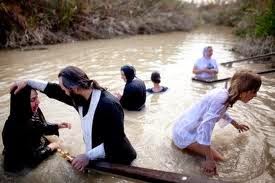
When adults are Baptized into the Orthodox Church, they must take the name of an Orthodox Saint, if their previous name was not Orthodox. They must also use this name at all times. Otherwise, they will have broken the very bond of Baptism, which includes the establishment of a close and real relationship between the Christian and the Saint to whom he is spiritually joined in that Baptism. In the unthinkable, but all too frequent, case of modernists who Baptize or Chrismate converts and fail to give them Orthodox names, these converts should go to a sober, traditionalist Priest and ask that an Orthodox name be assigned, also asking that this be done in conjunction with a service of supplication to the Saint whose name they are taking. That name should subsequently be used at all times, without exception—among friends, at school, at work, etc. It can be added to a convert’s former name on a driver’s license and other forms of identification, since the law allows the addition of such a religious name, as long as it is not for the purpose of fraud or misrepresentation.
Needless to say, then, the idea of “Church names,” taken from the Latin practice of having confirmation names, is unacceptable to Orthodox and constitutes a perversion of the Church’s teaching. It involves a denial of spiritual consolation which is dangerous and which will have consequences for the believer that will be understood only fully at the Day of Judgment. Those who persist in ignoring Church tradition in this matter are simply playing with disbelief, blasphemy, and their souls.
 Το αφιέρωμα στους Εύζωνες απο το πρακτορείο Reuters σήμερα εντυπωσιάζει!
Οι φωτογραφίες των Ευζώνων σε στιγμές προσωπικές - όταν ντύνονται καθώς και στο διάλειμμα τους - ρίχνει λίγο φως στα παρασκήνια της προεδρικής φρουράς που η ιστορία της ξεκινά το 1867.
Οι Εύζωνες είναι παγκοσμίως γνωστοί για την ενδυμασία που φέρουν. Η φουστανέλα σχεδιάστηκε ως στολή για την Ανακτορική παλιότερα και σήμερα Προεδρική Φρουρά.

Η ιστορία των ευζωνικών ταγμάτων (αργότερα συνταγμάτων) ξεκινά το 1867, με την ίδρυση τεσσάρων ταγμάτων, καθένα από τα οποία διέθετε οργανωτική δύναμη τεσσάρων λόχων. Κεντρική τους αποστολή ήταν η φύλαξη της μεθορίου. Το 1868 προστέθηκε σε κάθε τάγμα ευζώνων και πέμπτος λόχος. Η αρχική σύνθεση αυτών των ταγμάτων αποτελούνταν από εθελοντές, υπαξιωματικούς ή οπλίτες, οι οποίοι συνήθως κατάγονταν από ορεινές περιοχές.
Η ένδοξη δράση των ευζωνικών ταγμάτων κατά τη διάρκεια των Βαλκανικών Πολέμων υπήρξε καταλυτική με αποτέλεσμα οι εύζωνες να λάβουν στη συνείδηση του ελληνικού λαού την εικόνα ηρώων. Έντονη δράση είχαν τα ευζωνικά τάγματα και κατά τη διάρκεια των υπόλοιπων ένοπλων συγκρούσεων του 20ου αιώνα στις οποίες είχε εμπλακεί ο ελληνικός στρατός (Μικρασιατική Εκστρατεία, Πρώτος και Δεύτερος Παγκόσμιος Πόλεμος).

Από το 1914, ως ιδιαίτερη μονάδα ευζώνων συγκροτείται η Ανακτορική Φρουρά. Ο τίτλος της έχει μετατραπεί αρκετές φορές από τότε (Φρουρά Σημαίας, Φρουρά Μνημείου Αγνώστου Στρατιώτη, Βασιλική Φρουρά, Προεδρική Φρουρά). Η σημερινή της ονομασία είναι «Προεδρική Φρουρά», η οποία της αποδόθηκε το 1974, μετά τη κατάρρευση της δικτατορίας Παπαδόπουλου.
Ιδιαίτερα ξεχωριστή θέση στην ιστορία των ευζωνικών ταγμάτων κατέχει το 5/42 Σύνταγμα Ευζώνων, κυρίως λόγω της δράσης του κατά τη διάρκεια της Μικρασιατικής Εκστρατείας. Πέρα από την αποτελεσματικότητα του κατά τη διάρκεια των πρώτων στρατιωτικών επιχειρήσεων, το Σύνταγμα αυτό απέκτησε φήμη για τη δράση του μετά την κατάρρευση του ελληνικού μετώπου και την αποσύνθεση του ελληνικού στρατού, τον Αύγουστο του 1922). Πιο συγκεκριμένα, κάτω από την καθοδήγηση του διοικητή του Νικόλαου Πλαστήρα, το 5/42 Σύνταγμα Ευζώνων έφτασε απολύτως συντεταγμένο στον Τσεσμέ, από όπου και διαπεραιώθηκε στο νησί της Χίου.
Ο Συνταγματάρχης Δημήτριος Ψαρρός οργάνωσε το 5/42 Σύνταγμα το 1942 για να εναντιωθεί στον φασίστα κατακτητή. Έδωσε πολλές ηρωικές μάχες στα βουνά της Στερεάς Ελλάδος εναντίον του κατακτητή και το Σύνταγμα για ακόμη μια φορά έγινε το «Ασκέρι του Διαβόλου».


Υπάρχει ένας μεγάλος αριθμός συμβολισμών που αποδίδονται στα χαρακτηριστικά της ευζωνικής στολής. Για παράδειγμα, ο αριθμός των δίπλων της φουστανέλας φημολογείται πως είναι ίσος με τη διάρκεια (σε έτη) της περιόδου της Τουρκοκρατίας, δηλαδή 400. Παρόλ' αυτά, οι φουστανέλες που φέρουν στις μέρες μας οι Εύζωνες, σπάνια έχουν ακριβώς 400 δίπλες.

Τα υπόλοιπα μέρη που συγκροτούν την ευζωνική στολή είναι:
Το φάριο (ή φάρεο). Είναι το καπέλο του εύζωνα. Το φάριο έχει κόκκινο χρώμα και είναι κατασκευασμένο από τσόχα. Στη θέση του μετώπου φέρει το ελληνικό εθνόσημο. Χαρακτηριστικό κομμάτι του φάριου αποτελεί η μακριά μαύρη φούντα, κατασκευασμένη από μετάξι. Το σχήμα της θεωρείται πως συμβολίζει το δάκρυ του Χριστού στη Σταύρωση.
Το πουκάμισο. Είναι λευκού χρώματος και έχει χαρακτηριστικά μεγάλο άνοιγμα μανικιών. Το λευκό χρώμα, το οποίο κυριαρχεί σε ολόκληρη την ευζωνική στολή, θεωρείται πως συμβολίζει την αγνότητα των εθνικών αγώνων.
Η φέρμελη. Είναι το γιλέκο του εύζωνα. Αποτελεί το δυσκολότερο, όσον αφορά την κατασκευή του, κομμάτι της ευζωνικής στολής. Διαθέτει λευκά και επίχρυσα νήματα, με τα οποία απεικονίζονται σχέδια λαογραφικής σημασίας. Ένα από αυτά αποτελούν τα αρχικά Χ και Ο, τα οποία θεωρείται ότι αντιστοιχούν στις λέξεις χριστιανός και ορθόδοξος.
Παράταξη ευζώνων: Διακρίνονται η φουστανέλα, οι ευζωνικές κάλτσες, οι καλτσοδέτες και τα τσαρούχια
Οι κάλτσες. Είναι λευκές και κατασκευασμένες από μαλλί. Κάθε εύζωνας φέρει από δύο κάλτσες σε κάθε πόδι. Οι κάλτσες στηρίζονται στη μέση του εύζωνα, κάτω από τη φουστανέλα, με τη βοήθεια μιας δερμάτινης ζώνης που ονόμάζεται ανάσπαστος.
Οι καλτσοδέτες. Είναι μαύρου χρώματος και κατασκευασμένες από μετάξι.
Τα τσαρούχια. Είναι τα υποδήματα του εύζωνα. Είναι κόκκινου χρώματος και κατασκευασμένα από δέρμα. Στη σόλα κάθε τσαρουχιού βρίσκονται καρφωμένα περίπου 60 καρφιά, τα οποία είναι υπεύθυνα για τον επιβλητικό ήχο που ακούγεται κατά το βηματισμό ενός εύζωνα. Κατά μέσο όρο, το κάθε τσαρούχι ζυγίζει τρία κιλά. Χαρακτηριστικό κομμάτι των τσαρουχιών αποτελούν οι μαύρες φούντες στις οποίες καταλήγουν οι μύτες τους. Θεωρείται πως η αρχική τους χρήση ήταν να κρύβονται σε αυτές μικρά κοφτερά αντικείμενα που θα μπορούσαν αιφνιδιαστικά να τραυματίσουν τον εχθρό σε μία «σώμα με σώμα» μάχη. Άλλη άποψη είναι ότι οι φούντες προστάτευαν τα δάχτυλα των ποδιών από το χιόνι και τα κρυοπαγήματα.
Οι δερμάτινες φυσιγγιοθήκες.

Η ευζωνική στολή που περιγράφεται παραπάνω αποτελεί την επίσημη εκδοχή. Οι εύζωνες που φυλάσσουν το Μνημείο του Αγνωστου Στρατιώτη φέρουν αυτή τη στόλη μόνο τις Κυριακές ή κατά τη διάρκεια εθνικών εορτών. Τις υπόλοιπες μέρες φέρουν την καθημερινή ευζωνική ενδυμασία. Σε αυτήν, το λευκό πουκάμισο, η φέρμελη και η φουστανέλα αντικαθίστανται από τον ντουλαμά, τη χαρακτηριστική στολή των αγωνιστών του Μακεδονικού Αγώνα, βασισμένη στην παραδοσιακή ενδυμασία του χωριού Άλωνα Φλώρινας. Ο χειμερινός ντουλαμάς είναι σκούρου μπλε χρώματος, ενώ ο θερινός ανοικτού καφέ. Σε εθιμοτυπικές εκδηλώσεις της Προεδρικής Φρουράς, ορισμένοι εύζωνες φέρουν τις παραδοσιακές στολές της Κρήτης και του Πόντου, ως αναγνώριση της συμβολής αυτών των περιοχών στους εθνικούς αγώνες.


Οι σημερινοί εύζωνες εκτελούν μόνο αποστολές τελετουργικού χαρακτήρα. Η πλέον γνωστή είναι η συμβολική φύλαξη του Μνημείου του Άγνωστου Στρατιώτη, που βρίσκεται στην Πλατεία Συντάγματος, δίπλα στην Βουλή των Ελλήνων. Σκοπιές όμως ευζώνων υπάρχουν και στο Προεδρικό Μέγαρο και στην πύλη του στρατοπέδου της Προεδρικής Φρουράς, πρώην στρατόπεδο Βασιλέως Γεωργίου Β΄, που βρίσκεται στο ΒΑ. άκρο του Εθνικού Κήπου με είσοδο από την οδό Ηρώδου του Αττικού.
Από τις πολλές αρετές που κοσμούσαν την απλή και καθαρή ψυχή του Ηγουμένου παπα-Χαραλάμπους Διονυσιάτου, ξεχώριζε η ελεημοσύνη. Δεν είχε όρια. Τα έδινε όλα. Κανείς δεν έφευγε με άδεια χέρια. Καμμία άλλη αρετή δεν εξομοιώνει τόσο τον άνθρωπο με τον Θεό, όσο η ελεημοσύνη, κατά τον άγιο Χρυσόστομο. Και τον Γέροντα παπα-Χαράλαμπο που είχε την αρετή της ελεημοσύνης, τον συγχωρούν όσοι ευεργετήθηκαν απ’ αυτόν, και φυσικά και ο ίδιος ελεήθηκε από τον Θεό. Αιωνία η μνήμη του π. Χαραλάμπους του ελεήμονος. Μερικά περιστατικά θα δείξουν το μέγεθος της ελεημοσύνης του, που στην εποχή του δεν είχε τον όμοιό του. Θα του άξιζε να χαρακτηρίζεται “νέος ελεήμων”, σαν τον άγιο Ιωάννη τον Ελεήμονα.

Όταν εγκαταστάθηκε στο Κελλί Μπουραζέρι με την συνοδεία του οι προκάτοχοί του Ρώσσοι του άφησαν κληρονομιά αρκετές λίρες. Ο παπα-Χαράλαμπος. επειδή αυτές δεν τις απέκτησε με τον ιδρώτα του, τις πήρε και τις μοίρασε στα Μοναστήρια.
Πολλές φορές, όταν του ζητούσε βοήθεια κάποιος φτωχός, έδινε όλα τα χρήματα που είχε το ταμείο του Κελλιού και υστέρα δεν είχαν να αγοράσουν τρόφιμα.
Οι πατέρες καλλιεργούσαν τον κήπο. Άφηναν έξω από την μάνδρα στον δρόμο, καφάσια με κηπευτικά και μπορούσαν οι περαστικοί να παίρνουν όσα ήθελαν.
Όταν ήταν στο Μπουραζέρι, πολλοί πατέρες της Καψάλας τον είχαν παρηγοριά, Ό,τι χρειάζονταν, πήγαιναν εκεί να το ζητήσουν. Και ο ίδιος με χαρά έδινε περισσότερα απ’ ό,τι του ζητούσαν. Όταν ήθελαν ζώο για να μεταφέρουν κάτι, πήγαινε ο ίδιος να το σαμαρώσει. Όταν στην θεία Λειτουργία έρχονταν πατέρες, ο ίδιος πήγαινε μετά την θεία Λειτουργία στην πόρτα, μην προλάβουν και φύγουν, για να τους κρατήσει να φάνε στην τράπεζα ή να τους δώσει κουμπάνια. Μία φορά έδωσε σ’ έναν ασκητή ένα καρπούζι τόσο μεγάλο, που εκείνος δεν μπορούσε να το σηκώσει.
Πέρασε κάποτε από ένα γυναικείο μοναστήρι της Ηπείρου. Είπε στις αδελφές να τον αφήσουν λίγο να προσευχηθεί μόνος του στην θαυματουργό εικόνα της Παναγίας. Έπειτα άφησε έναν φάκελλο με αρκετά χρήματα. Οι αδελφές συγκινήθηκαν αλλά και θαύμασαν, γιατί τότε είχαν μεγάλη ανάγκη από αυτά τα χρήματα.
Όταν έγινε Ηγούμενος στου Διονυσίου, μοίραζε ευλογίες σε όλους. Έβλεπες στην πύλη του Μοναστηριού αραδιασμένες φιάλες, μπετόνια, νταμιτζάνες που έφερναν οι πατέρες από την έρημο, τις οποίες με εντολή του γέμιζαν κρασί, ρακί, λάδι και τις έδιναν ευλογία στους ασκητές μαζί με κηπευτικά, ψωμί και άλλα τρόφιμα.
Το μοναστήρι του Διονυσίου έχει ένα Μετόχι στην Χαλκιδική χιλιάδων στρεμμάτων δασικής έκτασης. Όταν του ζήτησε γνωστός του Γέροντας μία μικρή έκταση για το Ησυχαστήριό του, ο παπα-Χαράλαμπος ήθελε να του δώσει την μισή.
Ως Ηγούμενος λειτουργούσε κάθε μέρα. Τα χρήματα που του έδιναν για τις Λειτουργίες διάφοροι, δεν τα έβαζε στο ταμείο της Μονής, αλλά τα μοίραζε ελεημοσύνη.
Όταν περνούσε φτωχός με πανταχούσα, ρωτούσε τον κάθε Προϊστάμενο πόσα να του δώσουν. Έπειτα ρωτούσε, πόσο κάνουν όλα μαζί αθροισμένα αυτά που πρότειναν οι προϊστάμενοι και συμπλήρωνε: «Και άλλα τόσα από μένα».
Κάποτε έβαλε κανόνα σε νέο να κάνει έναν αριθμό μετάνοιες. Του φάνηκαν πολλές. «Άφησέ τις», του είπε ο παπα-Χαράλαμπος, «θα τις κάνω εγώ». Ο νέος φιλοτιμήθηκε και ύστερα τις έκανε.
Ζήτησε να εξομολογείται στον παπα-Χαράλαμπο ο διακο-Διονύσιος ο Φιρφιρής και του είπε: «Αν θέλεις να έρθεις σε μένα, πρέπει πρώτα να κλείσεις το μαγαζί». Ο γερο-Διονύσιος τον άκουσε και έκλεισε το μαγαζί εκκλησιαστικών ειδών που είχε στις Καρυές.
Κάποιος ανέφερε στον παπα-Χαράλαμπο ότι ένας γνωστός παπάς λέγει ότι η κανδήλα της Παναγίας στων Ιβήρων δεν κουνιέται μόνη της, αλλά την κουνούν οι καλόγεροι, και του απάντησε: «Να του πεις να βγάλει τα ράσα».
Κάποτε του είπε γνωστός του ότι ο Πατριάρχης ζητά να προσεύχεται γι’ αυτόν. Απορούσε, έκανε τον Σταυρό του και έλεγε: «Και πού με ξέρει έμενα;». Και στενοχωρημένος συμπλήρωνε: «Αλλοίμονο στον μοναχό που έχει όνομα και δεν έχει χάρη».
Κάποτε βρέθηκε στο Κονάκι τους στην Θεσσαλονίκη. Εκείνη την ημέρα είχε εκεί κοντά λαϊκή αγορά. Πήγαινε με τον μοναχό που τον συνόδευε στον κάθε μικροπωλητή, και από την ελεήμονα διάθεσή του αγόραζε κάτι για να τους βοηθήσει. Από την μεγάλη του απλότητα, όταν πέρασε μπροστά από κάποιον που πουλούσε γυναικεία καλλυντικά, χωρίς να γνωρίζει τι είναι αυτά, αγόρασε και από εκεί κάτι, ενώ το καλογέρι του έλεγε να μην πάρουν για να μη σκανδαλίσουν.
Διηγείτο ο παπα-Χαράλαμπος: «Τις πρώτες δύο-τρεις βραδιές που ήρθα και έμενα στο ασκητήριο του γερο-Ιωσήφ ως κοσμικός, ο διάβολος τέτοια λύσσα είχε, που δε μ’ άφηνε να κοιμηθώ και να κάνω προσευχή. Πάω να κοιμηθώ και να, ο διάβολος επάνω μου ολόκληρος. Πότε σαν σκύλος, πότε σαν άνθρωπος, πότε σαν λιοντάρι. Εγώ από τον φόβο μου σηκωνόμουν και έκανα προσευχή. Έμεινα άυπνος τελείως και την ημέρα δεν μπορούσα να κάνω τα καθήκοντά μου, να προσευχηθώ. Όταν με ρώτησε ο Γέροντας πώς περνώ, του είπα τι συμβαίνει· με συμβούλεψε, όταν κοιμάμαι και έρχεται ο διάβολος από το ένα μέρος, να γυρίζω από το άλλο. Να κάνεις τον Σταυρό σου, να γυρίζεις από το άλλο πλευρό και θα φύγει, Μη δίνεις σημασία. Θα μάθεις να τον πολεμάς και ύστερα δε θα τον προσέχεις καθόλου. Έτσι πράγματι και έγινε».
«Αφού έπαθα μερικές φορές από το θέλημά μου και είδα ότι ο Γέροντας έχει δίκαιο, έπειτα έβαλα μυαλό. Από τότε ούτε σκεπτόμουν τι θα κάνω. Ό,τι πει ο Γέροντας. Τίποτα δε σκεπτόμουν. “Κάνε παπά αυτό”, μου έλεγε, “ να ‘ναι ευλογημένο”, “Πήγαινε, παπά, εκεί”, “να ‘ναι ευλογημένο”. Σαν υποτακτικός δεν είχα στόμα. Μόνο αυτιά. Μου έλεγε ο Γέροντας κάτι και αμέσως έτρεχα να κάνω την εντολή του Γέροντα. Έκτοτε πήρα πολλή χάρη. Όταν άρχισα να μην αντιλέγω στον Γέροντα και στους αδελφούς ακόμη, με επισκεπτόταν η χάρις συχνά. Πλημμύρισα από χάρι κάνοντας υπακοή».
Κάθε Δευτέρα, Τετάρτη και Παρασκευή, ενώ δούλευε ως συνήθως πάρα πολύ, εξομολογούσε, έκανε τη νύχτα αγρυπνία και πολλές μετάνοιες, δεν έτρωγε τίποτε. Όταν το στόμα του ξηραινόταν, έπινε μόνο λίγο νερό.
Δύο μοναχοί επισκέφθηκαν το μοναστήρι του Διονυσίου. Ζήτησαν να δουν τον γνωστό τους ηγούμενο παπα-Χαράλαμπο και τους είπαν ότι είναι στο γραφείο του. Χτύπησαν την πόρτα λέγοντας το «Δι’ ευχών των αγίων Πατέρων ημών…». Άνοιξε λίγο την πόρτα, έβγαλε μόνο το κεφάλι του έξω ο πανοσιώτατος Καθηγούμενος να δει ποιος είναι, και με απλότητα και φυσικότητα τους είπε: «Θέλω ακόμα εικοσιπέντε μετάνοιες να τελειώσω τον κανόνα». Έκλεισε την πόρτα, τελείωσε τις μετάνοιες και ύστερα απλά και εγκάρδια τους κάλεσε να μπουν στο ηγουμενικό γραφείο. Οι πατέρες θαύμασαν την ακρίβεια στην άσκηση και την απλότητα του αγίου Γέροντος.
Ο παπα-Χαράλαμπος έβγαζε με ένα καλογέρι του κοκκινόχωμα και πέρασε κάποιος έφιππος. Το ζώο φοβήθηκε και τον έριξε κάτω. Εκείνος άρχισε να βρίζει τον παπα-Χαράλαμπο με τα χειρότερα λόγια. Ο Γέροντας, ενώ άκουγε τις βρισιές, δεν είπε τίποτε και ήταν ήρεμος.
Έλεγε: «Η μικρή αμέλεια φέρνει την μεγάλη και μετά την πτώση. Η μικρή βία, την μεγάλη βία και αυτή ύστερα τον αγιασμό».
«Εμείς οι Πνευματικοί, θα πάμε στην κόλαση από τις πολλές οικονομίες που κάνουμε».
Αγαπούσε ιδιαίτερα τους μοναχούς που έκαναν πολλά κομποσχοίνια. Κάποιος έκανε σε έξι ώρες αγρυπνία 120 τριακοσάρια.
Ήταν τόσο καθαρός και ασκανδάλιστος, ώστε έλεγε: «Να με βάλεις να κοιμηθώ σ’ ένα μπουλούκι γυναίκες μέσα, δεν αισθάνομαι τίποτε». Σε όλη του την ζωή μία φορά έπαθε ενυπνιασμό.
Έλεγε ο παπα-Χαράλαμπος ότι τις σαρκικές αμαρτίες τις αγνοούσε παντελώς. Σαν Πνευματικός αργότερα έμαθε ότι γίνονται σαρκικές αμαρτίες. Τόση καθαρότητα είχε.
Άκουγε στην εξομολόγηση βαρείες αμαρτίες και με απλότητα και απορία έλεγε: «Αλήθεια είναι; Κάνουν όλα αυτά;».
Κάποιος μοναχός στο Μοναστήρι συχνά παρεξηγείτο με τον Ηγούμενο. Πήγαινε το πρωί ο παπα-Χαράλαμπος, χτυπούσε την πόρτα του και εκείνος δεν απαντούσε από πείσμα. Του έλεγε παρακλητικά και ταπεινά: «Πάτερ… άνοιξε να συγχωρεθούμε, θα λειτουργήσω», και ήθελε να του βάλει μετάνοια.
Έλεγε: «Όποιος θέλει να πάει στην έρημο πρέπει να έχει δάκρυα. Αν δεν έχει να μην πάει μόνος του».
Έλεγε: «Ο νους στην ακολουθία να πηγαίνει στην ευχή όχι στα ακούσματα».
Ο παπα-Χαράλαμπος ήταν πολύ γερός οργανισμός και επί ώρες προσευχόταν όρθιος. Στην θεία Λειτουργία έκλαιγε συνέχεια και το πρόσωπό του αλλοιωνόταν, γινόταν αγγελικό, έτσι που δεν τον γνώριζες. Όταν τελείωνε την Λειτουργία, το πρόσωπό του ερχόταν στο φυσικό.
(«Από την Ασκητική και Ησυχαστική Αγιορείτικη Παράδοση», Άγ. Όρος 2011, σ. 655-662) Πηγή: fdathanasiou.wordpress.com
http://pemptousia.com/

Metropolitan Nikolaos of Mesogaias
The spiritual influence of Mount Athos is indisputable and certainly stems from the fact that many men have attained holiness through their secret ascetic struggles there. In recent years many pilgrims have found peace of mind and repose on the Mountain, together with spiritual guidance and support.
The higher one rises, scientists tell us, the weaker the force of gravity becomes, the less one feels the pull of the earth, the looser one’s connection with it becomes, the easier one can shrug off its pressures and demands, the lighter one becomes.
The closer, too, one feels to heaven, which, though so vague, is so real and so desirable. Although less tangible, it seems more real than the earth. The higher one rises, the clearer the air becomes, the sharper one’s hearing, the broader the horizon, the closer one draws to the truth, and the truth is more convincing than reality.
Of all the holy sites in the Orthodox world, Mount Athos is the place where for over a thousand years the monastic life has been lived in its most absolute form. The passing centuries may have stamped their ‘worldly’ influence on the Mountain; even there men may display their weaknesses or even passions, which is only natural, and modern ‘civilisation’ may have done its damage, but in an inexplicably mystical way the Mountain has retained its blessed character, the constant and unique evidence of its grace, its rare and singular spiritual strength, and its dynamic relationship in space and time with the Lord God and the Kingdom of Heaven. Its philosophy of life has not been jeopardised by wrong choices, has not been harmed by a bad process of modernisation, and has not been corrupted by the times or by men, whoever they may be. Its truth endures.
 It is like a rock which problems like changing political influences, the immoderate use of technology, tourism, parochial views, inter-monastic feuds, rivalries and even hatred, and all kinds of hostile forces only succeed in briefly washing over or moistening the surface of, without in the least disturbing its inner core.
There is something that does indeed protect it. Perhaps it is its monastic diversity, perhaps it is its enduring quality, perhaps the naturalness of its monastic expression, perhaps its treasures, relics and splendour, perhaps the abaton1 and its administrative autonomy, perhaps its ecumenical character, perhaps the care and protection of the Mother of God, perhaps its special grace. Despite its theocratic character, after eleven centuries of glorious existence Byzantium fell. Athos, on the other hand, is now in its fourteenth century of life but it moves at the pace of the world to come and gives you the impression that it is a place which is ‘not of this world’ (John 18: 36), one whose relationship with time is like that of its surface with the air and whose ‘citizens dwell in heaven’ (Philippians 3: 20).

‘A rich mountain, a firm mountain’ (Psalms 68: 15)
With its slender connection with ephemeral and worldly things and its attention constantly focused on lofty matters of the soul, the Holy Mountain seems to embrace the whole of mankind and to possess a gaze that can see beyond the limits of time and reason. In geographical terms, the Mountain is situated in Greece but it does not belong to her.
Perhaps it is that part of Orthodox life which best emphasises the catholicity and universality of the Church. Its monasteries include a Russian, a Serbian and a Bulgarian foundation. There are two Romanian sketes2 and monks from distant countries and civilisations, such as Peru and Colombia. Within its geographical borders God is worshipped in numerous languages and a wide variety of cultures and traditions find expression here: there is a marvellous, well-balanced diversity. Nothing in all this obstructs the unity of faith, the catholicity of the Orthodox spirit, the universality of the Church’s witness.
On the contrary, all of this proves that the Word of God is not restricted by language or confined within borders, and is not stifled by different forms of cultural expression or perhaps even different religions. It is an interesting fact that only a third of the members of the ‘Friends of Mount Athos’ society in England are Orthodox. The number of non-Orthodox writers recording their admiration of Athos and their sense of its mystical power is increasing all the time. The Mountain moves all people.

Here space and time acquire another dimension and perspective. One’s relationship with earthly, ephemeral and perishable things is an entirely perfunctory one. Concepts like ‘money’, ‘property’, ‘wealth’, ‘investment’, ‘entertainment’, ‘competition’ and ‘interest’ completely lose their importance. Here only the most essential worldly concerns are allowed to occupy one’s thoughts. The soul opens itself up to heavenly things. Here the main focus of interest is eternity and God’s kingdom. The purpose of history is not to serve as an object of worship but to build the foundations of the present. The future is not seen as a way of relieving suppressed emotions but as a way of transforming the present. The whole of time is held within its embrace. Athos follows the Old Style Calendar knowing that it is wrong but without being bothered by the fact, believing that it is a system that works well for it. Even the Byzantine cycle of daily time, which is so cumbersome in practice, seems to have a good reason for existing here. The Mountain lives in its own time. It has escaped the most pressing demands and defeated the most powerful oppressors.
Time is not binding. Tradition is not restrictive. The liturgical rite is not a shackle. National identity and language do not count for everything. Education is not a privilege. There is no discrimination. Comparisons are avoided. The most important thing is being constantly in God’s presence and embracing the whole world.

‘I lift up my eyes to the hills – where does my help come from?’ (Psalm 121: 1)
The first thing that can be said about Athos is that it is a mountain, and in a notional sense at that. It is a high point. It represents a life that consists of an uphill struggle, that can be enjoyed ‘in a state of spiritual exaltation’, that involves a ‘heart which contemplates the heavens’ and seeks the ‘one who dwells on high’, the Almighty. It is an interesting fact that in the Orthodox tradition there are four hagiographical allusions to mountains on which revelations took place.
On Mount Sinai Moses received the Ten Commandments, the expression of God’s will. Moses spoke with Him, heard His voice and saw Him from behind (Exodus, chapters 19 and 20).
On Mount Carmel the Prophet Elijah prayed and God heard his prayer and answered it. Elijah felt God’s presence and experienced the manifestations of His power (I Kings, chapters 18-20).
The Mount of Olives was the scene of the Lord’s ascension into heaven. Christ deified human flesh and ‘took sinful human nature upon himself and offered it up to God the Father’, thus revealing a glimpse of the glory and honour of human nature (Acts 1: 12).
Finally, on Mount Tabor the Lord revealed as much of His glory as could be borne by human nature and emanated His divine light (Matthew 17: 1-8).
The Mountain is a place where God reveals His commandments; it is a place for a practical way of life, a place where patience, humility and love prevail, a place where man can clothe himself in divine raiment. It is a place where ‘nature is constantly constrained and the senses ceaselessly imprisoned’, a place of extreme, unceasing and persistent askesis3 and submission.
It is a place of prayer and signs. Prayer is unceasing, and in the cases of many monks extensive and long-lasting. At sundown the ascetics begin their all-night vigil, the coenobites take over with nocturns, in the morning the Divine Liturgy is celebrated, and during the day the Hours are performed by the monks in the course of their duties or while in their cells; during the times of quiet and pious chatter the repetition of the divine meanings of the Jesus Prayer can be constantly heard on numerous lips. Tongues pray; the architecture of the churches underscores the intensity of the prayers; the daily routine, the long services, the hearts of the monks are all imbued with the sweet melody of prayer.
The Mountain reveals the extremity of human situations. It is moderate in its discreet character but also displays a divine extremeness – though without foolish extremes – in its absolute and uncompromising lifestyle and philosophy. The daily vigils, the absence of a comforting female presence (even in pictorial form), the customary obedience, the life devoid of personal choices emphasises the naturalness of the ‘supernatural’ state. The Mountain is a place where the majesty of human nature is displayed. It functions as a kind of training ground for achieving deification. ‘The angels’ ranks were awed by thy life in the flesh’, chants the Athonite world, in honour of its father, St. Athanasios of Athos. Human limits are pushed to their utmost. Here saints like Gregory Palamas become beholders of divinity. Saints like Maximos the Kafsokalyvitan cast off their earthly gravity and appear to fly. Saints like Nikodemos Hagioreites express their intelligence as light, while their knowledge assumes the character of revelation. Saints like our modern-day saints Païssios, Ephraim and Elder Joseph the Hesychast combine rigorous discipline in their lives with grace, like the old elders in our ascetic literature. Saints like Kosmas the Aetolian or Fathers Sophronios and Porphyrios, also from our own time, draw strength from Athos’s springs for a few years and then become lifelong reformers, preachers and theologians of worldwide renown.
But the Mountain is not only a place for man’s spiritual glory. On all of the four mountains mentioned earlier God’s presence is marked by the appearance of a cloud. On Mt. Sinai as a ‘dense cloud’ which Moses enters, sensing but not actually seeing the Lord (Exodus, chapters 16, 19 and 24). On Mt. Carmel the ‘cloud’ breaks the silence of the heavens and brings forth rain in a miraculous manner (I Kings 18: 44). On the Mount of Olives, the Mount of the Ascension, the Lord ‘was taken up into a cloud’ and carried off to Heaven (Acts 1: 9). Finally, on Mt. Tabor ‘a bright cloud overshadowed’ the disciples and the voice from the cloud saying ‘This is my beloved Son, with whom I am well pleased: listen to Him’ shows that God the Father was present there with them (Matthew 17: 5).
The Mountain lives within a cloud of God’s graces. Sacred relics emit a sweet fragrance, holy icons exude myrrh, events take an unexpected turn, expectations are exceeded, rare surprises occur, God works with a power greater than the force of natural laws and logic. You enter the cloud of Athos as a visitor and, like Moses, you discover the tablets with God’s commandments in your hands. You find it easier to observe them. You are surprised by the presence of the cloud and are startled by the ‘sign’ of God’s grace flowing down like rain. You are struck by the cloud’s mystical character and ‘fall on your face in great fear’, like the disciples on Mt. Tabor. You behold the cloud and hear the voice of God the Father within you. You sense its intangible divine majesty and ‘gaze up at heaven’ like the Apostles on the Mount of Olives and you ‘return’ with great mystical ‘joy’.

If the Mountain of God’s presence illuminates with its apocalyptic visions, the cloud of the divine mystery fills the heart with the humility of uncreated grace. On the Holy Mountain you experience miracles, you perceive holiness, you are illuminated by whatever you can see, you are nourished by whatever lies within your reach, you have the ‘same mind that was in Christ Jesus’ (Philippians 2: 5).
A long time ago I was approached by a young student. Very hesitantly, but with the intensity of someone who is determined to find out something, he declared that, although he was an atheist and found it hard to believe, he very much wanted to find faith. He had tried and searched for years but all to no avail. He had talked with professors and educated people but his thirst for something serious was not satisfied. He heard about me and decided to share his existential need with me. He asked me for a scientific proof of God’s existence.
‘Do you know anything about integrals or differential equations?’ I asked him.
‘Unfortunately not,’ he replied, ‘I’m an Arts student.’
‘What a shame! I knew a proof like that,’ I said in a deliberate attempt to be funny.
He felt awkward and fell silent for a while.
‘Look,’ I said, ‘I’m sorry I teased you like that but God is not an equation or a mathematical proof. If He was, then all educated people would believe in Him. You know, there is a different way of approaching God. Have you ever been to Mount Athos? Have you ever met any ascetics?’
‘No, father, but I’m thinking of going. I’ve heard so much about it. If you tell me to, I’ll even go tomorrow. Do you know any well-educated person I could meet?’
‘Which would you prefer: a well-educated person who would confuse you, or a saint who might wake you up?’
‘I’d prefer a well-educated person. I’m afraid of saints.’
‘Faith is a matter of the heart. Try talking to a saint. What’s your name?’ I asked him.
‘Gabriel’, he replied.
I sent him to an ascetic. I told him how to get there and gave him the necessary instructions. We even drew a sketch-map.
‘You must go and ask the same thing,’ I said. ‘“I’m an atheist”, you must say, “and I want to believe. I want some proof of God’s existence”.’
‘I’m afraid, I’m too shy,’ he replied.
‘Why are you afraid and shy of the saint when you’re not afraid or shy of me?’ I asked him. ‘Just go and ask him the same thing.’
A few days later he went, and he found the ascetic talking with a young man in the yard of his cell. Opposite, four other young men sat waiting on some logs. Gabriel gingerly took his place amongst them. About ten minutes later the elder finished his discussion with the young man.
‘How are you, boys?’ he asked. ‘Have you had a loukoumi?4 Have you had a drop of water to drink?’
‘Yes, thank you, father,’ they replied with conventional worldly politeness.
‘Come here,’ he said to Gabriel, picking him out from the others. I’ll get some water and you take this box with the loukoumia. And come closer so that I can tell you a secret: it’s okay being an atheist, but to be an atheist and have an angel’s name, well… It’s the first time I’ve ever come across anything like that.’
Our friend almost fainted with shock at this sudden revelation. How did he know his name? Who had told him about his problem? And what did the elder want to say to him?
‘Father, can I have a brief word with you?’ he uttered in a faint voice.
‘Look, my son, the sun is going down: take the loukoumi, have a drink of water and go to the nearest monastery for the night.’
‘Father, I’d like to speak to you, if that’s possible.’
‘What is there for us to say, my child? Why have you come?’
‘On hearing this question I immediately felt a huge weight off my chest,’ he told me later. ‘My heart began to overflow with faith. My inner world began to glow. My questions began to be solved without any logical arguments, without any discussion, without any clear answers. All the “ifs”, “whys” and “maybes” were banished at a stroke, leaving only the “hows” and “whats”.’
What the knowledge of educated men was unable to give him he gained from the kind allusion of a saint, who had completed only four years at junior school. Saints are very discreet. They operate on you without an anaesthetic and there is no pain. They perform a transplant without cutting you open. They raise you to lofty heights without using the steps of earthly logic to get there. They plant faith in your heart without tiring your mind.

‘Inviolate and God-trodden mountain’
The Holy Mountain is a training school of the heart, a place of healing for the inner man. It raises you up to spiritual heights which cannot be reached even by the most modern balloon of worldly reasoning. Here Grace expresses truth in unexpected ways.
The basic question on the Mountain is not whether God exists. This question seems to have been decisively resolved a long time ago. Neither is it whether our God is better than other people’s gods. Here ‘our’ does not have a possessive sense – as in the phrase ‘God is mine’ – but the sense of a child selflessly wishing to join its father – ‘I am striving to become His’. All efforts are directed at partaking of God’s divine nature (2 Peter 1: 4), at making the most of our kinship with Him, at gaining a sense of His presence, of learning the benefits and ways of experiencing Him.
The Mountain’s value does not lie in its individual charismatic monks, however many or great they may be. Its majesty is concealed in the fact that it is a resting-place for God. Just as, for reasons that remain unknown to us, in some icons that depict exactly the same figure as others God works in different ways, and imparts a special grace to some that He does not give to others; just as amongst His twelve beloved disciples the Lord had a favourite; just as from amongst all His peoples he selected His ‘chosen people’; just as He performed the miracles that revealed His glory only in certain places like the Pools of Bethsaida and Siloam, so too does He select certain places in His creation to be special expressions of His grace. The Holy Mountain is the Mountain of God.
Paper presented at the Inter-Orthodox Theological Conference ‘Russia and Athos: A Thousand Years of Spiritual Unity’ held in Moscow, 1-4 October 2006.
All photographies: Copyright Fr. Constantine Prodan
(http://sfantulmunte.wordpress.com/)
Translator’s notes:
1 The regulation forbidding the entry of women to Mount Athos.
2 Skete (plural sketes): a small monastery.
3 Spiritual exercise or training.
4 A piece of Turkish delight, a traditional hospitality offering on Athos.
Of all the holy sites in the Orthodox world, Mount Athos is the place where for over a thousand years the monastic life has been lived in its most absolute form.
http://pemptousia.com/


