Wednesday, February 12, 2014

Η κάρα του αγιορείτου γέροντος Ιωσήφ του Ησυχαστού


Η κάρα του αγιορείτου γέροντος Ιωσήφ του Ησυχαστού και λείψανο του Αγίου Παντελεήμονος (;).

Η κάρα του αγιορείτου γέροντος Ιωσήφ του Ησυχαστού (+1959) βρίσκεται στην Ιερά Μονή Αγίου Αντωνίου του Μεγάλου στην Αριζόνα (περιοχή Φλόρανς) των ΗΠΑ. Η Ιερά Μονή ιδρύθηκε, ως γνωστόν, από τον γέροντα Εφραίμ Φιλοθεΐτη.


Ο Γέρων Εφραίμ Αριζόνας - Φιλοθεΐτης.


Ο αγιορείτης γέροντας Ιωσήφ ο Ησυχαστής (+1959).


Κάποτε, μας έλεγεν, από τους πολλούς πειρασμούς, την σωματικήν αδυναμίαν, την πτωχείαν, την καταφρόνησιν των ανθρώπων που τον φώναζαν πλανεμένον, είχε πολύ καταβληθή ηθικώς και βρισκόταν σε πολλήν σύγχυσιν και ακαταστασίαν λογισμών. Διότι ενίοτε η Χάρις κρύπτει την παρουσίαν Της, για να δοκιμασθή πραγματικά ο αγωνιστής. Έτσι ξεκίνησε να πάη εις τον πνευματικόν εις τον Άγιον Πέτρον νύκτα, κατά τας τρεις ή τέσσαρες η ώρα.


"Ήτο πανσέληνος, μας έλεγε, και είχα περάσει περίπου την μισήν απόστασιν, βάδιζα όμως πολύ αργά και ήμουν πολύ βαρυμένος που μου φαινόταν ότι είναι ζήτημα αν θα μπορέσω να φθάσω. Σε πολλά διαστήματα σταματούσα και πάλιν ξεκινούσα.

Σε ένα μέρος που είχα και πάλιν σταματήσει για να ξεκουρασθώ, σαν να άκουσα κάποιο κελάδημα ενός πουλιού και έστρεψα την προσοχήν μου. Ακροάσθηκα προσεκτικά και ακούω πάλιν να επαναλαμβάνεται ένα ωραιότατον και πρωτότυπον κελάδημα. Μου φάνηκε πως ήτο κοντά μου κάπου εκεί πιο μπροστά και βάδισα ολίγον να το πλησιάσω καλύτερα. Εκείνο επανελάμβανε πάλιν την φωνήν του, που μου φαινόταν όλο και περισσότερον γλυκύτερα και βάδισα ακόμη μπροστά, που νόμισα πως θα το ιδώ και σταμάτησα κοντά σε μια μεγάλη πέτρα που ήτο δίπλα εις τον δρόμον. Αυτό αμέσως άλλαξε την φωνήν του, που έγινε εκατονταπλασίως γλυκύτερα και μελωδική από πριν και ήλθα σε έκστασιν πλέον. Μου φάνηκε ότι βρέθηκα σε ένα ανηφορικό μέρος και βάδιζα σαν να ανέβαινα σε βουνό. Ήτο όμως το μέρος πολύ εξαίσιον και ομαλόν και πάλιν κίνησα με περισσοτέραν σπουδήν, γιατί νόμιζα ότι οπωσδήποτε θα το ιδώ. Όσο όμως προχωρούσα, τόσο μου φαινόταν πιο μπροστά και χωρίς να το καταλάβω ανέβηκα το μέρος εκείνο το ανηφορικόν. Δεν κοπίαζα όμως όταν βάδιζα, ούτε αισθανόμουν βάρος εις τον εαυτόν μου και μου φάνηκε ότι έφθασα εις το τέρμα, που ήτο σαν κορυφή και το κελάδημα ακουγόταν διαρκώς.

Μπροστά μου εκτεινόταν μια τεράστια πεδιάδα, που δεν ημπορούσα να την προσδιορίσω. Ήτο σαν θάλασσα γαληνότατη και γεμάτη φως, που ερχόταν από το κέντρον, όπου διεκρίνετο μία τεραστία πολιτεία και φαινόταν ότι από εκεί έβγαινε το φως, αλλά και η μελωδική εκείνη φωνή. Εγώ μη γνωρίζοντας ούτε πως βρέθηκα, ούτε τι ήτο αυτό, βάδιζα ασυναίσθητα προς τα εμπρός, που μου φαινόταν ότι ήτο ανατολικά, έχοντας σκοπόν να καταλάβω από που προέρχεται αυτή η γλυκύτατη ωδή. Όσο πλησίαζα φαινόταν τείχη υψηλά και έδειχναν ότι εκεί ήτο μεγάλη πόλις και από αυτήν έβγαινε το φως. Όταν πλησίασα κοντά με φόβον και έκπληξιν, εφάνη η είσοδος της πόλεως, μία τεραστία πόρτα που ήτο ανοικτή χωρίς να είναι κανένας εκεί. Πλησίασα καλά και στάθηκα μπροστά εις την τεραστίαν εκείνην είσοδον, αλλά δεν φαινόταν κανένας, ούτε εντός, ούτε εκτός που να μαρτυρή σημεία ζωής και παραμονής ανθρώπων, μόνον το πουλάκι που άκουγα από την αρχήν φαινόταν ότι ήτο μέσα εις την θαυμασίαν αυτήν πόλιν.

Όταν είδα ότι δεν είναι κανείς να με οδήγηση, μα ούτε και να με εμπόδιση, έκαμα τον σταυρόν μου και μπήκα από την θαυμαστήν και τεραστίαν εκείνην πόρταν. Όταν βρέθηκα εις το εσωτερικό, όλαι μου αι πρότερον εκπλήξεις και οι θαυμασμοί υπεχώρησαν εις το μεγαλείον εκείνο της όντως πόλεως του Θεού. Από τον θαυμασμόν μου δεν ημπορούσα να κινηθώ, μόνον έστρεφα το βλέμμα μου πότε εις το ένα και πότε εις το άλλο μέρος και εδόξαζα τα μεγαλεία του Θεού. Τότε ήλθεν εις τον νουν μου η περικοπή της θείας Αποκαλύψεως, όπου ο μακάριος Ιωάννης ο Ευαγγελιστής περιγράφει την πόλιν του Θεού.

Όταν έβλεπα το τείχος εκείνο το φοβερόν, εθαύμαζα την τοσαύτην έκτασιν όπου εξετείνετο και την στιλπνότητα και στερεότητα της κατασκευής. Μα μήπως ημπορούσα ο δυστυχής να περιγράψω τα υπερφυσικά εκείνα πράγματα που ήσαν εκεί; Όπου να έστρεφα, εκείνο που έβλεπα με έφερνεν εις έκστασιν. Εις την μέσην ακριβώς και ψηλά εις το κενόν ήτο ένα είδος σαν τον χορόν που είναι εις τα μεγάλα καθολικά του Αγίου Όρους, κυκλικόν και πολύ μεγάλον, μα δεν απετελείτο από μέταλλον, όπως συνήθως, αλλά από πλήθος ωραιοτάτων και ωδικών πτηνών. Τόσον δε ωραία ήσαν εις τους χρωματισμούς και την θεωρίαν, που διερωτόμουν, άραγε να είναι αυτά πουλιά; Όταν κοίταζα προς αυτά, ανέβαιναν πιο ψηλά και κελαδούσαν όλα μελωδικότατα και αρμονικά τον ίδιον ύμνον και εις το μέσον τους ήτο σαν κέντρον το πουλάκι που άκουγα από την αρχήν. Δεν έλεγεν όμως αυτό το μέλος του ύμνου που έλεγαν τα πολλά, αλλά ένα άλλον είδος σαν χρόνον έκανε, όπως που κάνουν εις τους χορούς οι ισοκράτες, τόσον δε τυπώθηκε μέσα μου η φωνή του, που την θυμόμουν εις όλην μου την ζωήν.

Θαυμάζοντας πότε το μέγεθος της απέραντου εκείνης πόλεως και πότε τα ωραία εκείνα τείχη και υψηλά και άλλοτε την πολύχρωμον εκείνην σύνθεσιν του λαμπρότατου εκείνου δαπέδου, μου άρπαζε την προσοχήν το γλυκύτατον μέλος όπου έψαλαν τα αναρίθμητα εκείνα πουλάκια. Εκεί που εθαύμαζα όλα και απορούσα, πως δεν είναι εκεί κανένας άνθρωπος, σαν να άκουσα κάποιον κρότον ή μάλλον θόρυβον διερχομένων έξω από το τείχος. Έτρεξα αμέσως, γιατί νόμιζα ότι έπρεπε κάποιον να συναντήσω να μου εξηγήση όλα αυτά, μα δυστυχώς κανέναν δεν πρόλαβα, μόνον βρέθηκα έξω από το τείχος και βάδιζα όπως ανέβηκα για να κατεβώ. Δεν πήγαινα όμως από το ίδιο μέρος που ανέβηκα, γιατί έβλεπα άλλα πράγματα που δεν τα είχα ιδεί όταν ανέβαινα, άνθρωπον όμως δεν είδα κανέναν. Όταν πλησίασα εις το τέρμα εκείνης της κατωφερείας, είδα προς τα δεξιά σαν μια μεγάλην πεδιάδα καταπράσινην και με πολλά δροσερά δένδρα, που ήτο γεμάτη μικρά παιδάκια, άλλα μεγαλύτερα και άλλα μικρότερα, και έπαιζαν με πολλήν χαράν. Δεν τα πλησίασα όμως, ούτε και αυτά έδειξαν ενδιαφέρον για εμένα.

Βαδίζοντας προς τα εμπρός, όταν έφθασα εις την άκραν της πεδιάδος που μαρτυρούσε πως ήταν είσοδος, είδα να κάθεται υπό την σκιάν πανύψηλων δένδρων κάποιος ιεροπρεπής, που μέσα μου πληροφορούμουν ότι είναι ο πατριάρχης Αβραάμ. Όταν πλησίασα, πήγα κοντά του και του έβαλα μετάνοιαν και μου έδωσε ως ευλογίαν τρία κομματάκια άσπρο ψωμί, σαν τα δικά μας αντίδωρα και τα έσφιξα εις το χέρι μου θυμάμαι καλά. Όταν του έβαλα και πάλιν μετάνοιαν για να φύγω, με κοίταξε με καλοσύνην και στοργήν. Τότε μου φάνηκε ότι τελείωσε ο δρόμος μου και απορώντας πως βρέθηκα εδώ, ήλθα εις τον εαυτόν μου. Στάθηκα ακίνητος κάμποσην ώραν, μέχρις ότου συνέλθω και κατατοπισθώ τι μου συνέβη και το ένα μου χέρι το κρατούσα κλεισμένον σφικτά. Όταν θυμήθηκα γιατί το έσφιγγα, το άνοιξα μα δεν βρήκα τίποτα, μόνον και πάλιν συνέχισα να το κρατώ σφικτά. Όταν ήλθα καλά εις τας αισθήσεις μου, είδα ότι ήμουν ακουμπισμένος εις την πέτραν, όπως στάθηκα εις την αρχήν και η ώρα είχε προχωρήσει πολύ. Το κατάλαβα από το φεγγάρι, γιατί ενώ όταν στάθηκα εκεί δεν ήτο ακόμη ούτε εις το μεσουράνημα, τότε πλησίαζε εις την δύσιν. Κατόπιν γύρισα πίσω και δεν πήγα εις τον πνευματικόν".

Θεοτόκε Παρθένε....... ( Video )

Tuesday, February 11, 2014

O Son of God, Risen From the Dead..... ( Video )

Η υπομονή στους πόνους ( Γεροντας Παϊσιος )


Όταν μας βρίσκη μια αρρώστια, καλά είναι να αφηνώμαστε στον Χριστό εν λευκώ. Να σκεφτώμαστε ότι η ψυχή μας έχει μεγαλύτερη ανάγκη από υπομονή και δοξολογία στους πόνους παρά από ατσαλένιο σώμα με το οποίο μπορούμε να κάνουμε μεγάλους σωματικούς αγώνες, οι οποίοι όμως ίσως μας κάνουν να καυχηθούμε, χωρίς να το καταλάβουμε, γιατί θα νομίσουμε ότι με το σπαθί μας θα κερδίσουμε τον Παράδεισο.
Ξέρετε πόσα χρόνια έχω άλλοτε υποφερτό πόνο και άλλοτε ανυπόφορο; Ο υποφερτός είναι μια μόνιμη κατάσταση. Πόσα τράβηξα πρώτα από την βρογχεκτασία και έπειτα με την εγχείρηση που έκανα! Έπειτα άρχισαν ιστορίες με τα έντερα. Ύστερα, μισή χρονιά την πέρασα με την δισκοπάθεια· πονούσα πολύ. Δεν μπορούσα να κάνω ούτε τις μετάνοιες που έκανα, αλλά δυσκολευόμουν και να εξυπηρετηθώ, ενώ χρειαζόταν να υπηρετήσω και τον κόσμο που ερχόταν. Στην συνέχεια μου παρουσιάστηκε κάτι σκληρό στην κοιλιά· μου είπαν ότι ήταν κήλη. Όταν κουραζόμουν, πονούσε και πρηζόταν πολύ. Μια μέρα, παραμονή του Αγίου Παντελεήμονος, ήταν πρησμένο και πονούσα. Έπρεπε όμως να πάω στην Σκήτη, στην ολονυκτία. Είπα: «θα πάω και ό,τι θέλει ας γίνη», γιατί έπρεπε να πάω. Στην διάρκεια της αγρυπνίας σκέφθηκα να καθήσω λίγο, αλλά είπα «αν κατεβάσω εγώ το στασίδι, για να καθήσω, θα το κατεβάσουν όλοι», οπότε προτίμησα να μην καθήσω καθόλου. Μετά από δώδεκα ώρες που κράτησε η αγρυπνία υπέθεσα ότι θα χειροτερέψη πολύ. Όταν επέστρεψα στο Κελλί μου, δεν πρόλαβα καλά-καλά να μπω μέσα, χτύπησε το καμπανάκι. «Ε, Πάτερ, άνοιξε!», ακούω κάποιον να φωνάζη. Έβαλα τα γέλια. «Εντάξει, είπα, τώρα θα πάμε συνέχεια». Και πράγματι σε λίγο ήρθαν και άλλοι και άλλοι. Το βράδυ που τελείωσα με τον κόσμο, είδα ότι είχε εξαφανισθή τελείως! Την άλλη ημέρα, ενώ είχα ξεκουραστή, πάλι παρουσιάστηκε! Έπειτα με εμπόδιζε και με πονούσε, αλλά και το καμάρωνα κιόλας. Αφού ο Χριστός το ήξερε, ήξερε και ότι με βοηθάει, γι’ αυτό το άφηνε. Πέντε χρόνια κράτησε αυτό. Ξέρεις τι δυσκολία;
- Και τότε, Γέροντα, που είχατε πρόβλημα με τα πόδια σας;
- Εκείνο ήταν άλλο. Δεν μπορούσα να σταθώ όρθιος. Όταν ερχόταν κόσμος, ζοριζόμουν. Πέρασε εκείνο, μετά άρχισε η αιμορραγία. «Ελκώδη κολίτιδα», μου είπαν. Άλλη ιστορία... Πάνε επτά χρόνια με αιμορραγίες, με πόνους... Αλλά μη στεναχωριέσθε· μόνο να εύχεσθε για την υγεία της ψυχής μου. Εγώ χαίρομαι που με τίμησε ο Θεός και μου έδωσε αυτό το δώρο και δεν θέλω να μου το στερήση. Δόξα τω Θεώ· ο Θεός το επιτρέπει, για να βοηθηθώ κατ’ αυτόν τον τρόπο. Έτσι δίνουμε εξετάσεις στην υπομονή. Τώρα αυτό, ύστερα το άλλο... «Υπομονής χρείαν έχομεν»[20]. Γιατί, αν εμείς που έχουμε λίγο φόβο Θεού, δεν κάνουμε υπομονή, τι θα κάνουν οι κοσμικοί; Αν και βλέπω ότι πολλοί λαϊκοί μας ξεπερνούν στην αρετή. Μου έλεγαν οι γονείς μου ότι οι Φαρασιώτες, όταν αρρώσταιναν, δεν έτρεχαν αμέσως στον Χατζεφεντή[21] να τους θεραπεύση. Υπέμεναν πρώτα τους πόνους, όσο μπορούσαν, ανάλογα με το φιλότιμο και την υπομονή τους, διότι θεωρούσαν ευλογία να υποφέρουν. «Ας βασανίσω κι εγώ, έλεγαν, λίγο την ψυχή μου για τον Χριστό, αφού ο Χριστός βασανίστηκε πολύ, για να με σώση». Και, όταν πια έβλεπαν ότι πήγαιναν πίσω οι δουλειές τους και ταλαιπωρούνταν η οικογένειά τους, τότε πήγαιναν στον Χατζεφεντή να τους θεραπεύση. Βλέπεις τι φιλότιμο είχαν! Όταν εκείνοι, που ήταν λαϊκοί, σκέφτονταν έτσι και έκαναν υπομονή, εγώ σαν καλόγερος πως πρέπει να σκέφτωμαι; Ο Χριστός είπε: «Εν τη υπομονή υμών κτήσασθε τας ψυχάς υμών»[22]. Βλέπετε, ο Θεός δεν ευχαριστήθηκε τόσο από τις ελεημοσύνες του Ιώβ, όταν είχε όλα τα αγαθά, όσο από την υπομονή του τον καιρό της δοκιμασίας[23].
- Γέροντα, όταν λέτε ότι ένας άνθρωπος κάνει υπομονή στους πόνους, εννοείτε ότι δεν δείχνει καθόλου ότι πονάει;
- Στην εσχάτη ανάγκη μπορεί να αφήση να γίνη στους άλλους λίγο αντιληπτό. Μπορεί να πη ότι πονάει, αλλά όχι σε τι βαθμό. Γιατί, αν δεν το κάνη καθόλου γνωστό στους άλλους, οι άλλοι μπορεί να σκανδαλίζωνται από κάποια συμπεριφορά του. Αν λ.χ. ένας μοναχός υποφέρη από κάτι και δεν μπορή να πάη στην Ακολουθία, ίσως να βλαφτή κάποιος που δεν έχει καλούς λογισμούς.


Αντιμετώπιση του πόνου


- Γέροντα, ποιον πόνο λέτε ανυπόφορο;
- Τον πόνο που κάνει να τρέχουν δάκρυα από τα μάτια! Αυτά τα δάκρυα δεν είναι ούτε μετανοίας ούτε αγαλλιάσεως· που υπάγονται; Τι λέτε;
- Μαρτύριο δεν είναι, Γέροντα;
- Εμ, μαρτύριο είναι!
- Γέροντα, όταν έχω δυνατό πόνο, δυσκολεύομαι να πω «δόξα Σοι ο Θεός».
- Γιατί δυσκολεύεσαι; Να σκέφτεσαι τι τράβηξε ο Χριστός. Ξύλο, ονειδισμούς, φραγγέλωμα, σταύρωση[24]! Και όλα τα υπέμεινε, «αναμάρτητος ων»[25], για την σωτηρία μας. Και εσύ, όταν πονάς, να λες: «Για την αγάπη Σου, Χριστέ μου, θα υπομείνω».
- Γέροντα, τι χρειάζεται για να ξεπεράσης τον πόνο;
- Παλληκαριά, βία χρειάζεται.
- Και τον ανυπόφορο πόνο πως τον αντιμετωπίζει κανείς;
- Αν είναι κοσμικός, με το τραγούδι, αν είναι πνευματικός άνθρωπος, με την ψαλμωδία... Ο πατέρας μου μια φορά είχε πυρετό και πολύ πονοκέφαλο. Τι κάνει λοιπόν; Παίρνει και τρώει μια αλμυρή σαρδέλα, πίνει και ένα ποτήρι κρασί και άρχισε να τραγουδάη το «Ξύπνα καημένε μου ραγιά» και άλλα τραγούδια της κλεφτουριάς και έγινε καλά! Έτσι και εμείς να ψέλνουμε, για να διασκεδάζεται ο πόνος! Κι εγώ μια μέρα κρύωσα και είχα έναν πονοκέφαλο, που πήγαινε να σπάση το κεφάλι μου. Άρχισα λοιπόν μια πολύ ωραία ψαλμωδία και μου έφυγε ο πονοκέφαλος. Πράγματι η ψαλμωδία μαζί με την ευχή πολύ βοηθάει σ’ αυτές τις περιπτώσεις· απαλαίνει την ψυχή, την γλυκαίνει, γιατί οι συνεχείς θλίψεις και οι πόνοι την καταβάλλουν και της δημιουργούν ψύξη. Και χθες βράδυ δεν μπορούσα να κοιμηθώ από τον πόνο. Είπα πως, αν δεν ξημερώσω και πεθάνω, τότε θα έχω ...μεγάλη μέρα. Στην άλλη ζωή δεν θα βραδιάζη ποτέ, ούτε θα ξημερώνη... Έπειτα πήρα ένα ...χάπι· έψαλα «Τας αλγηδόνας των Αγίων...»[26]. Αυτό το ...χάπι διαρκεί όλη την νύχτα! Έχουν τέτοιο χάπι εδώ οι γιατροί;
- Γέροντα, λένε ότι την νύχτα οι πόνοι δυναμώνουν.
- Ναι, βαραίνει την νύχτα ο άνθρωπος. Ύστερα την ημέρα οι άρρωστοι, επειδή έχουν συντροφιά, συζητούν κ.λπ., ξεχνούν τον πόνο. Το βράδυ που είναι μόνοι τους, πάει ο νους τους στον πόνο και νομίζουν ότι πονούν περισσότερο. Στην αρρώστια πόνοι θα υπάρχουν, αλλά σκοπός είναι να γυρίζουμε το κουμπί σε άλλη συχνότητα, για να ξεχνιούνται. Γιατί, αν δεν αντιμετωπίζης σωστά τον πόνο, θα πονάς δυο φορές. Αν σκέφτεσαι τον πόνο, θα διπλασιάζεται ο πόνος. Ενώ με έναν καλό λογισμό, αν λ.χ. θυμάσαι αυτούς που πονούν πιο πολύ από σένα ή αν ψάλης λίγο, ο πόνος ξεχνιέται.
- Γέροντα, ο πόνος συνήθως σε προειδοποιεί ότι κάτι συμβαίνει στον οργανισμό. Στην συνέχεια πόση προσοχή πρέπει να του δίνης;
- Πρέπει να δοκιμάζη κανείς την αντοχή του και ανάλογα να προσέχη. Ιδίως, όταν περάση η ηλικία, χρειάζεται προσοχή, γιατί ένα παλιό αυτοκίνητο, αν συνεχίση να τρέχη με την ίδια ταχύτητα που έτρεχε, όταν ήταν καινούργιο, θα φύγουν οι ρόδες από ‘δώ, το καρμπιρατέρ από ‘κεί... Το διάστημα που μου πονούσε η μέση, δεν μπορούσα να κάνω κομποσχοίνι όρθιος. Όταν είδα ότι λιγάκι βελτιώθηκε, σηκώθηκα και έκανα τα κομποσχοίνια όρθιος και μεγάλες μετάνοιες, οπότε με ξαναπόνεσε. Κάθησα λίγο. Μετά είπα: «Άντε να ξαναδοκιμάσω». Πάλι τα ίδια· πονούσα. Ύστερα δεν συνέχισα, αλλά είχα αναπαυμένο τον λογισμό μου.
- Ένας πόνος, Γέροντα, που ξέρω ότι δεν έχει άλλη επίπτωση στον οργανισμό, δεν με ανησυχεί. Όταν όμως δείχνη ότι υπάρχει μια σοβαρή βλάβη, με ανησυχεί.
- Κοίταξε, ο πόνος λ.χ. της μέσης μπορεί να μην έχη καμμιά επίπτωση στον οργανισμό, αλλά καθηλώνει το σώμα, ενώ τους άλλους πόνους τους υποφέρει το σώμα.
- Γέροντα, όταν υποφέρη το σώμα, υποφέρει συγχρόνως και η ψυχή;
- Όταν ο οδηγός είναι άρρωστος, δεν μπορεί να τρέξη το αυτοκίνητο. Η ψυχή υποφέρει, όταν πονάη το σώμα. Κατάλαβες; Της λείπει η διάθεση που έχει, όταν το σώμα είναι καλά. Αδιαθετεί και η ψυχή κατά κάποιον τρόπο.
- Γέροντα, ο πόνος αγριεύει τον άνθρωπο;
- Όταν ο άνθρωπος δεν αντιμετωπίση πνευματικά τον πόνο, μπορεί να αγριέψη. Όταν όμως τον αντιμετωπίση πνευματική, ηρεμεί και παρηγοριέται θεϊκά. Είναι πανηγύρι μετά η αρρώστια. Χαίρεται, γιατί θα πάη με τους Ομολογητές και τους Μάρτυρες. Οι άγιοι Μάρτυρες ξεχνούσαν τον πόνο, γιατί η αγάπη τους προς τον Χριστό ήταν μεγαλύτερη από τον πόνο και τον εξουδετέρωνε.
- Αυτός που πονάει και δεν αντιμετωπίζει πνευματικά τον πόνο, δεν εξαγνίζεται;
- Ο κοσμικός εξαγνίζεται, όχι όμως και ο μοναχός.

ΓΕΡΟΝΤΟΣ ΠΑΪΣΙΟΥ ΑΓΙΟΡΕΙΤΟΥ
ΛΟΓΟΙ

ΟΙ ΔΟΚΙΜΑΣΙΕΣ ΣΤΗΝ ΖΩΗ ΜΑΣ


«Για να πάη κανείς στον γλυκό Παράδεισο,
πρέπει να φάη πολλά πικρά εδώ,
να έχη το διαβατήριο των δοκιμασιών στο χέρι».

ΙΕΡΟΝ ΗΣΥΧΑΣΤΗΡΙΟΝ
‘’ΕΥΑΓΓΕΛΙΣΤΗΣ ΙΩΑΝΝΗΣ Ο ΘΕΟΛΟΓΟΣ’’
ΣΟΥΡΩΤΗ ΘΕΣΣΑΛΟΝΙΚΗΣ

The great deeds of martyrs


When someone enters an Orthodox church, he enters into a special, heavenly world: on all sides he is surrounded by the images of angels and saints. Among these multitudes, there are people of different nationalities, of different epochs, social origins, educational backgrounds and ways of life. Here are princes and simple folk, rich and poor, educated and illiterate. What most of them have in common is that they violently left this world dying for Christ.

Those who gave their lives for their faith are known as martyrs. The Russian word, muchenik, has at its root the concept of suffering, of a violent death. The ancient Church used the term martis, which means, "witness" in Greek. Why they are so called, and what gave them the strength to stand so courageously for the Christian faith, are the issues we will discuss below.

The word "witness" is generally understood to mean eyewitness, i.e., a person who observed (or heard) something first-hand and testifies to it. Legal decisions are made based on a witness’ testimony for the prosecution and for the defense. The demand is made of the witness that he presents not opinions or hearsay, but only that which was actually observed. He must bring only facts to bear. The Christian becomes a "witness" to his faith when his words and his life bear witness to a new life in Christ, a life in which he is a participant. Here the object witnessed is not the external so much as the internal spiritual experience.

The Holy Gospel refers to our Lord Jesus Christ as "The True Witness (martis)." "Jesus Christ, who is the faithful witness, and the first begotten of the dead. … the faithful and true witness, the beginning of the creation of God" (Rev. 1:5, 3:14). Following Pentecost, the Apostles and other preachers of the Gospel also become witnesses: "… and you shall be witnesses to Me in Jerusalem … one of these must become a witness with us of His resurrection" (Acts 1:8, 1:22). "I ... who am also an elder, and a witness of the sufferings of Christ" (1 Pet. 5:1). "I know thy works and where thou dwellest ... the souls of them that were slain ... for the testimony which they held" (Rev. 2:13, 6:9).

Our Lord Jesus Christ said of His mission in the world: "To this end was I born, and for this cause came I into the world, that I should bear witness unto the truth. Every one that is of the truth heareth my voice. And ye shall know the truth, and the truth shall make you free" (Jn. 18:37, 8:32). The truth to which the Son of God bore witness was not an abstract religious-philosophical system, but a divine revelation of that which He had heard from His Father and seen in that heavenly world from whence He had come. He explained as someone who knew from experience, and taught how to live as the blessed live in the Kingdom of His Father.

Those who accepted His witness, He brought, inasmuch as it was possible for them, into contact with the heavenly life, giving them a foretaste of the joy of communing with God, and helping them to see the divine light. Those who experienced this state of grace in turn became witnesses of Christ — sometimes by word, but more often by deed — in their virtuous lives.

For the Apostles, the religious experience was particularly perceptible. The Apostle John wrote of that which he and the other Apostles experienced when communicating with the Savior:

"That which was from the beginning, which we have heard, which we have seen with our eyes, which we have looked upon, and our hands have handled, of the Word of life; (For the life was manifested, and we have seen it, and bear witness, and shew unto you that eternal life, which was with the Father, and was manifested unto us;) That which we have seen and heard declare we unto you, that ye also may have fellowship with us: and truly our fellowship is with the Father, and with his Son Jesus Christ. And these things write we unto you, that your joy may be full (1 Jn. 1:1-4).

If Christ had offered only abstract ideas, they would have been accepted calmly, and would not have caused the extreme split in society, which we see in the history of Christianity. The words of Christ, like a bright light, penetrate the sinner’s darkened soul. Therefore believing in Christ and accepting His teaching invariably leads to the reconstruction of view of the world and to the most fundamental changes in the way of life. But, at the same time, they act upon a person as a beneficial balm. Bringing a renewing spiritual force for the internal struggle with evil, they inspire in him the desire to live for a higher good.

And, as a person cleanses himself and approaches moral perfection, he experiences the love of God. New horizons open before his spiritual eyes, and he begins better to comprehend the basis of spiritual life, the passing and false nature of all that takes place around him. He understands better, what he must attain and how he must act. Feeling from personal experience his own former baseness and the joy of communing with God, he no longer wishes to return to the old darkness from which he has escaped. Just the opposite — the Kingdom of God becomes for him something precious, "…the kingdom of heaven is like unto treasure hid in a field; the which when a man hath found, he hideth" (Mt. 13:44), for which he is ready to give everything, even his own life.

Unfortunately, not all are capable of seeing the light, not all find in themselves the strength to part with their sinful habits, to refuse material goods for the renewal of their soul. The Gospel tells us how from the first day of Christ’s preaching, society began to divide into two camps — those who joyfully accepted His teaching and those who rejected it. Indeed, the latter group did not merely ignore Christ’s teaching, but actively rose against it with indignation, even with uncontrollable hatred. Jesus Christ thus defined the reaction of people to his witness: "For every one that doeth evil hateth the light, neither cometh to the light, lest his deeds should be reproved. But he that doeth truth cometh to the light, that his deeds may be made manifest, that they are wrought in God" (Jn. 3:20-21). In other words, the teaching of Christ possesses the ability to expose the true nature of a person, his secret motivations. A person, who before hearing the teaching of the Gospel has been in a sort of neutral spiritual state, cannot stay indifferent any longer: he becomes either a follower or an enemy of Christ.

The animosity toward Christ held by the Pharisees and other Jewish religious leaders ultimately led to their bringing false witness against Him at His judgment, sentencing Him to death and forcing Pilate to agree to his crucifixion. Thus, the first Witness to spiritual life (Rev 1:5) — our Lord Jesus Christ — also became its first Martyr. But He defeated the leader of lies and death, the devil, and promised to all who accept the Truth that they will triumph.

The Resurrection of the Savior and the descent of the Holy Spirit were the significant events that totally convinced the Apostles of the truth of all that the Lord Jesus Christ had taught, and as witnesses, they devoted their lives to the preaching of the Gospel among all peoples. They understood their preaching to be a type of witness before people of that grace which they had received in Jesus Christ. And just as during the life of Jesus Christ, His witness appealed to some and antagonized others, so too in subsequent ages did Christian proselytism enter into society as a dividing force: "Think not that I am come to send peace on earth: I came not to send peace, but a sword. For I am come to set a man at variance against his father, and the daughter against her mother, and the daughter in law against her mother in law. And a man's foes shall be they of his own household" (Mt. 10:34-36).

The first Christian to suffer was the archdeacon Stephen, who was stoned by the Jews outside the walls of Jerusalem soon after the Apostles were visited by the Holy Ghost. In time, in different countries and at different times, all of His followers suffered for their faith in Christ. Probably only St. John the Evangelist died his own death; this was a reward for his courageous presence at the foot of the Cross.

Nero (54-68 A.D) was the first Roman emperor to embark on a course of massive and systematic persecution of Christians. During his reign, the Apostles Peter and Paul suffered in Rome. Christians were fed to wild beasts at Roman circuses or covered in tar and set aflame like torches to light the city streets.

A second-century author, St. Justin the Philosopher, who also ended his life as a martyr, illustrated how Christianity divided society in its most basic unit — the family. He related a story of how, in the city where he lived, one pagan woman converted to Christianity. Her husband, who remained a pagan, was angered by this conversion and complained to a local magistrate. Foreseeing no good in this, the woman received a continuance of her court appearance in order to tend to affairs relating to her property. While she was busy with these affairs, her angered husband brought before the court a certain Ptolemy, who, he had learned, had been responsible for his wife’s conversion. Ptolemy was interrogated, and when he admitted his Christian faith, was sentenced to death by the judge. Two members of the court felt that a death sentence was rather harsh for a man whose only "crime" was his religious conviction. The judge inquired as to whether the dissenters were also Christians. When they confirmed this, he sentenced them to death as well. Thus, in the process of preparing for the trial of the Christian wife, three other Christians were executed. Later, the wife was also tried and executed.

In his Second Apology to the Roman Senate, St. Justin tells us that all this took place because the wife, having become a Christian, refused to participate in her husband’s unnatural perversions, deeming them to be sinful.

Although we know the names of only a few thousand martyrs, their actual number runs into the tens of millions.

The persecution of Christians never completely subsided; however, its intensity alternated between greater and lesser, and its geographic focus shifted. Certain periods of time were especially difficult for Christians. Many Roman emperors and pagan rulers directed bitter campaigns of persecution against believers during the first three centuries of Christianity. After a period of relative calm, Moslem Arabs began a new wave of persecution in the 7th to 9th centuries. The Turks followed in the 13th to 18th centuries. Notice the contrast between the methods used to spread Christianity and Islam: The Apostles came to people preaching love; they were full of gentleness and often became victims of unbelievers. However, from the first day of its appearance, the Moslem religion, spread literally by sword and flame. Finally, in our own century, ferociously anti-religious Communists attempted to root out all Christian faith mercilessly. Every new wave of persecution becomes more murderous and bloody than the previous one. The Holy Gospel predicts even greater persecution before the end of the world.

Thus, the battle against Christian faith is a continuing theme of all New Testament history. As the Holy Gospel explains, this warfare is directed by the fallen angel, the ancient dragon, become the "prince of the world."

But, even having suffered physically for Christ, His witnesses were not destroyed. Just the opposite — they, like Christ, were victorious and now sit with Him in Heaven: "To him that overcometh will I grant to sit with me in my throne, even as I also overcame, and am set down with my Father in his throne" (Rev. 3:21).

The conditions of death are unique for every Christian confessor. They have a common logic in that the Lord Jesus Christ and the state of grace they found in Christianity became for them the most important element of their lives. "A Christian would sooner give his life for his faith than a pagan would give a piece of his cloak for all the gods," wrote Origen (circa 182-215 A.D), in his letter to Celsius (7:39). To disavow Christ and His teaching meant for them the forfeiture of that which was dearest to them — God and eternal life. It would have meant to bow their heads before evil and untruth in order to prolong their insignificant earthly existence — and to do so would have been a terrible tragedy for them.

Christian martyrdom is at its core quite different from the self-sacrifice of fanatics. Fanaticism is a blind attachment to an idea. Fanatics are capable of sacrificing their lives in order to prove something to others, for example, as Buddhist monks recently set themselves on fire in order to draw public attention to problems in their country. Christianity forbids suicide as a great sin. "When they persecute you in one city, go to another," said Christ (Mt. 10:23). Martyrs did not suffer in order to "prove" something, but to guard the spiritual grace their lives had acquired in the Lord Jesus Christ. To them, spiritual life was more important than physical life.

"For to me to live and die in Christ is a gain," said the Apostle Paul (Phil. 1:21). He taught Christians to accept persecution with joy, as an honor and opportunity to receive an even greater reward in Heaven: "For to you it has been granted on behalf of Christ, not only to believe in Him, but also to suffer for His sake" (Phil. 1:29).

Our Lord Jesus Christ knew of the sufferings that his followers would endure and sought to prepare them for their sacrificial deeds by saying:

I send you forth as sheep in the midst of wolves: be ye therefore wise as serpents, and harmless as doves. But beware of men: for they will deliver you up to the councils, and they will scourge you in their synagogues ... And fear not them which kill the body, but are not able to kill the soul: but rather fear him which is able to destroy both soul and body in hell ... Also I say unto you, Whosoever shall confess me before men, him shall the Son of man also confess before the angels of God: But he that denieth me before men shall be denied before the angels of God ... And when they bring you unto the synagogues, and unto magistrates, and powers, take ye no thought how or what thing ye shall answer, or what ye shall say. For the Holy Ghost shall teach you in the same hour what ye ought to say... And the brother shall deliver up the brother to death, and the father the child: and the children shall rise up against their parents, and cause them to be put to death. And ye shall be hated of all men for my name's sake: but he that endureth to the end shall be saved... Are not two sparrows sold for a copper coin and not one of them falls to the ground apart from your Father’s will. But the very hairs of your head are all numbered. Fear ye not therefore, ye are of more value than many sparrows (Mt. 10:16-42; Lk. 12:2-12; 21:12-19).

Upon witnessing the unshakeable faith of the Christians, the great courage with which they accepted suffering and death, many pagans saw the truth of the Christian teachings and were themselves, converted to Christianity. This justified Tertullian’s comment in the 3rd century that "the blood of martyrs is the seed of Christianity."

So Christian martyrs bear witness to eternal qualities, spiritual wealth and true life. Leaving this mournful world, they stand forever, in indescribable joy, near the throne of God, just as envisaged by the Apostle John:

After this I beheld, and, lo, a great multitude, which no man could number, of all nations, and kindreds, and people, and tongues, stood before the throne, and before the Lamb, clothed with white robes, and palm branches in their hands... These are they which came out of great tribulation, and have washed their robes, and made them white in the blood of the Lamb. Therefore they are before the throne of God, and serve him day and night in his temple: and he that sitteth on the throne shall dwell among them. They shall hunger no more, neither thirst any more; neither shall the sun light on them, nor any heat. For the Lamb which is in the midst of the throne shall shepherd them, and shall lead them unto living fountains of waters: and God shall wipe away every tear from their eyes (Rev. 7:9-17).

Through their sacrifice, the martyrs in Christ bear witness to the reality of spiritual values and the existence of another life, far superior to our own. They call on us to struggle courageously against evil, to love God and to feel for ourselves what a great gift it is to have Him in our souls. Through the prayers of the holy martyrs may the Lord grant to us a strong faith and the valor necessary to attain the quiet haven of the Kingdom of God.


Trying to lead us astray from living a God-pleasing life ( Saint Theophan the Recluse )


There are many forces at work which will try to lead us astray from living a God-pleasing life. It is important to continually pay more attention to the inner nudging of our conscience than to external things. This is not to say we should ignore or separate from external events, as this is also a reality of our life. But first and with the highest priority is giving our attention to our inner life directed toward our relationship with God.


Saint Theophan reminds us that this takes courage.

Provide yourself with only one thing, strong encourage: no matter what happens, stay with what you have begun... no matter how life goes, whatever successes and failures there are, you should give all of this over to God's will.When we examine the lives of saints we see that they have been led, often through great difficulties, with God's love. We see that when they devote themselves to perfecting their way of life through God, God leads them to perfection in differing ways.


Living a life focused on God does not necessarily eliminate the difficulties of life in this world. We will surely encounter numerous difficulties, both inner and outer. These are all things that God allows to happen for our benefit. There is one potential danger, however, and that is one of becoming overconfident when we do not encounter such difficulties.


Saint Theophan says,

Those who do not encounter inward or outward impediments and who see that everything is going smoothly began to fantasize that this is the way things are, and they suppose they have driven out all adversaries, who were unable to show themselves. As soon as such thoughts have settled in, the adversary immediately enters and begins fabricating vainglorious dreams from which are born self-conceit, the falling away from God's help, and the cessation of searching and striving after this help.

Therefore, it is important never to let up. Our entire life is one that involves spiritual warfare. We must constantly be alert and humble, recognizing that there is an enemy who is continually trying to distract us from the path.


Saint Theophan the Recluse

Christianity and fortune telling ( St. Nikolai Velimirovich )


What is fortune telling? There are three kinds of belief, which have their origin in fortune telling: belief in blind chance, belief in things and belief in the almighty power of the spirits of darkness.

Through fortune telling, events are prophesied, the power of things differentiated, and an oath is sworn to the spirits of darkness.

No faith so decisively condemned and rejected fortune telling as did the Christian Faith. No faith except Christianity is free and pure of fortune telling. Other faiths are, more or less, fortune telling and some consist only of fortune telling.

Fortune telling means to subject man to lower things and beings lower than man. From this, one can say that fortune telling can be called a belief in darkness. That is why the Apostle Paul speaks: "Avoid profane and silly myths. Train yourself for devotion" (1 Timothy 4:7).

Christianity is a Faith of light in two senses: First because it elevates man above chance, above all things and above the spirits of darkness; and Second that it subordinates man only to the authority of the Living, Wise and Almighty God. The All-seeing God exists, that is why blind chance does not exist. In spiritual union with this All-seeing and Living God, man can be more exalted than all things and more powerful than all the spirits of darkness.


St. Nikolai Velimirovich

Λάθη γονέων: Πώς βλάπτετε ψυχολογικά το παιδί


Όλοι οι γονείς συμφωνούν πως τα παιδιά είναι πηγή ευτυχίας. Και όλοι παραδέχονται πως το μόνο που εύχονται και επιδιώκουν για τα παιδιά τους είναι επιτυχία, αγάπη και χαρά. Ωστόσο, κάποιες φορές οι στόχοι αυτοί δεν επιτυγχάνονται, γιατί τα παιδιά δεν εισπράττουν, κατά την ανατροφή τους, θεμελιώδη στοιχεία που θα τα κάνουν πειθαρχημένους, ώριμους και ενεργούς ενήλικες.


Η Αμερικανίδα ψυχολόγος Sherrie Campbell αναφέρει, παρακάτω, οκτώ μεγάλη λάθη των γονιών που είναι πολύ πιθανό να οδηγήσουν ένα παιδί στην κατάθλιψη, το στρες, τον θυμό, τις τεταμένες οικογενειακές σχέσεις, σε προβλήματα με φίλους, χαμηλή αυτοπεποίθηση και χρόνια συναισθηματικά προβλήματα σε βάθος χρόνου:

Αγνοείτε ή υποτιμάτε τα συναισθήματα του παιδιού σας

Αν το παιδί εκφράζει λύπη, θυμό ή φόβο και εσείς το κοροϊδεύετε, το γελοιοποιείτε, το αγνοείτε ή το πειράζετε, τότε μειώνετε αυτό που νιώθει. Του λέτε, ουσιαστικά, ότι αυτό που νιώθει είναι λάθος. Όταν οι γονείς το κάνουν αυτό είναι σα να αναχαιτίζουν την αγάπη τους προς το παιδί και χάνουν την ευκαιρία να δεθούν μαζί του και να του δείξουν ότι το στηρίζουν άνευ όρων.

Ασυνεπείς κανόνες (ή έλλειψη κανόνων)

Αν δεν εκφράζετε τις προσδοκίες σας από το παιδί, μην περιμένετε να ξέρει από μόνο του πώς να συμπεριφερθεί. Τα παιδιά κάνουν αυτό που περιμένετε από αυτά. Οι κανόνες είναι που τους δίνουν τις οδηγίες και τα όρια και τα βοηθούν να προσδιορίσουν ποια είναι, με τα καλά και τα κακά τους. Αν αφήνετε το παιδί να μαντεύει πώς πρέπει να φέρεται σε διάφορες εκφάνσεις της ζωής, θα προσπαθήσει να βρει τα όρια από μόνο του, με τρόπους συχνά μη επιθυμητούς. Αυτό μπορεί να οδηγήσει σε χαμηλή αυτοπεποίθηση και προβλήματα συμπεριφοράς.

Κάνετε το παιδί φίλο σας

Ποτέ δεν πρέπει να μοιράζεστε όλα τα άγχη, τις ανησυχίες σας και τα προβλήματα της σχέσης σας με το παιδί σας, ούτε να ζητάτε τη συμβουλή του. Αν στο παιδί σας δείχνετε αβοήθητοι ή ηττημένοι, δεν θα μάθει ποτέ να σας σέβεται και θα σας φέρεται ως ίσους ή και κατώτερους, επειδή το χρησιμοποιήσατε για την «ψυχοθεραπεία» σας. Πρέπει να δείχνετε στα παιδιά σας ότι μπορείτε να αντιμετωπίσετε μόνοι σας τα προβλήματα και τις προκλήσεις σας, να διαχειριστείτε τη ζωή σας, με όλο το στρες που περιλαμβάνει, και τελικά να τα καταφέρετε. Να είστε αληθινοί, να έχετε τα δικά σας αισθήματα, αλλά να μην τα φορτώνετε στα παιδιά σας.

Μειώνετε τον άλλο γονιό του παιδιού

Αν δεν δείχνετε ποτέ τρυφερότητα και αγάπη στον σύντροφο / σύζυγό σας μπροστά στο παιδί, εκείνο δεν θα μπορέσει να δημιουργήσει ένα βαρόμετρο του τι σημαίνει αγάπη και πώς εκδηλώνεται. Αν μονίμως μειώνετε και ακυρώνετε τον σύντροφό σας, απειλώντας τον ότι θα τον χωρίσετε, δημιουργείτε μία χρόνια κατάσταση άγχους στο παιδί σας. Αν έχετε ήδη χωρίσει και παραμένετε ψυχροί, απόμακροι, γεμάτοι μνησικακία για εκείνον, κατηγορώντας τον και μιλώντας άσχημα για αυτόν, τότε μεταφέρετε, έστω υποσυνείδητα, στο παιδί το μήνυμα ότι ο πρώην σύζυγός σας φταίει που χωρίσατε, άρα εσείς είστε ο «καλός» γονιός. Με τον τρόπο αυτόν, όμως, αποξενώνετε το παιδί από τον άλλον γονιό.

Τιμωρείτε την ανεξαρτησία και τον αποχωρισμό

Όταν τιμωρεί ο γονιός το παιδί που μεγαλώνει, το κάνει να νιώθει ένοχο επειδή έχει φυσιολογικές, αναπτυξιακές ανάγκες και επιθυμίες. Αυτό συχνά του προκαλεί βαθιά ανασφάλεια, τάση για ανταρσία, δηκτικότητα και άλλες συμπεριφορές που δείχνουν ότι το παιδί δεν είναι ικανό να «ανθίσει» και να είναι ο εαυτός του, ως ανεξάρτητο άτομο.

Συμπεριφέρεστε στο παιδί σαν επέκταση του εαυτού σας

Αν, ως γονείς, συνδέετε την δική σας εικόνα και αυτο-αξία με την εμφάνιση του παιδιού σας, τη συμπεριφορά του, τις σχολικές του επιδόσεις και το πόσους φίλους έχει, το κάνετε να πιστεύει πως οι άνθρωποι το αγαπούν όχι γι'αυτό που είναι αλλά για το πόσο καλά αποδίδει και το πόσο καλούς σας κάνει να δείχνετε. Αυτό κάνει τα παιδιά να γίνονται άτομα που θέλουν μονίμως να ευχαριστούν τους άλλους, αντί για δυναμικούς και αυτόνομους χαρακτήρες, ενώ τους δημιουργεί μονίμως το άγχος να είναι καλοί σε όλα.

Ανακατεύεστε στις σχέσεις των παιδιών σας

Το να καθοδηγείτε κάθε κίνηση του παιδιού στις διαπροσωπικές του σχέσεις -από τους φίλους του έως τους δασκάλους του- παρεμποδίζει την ωριμότητά του. Για παράδειγμα, αν το παιδί έχει προβλήματα στο σχολείο και εσείς αμέσως στρέφεστε στον δάσκαλό του για να λύσει το πρόβλημα, ή αν διαρκώς λέτε στο παιδί πώς να είναι φίλος με κάποιον, αυτό μεγαλώνοντας δεν θα μάθει ποτέ να χειρίζεται τις πιο δύσκολες πλευρές που κάθε σχέση μπορεί να έχει.

Υπερ-προστασία

Όταν προστατεύετε το παιδί από κάθε πρόβλημα και συναίσθημα, του δημιουργείτε την αίσθηση ότι έχει το δικαίωμα να κάνει ή να λέει ό,τι θέλει, ενώ διογκώνετε την αυτοπεποίθησή του στα όρια του ναρκισσισμού. Το παιδί αυτό θα περιμένει ότι η ζωή είναι πιο εύκολη από όσο πραγματικά είναι. Θα θέλει τα πάντα να γίνονται για εκείνο, ανεξάρτητα με τη δική του συμπεριφορά. Στη συνέχεια, όμως, όταν δεν θα μπορεί να πάρει αυτά που πιστεύει πως δικαιούται, θα νιώθει σύγχυση και θλίψη.

- See more at: http://www.mama365.gr/14398/lathh-goneon-pos-vlaptete-psyhologika-to-paidi.html#sthash.R62eEpvp.dpuf

Monday, February 10, 2014

Kαθαρή καρδία ( Γέροντας Ιερώνυμος της Αιγίνης )


Δια να έλθει το δάκρυ, πρέπει να είναι καθαρή ή καρδία, ό νους, χωρίς ξένους διαλογισμούς.

Είμαι 80 ετών Γέρων, και Ούτε μικρό παιδί δεν έχω φιλήσει.
Αγαπήστε την καθαρότητα.
«και πας ό έχων την ελπίδα ταύτην έπ ' Αυτώ αγνίζει εαυτόν, καθώς Εκείνος αγνός εστί».

Πρόσεξε ν' αποκτήσεις την παρθενία των λογισμών σου. Μη σκέπτεσαι τίποτα πού θα σου αποσπά τον νουν από τον θεόν.
Την παρθενία των λογισμών σου πρόσεξε. Το πάν ξεκινά από τους λογισμούς και την καρδίαν. Πρέπει να κάμει το πάν ό άνθρωπος, να τους κατευθύνει εκεί πού πρέπει.
Να παρακαλούμε τον Θεόν και Εκείνος θα βοηθήσει.
Κύριε Ιησού Χριστέ ελέησε μας. Κύριε Ιησού Χριστέ ελέησε μας να λέγωμεν και ό Θεός θα βοηθήσει. Διάκρισης και «τέχνη» δι' όλα χρειάζεται.

Ή σάρκα δεν σε φταίει Εσύ φταις! θέλεις και γίνεται' δεν θέλεις, δεν γίνεται, θέλω πρώτα και έπειτα λαμβάνω όργανο την σάρκα, θέλατε και ήλθατε. Αν δεν θέλατε, δεν θα ερχόσαστε. Δεν ημπορούσε να έλθει ή σάρκα μόνη της.
Το πάν ή θέλησης!

Ό νους σου, που μένει; τι μελετάει; ηδυνήθη να καθαρίσεις τον νουν από τα κοσμικά;
Τα μάτια σου, τ' αυτιά σου να τα προσέχεις.
Άσχημα να μη βλέπουν, άσχημα να μη ακούν.

Γέροντας Ιερώνυμος της Αιγίνης 

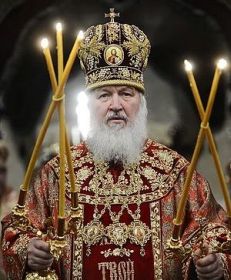
Πατριάρχης Μόσχας: Οι νόμοι για τους γάμους ομοφυλοφίλων είναι απειλή για τον ανθρώπινο πολιτισμό


Οι Νόμοι για τους «γάμους» των ομοφυλοφίλων αποτελούν απειλή για τον ανθρώπινο πολιτισμό, δήλωσε ο Πατριάρχης Μόσχας και πασών των Ρωσιών Κύριλλος, σύμφωνα με το πρακτορείο ειδήσεων Interfax, μετά τη Θεία Λειτουργία, την Κυριακή στον Καθεδρικό Ναό Κοιμήσεως της Θεοτόκου στο Κρεμλίνο, την ημέρα της γιορτής των Νεομαρτύρων και Ομολογητών της Ρωσικής Εκκλησίας.


“Σήμερα, οι άνθρωποι αντιμετωπίζουν την πρόκληση αυτή, δεν υπάρχει τίποτα νέο. Γνωρίζουμε ότι κάποιοι έχουν προσβληθεί. Αλλά υπάρχουν άνθρωποι που στέκονται στην αλήθεια του Θεού, όπως αποκαλύπτεται στην Παλαιά και στην Καινή Διαθήκη. Ο Θεός έδωσε τους νόμους της ανθρωπότητας, η παραβίαση των οποίων συνεπάγεται την καταστροφή του ανθρώπινου πολιτισμού. Και αν θέλουμε να ζήσουμε ως άνθρωποι, ως κοινωνία, ως πολιτισμός, δεν μπορούμε να αψηφούμε τους Θείους νόμους της ανθρώπινης ύπαρξης ” είπε…

Σύμφωνα με τον ίδιο, ”Ποτέ στην ιστορία της ανθρώπινης φυλής δεν χρησμοποιήθηκε νόμος του κράτους για να δικαιολογήσει την αμαρτία!”

pravoslavie.ru

Αν μας κατηγορούν δικαιολογημένα ( Αγιος Ιωάννης ο Χρυσόστομος )


Γνωρίζω, βέβαια, πόσο φοβερή και δυσβάσταχτη είναι η χλεύη, η κοροϊδία, η συκοφαντία, η κάθε λογής κακολογία. Όταν, μάλιστα, μας κατηγορεί και μας βρίζει άνθρωπος που τον έχουμε ευεργετήσει, τότε η προσβολή γίνεται ανυπόφορη τότε, αν μας λείπουν η ταπείνωση και η μακροθυμία, μπορεί να πνιγούμε από τη λύπη και την οδύνη.


Σε κάθε περίπτωση, πάντως, ας μη νοιαζόμαστε για το αν μας κατηγορούν κάποιοι, αλλά για το αν μας κατηγορούν δικαιολογημένα.

Αν, λοιπόν, δικαιολογημένα μας κατηγορούν, πρέπει να κλαίμε και να μετανοούμε. Αν, πάλι, μας κατηγορούν άδικα, πρέπει εκείνους να κλαίμε και τους εαυτούς μας να μακαρίζουμε, φέροντας στο νου μας τα λόγια του Κυρίου: «Μακάριοι είστε όταν σας χλευάσουν και σας καταδιώξουν και σας κακολογήσουν με κάθε ψεύτικη κατηγορία» (Ματθ. 5:11).

Όχι λύπη και αθυμία, αλλά χαρά και αγαλλίαση ας αισθανόμαστε τότε, γιατί η ανταμοιβή μας στους ουρανούς θα είναι μεγάλη.


Αγιος Ιωάννης ο Χρυσόστομος


http://1myblog.pblogs.gr/2014/01/an-mas-kathgoroyn-dikaiologhmena.html

How to strengthen one's faith ( Bishop Alexander (Mileant) )


Thus, among the many talents and faculties of the human spirit, faith is the most precious of the Divine gifts. Faith broadens man's horizons and gives him a proper outlook, reveals to him the purpose of his life, encourages him during hard times and gladdens his heart, empowers his prayer and gives him access to a multitude of God's treasures and mercies.

Sadly, however, our life of plenty and well-being weakens our faith, and God's goodness gets forgotten. As faith grows dim, a man's inner condition becomes increasingly disordered: he loses clarity of thought and purpose of life, his spiritual strength leaves him, emptiness and despondency firmly set into his heart, he becomes irritable and dissatisfied with everything. After all, the soul cannot live without faith, just as a plant cannot live without light and moisture. No matter how intelligent and talented he might be, with faith extinguished a person descends to the level of a cunning animal, or even a predator.

In order to escape such a "shipwreck of faith" (1 Tim. 1:19), one must seriously concern oneself with the renewal of his soul. But how? We know that all talents require exercise: to preserve a sharp mind, it must be engaged in mental work; so that fingers maintain their flexibility, it is necessary to practice on a musical instrument; to have the body remain limber, it is necessary to do gymnastic exercises; and so on. If people expend so much energy and money to develop and preserve their physical abilities, should not we Christians strive to strengthen our spiritual capabilities?

Specifically: to strengthen our faith, we must live spiritually. This includes regular reading of the Holy Scripture, meditation about God and the purpose of our life, fasting and prayer. When praying, one must make an effort to concentrate on the meaning of the words and feel the presence of God. It is also important to repent sincerely for one's sins, go to Confession and take Communion on a regular basis. Finally, one must try to live not for oneself alone but for the good of one's neighbor and one's church. The heart of one who loves is warmed by the grace of the Holy Spirit. Of course, in trying to lead a Christian life one cannot avoid battles, trials and difficulties. At times it may seem that the whole world is armed against us. These are unwanted but precious periods in which we are given the opportunity to grow spiritually and become better Christians.

In striving to strengthen our faith, let us always remember that ultimately faith is a gift of the Holy Spirit. The Apostle Paul testified to this: "The fruit of the Spirit is: joy, love, peace, long-suffering, gentleness, kindness, faith" (Gal. 5:22). Let us, therefore, ask God for faith, that great spiritual treasure. As Jesus Christ has promised: "Ask, and it shall be given unto you; seek and you shall find; knock and it shall be opened unto you" (Matt. 7:7). And as faith grows, it will bring with it peace of mind, joy, and a foretaste of final triumph over all evil. "This is the victory that has overcome the world — our faith" (1 John 5:4).

Protecting our children


As Orthodox Christian adults, we have only to compare the moral climate of today with that of our childhood to know that we are living in an age of increasing apostasy. Thirty, forty, fifty years ago, the secular culture offered children wholesome entertainment basically supportive of a Christian upbringing. The films and TV programs of those times - e.g. Lassie, Leave it to Beaver, My Friend Flicka, The Lone Ranger-- were all characterized by a well-developed sense of morality that is so essential to a child's proper development. In the past decade, the focus of children's entertainment has radically changed into what can justifiably be perceived as a conspiracy against Christian parents. This neglect of morality - caused by the pervasive greed that favors cheap sensationalism and anything that sells over quality - is not just limited to television programs - today, games, toys, comics and even coloring books are filled with nightmarish images offering a barely disguised invitation into hell.

For those who think such a statement is a gross exaggeration, a visit to the "toys and games" aisles of the local department store will deliver an unpleasant shock. There, besides "Snow White" and "Kitten Friends," is a macabre coloring book featuring the TV-based "Skeleton Warriors," proudly advertised as "bad to the bone!!" On the back cover is a cut-out mask with fangs. "Hey kids," reads the package of a menacing turtle figure, "with your help, Don can instantly mutate from his Ordinary Turtle Teen self into a sewer secret Night Ninja! the world's most dangerous dude!" ("Ninja," in Japanese, is a martial arts warrior). In company with the "Teen-age Mutant Ninja Turtles" are a host of other mutants, aliens and extra-terrestrial "heroes," such as "Transformers" and other soulless robots that sport such names as "Dr. Terror," "Rampage," "Tantrum," and "Razorclaw." There are "cuddly" monsters and grotesque monsters like the "Berserkers," a "roaring band of renegade Mutant Viking Cyborgs." The popular New Age "Star Wars" film and "Star Trek" TV series have spawned whole lines of toys and "play sets" - i.e. outerspace environments and space ships like "Death Star." And now, Disney Productions--once synonymous with family values - has come out with a film, "Gargoyles." TV Guide assures parents that these demonic-looking creatures, with their huge claws and enormous bat-like wings, "only look scary"; they are actually "decent and moral." The cast of characters includes the "noble" Goliath and his cohort Xanatos (meaning "death" in Greek). Then there are macho soldiers such as Rambo and the now long popular G.I. Joe, who come with a whole arsenal of sophisticated weaponry and "battle machines" like "Steel Monster" and "Terror Dome." Most of these toys are characters from films or cartoons, which "show" a child how the toys are supposed to behave. Promoted as "action toys," they inspire violent and aggressive play. Video games, such as "Mortal Combat," have become another source of violent children's entertainment. Other toys are familiarizing children with elements of the occult and Eastern religions. In their cartoons, the innocent-looking Care Bears, the Smurfs and My Little Pony are all heavily laced with occult and New Age symbolism.


And then there's sex. Since her debut in 1959, the glamorous, buxom Barbie has been the queen of dolls, and has become something of an obsession among many young girls. With regular baby dolls, girls naturally practice parenting-after all, toys are effective learning mechanisms--but with Barbie, the focus is on physical attractiveness, boyfriends, and dating, which, in today's sexually-charged atmosphere, is particularly unhealthy. A board game designed for mid-teens spells it out: "Hey, let's be honest. At this stage of our lives, what's more important than finding the perfect member of the opposite sex? Not much. Basically, you play girls against guys. That's cool for starters. You get to make the other team do all this bizarre stuff. If they don't do it, you stamp them and they become your personal party-slaves. Naturally, they have to do whatever you say. Cool. . . Don't be stupid. Try it!"

The toy industry, which is spewing out such abominations, is enjoying a profitable partnership with the film industry. Cartoons have become essentially 30 minute advertisements, and children have responded by becoming aggressive consumers of whatever film-character toys are in fashion - in addition to the bed-sheets, lunch-boxes, T-shirts, posters and other articles bearing the image of their favorite TV-toy, whether it is the macho G.I. Joe or the New Age Pocahontas. This gross abuse of children's souls is a lucrative business.

The task of raising Christian children has never been an easy one. "A young child," writes St. Dimitri of Rostov (l709), "is like a board | prepared for icon painting. Whatever the iconographer paints on it, honorable or dishonorable, holy or sinful, an angel or a demon, it remains forever. The same applies to a young child: that upbringing which he is given, those manners he is taught--whether God-pleasing or God-despised, angelic or demonic--shall be part of him for the rest of his life." Because children are so impressionable, parents must be especially vigilant regarding the influences surrounding their children, ensuring as much as possible that these make a positive contribution to their development, towards making them worthy citizens of the Kingdom of Heaven.

The powerful influence of images on the soul is one reason why icons should have a prominent place in the Orthodox home. In his book, The Meaning of Icons, Leonid Ouspensky writes that the icon "transmits, or rather testifies visually to. . . the reality of God and of the world of grace and of nature." Iconography, he says, is a means which the Church employs to convey its teaching, to transmit the revelation of the divine world, to point to the Kingdom of Heaven. Icons are reflections of men who have been regenerated into eternity; they aid us in uncovering and developing the beauty of holiness. In other words, they help men attain likeness to God, following the basic principle that "we become like that which we habitually contemplate" (Constantine Cavarnos, Orthodox Iconography.).


The same principle holds true for the abominable images which have invaded the world of children's toys. "It is well known," writes Bishop Theophan the Recluse (l894), "how powerfully corrupt images act upon the soul, no matter in what form they might touch it." Children are particularly vulnerable; their consciousness and their identities are not yet developed. And so, Satan has targeted them with his own perverse form of "iconography": images which harden their souls and accustom them to a world of darkness - a world where traditionally demonic images are considered "good," where ugliness and brutishness are glorified, and where aggression is rewarded. The lines of good and evil are blurred. There is no God. The "saviours" of the world come from outer space. Or they come in the form of Nietzsche's superman, who wields power without conscience. Far from being repulsed by these monstrous inventions, many children describe them as "cool, "awesome," and, approvingly, "bad." Should Satan visit these children in their dreams, they would have no fear, and no defense.

What can and should Christian parents do to protect their children from such "soul-corrupting evils"? It is, of course, normal for children to have a certain fascination with scary monsters, and a child who plays with a magic wand or a Power Ranger isn't necessarily harming his soul. What is essential here is that the child be surrounded by a strong Christian culture in the home, and that parents be attentive and take an active part in the child's development. Providing opportunities for genuine play is important, and there are many healthy alternatives to the toys and games we have described. As most toys today are priced beyond the range of a child's allowance, it is up to parents to exercise control. Non specific toys - i.e. those that give the greatest scope to the child's imagination and creativity - are best; these include card board boxes, blocks, tinker toys, crayons and other art and craft supplies; for an older child, a supply of scrap wood with a hammer and nails. Children enjoy playing with parents, and there are many board games that are fun for the whole family; these include Parcheesi, Monopoly, Pictionary, and Scrabble. Reading aloud is another valuable pastime which brings children and parents together.

The world is full of images that pull the soul in the wrong direction. Parents should surround children with images conducive to salvation, images that make the soul receptive to grace. Raising Christian children in this post-Christian age is a daunting responsibility and a real podvig. It requires a serious investment of time, patience, love and prayer. But the rewards are incomparable - and eternal.

Prayer of our Holy Father St. Ambrose, Bishop of Milan


St. Ambrose attributed this prayer to the Apostle Matthew, upon the occasion of the Apostle's conversion.

Thee alone I follow, Lord Jesus, Who heals my wounds. For what shall separate me from the love of God, which is in Thee1. Shall tribulation, or distress, or famine? I am held fast as though by nails, and fettered by the bonds of charity. Remove from me, O Lord Jesus, with Thy potent sword, the corruption of my sins. Secure me in the bonds of Thy love; cut away what is corrupt in me. Come quickly and make an end of my many, my hidden and secret afflictions. Open the wound lest the evil humour spread. With Thy new washing, cleanse in me all that is stained. Hear me, you earthly men, who in your sins bring forth drunken thoughts: 1 have found a Physician. He dwells in Heaven and distributes His healing on earth. He alone can heal my pains Who Himself has none. He alone Who knows what is hidden, can take away the grief of my heart, the fear of my soul — Jesus Christ. Christ is grace, Christ is life, Christ is Resurrection! Amen.

What is the purpose of illness ( St. John of Kronstadt )


But if we are sons, we are heirs also: heirs indeed of God and joint heirs with Christ, provided, however, we suffer with Him that we may also be glorified with Him. (Rom. 8:17)

Our Saviour and the God-bearing Fathers teach that our only concern in this life should be the salvation of our souls. Bishop Ignatius says: "Earthly life — this brief period — is given to man by the mercy of the Creator in order that man may use it for his salvation, that is, for the restoration of himself from death to life" (The Arena). Therefore, we must "look upon everything in this world as upon a fleeting shadow and cling with our heart to nothing of it...for we look not at the things which are seen, but at the things which are not seen; for the things which are seen are temporal, but the things which are not seen are eternal" (St. John of Kronstadt, Spiritual Counsels). For Orthodox Christians, the center of our life is not here, but there, in the eternal world.

How long we live, what disease or illness accompanies our death — such things are not the proper concern of Orthodox Christians. Although we sing "many years" for one another at Namesdays and other celebrations, this is only because the Church in her wisdom knows that we indeed need "many years" to repent of our sins and be converted, not because a long life has any value in itself. God is not interested in how old we are when we come before His Judgment, but whether we have repented; He is not concerned about whether we died of a heart attack or cancer, but whether our soul is in a state of health.

Therefore, "we should not dread any human ill, save sin alone; neither poverty, nor disease, nor insult, nor malicious treatment, nor humiliation, nor death" (St. John Chrysostom, On the Statues), for these "ills" are only words; they have no reality for those who are living for the Kingdom of Heaven. The only real "calamity" in this life is offending God. If we have this basic understanding of the purpose of life, then the spiritual meaning of bodily infirmity can be opened for us.

In the preceding chapter we learned how the all-wise God allowed suffering to enter the world in order to show us that we are but creatures. It is a lesson still not learned by the race of Adam which, in its pride, ever seeks to be like "gods": for every sin is a renewal of the sin of the first-created ones, a willful turning away from God towards self. In this way we set ourselves in the place of God, actually worshipping self instead of the Creator. In this way the suffering of illness serves the same purpose today as it did in the beginning: for this reason it is a sign of God's mercy and love. As the Holy Fathers say to those who are ill: "God has not forgotten you; He cares for you" (Sts. Barsanuphius and John, Philokal' ia).

Yet, it is difficult to see how sickness can be a sign of God's care for us — unless, that is, we understand the relationship that exists between body and soul. Elder Ambrose of Optina Monastery spoke of this in a letter to the mother of a very sick child:

"We should not forget that in our age of 'sophistication' even little children are spiritually harmed by what they see and hear. As a result, purification is required, and this is only accomplished through bodily suffering....You must understand that Paradisal bliss is granted to no one without suffering."

St. Nicodemos of the Holy Mountain explained that since man is dual, made up of body and soul, "there is an interaction between the soul and the body" (Counsels), each one acting on the other and actually communicating with the other. "When the soul is diseased we usually feel no pain," St. John Chrysostom says. "But if the body suffers only a little, we make every effort to be free of the illness and its pain. Therefore, God corrects the body for the sins of the soul, so that by chastising the body, the soul might also receive some healing....Christ did this with the Paralytic when He said: Behold, thou art made whole; sin no more, lest a worse thing come unto tbee. What do we learn from this? That the Paralytic's disease had been produced by his sins" (Homily 38, On the Qospel of St. John).

On one occasion a woman was brought to St. Seraphim of Sarov. She was badly crippled and could not walk because her knees were bent up to her chest. "She told the Elder that she had been born in the Orthodox Church but, after marrying a dissenter, had abandoned Orthodoxy and, for her infidelity, God had suddenly punished her....She could not move a hand or foot. St. Seraphim asked the sick woman whether she now believed in her Mother, our Holy Orthodox Church. On receiving a reply in the affirmative, he told her to make the sign of the Cross in the proper way. She said that she could not even lift a hand. But when the Saint prayed and anointed her hands and breast with oil from the icon-lamp, her malady left her instantly." Behold, thou art made whole; sin no more, lest a worse thing come unto thee!

This connection between body and soul, sin and sickness, is clear: pain tells us that something has gone wrong with the soul, that not only is the body diseased, but the soul as well. And this is precisely how the soul communicates its ills to the body, awakening a man to self-knowledge and a wish to turn to God. We see this over and over in the lives of the saints, for illness also teaches that our "true self, that which is principally man, is not the visible body but the invisible soul, the 'inner man'" (St. Nicodemos of the Holy Mountain, Christian Morality).

But does this mean that the man who enjoys continual good health is in "good shape" spiritually? Not at all, for suffering takes many forms, whether in the body or in the mind and soul. How many in excellent health lament that life is not "worth the living"? St. John Chrysostom describes this kind of suffering:

"Some think that to enjoy good health is a source of pleasure. But it is not so. For many who have good health have a thousand times wished themselves dead, not being able to bear the insults inflicted upon them....For although we were to become kings and live royally, we should find ourselves compassed about with many troubles and sadnesses....By necessity kings have as many sadnesses as there are waves on the ocean. So, if monarchy is unable to make a life free from grief, then what else could possibly achieve this? Nothing, indeed, in this life" (Homily I8, On the Statues).

Protestants often "claim" health in the "Name of Christ." They regard health as something to which the Christian is naturally entitled. From their point of view, illness betrays a lack of faith. This is the exact opposite of the Orthodox teaching as illustrated by the life of the Righteous Job in the Old Testament. St. John Chrysostom says that the saints serve God not because they expect any kind of reward, either spiritual or material, but simply because they love Him: "for the saints know that the greatest reward of all is to be able to love and serve God." Thus, "God, wishing to show that it was not for reward that His saints serve Him, stripped Job of all his wealth, gave him over to poverty, and permitted him to fall into terrible diseases." And Job, who was not living for any reward in this life, still remained faithful to God (Homily I, On the Statues).

Just as healthy people are not without sin, so too, God sometimes allows truly righteous ones to suffer, "as a model for the weak" (St. Basil the Great, The Long Rules). For, as St. John Cassian teaches, "a man is more thoroughly instructed and formed by the example of another" (Institutes).

This we see in the Scriptural case of Lazarus. "Although he suffered from painful wounds, he never once murmured against the Rich Man nor made any request of him....As a result, he found rest in the Bosom of Abraham, as one who had accepted humbly the misfortunes of life" (St. Basil the Great, The Long Rules).

The Church Fathers also teach that illness is a way by which Christians may imitate the suffering of the martyrs. Thus, in the lives of very many saints, intense bodily suffering was visited upon them at the end, so that by their righteous suffering they might attain to physical martyrdom. A good example of this may be found in the life of that great champion of Orthodoxy, St. Mark of Ephesus:

"He was sick fourteen days, and the disease itself, as he himself said, had upon him the same effect as those iron instruments of torture applied by executioners to the holy martyrs, and which as it were girdled his ribs and internal organs, pressed upon them and remained attached in such a state and caused absolutely unbearable pain; so that it happened that what men could not do with his sacred martyr's body was fulfilled by disease, according to the unutterable judgment of Providence, in order that this Confessor of Truth and Martyr and Conqueror of all possible sufferings and Victor should appear before God after going through every misery, and that even to his last breath, as gold tried in the furnace, and in order that thanks to this he might receive yet greater honor and rewards eternally from the Just Judge" (The Orthodox Word, vol. 3, no. 3).


You who believe when you are well, see to it that you do not fall away

from God in the time of misfortune.

St. John of Kronstadt.

Γιατί πρέπει να κλείνουμε τα κινητά μας τη νύχτα;


Τι υποστηρίζει νέα αμερικανική μελέτη

Έντονο στρες, αϋπνία και απώλεια ενέργειας προκαλεί η χρήση του κινητού μετά τις 9 το βράδυ,απέδειξε έρευνα του Πανεπιστημίου του Μίσιγκαν.

Το κινητό τηλέφωνο όταν είναι ανοιχτό κρατά το μυαλό απασχολημένο και δεν το αφήνει να χαλαρώσει, ενώ δυσκολεύει τον άνθρωπο να αποκοπεί από τα εργασιακά του καθήκοντα. Αυτό υποστηρίζει μελέτη του Πανεπιστημίου του Μίσιγκαν και έτσι, οι επιστήμονες συμβουλεύουν να κλείνουμε το κινητό μας όταν είμαστε εκτός εργασιακού ωραρίου, συνήθως μετά τις 9 το βράδυ.

Σύμφωνα με την συγκεκριμένη έρευνα η χρήση του κινητού συνδέεται άμεσα με τον κακό ύπνο και την αϋπνία, ενώ κατά τις νυχτερινές ώρες μειώνει την παραγωγικότητα την επόμενη ημέρα.

Η επίδραση του ανοικτού κινητού είναι εμφανής και στην παραγωγή μιας ορμόνης της μελατονίνης, η οποία απελευθερώνεται τις βραδινές ώρες και μας βοηθά να έχουμε καλό ύπνο, λένε ακόμη οι επιστήμονες, προσθέτοντας πως το ανοιχτό κινητό με το φως που εκπέμπει εμποδίζει να παραχθεί η μελατονίνη και ως αποτέλεσμα έχουμε κακή ποιότητα ύπνου.

Τέλος, αν και όλες οι συσκευές της σύγχρονης τεχνολογίας έχουν αρνητική επίδραση στον ανθρώπινο οργανισμό,οι επιστήμονες χαρακτηρίζουν το κινητό τηλέφωνο ως την πιο «αδιάκριτη» συσκευή στην ανθρώπινη ζωή.

«Πάρτε δύναμη από το όνομα του Ιησού»


«Παιδιά μου πολύ σας παρακαλώ, ντυθείτε με την πανοπλία που δίνει ο Θεός, για να μπορέσετε να αντιμετωπίσετε τα τεχνάσματα του διαβόλου. Δεν μπορείτε να φανταστείτε πόσο πονηρός είναι. Δεν έχουμε να παλέψουμε με ανθρώπους, αλλά με αρχές και εξουσίες, δηλαδή με τα πονηρά πνεύματα. Προσέξτε! Τον διάβολο δεν τον συμφέρει να δεχθεί κανείς την ύπαρξή του, να σκέφτεται και να αισθάνεται ότι είναι κοντά στον άνθρωπο. Ένας κρυφός και… άγνωστος εχθρός είναι πιο επικίνδυνος από έναν ορατό εχθρό. Ω πόσο μεγάλος και τρομερός είναι ο στρατός των δαιμόνων. Πόσο αμέτρητο είναι το μαύρο τους πλήθος! Αμετάβλητα, ακούραστα, μέρα και νύχτα, επιδιώκουν να σπρώξουν όλους εμάς που πιστεύουμε στο όνομα του Χριστού, να μας παρασύρουν στο δρόμο της απιστίας της κακίας και της ασέβειας. Αυτοί οι αόρατοι εχθροί υού Θεού, έχουν βάλει ως μοναδικό τους σκοπό μέρα και νύχτα να επιδιώκουν την καταστροφή μας. Όμως μη φοβάστε, πάρτε δύναμη από το όνομα του Ιησού».

Τα τελευταία λόγια του Αγίου Λουκά του Ιατρού

Πηγή: xristianos.gr

Macedonian Orthodox Chant - Македонската православна Византија ( Video )

Sunday, February 9, 2014

Moments of Truth - Momente de Adevărului ( Video )

Όταν ξημερώσει ,το σκοτάδι φεύγει ( Αγιος Πορφύριος )


Ο Γέροντας εξαγιαζόταν αγαπώντας. Μια μέρα μου είπε: «Όταν αγαπούμε το Χριστό, τα αμαρτωλά μας πάθη υποχωρούν μόνα τους, χάνουν τη δύναμή τους, μπροστά στη δύναμη της αγάπης. Όταν ξημερώσει και φωτίσει το δωμάτιό μας ο ήλιος, το σκοτάδι φεύγει, δεν μπορεί να μείνει».

Αγιος Πορφύριος

Love towards your neighbor ( Abba Dorotheus )


I heard of one person that when he came to one of his friends and found the room in disarray and even dirty, he would say to himself: "Blessed is this person, because having deferred his concerns for earthly cares, he has concentrated his mind that much toward Heaven, that he doesn’t even have time to tidy up his room." But when he came to another friend’s place and found his room tidy and neat, he would say to himself; "The soul of this person is as clean as his room, and the condition of the room speaks of his soul." And he never judged another that he was negligent or proud, but through his kind disposition, saw good in everyone and received benefits from everyone. May the good Lord grant us the same kind disposition, so that we too may receive benefits from everyone and so that we never notice the failings of others.
 

 The main thing to avoid when meeting people is to be suspicious — from which comes adjudgment. I have many examples, which prove that everyone judges others according to his spiritual circumstance. For example, imagine that it was necessary for a person to stand by the roadside at night, and walking past him were three people. On seeing him, one of the three would think that he is waiting for an illicit rendezvous; another would imagine him to be undoubtedly a thief — he looks suspicious; the third would think that no doubt the person arranged to go to church with someone and was now waiting for him. Thus, the three saw the same person, in the same place, but concluded about him entirely differently. And this evidently, corresponds to their spiritual situation. Just as a sick body converts any food it ingests — even though it might be most nutritional — into harmful juices, so does a soul with corrupted morals, receive harm from any matter that it has dealings with, even from the very good. But the one who has good morals is like a person with a healthy system, who even if he consumes something that is not completely healthy, will still convert it into healthy juices. If we will have good morals and build ourselves up correctly, so will we be able to receive spiritual benefits from every matter.

 To annoy, judge and spoil — whose works are they other than the devil’s? And we appear as the demons’ helpers — to our and our neighbor’s perdition. Why is it so? Because there is no love within us! Because "love will cover a multitude of sins" (1 Peter 4:8). The Saints don’t judge a sinner and do not turn away from him, but commiserate with him, grieve for him, enlighten, console, administer to him like a sick part of a body, and do everything to save him.
 

 There must be an endeavor to completely purge the inner pus, so that the affected area would heal in such a way as to be free of any remaining ugliness and it would be completely impossible to recognize it as the area where the wound existed. How can you achieve this? By praying with all your heart for the offender, saying: "Lord, help me and my brother for the sake of his prayers!" Praying in this fashion for your neighbor, the person shows compassion and love simultaneously. Asking help for yourself, for the sake of his prayers, mollifies him. And where there is compassion, love and humility, can there be irritation, rancor or any other type of passion? And Abba Zosima said: "If the devil raises all the wiles of his hatred, together with all his demons, they will all shatter and disappear against humility — according to Christ’s commandments."


Abba Dorotheus

The Ninth Beatitude- Blessed are ye when men shall revile you, and persecute you, and shall say all manner of evil against you falsely, for my sake. Rejoice, and be exceeding glad, for great is your reward in Heaven.


In the last, the ninth commandment, our Lord Jesus Christ calls especially blessed those who for the sake of Christ and for the true Orthodox faith in Him, patiently bear disgrace, persecution, malice, defamation, mockery, privation and even death. Such a spiritual feat is known as martyrdom. There is no higher spiritual feat than martyrdom.

The courage of Christian martyrs must be distinguished from fanaticism, which is irrational zeal not according to reason. Christian courage must also be distinguished from the lack of feeling brought on by despair or pretended indifference, with which some criminals because of their incorrigible hardness and pride, serve out their sentences and go to execution.

Christian courage is based on the highest of Christian virtues, on faith in God, on hope in God, on love for God and neighbor, on complete obedience and unshaken faith in the Lord God.

The highest form of martyrdom was suffered by Jesus Christ Himself, and in like manner, the Apostles and an innumerable multitude of Christians, who with joy went to martyrdom for the name of Christ.

Wherefore seeing we also are compassed about with so great a cloud of witnesses, let us lay aside every weight and the sin which doth so easily beset us, and let us run with patience the race that is set before us, and looking unto Jesus the Author and Finisher of our faith, Who for the joy that was set before Him endured the cross, despising the shame, and is set down at the right hand of the throne of God. For consider Him that endured such contradiction of sinners against Himself, lest ye be weaned and faint in your minds (Heb. 12:1-3).

For the spiritual feat of martyrdom, the Lord promises a reward in Heaven. But here on earth the Lord glorifies many martyrs for their firm confession of faith with incorruptible bodies and miracles.

If ye be reproached for the name of Christ, happy are ye; for the spirit of glory and of God resteth upon you: on their part He is evil spoken of, but on your part He is glorified. But let none of you suffer as a murderer, or as a thief, or as an evildoer, or as a busybody in other men’s matters. "Yet if any man suffer as a Christian, let him not be ashamed; but let him glorify God on this behalf (I Pet. 4:14-16).

Numberless Christians martyrs rejoiced during unspeakable torture, accounts of which are preserved in factual accounts of lives of the Saints. Note: In Roman courts, special scribes were obligated to write protocols (official records) of judicial procedures and legal decisions. Such protocols of interrogations, made in Roman courts during the legal process of Christian martyrs, after the period of persecutions were carefully preserved by the Church. The protocols came to be trustworthy accounts of the feats of martyrdom of the Christians.

The Eighth Beatitude - Blessed are they which are persecuted for righteousness’ sake, for theirs is the Kingdom of Heaven.


For righteousness’ sake, is meant to live righteously according to the commandments of God, and resolutely fulfilling Christian obligations. Persecuted — for their righteous and pious life, they suffer oppression, persecution, privation and adversity at the hands of the unrighteous enemies of truth and goodness, but nothing can cause them to waver from the truth.

Persecution is inevitable for Christians living according to the Gospel’s righteousness, because evil people detest righteousness, as truth exposes their evil deeds, and always persecute people who stand up for the truth. The Only-begotten Son of God, Jesus Christ, was Himself crucified by haters of God’s truth. For all His followers He predicted: // they have persecuted Me, they will also persecute you (John 15:20). All that will live godly in Christ Jesus shall suffer persecution, says the Apostle Paul (II Tim. 3:12).

In order to endure persecution patiently for righteousness’ sake, a person must have love for the truth, be steadfast and firm in virtuous living, have courage and patience, and faith and hope in the help and protection of God.

To those persecuted for righteousness’ sake, for their struggles in confessing the truth, the Lord promises the Kingdom of Heaven, spiritual triumph, joy and blessedness in the heavenly dwellings of the future eternal life (see Luke 22:28-30).

Τι σημαίνει σωτηρία;( Γέροντας Σωφρόνιος Σαχάρωφ )


Τι σημαίνει σωτηρία; Ο θάνατος του σώματος είναι άραγε η προϋπόθεση για την είσοδο στη Βασιλεία του Χριστού; Πως μπορούμε να αναπτύξουμε την ικανότητά μας να ζούμε σύμφωνα με τις εντολές του Χριστού, σύμφωνα με το Αγιο Πνεύμα; Ενα μόνο έχει σημασία: να φυλάξουμε την ένταση της προσευχής και της μετάνοιας. Τότε ο θάνατος δε θα είναι ρήξη, αλλά μετάβαση στη Βασιλεία, για την οποία θα έχουμε ετοιμασθεί με την κοινωνία του Σώματος και του Αίματος του Χριστού, με την προσευχή και την επίκληση του Ονόματός Του: «Κύριε, Ιησού Χριστέ, ο θεός ημών, ελέησον ημάς και τον κόσμον Σου».


Γέροντας Σωφρόνιος Σαχάρωφ

Αληθινή νηστεία είναι .......( Μέγας Βασίλειος )


Η μέθη ειναι έχθρα στο Θεό· η νηστεία δε, αρχή της μετανοίας. Εάν λοιπόν θέλεις με την εξομολόγηση να γυρίσεις στο Θεό, να αποφεύγεις την μέθη, για να μην σου κάμει δυσκολότερη την αποξένωση.

Δεν αρκεί βεβαίως μόνον η αποχή από τις τροφές, για την επαινετή νηστεία, αλλ'ας νηστεύσουμε νηστεία δεκτή, ευάρεστη στο Θεό.

Αληθινή νηστεία είναι η αποξένωση από το κακό, η εγκράτεια της γλώσσας, η αποχή από το θυμό, ο χωρισμός από τις επιθυμίες, την καταλαλιά, το ψεύδος, την ψευδορκία.

H στέρηση από αυτά είναι αληθινή νηστεία. Μέσα σ' αυτά λοιπόν η νηστεία είναι αγαθό.


Μέγας Βασίλειος

Oι δοκιμασίες κάνουν καλό.... ( Γεροντας Παϊσιος )


Oι δοκιμασίες κάνουν καλό. Μη φοβηθείς.

Ό Χριστός μας σαράντα μέρες αγωνίσθηκε στην ερημον, αλλά έπειτα Άγγελοι τον υπηρετούσαν.

Είναι πολύ στοργικός ο Χριστός μας.

Συχνά, για ωφέλειά μας, επιτρέπει και δυνατή λύπην. Για λίγο νοιώθουμε πώς μας εγκατέλειψε, αλλά μετά επειδή λυπάται, μας αγαπά, μας πνίγει το έλεος Του, ή στοργή Του.

Μη φοβηθείς ποτέ, μόνον αγάπα τον Χριστό μας.
 
Γεροντας Παϊσιος 

Κυριε Εκεκραξα ........ ( Video )

Related Posts Plugin for WordPress, Blogger...