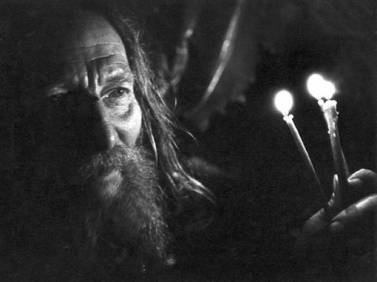
Οι Νόμοι για τους «γάμους» των ομοφυλοφίλων αποτελούν απειλή για τον ανθρώπινο πολιτισμό, δήλωσε ο Πατριάρχης Μόσχας και πασών των Ρωσιών Κύριλλος, σύμφωνα με το πρακτορείο ειδήσεων Interfax, μετά τη Θεία Λειτουργία, την Κυριακή στον Καθεδρικό Ναό Κοιμήσεως της Θεοτόκου στο Κρεμλίνο, την ημέρα της γιορτής των Νεομαρτύρων και Ομολογητών της Ρωσικής Εκκλησίας.
“Σήμερα, οι άνθρωποι αντιμετωπίζουν την πρόκληση αυτή, δεν υπάρχει τίποτα νέο. Γνωρίζουμε ότι κάποιοι έχουν προσβληθεί. Αλλά υπάρχουν άνθρωποι που στέκονται στην αλήθεια του Θεού, όπως αποκαλύπτεται στην Παλαιά και στην Καινή Διαθήκη. Ο Θεός έδωσε τους νόμους της ανθρωπότητας, η παραβίαση των οποίων συνεπάγεται την καταστροφή του ανθρώπινου πολιτισμού. Και αν θέλουμε να ζήσουμε ως άνθρωποι, ως κοινωνία, ως πολιτισμός, δεν μπορούμε να αψηφούμε τους Θείους νόμους της ανθρώπινης ύπαρξης ” είπε…
Σύμφωνα με τον ίδιο, ”Ποτέ στην ιστορία της ανθρώπινης φυλής δεν χρησμοποιήθηκε νόμος του κράτους για να δικαιολογήσει την αμαρτία!”
pravoslavie.ru

Γνωρίζω, βέβαια, πόσο φοβερή και δυσβάσταχτη είναι η χλεύη, η κοροϊδία, η συκοφαντία, η κάθε λογής κακολογία. Όταν, μάλιστα, μας κατηγορεί και μας βρίζει άνθρωπος που τον έχουμε ευεργετήσει, τότε η προσβολή γίνεται ανυπόφορη τότε, αν μας λείπουν η ταπείνωση και η μακροθυμία, μπορεί να πνιγούμε από τη λύπη και την οδύνη.
Σε κάθε περίπτωση, πάντως, ας μη νοιαζόμαστε για το αν μας κατηγορούν κάποιοι, αλλά για το αν μας κατηγορούν δικαιολογημένα.
Αν, λοιπόν, δικαιολογημένα μας κατηγορούν, πρέπει να κλαίμε και να μετανοούμε. Αν, πάλι, μας κατηγορούν άδικα, πρέπει εκείνους να κλαίμε και τους εαυτούς μας να μακαρίζουμε, φέροντας στο νου μας τα λόγια του Κυρίου: «Μακάριοι είστε όταν σας χλευάσουν και σας καταδιώξουν και σας κακολογήσουν με κάθε ψεύτικη κατηγορία» (Ματθ. 5:11).
Όχι λύπη και αθυμία, αλλά χαρά και αγαλλίαση ας αισθανόμαστε τότε, γιατί η ανταμοιβή μας στους ουρανούς θα είναι μεγάλη.
Αγιος Ιωάννης ο Χρυσόστομος
http://1myblog.pblogs.gr/2014/01/an-mas-kathgoroyn-dikaiologhmena.html
.jpg)
Thus, among the many talents and faculties of the human spirit, faith is the most precious of the Divine gifts. Faith broadens man's horizons and gives him a proper outlook, reveals to him the purpose of his life, encourages him during hard times and gladdens his heart, empowers his prayer and gives him access to a multitude of God's treasures and mercies.
Sadly, however, our life of plenty and well-being weakens our faith, and God's goodness gets forgotten. As faith grows dim, a man's inner condition becomes increasingly disordered: he loses clarity of thought and purpose of life, his spiritual strength leaves him, emptiness and despondency firmly set into his heart, he becomes irritable and dissatisfied with everything. After all, the soul cannot live without faith, just as a plant cannot live without light and moisture. No matter how intelligent and talented he might be, with faith extinguished a person descends to the level of a cunning animal, or even a predator.
In order to escape such a "shipwreck of faith" (1 Tim. 1:19), one must seriously concern oneself with the renewal of his soul. But how? We know that all talents require exercise: to preserve a sharp mind, it must be engaged in mental work; so that fingers maintain their flexibility, it is necessary to practice on a musical instrument; to have the body remain limber, it is necessary to do gymnastic exercises; and so on. If people expend so much energy and money to develop and preserve their physical abilities, should not we Christians strive to strengthen our spiritual capabilities?
Specifically: to strengthen our faith, we must live spiritually. This includes regular reading of the Holy Scripture, meditation about God and the purpose of our life, fasting and prayer. When praying, one must make an effort to concentrate on the meaning of the words and feel the presence of God. It is also important to repent sincerely for one's sins, go to Confession and take Communion on a regular basis. Finally, one must try to live not for oneself alone but for the good of one's neighbor and one's church. The heart of one who loves is warmed by the grace of the Holy Spirit. Of course, in trying to lead a Christian life one cannot avoid battles, trials and difficulties. At times it may seem that the whole world is armed against us. These are unwanted but precious periods in which we are given the opportunity to grow spiritually and become better Christians.
In striving to strengthen our faith, let us always remember that ultimately faith is a gift of the Holy Spirit. The Apostle Paul testified to this: "The fruit of the Spirit is: joy, love, peace, long-suffering, gentleness, kindness, faith" (Gal. 5:22). Let us, therefore, ask God for faith, that great spiritual treasure. As Jesus Christ has promised: "Ask, and it shall be given unto you; seek and you shall find; knock and it shall be opened unto you" (Matt. 7:7). And as faith grows, it will bring with it peace of mind, joy, and a foretaste of final triumph over all evil. "This is the victory that has overcome the world — our faith" (1 John 5:4).

As Orthodox Christian adults, we have only to compare the moral climate of today with that of our childhood to know that we are living in an age of increasing apostasy. Thirty, forty, fifty years ago, the secular culture offered children wholesome entertainment basically supportive of a Christian upbringing. The films and TV programs of those times - e.g. Lassie, Leave it to Beaver, My Friend Flicka, The Lone Ranger-- were all characterized by a well-developed sense of morality that is so essential to a child's proper development. In the past decade, the focus of children's entertainment has radically changed into what can justifiably be perceived as a conspiracy against Christian parents. This neglect of morality - caused by the pervasive greed that favors cheap sensationalism and anything that sells over quality - is not just limited to television programs - today, games, toys, comics and even coloring books are filled with nightmarish images offering a barely disguised invitation into hell.
For those who think such a statement is a gross exaggeration, a visit to the "toys and games" aisles of the local department store will deliver an unpleasant shock. There, besides "Snow White" and "Kitten Friends," is a macabre coloring book featuring the TV-based "Skeleton Warriors," proudly advertised as "bad to the bone!!" On the back cover is a cut-out mask with fangs. "Hey kids," reads the package of a menacing turtle figure, "with your help, Don can instantly mutate from his Ordinary Turtle Teen self into a sewer secret Night Ninja! the world's most dangerous dude!" ("Ninja," in Japanese, is a martial arts warrior). In company with the "Teen-age Mutant Ninja Turtles" are a host of other mutants, aliens and extra-terrestrial "heroes," such as "Transformers" and other soulless robots that sport such names as "Dr. Terror," "Rampage," "Tantrum," and "Razorclaw." There are "cuddly" monsters and grotesque monsters like the "Berserkers," a "roaring band of renegade Mutant Viking Cyborgs." The popular New Age "Star Wars" film and "Star Trek" TV series have spawned whole lines of toys and "play sets" - i.e. outerspace environments and space ships like "Death Star." And now, Disney Productions--once synonymous with family values - has come out with a film, "Gargoyles." TV Guide assures parents that these demonic-looking creatures, with their huge claws and enormous bat-like wings, "only look scary"; they are actually "decent and moral." The cast of characters includes the "noble" Goliath and his cohort Xanatos (meaning "death" in Greek). Then there are macho soldiers such as Rambo and the now long popular G.I. Joe, who come with a whole arsenal of sophisticated weaponry and "battle machines" like "Steel Monster" and "Terror Dome." Most of these toys are characters from films or cartoons, which "show" a child how the toys are supposed to behave. Promoted as "action toys," they inspire violent and aggressive play. Video games, such as "Mortal Combat," have become another source of violent children's entertainment. Other toys are familiarizing children with elements of the occult and Eastern religions. In their cartoons, the innocent-looking Care Bears, the Smurfs and My Little Pony are all heavily laced with occult and New Age symbolism.
And then there's sex. Since her debut in 1959, the glamorous, buxom Barbie has been the queen of dolls, and has become something of an obsession among many young girls. With regular baby dolls, girls naturally practice parenting-after all, toys are effective learning mechanisms--but with Barbie, the focus is on physical attractiveness, boyfriends, and dating, which, in today's sexually-charged atmosphere, is particularly unhealthy. A board game designed for mid-teens spells it out: "Hey, let's be honest. At this stage of our lives, what's more important than finding the perfect member of the opposite sex? Not much. Basically, you play girls against guys. That's cool for starters. You get to make the other team do all this bizarre stuff. If they don't do it, you stamp them and they become your personal party-slaves. Naturally, they have to do whatever you say. Cool. . . Don't be stupid. Try it!"
The toy industry, which is spewing out such abominations, is enjoying a profitable partnership with the film industry. Cartoons have become essentially 30 minute advertisements, and children have responded by becoming aggressive consumers of whatever film-character toys are in fashion - in addition to the bed-sheets, lunch-boxes, T-shirts, posters and other articles bearing the image of their favorite TV-toy, whether it is the macho G.I. Joe or the New Age Pocahontas. This gross abuse of children's souls is a lucrative business.
The task of raising Christian children has never been an easy one. "A young child," writes St. Dimitri of Rostov (l709), "is like a board | prepared for icon painting. Whatever the iconographer paints on it, honorable or dishonorable, holy or sinful, an angel or a demon, it remains forever. The same applies to a young child: that upbringing which he is given, those manners he is taught--whether God-pleasing or God-despised, angelic or demonic--shall be part of him for the rest of his life." Because children are so impressionable, parents must be especially vigilant regarding the influences surrounding their children, ensuring as much as possible that these make a positive contribution to their development, towards making them worthy citizens of the Kingdom of Heaven.
The powerful influence of images on the soul is one reason why icons should have a prominent place in the Orthodox home. In his book, The Meaning of Icons, Leonid Ouspensky writes that the icon "transmits, or rather testifies visually to. . . the reality of God and of the world of grace and of nature." Iconography, he says, is a means which the Church employs to convey its teaching, to transmit the revelation of the divine world, to point to the Kingdom of Heaven. Icons are reflections of men who have been regenerated into eternity; they aid us in uncovering and developing the beauty of holiness. In other words, they help men attain likeness to God, following the basic principle that "we become like that which we habitually contemplate" (Constantine Cavarnos, Orthodox Iconography.).
The same principle holds true for the abominable images which have invaded the world of children's toys. "It is well known," writes Bishop Theophan the Recluse (l894), "how powerfully corrupt images act upon the soul, no matter in what form they might touch it." Children are particularly vulnerable; their consciousness and their identities are not yet developed. And so, Satan has targeted them with his own perverse form of "iconography": images which harden their souls and accustom them to a world of darkness - a world where traditionally demonic images are considered "good," where ugliness and brutishness are glorified, and where aggression is rewarded. The lines of good and evil are blurred. There is no God. The "saviours" of the world come from outer space. Or they come in the form of Nietzsche's superman, who wields power without conscience. Far from being repulsed by these monstrous inventions, many children describe them as "cool, "awesome," and, approvingly, "bad." Should Satan visit these children in their dreams, they would have no fear, and no defense.
What can and should Christian parents do to protect their children from such "soul-corrupting evils"? It is, of course, normal for children to have a certain fascination with scary monsters, and a child who plays with a magic wand or a Power Ranger isn't necessarily harming his soul. What is essential here is that the child be surrounded by a strong Christian culture in the home, and that parents be attentive and take an active part in the child's development. Providing opportunities for genuine play is important, and there are many healthy alternatives to the toys and games we have described. As most toys today are priced beyond the range of a child's allowance, it is up to parents to exercise control. Non specific toys - i.e. those that give the greatest scope to the child's imagination and creativity - are best; these include card board boxes, blocks, tinker toys, crayons and other art and craft supplies; for an older child, a supply of scrap wood with a hammer and nails. Children enjoy playing with parents, and there are many board games that are fun for the whole family; these include Parcheesi, Monopoly, Pictionary, and Scrabble. Reading aloud is another valuable pastime which brings children and parents together.
The world is full of images that pull the soul in the wrong direction. Parents should surround children with images conducive to salvation, images that make the soul receptive to grace. Raising Christian children in this post-Christian age is a daunting responsibility and a real podvig. It requires a serious investment of time, patience, love and prayer. But the rewards are incomparable - and eternal.

St. Ambrose attributed this prayer to the Apostle Matthew, upon the occasion of the Apostle's conversion.
Thee alone I follow, Lord Jesus, Who heals my wounds. For what shall separate me from the love of God, which is in Thee1. Shall tribulation, or distress, or famine? I am held fast as though by nails, and fettered by the bonds of charity. Remove from me, O Lord Jesus, with Thy potent sword, the corruption of my sins. Secure me in the bonds of Thy love; cut away what is corrupt in me. Come quickly and make an end of my many, my hidden and secret afflictions. Open the wound lest the evil humour spread. With Thy new washing, cleanse in me all that is stained. Hear me, you earthly men, who in your sins bring forth drunken thoughts: 1 have found a Physician. He dwells in Heaven and distributes His healing on earth. He alone can heal my pains Who Himself has none. He alone Who knows what is hidden, can take away the grief of my heart, the fear of my soul — Jesus Christ. Christ is grace, Christ is life, Christ is Resurrection! Amen.

But if we are sons, we are heirs also: heirs indeed of God and joint heirs with Christ, provided, however, we suffer with Him that we may also be glorified with Him. (Rom. 8:17)
Our Saviour and the God-bearing Fathers teach that our only concern in this life should be the salvation of our souls. Bishop Ignatius says: "Earthly life — this brief period — is given to man by the mercy of the Creator in order that man may use it for his salvation, that is, for the restoration of himself from death to life" (The Arena). Therefore, we must "look upon everything in this world as upon a fleeting shadow and cling with our heart to nothing of it...for we look not at the things which are seen, but at the things which are not seen; for the things which are seen are temporal, but the things which are not seen are eternal" (St. John of Kronstadt, Spiritual Counsels). For Orthodox Christians, the center of our life is not here, but there, in the eternal world.
How long we live, what disease or illness accompanies our death — such things are not the proper concern of Orthodox Christians. Although we sing "many years" for one another at Namesdays and other celebrations, this is only because the Church in her wisdom knows that we indeed need "many years" to repent of our sins and be converted, not because a long life has any value in itself. God is not interested in how old we are when we come before His Judgment, but whether we have repented; He is not concerned about whether we died of a heart attack or cancer, but whether our soul is in a state of health.
Therefore, "we should not dread any human ill, save sin alone; neither poverty, nor disease, nor insult, nor malicious treatment, nor humiliation, nor death" (St. John Chrysostom, On the Statues), for these "ills" are only words; they have no reality for those who are living for the Kingdom of Heaven. The only real "calamity" in this life is offending God. If we have this basic understanding of the purpose of life, then the spiritual meaning of bodily infirmity can be opened for us.
In the preceding chapter we learned how the all-wise God allowed suffering to enter the world in order to show us that we are but creatures. It is a lesson still not learned by the race of Adam which, in its pride, ever seeks to be like "gods": for every sin is a renewal of the sin of the first-created ones, a willful turning away from God towards self. In this way we set ourselves in the place of God, actually worshipping self instead of the Creator. In this way the suffering of illness serves the same purpose today as it did in the beginning: for this reason it is a sign of God's mercy and love. As the Holy Fathers say to those who are ill: "God has not forgotten you; He cares for you" (Sts. Barsanuphius and John, Philokal' ia).
Yet, it is difficult to see how sickness can be a sign of God's care for us — unless, that is, we understand the relationship that exists between body and soul. Elder Ambrose of Optina Monastery spoke of this in a letter to the mother of a very sick child:
"We should not forget that in our age of 'sophistication' even little children are spiritually harmed by what they see and hear. As a result, purification is required, and this is only accomplished through bodily suffering....You must understand that Paradisal bliss is granted to no one without suffering."
St. Nicodemos of the Holy Mountain explained that since man is dual, made up of body and soul, "there is an interaction between the soul and the body" (Counsels), each one acting on the other and actually communicating with the other. "When the soul is diseased we usually feel no pain," St. John Chrysostom says. "But if the body suffers only a little, we make every effort to be free of the illness and its pain. Therefore, God corrects the body for the sins of the soul, so that by chastising the body, the soul might also receive some healing....Christ did this with the Paralytic when He said: Behold, thou art made whole; sin no more, lest a worse thing come unto tbee. What do we learn from this? That the Paralytic's disease had been produced by his sins" (Homily 38, On the Qospel of St. John).
On one occasion a woman was brought to St. Seraphim of Sarov. She was badly crippled and could not walk because her knees were bent up to her chest. "She told the Elder that she had been born in the Orthodox Church but, after marrying a dissenter, had abandoned Orthodoxy and, for her infidelity, God had suddenly punished her....She could not move a hand or foot. St. Seraphim asked the sick woman whether she now believed in her Mother, our Holy Orthodox Church. On receiving a reply in the affirmative, he told her to make the sign of the Cross in the proper way. She said that she could not even lift a hand. But when the Saint prayed and anointed her hands and breast with oil from the icon-lamp, her malady left her instantly." Behold, thou art made whole; sin no more, lest a worse thing come unto thee!
This connection between body and soul, sin and sickness, is clear: pain tells us that something has gone wrong with the soul, that not only is the body diseased, but the soul as well. And this is precisely how the soul communicates its ills to the body, awakening a man to self-knowledge and a wish to turn to God. We see this over and over in the lives of the saints, for illness also teaches that our "true self, that which is principally man, is not the visible body but the invisible soul, the 'inner man'" (St. Nicodemos of the Holy Mountain, Christian Morality).
But does this mean that the man who enjoys continual good health is in "good shape" spiritually? Not at all, for suffering takes many forms, whether in the body or in the mind and soul. How many in excellent health lament that life is not "worth the living"? St. John Chrysostom describes this kind of suffering:
"Some think that to enjoy good health is a source of pleasure. But it is not so. For many who have good health have a thousand times wished themselves dead, not being able to bear the insults inflicted upon them....For although we were to become kings and live royally, we should find ourselves compassed about with many troubles and sadnesses....By necessity kings have as many sadnesses as there are waves on the ocean. So, if monarchy is unable to make a life free from grief, then what else could possibly achieve this? Nothing, indeed, in this life" (Homily I8, On the Statues).
Protestants often "claim" health in the "Name of Christ." They regard health as something to which the Christian is naturally entitled. From their point of view, illness betrays a lack of faith. This is the exact opposite of the Orthodox teaching as illustrated by the life of the Righteous Job in the Old Testament. St. John Chrysostom says that the saints serve God not because they expect any kind of reward, either spiritual or material, but simply because they love Him: "for the saints know that the greatest reward of all is to be able to love and serve God." Thus, "God, wishing to show that it was not for reward that His saints serve Him, stripped Job of all his wealth, gave him over to poverty, and permitted him to fall into terrible diseases." And Job, who was not living for any reward in this life, still remained faithful to God (Homily I, On the Statues).
Just as healthy people are not without sin, so too, God sometimes allows truly righteous ones to suffer, "as a model for the weak" (St. Basil the Great, The Long Rules). For, as St. John Cassian teaches, "a man is more thoroughly instructed and formed by the example of another" (Institutes).
This we see in the Scriptural case of Lazarus. "Although he suffered from painful wounds, he never once murmured against the Rich Man nor made any request of him....As a result, he found rest in the Bosom of Abraham, as one who had accepted humbly the misfortunes of life" (St. Basil the Great, The Long Rules).
The Church Fathers also teach that illness is a way by which Christians may imitate the suffering of the martyrs. Thus, in the lives of very many saints, intense bodily suffering was visited upon them at the end, so that by their righteous suffering they might attain to physical martyrdom. A good example of this may be found in the life of that great champion of Orthodoxy, St. Mark of Ephesus:
"He was sick fourteen days, and the disease itself, as he himself said, had upon him the same effect as those iron instruments of torture applied by executioners to the holy martyrs, and which as it were girdled his ribs and internal organs, pressed upon them and remained attached in such a state and caused absolutely unbearable pain; so that it happened that what men could not do with his sacred martyr's body was fulfilled by disease, according to the unutterable judgment of Providence, in order that this Confessor of Truth and Martyr and Conqueror of all possible sufferings and Victor should appear before God after going through every misery, and that even to his last breath, as gold tried in the furnace, and in order that thanks to this he might receive yet greater honor and rewards eternally from the Just Judge" (The Orthodox Word, vol. 3, no. 3).
You who believe when you are well, see to it that you do not fall away
from God in the time of misfortune.
St. John of Kronstadt.

Τι υποστηρίζει νέα αμερικανική μελέτη
Έντονο στρες, αϋπνία και απώλεια ενέργειας προκαλεί η χρήση του κινητού μετά τις 9 το βράδυ,απέδειξε έρευνα του Πανεπιστημίου του Μίσιγκαν.
Το κινητό τηλέφωνο όταν είναι ανοιχτό κρατά το μυαλό απασχολημένο και δεν το αφήνει να χαλαρώσει, ενώ δυσκολεύει τον άνθρωπο να αποκοπεί από τα εργασιακά του καθήκοντα. Αυτό υποστηρίζει μελέτη του Πανεπιστημίου του Μίσιγκαν και έτσι, οι επιστήμονες συμβουλεύουν να κλείνουμε το κινητό μας όταν είμαστε εκτός εργασιακού ωραρίου, συνήθως μετά τις 9 το βράδυ.
Σύμφωνα με την συγκεκριμένη έρευνα η χρήση του κινητού συνδέεται άμεσα με τον κακό ύπνο και την αϋπνία, ενώ κατά τις νυχτερινές ώρες μειώνει την παραγωγικότητα την επόμενη ημέρα.
Η επίδραση του ανοικτού κινητού είναι εμφανής και στην παραγωγή μιας ορμόνης της μελατονίνης, η οποία απελευθερώνεται τις βραδινές ώρες και μας βοηθά να έχουμε καλό ύπνο, λένε ακόμη οι επιστήμονες, προσθέτοντας πως το ανοιχτό κινητό με το φως που εκπέμπει εμποδίζει να παραχθεί η μελατονίνη και ως αποτέλεσμα έχουμε κακή ποιότητα ύπνου.
Τέλος, αν και όλες οι συσκευές της σύγχρονης τεχνολογίας έχουν αρνητική επίδραση στον ανθρώπινο οργανισμό,οι επιστήμονες χαρακτηρίζουν το κινητό τηλέφωνο ως την πιο «αδιάκριτη» συσκευή στην ανθρώπινη ζωή.

«Παιδιά μου πολύ σας παρακαλώ, ντυθείτε με την πανοπλία που δίνει ο Θεός, για να μπορέσετε να αντιμετωπίσετε τα τεχνάσματα του διαβόλου. Δεν μπορείτε να φανταστείτε πόσο πονηρός είναι. Δεν έχουμε να παλέψουμε με ανθρώπους, αλλά με αρχές και εξουσίες, δηλαδή με τα πονηρά πνεύματα. Προσέξτε! Τον διάβολο δεν τον συμφέρει να δεχθεί κανείς την ύπαρξή του, να σκέφτεται και να αισθάνεται ότι είναι κοντά στον άνθρωπο. Ένας κρυφός και… άγνωστος εχθρός είναι πιο επικίνδυνος από έναν ορατό εχθρό. Ω πόσο μεγάλος και τρομερός είναι ο στρατός των δαιμόνων. Πόσο αμέτρητο είναι το μαύρο τους πλήθος! Αμετάβλητα, ακούραστα, μέρα και νύχτα, επιδιώκουν να σπρώξουν όλους εμάς που πιστεύουμε στο όνομα του Χριστού, να μας παρασύρουν στο δρόμο της απιστίας της κακίας και της ασέβειας. Αυτοί οι αόρατοι εχθροί υού Θεού, έχουν βάλει ως μοναδικό τους σκοπό μέρα και νύχτα να επιδιώκουν την καταστροφή μας. Όμως μη φοβάστε, πάρτε δύναμη από το όνομα του Ιησού».
Τα τελευταία λόγια του Αγίου Λουκά του Ιατρού
Πηγή: xristianos.gr
Ο Γέροντας εξαγιαζόταν αγαπώντας. Μια μέρα μου είπε: «Όταν αγαπούμε το Χριστό, τα αμαρτωλά μας πάθη υποχωρούν μόνα τους, χάνουν τη δύναμή τους, μπροστά στη δύναμη της αγάπης. Όταν ξημερώσει και φωτίσει το δωμάτιό μας ο ήλιος, το σκοτάδι φεύγει, δεν μπορεί να μείνει».
Αγιος Πορφύριος
I heard of one person that when he came to one of his friends and found the room in disarray and even dirty, he would say to himself: "Blessed is this person, because having deferred his concerns for earthly cares, he has concentrated his mind that much toward Heaven, that he doesn’t even have time to tidy up his room." But when he came to another friend’s place and found his room tidy and neat, he would say to himself; "The soul of this person is as clean as his room, and the condition of the room speaks of his soul." And he never judged another that he was negligent or proud, but through his kind disposition, saw good in everyone and received benefits from everyone. May the good Lord grant us the same kind disposition, so that we too may receive benefits from everyone and so that we never notice the failings of others.
The main thing to avoid when meeting people is to be suspicious — from which comes adjudgment. I have many examples, which prove that everyone judges others according to his spiritual circumstance. For example, imagine that it was necessary for a person to stand by the roadside at night, and walking past him were three people. On seeing him, one of the three would think that he is waiting for an illicit rendezvous; another would imagine him to be undoubtedly a thief — he looks suspicious; the third would think that no doubt the person arranged to go to church with someone and was now waiting for him. Thus, the three saw the same person, in the same place, but concluded about him entirely differently. And this evidently, corresponds to their spiritual situation. Just as a sick body converts any food it ingests — even though it might be most nutritional — into harmful juices, so does a soul with corrupted morals, receive harm from any matter that it has dealings with, even from the very good. But the one who has good morals is like a person with a healthy system, who even if he consumes something that is not completely healthy, will still convert it into healthy juices. If we will have good morals and build ourselves up correctly, so will we be able to receive spiritual benefits from every matter.
To annoy, judge and spoil — whose works are they other than the devil’s? And we appear as the demons’ helpers — to our and our neighbor’s perdition. Why is it so? Because there is no love within us! Because "love will cover a multitude of sins" (1 Peter 4:8). The Saints don’t judge a sinner and do not turn away from him, but commiserate with him, grieve for him, enlighten, console, administer to him like a sick part of a body, and do everything to save him.
There must be an endeavor to completely purge the inner pus, so that the affected area would heal in such a way as to be free of any remaining ugliness and it would be completely impossible to recognize it as the area where the wound existed. How can you achieve this? By praying with all your heart for the offender, saying: "Lord, help me and my brother for the sake of his prayers!" Praying in this fashion for your neighbor, the person shows compassion and love simultaneously. Asking help for yourself, for the sake of his prayers, mollifies him. And where there is compassion, love and humility, can there be irritation, rancor or any other type of passion? And Abba Zosima said: "If the devil raises all the wiles of his hatred, together with all his demons, they will all shatter and disappear against humility — according to Christ’s commandments."
Abba Dorotheus

In the last, the ninth commandment, our Lord Jesus Christ calls especially blessed those who for the sake of Christ and for the true Orthodox faith in Him, patiently bear disgrace, persecution, malice, defamation, mockery, privation and even death. Such a spiritual feat is known as martyrdom. There is no higher spiritual feat than martyrdom.
The courage of Christian martyrs must be distinguished from fanaticism, which is irrational zeal not according to reason. Christian courage must also be distinguished from the lack of feeling brought on by despair or pretended indifference, with which some criminals because of their incorrigible hardness and pride, serve out their sentences and go to execution.
Christian courage is based on the highest of Christian virtues, on faith in God, on hope in God, on love for God and neighbor, on complete obedience and unshaken faith in the Lord God.
The highest form of martyrdom was suffered by Jesus Christ Himself, and in like manner, the Apostles and an innumerable multitude of Christians, who with joy went to martyrdom for the name of Christ.
Wherefore seeing we also are compassed about with so great a cloud of witnesses, let us lay aside every weight and the sin which doth so easily beset us, and let us run with patience the race that is set before us, and looking unto Jesus the Author and Finisher of our faith, Who for the joy that was set before Him endured the cross, despising the shame, and is set down at the right hand of the throne of God. For consider Him that endured such contradiction of sinners against Himself, lest ye be weaned and faint in your minds (Heb. 12:1-3).
For the spiritual feat of martyrdom, the Lord promises a reward in Heaven. But here on earth the Lord glorifies many martyrs for their firm confession of faith with incorruptible bodies and miracles.
If ye be reproached for the name of Christ, happy are ye; for the spirit of glory and of God resteth upon you: on their part He is evil spoken of, but on your part He is glorified. But let none of you suffer as a murderer, or as a thief, or as an evildoer, or as a busybody in other men’s matters. "Yet if any man suffer as a Christian, let him not be ashamed; but let him glorify God on this behalf (I Pet. 4:14-16).
Numberless Christians martyrs rejoiced during unspeakable torture, accounts of which are preserved in factual accounts of lives of the Saints. Note: In Roman courts, special scribes were obligated to write protocols (official records) of judicial procedures and legal decisions. Such protocols of interrogations, made in Roman courts during the legal process of Christian martyrs, after the period of persecutions were carefully preserved by the Church. The protocols came to be trustworthy accounts of the feats of martyrdom of the Christians.

For righteousness’ sake, is meant to live righteously according to the commandments of God, and resolutely fulfilling Christian obligations. Persecuted — for their righteous and pious life, they suffer oppression, persecution, privation and adversity at the hands of the unrighteous enemies of truth and goodness, but nothing can cause them to waver from the truth.
Persecution is inevitable for Christians living according to the Gospel’s righteousness, because evil people detest righteousness, as truth exposes their evil deeds, and always persecute people who stand up for the truth. The Only-begotten Son of God, Jesus Christ, was Himself crucified by haters of God’s truth. For all His followers He predicted: // they have persecuted Me, they will also persecute you (John 15:20). All that will live godly in Christ Jesus shall suffer persecution, says the Apostle Paul (II Tim. 3:12).
In order to endure persecution patiently for righteousness’ sake, a person must have love for the truth, be steadfast and firm in virtuous living, have courage and patience, and faith and hope in the help and protection of God.
To those persecuted for righteousness’ sake, for their struggles in confessing the truth, the Lord promises the Kingdom of Heaven, spiritual triumph, joy and blessedness in the heavenly dwellings of the future eternal life (see Luke 22:28-30).
Τι σημαίνει σωτηρία; Ο θάνατος του σώματος είναι άραγε η προϋπόθεση για την είσοδο στη Βασιλεία του Χριστού; Πως μπορούμε να αναπτύξουμε την ικανότητά μας να ζούμε σύμφωνα με τις εντολές του Χριστού, σύμφωνα με το Αγιο Πνεύμα; Ενα μόνο έχει σημασία: να φυλάξουμε την ένταση της προσευχής και της μετάνοιας. Τότε ο θάνατος δε θα είναι ρήξη, αλλά μετάβαση στη Βασιλεία, για την οποία θα έχουμε ετοιμασθεί με την κοινωνία του Σώματος και του Αίματος του Χριστού, με την προσευχή και την επίκληση του Ονόματός Του: «Κύριε, Ιησού Χριστέ, ο θεός ημών, ελέησον ημάς και τον κόσμον Σου».
Γέροντας Σωφρόνιος Σαχάρωφ
Η μέθη ειναι έχθρα στο Θεό· η νηστεία δε, αρχή της μετανοίας. Εάν λοιπόν θέλεις με την εξομολόγηση να γυρίσεις στο Θεό, να αποφεύγεις την μέθη, για να μην σου κάμει δυσκολότερη την αποξένωση.
Δεν αρκεί βεβαίως μόνον η αποχή από τις τροφές, για την επαινετή νηστεία, αλλ'ας νηστεύσουμε νηστεία δεκτή, ευάρεστη στο Θεό.
Αληθινή νηστεία είναι η αποξένωση από το κακό, η εγκράτεια της γλώσσας, η αποχή από το θυμό, ο χωρισμός από τις επιθυμίες, την καταλαλιά, το ψεύδος, την ψευδορκία.
H στέρηση από αυτά είναι αληθινή νηστεία. Μέσα σ' αυτά λοιπόν η νηστεία είναι αγαθό.
Μέγας Βασίλειος
Oι δοκιμασίες κάνουν καλό. Μη φοβηθείς.
Ό Χριστός μας σαράντα μέρες αγωνίσθηκε στην ερημον, αλλά έπειτα Άγγελοι τον υπηρετούσαν.
Είναι πολύ στοργικός ο Χριστός μας.
Συχνά, για ωφέλειά μας, επιτρέπει και δυνατή λύπην. Για λίγο νοιώθουμε πώς μας εγκατέλειψε, αλλά μετά επειδή λυπάται, μας αγαπά, μας πνίγει το έλεος Του, ή στοργή Του.
Μη φοβηθείς ποτέ, μόνον αγάπα τον Χριστό μας.
Γεροντας Παϊσιος
Το στόμα σου αδιαλείπτως να μελετά την ευχή: ?Κύριε Ιησού Χριστέ, Υιέ του Θεού, ελέησόν με?? Με την ευχή, θα καθαρίσει ο νους σου και θα την κατεβάσει στην καρδιά και θα γίνει διαδρομή, ένωση νου, λόγου και καρδιάς, και θα γίνει Παράδεισος μέσα σου.
Γέροντας Ιωσήφ ο ησυχαστής
TRUE PRAYER is undistracted, prolonged, performed with a contrite heart an alert intellect. The vehicle of prayer is everywhere humility, and prayer is a manifestation of humility. For being conscious of our own weakness, we invoke the power of GOD.
PRAYER unites one with GOD, being a divine conversation and spiritual communion with the Being that is most beautiful and highest.
PRAYER IS FORGETTING EARTHLY THINGS,
AN ASCENT TO HEAVEN.
THROUGH PRAYER
WE FLEE TO GOD.
PRAYER is truly a heavenly armor, and is alone can keep safe those who have dedicated themselves to God. Prayer is the common medicine for purifying ourselves from the passions, for hindering sin and curing our faults. Prayer is an inexhaustible treasure, an unruffled harbor, the foundation of serenity, the root and mother of myriad's of blessings.
Saint Nektarios of Aegina

First of all, Elder Paisios tells us that, for love to blossom in the heart, we must pray with pain of heart. Once he was asked, "We pray, Elder, and our thoughts go here and there. Why?"
"Because it is prayer without pain!" replied the Elder. "To pray with the heart, we must hurt. Just as when we hit our hand or some other part of our body, our mind (nous) ("Nous: the highest faculty or power of the human soul, called by the Holy Fathers "the eye of the soul," St. John Damascene, and "the spiritual nature of man," St. Isaac the Syrian) is gathered to the point we are hurting, so also for the mind to gather in the heart, the heart must hurt."
The Elder was then asked, "How can we preserve ourselves in this state when we don’t have some problem, some pain?"
He replied, "We should make the other’s pain our own!! We must love the other, must hurt for him, so that we can pray for him. We must come out little by little from our own self and begin to love, to hurt for other people as well, for our family first then for the large family of Adam, of God" (Athanasios Rakovalis, Talks with Father Paisios (Thessalonica, Greece: Orthodox Kypseli, 2000), pp. 123-24).
At another time the Elder said, "The more one hurts, the more divine consolation one receives, because otherwise it is not possible to stand the pain... God especially consoles those who hurt for others" (Ibid.,p. 124).
To his spiritual children the Elder wrote: "To some people your love will be expressed with joy and to others it will be expressed with your pain. You will consider everyone your brother or your sister, for we are all children of Eve (of the large family of Adam, of God). Then, in your prayer you will say: ‘My God, help those first who are in greater need, whether they are alive or reposed brothers in the Lord.’ At that point, you will share your heart with the whole world and you will have nothing but immense love, which is Christ" (Elder Paisios of Mount Athos, Epistles, p. 50).

- Γιατί στενοχωριέσαι; Βούλιαξαν τα καράβια σου; Πού τα έβγαλες και βούλιαξαν ; στον Ατλαντικό;
Καλά, βγάζουν τα καράβια με τέτοιο καιρό στον ωκεανό; Πόσα βούλιαξαν;
- Όλα, Γέροντα, βούλιαξαν.
- Ε, τότε είσαι ακτήμων και μπορείς να γίνης καλή μοναχή!
- Γέροντα, αυτόν τον καιρό, στενοχωριέμαι πολύ.
Γιατί δεν δοξάζεις διαρκώς τον Θεό; Τί σου λείπει; Να έχη λύπη ένας άνθρωπος που βρίσκεται μακριά από τον Χριστό, το καταλαβαίνω αλλά να έχη λύπη ένας που είναι κοντά στο Χριστό , δεν το καταλαβαίνω, γιατί , και πόνο να έχη,ο πόνος του μελώνεται από τον Χριστό.
Όπως έχω καταλάβει, στον άνθρωπο δεν υπάρχει φαρμάκι, γιατί, αν το φαρμάκι ακουμπήσειστον Χριστό, γίνεται γλυκό σιρόπι. Όποιος έχει μέσα του φαρμάκι ,σημαίνει ότι δεν ακουμπάει τα προβλήματά του στον Χριστό.
Η χαρά είναι του Χριστού, η λύπη είναι του διαβόλου. Όταν βλέπω μοναχό να είναι σαν ζημιωμένος μπακάλης, ξέρετε πως στενοχωριέμαι; Άλλο η κατά Θεόν λύπη, το χαροποιόν πένθος. Τότε ο άνθρωπος αγάλλεται.
Η σιωπή, η συστολή που έχει, στάζουν μέλι στην καρδιά του.
Όταν δω έναν τέτοιον άνθρωπο, να του φιλήσω και τα πόδια.
- Γέροντα, από πού θα καταλάβει κανείς αν η λύπη του είναι πράγματι κατά Θεόν;
- Ας υποθέσουμε , κάνει μια αμαρτία ο άνθρωπος και λυπάται.
Αν λυπάται από καθαρό φιλότιμο για την πτώση του, γιατί στενοχώρησε τον
Χριστό, νιώθει μέσα του έναν γλυκό πόνο, γιατί ο Θεός σκορπά στην ψυχή του γλυκύτητα,την θεία παρηγοριά. Αυτή η λύπη, είναι κατά Θεόν.
Ενώ, όταν κανείς νιώθη συνεχή λύπη με άγχος και απελπισία, πρέπει να καταλάβη ότι αυτή η λύπη δεν είναι κατά Θεόν.
Η κατά Θεόν λύπη είναι χαρά πνευματική και φέρνει στην ψυχή παρηγοριά,ενώ η λύπη που δεν είναι κατά Θεόν φέρνει άγχος και αδιέξοδο.
- Και όταν ,Γέροντα, ένας πνευματικός άνθρωπος στενοχωριέται, επειδή κάποιος αιρετικός χρησιμοποιεί το όνομά του και κάνει κακό στους ανθρώπους;
- Αυτή η στενοχώρια είναι δικαιολογημένη και πρέπει να στενοχωρηθεί ο άνθρωπος, γιατί βλάπτονται πολλοί. Και σ' αυτήν όμως την περίπτωση η αντιμετώπιση πρέπει να είναι πνευματική. Αν τοποθετηθή ταπεινά και πη :
«Θεέ μου, δεν θέλω να πάθουν κακό οι άνθρωποι φώτισέ τους να καταλάβουν την αλήθεια», αναπαύεται. Ενώ, αν αρχίση να αγωνιά και να λέη:
«τί να κάνω; χρησιμοποιούν το όνομά μου και καταστρέφονται ψυχές» κ.λπ.,ανάπαυση δεν θα έχη.
Πάντως, όταν κανείς δεν έφταιξε και έχη αναπαυμένη την συνείδησή του, ακόμη κι αν οι άλλοι τον πληγώνουν,εκείνος νιώθει μέσα του μεγάλη παρηγοριά
Γεροντας Παϊσιος

One of the common errors we make is to think in either/or or black&white terms. For example we may read from one of the desert fathers about giving up all that is of this world and to only concentrate on God. If this notion is taken literally we will create great problems in our life by ignoring the reality of our integral existence. We are physical and spiritual beings. We cannot separate one from the other. It is equally wrong to ignore spirit and to live according to our physical needs alone. This is the most common of errors as our physical needs and passions seem to be the stronger and difficult to manage. What is essential for our spiritual well- being is to balance the physical realities of our daily life with our spiritual needs.
How do we best do this? This is where discipline and balance are essential. We have to be attentive to both body and spirit. We need to pray and we need to eat. We need to set aside time for exercise and for worship. We can't let one dimension of our life out weigh the other. We must care for our whole being all the time.
Saint Seraphim of Sarov says the following:
One should go by the middle path: ‘turn not aside to the right hand nor to the left’ (Pr. 4:26); and one should render unto the spirit what is spiritual, and unto the body what is bodily; for the maintenance of temporal life, one should render what is necessary, and for life in society, that which is lawfully demanded by it, in accordance with the words of Holy Scripture: ‘Render unto Caesar the things that are Caesar’s, and unto God the things that are God’s’ (Mt. 22:21).
He calls this balance the "middle path." our approach to life must be one that is a balance. We must care for the body we have been given, we must have time to express our love for our neighbors, and we must also continually nurture our love for God. When we have such balance we will find that our heart is filled with peace and that God's grace fills it with His love enabling us to walk this thin line of balance. With perfect balance there is no sin but only harmony and love.
I must admit, this is not an easy path to find. Most of will find this balance hard to find. This is why the Church provides so many ways to assist us. As we are more aware of our sinfulness we are discovering the points of imbalance in our lives. Through the ascetic practices, worship and regular participation in the sacraments, we are making an effort to achieve a better balance. No one can walk out on a high wire ir even a balance beam without practice and self effort. The same is true in aging the necessary balance between the physical and spiritual aspects of our life.
Saint Seraphim of Sarov

Μιά καταπληκτική συζήτηση ενός πατέρα με τό γιό του.
-Πατέρα, είπε την Κυριακή ο μικρός στον πατέρα του, έχω την άδεια σου να πάω στην Εκκλησία;
- Όχι, απάντησε ο άπιστος πατέρας. Η Εκκλησία δεν είναι για σένα. Είναι για τους γέρους και τις γριές.
- Μα, πατερούλη μου, είπε ο μικρός, στο σχολείο έμαθα ότι η τέταρτη εντολή του Θεού, λέει να πηγαίνουμε κάθε Κυριακή στην Εκκλησία, για να λατρέψουμε τον Θεό.
- Αυτό είναι ανοησία, συνέχισε ο πατέρας.
-Αλλά τότε, πατέρα μου, αν είναι ανοησία να εφαρμόζουμε την τέταρτη εντολή, θα είναι επίσης ανοησία να προσέχουμε την πέμπτη εντολή, που λέει να σεβώμεθα τους γονείς μας....!
Τα λόγια αυτά έπεσαν σαν κεραυνός στ'αυτιά του πατέρα, που τελικώς αποδέχθηκε το μήνυμα του μικρού παιδιού του. Γιατί ο Θεός μας διδάσκει και δια των μικρών και δια των νηπίων... ΑΣ ΠΡΟΣΕΧΟΥΜΕ ΛΟΙΠΟΝ ΤΙ ΔΙΔΑΣΚΟΥΜΕ ΣΤΑ ΠΑΙΔΙΑ ΜΑΣ..
http://iliaxtida.wordpress.com/?fp=0

Ήταν τέτοια η
αγάπη του γέροντος Παϊσίου για το συνάνθρωπο, τέτοιο το μέγεθος του θυσιαστικού του φρονήματος που όταν προσευχόταν για τους καρκινοπαθείς, διαβάζουμε στο βίο του, πως ευχόταν να «πάρει» ο ίδιος τον καρκίνο. Σε μια παρόμοια περίπτωση, θέλοντας να μιμηθώ το γέροντα, προσευχήθηκα όχι να μου δώσει τον καρκίνο που βασάνιζε το κορμί ενός αγαπημένο μου προσώπου, αλλά ει δυνατόν να πάρει ως αντίδωρο ζωής, τη δική μου.
Σφάλμα και ολιγοψυχία.
Ξέρετε γιατί; Γιατί ο θάνατος πολλές φορές σε τέτοιες περιπτώσεις λειτουργεί λυτρωτικά, ακόμη και για τη θυσιαστική έκφραση του εγωισμού μας, αν μπορεί να εννοηθεί κάτι τέτοιο.
Ο καρκίνος, όπως και κάθε άλλη παρόμοια ασθένεια και νόσος, δε φέρνει μόνον το θάνατο. Πριν από αυτόν προηγούνται πολλά άλλα. Προηγείται πόνος πολύς, δάκρυα, θλίψη, αγωνία, εσωτερική μάχη με την απελπισία και την απόγνωση, το συμβιβασμό και την αποδοχή του τέλους της επιγείου ζωής. Ναι, έστω ότι μπορείς να δεχθείς το θάνατο αμαρτωλέ εαυτέ μου, ποιος θα δεχόταν όμως τα δίχως χρονικό όριο προαναφερθέντα, πώς να δεχθεί κάποιος το μαρτύριο που ματώνει και πληγώνει ψυχή και σώμα;
Μόνο ένας άγιος ή μόνο ένας τρελός. Μάλλον ένας δια Χριστόν σαλός, ένας γνήσιος και αληθινός χριστιανός, που όρισε ως λογική της ζωής του, το υπέρ λόγον, το υπέρ φύσιν, το υπέρ έννοιαν. Γιατί αυτός δεν ελπίζει στην αιωνιότητα που χαρίζει ο Χριστός, δεν προσδοκεί απλά «Ανάσταση νεκρών». Αυτός βιώνει από τώρα κι από εδώ τον Παράδεισον, ως άλλος ένσαρκος άγγελος και ουράνιος άνθρωπος.
Ξέρετε τι είναι γι' αυτόν ο καρκίνος; Άνθος μυρίπνοο, που μοσχοβαλά Ουρανό, μια ανάσα αιωνιότητας, μια πνοή ζωής.
Υ.Γ. Χάρισε Θεέ μου δύναμη και πίστη στον καθένα που παλεύει καθημερινά για το αγαθό της ζωής και γέμισε με ελπίδα την ψυχή τους, ότι «Συ εί η Ζωή και η Ανάστασις ημών».
Θεολόγος Παπαδόπουλος
Βιολόγος
Πηγη : http://www.imverias.blogspot.gr/2014/01/blog-post_30.html
 Γέροντα, πώς θα δείξω αγάπη;
- Να δείξω αγάπη; Δεν το καταλαβαίνω. Αυτό είναι κάτι ψεύτικο, υποκριτικό. Να υπάρχη η αγάπη μέσα μας και να μας προδώση, ναι. Η αληθινή αγάπη πληροφορεί τον άλλον χωρίς εξωτερικές εκδηλώσεις. Αγάπη είναι να ακούσης με πόνο την στενοχώρια του άλλου. Αγάπη είναι κι ένα βλέμμα πονεμένο κι ένας λόγος που θα πης με πόνο στον άλλον, όταν αντιμετωπίζη κάποια δυσκολία.
Αγάπη είναι να συμμερισθής την λύπη του, να τον αναπαύσης στην δυσκολία του. Αγάπη είναι να σηκώσης έναν βαρύ λόγο που θα σου πη. Όλα αυτά βοηθούν περισσότερο από τα πολλά λόγια και τις εξωτερικές εκδηλώσεις.
Όταν πονάς εσωτερικά για τον άλλον, ο Θεός τον πληροφορεί για την αγάπη σου και την καταλαβαίνει χωρίς εξωτερικές εκδηλώσεις. Όπως και όταν δεν εκδηλώνεται η κακία μας, αλλά είναι εσωτερική, πάλι ο άλλος την καταλαβαίνει. Βλέπεις, και ο διάβολος, όταν παρουσιάζεται ως «άγγελος φωτός», φέρνει ταραχή, ενώ ο Άγγελος ο πραγματικός φέρνει μια απαλή ανέκφραστη αγαλλίαση.
- Τι είναι αυτό, Γέροντα, που με εμποδίζει να πληροφορούμαι την αγάπη των άλλων;
- Μήπως δεν έχεις καλλιεργήσει την αγάπη; Όποιος αγαπάει, πληροφορείται για την αγάπη του άλλου, αλλά και πληροφορεί τον άλλον για την αγάπη του.
Καταλαβαίνει ο άλλος αν υποκρίνεσαι ή αν τον αγαπάς πραγματικά, γιατί πάει σαν τηλεγράφημα η αγάπη. Αν κάνουμε λ.χ. μια επίσκεψη σ' ένα ορφανοτροφείο , τα παιδιά αμέσως θα καταλάβουν με τι διάθεση πήγαμε. Είχαν έρθει μια φορά στο Καλύβι να ζητήσουν τη γνώμη μου κάποιοι που ήθελαν να κάνουν ένα ίδρυμα για εγκαταλελειμμένα παιδιά. «Το κυριώτερο από όλα, τους είπα, είναι να πονέσετε τα παιδιά αυτά σαν παιδιά σας και ακόμη περισσότερο.
Αυτό είναι που θα πληροφορήση τα παιδιά για την αγάπη σας. Αν δεν τα πονάτε, μην ξεκινάτε να κάνετε τίποτε». Τότε ένας γιατρός , πολύ ευλαβής, είπε: «Έχεις δίκαιο, Πάτερ. Κάποτε μια συντροφιά είχαμε επισκεφθή για πρώτη φορά ένα ορφανοτροφείο και τα παιδιά κατάλαβαν την διάθεση του καθενός. "Ο κύριος τάδε, είπαν, είναι περαστικός ο κύριος τάδε ήρθε να περάση την ώρα του μαζί μας ο κύριος τάδε μας αγαπάει πραγματικά"». Βλέπετε πώς πληροφορεί η αγάπη.
Από το βιβλίο: «ΓΕΡΟΝΤΟΣ ΠΑΪΣΙΟΥ ΑΓΙΟΡΕΙΤΟΥ ΛΟΓΟΙ Ε΄ ΠΑΘΗ ΚΑΙ ΑΡΕΤΕΣ»
πηγη : http://www.agioritikovima.gr/didaches/geronta-paisiou/37934-i-agapi-plirofo
God gave all this teaching on humility and obedience to men indirectly, either through created nature or through His prophets, chosen men, and angels. Only in the Person of the Lord Jesus did God give this teaching directly, through Himself clothed in flesh. In every moment of His earthly life, from His birth in the cave to His death on the Cross, the Lord Jesus was a living example,
teaching men humility and obedience. He gave this living teaching also through His baptism in the Jordan.
John was the hero of the day. Christ was known to no one, and even when they knew Him, sinful men thought John to be greater than Him. The people flocked to John from all sides: the simple and the learned, the poor and the rich. John was eye-catching, both by his external appearance and
by his ascetic life in the desert, and also by his strange words ... Christ did not arouse curiosity. In the midst of the crowd, He slowly went up to the
Jordan. There was nothing about Him that caught theeye of the people, and nobody paid any attention to Him. His appearance was not as
remarkable as John’s, nor His clothing so unusual, nor His life so harshly ascetic.
However, in all that mass of people by the Jordan, there was one man, and one only, who truly knew Him. This was John the Baptist himself ... John forgot all about the rest of the crowd, and pointing to Jesus he said, “Behold the Lamb of God” (Jn. 1:29). “The Lamb of God!” With these four words, the Forerunner expressed the humility and obedie
nce of Christ the Lord. He is humble as a lamb, and obedient as a lamb.
He says, “The Lamb of God,” because He goes meekly and humbly as a lamb. As a lamb goes both to pasture and to slaughter with the same trust in his shepherd, so Christ goes wherever His heavenly Father guides Him: to birth in a cave, to baptism in the Jordan, and to death on the Cross
—all with the same readiness and trust.
St. Nikolai Velimirovic

Food and rest are essential to sustain human life; knowledge, art, and culture in general enrich the mental capabilities of men, but only prayer reveals and expands our spiritual faculties.
God loves all His creations, and in particular He loves each of us since He is our Heavenly Father. As it is natural for children to want to see and converse with their parents, so it should also be natural and pleasant for us to converse with our Heavenly Father and to want to be in spiritual communion with Him. This conversation with God is called prayer. The soul, while uniting with God in prayer, simultaneously is united with the whole spiritual world — with the angels and saints. According to Saint John of Kronstadt, "Prayer is a golden bond of the Christian — a stranger and wanderer on earth — with the spiritual world of which he is a part, and even more so with God, the source of life."
Prayer is frequently accompanied by devout words and other outward signs of piety: the sign of the Cross, kneeling, prostration, etc. But prayer can also be offered without words, and without other external manifestations. This is the inner or hidden prayer of a pious soul, which is familiar through experience to many earnest Christians.
Saint John of Kronstadt
Saints come from every class and occupation, every temperament and background. They show us how Christ can be imitated in everyone's life including our own. As we have models in business, science, homemaking, etc., so we have faith models. We have soldier-saints, scholar-saints, politician- saints. missionary--saints, parent-saints, praying-saints, healer-saints, worker-saints, and most important of all, sinner-saints. Saints are not perfect people: to be a saint is to be the best one can be by God's grace. That is why every saint is different and why every Christian can be one.

Στα χρόνια του βυζαντινού αυτοκράτορα Κωνσταντίνου του νέου, πλήθος από Σκύθες με δική του διαταγή ξεκίνησαν για την Ανατολή. Κάποτε έφτασαν και στην Τραπεζούντα.
Ανάμεσά τους ήταν και κάποιος δεμένος με αλυσίδες, γιατί είχε μέσα του ολόκληρη λεγεώνα πονηρών πνευμάτων.
Οι άλλοι Σκύθες τον πρόσεχαν νύχτα-μέρα, από φόβο μήπως οι δαίμονες τον ρίξουν στη φωτιά και τον κάψουν ή τον πνίξουν στο νερό ή τον γκρεμίσουν σε κανένα βάραθρο…
Πριν δαιμονιστεί ο Σκύθης αυτός, από νέος ακόμα, έκανε τα θελήματα των δαιμόνων και ζούσε ζωή ακόλαστη.
Κάποτε όμως έκανε και μία φρικτή ασέβεια. Στη Βασιλεύουσα, όπου είχε πάει μαζί με άλλους ομόφυλους του, επισκέφθηκε μία εκκλησία.
Εκεί, μολονότι αβάπτιστος και ακάθαρτος, τόλμησε να πλησιάσει στο άγιο ποτήριο την ώρα της θείας μεταλήψεως και να κοινωνήσει! Την ίδια όμως στιγμή παραδόθηκε στους απάνθρωπους δαίμονες, που άρχισαν από τότε να τον βασανίζουν αλύπητα.
Σ’ αυτή λοιπόν την κατάσταση έφτασε στην Τραπεζούντα. Οι σύντροφοί του, μαθαίνοντας για τα πολλά θαύματα του Aγίου Ευγενίου, τον έφεραν στο ναό του. Στο μεταξύ η σατανική λεγεώνα τον έκανε να σπαράζει και ν’ αφρίζει.
Πώς τόλμησες, τον φοβέριζαν τα δαιμόνια, να μεταλάβεις το Χριστό, αφού είσαι δικός μας; Θα σ’ εξαφανίσουμε με τον πιο σκληρό τρόπο! Κανένας δεν Θα σε γλιτώσει απ’ τα χέρια μας!…
Ενώ όμως κόμπαζαν και απειλούσαν οι μιαροί δαίμονες, τί κάνει ο γρήγορος βοηθός των ανθρώπων, ο ένδοξος Ευγένιος;
Παρακαλεί τον φιλάνθρωπο Δεσπότη να σπλαχνιστεί το πλάσμα Του και να το απαλλάξει από την τυραννία του σατανά.
Και με τις παρακλήσεις του λυγίζει τον πολυέλεο Κύριο.
Καθώς στεκόταν λοιπόν ο δαιμονισμένος μπροστά στο λείψανο του αγίου, ήρθε σε έκσταση. Του φάνηκε πως είδε το Χριστό να κατεβαίνει από τον ουρανό μέσα στην εκκλησία.
Εκεί, αφού του θύμισε τις βέβηλες πράξεις, που από νέος είχε κάνει, άρχισε να τον ελέγχει αυστηρά.
Μ’ όλες τούτες τις παρανομίες σου, κατέληξε ο Κύριος, με λύπησες πάρα πολύ, δεν είσαι άξιος ελέους, για χάρη όμως του αγαπητού μου Ευγένιου σε λυπήθηκα και θα σ’ ελεήσω. Και γυρίζοντας στο μάρτυρα, που στεκόταν δίπλα Του ικετευτικά, συνέχισε: Γιάτρεψέ τον, Ευγένιε, αφού κατέφυγε στην προστασία σου.
Αμέσως ο Ιησούς εξαφανίστηκε. Ο Άγιος είπε τότε στον δαιμονισμένο: Αυτό το κακό το έπαθες επειδή κοινώνησες τα άχραντα Μυστήρια, ενώ ήσουν αβάπτιστος και βουτηγμένος στις αμαρτίες.
Ο Σκύθης συνήλθε από την έκσταση.
Είδε τότε, αισθητά πια, να βγαίνει φωτιά από τα άγια λείψανα, να μπαίνει στο στόμα του και να κατακαίγει -έτσι του φάνηκε- τα σωθικά του.
Όσοι ήταν εκεί κοντά μπόρεσαν να δουν με τα ίδια τους τα μάτια τη δύναμη του αγίου Ευγενίου, που βασάνιζε και τιμωρούσε εξουσιαστικά τους πονηρούς δαίμονες, διώχνοντάς τους βίαια μέσ’ από τον ταλαίπωρο άνθρωπο.
Άφριζε και ίδρωνε και χτυπιόταν ο Σκύθης, ώσπου ελευθερώθηκε εντελώς από τ’ ακάθαρτα πνεύματα.
Ειρηνικός πια και ανενόχλητος, σιχάθηκε την παλιά του ζωή, και δεν έπαψε ποτέ να ευχαριστεί τον θαυματουργό μάρτυρα που τον ευεργέτησε..
http://www.diakonima.gr
Peacemakers are people living with everyone in peace and harmony and fostering peace among people. When other people are at enmity among themselves they try to reconcile them, or at least pray to God for their reconciliation.
Peacemakers remember the words of the Saviour, Peace I leave with you, My peace I give unto you (John 14:27). It be possible, as much as lieth in you, live peaceably with all men, said the Apostle Paul (Romans 12:18).
To the peacemakers the Lord promises that they will be called sons of God. They will be the closest to God, heirs of God, joint-heirs with Christ. The peacemakers by their spiritual feat resemble the Only-begotten Son of God, Jesus Christ, Who came to earth to reconcile sinful people with Divine judgment and establish peace among people in place of the animosity reigning among them. Therefore to the peacemakers is promised the epithet, "sons of God," and inexpressible blessedness.

The most powerful way to develop self control, to overcome the passions that lead us away from God, is to remember the name of God when we are fist enticed by a passion. As soon as we enter into a situation where we might be subject to anger, lust, gluttony or any other passion we must become very watchful. When we encounter, as an example, a person that has dishonored us and the idea of revenge or anger arises in our mind, this is the time to act - immediately! In fact we want to get angry at the thought. This is the proper role of anger and why were were given this capacity. Once we have set ourselves against the thought, then we need to call for help. How do we do this? We call on the name of the Lord. "Lord, Jesus Christ, Son of God, have mercy on me a sinner!"
Scripture in many places affirms that when we call on the Lord with faith in Him, He will come to our aid.
Because he has set his hope on me, therefore will I deliver him: I will set him on high, because he has known my name. He shall call upon me, and I will answer him: He also will hear their prayer, and will save them. (Psalm 144: 18-19)There is another method often taught is to counteract the attack with a negative thought. If anger is the passion you are struggling with, you could say to yourself, "Anger only separates me from God. You will become irrational and do or say things that are hurtful causing you to sin." Saint Theophan tells us that this approach is a weak one. He says,
Sometimes they drive it out, but this method is for the most part unreliable. By exposing the passionate thought we are still keeping it in our mind... Whenever we appeal directly to the Lord with fear, reverence, hope and faith in His complete activity without entering into a verbal battle with the passionate, the passionate then moves away from the mind's eye, which is fixed on the Lord. When it is cut off from the mind through such attention, the passionate departs of its own accord.Saint Theophan also gives us as story told by Saint John the Dwarf.
I act as a man sitting under a tree who looks attentively around him. This man, as soon as he sees wild beasts coming toward him, immediately climbs up the tree, and the beasts, after coming up to the tree, walk around for a while and go away. And I, as soon as I observe mental beasts coming toward me in passionate thoughts, immediately rise up my mind to the Lord, and the beasts cannot get to me as they are forced to scatter every which way.This is how the Jesus Prayer works for us. Once we have made it part of our daily prayer practice it is always at the front of our mind and ready to go into action when we need it. As soon as we call on the Lord we move away from the thought caused by the passion and sheltered by the prayer. It is just like we have climbed the tree in John the Dwarf's story.
Saint Theophan the Recluse

Ο Γέροντας Στέφανος Σέρβος (ή Στέφανος ο Καρουλίτης) ήταν μια πολύ σημαίνουσα προσωπικότητα της Ορθοδοξίας, που έζησε επί μισό αιώνα στο Άγιο Όρος.
Στη διάρκεια αυτών των δεκαετιών, ο μοναχός αυτός διακρίθηκε για τις διδακτικές του αρετές, την ικανότητά του να μεταδίδει την ορθόδοξη χριστιανική πίστη, αλλά και το ενδιαφέρον του για διάφορα σημαντικά ζητήματα που απασχολούν τον σύγχρονο άνθρωπο.
Γεννημένος το 1922, κοιμήθηκε τον Δεκέμβριο του 2001 (με το παλαιό ημερολόγιο, στις 21 Νοεμβρίου 2001) στο Βελιγράδι, σε ηλικία 79 ετών. Στο Άγιο Όρος έζησε από το 1950 έως το 2000, ένα χρόνο πριν από τον θάνατό του.
Ένα θέμα για το οποίο μίλησε συχνά ο Γέροντας Στέφανος ο Καρουλίτης ήταν αυτό που αφορούσε το τέλος του κόσμου και τα συμφραζόμενα με αυτό: την εμφάνιση του Αντίχριστου, τον αριθμό 666… Δεν ήταν λίγοι που τον ρωτούσαν για να μάθουν γύρω από τα πολύπλοκα αυτά ζητήματα. Ο καλόγερος ήταν πάντα πρόθυμος να μεταδώσει τις δικές του απόψεις για τα θέματα αυτά, οι οποίες έχουν καταγραφεί.
Να, λοιπόν, τι είχε πει και γράψει η μεγάλη αυτή μορφή της Ορθοδοξίας:
“Όταν δείτε να κατασκευάζουν οι Εβραίοι τον ναό του Σολομώντα, πρέπει να ετοιμάσετε τρόφιμα για 3-4 χρόνια, και ιδιαιτέρως αλεύρι… Προτού αρχίσουν την κατασκευή του ναού, δεν πρέπει να ετοιμάσετε. Ο Κύριος θα επιτρέψει να κατασκευαστεί ο ναός μόνο πριν από το βέβαιο τέλος του κόσμου. Πριν από αυτό, είναι αδύνατο να το πραγματοποιήσουν, γιατί σ’ αυτόν θα βασιλεύσει εκείνος ο δικός τους καταστροφικός κατ’ όνομα βασιλεύς, το όνομα του οποίου έχουν αρχίσει ήδη να τοποθετούν υπό τη μορφή του αριθμού 666 σε όλους που δεν βλέπουν ότι εξαιτίας του τους περιμένουν αιώνια βάσανα. Αυτός ο καταστροφικός τους βασιλεύς θα καθίσει και στο δικό τους το κεφάλι και δεν θα μπορούν να τον διώξουν. Αυτό θα το πράξει ο Κύριος όταν θα έρθει για την καθολική Κρίση.
Προτού τελειώσει η ιστορία του κόσμου, θα συμβεί και ένα άλλο σημαντικό γεγονός, για το οποίο οι σύγχρονοι θεολογικοί συγγραφείς λίγα ή σχεδόν τίποτε δεν γράφουν. Οι Εβραίοι θα στραφούν στον Κύριο Ιησού Χριστό και θα περάσουν στον χριστιανισμό. Φυσικά, όχι όλοι. Πότε θα συμβεί αυτό; Ή κατά την εποχή του ίδιου του Αντίχριστου, όταν δουν στην πράξη ότι πλανήθηκαν με τον Αντίχριστο, ή πριν. Αυτό θα μας το δείξει ο καιρός. Εδώ μπορώ να πω με βεβαιότητα ότι αυτό θα συμβεί και τίποτε άλλο παραπέρα”…
Σε ερώτηση διάφορων πιστών για το αν υπάρχουν σημεία της Δευτέρας Παρουσίας και του τέλους αυτού του κόσμου, ο Γέροντας εξηγούσε:
“Σύμφωνα με τη διδασκαλία της Αγίας Γραφής, αυτά τα σημεία και οι φοβεροί προάγγελοι του τέλους του κόσμου και της Δευτέρας Παρουσίας του Κυρίου ημών Ιησού Χριστού είναι:
- ο πολλαπλασιασμός της ανομίας ανάμεσα στους ανθρώπους,
- το κήρυγμα του Αγίου Ευαγγελίου σε όλο τον κόσμο, σε όλα τα έθνη,
- οι φοβερές φυσικές καταστροφές,
- ο ερχομός του Αντίχριστου και
- ο αγώνας με την Αγία Εκκλησία του Χριστού”…
Συγκεκριμένα παραδείγματα που ανέφερε ο Γέροντας Στέφανος από τα σημεία που θα προηγηθούν του τέλους του υλικού κόσμου:
“Κατά το τέλος του κόσμου, οι ανομίες θα αναπτυχθούν στα ανώτατα όριά τους. Θα κυριαρχήσει τότε στον κόσμο η κακία και το μίσος. Τότε ανάμεσα στους ανθρώπους δεν θα υπάρχει αγάπη, ούτε αλληλοσεβασμός. Φυσικά, δεν θα εκλείψει τελείως, αλλά στην πλειοψηφία των ανθρώπων η αγάπη θα ψυχρανθεί. Οι άνθρωποι θα αλληλομισούνται, θα ενδιαφέρονται μόνο για τον εαυτό τους και θα κοιτάζουν να κάνουν ζημιά στον πλησίον τους.
Συχρόνως με αυτά, θα ταλαντεύεται η πίστη τους και θα πιστέψουν στους απατεώνες και τους ψευδοπροφήτες. Η ανομία στους ανθρώπους θα κυριαρχήσει σε τέτοιο βαθμό που δεν θα αντιληφθούν τα σημεία του τέλους του κόσμου, που ο Κύριος θα στείλει υπό μορφή διάφορων φυσικών κακών, και στο τέλος, του Αντίχριστου.
Όπως έγινε στον καιρό του Νώε, έτσι θα γίνει και με τον ερχομό του Υιού του Ανθρώπου. Στον κόσμο θα πληθυνθούν ο ηδονισμός, η γαστρυμαργία και η μέθη, σε τόσο βαθμό μάλιστα που ως και οι θλίψεις και οι ατυχίες που θα στείλει ο Κύριος για να τους συνετίσει – πείνα, σεισμούς, ασθένειες, και τέλος το φοβερό βασανιστήριο του Αντίχριστου στους ανθρώπους που μέθυσαν από την ακολασία – δεν θα προκαλέσουν καμιά αίσθηση φόβου και ανάγκης για μετάνοια”…
Οι ερμηνείες που έδωσε ο Γέροντας στην Αποκάλυψη, και συγκεκριμένα στην προσωπικότητα του Αντίχριστου και τον “αριθμό του Θηρίου”, δηλ. το 666, έχουν συζητηθεί πολύ. Οι ερμηνείες αυτές βασίζονται αποκλειστικά στην Αποκάλυψη του Ιωάννη και είναι απολύτως συμβατές με την Εκκλησία μας. Να τι επακριβώς ανέφερε ο Γέροντας Στέφανος Σέρβος:
“Το μυστήριο του Κακού κρύβεται με μεγάλη μυστικότητα από εμάς. Αυτοί που εργάζονται πάνω του – και είναι γνωστό ποιοί είναι – κάνουν το παν για να γεννηθεί και να μεγαλώσει αυτό το δημιούργημα του Κακού μέσα σε μεγάλη μυστικότητα, να ανατραφεί με τις μεθόδους του Σατανά, δηλαδή να αναδειχθεί στην αρχή ως πολύ καλός, κόλακας, ευσεβής, μαθημένος στη νηστεία, να προστατεύει τους χριστιανούς, δηλαδή να παραλλαχθεί όσο το δυνατόν καλύτερα και να ντυθεί την προβιά μέχρι να κυριαρχήσει. Τότε θα πετάξει την προσωπίδα και θα δείξει τόση κακία όση δεν είδε ποτέ η ανθρωπότητα.
Αυτή την κακία του θα τη δοκιμάσουν πρώτα οι Εβραίοι, που τον έφεραν στην εξουσία. Θα προσπαθήσουν να τον ανατρέψουν αλλά δεν θα μπορέσουν. Μόλις τότε θα αναγνωρίσουν οι Εβραίοι τον Κύριο ημών Ιησού Χριστό και μόλις τότε θα βγάλουν το προσωπείο ή το βέλο που φορούσαν τόσες χιλιάδες χρόνια και θα απευθυνθούν στον Χριστό και θα κλάψουν γι’ αυτόν όπως κλαίει χήρα μητέρα όταν κηδεύει τον μοναχογιό της. Μόλις τότε θα δεχθούν οι Εβραίοι τον χριστιανισμό και θα στραφούν στον Ιησού Χριστό”.
O Γέροντας είπε επίσης, σχετικά με την εμφάνιση του Αντιχρίστου:
“Μόλις αρχίσει το χτίσιμο του ναού του Σολομώντα, τότε είναι ήδη βέβαιο ότι ο Αντίχριστος βρίσκεται εκεί και ότι μας έμειναν ακόμη μόνο μερικά χρόνια ζωής στη Γη. Τότε δεν μας μένει τίποτε άλλο παρά να συγκεντρώσουμε τροφή, η οποία κατόπιν θα λείψει τελείως, ακόμη και για εκείνους που πήραν τη σφραγίδα του Αντίχριστου και τον αριθμό 666.
Οι Άγιοι Πατέρες λένε ότι ειδικά αυτοί θα αισθανθούν μεγαλύτερη πείνα και ότι εξαιτίας της έλλειψης τροφής θα φάνε πτώματα ανθρώπων, που από την πείνα θα πέφτουν σε όλες τις μεριές. Όσοι δεν δεχθούν τη σφραγίδα και τον αριθμό, με τη βοήθεια του Θεού θα κρατηθούν και δεν θα φάνε πτώματα”…
Ο Γέροντας Στέφανος Σέρβος για τους έσχατους καιρούς (Μέρος B’)
Ο Γέροντας Στέφανος Σέρβος (ή Στέφανος ο Καρουλιώτης) ήταν μια πολύ σημαίνουσα προσωπικότητα της Ορθοδοξίας, που έζησε επί μισό αιώνα στο Άγιο Όρος. Στη διάρκεια αυτών των δεκαετιών, ο μοναχός αυτός διακρίθηκε για τις διδακτικές του αρετές, την ικανότητά του να μεταδίδει την ορθόδοξη χριστιανική πίστη, αλλά και τενδιαφέρον του για διάφορα σημαντικά ζητήματα που απασχολούντον σύγχρονο άνθρωπο. Γεννημένος το 1922, κοιμήθηκε τον Δεκέμβριο του 2001 (με το παλαιό ημερολόγιο, στις 21 Νοεμβρίου 2001) στο Βελιγράδι, σε ηλικία 79 ετών. Στο Άγιο Όρος έζησε από το 1950 έως το 2000, ένα χρόνο πριν από τον θάνατό του.
Aκολουθούν μερικά ακόμη συγκλονιστικά σημεία από τα λεγόμενα του Γέροντα Σέρβου, που αναφέρονται στους έσχατους καιρούς και τα οποία καλό θα ήταν να μας προβληματίσουν.
“Μπροστά μας είναι οι μέρες των μεγάλων γεγονότων. Ο Χριστιανισμός δεν είπε ακόμη την τελευταία λέξη. Μέσα από εμάς θα διαδοθεί το όνομα του Χριστού. Μέσα από εμάς θα γίνει και το τελευταίο φοβερό δικαστήριο. Εμείς θα κρίνουμε όχι μόνο τον κόσμο, αλλά και τα πεσμένα πνεύματα των αιτίων κάθε κακού. Πότε; Όταν ο Κύριος γεμίσει τη βασιλεία Του με νέες ψυχές στη θέση των ξεπεσμένων πνευμάτων, όπως είναι με σαφήνεια γραμμένο στους Ψαλμούς του Δαυίδ.
Όταν πλέον δεν θα υπάρχουν αυτοί που επιθυμούν τη σωτηρία, αλλά αυτοί που παραδόθηκαν τελείως στην υπηρεσία του Κακού και δεν θέλουν πλέον ούτε να ακούσουν για τον Κύριο, τότε και θα ευδοκήσει η θεία θέληση, να γίνει το τέλος αυτού του ορατού υλικού κόσμου, που δε θα καταστραφεί, αλλά με φωτιά θα μεταμορφωθεί σε φωτιά, όπως όταν λιώνει ο τεχνίτης το μέταλλο και απ’ αυτό χύνει και δίνει σχήμα στο αντικείμενο που επιθυμεί.
Κατά τη διάρκεια των φοβερών γεγονότων, ο Κύριος θα κρύψει τους πιστούς Του και παρά τις φοβερές διώξεις, θα τελείται κρυφά η Θεία Λειτουργία και η μόνη προσευχή τότε θα είναι: “Κύριε, έλα όσο το δυνατόν νωρίτερα”… O Κύριος δεν θα καθυστερήσει. Θα έρθει και θα μεταφέρει τη γήινη αγωνιζόμενη εκκλησία και θα την ενώσει με την ουράνια θριαμβεύουσα και η βασιλεία δεν θα έχει τέλος”.
Όλα τα παραπάνω παρουσιάζουν, βεβαίως, ιδιαίτερο ενδιαφέρον και αποτελούν μοναδικά ντοκουμέντα από την πλέον σύγχρονη χριστιανική μαςπαράδοση. Να, λοιπόν, τι ακόμη είπε για τους έσχατους καιρούς ο Γέροντας Στέφανος Σέρβος:
«Οι τόσο φοβερές διώξεις της Aγίας Eκκλησίας θα γίνουν κατά τη διάρκεια της διακυβέρνησης του Αντίχριστου. Τότε δεν θα μπορέσει κανείς να διδάξει το καλό, παρά μόνο το κακό. Τότε θα είναι αρκετό να αποτραβηχτεί ο καθένας όπου του δείξει ο Κύριος και να επικαλείται τον ταχύτερο δυνατό ερχομό του Κυρίου. Πριν από την κυριαρχία του Αντίχριστου, θα πρέπει ο καθένας να φροντίσει να σωθούν όσο το δυνατό περισσότεροι άνθρωποι και θα είναι μεγαλύτερη η ανταμοιβή του από τον Κύριο. Τώρα είναι για εμάς ο καιρός του κηρύγματος. Αυτό θα γίνει ανάλογα με τα τάλαντα που έδωσε στον καθένα ο Κύριος:
με το γράψιμο, με τις υπομνήσεις, με τις συμβουλές. Μην κρύβεις το τάλαντό σου. Ακόμη μπορούν να γίνουν πολλά για τη σωτηρία και τη δική μας και του πλησίον και ιδιαίτερα εκείνων που τους εμπιστεύθηκε ο Κύριος. Μόλις αρχίσει η βασιλεία του καταστροφικού Αντίχριστου, τότε φύγε, κρύψου και περίμενε τον Κύριο»…
Συγκλονιστικά τα λόγια του Γέροντα, όμως ακόμη συγκλονιστικότερα είναι τα όσα ακολουθούν και αφορούν τον ερχομό του Προφήτη Ηλία, όπως άλλωστε προβλέπεται και στην Αποκάλυψη του Ιωάννη, με τον Γέροντα Στέφανο Σέρβο να προφητεύει τα εξής:
«Πρέπει ακόμη να γνωρίζουμε ότι 7 χρόνια πριν από το τέλος του κόσμου θα έρθει ο Προφήτης Ηλίας και ο Προφήτης Ενώχ, για να κηρύξουν ώστε να μη γίνει δεκτός ο Αντίχριστος και ο καταστροφικός του αριθμός και η σφραγίδα. Από ανεπιβεβαίωτες πηγές έμαθα ότι ήδη ο Προφήτης Ηλίας ήρθε και άρχισε το κήρυγμα στην άγια πόλη της Ιερουσαλήμ. Αυτό μου το διηγήθηκε αυτόπτης μάρτυρας. Αν είναι ακριβές, τότε μας μένει πολύ λίγη ζωή στη γη. Καλό είναι να εκμεταλλευθεί ο καθένας αυτό το διάστημα και να κάνει κάτι για τη ζωή του καιτην αιώνια ζωή. Δεν πρέπει να περιμένουμε, γιατί γρήγορα θα περάσει αυτό το σύντομο χρονικό υπόλοιπο.
Πρώτα, άφησε την αμαρτία. Κοίτα στην ψυχή σου να βρεις ποια αμαρτία ιδιαίτερα σε κατέχει και αμέσως άνοιξε αγώνα μαζί της. Μετανόησε και διόρθωσε τη ζωή σου. Μην επιτρέψεις να περιμένεις το δικαστήριο του Θεού με αυτό το αμάρτημα. Τότε δεν θα είναι δεκτή η μετάνοια. Άφησε το αμάρτημα νωρίτερα, αντικατάστησέ το με κάποιο καλό έργο, απευθύνσου στον Κύριο με όλη την καρδιά και την ψυχή και κλάψε μπροστά στον Κύριο, να σε συγχωρέσει και να σε ελεήσει. Θα συγκεντρώσει ο άγιος φύλακας άγγελος τα δάκρυά σου και τη μετάνοια και θα τα παρουσιάσει μπροστά στον Κύριο για κρίση»…
Στο σημείο αυτό, έχουμε να κάνουμε ένα μόνο σχόλιο, σε ό,τι αφορά τη ρήση του Γέροντα Στέφανου σχετικά μετο ότι ο Προφήτης Ηλίας ήρθε, μαζί με τον Προφήτη Ενώχ. Σύμφωνα με το ιερό βιβλίο της Αποκάλυψης, οι δύο προφήτες θα αγωνιστούν εναντίον του σκοτεινού τυράννου της ανθρωπότητας, αλλά εκείνος θα τους νικήσει και θα τους εξοντώσει. Όταν ο Γέροντας Σέρβος λέει “ήρθε”, ακολουθεί την πεπατημένη του προφητικού λόγου, που πάντοτε μιλάει σε χρόνο αόριστο, για να δείξει κατ’ αυτόν τον τρόπο ότι τα κοσμοϊστορικά αυτά γεγονότα είναι πολύ κοντά, ή ότι, εν πάση περιπτώσει, δεν είναι και τόσο μακριά από την εποχή μας. Δεν εννοεί, επομένως, κυριολεκτικά ότι ο Προφήτης Ηλίας άρχισε όντως το κήρυγμα, αλλά συμβολικά θέλει να δείξει ότι δεν θα αργήσει η εκ νέου εμφάνιση του προφήτη και ο αγώνας του κατά του Αντίχριστου.
Ακόμη, ο Γέροντας Στέφανος ανέφερε και τα ακόλουθα, άξια επίσης να καταγραφούν στην έρευνά μας:
«Όταν δείτε και ακούσετε ότι οι Εβραίοι έχουν ήδη καταστρέψει το τέμενος του Ομάρ στην Ιερουσαλήμ και άρχισαν να κτίζουν το ναό του Σολομώντα*, τότε είναι καιρός να ετοιμάσετε τρόφιμα και ιδιαιτέρως αλεύρι για μερικά χρόνια, για να μην αναγκαστείτε εξ αιτίας της πείνας να δεχθείτετη σφραγίδα του Αντίχριστου και τον αριθμό 666. Αλλά ούτε και αυτό θα σας βοηθήσει, αφού θα πέσει πείνα και ξηρασία. Πριν από την έναρξη της ανέγερσης του ναού τουΣολομώντα, δεν είναι απαραίτητη η συγκέντρωση τροφίμων, αφού ακόμη δεν ήρθε τοτέλος, ούτε όταν θα συγκεντρώνουν υλικά και πολύτιμους λίθους. Το τέλος θα έρθει όταν θα χτιστεί ο ναός και βασιλεύσει σε αυτόν ο Αντίχριστος»…
Τέλος, ας δούμε έναν τρόπο που ανέφερε ο Γέροντας, κατά τον οποίο μπορούν να φυλάξουν οι άνθρωποι αλεύρι για μεγάλο διάστημα στους δύσκολους καιρούς που έρχονται, έτσι ώστε να μην χαλάει. Παραθέτουμε το πολύ ενδιαφέρον αυτό απόσπασμα από τη διδασκαλία του:
«Δεν γνωρίζουμε με ποιόν τρόπο φύλαξαν το σιτάρι για να μη χαλάσει στα 14 χρόνια της πείνας, όταν ζούσε ο σώφρων Ιωσήφ στην Αίγυπτο. Έμεινε μυστικό για εμάς. Μπορώ, όμως, να σας συμβουλέψω με τι τρόπο να φυλάξετε σιταρένιο αλεύρι πολλά χρόνια και να μη χαλάσει.
Πάρτε ένα τενεκέ των 20 κιλών, από αυτούς στους οποίους βάζουν τυρί, με στρογγυλό καπάκι. Πάρτε φρέσκο αλεύρι και γεμίστε το έως επάνω, πατώντας συνεχώς, για να πάρει όσο το δυνατόν περισσότερο και να μην υπάρχουν κενά αέρος. Βάλτε στην κορυφή λίγο ξερό βασιλικό και κλείστε τον τενεκέ με το καπάκι. Κολλήστε ολόγυρα το καπάκι, ώστε να μην μπαίνει αέρας. Αλείψτε τον τενεκέ εξωτερικά με λάδι για να μη σκουριάσει και βάλτε τον στη θέση του. Με τον τρόπο αυτό, το αλεύρι μπορεί να διατηρηθεί πάνω από 10 χρόνια. Το έχω δοκιμάσει προσωπικά. Τα άλλα τρόφιμα ασφαλίστε τα από τη φθορά με τον τρόπο που θα σας μάθει ο Θεός»…
Πηγή: Οι Γέροντες της Ορθοδοξίας για την Κρίση
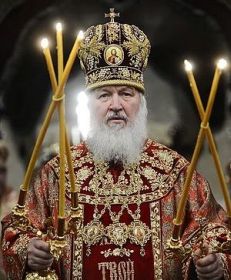 Οι Νόμοι για τους «γάμους» των ομοφυλοφίλων αποτελούν απειλή για τον ανθρώπινο πολιτισμό, δήλωσε ο Πατριάρχης Μόσχας και πασών των Ρωσιών Κύριλλος, σύμφωνα με το πρακτορείο ειδήσεων Interfax, μετά τη Θεία Λειτουργία, την Κυριακή στον Καθεδρικό Ναό Κοιμήσεως της Θεοτόκου στο Κρεμλίνο, την ημέρα της γιορτής των Νεομαρτύρων και Ομολογητών της Ρωσικής Εκκλησίας.