Friday, May 17, 2013

Οι δοκιμασίες βοηθούν να συνέλθουν οι άνθρωποι


           - Γέροντα, μαθαίνω για την ταλαιπωρία των δικών μου. Θα τελειώσουν ποτέ τα βάσανά τους;
                - Κάνε υπομονή, αδελφή μου, και μη χάνεις την ελπίδα σου στον Θεό. Όπως κατάλαβα από όλες τις δοκιμασίες που περνούν οι δικοί σου, ο Θεός σας αγαπάει και επιτρέπει όλες αυτές τις δοκιμασίες για ένα λαμπικάρισμα πνευματικό ολόκληρης της οικογένειας. Εάν εξετάσουμε κοσμικά τις δοκιμασίες της οικογένειάς σου, φαίνεστε δυστυχισμένοι. Εάν  όμως τις εξετάσουμε πνευματικά, είστε ευτυχισμένοι, και στην άλλη ζωή θα σας ζηλεύουν όσοι θεωρούνται σε τούτη την ζωή ευτυχισμένοι. Με αυτόν τον τρόπο ασκούνται και οι γονείς σου, μια που τον αρχοντικό τρόπο, τον πνευματικό, δεν τον γνωρίζουν ή δεν τον καταλαβαίνουν. Πάντως, κρύβεται ένα μυστήριο στις δοκιμασίες του σπιτιού σου, αλλά και σε oρισμένα άλλα σπίτια, ενώ γίνεται τόση προσευχή! «Τις οίδε τα κρίματα του Θεού;». Ο Θεός να βάλη το χέρι Του και να δώση τέρμα στις δοκιμασίες.
                - Γέροντα, δεν γίνεται οι άνθρωποι να συνέλθουν με άλλον τρόπο και όχι με κάποια δοκιμασία;
                - Πριν επιτρέψη ο Θεός να έρθη μια δοκιμασία, εργάστηκε με καλό τρόπο, αλλά δεν τον καταλάβαιναν, γι’ αυτό μετά επέτρεψε την δοκιμασία. Βλέπετε, και όταν ένα παιδί είναι ανάποδο, στην αρχή ο πατέρας του το παίρνει με το καλό, του κάνει τα χατίρια, αλλά, όταν εκείνο δεν αλλάζη, τότε του φέρεται αυστηρά, για να διορθωθή. Έτσι και ο Θεός μερικές φορές, όταν κάποιος δεν καταλαβαίνη με το καλό, του δίνει μια δοκιμασία, για να συνέλθη. Αν δεν υπήρχε λίγος πόνος, αρρώστιες κ.λπ., θα γίνονταν θηρία οι άνθρωποι· δεν θα πλησίαζαν καθόλου στον Θεό.
                Η ζωή αυτή είναι ψεύτικη και σύντομη· λίγα είναι τα χρόνια της. Και ευτυχώς που είναι λίγα, γιατί γρήγορα θα περάσουν οι πίκρες, οι οποίες θα θεραπεύσουν τις ψυχές μας σαν τα πικροφάρμακα. Βλέπεις, οι γιατροί, ενώ οι καημένοι οι άρρωστοι πονούν, τους δίνουν πικρό φάρμακο, γιατί με το πικρό θα γίνουν καλά, όχι με το γλυκό. Θέλω να πω ότι και η υγεία από το πικρό βγαίνει, και η σωτηρία της ψυχής από το πικρό βγαίνει.


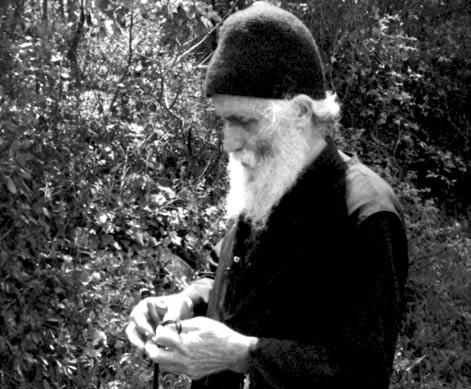
Γεροντας Παϊσιος

Άρρωστα παιδάκια ( Γεροντας Παϊσιος )


              - Γέροντα, αυτό το άρρωστο παιδάκι, που έφεραν σήμερα οι γονείς του, πολύ ταλαιπωρείται.

                - Ε, σιγά-σιγά θα ξεπεράση την αρρώστια του, αλλά θα του μείνη μια ευαισθησία, για να θυμάται την αρρώστια του, και αυτή η ευαισθησία θα το βοηθάη πνευματικά.

                - Και τα παιδάκια, Γέροντα, που έχουν λευχαιμία πολύ υποφέρουν.

                -Αυτά πολύ τα βοηθάει η Θεία Κοινωνία. Πολλά παιδάκια ξεπέρασαν την αρρώστια τους με την Θεία Κοινωνία. Όταν διαβάζουμε τον 145ο Ψαλμό, με τον οποίο παρακαλούμε τον Θεό να σταματήσουν οι αιμορραγίες, να προσευχώμασε να βοηθήση ο Θεός τα παιδάκια που έχουν λευχαιμία, αλλά και να υπάρχη αίμα  στα νοσοκομεία για τα παιδιά που έχουν μεσογειακή αναιμία. Τα παιδιά αυτά περνούν μαρτύριο μεγαλύτερο και από το μαρτύριο των παιδιών που έσφαξε ο Ηρώδης. Τα παιδάκια έχουν καθαρό μισθό από την ταλαιπωρία της αρρώστιας, γιατί δεν έχουν αμαρτίες. Πόσα μικρούτσικα παιδιά θα δούμε στην άλλη ζωή να είναι με το μαρτυρικό, το αγγελικό, τάγμα εκείνων των νηπίων! Μωρά δύο μηνών, να τα εγχειρήζουν, να τους βάζουν ενέσεις, ορούς! Που να βρουν φλέβα στα καημένα! Τα τρυπούν από ‘δώ – από ‘κεί... Να βλέπης παιδάκι να έχη όγκο στο κεφάλι και να του κάνουν ακτίνες, να βάζουν κάτι καλώδια σε ένα τόσο δα κεφαλάκι. Εδώ ένας μεγάλος δεν μπορεί να αντέξη, που να αντέξουν τα παιδάκια!

                - Αυτά τα παιδάκια, Γέροντα, τελικά θεραπεύονται ή πεθαίνουν;

                - Ε, πολλά φυσικά πεθαίνουν, αλλά και οι γονείς πως να τα αφήσουν.

                - Γέροντα, αξίζει τον κόπο οι παιδίατροι να προσπαθούν να διατηρήσουν στην ζωή τα πρόωρα βρέφη;

                - Οι γιατροί πρέπει να κάνουν ό,τι μπορούν και παράλληλα να προσεύχωνται γι’ αυτά. «Θεέ μου, να λένε, αν είναι αυτό το παιδί να ζήση και να υποφέρη σε όλη του την ζωή, τότε, Σε παρακαλώ, να το πάρης». Να φροντίζουν όμως να βαπτίζωνται τα βρέφη, και τότε θα τους προϋπαντήσουν στον Παράδεισο με αναμμένη λαμπάδα.

                Και όταν είναι μεγαλύτερα τα παιδιά, πρέπει οι γιατροί πολύ να προσέξουν πως θα πουν την διάγνωση. Οκτώ χρονών παιδάκι του είπε ο γιατρός: «Θα τυφλωθής». Έρχεται και μου λέει και ο πατέρας μπροστά στο παιδί: «Το πήγαμε στο εξωτερικό για εξετάσεις και μας είπαν ότι θα τυφλωθή». Και καλά να είναι το παιδί, η στενοχώρια μπορεί να το χτυπήση όπου έχει ευαισθησία, πόσο μάλλον αν είναι άρρωστο!


Γεροντας Παϊσιος

ΑΠΟΛΥΤΙΚΙΟ ΤΟΥ ΑΓΙΟΥ ΝΕΚΤΑΡΙΟΥ

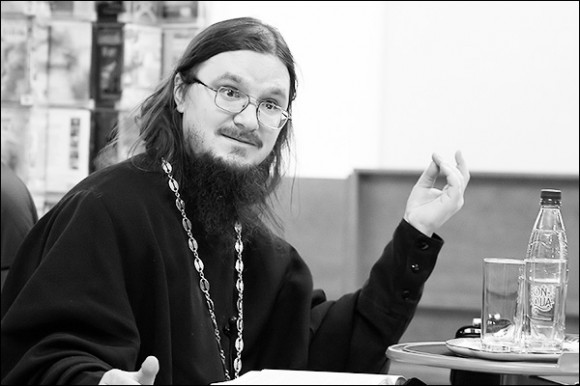
Fr. Daniel Sysoev: “To Make the Whole World Love Christ”


2009, on November 19, in the church of the Holy Apostle Thomas, north of Moscow, Priest Daniel Sysoev was killed. Below are Seraphim Maamdi’s memories of Father Daniel.


My acquaintance with Fr. Daniel was God’s mercy toward me.
When I watched his disputes with the Muslims and heard his sermons, there arose in me a great desire to get to know him. At that time I was unaware that he had a missionary school. Then I became acquainted with a student-missionary of his, who also spoke with Father about me. Fr. Daniel gladly agreed to make my acquaintance.
When I met him I was impressed by his burning faith and the brave spirit which he was able to share with those around him. I was also amazed by his knowledge of the fundamentals of the faith and his wondrous exgetical gift, by his knowledge of the Holy Scriptures and the interpretations of the Holy Fathers — all of this made an impression on me and inspired me to go by the same path.

Of course, I was also impressed by his love for the Lord, his zeal for His service. He very much loved to preach about Christ; and I can say for myself that the greatest commandment that I received from my preceptor is this: “The purpose of a missionary is to make the whole world love Christ.”
I remember that Father said to me, “Seraphim! There is a large Kurdish population in Saratov. Vladyka blessed us to go there. So — will you go?” I hedge a little and aid that I still wasn’t ready, that I was a bit intimidated. Of course, I was still not very knowledgeable about of luminous faith. At that time I truly wasn’t ready yet, but after his martyric end, my brother and I, with the blessing of Bishop Longin, made the first missionary journey to Saratov.
He called me to bravery and said many things that I will remember for my entire life, especially this: “If a man sets out on the path of missionary, there is no way back. The Lord will demand of such people the talent that they received and buried.” And this: “Prayer is the most important thing in the missionary life: unceasing prayer is first, last and central. It is an essential part of the life of the missionary. The study of the Holy Scriptures is one of three chief activities of the missionary. And, as you understand, all of this is in the liturgy. Therefore, the more you go to services, the more success awaits you in your mission.” And also: “We preach the Gospel for the sake of God, before Him, and for the salvation of people.”

I told him that our people are simply fed up with religious lies, that they are going to the torments of hell without murmuring. He strove by all means to help us in missionary work among the Kurds. First of all he gave us books of the New Testament in the Kurdish language. (By the way, I learned to read in Kurdish from that very book which Fr.Daniel gave me.) He told us to assemble the Kurds in order to read passages to them. He also applied his abilities to the task of translation. Such concern amazed and inspired me.
I remember once we were discussing the possibility of a missionary journey to the Iraqi Kurds (who are in a center of Yazidism), so that there also the preaching of Christ might conquer the local Kurdish population. I said that I knew our laguage only poorly, and that moreover there is a different dialect there (Sorani), and that I was sure to receive a martyr’s crown there, since the radicalism of the Iraqis is known to the whole world.
Fr. Daniel told me to fear nothing, that the Muslims had threatened him personally fourteen times, saying that they would behead him — but should we hold back out of fear? The important thing, he said, is to firmly and bravely bear the Word of God, and to be witnesses of Christ, lest we forget that this is a great honor. (I believe that, by Fr. Daniel’s prayers, the time will come when the Word of God will be preached there.)
He often said spoke of martrydom, as if he knew that the Lord would glorify him in precisely this way. And behold, the Lord made him worthy of a martyr’s crown. The ancient Christians rejoiced in this situation, but we were saddened.
I remember that when I learned of his death I was very grieved and thought, “If only he could have had a few more years.” But later I acknowledged that the will of God is in all things. I humbled myself and glorified God, for now we have an intercessor in heaven, the hieromartyr Daniel, who prays for us and helps us in our missionary endeavors. I would even say that he is continuing his missionary work.
Not long before his death there was a striking event. One one of the Muslim forums, I found a photo of Fr. Daniel. The Muslisms, with the help of photoshop, had given him the clothing of a medieval crusader, and a sword, all against the background of a certain church. This made me laugh quite a bit, and I decided to show Fr. Daniel. We were very amused and Fr Daniel asked me to put it in a frame, so that I could remember him by it.

After his martyric end, when I was burdened with deep sorrow, remembering him, I looked at the photo from my personal archive. When I saw the photo, I was simply stunned. I became apparent that the church in front of which he was standing in the photograph was the same Church of the Apostles Peter and Paul in Yasenevo, where his funeral was held!
After his death, many people became interested in his labors, and gradually they came to Christ. I personally know many people who came to the Church through his books.
I remember when his honorable body was in the Church, a great number of people came to bid farewell to him, and many of them had a feeling as if a great holy thing had been brought. Peope with their children piously venerated the honorable relics of the saint. It was amazing, but that was how God disposed the people. Before long, Orthodox people from Serbia, Greece, the USA and other countries began to venerate Fr. Daniel as a hieromartyr. As the Lord says: “I will glorify them that glorify me.” (I Kings 2:30)


Everyone wondered at his love and fatherly concern. I remember our first missionary journey to Moscow. Father served a moleben, gave counsels and admonitions. We opened a map of Moscow and divided it up by regions. We got a very good education, so that we would be able to preach the Gospel and be ready to give answer about our hope with meekness and piety. (I Pet. 3:15)

Our last meeting was deeply moving. On the day before his martyric end, the lecture was led by Yuri Maksimov, who later became Deacon George. After the lecture we discussed many things, particularly the questions of Ouranopolitism and Nationalism. Father said that our citizenship is in heaven (Phil. 3:20), and that a Christian must not be attached to anything earthly. We are on the earth as if in a guest house, but our home is there, where Christ is at the right hand of the Father. His last lecture was about God the Father. He gave this lecture on the day before his death.
Just a few months before his death I asked Fr. Daniel’s blessing to establish two networking groups. One was about himself (in order to publish his lectures and articles), while the other was for doing missionary work among muslims. Amazingly, after his death the groups were filled with people, and many acknowledged that they started coming to the Church by reading hearing his lectures and reading his books.
I received three blessings from Fr. Daniel: for missionary work, for frequent Communion (every Sunday), and just a few days before his death I asked his blessing to write a book.

Yazidism has a very distorted view of Christianity, and Father counseled me to deal with this problem. I believe that he is praying for me and helping me to write apologetic works. I feel his help. It happens that a question arises, and you listen to his lectures and immediately find the answers to your questions.
I am truly thankful to the Lord that he vouchsafed me to study with the Hieromartyr Daniel. I finished his one-year missionary course.
If I were now to forsake missionary activity, this would be very base and unjust toward him, since he gave his life for Christ, giving us an example of how serious he was, that he loved not his own life, even unto death (Rev. 12:11). As one of the great missionaries said, missionary work is a truly holy work, equal to that of the apostles. Blessed is the one whom the Lord choses and places in such service (St. Innocent of Moscow).
When he preached to non-Christians and the heterodox, he manifest an exalted love for them. What could be more important than the salvation of a human soul? Because of this love he was made worthy of a martyr’s crown. It is wondrous, but it happened just as the Lord said: “There will come a time when everyone who kills you will think that he is serving God.” (John 16:2)

As His Holiness Patriarch Tikhon of Moscow and All Russia said in his condolences on the death of Fr Daniel, “The Lord has called His faithful servant to himself, having given him the ability to become a confessor of the faith and a martyr of the Gospel.”
And Paul admonishes us: “Remember your preceptors, who preached the word of God to you and, looking to their end, imitate their faith.” (Hebrews 13:7)
He opened to the Holy Scriptures to me in the light of the Holy Fathers, made me wise in the faith of Christ, and also taught me to bear the Word of God. Now he is praying for us at the throne of God, so that we might painstakingly bear the Gospel of the Kingdom of God. Now is the acceptable time. We must gather all the children of God into unity of faith, for many have forgotten the chief commandment of the Gospel, to preach the Gospel to all creatures. (Mk. 16:15) In the person of the Apostles, the Lord commanded all Christians: “Go forth and teach all nations.” (Matt. 28:19) We must convince all people to come to the Truth, and we must bring them to Him. This is the will of God.
As St. John Chrysostom said: “It is a great virtue to boldly and openly preach Christ and to prefer this to everything else. It is so great and wondrous that the Only-Begotten Son of God confesses such a man before His Father, although this reward is not proportionate. You preach on the earth, and He preaches in the heavens; You before men, and He before His father and all the angels.”

Real Life Heroes [ Good people ]

Περί χαράς


"Από το αν η χαρά μας είναι μικρή ή μεγάλη,

πλήρης ή ατελής,

μπορούμε να καταλάβουμε

τι σχέση έχουμε με τον Θεό.

Όση η χαρά μας,

τόση είναι και η σχέση μας με τον Θεό.

Η χαρά αρμόζει σε μας

και γι’ αυτήν μπορούμε να ζούμε.
Αυτή κάνει τόσο εύκολη τη ζωή μας."


Γέροντας Αιμιλιανός Σιμωνοπετρίτης

H ΓΕΝΟΚΤΟΝΙΑ ΤΩΝ ΠΟΝΤΙΩΝ (Full Documentary)

Η υπομονή στους πόνους


Όταν μας βρίσκη μια αρρώστια, καλά είναι να αφηνώμαστε στον Χριστό εν λευκώ. Να σκεφτώμαστε ότι η ψυχή μας έχει μεγαλύτερη ανάγκη από υπομονή και δοξολογία στους πόνους παρά από ατσαλένιο σώμα με το οποίο μπορούμε να κάνουμε μεγάλους σωματικούς αγώνες, οι οποίοι όμως ίσως μας κάνουν να καυχηθούμε, χωρίς να το καταλάβουμε, γιατί θα νομίσουμε ότι με το σπαθί μας θα κερδίσουμε τον Παράδεισο.

Ξέρετε πόσα χρόνια έχω άλλοτε υποφερτό πόνο και άλλοτε ανυπόφορο; Ο υποφερτός είναι μια μόνιμη κατάσταση. Πόσα τράβηξα πρώτα από την βρογχεκτασία και έπειτα με την εγχείρηση που έκανα! Έπειτα άρχισαν ιστορίες με τα έντερα. Ύστερα, μισή χρονιά την πέρασα με την δισκοπάθεια· πονούσα πολύ. Δεν μπορούσα να κάνω ούτε τις μετάνοιες που έκανα, αλλά δυσκολευόμουν και να εξυπηρετηθώ, ενώ χρειαζόταν να υπηρετήσω και τον κόσμο που ερχόταν. Στην συνέχεια μου παρουσιάστηκε κάτι σκληρό στην κοιλιά· μου είπαν ότι ήταν κήλη. Όταν κουραζόμουν, πονούσε και πρηζόταν πολύ. Μια μέρα, παραμονή του Αγίου Παντελεήμονος, ήταν πρησμένο και πονούσα. Έπρεπε όμως να πάω στην Σκήτη, στην ολονυκτία. Είπα: «θα πάω και ό,τι θέλει ας γίνη», γιατί έπρεπε να πάω. Στην διάρκεια της αγρυπνίας σκέφθηκα να καθήσω λίγο, αλλά είπα «αν κατεβάσω εγώ το στασίδι, για να καθήσω, θα το κατεβάσουν όλοι», οπότε προτίμησα να μην καθήσω καθόλου. Μετά από δώδεκα ώρες που κράτησε η αγρυπνία υπέθεσα ότι θα χειροτερέψη πολύ. Όταν επέστρεψα στο Κελλί μου, δεν πρόλαβα καλά-καλά να μπω μέσα, χτύπησε το καμπανάκι. «Ε, Πάτερ, άνοιξε!», ακούω κάποιον να φωνάζη. Έβαλα τα γέλια. «Εντάξει, είπα, τώρα θα πάμε συνέχεια». Και πράγματι σε λίγο ήρθαν και άλλοι και άλλοι. Το βράδυ που τελείωσα με τον κόσμο, είδα ότι είχε εξαφανισθή τελείως! Την άλλη ημέρα, ενώ είχα ξεκουραστή, πάλι παρουσιάστηκε! Έπειτα με εμπόδιζε και με πονούσε, αλλά και το καμάρωνα κιόλας. Αφού ο Χριστός το ήξερε, ήξερε και ότι με βοηθάει, γι’ αυτό το άφηνε. Πέντε χρόνια κράτησε αυτό. Ξέρεις τι δυσκολία;

- Και τότε, Γέροντα, που είχατε πρόβλημα με τα πόδια σας;

- Εκείνο ήταν άλλο. Δεν μπορούσα να σταθώ όρθιος. Όταν ερχόταν κόσμος, ζοριζόμουν. Πέρασε εκείνο, μετά άρχισε η αιμορραγία. «Ελκώδη κολίτιδα», μου είπαν. Άλλη ιστορία... Πάνε επτά χρόνια με αιμορραγίες, με πόνους... Αλλά μη στεναχωριέσθε· μόνο να εύχεσθε για την υγεία της ψυχής μου. Εγώ χαίρομαι που με τίμησε ο Θεός και μου έδωσε αυτό το δώρο και δεν θέλω να μου το στερήση. Δόξα τω Θεώ· ο Θεός το επιτρέπει, για να βοηθηθώ κατ’ αυτόν τον τρόπο. Έτσι δίνουμε εξετάσεις στην υπομονή. Τώρα αυτό, ύστερα το άλλο... «Υπομονής χρείαν έχομεν». Γιατί, αν εμείς που έχουμε λίγο φόβο Θεού, δεν κάνουμε υπομονή, τι θα κάνουν οι κοσμικοί; Αν και βλέπω ότι πολλοί λαϊκοί μας ξεπερνούν στην αρετή. Μου έλεγαν οι γονείς μου ότι οι Φαρασιώτες, όταν αρρώσταιναν, δεν έτρεχαν αμέσως στον Χατζεφεντή να τους θεραπεύση. Υπέμεναν πρώτα τους πόνους, όσο μπορούσαν, ανάλογα με το φιλότιμο και την υπομονή τους, διότι θεωρούσαν ευλογία να υποφέρουν. «Ας βασανίσω κι εγώ, έλεγαν, λίγο την ψυχή μου για τον Χριστό, αφού ο Χριστός βασανίστηκε πολύ, για να με σώση». Και, όταν πια έβλεπαν ότι πήγαιναν πίσω οι δουλειές τους και ταλαιπωρούνταν η οικογένειά τους, τότε πήγαιναν στον Χατζεφεντή να τους θεραπεύση. Βλέπεις τι φιλότιμο είχαν! Όταν εκείνοι, που ήταν λαϊκοί, σκέφτονταν έτσι και έκαναν υπομονή, εγώ σαν καλόγερος πως πρέπει να σκέφτωμαι; Ο Χριστός είπε: «Εν τη υπομονή υμών κτήσασθε τας ψυχάς υμών». Βλέπετε, ο Θεός δεν ευχαριστήθηκε τόσο από τις ελεημοσύνες του Ιώβ, όταν είχε όλα τα αγαθά, όσο από την υπομονή του τον καιρό της δοκιμασίας.

- Γέροντα, όταν λέτε ότι ένας άνθρωπος κάνει υπομονή στους πόνους, εννοείτε ότι δεν δείχνει καθόλου ότι πονάει;

- Στην εσχάτη ανάγκη μπορεί να αφήση να γίνη στους άλλους λίγο αντιληπτό. Μπορεί να πη ότι πονάει, αλλά όχι σε τι βαθμό. Γιατί, αν δεν το κάνη καθόλου γνωστό στους άλλους, οι άλλοι μπορεί να σκανδαλίζωνται από κάποια συμπεριφορά του. Αν λ.χ. ένας μοναχός υποφέρη από κάτι και δεν μπορή να πάη στην Ακολουθία, ίσως να βλαφτή κάποιος που δεν έχει καλούς λογισμούς.


  Γεροντας Παϊσιος

Homily on Almsgiving


Again, we are given time by our Lord and God and Savior Jesus Christ for the seeds of almsgiving to fall upon our hearing. Again, Christ has given us the sower to imitate, who sowed his seed on good earth, and from it reaped a hundred-fold. For behold the message which is proclaimed from his hands. Behold the theater of almsgiving that has been gathered. For within have been called the lovers of God, and the lovers of honor and the lovers of the poor. Those who fervently desire crowns are called. For God is standing by, He Who grants confirmation, receiving the little money given by the lovers of the poor, and granting them the Kingdom of Heaven. I entreat you, let none of us forfeit this grace. Let none of us neglect this great and world-transcending gift for a little money: no poor man, nor rich man, nor servant, nor free man, nor wise man, nor worker, nor man, nor woman. But I entreat all of you, with diligence let us purchase the Kingdom of Heaven.

And let none of the poor say: “I am poor”, for he is first bound in constraint, and he thinks that he appears to have a perfect defense to God. For what would the poor man say: “I have no money, I cannot buy daily food, I am worried all day that I might find a way to survive. I beautify, I have children, I struggle, and the strength of my body wilts. And you sit in judgment of my struggles, while you reward others?” You speak of your struggles alone, and you think that the strength of your body is your possession. And do you not believe that, regardless of how small it may be, with the strength and power of your work, you can perform almsgiving? It is better to give a little with your body, that your soul might be granted a great treasure. For if I have ten coins and I give nine to the body and one to the soul, because of this, are all things of life put aside? If you make fifty coins, and give God five for the weak, and keep forty-five for yourself, the soul is strengthened, as is the body by continuous prayer, and you receive grace for further work, and to receive further reward, and you become richer than the rich by almsgiving. But you will always tell me: “And what do you say I will receive from this? For I will not be named 'poor', but 'a debtor to God'. And what do you say has happened to me?” Believe the Scripture which tells you: “He who has mercy on the poor lends to God” (Proverbs 19:17). And have you heard from Him: “Whatever you do to the least of these, you do it to me” (Matthew 25:40)?

You do not have to sit a long while in the market place till you see a rich man approaching, and you praise him saying: “Blessed is this rich man, for he has no needs of his own, but lends to others.” And though he lends to men, you lend to God. He from his struggles receives with effort and conflict in sin. You from God receive without toil, without care, and with joy a hundred-fold. He receives in this rocky life, you in the endless and eternal life which you inherit. If you do not believe me, believe God who informs us with an oath, and says: “Amen I tell you, you will receive a hundred-fold, and inherit eternal life.” (Matthew 19:29) He does not think that he will become less by giving to the poor, nor that he would become poor by giving to the poor. If the poor man has mercy on the poor man, he does not become poor, but is praised, and is more so insured against poverty. Do you hear the Prophet who says: “I was young and now I am old, yet I have never seen the righteous forsaken, or their children begging bread”, and again: “The righteous man has mercy and lends all the day, and his seed is blessed” (Psalms 37:25-26)? Why is it blessed? Because he who sows with a blessing, reaps with a blessing. As you take care towards your bodily needs, take care of those of your soul. For nothing else is needed by the soul, other than to cover the widow and orphan and poor man. Do not leave your soul to be seen naked by God on that fearsome and terrible day, but become arrayed in light through almsgiving, and appear with all glory before God. For God says through the Prophet: “Share your bread with the poor, and bring poor wanderers into your home, and then your light will break forth like the dawn, and your healing will quickly appear; then your righteousness will go before you” (Isaiah 58:7-8). Do you see how great a share you are granted for a bit of bread or for a coin that you part with? Do you know how much light is the fruit of almsgiving? Do you wish to learn how great a treasure is granted to us for giving but a small amount to the poor?
 

St. John Chrysostom


New Hieromartyr Sabbas, Who Was Skinned Alive By the Ustashi (+ 1941)


During the Second World War the Gornokarlovatsky Diocese found itself on the territory of the puppet Independent Croatian State and suffered in ways that had never been seen before. It seems as if most of the devilish evil of the Croat fascists fell to its lot. Obviously, the tragedy was that the Diocese was located in the very heart of the newly-formed State, very close to the Croat capital of Zagreb. During the genocide which took place between 1941 and 1945, 65 Orthodox priests were murdered by the Ustashi, 116 churches were completely destroyed, 39 others seriously damaged and over 160 parish and monastic libraries were completely or partially destroyed.


Vladyka Sabbas was born on 6 July 1884 in Mol to the family of Stephen and Elizabeth Trlaich and was baptized Svetozar. After studying at grammar school and then seminary in Sremski Karlovtsy, he graduated from the faculty of law at the University of Belgrade. He was ordained deacon and then priest in 1909. From 1909 to 1927 Fr Svetozar served as a parish priest. In early 1927 he was appointed to an administrative post at the Holy Synod and then became its secretary. Widowed, in 1929 he took his monastic vows with the name of Sabbas and became rector and archimandrite of the Monastery of Krushedol. He served there until 1934, when he was appointed Vicar-Bishop of Sremski. He was consecrated bishop in Sremski Karlovtsy on 30 September 1930 by Patriarch Barnabas of Serbia. As Patriarchal Vicar, Vladyka Sabbas chaired the diocesan council of the Archdiocese of Belgrade-Karlovtsy until November 1936 and from then until early 1937 he chaired the ecclesiastical court. Then, on 4 September 1938, he was appointed Bishop of Gornji Karlovac, with his residence in Plashkom.


The German invasion of Yugoslavia and the ensuing proclamation of an Independent Croatian State saw Plashkom occupied by the Italians, but at the end 1941, it was handed over to the Croat Ustashi. On this, Bishop Sabbas and nine priests were taken hostage. On 23 May 1941 the Ustashi occupied the bishop's residence and expelled the bishop. On 8 June the notorious executioner Josip Tomlenovich appeared at the residence and ordered any diocesan money and papers of importance to be handed over to the Ustashi. Bishop Sabbas was ordered to leave the town and head for Serbia. However, he refused to do this and stated that he could not abandon his diocese and his people.


On 17 June 1941 Vladyka was arrested together with other well-known Serbs and priests who did not wish to leave the place of their ministry. The Ustashi locked their prisoners into a cowshed and set an armed guard. For one month all those arrested and especially Bishop Sabbas were subjected to humiliation and torture on a daily basis. They were then sent to the notorious concentration camp at Gospich. The prisoners were taken from the railway station at Gospich to the local prison and again subjected to humiliation and torture.


In the first half of August 1941 about 2,000 Serbs were taken from Gospich to Velebita, Bishop Sabbas among them. It is supposed that he was murdered there, at the same time as about 8,000 other Serbs, in August 1941. The Holy Synod of the Serbian Church constantly, but unsuccessfully, called for the forces of occupation to explain what had happened to Bishop Sabbas and other Serbian bishops on the territory of the Independent Croatian State and tried to obtain their release.


Unfortunately, we have no exact information about the circumstances of the martyrdom of Bishop Sabbas. However, the Serbian historian, Velibor Dzhomich in his book, Ustashi Crimes Against Serbian Priests, quotes a testimony which may throw some light on the question. According to this, a Fr Iovan Silashki wrote the following in an issue of The Banat Herald newspaper:


Hieromartyr Sabbas (Trlaich), Bishop of Gornji Karlovac


In 1941 the Gornokarlovatsky Diocese was under the control of the dreadful Ustashi regime. The bishop and the priests were told that they were undesirables and that they must abandon their flocks. The Roman Catholic Archbishop of Zagreb, Aloysius Stepinac, openly told Vladyka that he must leave "Croatian" Karlovac, otherwise he would be liquidated. Vladyka answered him: "Even if it costs me my head, I will not abandon my people!"


Soon it became clear that the Catholic Archbishop was not joking. Vladyka Sabbas was arrested and horribly tortured. During the tortures and beatings in Plashkom, the Ustashi used a gramophone to play the hymn, "As many as have been baptized in Christ, have put on Christ."


When they took Vladyka to his place of execution, his mother stood in front of the church and waited for him. She wanted to see her son for one last time and make her farewells. However, the executioners did not allow her to do this. Vladyka nevertheless blessed his mother, his legs tied, and went to his death.


A few years after this a stranger walked into the church in Bashaida, where Vladyka had served. He spoke to the postmaster Sabbas Saravolets.


"Did you know Vladyka Sabbas Trlaich," asked the stranger, "I heard that he was priest here."


"Of course, Vladyka was my teacher. I'm grateful to him for everything I have managed to do in life. How do you know Vladyka?"


"I was an eyewitness of his sufferings," answered the stranger. "The Ustashi butchers took Vladyka to a clearing and continued to torture him there. They tore his skin off him and then covered him with salt. Then they buried him alive, with just his head protruding, brought an iron harrow and pulled it across his head until he gave up his soul to God. What happened after that, I don't know. Maybe the Ustashi threw him into one of the many precipices there, which they used as graves for the Serbs. So even in death he wasn't separated from his people."


In 2000 Hieromartyr Sabbas was glorified by the Council of Bishops of the Serbian Orthodox Church as a hieromartyr. A true son of his people, he showed himself to be a true pastor, laying down his life for his flock, and his ministry was crowned by martyrdom. His memory is celebrated on April 22.

Experience of God


“Elder, tell me about God, speak to me, how is he?”

The elder did not speak and I continued to drive, on curves furthermore on the mountain.

My God! I began suddenly feeling God everywhere. In the car, outside on the mountains, far in the distant galaxies. He was everywhere, he filled everything, but he was nothing of all of these things. An essence which pierced through all the other ones, without getting mixed up or being confused with these. A power present everywhere, which nevertheless no one perceives, outside of every viewpoint. Someone cannot discover it with this own haughty effort. A power which only is self revealed. All these mountains, stars, trees, people, existed and were maintained alive thanks to His power. He could in one moment annihilate them, for them to cease existing without noise or thunder or resistance. Just as we turn the switch and in one moment the light disappears.

He’s so almighty and nevertheless so courteous. He does not pressure anyone with his almightyness or his presence. He is so near us and so unseeable simultaneously, so that we do not feel any burden, some obligation from his presence alone. So that he does not burden us at all, to not create any obligation to us, to leave us completely free, to do whatever we want. Not for us to be forced by his beauty to some degree. He could easily impose his love not with fears and power and strength, but simply with the sweetness of His presence, which no one could resist. Yet, He does not do it, out of an infinite, incomprehensible respect for man’s freedom.
He doesnt do it, out of love for man. He loves us so much, he desires us so much strongly that his innards are burned, out of desire and love for us. For this reason he limits himself, he disappears from our perception and tries in a thousand ways, with infinite wisdom with dreadful attention and interest, as a âœraging” lover to draw us to his love. To wake us up, to motivate our interest, to make us understand and love Him.

He sits and occupies himself with each one of us personally, and simultaneously with the whole universe, the infinitely powerful one. And because he has interest for this infinite universe the love and interest he has for each one of us personally is not lessened not even to the slightest degree, does not subside even in thought.

God wants our love. He does not demand it. Love is an emotion which is born and lives only in the air of freedom, outside of it, it ceases existing, it is perverted, altered, it dies. For this reason, God leaves us completely free to gain our love, which can be born only in this freedom.

What do we have and God loves us? Some beauty, some smartness, some power, some virtue? Nothing! We are nonexistent before Him and His gifts. And not only do we not have something worth it for one to love us, but we also have very many things which stink and push away and strongly urge someone to be averted from us and to hate us. We are fainthearted to His generosity. Of very slight intelligence before a vast intellect. Wicked before His smartness. Grabbers, at the moment when He wholeheartedly offers. That which He grants us richly, overflowing, we want to grab. We respond to His kindness with grabbing and mockery. Ungrateful to His benefactions. Haughty in behavior before His almightyness. Sly and insufficient before His Wisdom. He wants to grant us His Grace, He wants to give us beauty, life, Wisdom, power. We do not want to take them as gifts. Our egotism destroys them, our pride makes them filthy. We cannot keep any of His gifts due to our evil disposition. And if something of these remains in our soul, we immediately get puffed up from pride, as if we obtained them with our value, as if it is not a gift, without toil. We lift up our eyebrow and look down at our neighbor. The gift is lifted up and leaves from our soul. God opposes the prideful, while to the humble He gives grace” “Every good gift and every perfect gift is from above coming down from the Father of Lights” (James 1:17).

What can I say? Where should I stop? A big bunch of horribleness we are. Our fallen human nature, which voluntarily remains fallen and sunk in the filth of the passions, only regurgitation and asphyxiation it calls forth from its filth.

As the prophet Isaiah also used to say. It does not refer to a wound which is rotting, of a deep wound which man.. has wholly from head to fingernails he is one wound. Where can you put gauze? Where medicine?…God Himself, Christ was needed to recreate from the beginning, with His birth, our nature which voluntarily and with rage we destroyed on our own. He out of kindness and love to reform it from the beginning.

This is human nature today. It was not thus always. We were not created thus, we ended up thus. Our choices formulated us thus. We constantly choose evil and thus destroy ourselves. And whereas we were created beautiful, bright, almighty, wise and honored, dominating the material world, immortal, we ended up today mortal, dark, subject to the needs of material life, to pain, to illness, to affliction, to corruption, to death. We do not have knowledge, we do not have wisdom, as blind people we go about in the world, we rip and fall and are wounded and don’t know where we tripped, because we fell, who puts us obstacles to trip on and he tries to throw us into wild valleys and to kill us, to laugh mockingly, and to celebrate in his wickedness, the man hater, the inventor of wickedness, the father of falsehood, the ancient dragon, our very ancient enemy, the devil.

And God loves us. He still loves us. With a love which burns, with a love which trembles with longing, with a love which overlooks the pain which we cause it, with a love which accepts to enter into our toil, which accepts to suffer from the craziness of our evil. O my God! How much pain do we cause you!

God loved us so much, that He accepted to become a man. He moderated His majesty in our humility. He accepted to ascend on the Cross. He accepted to leave the devil with his sly plots to put Him up on the Cross and there, to crush the head for the snake. Now henceforth we can defeat the devil whenever we want. And all these for our sake. For me and for you.

I continued feeling God and to understand Him with my heart. A deep calmness flooded me. Every fear was annihilated. Since the almighty God exists, since He knows everything, since He is so good, since He is so wise, since He loves me so much, what should I fear?

I am in His embrace! I am in His palm. Who can do anything to me?…I was certain of the beginning, the course and the end of the world. I rejoiced, because in the end, as always He will be the victor and kindness and holiness will triumph.

God is Spirit! The world is matter. The spirit surpasses matter, supports it in existence, brings it into existence, maintains it in existence, however it is a completely other thing from matter. Matter is destined to disappear. The spirit always exists. Time is a result, a quality of matter. In the matter the spirit exists time does not exist. Eternity is the manner of existence of the Spirit. Past and future coincide in a vast present. It is simultaneously everywhere from the infinite universe and in my car.

He is very simple in nature, however so mysterious. How deeply my soul was satisfied! How much I rejoiced! How much I was comforted! How much do I want to relive it again! I rejoice in the thought that when I die I will begin, I hope, to live near Him. So much that…I long to die. I would like to die today, if I knew that I would meet Him. I fear my sin, my evil, that it might separate me from Him.

I remember that I read in Saint John Damascene “We believe in one God, immaterial, unlimited, infinite, without beginning, eternal, almighty, immortal, timeless, noetic light…” (Saint John Damascene, “Precise Exposition of the Orthodox Faith”).

I don’t think that this state lasted a lot. If I judge from the road the car did, 3-4 kilometers probably, but due to the many curves I was going slowly.

I certainly was not, as I am now that I am writing. I had suffered a change… distinct. Man is altered from many things. From drink, from narcotics, from pleasure, from the climate, from water, from pain, affliction, fear, however… this alteration… does not have a match. It is unique.

I lived in a form of… ecstasy, a type of intoxication, without however having lost my senses and my contact with the material world. A “vigilant intoxication” as the ancient ascetics and Saints characterize it in their writings.

As if someone pulled away a curtain from my mind, from my soul, and I began living in the same world on the one hand, but in the whole world, whereas first I lived in a part of it.

Imagine a deaf person who suddenly begins hearing. He lived in the same world, but without the sounds. Now he hears too.

Imagine a blind person who suddenly begins seeing. The same world now has images and colors too.

So thus I also lived in the same world, just that I felt God also and within Him many many, deep, important, and beautiful things. I was suddenly a partaker of the material and of the spiritual world. I imagine somewhat thus must people have been. Adam and Eve in Paradise must have been much better, because as the Holy Scripture also says, they saw, heard and spoke with God. Then human nature had not yet suffered the destruction, which I have today. The sensorial spiritual instruments worked well. My own “spiritual eyes” no longer see. They were covered with the thick scales of my evil. “My spiritual ears” no longer hear. They were plugged up from the mud of my sin. “My spiritual language” became paralyzed from the laziness of the soul. I am wholly buried in the filth of my passions.

Someone took me out for one moment from in there, and I also lived as a human. Now I again live like a filthy and sick man, deaf, blind and senseless.

Do I truly desire I wonder to live thus? If they granted it to me again, I would accept it joyfully. Now I know the path to go there on my own. However I don’t walk this path and no one is at fault outside of my laziness. I know well, that, if I work in the vineyard of my Lord Jesus Christ, I will certainly arrive there. And the work is for me to keep His commandments. The keeping of the commandments produces a spiritual work. Some effort of soul mainly is needed. Keeping the commandments the soul learns many things and simultaneously is cleansed and the spiritual instruments begin slowly slowly functioning.

Unfortunately I don’t do that which each of you probably did. For this reason I believe that I am worthy of every shame and am responsible also before you and the whole of humanity that a treasure was granted to me and I don’t utilize it. So I am a useless and ungrateful person. The only thing that remains for me to do is to ascertain it, to admit it, to confess it. I don’t despair however, because I know His mercy and love. I hope to be honor loving… a bit… sometime… with His help.

If I were truly a man with love of honor, with good disposition, I would be struggling now with fervor and zeal, as the elder does.

Make notice of something else, too. Did you pay attention to the generosity of the elder, who imitates God, our Lord Jesus Christ?

What did I ask of him? A few words… Some discussions. How did he respond to my request? With a wholehearted fiery prayer, which moved God, and I the wretched one lived this incalculable experience. What wealth! What generosity! My God, forgive me!! How much must he love me to pray so fervently for me?

All these things I write without toil, without thought. I am not sitting to construct thoughts, soap bubbles of the mind without content. Usually the people of our age work with the… head. They sit, they think-think, pressure their mind, to produce thoughts and knowledges.

Because they think that the instrument of knowledge is only logic. Leave that some from the great pressuring they do to the mind… get unscrewed. Others less others more, and they run afterwards to the psychiatrists. Sunk in ignorance and darkness, we are ignorant not only of the outer world but also of the inner world, of our own self. Inside there, there is another instrument of knowledge. Faith. Within faith one lives many things. He lives them and does not think of them. Afterwards comes the mind, logic to arrange them, to make them thoughts, words, letters, whichever of these can become thoughts and words. Most things cannot be “translated” into human language. The soul is much more wealthy, deeply, penetrating and sensing than our language.

I pray all of you to want to live these things. To not just read them, to think of them, to discuss them, to criticize them and to consume them only. I pray that you will seek them in your life, as others seek money, glory. If you toil more than a merchant, if you show the same persistence as an athlete or dancer, you will achieve, I think. The Holy Mountain is a very good door, to enter into Orthodoxy, but there also exist “Athonites” aside from the Holy Mountain, people with gifts and love. Just as there exist non-Athonites, people outside of the Haghioritic Tradition, inside the Holy Mountain.

“Ask and it shall be given to you, seek and you shall find, knock and it shall be opened to you” (Math. 7:7).

I get frustrated and grieve that I cannot describe this experience. I read them and it does not resound even one-thousandth from this experience from within this text. How can I describe? How can I say how true, how deep, how intense, how calm, so joyous, so satisfying, so healing how tender, how warm, how friendly, how protective, how life-giving… how joyous… how, how, how of all the good things it was.

I remember phrases from Christian ancient texts. “God becomes all things for those who love Him: he becomes nourishment, garment, comfort, consolation, knowledge, power… all things.

At some moment I began telling the Elder these things I am feeling. He was not speaking. He did not want me to speak of these. He did not want me to realize that he was the cause. What was I telling him the lost one? Come, dear father, to show you your vineyards, which our race also says.

Slowly slowly, little by little, it went out,.. it was lost it pulled back… or rather my perception closed. The gift finished…. What did it leave behind? Gratitude, deep satisfaction, but also unhealable thirst for Him. How can one be simultaneously deeply satisfied also, but also feel His deep lack? To be very joyous that he met Him, but also unto writing saddened that he lost Him? How poor the yogis and the Gurus seem! How false! How wretched! Sunk in the most basic ignorance, deceived in false imaginations, they praise themselves and get puffed up for these things they know… for their experiences! But if you don’t know God, then what do you know? If you don’t possess the most basic, the most central thing, then what do you possess?

They resemble some gypsies who dress themselves with flashy colors, with loud jewelry, with a loud and badly showing offing manner, far from coordination and fashion. And once they dress up thus, they go to an atmosphere aristocratic from many generations, to be praised without imagining the poor ones how much more they are humiliated.

We have a God who is a true aristocrat. We have a god who gave us the right to call him Father. We have a God who calls us His children. We have a God who became man for us, our Lord Jesus Christ, who is not ashamed not to call us, but to become our brother.

The poor things don’t have anything… Just false, lifeless, idols, thousands of imaginary deities, theories and practices, which don’t lead anywhere. They turn in the emptiness and don’t encounter anything except the false sense and the delusion with which the devil keeps them imprisoned. Until he destroys them or makes them his instruments… and both for their eternal hardship.


Elder Paisios

Στη Χίο στον Θαυματουργό Άγιο


“Μνήσθητί μου, Κύριε”, του είπε, “όταν έλθης εν τη βασιλεία Σου”. Θυμήσου και μένα, Χριστέ μου, όταν πας στη βασιλεία Σου!”. Τι γλυκός λόγος! Όλα τα σιρόπια, όλα τα πανευφρόσυνα, όλα τα ευχάριστα του κόσμου τα υπερνικά ο λόγος αυτός. Αμέσως εκτύπησαν αυτά μέσα στην καρδιά του Χριστού και έγινεν αντανάκλασις της χάριτος. Του απήντησε λοιπόν: “αλήθεια σου λέγω και εγώ, ότι σήμερα θα έλθης μαζί μου στον παράδεισο”. Για την μετάνοια αυτής της στιγμής που δείχνεις, ξεχνώ όλους τους φόνους και τα κακουργήματα που είχες καμωμένα και η ευσπλαχνία μου με παρακινεί να σου ειπώ αυτόν τον λόγον: έλα μαζί μου στην βασιλεια μου. Μήπως και εμείς, αδελφές, δεν μοιάζωμεν καμμιά φορά με τον ληστήν; Είμεθα όλο στολισμένοι με χάριτας; Δεν έχομεν ακάθαρτα και αμαρτίες; Δεν μολύνομεν κάθε λίγο τας ψυχάς μας; Δεν βλέπομεν τον πλησίον μας με κακία; Δεν κρίνομεν και κατακρίνομεν; Δεν οργιζόμεθα, δεν φθονούμεν, δεν συκοφαντούμεν; Αλλα μήπως ο Θεός για όλα αυτά μας παραπέμπει; Μήπως εάν ημείς είμεθα ακάθαρτοι, εάν είμεθα μοχθηροί και κακότροποι, εκείνος μας οργίζεται; Μας μισεί; Όχι. Με αυτά τα ακάθαρτα χείλη που έχομεν, δέχεται και τον δοξολογούμεν; Μ’αυτά τα ρερυπωμένα μας εντόσθια, δέχεται και τον γευόμεθα, με αυτά τα αμαρτωλά μας χέρια και πόδια μας κρατεί μας κρατεί στη ζωή. Τέτοια αγάπη μας έχει, τέτοια συμπάθεια έχει για τον ανθρώπoν, τέτοια μακροθυμία για όλους μας. Μήτε Εβραίο ξεχωρίζει μήτε Έλληνα μήτε Οθωμανό. Για όλους την ίδια στοργή αισθάνεται. Και όπως τον καιρόν της σταυρώσεως καρφωμένος πάνω στο μαύρο ξύλο εφώναζε γλυκά-γλυκά: πάτερ μου, μη συνορισθής τους σταυρωτάς μου, γιατί δεν ξεύρουν τι κάνουν, δεν με κατάλαβαν ποιός είμαι, δεν καταλαβαίνουν. Τα ίδια εξακολουθεί να φωνάζη ακόμα μέχρι σήμερα για όλους μας ο Χριστός. Ποσα σφάλλει κάθε ημέραν η ανθρωπότης εις τον Θεόν! Και όμως εκείνος ποτέ δεν μας οργίζεται, ποτέ δεν μας ρίχνει κακία ποτέ! Ποτέ! Τον βλασφημούμεν, τον παροργίζομεν, τον μουτζώνομεν, τον ξανασταυρώνομεν και εκείνος πάλι μας υπομένει, πάλι μας αγαπά. Διότι είναι ο Θεός ελέους, είναι Θεός αγάπης, Θεός της ευσπλαχνίας. Για όλα αυτά τα ακάθαρτα, τα οποία του προσφέρoμεν ημείς, εκείνος μας προσφέρει έλεος και παρηγοριά. Ποτε δεν συχαίνεται ο Θεός κανένα μας. Μόνο ο άνθρωπος είναι σκληρός, μόνον ο άνθρωπος δεν υπομένει ο ένας τον άλλον, παρά κρίνει και κατακρίνει και συκοφαντεί και κατηγορεί και ζητεί να βλάψει και να καταστρέψει και να αδικήση τον άλλον. Ο Θεός όμως δεν κάμνει έτσι - όλο φροντίζει πως να βοηθήσει τον ανθρώπoν, όλο ζητεί να του δίδη χείρα βοηθείας. Πότε έναν πνευματικόν φανερώνει να τον συμβουλέψη, πότε κανέναν άγγελoν να τον φώτιση, πότε κανένα λογισμό καλό του βάζει, πότε μια έμπνευση θεϊκή του φέρνει, άλλοτε κανέναν ανθρώπoν καλόν του παρουσιάζει και του δίνει μια παρηγοριά. Μη λησμονάτε, αδελφές, ότι τυχαινομεν και μεις σε ώρες και σε στιγμές που λυπάται ο ένας τον άλλον. Να λυπούμαι εγώ εσάς και σεις εμενά, να λυπάται η μία την άλλην σας. Δεν έχομεν ανάγκη να λέμε για τον άλλον κόσμον. Όταν βλέπετε τα λάθη μου να λέτε: στιγμή είναι και ας συμπαθήσωμεν, και να δείχνετε συμπάθεια, αδελφές, όπως έδειξε ο Παύλος για τους Εβραίους και έλεγε: “Πάτερ, μη στήσης αυτoίς την αμαρτίαν ταύτην”. Έτσι να λέτε εσείς για μένα και εγώ για σας. Εγώ μπορεί να δείξω καμμιά φορά ότι στενοχωρούμαι μαζί σας και να σας μαλώνω καμμιά φορά, πάλι για το καλό σας. Έπειτα όμως πηγαίνω πιό εκεί και ο Θεός το γνωρίζει τί λέγω. Αoράτως ακούει ο Θεός τί λέγω: “συγχώρεσέ την, Θεέ μού, άνθρωπος είναι και αυτή, πλασμένη από το ίδιο πλάσμα που είναι πλασμένος όλος ο κόσμος και σύρεται και αυτή από τα ίδια πάθη και τυραννιέται και βασανίζεται, μην της συνορισθής - συγχώρεσέ την”. Και σεις, αδελφές, συμπάθεια να έχετε η μία για την άλλη σας. Όχι με μίσος και έχθρα, όχι με φθόνον και κακία, όχι με πονηρία και σκληρότητα ψυχής και απανθρωπιά. Παρά με συμπάθεια, με μακροθυμία, με καρτερία, με σπλάγχνα οικτιρμών και φιλανθρωπίας ο ένας για τον άλλον μας. Σήμερα είσαι συ, αύριο εγώ, τώρα σφάλλει ο ένας, σε λίγο ο άλλος. Kάθε στιγμή μας συγχωρεί ο Θεός. Kαι μεις να συγχωρούμεν αλλήλους μας, και μεις να κλαύσωμεν και να θρηνήσωμεν και να λυπηθούμεν και να συμπονέσωμεν και να παρακαλέσωμεν τον Θεόν για το σφάλμα του αδελφού μας. Αυτή είναι η μεγαλυτέρα αρετή. Όσες αρετές και αν έχης, όσα καλά έργα κα προσευχές και αγαθοεργίες και αν κάμης, όλα τα υπερβαίνει, εάν πης ένα λόγο: Θεέ μου, συγχώρεσε τον αδελφόν μου για ό,τι μου έκαμε. 


 Όσιος Άνθιμος της Χίου

ΓΙΑΤΙ ΝΑ ΛΑΤΡΕΥΩ ΤΟΝ ΘΕΟ


Πώς τόν φαντάζεσαι τόν Θεό;
•Μήπως τόν βλέπεις σάν κάποιο ο οποίος κάθεται σέ πανύψηλο θρόνο πού στραβομουτσουνιάζει καί θυμώνει όταν δέν τόν λατρεύεις καί δέν τόν δοξάζεις;

•Μήπως σάν κάποιο ο οποίος χαίρεται καί ευχαριστιέται μαζί σου όταν πηγαίνεις εκκλησία καί προσεύχεσαι;

•Μήπως έχεις τήν εντύπωση πώς ο Θεός είναι ένας καλωσυνάτος παππούς (γεροντάκος) πού δέν τού καίγεται καρφί τό τί κάνεις μέ τήν ζωή σου, φτάνει σύ νά είσαι ευχαριστημένος μέ τόν εαυτό σου;

Άν έτσι πιστεύεις γιά τόν Θεό, δέν θά καταλάβεις ποτέ:

•ούτε γιατί έχεις χρέος νά Τόν λατρεύεις•

•ούτε γιατί ο Θεός είναι καλός μόνο όταν σέ αφήνει νά κάνεις τά όποια θελήματά σου - ελεύθερο.

Άς ξεκινήσομε όμως μέ τό πρώτο ερώτημα: γιατί έχομε χρέος νά Τόν λατρεύομε.

Η λέξη λατρεία στήν αρχική της σημασία σημαίνει: απονέμω αξία, τιμή καί σεβασμό σέ κάποιο ή σέ κάτι. Συνεπώς, λατρεία είναι η εκδήλωση σεβασμού, τιμής, αξίας, αναγνώρισης. Π.χ. όταν χειροκροτώ ένα ηθοποιό επάνω στήν σκηνή ή ένα ποδοσφαιριστή (αθλητή), τόν τιμώ• τού αναγνωρίζω κάποια αξία• τόν λατρεύω. Κάθε φορά πού ένας άνδρας -τήν παλαιότερη επόχη- έβγαζε τό καπέλο του σέ μιά διερχόμενη γυναίκα, τό έκαμε εις ένδειξη τιμής (τιμητικά).

Γιά τόν Θεό, λατρεία είναι κάτι παραπάνω. Λατρεύω τόν Θεό σημαίνει: αναγνωρίζω τήν δύναμή Του, τήν καλωσύνη Του, τήν αξία Του, τήν μεγαλωσύνη Του, τήν κυριαρχία Του, τήν αλήθεια Του...

•Άν δέν λατρεύεις τόν Θεό, μάθε το, λατρεύεις κάτι άλλο ή κάποιον άλλο, πού 9 στίς 10 φορές θά είναι ο εαυτός σου!

•Άν δέν υπάρχει Θεός, θεός είσαι σύ! Καί άν εσύ είσαι θεός - ο νομοθέτης καί ο δημιουργός, τότε τί νά σού ειπώ; Εγώ είμαι άθεος. Ο βασικός λόγος πού οι άνθρωποι σήμερα λατρεύουν λίγο τόν Θεό καί πολύ τόν εαυτό τους, είναι ότι δέν θέλουν νά τό «χωνέψουν» ότι είναι κτίσματα - δημιουργήματα καί όχι δημιουργοί!

Νά λοιπόν, γιατί έχεις χρέος νά λατρεύεις τόν Θεό.

Όχι γιατί ο Θεός τό έχει ανάγκη, ή διαφορετικά θά αισθανόταν δυστυχισμένος καί ατελής, αλλά επειδή σύ θά είσαι δυστυχισμένος καί ατελής.


http://www.agioritikovima.gr

Thursday, May 16, 2013

ΓΕΡΩΝ ΑΜΒΡΟΣΙΟΣ ΚΑΙ Ο ΤΡΙΤΟΣ ΠΑΓΚΟΣΜΙΟΣ ΠΟΛΕΜΟΣ

H αγράμματη γιαγιά που έφθασε στη θέωση!


"Στο μεταξύ, το 1963, λίγο μετά την αναχώρηση τού πατέρα για το Όρος ανήμερα Μεγάλη Παρασκευή» είχε κοιμηθεί και ή μητέρα τού Γέροντα [ Εφραίμ του Κατουνακιώτη ] Αυτή ή υπέροχη γυναίκα αφενός αξιώθηκε δύο μέρες προ τού θανάτου της να γίνει μεγαλόσχημη μοναχή με το όνομα Μαρία -παρακαλούσε την Παναγία μια ζωή γι' αυτό- αφετέρου είχε έναν χαριτωμένο, οσιακό όντως θάνατο.

Γλυκιά και παρήγορη στους γύρω της ψυχή, όταν για λόγους καρδιακής πάθησης μπήκε στο Νοσοκομείο του Στρατού, εξέπληξε τους πάντες με την ευγενική της γλώσσα. Πήγαινε ό γιατρός να την επισκεφθεί: «Καλώς τον χρυσό μου τον γιατρό. Τι κάνετε; Πώς είσθε; 'Η κυρία σας, τα παιδάκια σας Είναι καλά;» προλάβαινε και ρωτούσε με χάρη. «Μα, αυτή ή γιαγιά», έλεγαν θαυμάζοντας οι γιατροί «αντί να της δώσου­με θάρρος εμείς, αυτή εμψυχώνει και παρηγορεί εμάς». Τον γιο της τον μικρό» τον αξιωματικό, τον αγαπούσε πολύ. Όταν πήγαινε να την επισκεφθεί. το διαισθανόταν και έλεγε τάχα εμπιστευτικά στην τότε αρραβωνιαστικιά και μετά σύζυγο του: «Έρχεται ο δικός σου». Και να σε λίγο ό αξιωματικός. Απορούσε ή κοπέλα, αν μία πεθερά μπορεί να λέει «ο δικός σου». Κι όμως μπορούσε.

Ό Γέροντας, Όταν έμαθε ότι μπήκε στο Νοσοκομείο, έστειλε ένα σχήμα και ένα πολυσταύρι στον αδελφό του και του έγραψε να την κάνουν μοναχή, «διότι δεν θα βγει από το Νοσοκομείο ζωντανή», βεβαίωνε.

Διηγείται ή κόρη της: «Όταν ή μητέρα μας έγινε μεγαλό­σχημη στο Νοσοκομείο (σε όλη την ζωή της είχε την επιθυμία να γίνει μοναχή), ενώ τις άλλες ήμερες ήταν σιωπηλή (καθώς έλεγαν οι νοσοκόμες), την ήμερα και το βράδυ εκείνο συνεχώς μιλούσε! Εγώ κάθισα κοντά της όλη εκείνη τη νύχτα. Το πρόσωπο της έλαμπε, είχε γίνει φωτεινό μετά την κουρά της! Μιλούσε και κοίταζε προς τον ουρανό! "Τι λέγεις, μητέρα;" τη ρωτούσα, "τι βλέπεις;" "Τι να σου πω, παιδί μου, τι Όμορφα! Τι έβλεπα! Άλλα που βρίσκομαι;" Τότε συνερχόταν, και καταλάβαινε ότι ήταν στο Νοσοκομείο.

-Μετά μία εβδομάδα πού ήταν στο Νοσοκομείο, και ενώ ήταν καλά και θα έβγαινε, παρουσίασε έναν πυρετό υψηλό, ανεξήγητο. Ξημερώματα Μεγάλης Παρασκευής κοιμήθηκε. Ό θάνατος της ήταν ήσυχος, ειρηνικός. Ήρθε ή μοναχή πού την είχε αναλάβει κατά την κουρά και την έντυνε, δηλαδή την ετοί­μαζε. Αμέσως αισθάνομαι έντονη ευωδία, άρρητη ευωδιά! Λέω τότε στη μοναχή: "Καλά, κι εσείς οι μοναχές βάζετε αρώμα­τα;" "Όχι, κυρία Ελένη", άπαντα, "δεν βάζουμε αρώματα. Αυτό πού ευωδιάζει, εγώ το αισθάνθηκα αμέσως, την ώρα πού την άλλαζα. Βγαίνει από το σώμα της μητέρας σας. Περίμενα να το αισθανθείτε κι εσείς, γι' αυτό δεν έλεγα τίποτε. Αυτό είναι σημάδι αγιότητας. Είναι σημάδι ότι σώθηκε ή μητέρα σας". Μείναμε κατάπληκτοι!

-Ο ιερέας κατά την κηδεία θαύμαζε και έλεγε ότι πρόκει­ται περί άγιας ψυχής! Σαν ίδρωτας έβγαινε από το σώμα της μητέρας μύρο! Τα ρούχα μας, πού ήρθαν σε επαφή με το σώμα της μητέρας μας (την αγκαλιάζαμε και την φιλούσαμε), επί μιαν εβδομάδα ευωδίαζαν! Κατά την κηδεία περισσότερο ευωδίαζε ή μητέρα μας παρά ό επιτάφιος».

Και ό ίδιος ό Γέροντας ομολογούσε: «Ναι, έτσι έγινε, αφού έπεσα, τρόπον τινά, σε μνησικακία. Να, το εξομολογούμαι. Μία γυναίκα, λέω, χωριάτισσα, αγράμματη, που έφθασε! Όταν προσευχόμουν γι' αυτήν, έπαιρνα* δεν έδινα! Πλημμύριζα από χάρη.

-Είδα σαν μια θεωρία, να πούμε. Πήγαινε ή μητέρα μου στον Χριστό: "Καλώς τη Μαρία, καλώς τη Μαρία". Χρόνια έχουμε εμείς εδώ, για να αποκτήσουμε αυτήν την κατάσταση.

-Πολλές φορές έβλεπα Ότι ή μητέρα μου είναι ό γέρο-Ιωσήφ, και ο γερο-Ιωσήφ μητέρα μου. Ένα πράγμα και οι δύο...

-Είδα ότι είχαν με τον γερο-Ιωσήφ την ίδια πνευματική κατάσταση. Και πριν πεθάνει, και μετά τον θάνατο της, είχα πληροφορία, την ίδια πληροφορία: ή μητέρα μας έφθασε σε υψηλά πνευματικά μέτρα. Πώς να το πεις τώρα. Νερώνεις το κρασί με το νερό ή το νερό με το κρασί, ένα θα γίνει. Έτσι κάπως. Ό γέρο-Ιωσήφ μητέρα μου, και ή μητέρα μου γέρο-Ιωσήφ ήτανε.

-Ή μητέρα μου δεν είχε παράδειγμα, μονάχη της έκανε υπομονή στις θλίψεις. Και στο βιβλίο του γέρο-Ιωσήφ βλέπει κανείς την πολλή υπομονή πού έκανε στις θλίψεις. Για τον Ιώβ γράφει ο άγιος Χρυσόστομος ότι είχε και άλλες αρετές, άλλα για τη μεγάλη του υπομονή, το να μη γογγύζει, επαινέθηκε από τον Θεό»."


από το βιβλίο: «Γεροντας Εφραίμ Κατουνακιώτης»,

Εκδ . Ι . Ησυχαστηρίου «Αγιος Εφραίμ», Κατουνάκια Αγίου Ορος.


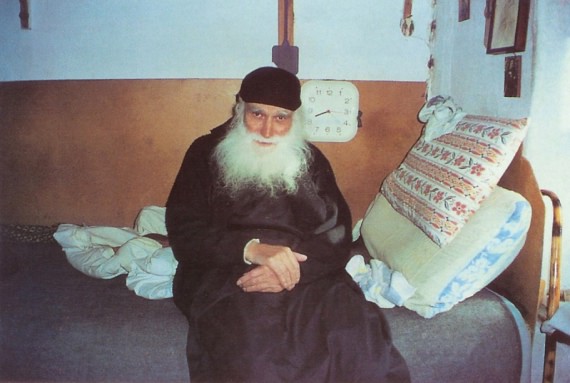
η φωτογραφία είναι απο το μικρο και λιτότατο κελλακι του γεροντα,εκεί οπου δεχοταν τις επισκέψεις της Χάριτος κατά τις πολύωρες προσευχές του .ο παπα Εφραιμ ειναι καθισμενος στο ασκητικό κρεββατι του.

μακάρι ο καλος Θεός να μας λυπηθεί και να μας ελεησει με τις ευχες του και τις ευχές της ευλογημενης μητερας του.

Δάκρυα (Γέροντας Εφραίμ Κατουνακιώτης)

απαθείας· τα δάκρυα καθαρίζουν. Είναι τα αρχαρίτικα δάκρυα, δηλαδή τα δάκρυα μετανοίας· ήτοι σκέπτεσαι: Εάν κολασθώ; Θα είμαι με τον Χριστόν ή με τον διάβολον; Εάν θα είμαι αιώνια εις την κόλασιν; Τότε τι θα κάνω; κ.ο.κ.

Κατόπιν έρχονται τα δάκρυα της χάριτος. Τα δάκρυα αυτά είναι τόσο γλυκά, ώστε όταν μου ήρχοντο, έλεγα: «Θεέ μου εις τον Παράδεισο τίποτε άλλο δεν θέλω, παρά να κλαίω έτσι». Αυτά τα δάκρυα έρχονται ύστερα..

Τα δάκρυα είναι η τροφή της ψυχής. Όπως όταν το σώμα τρέφεται με καλή τροφή ζωογονείται, έτσι και η ψυχή τρέφεται με τα δάκρυα και ζωογονείται.

Όταν προσεύχεσαι, να προσπαθείς να έχεις δάκρυα. Γίνεται συνήθεια κατόπιν, και κλαις εις την προσευχή σου. Όταν έχεις δάκρυα εις την προσευχή, οτιδήποτε δάκρυα, πηγαίνεις μπροστά. Όταν σταματήσουν τα δάκρυα, πας οπίσω.

Εγώ παρακάλεσα τον άγιο Εφραίμ: «Άγιε του Θεού, εσύ των δακρύων άνθρωπος είσαι...» -όπως λέει το τροπάριο: "Ταις των δακρύων σου ροαίς της ερήμου το άγονον εγεώργησας..."- και μού 'δωσε τόσα πολλά δάκρυα, που δεν μπορούσα, μέρα-νύχτα έκλαιγα. Κι έφτασα στο σημείο να κλαίω όσο θέλω, όποτε θέλω και όπου θέλω.

Αλλά τι; Να, εδώ πάνω τώρα, να πούμε, από πάνω ο Ι., στο δωμάτιο επάνω, δίπλα κάθεται ο Ε. Και καμιά φορά με πιάνουν τα δάκρυα και λέει ο Ι.: «Σ' ακούγαμε τη νύχτα που έκλαιγες». «Ε, καλά, βρε παιδί μου», λέω, «άνθρωπος αμαρτωλός, άμα δεν παρακαλέσω τον Θεό να μ' ελεήσει, αλλά με παίρνουν τα δάκρυα». Και δίπλα ήτανε, δίπλα στο δωμάτιο κάθεται ο Ε. «Σ' ακούγαμε, Γέροντα, που όλη τη νύχτα έκλαιγες», λέει. «Ε, καλά, βρε παιδιά μου, αμαρτωλός είμαι, θα κλαίω».

«Άκουσε», λέω, «δεν γίνεται αυτό. Άμα καταλάβω ότι εσύ μ' ακούς κι ο Ε. μέσα ακούει, κόβεται η παρρησία στην προσευχή. Ναι, γι' αυτό», λέω, «άκουσε θα πάω σε άλλο μέρος, να μη με ακούει κανένας, να κλάψω όσο θέλω»· γιατί μπορεί και να ψάλλω, μπορεί και να... αυτό, πώς θά ρθουν τα δάκρυα;

Άμα φέρεις τέτοιες θεωρίες: Δεύτε τον τελευταίον ασπασμόν δώμεν, αδελφοί, τω θανόντι...», πώς, όσο σκληρή να είναι η ψυχή σου, να θεωρείς τον εαυτό σου ότι είσαι επάνω στο φέρετρο και πάνε να σε θάψουνε, ναι, μπορείς να μην κλάψεις; Μια-δυο, μετά είναι αδύνατο να μην κλάψεις και θα αποκτήσεις συνήθεια να κλαις. Αλλά να παρακαλέσεις και την Παναγία να πούμε.

Και ένας λογισμός μου ήρθε: «Να, βλέπεις που αγωνίζεσαι...» Έφυγαν, έφυγαν αμέσως τα δάκρυα. Επειδή αυτό το χάρισμα που μού δωσε ο άγιος Εφραίμ, το οικειοποιήθηκα, ότι είναι δικός μου κόπος, και έφυγαν τα δάκρυα.


Γέροντας Εφραίμ Κατουνακιώτης

Trust God, Not Men


"Thus says the Lord: 'Cursed is the man who trusts in human beings, who seeks his strength in flesh, whose heart turns away from the Lord'" (Jeremiah 17:5).

When man alienates himself from God in his heart he usually trusts in men and in himself, for in who else can he otherwise trust when he untied his rowboat from God's boat? Since he has already untied his rowboat from God's boat, nothing else remains for him except to trust in his rowboat or in the rowboat of his neighbors. It is a weak trust, but there is no other for him! It is a weeping trust above the abyss of destruction, but there is no other!

But, O heaven and earth, why did man untie his rowboat from God's boat? What happened to man that he flees from his security? What kind of calculation did he calculate when he discovered it would be better for him alone on the tempestuous waves than in the household of God and near the hem of God! With whom did he make an alliance when he breached the alliance with God? Is it with someone stronger than God? Foolishness, foolishness, foolishness!

"Cursed is the man who trusts in human beings." This God spoke once and men have repeated this thousands of times. Being disappointed in their trust in men, men have cursed thousands of times those who have trusted in man. God has said only that which men experienced only too well and confirmed by their experience, i.e., how indeed cursed is the man who trusts in man!

Brethren, that is why we should have trust in God Who is the stable boat on the tempest and Who does not betray. Let us have trust only in Him for all other trust is a devilish illusion.

In You do we trust, O Lord, our fortress and refuge. Tie us along side You and do not allow us to untie ourselves, if we, by our foolishness and cursedness, attempt to untie ourselves from You. To You be glory and thanks always. Amen. 
St. Nikolai Velimirovich

A Christian Conscience


When a man acquires a Christian conscience, he zealously labors to correct his life and to please God. For him, all else becomes of little importance. We have examples of such men not only among the great ascetics and spiritual fathers but also among powerful rulers themselves. Emperor Theodosius the Great gives us such an example who, for a brief time, fell into heresy after which he repented. St. Ambrose, his earlier critic, spoke over his lifeless body: "I loved this man who, divesting himself of all imperial insignias, openly in church bewailing his sin and, with sighs and tears, begged forgiveness. What ordinary men are ashamed to do, the emperor was not ashamed to do. After his glorious victory over the enemies of the empire, he decided not to approach Holy Communion until the return of his sons only because his enemies were slain in battle."

- St. Nikolai Velimirovich

ΟΙ ΔΥΟ ΑΣΚΗΤΕΣ ΚΑΙ Η ΠΑΝΑΓΙΑ


Δύο ασκητές κάποτε πήγαν σε μία αγρυπνία. Μετά την ολονύκτια και πολύωρη αγρυπνία, στην τράπεζα παρέθεσαν ψάρι και ρεβύθια,επειδή ήταν ημέρα Παρασκευή.
Ο ένας από τους δύο ασκητές είπε: Θα φάω ψάρι εις τιμήν της Παναγίας, και ο άλλος είπε: Θα φάω ρεβύθια εις τιμήν της Παναγίας. Μετά την τράπεζα πήραν τους ντορβάδες τους και πορεύονταν για τα ασκητήριά τους. Μέσα τους είχαν τον λογισμό, ποιος από τους δύο ευαρέστησε την Παναγία.

Στον δρόμο κάθισαν να ξεκουραστούν λίγο Ο ένας αποκοιμήθηκε ελαφρά και βλέπει την Παναγία να λέγη σ'εκείνον τον μοναχό που έφαγε το ψάρι, ''σε ευχαριστώ'' και στον ίδιο που έφαγε ρεβύθια, ''εσένα σου το χρωστάω''!! διότι προφανώς εκείνος έκανε κάποια θυσία! 


http://www.agioritikovima.gr

Γάμος...θα γίνουν οι δύο σάρκα μία! - Αγιος Ιωάννης ο Χρυσόστομος


41008_110144349042948_100001421517087_87710_3928598_n.jpg


«Δεν διαβάσατε ότι από την αρχή ο Δημιουργός τους έπλασε άντρα και γυναίκα; Και είπε: Γι΄ αυτόν τον λόγο θα εγκαταλείπει ο άντρας τον πατέρα του και τη μητέρα του και θα ενώνεται με τη γυναίκα του (Γεν. 2,24)...
Πρόσεξε, μάλιστα, ότι αυτό δεν το υποστήριζε μόνο από τη δημιουργία, αλλά και από την εντολή του. Διότι δεν είπε μόνο ότι έπλασε έναν άντρα και μια γυναίκα, αλλ΄ ότι διέταξε και τούτο το να ενώνεται δηλαδή ο άντρας με τη γυναίκα.
Αν όμως στις προθέσεις του ήταν να αφήνει τη γυναίκα και να παίρνει άλλη, θα έπλαθε έναν άντρα αλλά πολλές γυναίκες. Τώρα κι από τον τρόπο της δημιουργίας και τον τρόπο της νομοθεσίας έδειξε ο Θεός ότι ένας άντρας πρέπει να ζει μαζί με μια γυναίκα διαρκώς και να μη χωρίζουν ποτέ...
Και δε νομοθέτησε απλά να πηγαίνει ο άντρας προς τη γυναίκα αλλά και να ενώνεται, φανερώνοντας με τη διατύπωση αυτή το αδιάσπαστο [της σχέσης]. Και δεν αρκέστηκε μόνο σ΄ αυτό, αλλά επεδίωξε και άλλη στενότερη επαφή γιατί είπε: "θα γίνουν οι δύο σάρκα μία" (ένα σώμα)...
Όπως λοιπόν το να κομματιάσεις ένα σώμα είναι οδυνηρό, έτσι και το να χωρίσεις γυναίκα είναι αντίθετο στο νόμο του Θεού. Και δεν σταμάτησε μέχρι εδώ, αλλά και τον Θεό επικαλέστηκε να λέει: Ότι ο Θεός συνένωσε, δεν πρέπει να το χωρίζει άνθρωπος» - Ματθ. 19,6 (Υπόμνημα εις τον άγιον Ματθαίον..., ΚΒ΄, Migne Ε.Π. 58, σ. 597).
«Όταν ανάμεσα στη γυναίκα και τον άντρα υπάρχει ομόνοια και ειρήνη και σύνδεσμος αγάπης, εκεί μαζεύονται όλα τα αγαθά και γίνονται απρόσβλητοι από κάθε κίνδυνο, σα να είναι με κάποιο μεγάλο και απόρθητο τείχος προστατευμένοι, δηλαδή με την κατά Θεόν ομόνοια» 


Αγιος Ιωάννης ο Χρυσόστομος

Can Prayer Help relieve Headaches.


While there is no research on the use of the Jesus Prayer and relief from headaches there is some research from those who meditate.

Meditation has been shown to help offset the symptoms of chronic pain, including headaches. One study showed that 72 percent of patients with chronic pain who underwent meditation training, reported significant reductions in their level of pain. In another study, patients who practiced meditation experienced fewer migraine headaches, enhanced their pain tolerance, and reported a greater sense of well-being.The Jesus Prayer is quite different than meditation as it is an prayer in communication with God. But there are many similarities to the regular practice of this prayer that are similar to meditation. The Jesus prayer should be much more effective than meditation as it does call on God for His mercy.


The regular practice of the Jesus prayer requires at least 15 minutes per day where you can set aside all daily cares and quietly in your mind repeat the prayer, "Lord Jesus Christ, Son of God, Have mercy on me." One will find that this is not an easy task as our minds are very active and we will observe many distracting thoughts while we try to pray in this way. Gradually as we keep up a daily practice we will gain in our ability to concentrate on the words of the prayer. As we gain in this way, our mind becomes quiet, our body relaxes, and our heart opens to God. This opening then allow His grace to flow through us bringing any healing power as God wills for us.


With the practice, when we feel a headache coming on, we can stop for a few minutes and repeat this prayer until the pain subsides. We don't have to wait for the actual headache to intervene with a prayer. Here are some symptoms that are known to be precursors to and headache: Fatigue, mood changes, food cravings, loss of appetite, yawning, increased urination, and muscle stiffness. We can observe our own situation and learn to recognize these warning signs. There are also some common triggers that can be avoided. They are: Caffeine, chocolate, aged cheese, red wine, hormonal changes, stress, and too much or to little sleep.


The power in this prayer comes from the name, "Jesus". Its practice requires humility realizing that we cannot control everything in this world, including our aches and pains. Its practice is both a worship of God and a discipline with similarities to many meditation techniques. It is not an easy practice and takes patience and endurance. Research has shown that it actually causes a change in neurological networks of our brain. One must first have faith in Jesus Christ as our Lord and Savior.

Praying with the Heart - St. John of Kronstadt


Some good advice on Prayer from Saint John of Kronstadt

When praying, we must absolutely subject ourselves to our will, and turn it towards God. It must be neither cold, crafty, untruthful, nor double-minded, otherwise what will be the use of our prayers, of our preparation for the Sacrament?


It is good for us to hear God’s voice of anger: “This people draws nigh unto me with their mouth, and honours me with their lips, but their heart is far from me” (Matthew 15:8).


So do not let us stand in church in a state of spiritual prostration, but let the spirit of each one of us on such occasions burn in its working towards God.


Even men do not much value the services which we render to them coldly, out of habit. And God requires our hearts: “My son, give Me your heart” (Proverbs 23:26).


Because the heart is the principal part of the man – his life. More than this, the heart is the man himself.


Thus he who does not pray or does not serve God with his heart, does not pray at all, because in that case his body only prays, and the body without the mind is nothing more than earth.


Remember, that when standing in prayer, you stand before God Himself, who has the wisdom of all. Therefore, your prayer ought to be, so to say, all spirit, all understanding.


John of Kronstadt (1829-1908; Russian Orthodox):
Related Posts Plugin for WordPress, Blogger...